REVIEW · MARRAKESH
Marrakech: 2-Day Atlas Mountains Trek with Village Stay
Book on GetYourGuide →Operated by Marrakech Day Trips - Tours · Bookable on GetYourGuide
Two days, and Marrakech feels a million miles away. This Atlas trek swaps the Medina’s rush for High Atlas views and a Berber village night. You hike daily with a real crew, stop for mountain lunches, and end up in communities where daily life keeps moving with or without tourists.
What I like most is the mix: big views like the Mount Toubkal region, plus the human side of the journey through Berber/Amazigh culture. Your overnight stay is part of the point, not an afterthought, with traditional home-style food and a night that feels quieter than any riad in the city.
One consideration: nights can be very cold in winter. Multiple guides and guests note that there’s often no real heating, so bring warm layers even if the daytime sun feels friendly.
In This Review
- Key things I’d bet you’ll remember
- Why this 2-day Atlas trek feels different from a quick day trip
- The drive from Marrakech: Asni to Imlil, with real Atlas scenery along the way
- Day 1: Imlil to the Azzaden Valley via Tizi Mzik, with a lunch break at altitude
- Overnight in the Berber village: tagine dinner, simple lodging, and cold-night reality
- Day 2: Id Issa village time, Tizi Oujdid pass, and a walnut grove lunch by the river
- Pacing, fitness, and footing: what to expect on the trail
- Food and support: why the cook and mule team change the experience
- Price and value: what $96 covers and who it’s worth for
- Who should book this trek, and who should skip it
- Should you book the Marrakech 2-day Atlas trek with village stay?
- FAQ
- What languages are available for the tour guide?
- How long is the hiking each day?
- Are meals and drinks included?
- Is accommodation included for the overnight stay?
- What should I bring?
- Is this tour refundable if my plans change?
Key things I’d bet you’ll remember
- Small group (up to 14) makes it easier to manage the pace on rocky sections and steep descents.
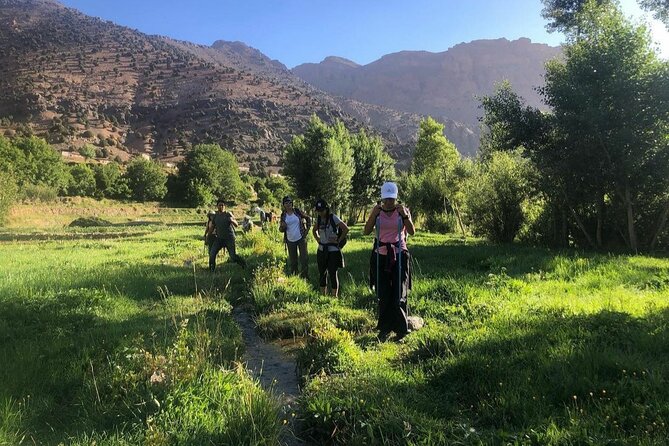
- Tizi Mzik and Tizi Oujdid passes give you a strong “start-to-finish” trekking route with high viewpoints.
- Mint tea at Imlil sets the tone fast, and it’s a good moment to meet your crew.
- Lunch with views happens at high spots, so breaks feel like sightseeing, not just resting.
- A cook and meal plan built for hiking means tagine and other Moroccan dishes show up when you’re actually hungry.
- Mules carry luggage and sleeping bags are included, which helps you travel lighter.
Why this 2-day Atlas trek feels different from a quick day trip
Marrakech is loud in a way that can feel physical. This trek is the antidote: you trade traffic and call-to-prayer energy for thin mountain air, walking rhythms, and villages where you’ll notice how people live, not just how they perform for visitors.
You also get something that’s hard to recreate on a half-day outing: time. A full day of hiking (with real breaks) changes your perspective on the Atlas Mountains. By the second morning, your body has caught up and your eyes start seeing details—terraced paths, juniper stands, stone homes, and the way valleys open and close like a story.
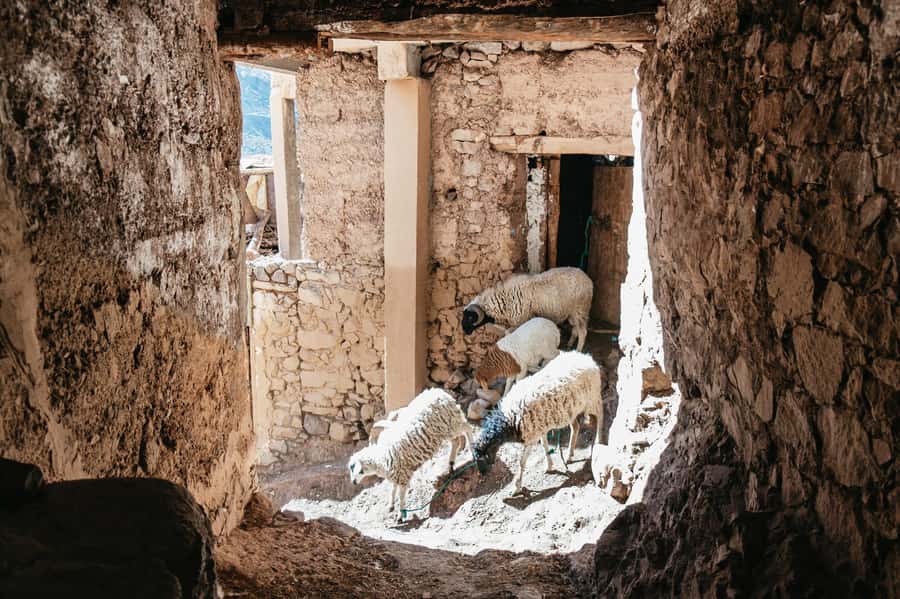
Then there’s the village stay. Instead of a “look but don’t touch” stop, you sleep as a guest. Guests in the reviews mention the experience feeling authentic, with simple but clean accommodations and dinner that tastes like what families eat at home.
The drive from Marrakech: Asni to Imlil, with real Atlas scenery along the way
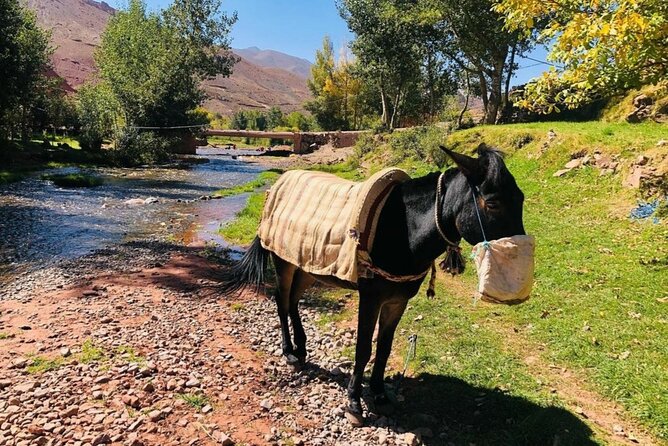
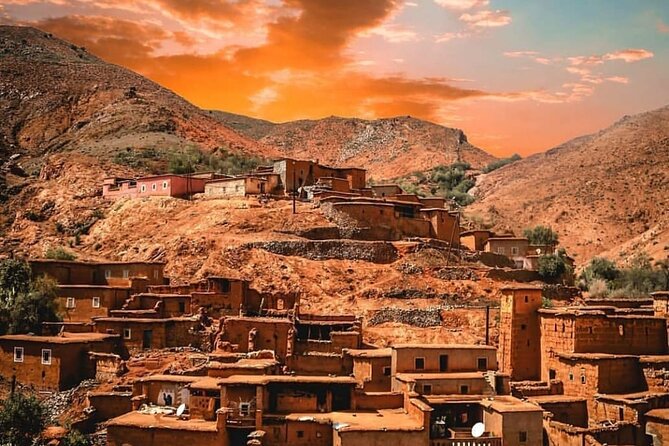
You start with pickup from your hotel in Marrakech. Then your car heads toward the High Atlas area, passing through places like Tahnnaout, Oued Ghighaya, and Asni. You’ll watch the environment change as the road climbs: the city’s textures fade, and the valleys start looking more agricultural and more human—villages on slopes, small plots, and lines of stonework following the terrain.
Expect the journey to take roughly an hour to the mountain edge, but it can stretch longer depending on pickup order and traffic. Either way, this is useful time. You’re not just traveling—you’re orienting yourself. By the time you reach Imlil, you’ll understand where your hike is headed and why the passes matter.
When you arrive at Imlil, you meet your trekking crew. A mint tea moment usually happens right away, and it’s not a gimmick. It’s practical: warm sweetness, a chance to ask questions, and time to confirm what to expect before your first climb.
Day 1: Imlil to the Azzaden Valley via Tizi Mzik, with a lunch break at altitude
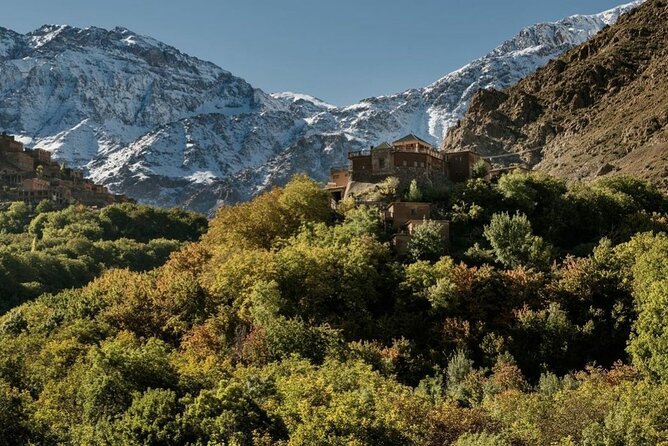
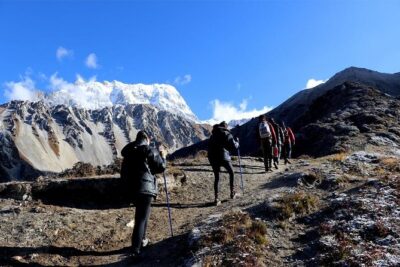
Day one is where the Atlas really gets your attention. You set out from Imlil with your guide and begin moving toward the Azzaden Valley area, crossing the Tizi Mzik pass.
This stretch is a classic combination: steady uphill effort, panoramic reward, and long views that keep widening as you go. The pass is key because it puts you above the valley floor. You’ll likely notice peaks layered in the distance, and you’ll understand why the guides time stops the way they do—pause when the view opens, walk when the footing makes sense.
Lunch happens at the top of the pass. This is one of the smartest design choices in the whole experience. Instead of rushing your meal, you eat while you’re still at the best scenery. Reviewers repeatedly praise these lunch moments because they feel unique—like you’re breaking inside the mountains, not on the way to something else.
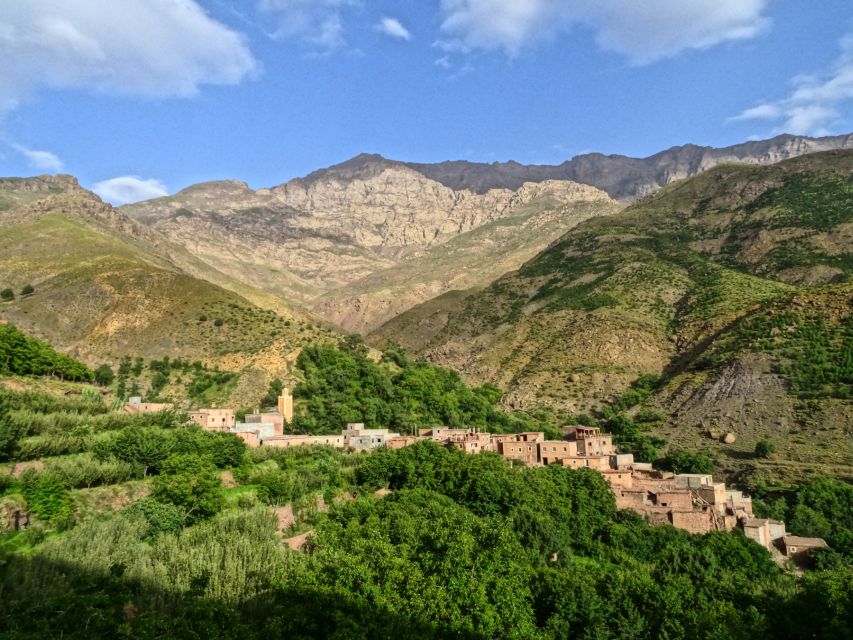
After lunch, you continue down toward Tizi Oussem through the juniper forest. Juniper stands change the feel of a hike. The air cools slightly, the light softens, and your route becomes more about reading the ground than watching the far horizon. You’ll reach the village for the overnight portion, where the day’s work ends in a slower rhythm.
Overnight in the Berber village: tagine dinner, simple lodging, and cold-night reality
The overnight stay is the soul of this trek. You sleep at a traditional Berber site/guesthouse in the mountains, where you’ll be treated as part of the day’s story. Guides (names you may hear in different groups include Mohamed, Kamal, Mustafa, Hassan, Mourad, Hussain, Abdou, and others) often set a friendly tone, and many cooks (like Ibrahim in multiple accounts) focus on hearty Moroccan food that actually helps you recover.
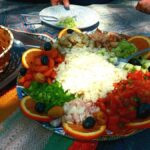
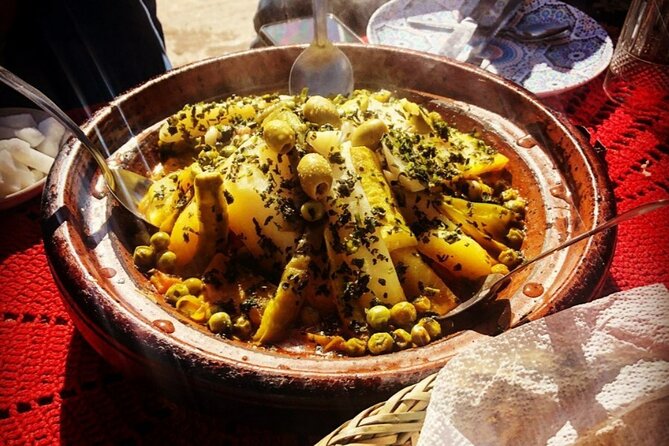
Dinner is typically tagine, served in a calm mountain setting that feels like it’s far from Marrakech. It’s not fancy, but that’s the point. The food is warm, filling, and timed for hikers who climbed all day and need something steady.
Now for the part I want you to plan for: temperature. Multiple winter reviews mention sharp drops after sunset and a lack of heating. Even with sleeping bags provided, you’ll want proper layers for evening. Guests also mention extra warmth options like a sleeping bag liner. If you’re the type who runs cold, pack for night, not just for the daytime hike.
Rooms can be simple—some accounts describe hard mattresses and basic facilities. Some lodges have en-suite bathrooms, others use shared facilities. You’re not paying for a hotel; you’re paying for a real mountain stop that stays inside village life.
Day 2: Id Issa village time, Tizi Oujdid pass, and a walnut grove lunch by the river
Day two starts with breakfast in the mountains. Then you head toward Id Issa village, where you’ll have time to explore once you arrive. This village stop is important because it breaks the hike into more than just exercise. It’s where you can slow down, notice how people use the landscape (valleys and paths, not just scenery), and ask questions without rushing.
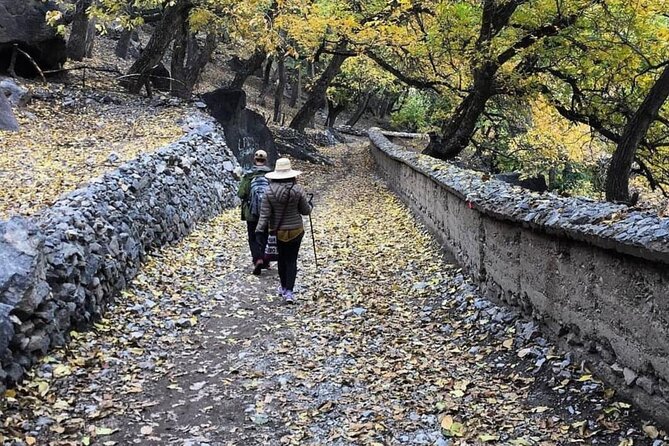
From there, you continue hiking through Tizi Oujdid pass, passing through Matat along the way. Pass days tend to feel like two hikes in one: first, the climb to open views; second, the descent route where your knees notice every change in grade. A few reviewers note steep drops and rocky footing, which means good shoes with grip matter more than stylish footwear.
Lunch is at a walnut grove next to a river. That setting provides a nice contrast to the pass: shade, a calmer soundscape, and a slower-feeling meal before you turn back toward Marrakech. This is also where the day feels like it’s coming together—walking effort gives way to comfort.
By late afternoon, you return to Marrakech with hotel drop-off. It feels like the trek doesn’t just end; it hands you back the city in a softer way than arriving at Imlil ever does.
Pacing, fitness, and footing: what to expect on the trail
The plan is a guided trek with roughly 5 to 6 hours of hiking each day. That can sound intimidating until you understand how guides typically handle the group: steady pace, breaks when needed, and route choices that keep people moving safely.
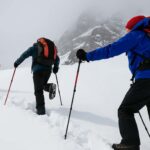
Fitness-wise, this is often described as doable for beginners who hike sometimes and go at a comfortable tempo. But the ground can be real mountain ground: rocky paths, uneven gravel, and spots with steep drop-offs. Reviewers recommend boots over trainers and mention that trekking poles can help, especially on descents.
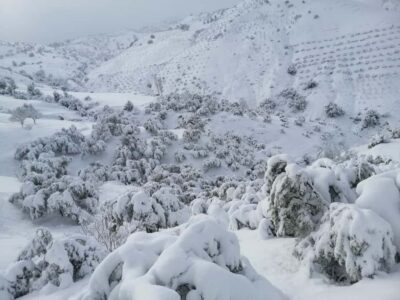
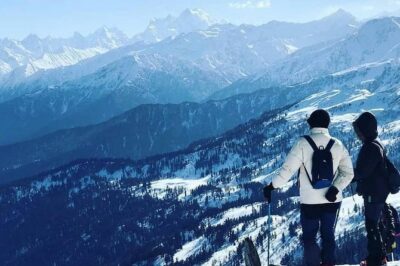
Weather matters a lot. Winter hikes can include snow or cold mornings. When snow blocks a planned route, guides in recent accounts have used alternate paths to keep the group safe while still giving great viewpoints. If you’re going in colder months, come ready for sun during the day and cold after.
Packing advice from the provided guidance plus winter-focused reviews boils down to:
- Comfortable shoes with grip
- Sun hat, sunglasses, sunscreen for the daytime
- Sun protection and warm layers for early/late weather shifts
- Camera because the viewpoints are a big part of the payoff
Food and support: why the cook and mule team change the experience
A lot of trek operators feed you. Fewer make it work for actual hiking logistics. Here, you get all meals, plus coffee and tea, with lunches timed into your hike.
The cook is part of why people rate this so highly. Multiple accounts mention the food as generous, flavorful, and accommodating, including dietary needs like gluten-free and vegetarian. Even if you eat “normal,” having real Moroccan food after a long day feels better than ration-like meals.
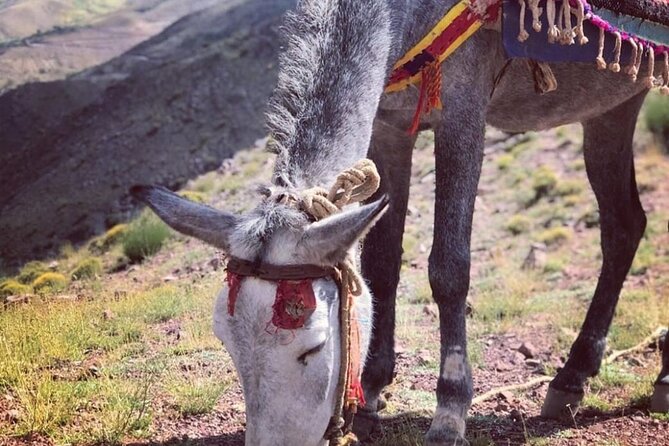
Then there’s luggage support. You’ll have muleteers and mules for luggage, which usually means you can keep your daypack lighter. Several reviews mention that guides carry or offload night items on the mule/donkey team so you’re not hiking with a heavy bag.
Sleeping bags are included, which helps remove one shopping chore. Still, if you’re sensitive to cold, a liner can be a smart add-on based on winter experience shared in the accounts.
Price and value: what $96 covers and who it’s worth for
At $96 per person for 2 days, the price feels fair mainly because you’re getting a full bundle:
- hotel pickup and drop-off
- a guided trek
- a cook and meal plan (not just snacks)
- mule support for luggage
- one-night accommodation in the mountains
- sleeping bags, plus coffee and tea
So you’re paying for coordination, not just for walking. The route needs local know-how, timing, and staff to manage meals and logistics across two days. And because the group is kept small (up to 14), you’re less likely to feel like you’re being swept along with a crowd.
This is best value if you want both nature and culture, and you don’t want to handle planning. If you’re only after quick scenery and you hate hiking, it may feel like too much effort for too little payoff.
Who should book this trek, and who should skip it
This is ideal for you if:
- you want a short, high-reward trek starting from Marrakech
- you like meeting locals and spending a night in a village guest stay
- you can handle rocky paths and steep-ish sections at a moderate pace
- you want meals built into the hike plan
Skip or reconsider if:
- you’re pregnant (not suitable per the activity info)
- you strongly dislike cold evenings in winter (you’ll feel it)
- you’re not comfortable hiking on uneven, sometimes steep terrain
If you’re traveling solo, it can still work well because the guide and small group structure keep things social but not chaotic. Many accounts describe feeling safe and cared for, and guides often adjust pace for slower hikers.
Should you book the Marrakech 2-day Atlas trek with village stay?
I’d book it if you want your Marrakech days to include more than just sights and shopping. This trek trades convenience for connection: you get Tizi pass viewpoints, a Berber village night, and Moroccan meals that match the effort you put in.
Book with a clear expectation about two things. First, plan for cold at night, especially in winter, even if the trek itself feels pleasant in daylight. Second, bring proper footwear and respect the uneven trail.
If those two points fit your style, this is the kind of trip that sticks in your memory for both the views and the feeling of sleeping in the mountains like you belong there for a night.
FAQ
What languages are available for the tour guide?
The live tour guide can speak Arabic, English, French, Spanish, and German.
How long is the hiking each day?
The trek includes about 5 to 6 hours of hiking each day.
Are meals and drinks included?
Yes. Lunches and dinner are included during the adventure, and you’ll also get breakfast on day 2. Coffee and tea are included as well.
Is accommodation included for the overnight stay?
Yes. The experience includes 1-night accommodation plus sleeping bags.
What should I bring?
You should bring comfortable shoes, sunglasses, a sun hat, a camera, and sunscreen.
Is this tour refundable if my plans change?
You can cancel up to 24 hours in advance for a full refund.