REVIEW · CHIANG MAI
Chiang Mai: Doi Inthanon Trip with Pha Dok Siew Guided Trek
Book on GetYourGuide →Operated by LocalCNXTours · Bookable on GetYourGuide
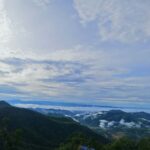
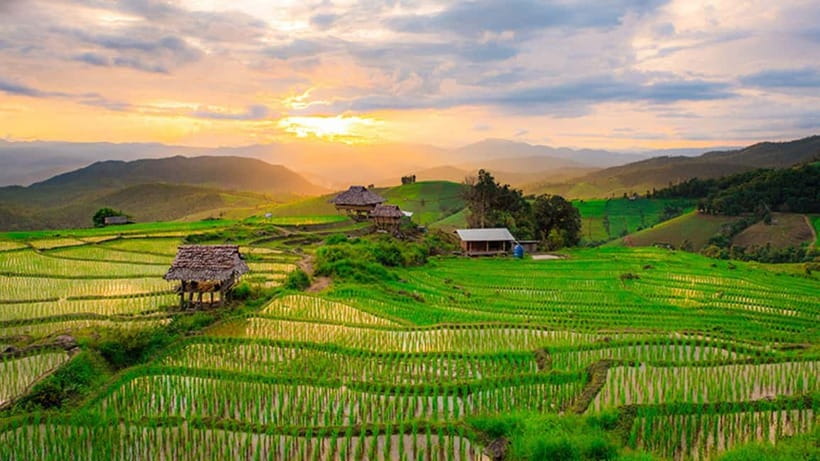
Expect misty mountain views and forest trails. This 1-day outing in Chiang Mai Province is built around Doi Inthanon National Park’s big hitters, from the King and Queen twin pagodas to a guided Pha Dok Siew nature walk with local Karen support. I like how the day mixes scenery with people, not just photo stops, and you get to hear practical on-the-ground stories along the route.
Two things I really like: the 2-hour guided trek feels more like a guided walk through local ecology (with bridges, stairs, and learning boards) than a rushed sprint, and the cultural parts—especially the Karen village lunch and coffee/tea moments—tend to feel respectful. One drawback to plan for: the summit area and high elevations can be cold or foggy, and the trail can be slippery in rainy season, so bring warm layers and expect a damp hike at times.
In This Review
- Key things that make this trip worth your time
- Morning Pickup and the Rhythm of a Packed Day
- Doi Inthanon National Park: Roof of Thailand, Cold Air, Real Nature
- Doi Inthanon Park Stops Before the Trek
- Pha Dok Siew Nature Trail: A Guided Walk That Feels Personal
- Karen Village Lunch and Coffee/Tea Moments
- Wachirathan Waterfall: Photo Time With No Swim
- King and Queen Pagodas: Dress Code Matters
- The Highest Point of Thailand: Worth It, Even If It’s Forested
- Price and Value: Watch the National Park Fee Option
- What to Bring, What to Wear, and Safety Reality
- Who This Tour Fits Best
- Should You Book This Doi Inthanon Day Trip?
- FAQ
- Is the national park fee included, or do I pay extra?
- What time does pickup start in Chiang Mai?
- What dress code do I need for the King and Queen pagodas?
- How long is the trek on Pha Dok Siew?
- What should I bring for the weather?
- Is the tour suitable for everyone?
Key things that make this trip worth your time
- A guided 2-hour Pha Dok Siew trail with local Karen guidance and safety upgrades (bamboo/wood bridges, stairs, railings)
- King and Queen pagodas with strong viewpoint energy, even when weather plays tricks
- Wachirathan waterfall time for photos (no swimming), plus time to slow down and breathe
- Karen village lunch in the middle of the day’s adventure, often paired with coffee/tea tasting
- Small group vibe (10–12 people) that keeps the day social but not chaotic
- The highest point stop on a structured schedule, even when it is more forested than scenic
Morning Pickup and the Rhythm of a Packed Day
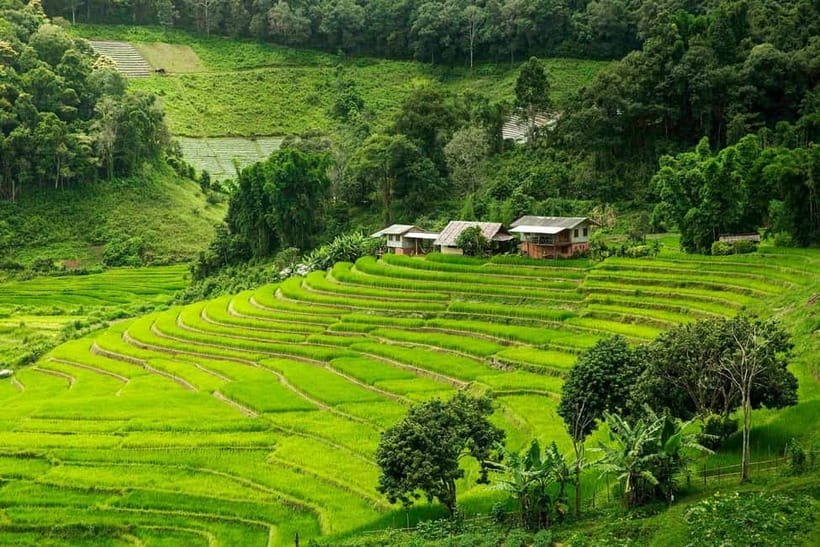
This tour is built for early starts. Pickup runs around 7:00–7:30 am from the old city area and specific spots like Burger King, and the day moves fast once you’re on the road. If you’re meeting at the Imm Hotel Tha Pae area, plan for morning traffic—navigation apps can be optimistic, and the guide only waits up to 10 minutes before moving on.
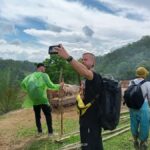
You’ll travel in an air-conditioned minivan with a small joint group of about 10–12. That matters because a smaller van makes it easier for the guide to talk, check in, and keep you on schedule without the usual big-group shuffle. It also sets you up to meet other people from different countries without feeling like you’re stuck on a conveyor belt.
You can also read our reviews of more tours and experiences in Chiang Mai.

Doi Inthanon National Park: Roof of Thailand, Cold Air, Real Nature
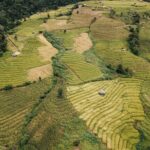
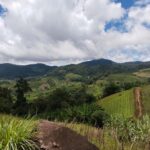
Doi Inthanon is the “Roof of Thailand” for good reason. It sits in the Himalayan mountain system, with elevations stretching from about 800 meters to 2,565 meters, and the park protects cloud forest, bog areas, pine, teak, and other ecosystems. The air can feel clean and cool, and even though you’re not hiking all day, the altitude changes how you experience the place.
This is also one of Thailand’s top waterfall parks. The day you’ll see sights tied to that reputation, including Wachirathan waterfall and scenic pagoda viewpoints. Weather is the wildcard. In rainy season (May–October), you should plan for rain and slick footing. In the cooler November–February window, temperatures can drop at higher elevations, so you’ll feel it even if Chiang Mai town is warm.
Doi Inthanon Park Stops Before the Trek
Before the main walking portion, the schedule includes short park time and key stops. You’ll have a quick Doi Inthanon visit (about 15 minutes) early in the day, then move on toward the pagoda complex. These early segments feel like the warm-up: enough time to get your bearings and understand what kind of environment you’re stepping into, but not enough to steal time from the trek.
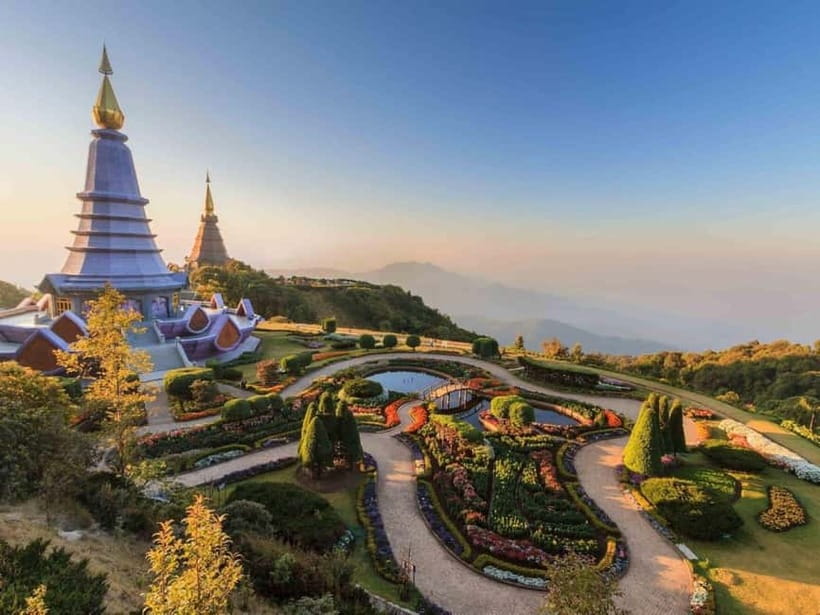
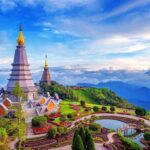
Then comes the first big “wow” layer: the King and Queen pagodas. These are twin structures designed to frame views over the mountains and valleys. If you arrive with clear visibility, you’ll get wide perspective. If fog or low clouds roll in (which happens in cooler months), you may get a softer, more atmospheric look—still pretty, just not always crisp.
Pha Dok Siew Nature Trail: A Guided Walk That Feels Personal
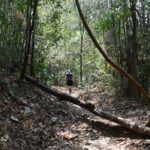
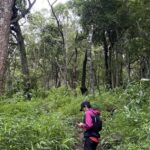
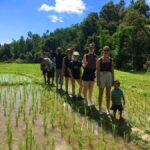
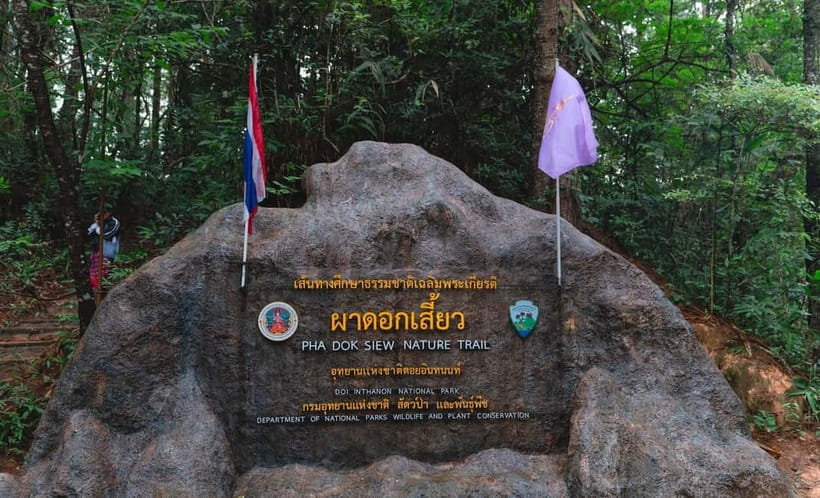
The heart of this day is the Pha Dok Siew Nature Trail, a guided 2-hour walk. This is where the tour earns its keep. You’re not just “going somewhere.” You’re learning how local Karen guides interpret the forest—what grows, what it’s used for, and what you might spot along the way.
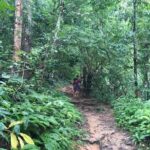
The trail has recently improved safety. Expect bamboo/wood bridges, stairs, and railings, which matters because wet conditions can turn a normal path into a slip-and-slide. You’ll also see educational boards along the way, which helps you connect the dots instead of walking past plants and mist without context.
How does the trek feel? Multiple guides have a way of keeping it light. You might get a playful, high-energy guide style—names you’ll see in past groups include Toey, Chan, Mint, Nena, Neena, Daniel, Maxi, and Mr. Bobo—and that personality changes the vibe. On the ground, expect a walk that can be “easy” in difficulty but still requires attention: steps, bridges, and uneven footing. In rainy weather it can be slippery, and in hot weather it can feel like a workout, especially if you’re not used to humidity.
Wildlife is part of the fun. Some groups have luck spotting animals like gibbons and snakes. You can’t count on sightings, but you can count on the guide pointing out interesting things you’d miss alone.
Karen Village Lunch and Coffee/Tea Moments
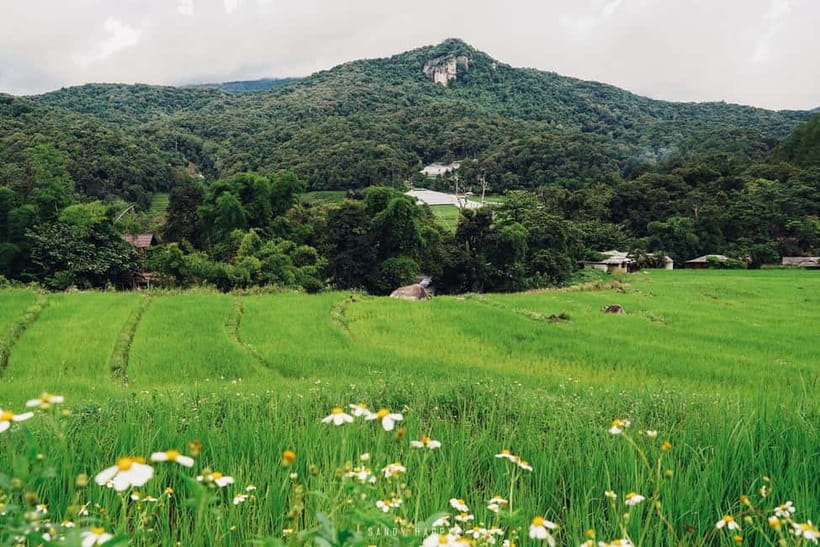
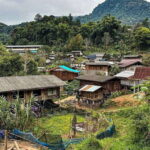
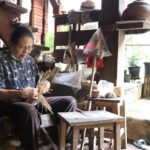
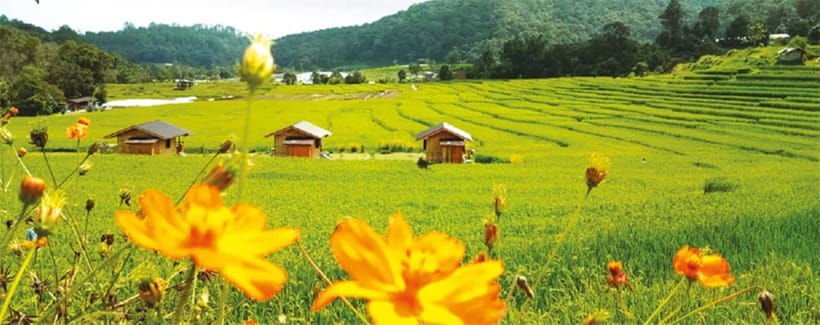
After the trek, you’ll get a set lunch (about 1 hour), often tied to the Karen village experience. This is where the tour goes beyond scenery. Guides commonly talk about local life in a way that feels grounded—how traditions fit into the environment, and how people live alongside the forest rather than “touring through it.”
What makes this portion work for me is the tone. Several groups describe the visit as respectful—less rushed, more human-scale. The lunch itself is set-menu style, so it’s not a gourmet buffet, but it’s timed well: you eat while the day’s effort is fresh and before the final waterfall/pagoda stretch.
A big highlight in many groups is the coffee/tea tasting. In the hill-tribe area, coffee culture is a real thread, and some lunches end with teas and coffees you can try rather than a generic snack stop. You may hear about organic-grown coffee and local preparation styles from the guide or village hosts—one of those small moments that turns a long day into something memorable.
If you’re vegetarian or vegan, you’ll want to communicate needs in advance. Past groups have noted the lunch can be adjusted, but set menus still mean you should ask early so the team can plan.
Wachirathan Waterfall: Photo Time With No Swim
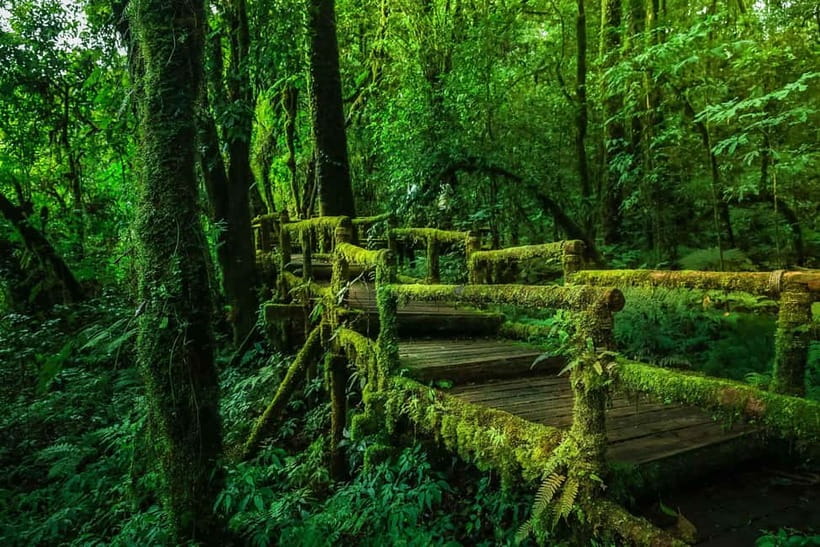
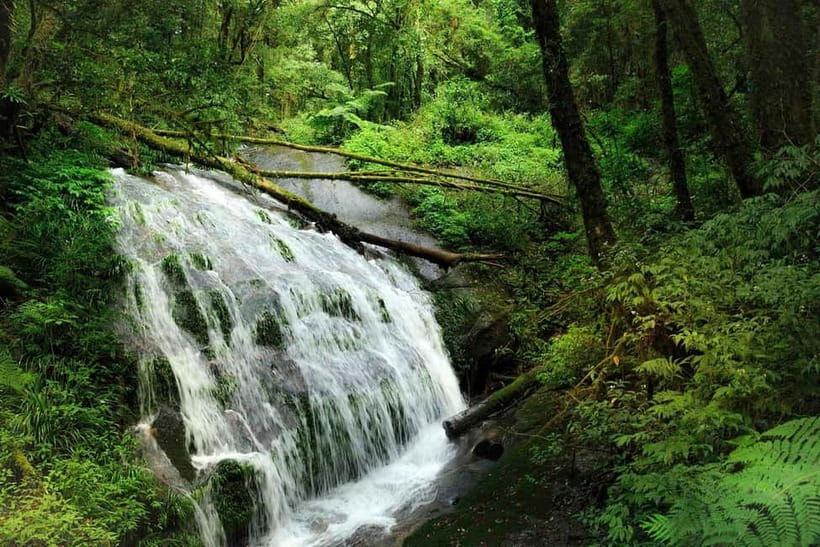
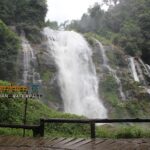
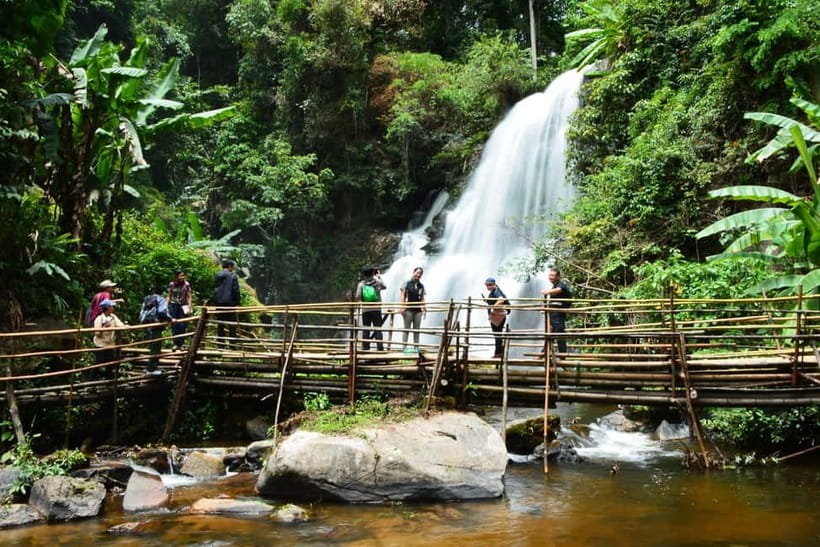
Wachirathan waterfall is one of the park’s main draws, and the schedule gives you about 1 hour for a photo stop and visit. The important detail: this is no-swim territory. So you’re not planning for a dip or a long rest in the water.
Instead, think of it as an outdoor viewing and walking experience. In clear weather, you’ll get sharper views. In rainy season, the whole waterfall area can feel more dramatic—wet, loud, and alive—just with the tradeoff of damp trails everywhere.
For this stop, keep expectations flexible. You’ll likely get the chance to see the waterfall well, but the exact feel depends heavily on weather and how the day’s timing lands in the park.
King and Queen Pagodas: Dress Code Matters
The pagodas deserve their own attention because there’s a practical rule: you’ll need casual dress code and you shouldn’t arrive in anything too revealing. That includes no tank tops and avoiding flipper-style shoes. Sneakers and sports shoes are fine, but skip beach sandals or anything that won’t feel stable on outdoor grounds.
These details might sound minor, but they can save you hassle on-site. If you show up underdressed, you may be stuck adjusting quickly while the group waits.
What do you get for following the rules? Two things:
1) The structures themselves are a cool cultural change from the forest trek.
2) The viewpoints are a real payoff when clouds cooperate.
Even when visibility isn’t perfect, the twin pagodas feel special because they’re designed to frame the landscape. In fog, the scene can turn softer and quieter, which some people actually enjoy more than harsh sunlight.
The Highest Point of Thailand: Worth It, Even If It’s Forested
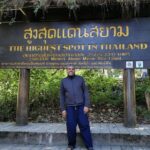
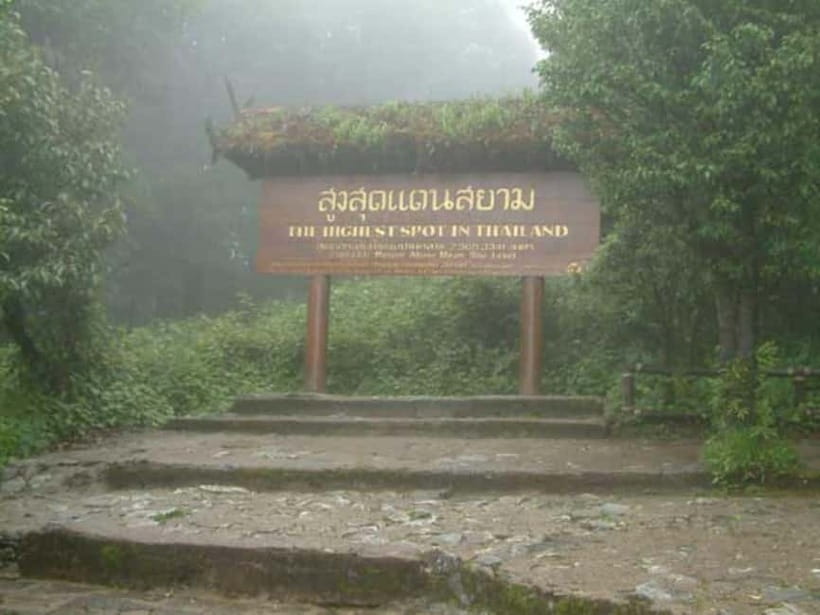
You’ll stop at the highest point of Thailand (Doi Inthanon Mountain). Here’s the honest expectation: the summit feeling can be more about the achievement and the forest setting than a big cinematic panorama. Some groups note that the summit isn’t always scenic in the classic way because it can be forested and visually blocked.
Still, it matters. It’s the emotional anchor for the day: you traveled to the top, you stepped into the high-elevation environment, and you can feel the scale of the park. If you’re the type who likes checkmarks, this is the “yep, I did it” moment. If you’re chasing only dramatic viewpoints, you’ll want to keep your eyes open for pagoda views earlier, where the scene can feel wider when weather helps.
Price and Value: Watch the National Park Fee Option
Pricing can look simple until you hit the national park fee question. You’ll see two options: one where the national park fee is included, and one where it’s excluded, in which case you pay 400 THB per person by cash on the day you travel.
This is the part to double-check before you hand over money. In practical terms, you want to confirm whether your booking covers:
- the national park ticket/fee, and
- any additional trekking trail fee included in your tour price.
What you do get for your money is solid. The trip includes:
- roundtrip transportation in an air-conditioned van/minivan from Chiang Mai areas like old city/Nimman,
- a set lunch,
- drinking water,
- guide time,
- insurance,
- and trekking trail access.
So the value isn’t only the sights. It’s the logistics and the guide-driven structure. Going alone means you’d still pay entry fees and figure out a route for the trekking portion safely. This tour packages it into one moving day with a guide, which is a big deal when you’re dealing with early starts and park complexity.
If you’re price sensitive, the fee option is the only “gotcha” to manage. Everything else is straightforward.
What to Bring, What to Wear, and Safety Reality
This day is outdoors, high elevation, and often damp. Pack with that in mind.
Bring:
- a hat (explicitly recommended)
- warm layers even if Chiang Mai feels warm in the morning (visibly cooler at elevation)
- a light jacket for cold summit conditions, especially if you’re going outside the hottest months
Wear:
- clothing that works for walking and possible rain
- stable shoes for steps and bridges
- for the pagodas: casual clothing that meets the no-tank-top rule and avoids flipper-style footwear
Notes that matter:
- pets aren’t allowed
- alcohol and drugs aren’t allowed
- you shouldn’t bring big luggage or a large bag
- the tour is in a joint group of 10–12, so plan for social energy
Who should think twice:
- pregnant women
- wheelchair users
- people with altitude sickness
- babies under 1 year
- people over 70
This is not a “sit and float” outing. Even if the trek is doable, it’s still uneven and sometimes slippery in rain. If you’re unsure about your fitness, don’t assume it’s totally flat.
Who This Tour Fits Best
This works best if you want a one-day hit of northern Thailand that mixes:
- forest trekking with guided interpretation,
- hill-tribe cultural contact through the Karen village lunch experience,
- and the park’s famous sights in one organized flow.
It’s also a good option if you like group energy but hate huge tour bus chaos. The small group size keeps things moving and lets the guide steer attention to details like plants and wildlife.
If you’re only interested in cities, temples, or short flat walks, this won’t feel tailored. Likewise, if you dislike rain, rainy-season schedules can feel more uncomfortable because wet footing changes everything.
Should You Book This Doi Inthanon Day Trip?
If you’re craving a true day inside the park—trekking with local guidance, seeing multiple iconic stops, and finishing with pagodas and the highest point—this is a strong pick. The biggest reason to book is the trek quality: the Pha Dok Siew walk with Karen-led safety improvements and educational touches is the part you’ll talk about later.
Skip it or choose another style if you want easy weather certainty and zero cold. Cold fog and rain are real possibilities at this elevation, and the trail conditions can shift fast.
If you do book, I’d strongly recommend two moves: confirm your national park fee option so there’s no surprise cash, and pack warm layers even if you’re arriving from hot Chiang Mai streets. That one small prep step can turn a tricky day into a comfortable one.
FAQ
Is the national park fee included, or do I pay extra?
There are two options. If your booking includes the national park fee, you should not pay anything additional. If it excludes the national park fee, you pay 400 THB per person by cash on the day of travel.
What time does pickup start in Chiang Mai?
Pickup is typically between 7:00 and 7:30 am in the old city area and at spots like Burger Kings. The guide waits a maximum of 10 minutes.
What dress code do I need for the King and Queen pagodas?
You’ll need a casual dress code: no tank tops and no flipper shoes. Sneakers or sports shoes are okay.
How long is the trek on Pha Dok Siew?
The guided walk on Pha Dok Siew Nature Trail is about 2 hours.
What should I bring for the weather?
Bring a hat, and expect cooler temperatures at higher elevations. Warm clothing is recommended.
Is the tour suitable for everyone?
It is not suitable for pregnant women, wheelchair users, people with altitude sickness, babies under 1 year, or people over 70.