REVIEW · CHIANG MAI
3-in-1: Doi Inthanon Tour, Elephant Sanctuary, and Trekking Trail
Book on Viator →Operated by Click2GoThailand.com · Bookable on Viator
Cool morning starts in Chiang Mai.
This 3-in-1 tour strings together three big-name experiences: ethical elephant time at Living Green Foundation, the Doi Inthanon National Park viewpoint with the King and Queen pagodas, and a guided hike to Pha Dok Seaw Waterfall. It’s built for travelers who want a lot packed into one day without the logistics headache.
I especially like two things: the elephant portion follows strict rules—no riding, and no hooks—so you can focus on respectful observing and the sanctuary routine. I also like that you get a real change of altitude and scenery, from cooler mountain air down to a hill-tribe coffee stop at Ban Mae Klang Luang.
The main drawback to plan for is the day is long and travel time is significant, with curvy uphill roads that can feel intense if you’re prone to motion sickness.
In This Review
- Key highlights worth your time
- A 10–12 hour 3-in-1 day plan that actually fits Chiang Mai
- Living Green Foundation: elephant time with strict rules (no riding, no hooks)
- Doi Inthanon peak views and the King and Queen pagodas
- Phak Dok Seaw trail and Pha Dok Seaw Waterfall: how to stay steady
- Ban Mae Klang Luang: the hill tribe village coffee stop
- Van time, timing, and motion sickness reality checks
- Lunch, bottled water, and the real cost math
- What to bring: wet feet, cooler air, and temple-respect details
- Should you book this 3-in-1 Doi Inthanon, elephants, and waterfall tour?
- FAQ
- What time does the tour start in Chiang Mai?
- How long is the tour?
- Is elephant riding included?
- Are entrance fees included?
- What should I bring for the waterfall trek?
- How big is the group?
Key highlights worth your time
- No riding at Living Green Foundation: strict elephant ethics—no riding, and no hooks.
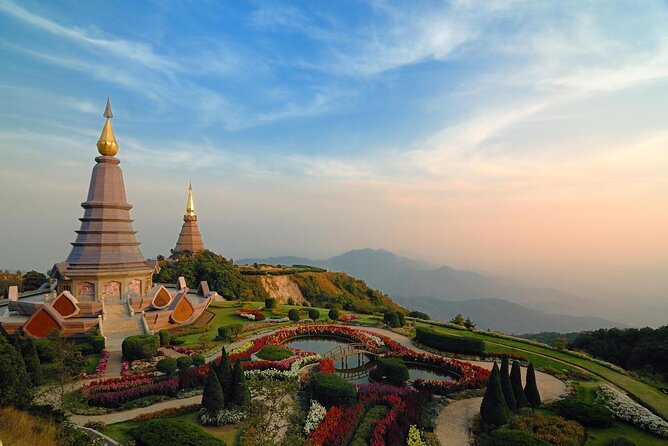
- Doi Inthanon peak + royal pagodas: high views plus two prominent chedis dedicated to Thai royalty.
- Guided Phak Dok Seaw trek to Pha Dok Seaw Waterfall: a nature walk that may include rice terraces and wildlife.
- Weather-and-route flexibility: the waterfall hiking route can change (like Kew Mae Pan or other options).
- Ban Mae Klang Luang coffee stop: short, local time to taste locally grown coffee and tea.
A 10–12 hour 3-in-1 day plan that actually fits Chiang Mai
This is one of those Chiang Mai days that makes sense if you’re short on time. You’ll start around 7:00 am with pickup from your hotel area, then spend roughly 10–12 hours bouncing between a sanctuary, a national park, and a waterfall trek. You don’t have to figure out routes, schedules, or ticket timing on your own because you’re in an air-conditioned vehicle with an English-speaking guide, bottled water, and lunch included.
The best fit is simple: you want variety in one day—elephants, mountain views, and a hike—and you’re okay with a packed schedule. The group is kept to a max of 36 travelers, so it doesn’t feel like a tiny private tour, but it’s also not a huge bus situation.
One more “pay attention” detail: the itinerary can shift a bit based on safety and weather. The tour still goes ahead when possible, as long as conditions are safe for the activities. That’s helpful in Chiang Mai, where fog, rain, or mist can change what’s comfortable up on the mountain.
You can also read our reviews of more tours and experiences in Chiang Mai.
Living Green Foundation: elephant time with strict rules (no riding, no hooks)
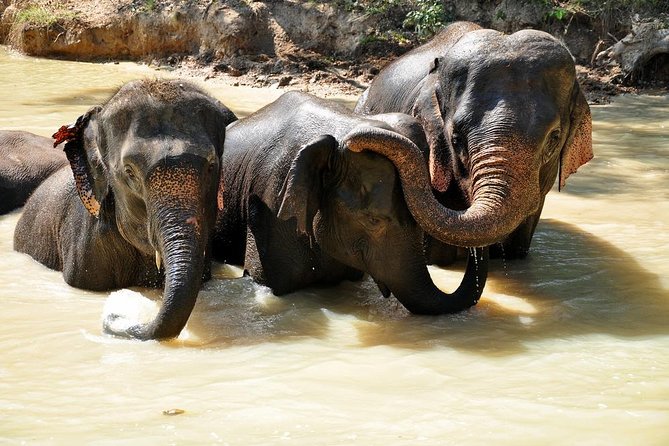
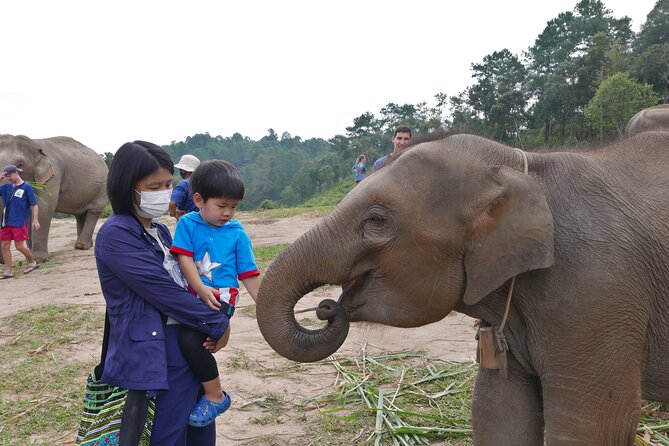
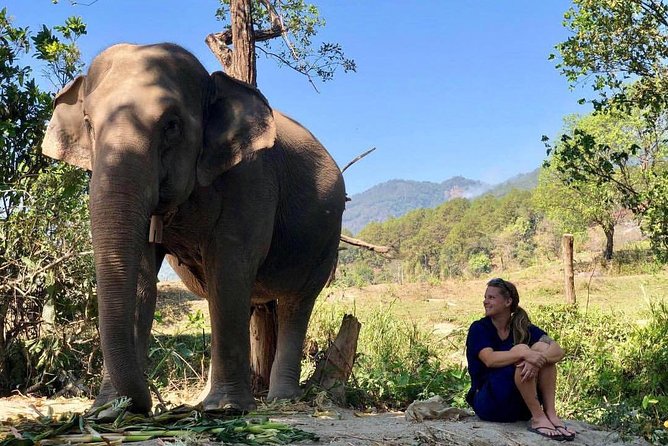
Your day begins at Living Green Foundation (Meaklang Elephant Conservation), a conservation setting focused on rescued elephants. The whole point is rest and recovery after previous mistreatment, not entertainment for the crowd. The rules are clear: no riding and no use of hooks, and your experience is designed around respectful interaction.
What you’ll likely do here is watch and participate in the sanctuary routine—feeding and seeing bathing are part of the process. Expect a calm, not-a-park-show vibe. You’ll also spend time observing how the elephants move through their space, guided by mahouts/caregivers and the sanctuary team’s approach to animal welfare.
A practical tip: keep your expectations grounded. If you come in hoping for a “ride the elephant” thrill, you’ll be disappointed. If you come in wanting to see how ethical care looks day-to-day, you’ll enjoy it. Also, bring yourself mentally to a slower pace—this portion works best when you’re okay standing around, watching, and taking photos when appropriate.
If you’re lucky, your guide will explain what you’re seeing in plain language. Some guides on this route have been named by past guests—like John, Jon, Note, Rainbow, and Sandy—and the common thread from them is clarity: what the elephants need, why the rules exist, and what to expect next.
Doi Inthanon peak views and the King and Queen pagodas
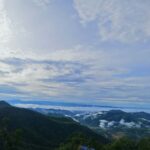
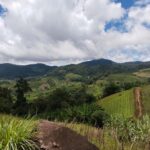
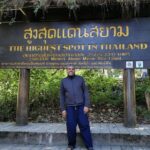
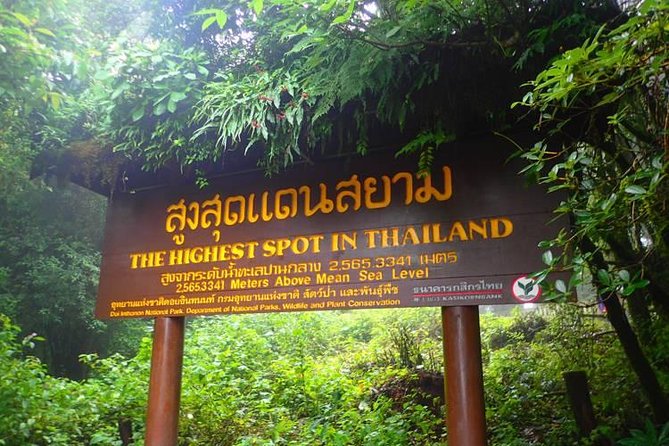
After the elephants, you’ll head to Doi Inthanon National Park, where you can reach Thailand’s highest mountain at about 2,565 meters. Even if you’re not a serious hiker, this portion is built around viewpoints and breathing space. The top can feel noticeably cooler than Chiang Mai city, and that cool air can be a welcome break after the morning.
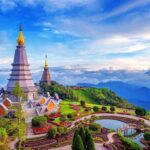
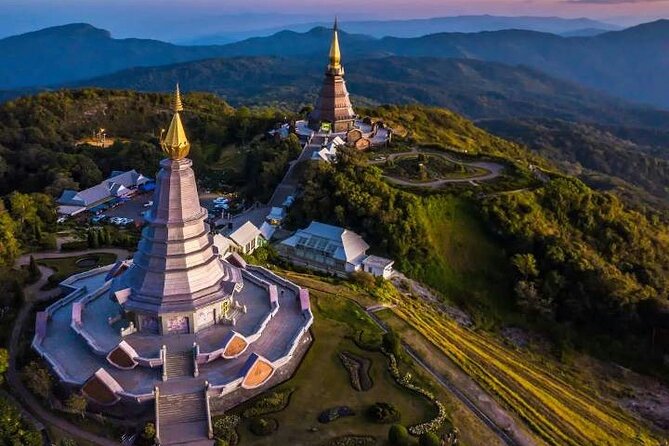
A major highlight here is the stop at the Phra Maha Dhatu Naphamethinidon and Naphaphonphumisiri Pagoda complex. These large pagodas are dedicated to Thai royalty, and they’re connected to both royal and national efforts. The real value for you is the combination of big views plus a strong sense of place—this is more than just “walk up, take photos, leave.”
Plan your clothing for the pagodas. There’s a dress code you’ll want to follow: casual attire or better is required, flip-flops aren’t allowed, tank tops are prohibited, and shorts aren’t permitted. Closed-toe shoes like sneakers are acceptable. Keep long pants or jeans as your safest choice.
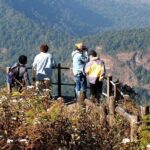
Also note timing: you only have a short window at the viewpoint area, so don’t waste it searching for the best angle. Pick a spot, soak in the view, and take photos, then move on while the group is still together.
Phak Dok Seaw trail and Pha Dok Seaw Waterfall: how to stay steady
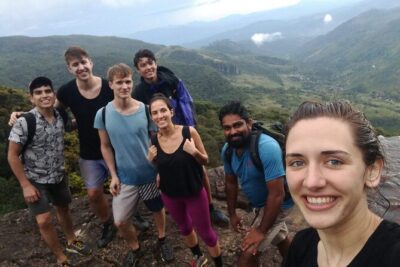
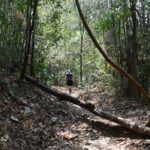
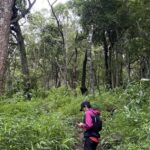
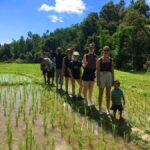
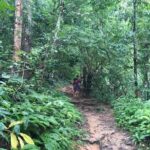
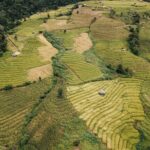
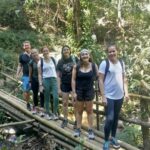
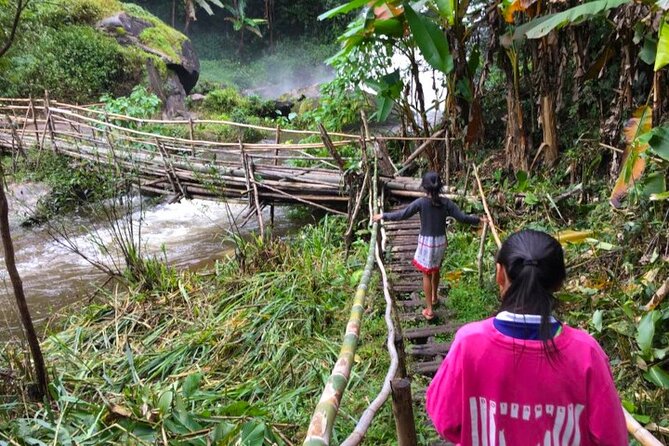
Next comes the active part: trekking along the Phak Dok Seaw trail with a local guide. This walk is where you trade road time for nature time—rice terraces and wildlife can show up along the way, and you’ll move through forested areas toward the waterfall.
The trail experience is the part that can vary most day to day. The route to the waterfall can be changed to Kew Mae Pan or other options, depending on conditions. That flexibility is useful, but it also means you should pack for wet ground and uneven footing.
Here’s how to keep it enjoyable:
- Wear proper trekking shoes with grip, not just sandals.
- Bring a towel and extra clothes you don’t mind getting wet or dirty.
- Expect some sections to feel slippery, so slow down and watch your steps instead of trying to keep a fast pace.
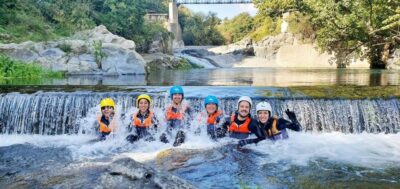
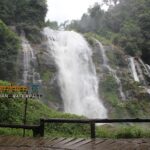
You’ll get a break at Pha Dok Seaw Waterfall to cool off and relax. If you’re the type who likes lingering, take it. If you’re not, don’t worry—this portion is structured enough that you still make it to the next stop without stress.
Ban Mae Klang Luang: the hill tribe village coffee stop
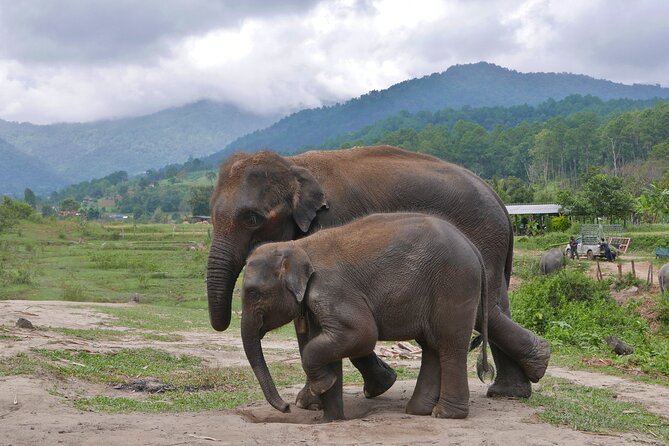
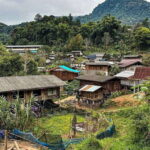
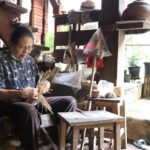
After hiking, you’ll head to Ban Mae Klang Luang, a hill tribe village stop. This is your decompress moment, and it’s not meant to be a long cultural immersion—it’s more of a taste-and-meet stop. You’ll have time to get in touch with local people and sample locally grown coffee, plus coffee/tea that’s roasted locally.
The most useful way to treat this stop is as a chance to ask simple questions: what they grow, how the coffee is handled, and what they recommend. The village timeframe is short, so keep questions tight and listen carefully.
If you buy coffee or tea, it’s usually a nice souvenir that actually ties to what you saw earlier—mountain air, growing conditions, and a community that benefits from visitors. Even if you don’t buy anything, the main value is seeing a different side of the region after elephants and national park stops.
Van time, timing, and motion sickness reality checks
Let’s talk about the unglamorous part: the driving. This tour is built around attractions that sit outside central Chiang Mai, and the day includes significant road time. That’s not a defect of your tour—it’s how the geography works.
The roads can be curvy, especially on the route toward the mountain. If you’re prone to car sickness or motion sickness, plan ahead. Some travelers find the uphill sections especially swervy, while the return road can feel easier.
If the vehicle you get isn’t comfortable, it can color your whole day. Several past guests have complained about older or bumpy vans—things like tiny seats, weak AC, or rough suspension. The tour does include an air-conditioned vehicle, but it’s still smart to expect that “comfort” may vary.
My practical advice: wear layers, bring a light jacket (the top can be colder), and keep a small bag ready for wet gear so you’re not rummaging around later.
Lunch, bottled water, and the real cost math
Price-wise, this tour is listed at $48.64 per person. On paper, that looks like a budget day. In practice, value depends on whether the extra site fees apply when you arrive.
The tour includes: lunch, air-conditioned vehicle, English-speaking tour guide, insurance, bottled water. But there’s a separate note that admission fees for the national park and the King and Queen pagodas are THB 400 per person, based on what’s listed as not included.
So how do you judge value fairly? You’re not just paying for transport. You’re paying for:
- Ethical elephant time with strict rules (no riding, no hooks),
- Park access and top-area pagoda viewing,
- A guided trek to the waterfall,
- Plus lunch and time with a local village coffee stop.
If you add up those components separately in Chiang Mai, it usually costs more than one integrated day. That’s why this package works if you want convenience and you’re okay with a full-day schedule.
One extra lunch note from real menu patterns: you might see Thai dishes like coconut milk chicken soup, or vegetarian options such as Pad Thai. Exact menus can vary, but you shouldn’t starve—you’ll have lunch included.
What to bring: wet feet, cooler air, and temple-respect details
This day mixes elephants, temple rules, and a waterfall hike. Your packing list should match that reality.
For clothes and gear:
- Extra clothes you don’t mind getting wet and dirty
- Sandals and/or shoes for walking between stops
- Shoes for trekking with grip
- Towel
- Insect spray
- Jacket, because it can be colder up in the park than in Chiang Mai city
- If you have sensitive skin or dislike bugs, consider light long sleeves too
For the pagodas:
- Follow the dress code: no tank tops, no shorts, and flip-flops aren’t allowed.
- Closed shoes like sneakers are fine.
And for comfort:
- Keep your phone and wallet in a dry place during the hike.
- If you get cold easily, bring an extra layer even if Chiang Mai feels warm at 7:00 am.
Should you book this 3-in-1 Doi Inthanon, elephants, and waterfall tour?
I’d book this if you want one long day to cover the big Chiang Mai “north” hits: ethical elephant conservation, the famous Doi Inthanon viewpoint area, and an actual guided hike to a waterfall. It’s a strong value play because lunch, guide support, and transport are built in, and the elephant portion has clear welfare rules.
I’d skip it—or at least adjust expectations—if:
- You hate long driving days and want lots of downtime.
- You’re nervous about slippery trekking and don’t plan to wear proper shoes.
- You’re strict about comfort in vehicles, since road time can make van quality feel extra important.
If you’re flexible, pack smart, and go in for the mix (not just one highlight), this is the kind of day trip that leaves you with three different memories instead of one.
FAQ
What time does the tour start in Chiang Mai?
The tour start time is listed as 7:00 am, with hotel pickup in Chiang Mai.
How long is the tour?
It runs about 10 to 12 hours.
Is elephant riding included?
No. The elephant sanctuary experience follows strict rules: no riding and no use of hooks.
Are entrance fees included?
Admission for the national park and the King and Queen pagodas is listed as THB 400 per person, so plan to pay that if it applies during your visit.
What should I bring for the waterfall trek?
Bring extra clothes you don’t mind getting wet and dirty, a towel, insect spray, trekking shoes, and a jacket for cooler weather. Sandals can also help for non-trekking portions.
How big is the group?
The tour has a maximum of 36 travelers.