REVIEW · KATHMANDU
Everest Base Camp Trek 15 Days
Book on Viator →Operated by Sherpa Expedition & Trekking · Bookable on Viator
Everest Base Camp still feels unreal. This 15-day trek from Kathmandu pushes up toward 5,364m and pairs the altitude goal with Sherpa villages and Buddhist culture along the route. It’s the mix of mountain effort and human warmth that makes it special.
I also like the trip’s practical comfort level: you get full meals and essentials like a sleeping bag and duffel bag, so you’re not constantly juggling extra purchases mid-trip. That helps a lot when your schedule is driven by weather and energy.
The main trade-off is altitude. Even with lodge nights and steady pacing, you’ll be working in thin air, so the physical demands are real and you’ll want a solid baseline fitness level before you go.
In This Review
- Key points at a glance
- Starting in Kathmandu with a 6:15 am game plan
- Price and logistics: what $2,400 really covers
- Sherpa villages and Buddhist monasteries: the human side of high altitude
- The mountain progression: rhododendron forests to Khumbu icefall terrain
- Everest Base Camp at 5,364m: the moment and the reality
- Lodge nights and included meals: comfort you’ll actually use
- Guides and porters: why names like Pasang, Lakpa, and Neema keep showing up
- How hard is it, really? Fitness, altitude, and pacing for 15 days
- Weather timing on the mountain: why flexibility matters
- The best fit: who should book this Everest Base Camp trek
- Should you book? A quick decision checklist
- FAQ
- What is the duration of this Everest Base Camp trek?
- Where does the trek start in Kathmandu?
- What time does the trek start?
- Is pickup offered?
- Is this tour private or shared?
- What fitness level do I need?
- What is included in the price?
- What is not included?
- What altitude does this trek reach?
- What if weather cancels the experience?
Key points at a glance
- You’re traveling with a private group (only your group participates), plus a pickup option in Kathmandu
- Guides and porters matter a ton, and names like Lakpa and Pasang (with porters Nima, Neema, and Kumar in past trips) show up again and again in strong feedback
- Meals and basic trekking gear are included, including breakfast, lunch, dinner, plus a sleeping bag and duffel bag
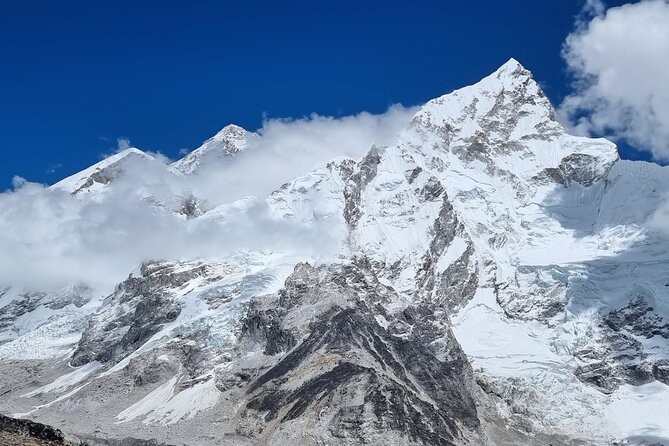
- You’ll see a clear cultural-and-natural progression, from Sherpa villages and monasteries to rhododendron/pine forests and then harsher, glacial terrain
- Lodge nights keep you comfortable, which is a bigger deal than it sounds after long trekking days
Starting in Kathmandu with a 6:15 am game plan
Most Everest Base Camp journeys begin with Kathmandu logistics, and this one starts early at 6:15 am at Sherpa Expedition And Trekking on Chaksibari Marg. It’s also near public transportation, so you’re not stuck trying to find a ride in a hurry.
Early starts are common here because the trek is at the mercy of mountain timing. When your day begins with a clear plan, you waste less energy on confusion and more energy on acclimatizing and hiking. If you’re sensitive to morning routines, treat that 6:15 am start as your first training day.
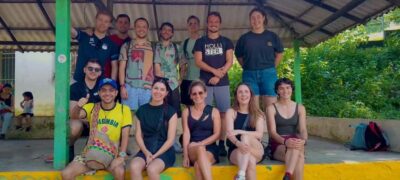
If you’re doing this as a private group, you also get something rare on many tours: the chance to coordinate your pace and needs with your guide. That matters when altitude is involved and when you want a trip that feels personal rather than crowded.
You can also read our reviews of more tours and experiences in Kathmandu.
Price and logistics: what $2,400 really covers
At $2,400 per person for about 15 days, the value comes from what’s included rather than from just the headline number. Your package covers all fees and taxes, plus meals (dinner, breakfast, lunch) and core trek basics like a sleeping bag and duffel bag.
Those inclusions can shave off real costs and stress. Meals are a big deal on a trek where choices get limited as you move higher. The sleeping bag and duffel bag also reduce the burden of packing bulky items for Nepal—especially if you’re flying in with limited baggage allowances.
What’s not included is also important. You’ll need to budget for Nepal visa, insurance, and tips for your guide/porter, plus alcoholic beverages, soda/pop, and snacks. If you like to snack regularly or you expect your coffee/tea habits to run a bit wild, plan for that. The trip will cover your main meals, but you should still bring a little flexibility for personal extras.
One more logistics point: this is described as a private tour/activity with pickup offered. If you’re staying in Kathmandu and don’t want to figure out transport alone, ask early about pickup timing and where exactly you’ll meet. The meeting point is fixed, but pickup details can affect how smoothly Day 1 runs.
Sherpa villages and Buddhist monasteries: the human side of high altitude
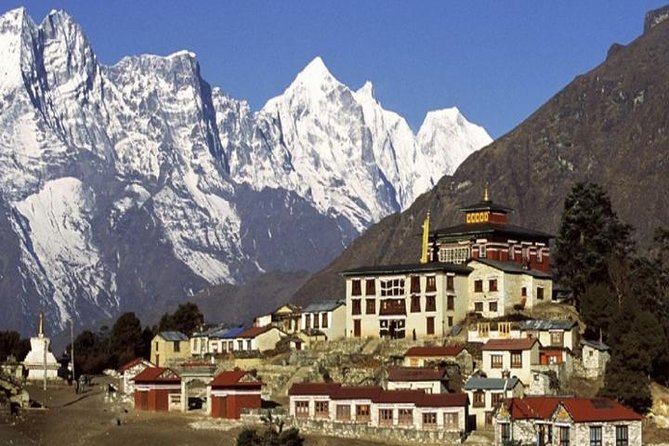
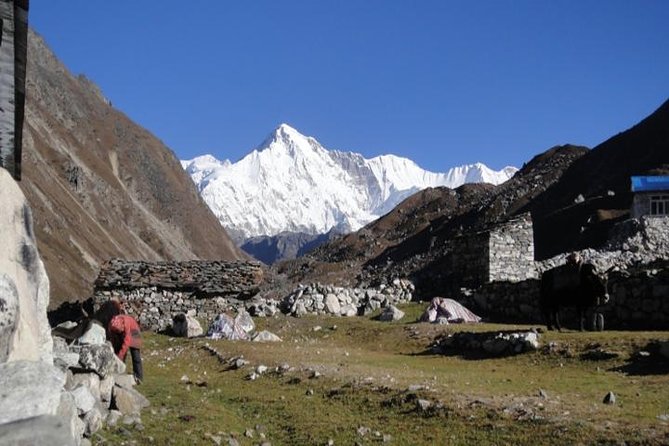
A lot of Everest trek marketing focuses only on the summit goal. This itinerary gives you more than that: it weaves in Sherpa traditional villages and Buddhist culture and customs, plus visits to old heritages and monasteries with mountain views in the background.
What you get from these cultural stops is not just sightseeing. It’s perspective. As you climb, your world shrinks to breath, feet, and changing weather. Monastery visits and heritage moments can make the trek feel less like a grinding chore and more like a living place with traditions you can actually notice as you pass.
It also helps you understand why local knowledge is so valuable here. Guides like Pasang and Lakpa (names repeatedly connected to strong guide feedback) tend to be the difference between hiking and truly learning how the region works—how people live, what matters to them, and how to move through the mountains with respect.
Even if you’re not the type to study religion or architecture, these stops give your legs a mental reset. You’ll be thankful for that when the route turns more demanding.
The mountain progression: rhododendron forests to Khumbu icefall terrain
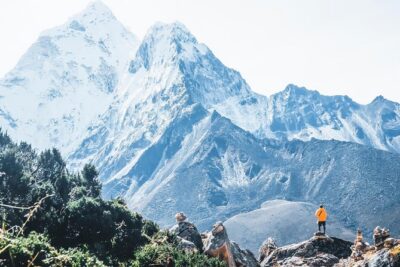
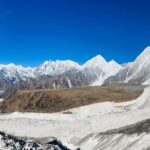
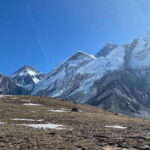
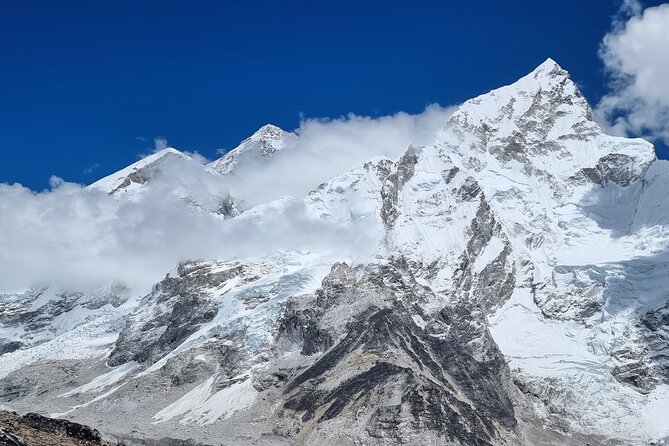
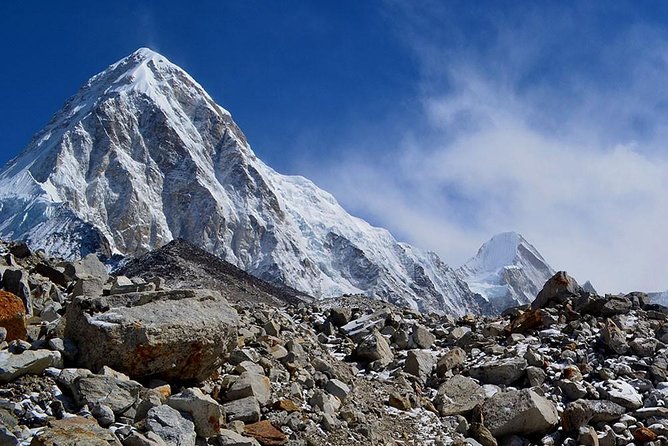
The route description calls out a shift that trekkers feel right away: pine forests and alpine rhododendrons give way to harsher, barren terrain near the Khumbu icefall glaciers. That’s a big deal, because it signals you’re moving from lush valley ecosystems into a world shaped by ice, wind, and altitude.
Here’s what I think is worth planning for: the scenery change can also feel like a change in difficulty. Forest days often come with a different kind of hiking rhythm—less glare, more shade, sometimes easier footing. Near glacier zones, you can expect more exposure and a more intense sense that weather and temperature can shift fast.
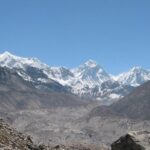
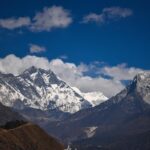
The upside is that the trek keeps offering reasons to look up. The overview emphasizes panoramic views of high mountains and the chance to see big peaks while you’re still active. That means you’re not hiking in a featureless world. You’re earning those views with each day’s effort.
A possible consideration: as the terrain gets more “technical-feeling” and exposed, you’ll rely even more on your guide’s day-to-day judgment—especially around timing and route conditions. That’s why a strong guiding team matters as much as your physical fitness.
Everest Base Camp at 5,364m: the moment and the reality
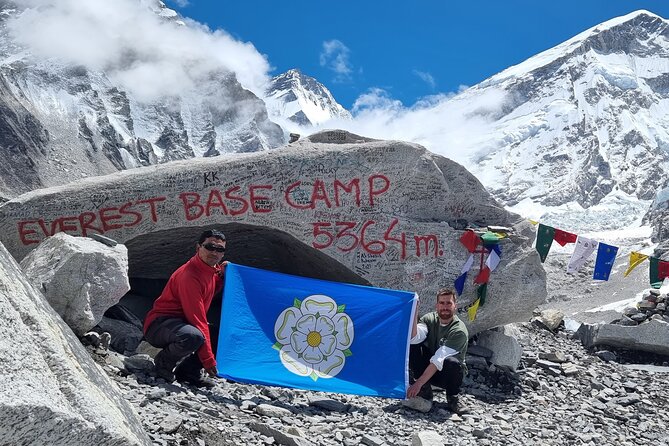
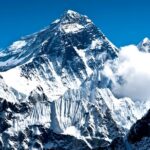
The goal is clear: trekking to the base of the world’s highest peak, at 5,364m. If you’re chasing a bucket-list achievement, this is it. The altitude makes the experience feel intense even when everything goes smoothly: short walking steps, slower pace, and a constant reminder to drink water and manage effort.
But there’s also a more grounded reality to Base Camp. The description highlights the surrounding Khumbu icefall glaciers and panoramic mountain views, which tells you the “wow” isn’t only about reaching a point on a map. It’s about seeing how massive glaciers and rugged peaks shape the area.
When you arrive, your best strategy is simple:
- stay present and don’t rush the moment
- keep moving at a calm pace so you don’t spike fatigue
- prioritize hydration and rest the same day you get there
If you’re prone to pushing too hard because the goal feels close, this is the moment to resist that urge. Base Camp can feel like a finish line, but altitude doesn’t care about your excitement—it cares about how you manage yourself.
Lodge nights and included meals: comfort you’ll actually use
One of the strongest “quality of life” parts of this trek is the focus on clean scenic lodges and warm nights. The overview explicitly calls out comfort and warmth, and that’s not marketing fluff on a 15-day high-altitude trek. Sleep quality affects recovery, recovery affects your next day’s hiking, and next day’s hiking affects whether you feel good enough to enjoy the scenery.
Meals being included—breakfast, lunch, and dinner—also reduces the mental clutter. Higher up, food options can be limited, and knowing the basics are handled helps you keep your energy up without hunting for every meal choice.
Plus, you’re given a sleeping bag and duffel bag. That matters because trekking gear can be expensive or awkward to source once you’re already in Nepal. Having the essential sleep setup handled means you can travel with fewer bulky items.
Still, a quick note on what’s not included: snacks and alcoholic beverages aren’t part of the package. If you love a specific snack, bring it. If you want beer or a celebratory drink at the end of a hard day, budget for it separately.
Guides and porters: why names like Pasang, Lakpa, and Neema keep showing up
In the feedback you can see a pattern: the guiding team has huge impact on the experience. Pasang is mentioned for making the trip feel meaningful, and Lakpa shows up with gratitude for helping people finish strong. Porters like Neema, Nima, and Kumar are credited with extra support—down to carrying day packs when people were getting tired.
That’s not a small detail. When you’re hiking in thin air, weight feels heavier and fatigue can hit faster than you expect. Having a porter who is proactive can help you stay focused on steady walking and acclimatization instead of battling your pack.
The broader theme in the strongest comments is safety and attention. Several guide names appear alongside words like care and support, and one solo trek experience specifically credits guides for keeping the person feeling safe and well looked after, with altitude adaptation handled thoughtfully.
Because this is a private trek, your team isn’t working around strangers in a big group. That can make communication easier, and it can help the guide tailor the pace to your comfort level. If you’re the type who wants clear explanations and a calm presence, this is a big plus.
One thing to remember: you still need to do your part. The guide can manage route and pacing, but your body needs to handle the altitude. Listening to your guide and being honest about how you feel will make the trip smoother.
How hard is it, really? Fitness, altitude, and pacing for 15 days
The tour is marked for people with moderate physical fitness. That’s encouraging, but altitude changes the game. At 5,364m, your hiking effort isn’t just about leg strength. It’s also about how well you manage breathing, hydration, and recovery.
Here’s how I’d interpret moderate fitness for this kind of trek:
- you should be comfortable walking for hours on uneven terrain
- you should be able to handle slower days without getting frustrated
- you should be ready for some days to feel harder than expected
The route description also signals a mix of scenery and conditions: forest trails, rhododendron and pine zones, and then more barren glacial terrain. That variety means your legs will work differently over time. You can’t assume the first days will feel like the hardest days, or that the hardest days will last a predictable length.
The best practical move is to train in a way that prepares your body for consistent effort. Not just one big hike—think steady hikes with a pack, plus some stair or incline work, and give yourself time to recover.
If you have any altitude concerns or medical issues, talk to a professional before you go. This kind of trip demands respect, not bravado.
Weather timing on the mountain: why flexibility matters
This experience requires good weather, and there’s clear backup if the trek can’t run as planned. If it gets canceled due to poor weather, you’ll be offered a different date or a full refund. A minimum traveler count can also affect scheduling, which is another reason a little flexibility helps.
From a traveler standpoint, that matters because you’re not just going for a viewpoint—you’re going for a fixed set of mountain conditions. Wind, visibility, and route safety can change quickly at high altitude.
The best attitude is to treat dates like a window rather than an ironclad promise. When conditions cooperate, you get the full experience: Sherpa villages, monasteries, rhododendron forests, and the icefall zone. When they don’t, you want a company ready to adjust, and this one is set up to offer either a new date or a refund.
If your schedule in Nepal is tight, plan buffer time around your trek start so you don’t feel trapped by weather delays. That’s the simplest way to keep the whole trip enjoyable.
The best fit: who should book this Everest Base Camp trek
I think this tour is a strong match if you:
- want an organized trek with meals and key gear handled
- care about more than just the Base Camp photo, including Sherpa culture and monasteries
- prefer a private group so your pace and needs aren’t lost in a larger crowd
- are excited by the idea of comfortable lodge nights after long days
It’s also a good fit if you value a guide team that takes care of the human side of the journey, with names like Pasang and Lakpa showing up as standout supporters in past experiences. That kind of attention tends to make a 15-day trek feel less scary and more doable.
It might not be the best fit if you’re trying to move fast at all costs. At this altitude, going too hard too soon is how people get miserable. This trek works best with steady pacing and cooperation.
Should you book? A quick decision checklist
Book it if you want a well-supported Everest Base Camp journey with included meals, a provided sleeping bag, and cultural stops that keep the trek from feeling like a cold endurance test. At $2,400, the value is in what you don’t have to manage yourself—food coverage, core gear, and the structure to keep you moving safely through changing terrain.
Don’t book it yet if you’re unsure about altitude. This trip’s success depends on you being willing to pace yourself and take your guide’s guidance seriously. If your fitness is only slightly above couch-level, build up first.
Finally, ask yourself one question: do you want the mountains, or do you want the whole experience—people, culture, and the long climb to an unforgettable 5,364m goal? If you want the whole package, this trek is worth your time.
FAQ
What is the duration of this Everest Base Camp trek?
It’s listed as 15 days (approx.).
Where does the trek start in Kathmandu?
You start at Sherpa Expedition And Trekking, Chaksibari Marg, Kathmandu 44600, Nepal.
What time does the trek start?
The start time is 6:15 am.
Is pickup offered?
Yes, pickup is offered.
Is this tour private or shared?
It’s a private tour/activity, meaning only your group participates.
What fitness level do I need?
You should have a moderate physical fitness level.
What is included in the price?
Included items are breakfast, lunch, dinner, sleeping bag, duffel bag, and all fees and taxes.
What is not included?
Not included: Nepal visa, insurance, tips for guide/porter, alcoholic beverages, soda/pop, and snacks.
What altitude does this trek reach?
The trek goes to Everest Base Camp at 5,364m.
What if weather cancels the experience?
If it’s canceled due to poor weather, you’ll be offered a different date or a full refund.