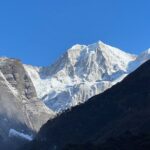
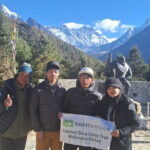
Annapurna starts with a plan you don’t have to make. This 11-day adventure strings together a small-group trek to Annapurna Base Camp, a hot spring stop, and sightseeing time in Kathmandu and Pokhara—so you can focus on walking and breathing air that feels thinner.
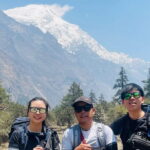
What I like most is the day-to-day support: a local guide handles the route, timing, and practical decisions. A guide named Indra, for example, is known for being attentive and reading weather and terrain fast.
One consideration: this is for people with moderate fitness. Even with meals and lodging handled, you still earn the altitude step by step.
In This Review
- Key Things I’d Bet Your Time on
- Road to the Annapurna World: Kathmandu and Pokhara Setup
- Nayapul to Tikhedunga and Ulleri: The Start That Sets the Tone
- Poon Hill Sunrise: Big Views with a Manageable Grind
- Chhomrong, the Sanctuary Mood, and Forest Days
- Base Camp Day, the Natural Hot Spring, and the Return Rhythm
- Price and Value: What $785.72 Really Covers
- Gear, Altitude Reality, and Who This Trek Suits
- Should You Book This Annapurna Base Camp Trek?
- FAQ
- What’s the duration of this Annapurna Base Camp trek?
- Where does the trip start, and what time is pickup?
- How many people are in the group?
- What’s included in the price?
- What important items are not included?
- Is a Nepal visa required?
- Is travel insurance compulsory?
- How soon can I cancel for a full refund?
Key Things I’d Bet Your Time on
- Airport pickup and drop-off: you’re not stuck figuring out transfers on Day 1.
- Small group size (up to 10): easier pace control and fewer bottlenecks on the trail.
- Permits included: TIMS and Annapurna Conservation Permits are covered.
- Meals and overnights included: your biggest day-to-day unknown is the climb, not the bill.
- Gear support: sleeping bag, down jacket, and a trekking map are provided if needed.
- Poon Hill sunrise: a classic payoff with big-view potential without going full base-camp slog.
Road to the Annapurna World: Kathmandu and Pokhara Setup
Your trip kicks off with an airport-to-trek flow. You meet at Tribhuvan International Airport in Kathmandu at 7:15am, and the trek organizer builds in airport pickup and drop-off. That matters more than it sounds. Nepal logistics can be easy once you’re there, but Day 1 is when mistakes hurt the most.
Day 1 is a long scenic drive to Pokhara, with stops along the way (including Malekhu). The drive itself is part of the value: you roll past river valleys and get early mountain glimpses, including Ganesh Himal and Manaslu views when conditions cooperate. This is also a nice buffer for your body. You’re not walking right away, which helps if you’re still shaking off jet lag.
After Pokhara, the itinerary keeps moving: one driving day sets you up for the trail start near Nayapul. Then, near the end of the trek, you ride back toward Kathmandu on a tourist bus in the morning. That gives you a clear finish line and protects you from the chaos of trying to hire rides last minute.
You can also read our reviews of more tours and experiences in Kathmandu.
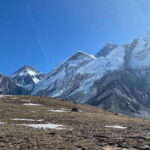
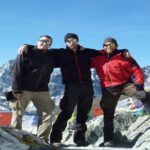
Nayapul to Tikhedunga and Ulleri: The Start That Sets the Tone
On Day 2, you drive from Pokhara toward Nayapul (about an hour and a half), then begin walking out to Tikhedunga. The route runs via Birethanti, so you feel the shift from city-adjacent Nepal into trail life fast. This day is a real “get your legs working” moment, not a sightseeing stroll.
Day 3 is where you feel the trek’s personality. You start after breakfast, then the trail ascends steeply for the first couple of hours. After that, the climb eases into a gentler grind as you pass places like Ulleri and Banthanti. If you’ve never hiked at altitude before, this is exactly what you want early on: you learn how your body responds before the higher days stack up.
Two practical notes. First, pace matters more than speed here. Steep early sections punish rushing. Second, your group stays small, which usually makes it easier to find a rhythm. You can stop when you need water, and nobody is forced into a sprint to keep up.
Poon Hill Sunrise: Big Views with a Manageable Grind
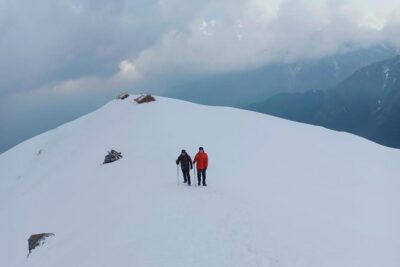
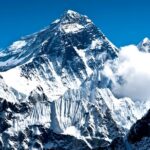
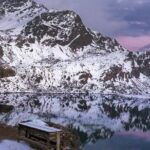
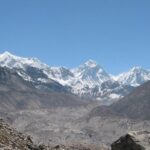
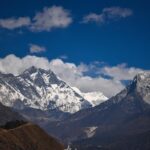
Day 4 is your sunrise-style day. You hike up toward Poon Hill (3232m), aiming for panoramic views over major peaks. The highlights you’re planning around include Dhaulagiri (8167m), Tukuche Peak, Nilgiri, Varaha Shikhar, and Annapurna I and Annapurna South.
This is one reason Annapurna Base Camp is so popular. You get a taste of the Himalaya’s scale before you ever reach the base-camp basin. Poon Hill is also a mental cheat code. The climb is real, but the payoff can reset your energy for the tougher middle days.
Day 5 shifts into forest trekking. You walk by dense areas with rhododendron and oak, with a steady descending feel. You’ll notice the soundscape more out here: birds, wind, and footfalls. Even if your legs are tired, the trail environment keeps you engaged.
Day 6 then mixes descent and suspense. You go down stone stairways for the first stretch, cross the Chhomrong Khola on a suspension bridge, and then climb again along the side of the terrain. That bridge crossing is one of those moments that makes you look up and around, because the views open just enough to remind you where you are.
Chhomrong, the Sanctuary Mood, and Forest Days
As you move into Day 7, the valley widens and the walking becomes less steep. You also get that sense of entering a protected zone. The trail route brings you toward the gates of the sanctuary area, and you cross avalanche-torrent sections. That doesn’t mean it’s scary. It’s just a reminder that this region has dramatic weather and mountain forces.
This day is a good example of why a guide is worth the money. Weather can flip the feel of the trek quickly, and the route choices matter. A good guide doesn’t just know the path. They time your day so you avoid the wrong conditions when possible.
Day 8 is the big pivot day. You visit Annapurna Base Camp and take in the surrounding views. Then you start the return trek back toward Dovan. Even if base camp is your headline, don’t underestimate the emotional rhythm: reaching it is a high, but returning is where you consolidate your fitness.
Day 9 continues that return process. You head back toward Bamboo, descending through forests with rhododendron, oak, and bamboo plants. Then the trail turns steep again for a stretch. That up-and-down feel is typical here, so plan to stay patient with your breathing rather than fight it.
Base Camp Day, the Natural Hot Spring, and the Return Rhythm
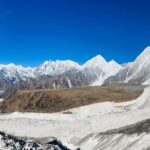
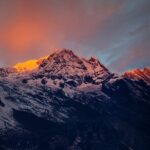
The Annapurna Base Camp moment is the reason you signed up. The trip plan gives you time at base camp to take in the views, not just a quick photo stop and a sprint. That matters, because your best photos often come when you’re not rushing and the light shifts.
The tour also includes a natural hot spring dip in the overall experience outline. I like this as a contrast to mountain walking. After days of climbing, a warm soak helps your legs reset. You may not find luxury comforts up there, so when something like this is built into the plan, it’s more than a nice extra.
The return is where logistics can get messy if you travel solo. Here, it’s handled. By Day 10, you’re walking down toward Birethati, stopping there for lunch, then continuing on to Nayapul for the next transfer step. Day 11 finishes with a morning tourist bus ride to Kathmandu. That gives you a predictable end to the trek and helps you plan your day on arrival in the capital.
Price and Value: What $785.72 Really Covers
At $785.72 per person for an 11-day trip, the value depends on what’s included and what you avoid paying separately. This package covers a lot of the usual pain points.
Included items that add up:
- Guide support, with guide meals, accommodation, transportation, salary, drinks, and insurance covered
- Transport Kathmandu to Pokhara and back by tourist bus
- Accommodation for 10 nights
- All meals and overnights included (dinners, lunches, breakfasts listed)
- Sleeping bag, down jacket, and trekking map if necessary (returned after the trek)
- Annapurna Conservation Permits and TIMS covered
- All fees and taxes
What costs extra that you should plan for:
- Nepal entry visa fee and the passport photos needed for it (you can arrange it on arrival)
- Travel insurance is compulsory for you
- Tips for guide and driver
- Alcoholic drinks, non-alcoholic drinks, and dessert
- Optional trekking porter if you want one (20 USD per day)
One more practical point: the trip runs as a maximum of 10 travelers. That’s part of how you get the value of a real small-group trek without the chaos of a large herd moving at random speeds.
Also, this is commonly booked about 86 days in advance. If you want a specific start window or want time buffers for your own planning, earlier booking is safer.
Gear, Altitude Reality, and Who This Trek Suits
This trek is built for people with moderate physical fitness. The walking days have steep beginnings, stone stair sections, suspension bridge crossings, and forest-to-climb transitions. You don’t need to be an athlete, but you do need consistency and patience.
If it’s your first time at high altitude, you’ll want to take the acclimatization seriously. The itinerary includes multiple days of walking at gradually increasing elevation, which helps your body adjust. Still, you’ll feel it, especially on the later days when your lungs work harder even if your legs feel okay.
On gear, you’re not totally on your own. You can use a provided sleeping bag and down jacket if needed, plus a trekking map. That said, the mountains don’t care about package deals. You’ll still benefit from bringing your own comfortable base layers, trekking shoes you trust, and a system that keeps you warm when the air cools.
Who should book:
- First-time trekkers who want structure and support
- People who don’t want to manage permits, transfers, and meal choices
- Anyone who wants a classic route experience with Kathmandu and Pokhara time built in
Who might reconsider:
- If you hate long driving days, Day 1 and the transport legs may feel like a lot
- If you’re chasing a very flexible, solo-style schedule, the all-in plan may feel restrictive
Should You Book This Annapurna Base Camp Trek?
Yes, I’d seriously consider booking if you want the ABC experience with the main friction handled for you: pickup and drop-off, permits, guide support, and meals. The small group size and the fact that key trekking essentials are provided when needed make it a strong value for people who want to travel smart.
Book it if your priority is walking the route confidently without spending extra mental energy on logistics. Add in the chance for Poon Hill sunrise views, the Annapurna Base Camp stop, and a natural hot spring reset, and you’re getting more than a hike. You’re getting a full mountain-and-city rhythm.
FAQ
What’s the duration of this Annapurna Base Camp trek?
It runs for 11 days approximately.
Where does the trip start, and what time is pickup?
The start is at Tribhuvan Airport in Kathmandu, with a start time of 7:15am.
How many people are in the group?
The maximum group size is 10 travelers.
What’s included in the price?
A guide, Kathmandu–Pokhara–Kathmandu transportation by tourist bus, accommodation (10 nights), meals (breakfast, lunch, dinner), Annapurna Conservation Permits and TIMS, trekking items if necessary (sleeping bag, down jacket, trekking map), and guide insurance and related guide costs are included.
What important items are not included?
The international flights, Nepal entry visa fee, your travel insurance, tips for guide and driver, personal expenses, alcoholic and non-alcoholic drinks and dessert, and an optional trekking porter (20 USD per day) are not included.
Is a Nepal visa required?
A Nepal entry visa fee is not included, and you can issue the visa upon arrival at Tribhuwan International Airport in Kathmandu (you will need 2 passport size photos).
Is travel insurance compulsory?
Yes. Your travel insurance is listed as compulsory.
How soon can I cancel for a full refund?
You can cancel up to 3 days in advance for a full refund, and the cancellation cutoff is based on local time.