REVIEW · RISHIKESH
Har Ki dun Trek by Himalaya Shelter
Book on Viator →Operated by Himalaya Shelter · Bookable on Viator
Hard to plan, easy to book. This 7-day Har Ki Dun trek is built for visitors who want remote paths, a real guide, and less guesswork. Two things I especially like: meals are included (from day 1 dinner to day 7 breakfast) and camping gear is rented for you. One thing to consider up front: you’ll spend two big days on long 8-hour drives between Dehradun and Sankri.
If you’re the type who gets nervous when you hear the word trekking, this setup helps. It’s a small group capped at 11 travelers, with a guide and cook team looking after the hard parts—routing, camp logistics, and forest entry charges—so you can focus on walking, breathing, and taking in the high-mountain world.
In This Review
- Key takeaways before you commit
- Getting to Har Ki Dun: Dehradun transfers and the 6:30 am start
- Day-by-day walking: from Sankri through Osla and Kalkatidhar to Har Ki Dun
- Day 2: Sankri to Osla (2,700 m) for your first proper trekking day
- Day 3: Osla to Kalkatidhar (3,300 m) and the feel of higher trails
- Day 4: Kalkatidhar to Har Ki Dun (3,510 m) and Marinda Tal (3,794 m), then back
- Day 5: Kalkatidhar to Osla (3 hours) to recover without losing momentum
- Day 6: Osla to Sankri (4 to 5 hours) plus a 1-hour drive
- Day 7: Sankri to Dehradun (8 hours)
- Meals and camping gear: what’s truly included (and what that saves you)
- Safety and weather planning: why guides matter more than you think
- Price and value at about $231: what you’re really paying for
- Who should book this Har Ki Dun trek (and who should skip it)
- Should you book Har Ki Dun with Himalaya Shelter?
- FAQ
- Where is the meeting point and what time does the trek start?
- How long is the Har Ki Dun trek?
- What’s included in the price of $231?
- Is camping gear provided?
- What fitness level do I need?
- Can I cancel for a full refund?
Key takeaways before you commit
- Small group (max 11): more attention from the guide, less chaos at camp.
- Guide plus cook included: you’re not juggling logistics while also trying to hike.
- Meals from day 1 dinner to day 7 breakfast: a huge stress-reducer on multi-day trips.
- Camping gear rental: tents and sleeping gear are handled, so you travel lighter.
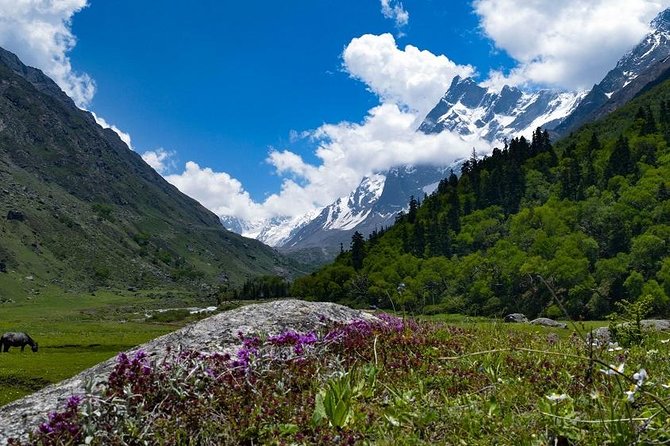
- Big altitude day: Har Ki Dun around 3,510 m and Marinda Tal near 3,794 m is the main push.
Getting to Har Ki Dun: Dehradun transfers and the 6:30 am start
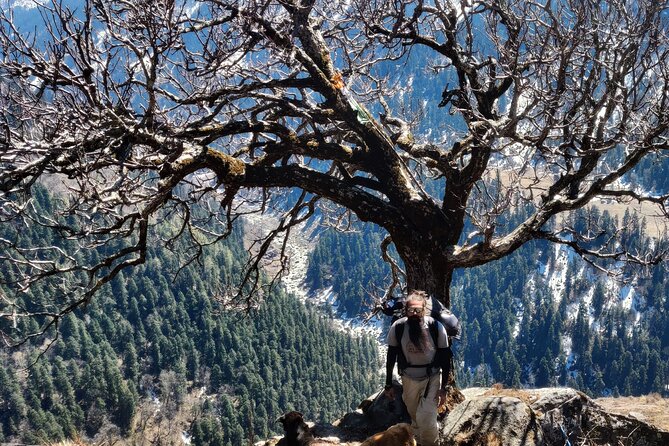
This trek is centered on Rishikesh and the Garhwal Himalaya, but your “real start” happens in Dehradun. Your meeting point is specific: the Egg and maggi stall near Saharanpur Rd, Lakkhi Bagh, Dehradun (start time 6:30 am). That early start matters because the first day isn’t short—plan for a full day of movement even before serious hiking begins.
Day 1 is a long 8-hour drive from Dehradun to Sankri. That’s not unusual in this region, but it’s the part many people underestimate. You’ll arrive, get oriented, and then you’re off on the walking plan the next day. Day 7 turns around the same way: Sankri to Dehradun is another 8-hour drive, so it’s not a trek where you end with an easy, slow morning.
Value-wise, the transfer is part of what you’re paying for. Transport support is included only from and back to Dehradun; you still need to get yourself to Dehradun from wherever you’re coming from.
You can also read our reviews of more tours and experiences in Rishikesh.
Day-by-day walking: from Sankri through Osla and Kalkatidhar to Har Ki Dun
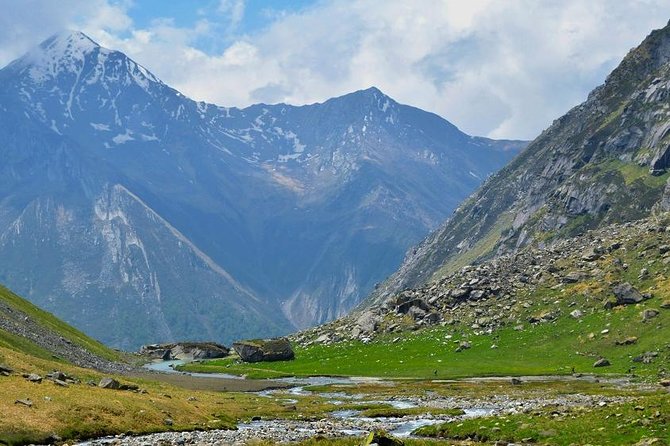
You don’t hit Har Ki Dun immediately. The itinerary builds you into altitude and trail rhythm step by step, with a mix of drives and hikes.
Day 2: Sankri to Osla (2,700 m) for your first proper trekking day
After a short 1-hour drive, you begin trekking toward Osla at about 2,700 meters. Expect 5 to 6 hours of hiking. This is a great day for finding your pace and your breathing rhythm. Also, it’s your first taste of how quickly the weather can change when you gain height.
A practical point: even if you feel fit, this is not a “run it” hike. You’ll do better if you treat it like a steady effort day—slow, controlled steps—then you’ll enjoy the rest of the trip more.
Day 3: Osla to Kalkatidhar (3,300 m) and the feel of higher trails
Day 3 goes from Osla up to Kalkatidhar at around 3,300 m. The trek time is about 3 hours. Shorter on paper than day 2, but higher altitude can still make your legs work harder than expected.
This is the kind of day that sets up your energy for the main climb later. I like that the schedule doesn’t overload you every single day.
Day 4: Kalkatidhar to Har Ki Dun (3,510 m) and Marinda Tal (3,794 m), then back
Day 4 is the highlight push. You go from Kalkatidhar up to Har Ki Dun (around 3,510 m), and onward to Marinda Tal (around 3,794 m). Then you return back to Kalkatidhar.
That means you’re not only walking to the “famous” destination—you’re also taking on a higher side objective in the same day. If you’re someone who gets anxious about big days, this is exactly why having a guide matters. The route is demanding enough that pacing and weather awareness are part of staying comfortable.
Also, the higher you go, the more your body may feel it. Plan for a slower pace and expect more stops for water and to reset. You’ll still feel the payoff when the valley opens and the mountains dominate your view.
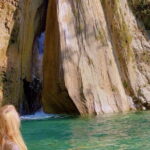
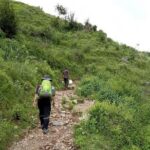

Day 5: Kalkatidhar to Osla (3 hours) to recover without losing momentum
On day 5, you hike back down to Osla. Trek time is about 3 hours. This is a smart “reset” day after the main altitude work.
It still counts as a hiking day, so you won’t feel like you’re wasting time. But the downhill and altitude change can help you recover so you’re ready for the final trek day.
Day 6: Osla to Sankri (4 to 5 hours) plus a 1-hour drive
Day 6 is a 4 to 5 hour trek from Osla back to Sankri, plus a 1-hour drive afterward. This is often where people feel the trip in their knees and calves, especially if day 4 pushed them hard.
Good news: you’re not traveling into the unknown after this. You’re moving toward the final transfer back to Dehradun on day 7.
Day 7: Sankri to Dehradun (8 hours)
Day 7 is the long return ride. It can feel like you’re “not done” until you’re dropped back near the meeting area in Dehradun. If you’re flight-bound later that day, don’t plan anything tight unless you’re sure schedules are reliable.
Meals and camping gear: what’s truly included (and what that saves you)
This is an all-in setup in the best way: you get the key logistics handled.
Meals are included starting day 1 dinner through day 7 breakfast. That covers most of the calories you’ll burn on the trail. It also means you’re not constantly hunting for food options in small towns or roadside stops while hiking.
On gear, camping equipment is provided as rental. That’s a big deal if you don’t want to buy sleeping bags, rent tents, or figure out sizing at the last second. Multiple groups describe the sleeping setup as warm enough for very cold conditions, with one comment specifically noting it was manageable around -10°C. Even if your dates aren’t that cold, you should assume mountain nights can bite.
What you should also understand: camp comfort here is about being functional and warm, not luxury. The team’s job is to keep the schedule running, keep you fed, and keep you safe in weather changes.
A few other “nice to haves” that show up in real-world feedback:
- You might get mule support for carry, which helps if you don’t want a heavy pack.
- The kitchen team has handled special diet requests in at least some cases, so if you need something specific, ask early.
Safety and weather planning: why guides matter more than you think
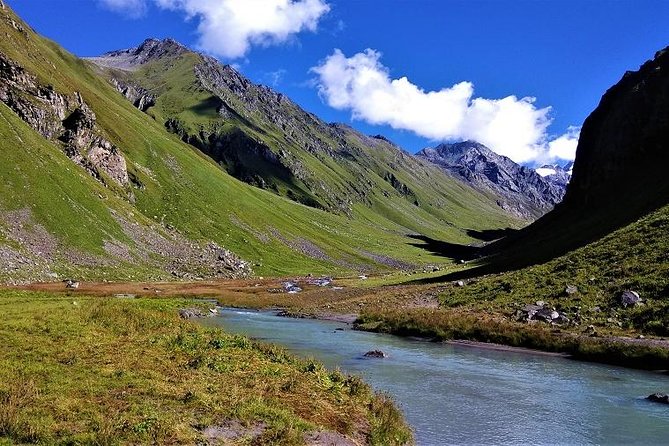
The core promise is simple: safely explore remote hiking trails with a guide who handles navigation. In the Garhwal region, weather can flip fast. When clouds roll in or visibility drops, the difference between guessing and following a practiced route is huge.
Safety isn’t only about the trail. It’s also about the full day plan: where you sleep, how you manage timing, and whether conditions require adjusting the route or pace.
You’ll also be traveling with a small group (max 11). That’s not just a comfort perk. Smaller groups help the guide keep eyes on everyone, especially if someone feels the altitude or needs to slow down.
One practical consideration that came up in feedback: there’s a note about plastic waste. If you go, treat it like a real responsibility. Keep a small trash bag, pack out your wrappers, and don’t count on the mountains to absorb what you carry. If the team provides waste guidance, follow it closely.
Price and value at about $231: what you’re really paying for
At $231 per person, this trek looks affordable compared to the total cost of doing it independently. Here’s why.
You’re not only paying for guiding. You’re also paying for:
- Transport support from and to Dehradun (pickup day 1 to drop day 7)
- Guide and cook fees
- All meals (day 1 dinner through day 7 breakfast)
- Camping equipment rental
- Forest entry charges
- Insurance for Indian citizens only
The big “value math” is that the trip removes multiple layers of hassle. If you tried to self-organize, you’d still need a guide, a cook or kitchen support, gear rentals, and fees—plus you’d need to coordinate transport for both the long drives and the trailhead moves.
Two notes to keep your expectations realistic:
- Insurance coverage is listed for Indian citizens only, so international travelers should check this point directly with the operator.
- Accommodation in Dehradun isn’t included, so you’ll likely budget at least one night (or longer) in town depending on your travel plans.
Who should book this Har Ki Dun trek (and who should skip it)
This trek fits best if you want an organized Himalayan experience without turning into a project manager.
You’ll be a good match if:
- You have moderate physical fitness
- You like having structure: meals, gear, and routing handled
- You’re traveling solo or with friends but still want a small-group pace
- You want the Har Ki Dun area without doing heavy logistics research
You might want to reconsider if:
- You dislike early starts and long rides (day 1 and day 7 are both 8 hours each)
- You want a lighter hiking day every day (there’s a serious push on the main day to Har Ki Dun and Marinda Tal)
- You can’t handle cold nights and changing conditions, even with warm sleeping gear support
Should you book Har Ki Dun with Himalaya Shelter?
If your goal is to reduce risk and planning stress while still getting a genuine high-altitude trek, I think this is a strong choice. The combination of small-group size, included meals, rented camping gear, and transport from Dehradun is exactly what makes this feel doable for first-time trekkers.
Book it if you’re okay with:
- A 6:30 am start
- Two long 8-hour travel days
- A main high-altitude day around Har Ki Dun and Marinda Tal
Don’t book it if you’re looking for a purely walk-in, no-commitment trip. This is a real trek with cold nights, big days, and altitude. But if you want the mountains without DIY chaos, this one is built for you.
FAQ
Where is the meeting point and what time does the trek start?
The meeting point is at the Egg and maggi stall near Saharanpur Rd, Lakkhi Bagh, Dehradun, Uttarakhand 248001, India. Start time is 6:30 am.
How long is the Har Ki Dun trek?
The tour duration is listed as 7 days (approx.).
What’s included in the price of $231?
Included items are transport support from and to Dehradun, a guide and cook fees, all meals starting day 1 dinner through day 7 breakfast, rental camping equipment, forest entry charges, and insurance for Indian citizens only.
Is camping gear provided?
Yes. Camping equipment is provided as a rental for the trek.
What fitness level do I need?
The tour notes that travelers should have a moderate physical fitness level.
Can I cancel for a full refund?
Yes. You can cancel up to 24 hours in advance of the experience for a full refund. Less than 24 hours before the start time is not refundable.