REVIEW · KATHMANDU
4-day Poon Hill Trek
Book on Viator →Operated by Mosaic Adventure · Bookable on Viator
Sunrise over Nepal’s peaks is the whole point. I like that this 4-day Poon Hill trek bundles the big practical stuff—return transfers to/from Pokhara, plus teahouse accommodation and all standard meals—so you can spend your energy on the hike. The main thing to plan for is extra costs: drinks aren’t included and tipping is expected.
This is also the kind of trek where a guide really matters. You’re moving through the Annapurna conservation area with Himalayan peak views and village scenery, and the team is there to help you stay on track. One small note: it’s aimed at people with moderate fitness, so if you’re expecting an easy stroll, you may feel the uphill.
In This Review
- Key things to know before you go
- Why this short Poon Hill trek feels like a real Himalayan experience
- Price and logistics: what the $400 includes (and what it doesn’t)
- The four-day flow: how your time is likely to be used
- Day 1: Start close to Pokhara, settle into the trek rhythm
- Day 2: Village scenery plus Himalayan peak views
- Day 3: The Poon Hill sunrise morning (the moment you came for)
- Day 4: Final hike and return transfers to Pokhara
- Pacing, guides, and the porter setup that keeps things comfortable
- What teahouses and meals really mean for your day-to-day experience
- The guide experience: why Purna’s name keeps showing up
- Fitness level and who this trek fits best
- What makes Poon Hill special (and how to set expectations)
- Value check: does $400 make sense for your travel style?
- Should you book this 4-day Poon Hill Trek with Mosaic Adventure?
- FAQ
- How long is the Poon Hill trek?
- Where does the trek start and end?
- What time is the meeting point?
- Is a guide included, and what language do they speak?
- Is accommodation included?
- Are meals included?
- Are drinks included?
- Do I get porter support?
- What permits are covered?
- What are the age and fitness requirements?
- Is the booking refundable if plans change?
Key things to know before you go
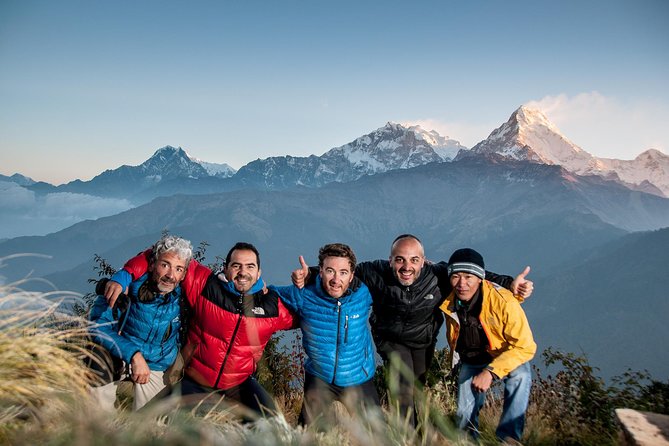
- Sunrise is the headline at Poon Hill, with close-up views of the Himalaya.
- Transfers to Pokhara are included, which saves you from extra transport headaches.
- Licensed English-speaking guide helps you avoid getting lost and keeps the pacing sensible.
- Porter support is built in: one porter for every two trekkers.
- Teahouse comfort and full meals are included during the trek.
- Small group size (max 12) keeps it more personal and easier to manage.
Why this short Poon Hill trek feels like a real Himalayan experience
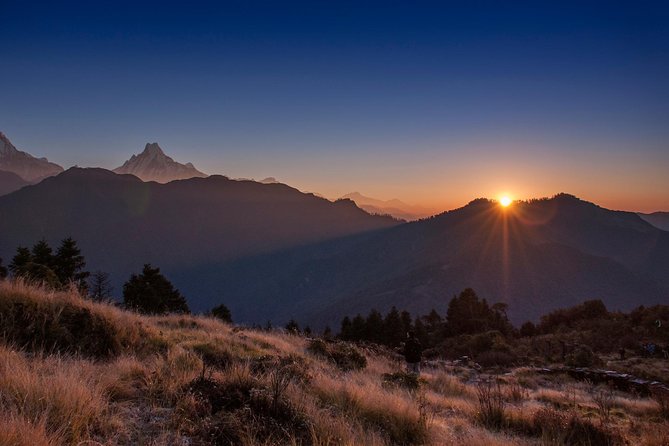
A 4-day trek can sound “small” until you remember what you’re chasing: dawn views from Poon Hill. You’re in the Annapurna conservation area, not stuck in a bus-and-ticket tour world. The payoff is early-morning mountain drama—clear skies, cold air, and the kind of peak visibility that makes people slow down and stare without pretending to be cool about it.
What makes this version appealing is how it protects your time and your energy. Because the trek starts close to Pokhara, you get into the mountains quickly. You’re not spending half your trip on logistics. Instead, your days focus on hiking, villages along the route, and settling into teahouses at the end of each day.
Also, this trek is designed for people who want a satisfying challenge without a huge time commitment. You’ll still hike, but the plan is built around staying on track with a guide and using porter help so you can walk comfortably.
You can also read our reviews of more tours and experiences in Kathmandu.


Price and logistics: what the $400 includes (and what it doesn’t)
At $400 per person, the value here comes from the “inside the box” nature of what’s covered. You’re not just paying for a view. You’re paying for the structure that usually costs time and mental energy on your own.
Here’s what you can expect to be included:
- Return transfers to Pokhara
- Licensed English-speaking guide
- Teahouse accommodation on the trek
- All standard meals (breakfast, lunch, dinner) during the trek
- Required permits and all taxes
- Pickup offered and a mobile ticket (handy when plans get busy)
That’s a lot of the usual hidden budget. When you self-plan, permits, lodging, guides, and transport add up fast—and they’re also the parts that can go wrong if you’re juggling too many reservations.
What’s not included is where you should budget a little extra:
- Beverages like tea/coffee and bottled water
- Tipping, which is expected for the guide
If you’re the type who hates surprise spending, budget a small daily amount for drinks. If you’re already a careful planner, you’ll be fine. If not, this is the one place where your final total can creep upward.
The four-day flow: how your time is likely to be used
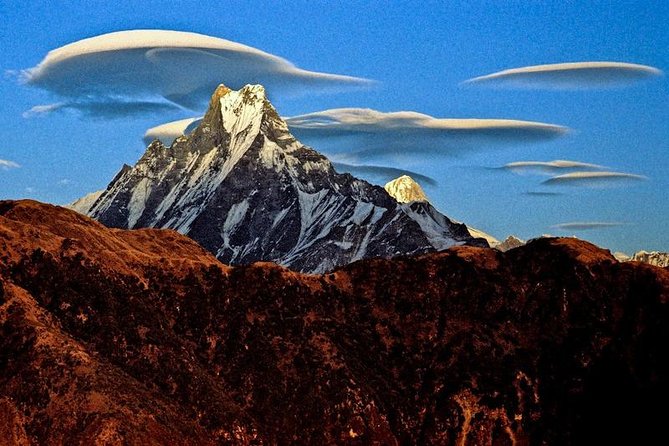
The itinerary is straightforward: you hike in the Annapurna conservation area, and you build toward sunrise at Poon Hill. Even without a long, complicated schedule, four days is enough time to feel like you actually “did the trek,” not just visited a viewpoint.
Day 1: Start close to Pokhara, settle into the trek rhythm
You’ll be moving through the mountains early enough to avoid wasting daylight. Transfers to the trek start are included, and you’ll begin with a guided route so you’re not spending the first day playing map detective. By evening, you’re in teahouse accommodation, which keeps the overnight piece simple and practical.
Day 2: Village scenery plus Himalayan peak views
This is the day (or days) where the trek tends to feel most like a real walk through the region. You’ll keep hiking through the Annapurna area with views of Himalayan peaks and villages along the way. The guide and route help you focus on the scenery and your pace, not on whether you took the right fork.
Teahouses are part of the experience here, and they also help you keep costs predictable since standard meals are included.

Day 3: The Poon Hill sunrise morning (the moment you came for)
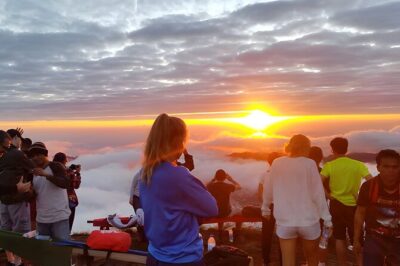
Poon Hill is the main highlight. The big plan is sunrise viewing over the Himalayas, with close-up views. That means an early start from wherever you’re staying, and time spent on the viewpoint before the mountains fade into the day.
The rest of the day is usually about recovery and continuing the trek with fewer “peak-chasing” distractions. If you tend to crash after early mornings, this is where the pacing helps—four days gives you enough time to absorb the adrenaline and still finish feeling satisfied.
Day 4: Final hike and return transfers to Pokhara
On the last day, the goal is to wrap up the trek calmly and get back to Pokhara using the return transfers that are included. You’ll likely notice that the “end of trek” feeling is less about rushing and more about spending your remaining energy on movement, photos, and one last look at the mountain views as you go.
Pacing, guides, and the porter setup that keeps things comfortable
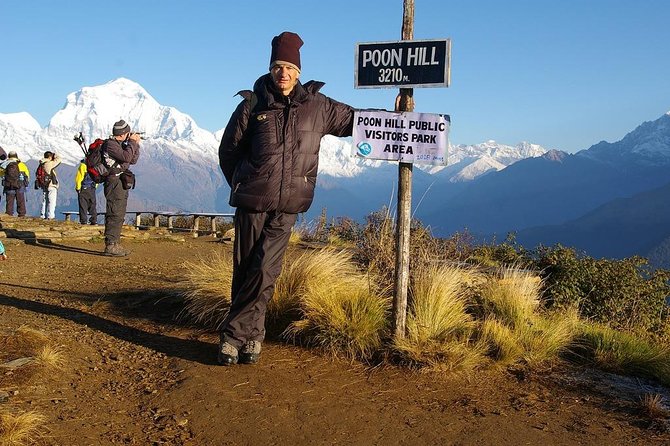
One of the best practical features is the combination of guidance plus porter support. This trek isn’t about forcing everyone to carry heavy loads for bragging rights. Instead, it’s built for comfortable walking so you can enjoy the day.
- You’ll hike with a guide to help you avoid getting lost.
- You’ll walk with porters: one porter for every two trekkers.
That porter ratio matters. It means you’re less likely to arrive at a teahouse feeling wrecked by your own backpack weight. You still hike, so don’t expect a stroll, but your shoulders and knees should thank you later.
Also, the guide is a real advantage in mountain trekking. The route in conservation areas can be confusing for first-timers, and even when paths look clear, weather and signage can make the wrong turn a pain. With a licensed English-speaking guide, you’ll have someone who can keep things on track and help manage the pace.
What teahouses and meals really mean for your day-to-day experience
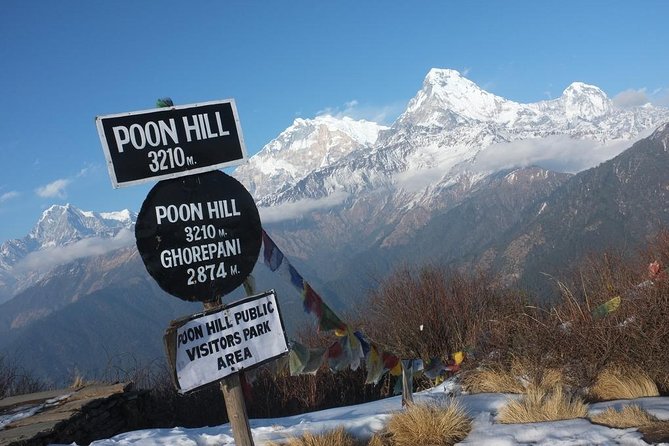
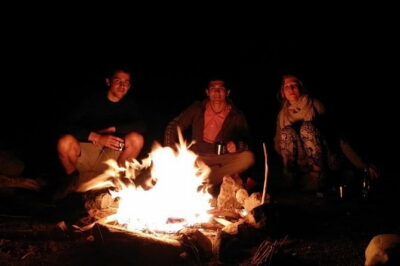
Teahouse trekking has a specific rhythm. You hike, you reach the next village stop, you eat, you sleep. Simple. That simplicity is the point, and it’s why this trek works for active travelers who want a Himalayan experience without added planning stress.
This tour includes:
- Teahouse accommodation along the trek
- All standard meals: breakfast, lunch, and dinner
It’s also helpful that the meals are included as “standard” rather than optional add-ons. You don’t need to figure out what’s open, where you can pay cash, or whether your meal choice is going to slow the group down.
The one gap: beverages aren’t included. That means your tea/coffee and bottled water spending is on you. If you rely on drinks to stay warm in the morning, budget for it.
The guide experience: why Purna’s name keeps showing up
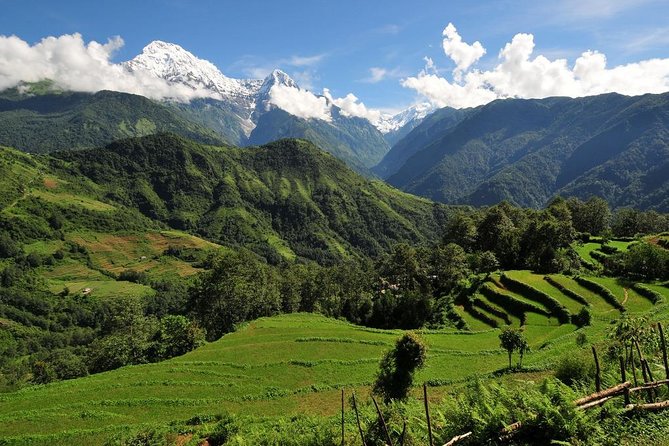
If you’re trying to choose between treks, pay attention to the guide. One standout theme here is the guide experience, and the name Purna comes up as genuinely impressive. In practical terms, that usually means two things:
- the trek feels smoother (less worrying about the route)
- the mountain moments feel more meaningful because you’re not just walking—you’re also understanding what you’re seeing
This trek includes a licensed English-speaking guide, so communication shouldn’t be a barrier. A good guide also helps you get the timing right for sunrise at Poon Hill. That’s not just a scheduling detail—it’s the difference between seeing the Himalaya properly and just arriving after the best light has already passed.
Fitness level and who this trek fits best
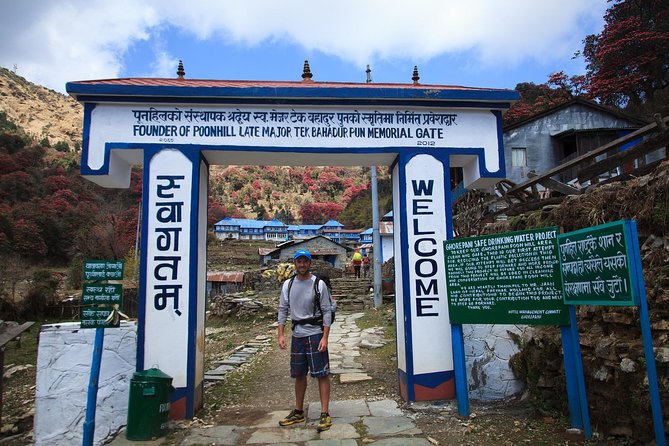
This is for active travelers with moderate physical fitness. You should be comfortable hiking with some uphill and doing it more than once over a few days.
You’ll also want to consider the age minimum: the trek has a minimum age of 12 years. If you’re traveling with teens, this can be a solid family-adventure option as long as everyone’s ready for the physical demands.
Small-group trekking is part of the experience too. The tour has a maximum of 12 travelers, so you’re not lost in a crowd. It’s easier to keep a steady pace and easier for the guide to notice when someone needs a slower moment.
What makes Poon Hill special (and how to set expectations)
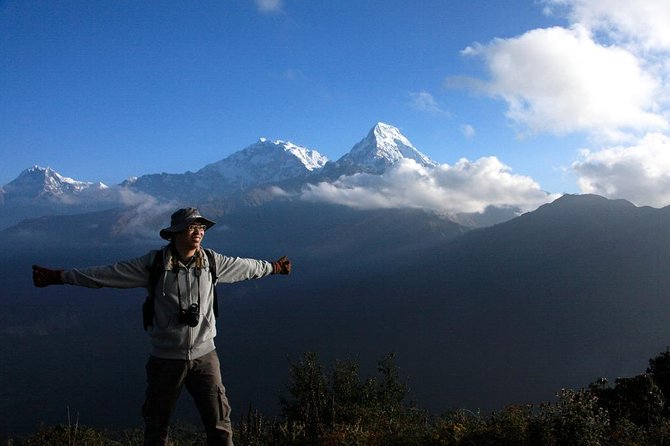
Poon Hill isn’t just any viewpoint. The main draw is sunrise viewing over the Himalayas, with close-up views of the peaks. That’s why this trek is short and focused: the entire plan funnels toward one of the most memorable mountain moments in the region.
The tradeoff is that sunrise treks reward early mornings and careful timing. You’ll be up for the mountain moment, and then the day becomes about moving on afterward. If you hate early starts, this trek might feel like it’s asking too much.
But if you love that feeling when the sky shifts and the peaks start looking real in the morning light, it’s worth it. Four days is long enough to make it feel complete and short enough to keep you from overcommitting.
Value check: does $400 make sense for your travel style?
For many people, the answer is yes—because this price covers more than just “someone to lead you.”
You’re getting:
- Accommodation (teahouses)
- meals (breakfast, lunch, dinner)
- a licensed English-speaking guide
- permits and taxes
- return transfers to Pokhara
- plus porter support (one for every two trekkers)
When those pieces are handled for you, you spend less time coordinating and more time walking. And time matters on trekking trips. If you’re the type who wants a clean, confident plan without a lot of independent decision-making, this kind of all-in structure is great value.
The main reason it might not be perfect is if you want maximum flexibility around food and timing, since beverages and tipping are extra and the trek runs with a guided schedule.
Should you book this 4-day Poon Hill Trek with Mosaic Adventure?
I’d book it if you want:
- a short trek with a real mountain payoff
- teahouse life without having to arrange everything yourself
- a guide who helps you stay on track (and you care about getting sunrise timing right)
- porter support so you can keep the walk comfortable
I’d think twice if:
- you’re sensitive to extra on-the-ground spending (drinks and tipping)
- you’re expecting this to feel like a relaxed walk with no early morning commitment
- your plans aren’t firm, because the cancellation terms are non-refundable and not changeable
If that sounds like you, this is one of the more sensible ways to do Poon Hill in a tight schedule—focused on the views, built for comfort, and guided by people who clearly take the sunrise moment seriously.
FAQ
How long is the Poon Hill trek?
It runs for 4 days (approx.).
Where does the trek start and end?
The trek is based out of the Pokhara area, and return transfers to Pokhara are included.
What time is the meeting point?
The listed start time is 7:15 am.
Is a guide included, and what language do they speak?
Yes. You get a licensed English-speaking guide.
Is accommodation included?
Yes. You’ll have teahouse accommodation during the trek.
Are meals included?
Yes. Breakfast, lunch, and dinner during the trek are included.
Are drinks included?
No. Beverages like tea/coffee and bottled water are not included.
Do I get porter support?
Yes. You’ll walk comfortably with porters, with one porter for every two trekkers.
What permits are covered?
The tour includes required permits and all taxes.
What are the age and fitness requirements?
There’s a minimum age of 12, and travelers should have moderate physical fitness.
Is the booking refundable if plans change?
No. It’s non-refundable and cannot be changed for any reason.