REVIEW · SAPA
One Day Sapa Trekking to Lao Chai and Ta Van Villages
Book on Viator →Operated by SaPa Local Tour Guides · Bookable on Viator
If you want Sapa views with real village life, this is a smart pick. It’s a one-day trek linking three stops—Y Linh Ho, Lao Chai, and Ta Van—plus stories about customs, daily routines, and how change is affecting local people. I also like that the guide is focused on making the day feel fun and useful, not just scenic.
Two big wins for me: rice-terrace scenery that you actually walk through, and a lunch break built into the village portion of the day. One possible drawback: this is still a hike. You’ll want moderate fitness, and paths can turn muddy if weather is wet.
In This Review
- Key points before you go
- One-Day Circuit Through Y Linh Ho, Lao Chai, and Ta Van
- The Big Value: Stories, Not Just Stops
- Stop-by-Stop: Y Linh Ho’s Terraced Fields and Hoang Lien Son Views
- Stop-by-Stop: Lao Chai Hmong Homes, Brocade Shopping, and Lunch
- Stop-by-Stop: Ta Van Village, a Beautiful Rural Reset
- Pace, Paths, and What “Moderate Fitness” Means in Real Life
- Price and What You Actually Get for $25
- Getting There: Sa Pa Stone Church and a Car Return to Sapa
- Group Size: Enjoyable Numbers, Not a Moving Crowd
- What You’ll Learn About Village Life (and What to Ask)
- Who This Trek Is Best For
- Should You Book This Tour?
- FAQ
- What’s the duration of the Sapa one-day trek?
- Do I get pickup and transport back to Sapa?
- What does the tour include for food and drinks?
- What stops are included in the itinerary?
- Is this tour suitable for moderate fitness?
- What’s the cancellation policy?
Key points before you go
- Three village stops in one day: Y Linh Ho, Lao Chai, and Ta Van, so you see more than just viewpoints.
- English-speaking guide plus real stories: festivals, weddings, customs, and how development has changed daily life.
- Lunch is included and timed for the Lao Chai break, so you don’t scramble for food mid-trek.
- Small-group feel with a maximum of 30 travelers.
- Terrace areas + village time: you get both photo-friendly scenery and cultural stops.
- Bring grippy shoes: some sections can be difficult, especially in rain.
One-Day Circuit Through Y Linh Ho, Lao Chai, and Ta Van
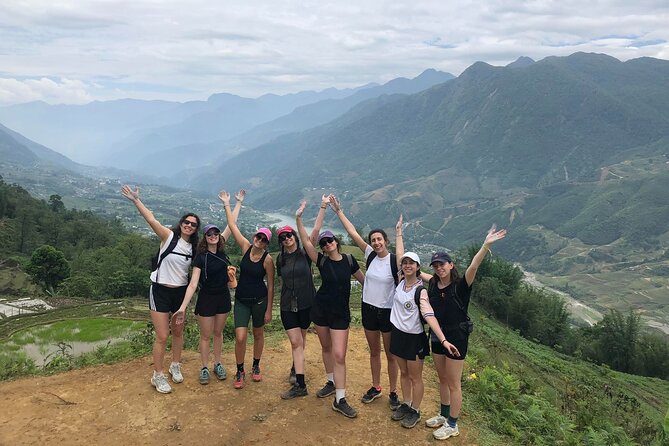
This tour works well if your Sapa schedule is tight but you still want an out-of-town feel. You start at Sa Pa Stone Church, then spend roughly 6 to 7 hours moving between viewpoints and village areas with a guide who brings the places to life.
What makes this different from the usual sightseeing shuffle is the emphasis on day-to-day details. Instead of treating villages like backdrops, the plan is built around how people live: customs and habits, food routines, and how weddings and festivals fit into the year. You’ll also hear about the older ways versus newer life, which helps the whole trip click faster.
The Big Value: Stories, Not Just Stops

Sapa rice terraces are gorgeous. But after a few hours, you start wondering what you’re actually looking at. This is where the guide angle matters. The day is designed around “real-life” village themes—things you can’t get from a single photo.
I like tours that explain context. It turns terraces from pretty geometry into something meaningful: where the scenery came from, why the houses are placed where they are, and how community life is organized. The tour also aims to keep the mood up, so the day doesn’t feel like a lecture or a rushed stamp-and-go.
If you’re lucky and your guide is someone like Nhu, the energy tends to be high and the pacing stays friendly. Another guide mentioned, Su, also gets praise for keeping the experience engaging. Even if your guide isn’t one of these names, the format is clearly built around talk + walk.
Stop-by-Stop: Y Linh Ho’s Terraced Fields and Hoang Lien Son Views
Your first stop is Y Linh Ho, around 30 minutes. This is where you get beautiful rice terraces at the foot of the Hoang Lien Son mountain range.
Why this stop is worth it:
- It gives you a quick visual “orientation” for the whole day. Once you see the terraces here, the rest of the walk makes more sense.
- It’s a natural breather before the village time. You’re still outside and moving, but not thrown into the deepest walking right away.
Practical note: even when a stop is “only” 30 minutes, treat it like part of the trek. You’ll likely spend time taking photos and getting your bearings, so comfortable walking shoes matter from the start.
Stop-by-Stop: Lao Chai Hmong Homes, Brocade Shopping, and Lunch
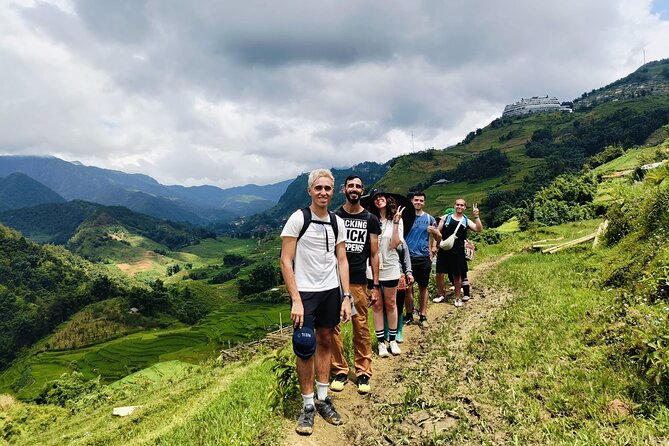
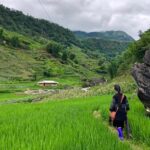
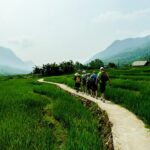
Next is Lao Chai, about 1 hour. This is the big terrace-and-community stop. You’ll see endless terraced fields, visit traditional houses, learn about Hmong lifestyle and culture, and have time to shop for local brocade.
This is also where lunch happens, which is a subtle but important quality-of-life detail. When lunch is built into the village portion of the day, you avoid the common problem: getting hungry right when the trek is still pushing uphill or muddy.
What you should watch for here:
- Traditional houses and daily routines can be more interesting than you expect, especially if you ask questions about what you’re seeing.
- The brocade shopping can be a fun break, but don’t feel pressured to buy. If you do shop, go slow and look at the patterns and materials before deciding.
One more thing: a few guides are known for trying to keep you away from the busiest tourist pockets. If that’s a priority for you, it’s worth choosing a day/time when you can get a calmer feel, even within a group.
Stop-by-Stop: Ta Van Village, a Beautiful Rural Reset
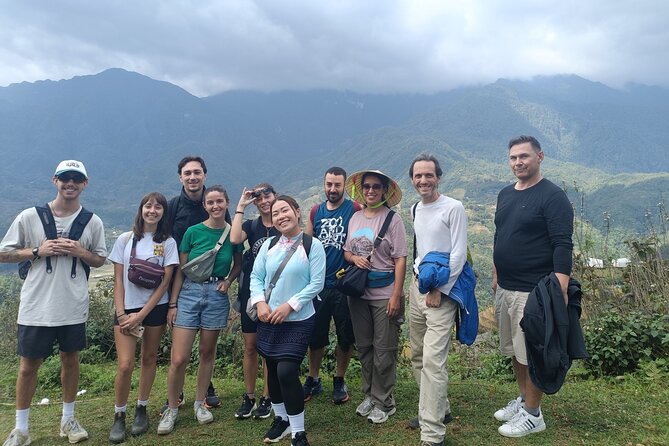
The final village stop is Ta Van, around 40 minutes. It’s described as one of the most beautiful villages in Asia, and the way the time is set up makes sense: you finish after soaking in terraces and Hmong village culture, then you shift into a broader Ta Van village experience.
Why Ta Van is a good end to the day:
- The timing helps you avoid the “we’re rushing, so I’m just tired” feeling. Forty minutes is long enough to slow down.
- By the end of the day, you’re better at noticing details: how homes relate to the terrain, how people move through fields, and what daily life looks like when it’s not staged.
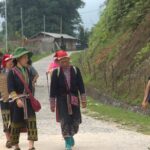
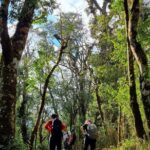
In the experiences shared, the walk leading you into village areas can include forest sections and paths that feel more “alive” than a flat route. If rain hits, you might encounter the kind of mud that makes every step feel like a mini-adventure—helping hands from your guide can make that much easier.
Pace, Paths, and What “Moderate Fitness” Means in Real Life
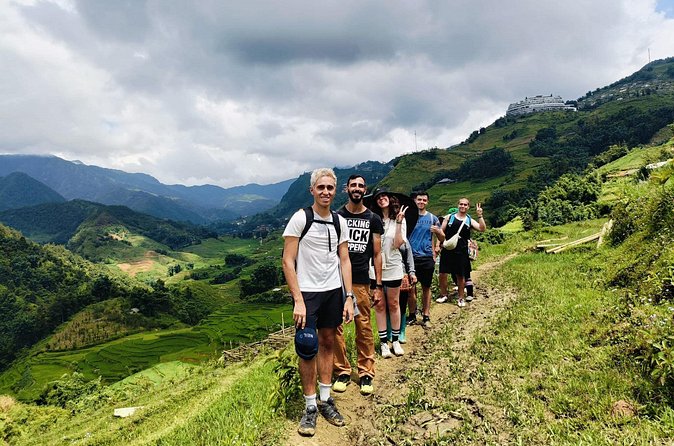
This tour is listed for moderate physical fitness. In plain terms: you should be comfortable walking for hours on uneven ground. Some stretches can be challenging, and there may be options in how you move through the area.
One helpful tip from the way the day is described: if your guide asks about routes—easy path versus a nature track—go with the nature track if you want the most fun and variety. The mud can make it more playful, but it also means you need shoes with grip.
If you’re visiting during wetter weather, plan for:
- Slippery patches
- Wetter paths through forest sections
- Needing to take a bit more care on footing
The good news is the tour format includes guide support, including help with the more difficult sections when conditions are rough.
Price and What You Actually Get for $25
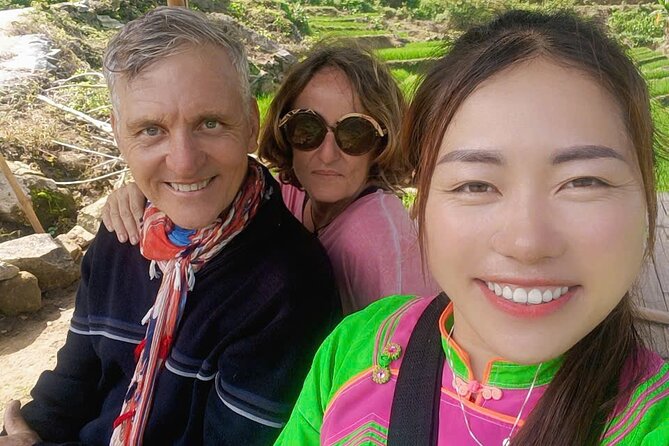
At $25 per person, this is one of those deals that works because the day is structured. You’re not just paying for a viewpoint drive. You’re getting:
- An English-speaking guide
- Bottled water
- Lunch
- Private transportation with pickup and a car back to Sapa
- Free admission ticket coverage for the key stops
That last part matters. Y Linh Ho, Lao Chai, and Ta Van all list free admission tickets in the schedule, which means you’re not getting hit with extra fees once the tour starts.
Also, the tour notes include group discounts and a mobile ticket. Practically, that usually means less hassle for payment and simpler check-in than cash-only tours.
Is $25 always the best value? It depends on what you’d otherwise pay for a local guide, transport, and lunch. For many people in Sapa, this is the “bundle” that makes sense: guide + transport + meal + cultural walk in one package.
Getting There: Sa Pa Stone Church and a Car Return to Sapa
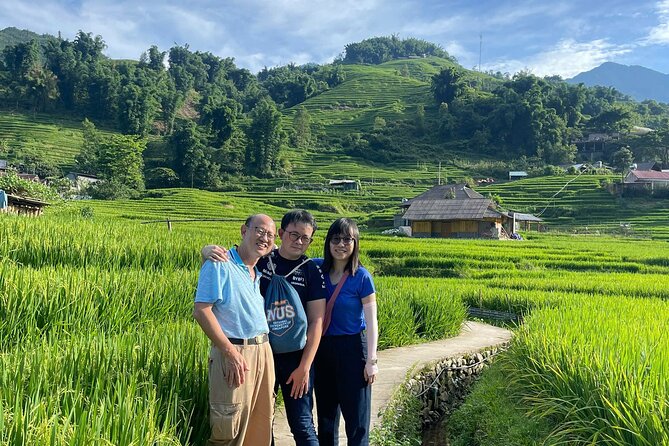
Your start point is Sa Pa Stone Church (P. Hàm Rồng, TT. Sa Pa). The end of the activity returns you back to the meeting point, so you don’t end the day stranded.
The tour also says pickup is offered. That matters because you’ll likely be tired by the end of the trek, and you don’t want to add extra transport steps to your day.
One practical detail: the meeting area is near public transportation, so if you need a backup plan for timing, you’ll usually have options.
Group Size: Enjoyable Numbers, Not a Moving Crowd
The tour caps at 30 travelers. That’s big enough to keep the price reasonable, but small enough that you can still have a guide who keeps track of the group.
Some of the most praised parts of the experience focus on how the guide manages the flow—keeping the day conversational and trying to limit running into too many other tourists in the same spots. That kind of pacing can make your photos look better and your village chats feel less rushed.
What You’ll Learn About Village Life (and What to Ask)
The tour’s promise is about learning useful things: customs, habits, food, weddings, festivals, and the difference between old and new life. That’s broad, but the best way to get value is to ask simple questions while you’re walking.
Here are questions that fit the day you’ll actually have:
- How do seasonal changes affect farming and daily schedules?
- What’s a local festival, and when does it happen?
- What traditions stay strong, even when life changes?
- What’s the most important difference between older and newer village life?
If your guide is someone with high energy—again, Nhu comes up for enthusiasm and conversational humor—the trip tends to feel less like a checklist and more like a guided conversation with stunning views.
Who This Trek Is Best For
This is a great fit if you:
- Want more than just photos in Sapa
- Have only a day and want terraces plus village time
- Prefer a guided experience with English support
- Are okay with a moderate hike and uneven paths
It may be less ideal if you’re looking for a very easy stroll. The day is designed around walking and village access, so you should feel comfortable on foot.
Should You Book This Tour?
If you’re deciding between a quick drive-by and a real walking day, I’d lean toward booking. The value comes from the combination: terrace views + village learning + included lunch + transport back to Sapa. You also get a small-group format, which helps keep the experience human.
Book it if:
- You want cultural context, not just scenery
- You’re within the moderate fitness range
- You’d enjoy chatting with a guide like Nhu or Su-style guides who keep the day lively
Skip or reconsider if:
- You need a very easy route with minimal walking
- Bad weather would make uneven paths a deal-breaker for you
- You’re expecting long, in-depth time in only one village (this is a three-stop circuit)
FAQ
What’s the duration of the Sapa one-day trek?
It typically takes about 6 to 7 hours.
Do I get pickup and transport back to Sapa?
Yes. Pickup is offered, and the tour includes private transportation. The car picks you up back to Sa Pa at the end.
What does the tour include for food and drinks?
You get bottled water and lunch included.
What stops are included in the itinerary?
The trek includes Y Linh Ho, Lao Chai, and Ta Van.
Is this tour suitable for moderate fitness?
The activity is recommended for travelers with a moderate physical fitness level.
What’s the cancellation policy?
You can cancel for free up to 24 hours in advance of the experience’s start time for a full refund. If you cancel less than 24 hours before, the amount paid isn’t refunded.