REVIEW · HIMACHAL PRADESH AND UTTARAKHAND
Nagtibba Trek (Pantwari to Pantwari)
Book on Viator →Operated by Kaushik's Cafe & Trek · Bookable on Viator
Nag Tibba is the kind of trek that turns a weekend into mountain time. This 2-day overnight outing walks you from Pantwari up to Nag Tibba, then back to the same starting point—no weeks of logistics, just a focused taste of the Himalayas.
I like how structured it is for first-timers: you’re never left on your own, with a professional guide keeping the pace and the route sorted. I also really value the way they handle food and camp comfort—meals are included, and you get sleeping mats and sleeping bags for the overnight in tents. One thing to consider: you don’t get private transport, so you’ll need to handle getting to Pantwari and the meeting point.
In This Review
- Why this trek works so well for first-timers
- Pantwari to Nag Tibba: the simple trek plan
- Meeting point at Kaushik’s Cafe & Trek (and why it matters)
- The Day 1 rhythm: reach Nag Tibba, then settle in
- What you should pack mentally for night one
- Day 2 summit: 3:30am start for sunrise at the top
- The descent back to Pantwari
- What’s included (and what this changes for your budget)
- The guide experience: what you can expect on trail
- Weather reality: how this trek handles the mountain mood
- Value check: is $23.87 actually good here?
- Who this trek is best for
- Practical tips so you’re comfortable (and not rushed)
- Should you book Nag Tibba overnight from Pantwari?
- FAQ
- How long is the Nagtibba trek from Pantwari to Pantwari?
- Is there a guide on the trek?
- What meals are included?
- Is overnight accommodation included?
- What time do you wake up for the summit?
- What is the meeting point and where does the trek end?
- Is private transportation included?
- What should I know about cancellation?
Why this trek works so well for first-timers
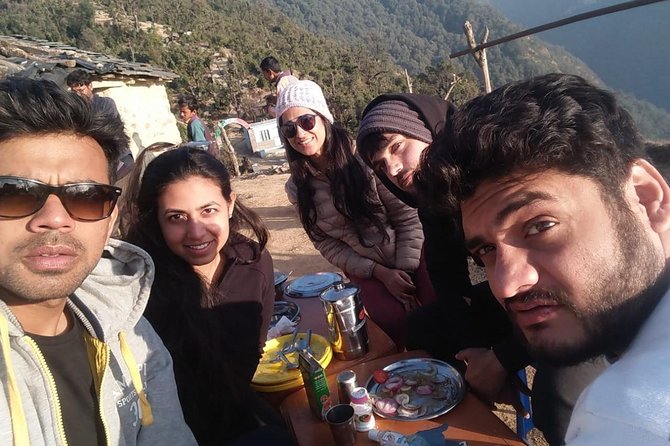
- Overnight tent setup: sleeping mat and sleeping bag included, so you can pack lighter
- Meals taken care of: dinner plus two lunches and two breakfasts included
- A real summit schedule: wake-up is 3:30am to reach the top for sunrise, if timing holds
- Guide names you’ll hear on the trail: Sanjay Bhaiya (often mentioned) and support from Sardar ji
- Small-group feel: maximum 16 travelers, so it stays manageable
- Camp treats on arrival: hot tea and pakoda at Nag Tibba, with Maggi possible for an extra cost
Pantwari to Nag Tibba: the simple trek plan
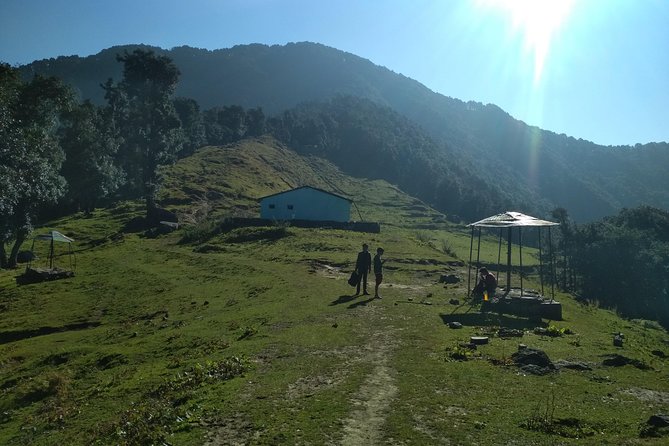
This is a round-trip trek built for people who want the Himalayas without committing to a long expedition. You start and end back at Pantwari, which means you’re not worrying about transport to a different town at the end of day two. The duration is about 2 days, with the trekking focus split across an overnight stay and a dawn summit push.
You’ll be hiking through forests and fields as you climb, and the whole idea is to keep it friendly for beginners. The pacing matters here. A short trek can still feel intense if you rush it, but the fact that you’re paired with a guide is what makes the experience feel realistic instead of stressful.
You can also read our reviews of more tours and experiences in Himachal Pradesh and Uttarakhand.
Meeting point at Kaushik’s Cafe & Trek (and why it matters)
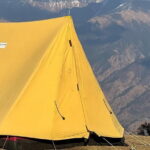
Your trek begins at Kaushik’s Cafe & Trek in Pantwari (Kaushik’s Cafe & Trek, House No. 10, Pantwari, Nainbagh, Uttarakhand 249186). That specific location matters because it reduces the chance of last-minute confusion—especially when you arrive by public transport.
The activity is listed as being near public transportation, and that’s useful if you’re planning your own onward journey. What’s not included is private transportation, so budget time (and a bit of patience) for getting to Pantwari on your own. Once you’re at the meeting point, the trek logistics take over and you can relax.
Also note the operating window shown for the meeting point: 9:00 AM to 5:00 PM. If you arrive later, you’ll want to make sure your timing still works with the start of your trek day.
The Day 1 rhythm: reach Nag Tibba, then settle in
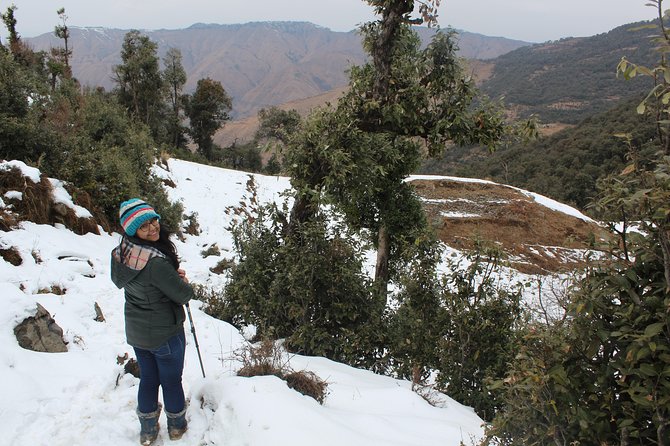
Day one is all about getting up to Nag Tibba and transitioning from travel energy into mountain calm. After you arrive, you retire to your tents for the night. Sunset views here are a big part of the experience—hill-station style drama, but with the feel of being out on the trail.
They welcome you with hot tea and pakoda, which is a smart move. After a day of walking, you’re not just hungry—you want something warm and easy to enjoy. If you’re craving something familiar, you can also get piping hot Maggi (listed at INR 40). That’s the kind of option that saves you from feeling like you have to eat only what’s served.
The overnight part is where this trek punches above its weight for beginners. Instead of a hardcore camping scenario, you’re given sleeping mats and sleeping bags. You still need to be prepared for cool air, but you’re not scrambling to find gear.
What you should pack mentally for night one
This trek is short, but it’s still in the mountains. Even when the day feels fine, nights can get chilly. Plan for layers, and assume you’ll be spending more time than usual outside once the sun drops.
Day 2 summit: 3:30am start for sunrise at the top
Day two begins early: you wake up at 3:30 am and get ready for the summit. This is the classic summit-at-dawn setup, and it’s why this is an overnight trek rather than a day hike. The early wake-up can feel like a small inconvenience—until you factor in what you’re buying: cooler climbing and the chance to see sunrise from the summit.
On the way up, they provide fruit and biscuits. That’s helpful because it prevents the stomach-from-empty panic that can happen right after a cold morning wake-up. It’s also convenient if you don’t want a heavy breakfast before the hardest part of the day.
Once you reach the summit, you can witness the sunrise (if you’re on time) and relax for a bit. That pause is important. Many short treks skip the “just stand there for a minute” phase. Here, you’re given time to take it in before you start heading down.
The descent back to Pantwari
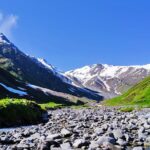
After the sunrise moment, you’ll hike down to your departure point. Since you started and end in Pantwari, the end of the trek isn’t about finding new transport or figuring out where you’re sleeping. It’s about finishing strong and walking yourself back into regular life.
What’s included (and what this changes for your budget)
At $23.87 per person, this trek is priced like a value-first introduction to trekking. The big win is what’s covered:
- Dinner
- Lunch (2)
- Breakfast (2)
- Overnight tent accommodation
- Sleeping mat and sleeping bag
- Guide support
When meals and key camping gear are included, you avoid the common hidden costs that pop up on budget treks. You’re not constantly calculating what you’ll pay for food at the roadside, and you’re not guessing whether you’ll need to rent gear at the last minute.
What’s not included is private transportation. That’s the main add-on you may need, depending on where you’re coming from and how you’ll reach Pantwari.
The guide experience: what you can expect on trail
A lot of treks sell the mountain. This one leans more on the human support that makes the mountain feel doable.
Sanjay Bhaiya shows up repeatedly in the reviews as kind, friendly, and helpful. You’ll likely appreciate that tone more than you think, especially when you’re tired or when the trail turns into that climb that tests your legs. Reviews also mention Sardar ji as part of the team support, which suggests the camp and logistics aren’t left to chance.
Also, because the group size has a cap of 16 travelers, you’re less likely to feel like you’re in a chaotic crowd. It’s still a group hike, but it’s designed to stay organized.
Weather reality: how this trek handles the mountain mood
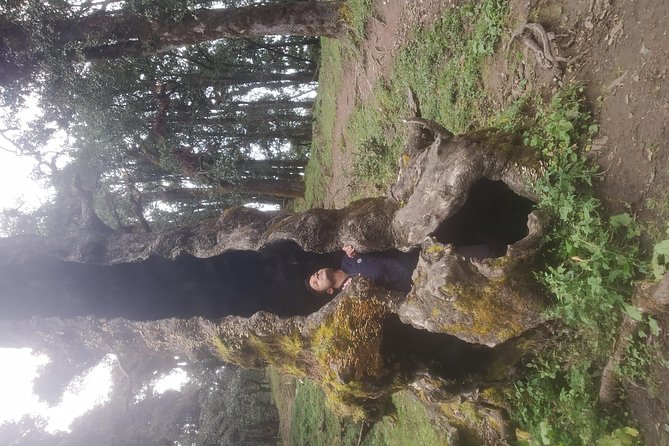
This experience requires good weather. If the trek gets canceled due to poor weather, you’ll be offered a different date or a full refund. That’s the right approach for a dawn-summit itinerary.
For planning, treat this like a “weather-dependent” experience. If you’re trying to lock in a tight schedule around it, build in flexibility. Short treks can be less forgiving than they look, because sunrise timing and trail conditions both matter.
Value check: is $23.87 actually good here?
For many people, this is the moment where trekking packages either become worth it—or quietly expensive. Here, the math tends to favor you:
- You get meals across both days.
- You get sleeping arrangements with mat and bag.
- You get a guide.
The trekking itself is short, so you’re not paying for multiple days of transport and setup. Instead, you’re paying for a compact, structured experience. If you’re the type who wants a first trek that’s guided, comfortable enough for an overnight, and not a logistical headache, this is strong value.
If you already have all your own camping gear and you’re a very independent hiker, you might find the included gear less important. But for beginners, the package approach is the point.
Who this trek is best for
This is a great fit if you:
- want a beginner-friendly overnight trek without long days
- like having a guide and a plan
- prefer included meals and straightforward camp setup
- want a manageable group size (up to 16 travelers)
It may be less ideal if you:
- expect a long, multi-day trekking challenge
- don’t want an early start (the 3:30 am wake-up is real)
- need private transportation included in the price
Practical tips so you’re comfortable (and not rushed)
A short trek is still a mountain trek. To make it smooth:
- Dress in layers for early morning cold and later-day warmth.
- Bring cash for small extras like the Maggi option listed at INR 40.
- Plan for the fact that you’re up early for sunrise, so set expectations around sleep.
- Use the included meals as part of your strategy. Eat when offered so you don’t burn energy on an empty stomach.
If you’re new to trekking, lean into the guided pace instead of trying to prove something fast. You’ll enjoy the views more when your body isn’t fighting the timeline.
Should you book Nag Tibba overnight from Pantwari?
Book it if you want a first Himalayan overnight that feels organized, beginner-friendly, and comfort-aware. The combination of guide support, included meals, and overnight tent gear makes it easier to focus on the trail and the sunrise moment instead of logistics.
Skip it or reconsider if you’re not ready for an early 3:30am start, or if you require private transport built into the package. And because it depends on good weather, only book it when you can stay flexible on timing.
If you’re on the fence, think of it like this: you’re buying a compact trekking experience with real structure. For $23.87, that’s a tough deal to beat.
FAQ
How long is the Nagtibba trek from Pantwari to Pantwari?
It runs for about 2 days (approximately), with an overnight at a tent camp and a second day that includes a summit attempt early in the morning.
Is there a guide on the trek?
Yes. The trek includes a professional guide who accompanies you during the hike.
What meals are included?
Dinner is included, and you also get two lunches and two breakfasts during the trek.
Is overnight accommodation included?
Yes. You get overnight tent accommodation, along with sleeping mats and sleeping bags.
What time do you wake up for the summit?
You’re scheduled to wake up at 3:30 am to start getting ready for the summit.
What is the meeting point and where does the trek end?
The start is at Kaushik’s Cafe & Trek in Pantwari (House No. 10, Pantwari, Nainbagh, Uttarakhand). The trek ends back at the same meeting point.
Is private transportation included?
No. Private transportation is not included, so you’ll need to arrange your own way to the meeting point.
What should I know about cancellation?
There is free cancellation up to 24 hours in advance for a full refund. The trek also depends on good weather, and if it’s canceled due to poor weather you’ll be offered a different date or a full refund.