REVIEW · HIMACHAL PRADESH AND UTTARAKHAND
Nag Tibba 2 Days Trek (Pantwari to Pantwari)
Book on Viator →Operated by Himalaya Shelter · Bookable on Viator
Nag Tibba is a weekend trek with real payoff. What makes it stand out is the mix of easy-to-follow guided hiking and two memorable “chapters”: a stop at the Snake God temple near Kathian Campsite on Day 1, then big mountain-name views from Nag Tibba Peak on Day 2. I like that it’s paced for a moderate fitness level, not an all-day suffering contest. One consideration: it’s still a trek, so you should come ready for uphill effort and cool-to-chilly conditions that come with elevation.
What you’re signing up for is a short escape from the plains into the Himalayan air, with a maximum group size of 20. I also like that the experience is built around supportive trek leaders—people who keep you moving, explain things, and help the tougher moments feel manageable (names like Abhishek, Mukesh Rana, Ramesh Ji, Subodh, and Adarsh show up again and again in the way the trek is described). The other reality check: the trek requires good weather, so plan for flexibility if conditions turn.
Meeting point is Pantwari (H3MP+GWM, Pantwari, Uttarakhand 249186, India) and the tour ends back there. If you’re coming from farther away, some trip days may include road travel to Pantwari, but the trek itself is the core experience here. Expect tents at camp that are described as simple but comfortable, plus meals that are repeatedly praised as better than you’d guess for mountain cooking.
In This Review
- Key Things to Know Before You Go
- Nag Tibba From Pantwari: What a 2-Day Trek Really Feels Like
- Day 1: Kathian Campsite, Snake God Temple, and a 5–6 km Hiking Day
- Day 2: Nag Tibba Peak Views of Swargarohini and Bandarpunch
- Guides Make or Break This Trek: Abhishek, Mukesh Rana, Ramesh Ji, Subodh, Adarsh
- Food and Tents at Camp: Simple, Often Better Than You Expect
- Price and Logistics: When $24 Feels Fair (and When It Might Not)
- Practical Tips to Keep the Trek Fun (Not Just Possible)
- Who This Trek Suits (and Who Might Want a Softer Weekend)
- Should You Book Nag Tibba 2 Days Trek (Pantwari to Pantwari)?
- FAQ
- Where does the Nag Tibba trek start and end?
- How long is the Nag Tibba 2-day trek?
- What fitness level do I need?
- What do we do on Day 1?
- What do we do on Day 2?
- How big is the group?
- What if the trek can’t run due to weather?
- What do I receive after booking?
Key Things to Know Before You Go
- Snake God temple stop at Kathian Campsite makes Day 1 feel cultural, not just hiking
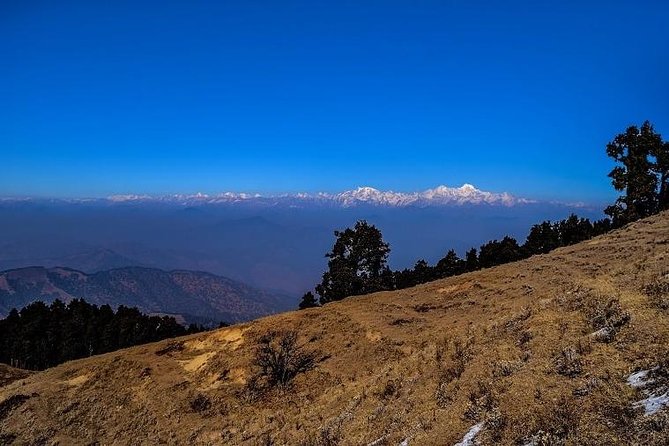
- Nag Tibba Peak views include Mt. Swargarohini and Mt. Bandarpunch on clear days
- Small group size (max 20) helps you move as a unit without feeling crowded
- Motivating, caring guides like Mukesh Rana, Abhishek, and Ramesh Ji can make a hard climb feel doable
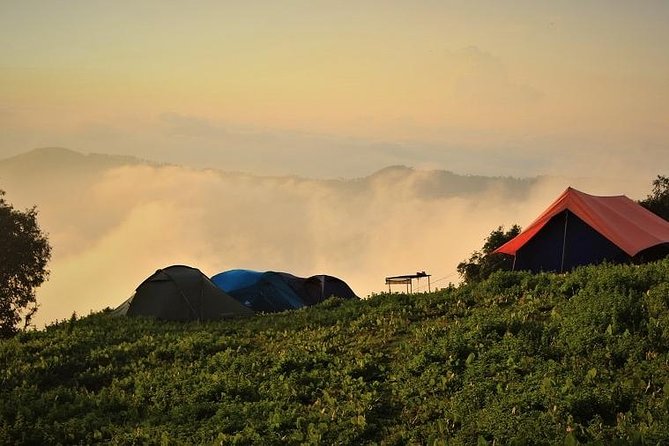
- Camp comfort is practical: simple tents, and food cooked fresh enough to earn repeat praise
Nag Tibba From Pantwari: What a 2-Day Trek Really Feels Like
This is a two-day Himalayan hike in the Pantwari area that’s designed for a true weekend break. You start at the Pantwari Nagtibba trek start point (H3MP+GWM, Pantwari, Uttarakhand 249186). From there, you’re not planning a long travel saga across multiple towns—you’re focused on the trail and camp life.
Because the group is capped at 20 travelers, you typically get the kind of attention that matters when the trail gets steep or visibility drops. You also get the social side of a small trek: walking with the same people, sharing quiet moments at camp, and hearing how others are handling the pace.
Physically, the expectation is “moderate fitness.” That’s your green light if you can walk uphill for sustained stretches without needing to stop every few minutes. It’s not marketed as a stroll, though. Even when the distances are not huge, the elevation and trail angles do the work. If you’re coming straight from the North Indian plains, you’ll likely feel it in your legs faster than you expect.
The price point is also part of the appeal. At $24, this is built to be budget-friendly compared to many guided mountain getaways, while still giving you two full hiking days with camp setup. You get a guided plan, a small group, and what sounds like competent leadership—exactly the blend you want when you’re not trying to “DIY and hope.”
You can also read our reviews of more tours and experiences in Himachal Pradesh and Uttarakhand.
Day 1: Kathian Campsite, Snake God Temple, and a 5–6 km Hiking Day
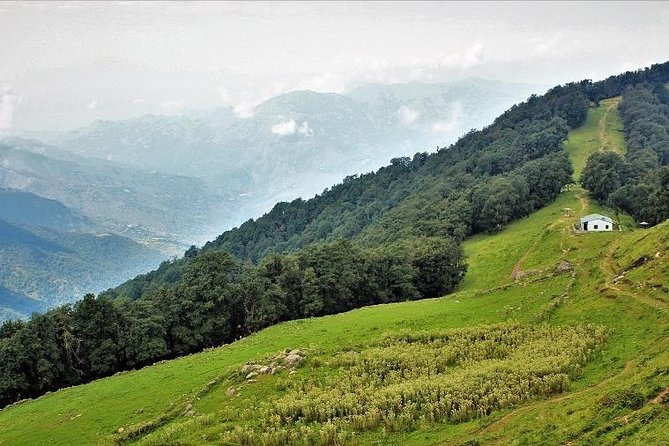
Day 1 is your hiking-and-settle-in day. You trek roughly 5–6 km to Kathian Campsite, and along the way you also get a chance to explore a small temple dedicated to a Snake God. That matters more than it sounds. It turns the first day into something you remember beyond “I walked uphill.”
Here’s what the temple stop typically gives you on a trek like this:
- A pause from constant movement, so your body can catch up
- A cultural beat that feels local rather than touristy
- A reminder that people have lived with these hills and beliefs for a long time
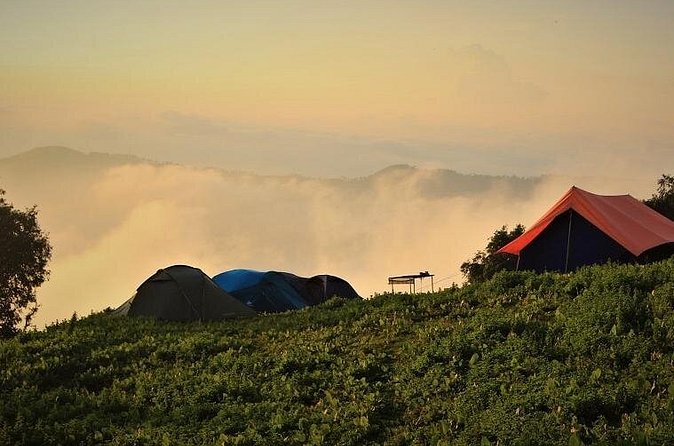
After the hike, the rest of the day is about camp time. From the way the trek is described, this is where you feel the shift from city pace to mountain calm. People talk about peaceful evening moments in the Himalayas, and about campfire conversations adding a warm, human texture to an otherwise simple day.
You’ll also want to mentally prepare for tent living. The accommodation on this trek is described as simple but comfortable. That’s important: you’re not buying luxury. You’re buying the experience of sleeping in the mountains and waking up ready to hike again.
Day 2: Nag Tibba Peak Views of Swargarohini and Bandarpunch
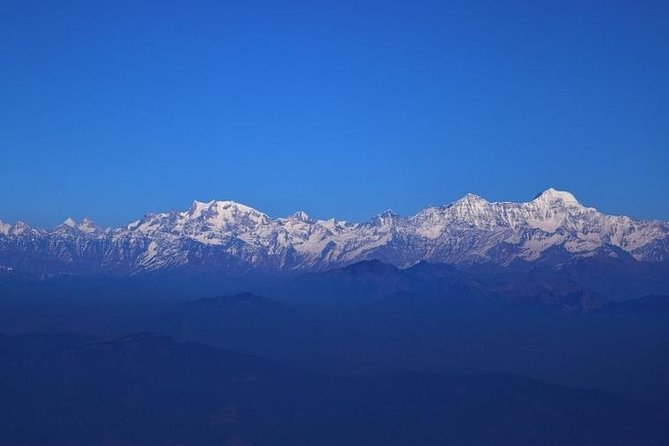
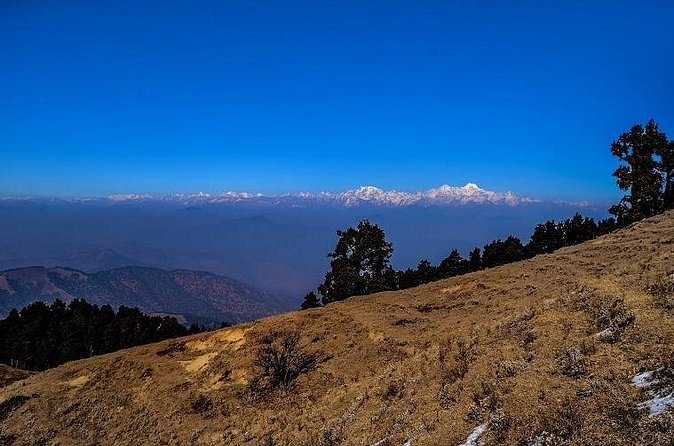
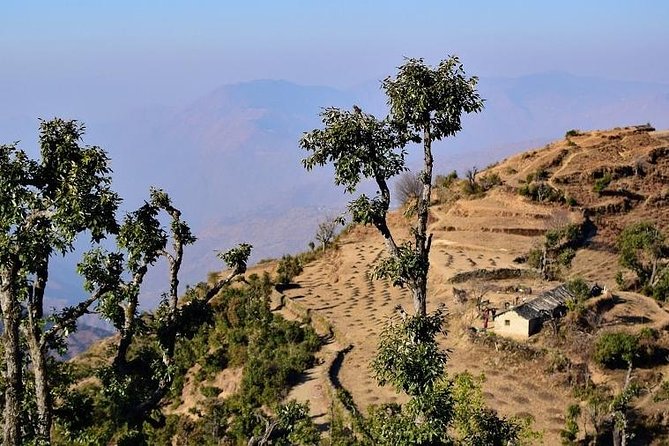
Day 2 is the “get there” day. You hike up to Nag Tibba Peak and spend time taking in views of major Himalayan peaks such as Mt. Swargarohini and Mt. Bandarpunch (and other surrounding peaks, depending on what’s visible).
What makes this day satisfying isn’t just the summit idea. It’s the way the trek is structured so you’ve already spent Day 1 learning the rhythm of the trail—then Day 2 becomes the payoff. By the time you reach the peak, you’re not starting from scratch.
One practical thing to keep in mind: visibility matters. The overall experience requires good weather, and that’s not a fine print detail. If clouds roll in or conditions are poor, you might miss parts of the view you came for. Since the trek is weather-dependent, it’s smart to stay flexible with your expectations.
If you’re the type who loves mountain spotting, this day delivers. Having specific peak names mentioned (Swargarohini, Bandarpunch) helps you “track” what you’re seeing instead of staring at clouds and guessing.
Guides Make or Break This Trek: Abhishek, Mukesh Rana, Ramesh Ji, Subodh, Adarsh
On a short trek, leadership becomes extra important. There’s less time to “figure it out,” and more time for small decisions—pace, breaks, route sense, and morale—to affect how you feel at the end of each day.
The strongest praise centers on guides who keep people moving with encouragement. Names you’ll see tied to this experience include Abhishek, Mukesh Rana, Ramesh Ji (also referred to as Ramesh uncle), Subodh, and Adarsh. The repeated theme is motivation: even when the trek isn’t called easy, the guides help you finish with smiling faces.
I also like that coordination and communication are highlighted. That shows up in how the trip is described as well coordinated from the start, and in how leaders support you during the hike rather than just counting feet at the front of the group.
One more note: good guiding isn’t only about route knowledge. It’s also about how the group feels at camp—how conversation happens, how comfortable everyone seems, and how supported people feel when the air gets colder and energy dips. In the way this trek is talked about, those small emotional details matter.
Food and Tents at Camp: Simple, Often Better Than You Expect
If you worry about eating well on a mountain trek, this one has decent odds of surprising you. Food is repeatedly described as super tasty and even better than expected for cooking in mountain conditions.
You’ll also want to plan for simple tent accommodation. Descriptions point to tents that are basic, but comfortable enough to rest. That’s the right expectation for this kind of weekend hike. Your goal isn’t to “live in a resort”—it’s to sleep, recharge, and wake up ready for a second hiking day.
Some people mention hot meals and hot breakfast as well. Even when the experience is budget-friendly, the takeaway is that food is treated as part of the journey, not an afterthought. That can make a big difference when you’re burning energy and adjusting to altitude.
Price and Logistics: When $24 Feels Fair (and When It Might Not)
At $24 for about 2 days, this trek is priced to be reachable for weekend planners. That’s a big part of the value calculation. You’re not paying a premium for a long itinerary or a complex route—what you’re paying for is structure: guided hiking, camp setup, and the two-day arc that turns into memorable views and cultural stop time.
Also, admission at the temple stop is listed as free, which helps keep the overall cost down for you as the trek day unfolds.
Logistics are simple in concept: start at Pantwari, hike Day 1 to Kathian Campsite, hike Day 2 to the peak, and return to the meeting point. Confirmation happens at booking, and the tour is small (max 20), which usually means you won’t be fighting crowds.
Where value can vary is in how you personally reach Pantwari. Some descriptions include being picked up from Dehra Dun by road travel first, but that detail may not match every schedule. If your own route to Pantwari costs time or money, factor that in. The $24 price is for the trek experience; your full trip value depends on your total travel plan to the meeting point.
Practical Tips to Keep the Trek Fun (Not Just Possible)
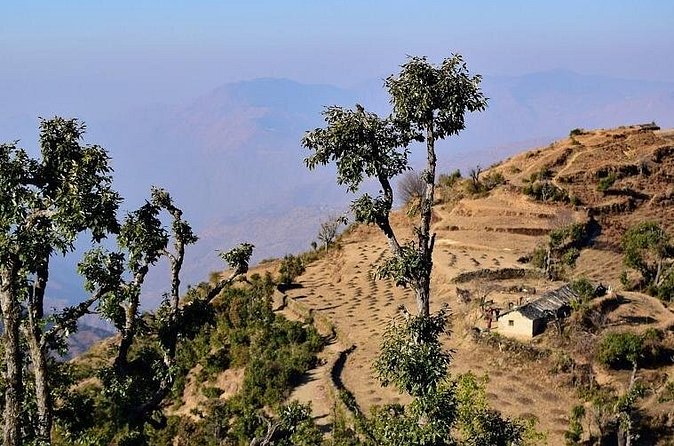
This trek asks for moderate physical fitness, so my advice is to match your plan to your comfort level. Don’t treat it like a gym workout, but also don’t show up expecting it to feel flat.
Here’s what will help you most:
- Go steady on Day 1: you’re hiking 5–6 km plus elevation effects, and you want legs that can handle Day 2
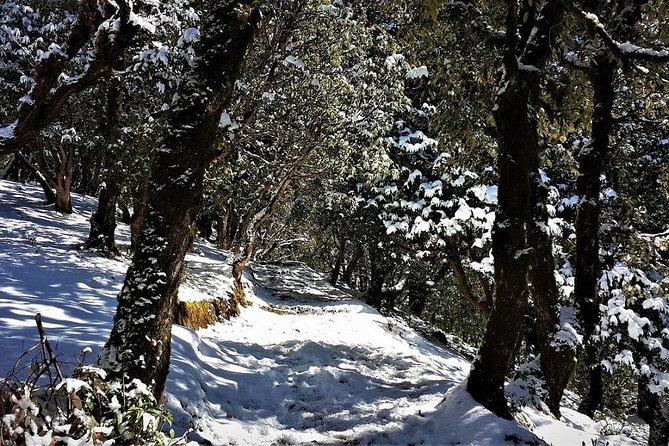
- Dress for weather changes: the experience requires good weather to run as expected, and the mountains can be cooler than the plains
- Rely on your guide for pace: the big praise is that leaders keep people motivated and supported, so let them set smart break rhythm
- Sleep with the mindset of mountain tents: simple doesn’t mean unworkable; just don’t plan on plush comfort
Also, remember that confirmation is received at booking, and the tour uses mobile ticketing. If you’re the type who likes everything offline, still make sure your phone battery is topped up—mobile tickets only work if your device does.
Who This Trek Suits (and Who Might Want a Softer Weekend)
This is a good fit if:
- You want a true weekend Himalayan experience without a multi-week commitment
- You’re okay with a moderate physical challenge and want the satisfaction of finishing
- You like the idea of a cultural stop (the Snake God temple) mixed into hiking
- You care about guided support, especially when the trail gets tiring
- You’re traveling with someone who benefits from reassurance and structure (there are descriptions of shared trips, including mother-and-child style companionship)
It may not be the right match if:
- You’re looking for a fully easy stroll with minimal climbing
- You know you’re very sensitive to steep effort or elevation changes
- You can’t be flexible with weather. Since the trek needs good conditions, poor weather can lead to rescheduling or refund options
Should You Book Nag Tibba 2 Days Trek (Pantwari to Pantwari)?
If you want a short, guided trek that mixes serene camp time, a cultural temple stop, and summit views with real peak names, I think this is a smart booking—especially at $24. The experience seems built for people who want support, clear structure, and motivating guides like Mukesh Rana, Abhishek, Ramesh Ji, Subodh, and Adarsh.
Book it if you can handle moderate hiking and you’re traveling with the mindset that tents are simple and the reward is the mountain air. Pass or choose another option if you need a very gentle route or you can’t adjust if weather doesn’t cooperate.
One last practical thought: pick your dates with weather in mind. The whole plan depends on conditions, so treat the calendar as flexible, not fixed.
FAQ
Where does the Nag Tibba trek start and end?
The trek starts at Pantwari Nagtibba trek start (H3MP+GWM, Pantwari, Uttarakhand 249186, India) and ends back at the same meeting point.
How long is the Nag Tibba 2-day trek?
It’s listed as 2 days (approx.).
What fitness level do I need?
You should have a moderate physical fitness level.
What do we do on Day 1?
Day 1 focuses on trekking to Kathian Campsite (about 5–6 km) and exploring a small temple dedicated to a Snake God.
What do we do on Day 2?
Day 2 is a trek to Nag Tibba Peak, with views of major mountains such as Mt. Swargarohini and Mt. Bandarpunch (and others, depending on conditions).
How big is the group?
The maximum group size is 20 travelers.
What if the trek can’t run due to weather?
The experience requires good weather. If it’s canceled due to poor weather, you’ll be offered a different date or a full refund.
What do I receive after booking?
You’ll get a mobile ticket, and confirmation is received at the time of booking.