REVIEW · MOUNT RINJANI
Mount Rinjani 2-Day Trek to Senaru Crater Rim
Book on GetYourGuide →Operated by Rinjani Hero · Bookable on GetYourGuide
Mount Rinjani at night feels like you’re living on top of the clouds. This 2-day hike takes you from dense rainforest up to the crater rim at about 2,641 meters, with the kind of sunset over Bali’s Mount Agung that makes people go quiet. I really like how the trip is run with real care: guides keep the pace sensible, and porters handle the heavy lifting and camp setup. My one heads-up is the day is not “easy mode”—steep climbs, slippery descents, and limited park permits mean you’ll want to be ready and organized.
On the trail, I love the jungle details: birds, butterflies, and that thick Lombok greenery you can almost feel on your skin. If you get a guide like Ibrahim, you may even get extra energy—jokes, music, and a fun vibe that keeps the long sections from feeling endless. The potential drawback? If you’re dealing with mountain sickness risk or height anxiety, this trek isn’t for you, and you also need to plan permits early because they’re capped.
In This Review
- Key things that make this trek worth your time
- Why the crater rim at 2,641 m is such a memorable goal
- Day 1: Rinjani Gate briefing, rainforest start, and the Montong Satas lunch stop
- The afternoon push to the rim and why reaching by 4 PM matters
- Night at the crater rim: tents, warm sleeping bags, and the sunset ritual
- Day 2: sunrise breakfast, the descent to Senaru, and black monkey odds
- Guides and porters: the service that turns hard hiking into a fair challenge
- Permits and ERinjani registration: plan early or you’ll get forced to reschedule
- What to pack for a 5 kg day pack limit
- One small but smart tip
- Price and value: what $150 buys on Rinjani
- Who should book this and who should choose something else
- Should you book Mount Rinjani to the Senaru crater rim?
- FAQ
- How long is the trek?
- What time does the hike start on Day 1?
- What group size should I expect?
- Is the park permit included in the price?
- How do I register for the Rinjani permit?
- What gear is included, and what do I need to bring?
Key things that make this trek worth your time
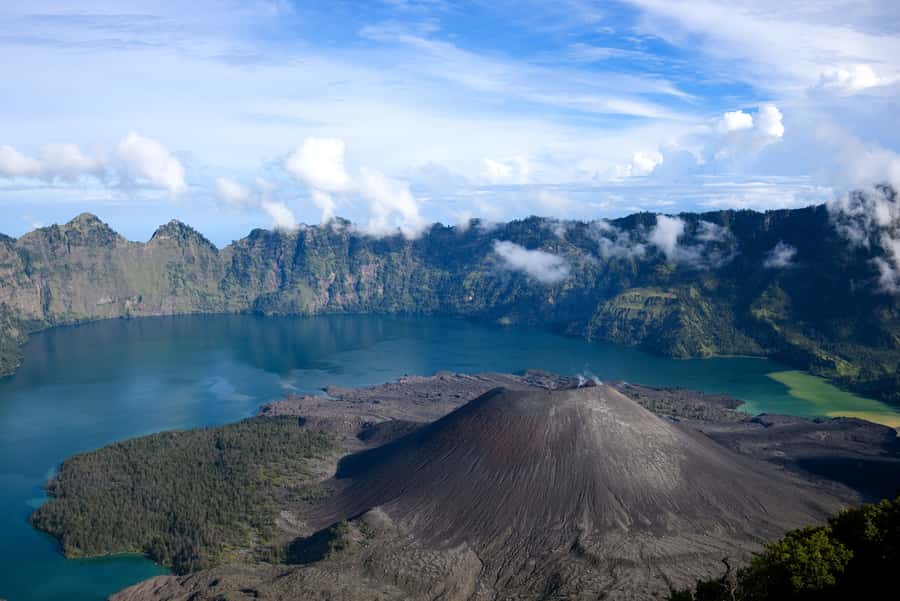
- Crater-rim camping with big-sky sunsets over Bali’s Mount Agung
- Tropical forest walking with lots of wildlife and shifting trail conditions
- Porters who actually run camp: gear carried, tents set, and meals waiting at breaks
- Small group size (up to 15), so you’re not swallowed by the crowd
- Real, guided safety with pace breaks you can count on
- Limited permits (240/day), so early registration is not optional
Why the crater rim at 2,641 m is such a memorable goal
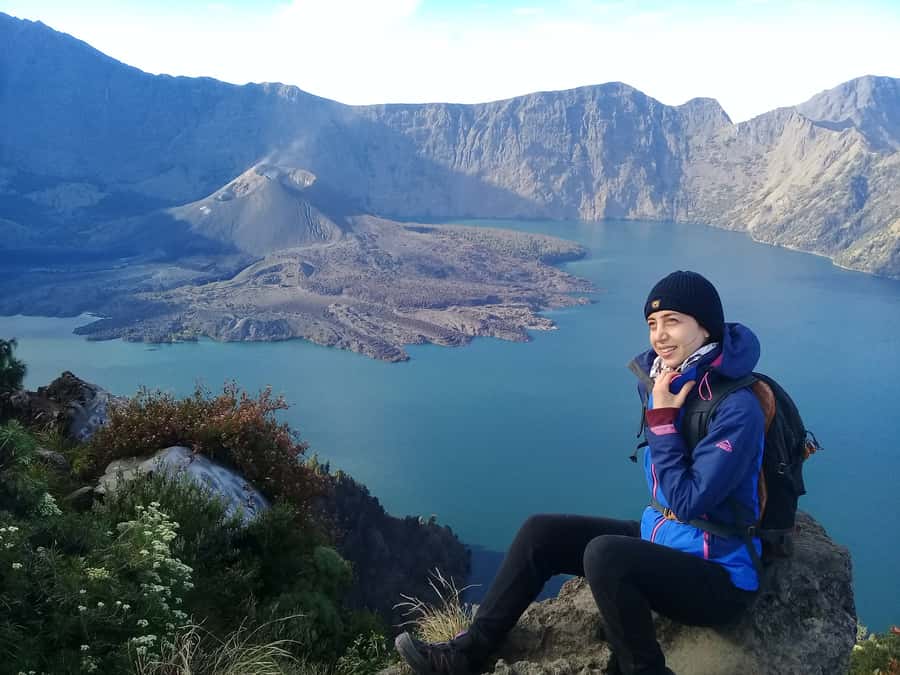
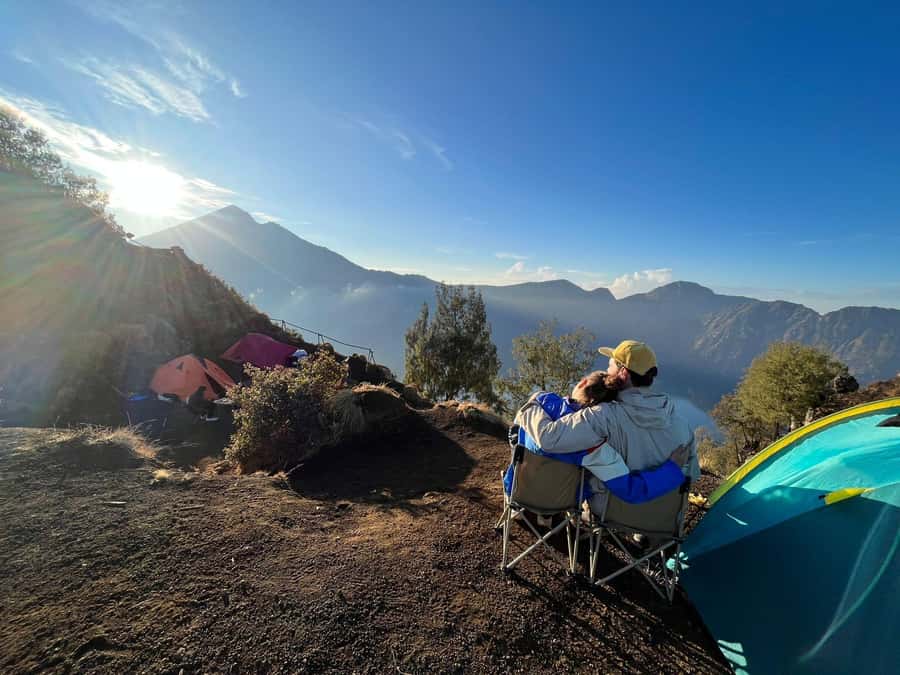
The best part of this trek is the feeling you get once you’re up at the rim—your body is tired, your legs are done, and then the view hits. From the campsite area, you’re set up for sunset and usually a dramatic sky over Mount Agung in Bali. You may also catch smoke drifting from the volcano across the water, which adds a slightly unreal edge to an already intense scene.
Camping here is also a big part of the story. You’re not sleeping in comfort-carried-to-you city mode. Instead, you’re in tents with sleeping bags and mattresses provided, plus a real toilet tent on site. People talk about sleeping “under the stars,” and even when wind or weather changes the mood, the night still feels special because you’re right in the action of the mountain.
The rim is also where your effort starts making sense. Day 1 can feel like a grind—rainforest then uphill then the climb keeps going—but the rim gives you a clear payoff you can see. It’s the kind of reward that stays with you when the photos fade.
Day 1: Rinjani Gate briefing, rainforest start, and the Montong Satas lunch stop
Most mornings begin with a transfer to the Rinjani National Gate area. You’ll do registration and a briefing with your guide, then your hike starts around 7:00 to 7:30 AM. Early starts matter on Rinjani because weather can shift fast and the heat at lower elevations can stack up behind you.
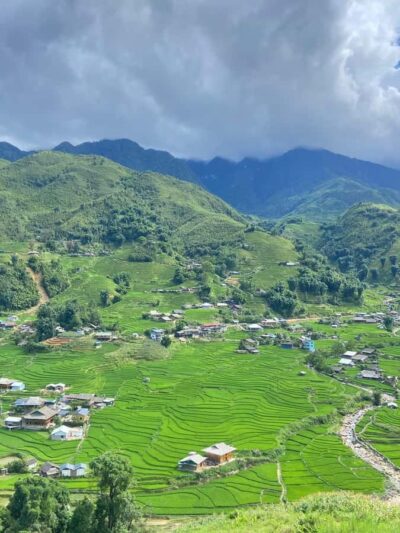
Then comes the rainforest section—thick, humid, and full of life. Expect trail walking through dense tropical forest with flora and bird life, plus butterflies along the way. It’s the kind of trekking that keeps you focused, because you’re not just climbing—you’re also watching what’s around you.
Lunch is a milestone: you stop at Montong Satas Shelter around 1,500 meters. This isn’t just a food break. It’s the moment where you can reassess your pace, refill water, and settle your legs before the second half of the day turns more demanding.
If you want a mental picture of the effort: you’re gaining elevation quickly. One hiker noted they started around 600 meters and finished near the 2,600-meter range that day. That’s a lot of climb in a short time, even if the early rainforest part feels steady.
The afternoon push to the rim and why reaching by 4 PM matters
Your goal on Day 1 is the crater rim, arriving around 4:00 PM. That timing is important because you’re not trekking into darkness. You reach camp with enough daylight left to set your body and mind for sunset.
The final approach can feel sharper than the earlier forest walking. Terrain may change from muddy sections to more uneven ground, so you’ll want your balance and breathing under control. This is where taking the breaks your guide offers becomes smart, not slow. Guides on this route tend to manage pace actively—slowing down when needed and keeping you hydrated.
Once you arrive, you camp near the rim area of Segara Anak (often referred to around this part of the experience). Dinner follows, and that’s when you realize how much the porters’ work matters: they handle camp setup so you’re not trying to pitch tents at high altitude after a long climb.
Night at the crater rim: tents, warm sleeping bags, and the sunset ritual
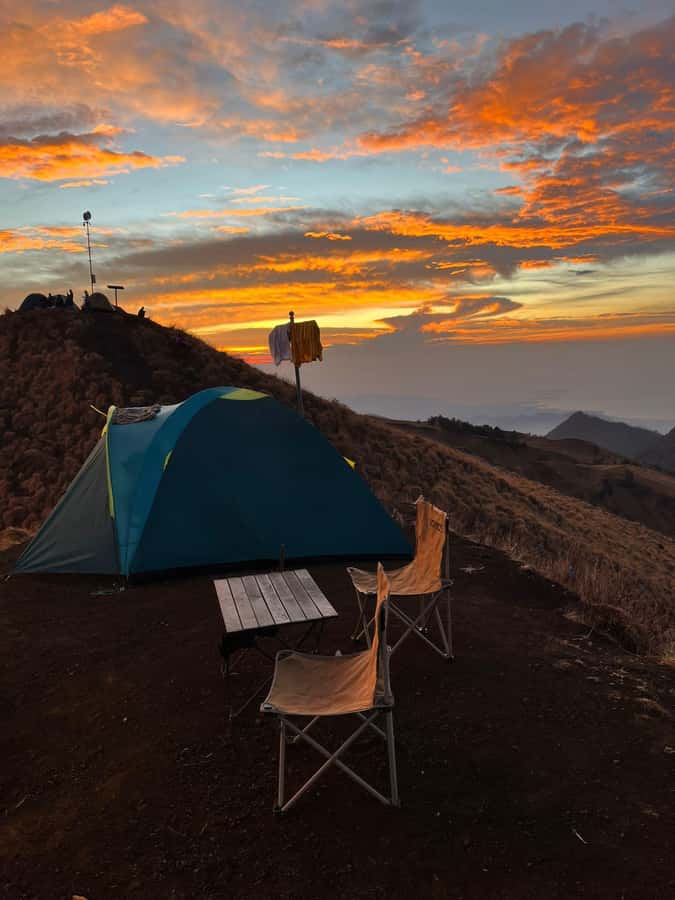
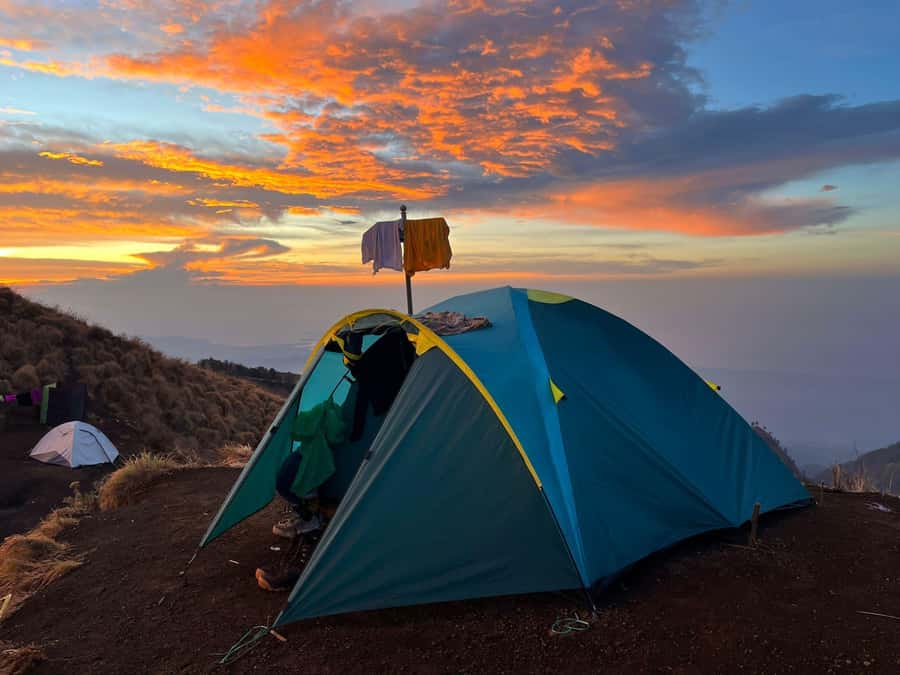
Once you’re camped, the rim turns into a viewing platform. Sunset is the headline. You’ll look over Bali toward Mount Agung, and if the conditions cooperate you might see smoke rising from volcanic activity. Even when the sky doesn’t cooperate perfectly, the rim still has that close-to-the-edge feeling that’s hard to describe.
Wind can be a factor at altitude. One review called out strong evening wind and noted that the tent setup helps protect you. That tracks with what you’d expect at elevation: it’s not just cold, it’s also unpredictable. The good news is sleeping bags are provided, so you’re not relying on guesswork.
This is also where the camp atmosphere becomes part of the value. Because equipment is included—double-size tents, camp chairs, toilet tent, sleeping bag, pillow, and mattress—you get the benefits of proper camping without dragging gear yourself. Add in hot drinks, coffee, and real meals (not just snacks), and the end of Day 1 feels like a reset.
Day 2: sunrise breakfast, the descent to Senaru, and black monkey odds
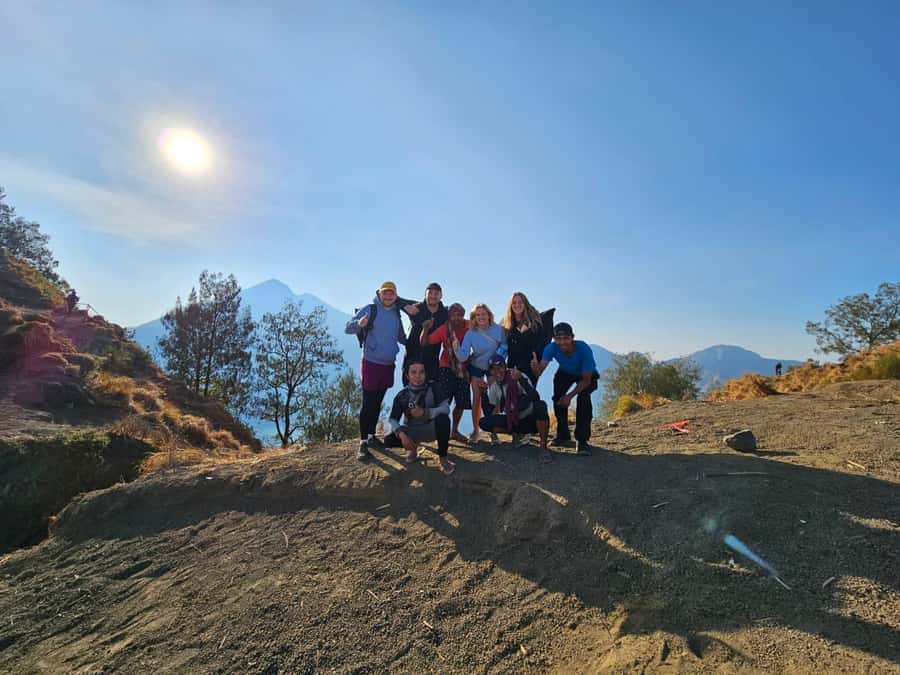
Day 2 starts early with sunrise and breakfast. Then you begin descending back toward Senaru Village through rainforest. This is a long downhill day, not a quick stroll.
The total descent is often about five hours, and the trail can feel slippery. One key detail from real hiking experience: the down is frequently the part that surprises you. Even if you felt okay on the way up, your knees and footing can get tested on steep, loose, or gravelly sections.
Lunch is typically around 11:30 AM, after a chunk of descent. When you reach Senaru Village, you don’t just end with a drop-off and good luck. You’re taken to the local operator’s office for a shower, then a welcome drink before the experience is finished.
Now the animal moment: black monkeys are possible on the way down. You’re not guaranteed, but if you’re lucky, you’ll see them while moving through the forest. Even if you don’t, Day 2 has that sense of moving from high-altitude quiet back into the living green of Lombok.
Guides and porters: the service that turns hard hiking into a fair challenge
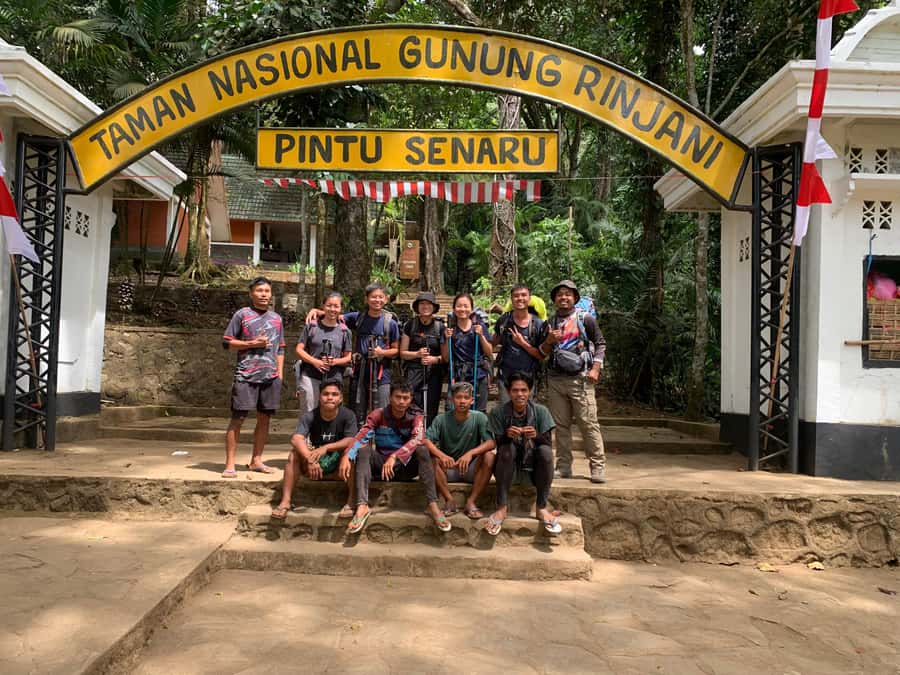
The most praised aspect of this trek is the team. Guides are focused on safety and pacing, and porters make a huge difference by doing camp setup and carrying equipment.
On the guiding side, I like the way many guides keep you comfortable without turning the trek into a slow tour. They’re ready with water breaks, snack stops, and guidance when steep parts feel too steep. Names that pop up include Ibrahim, Will, Odi, Sip, Sapar, Ojik, and Arteri. If Ibrahim is your guide, expect extra personality—music, jokes, and a fun tone that can make the climb feel less relentless.
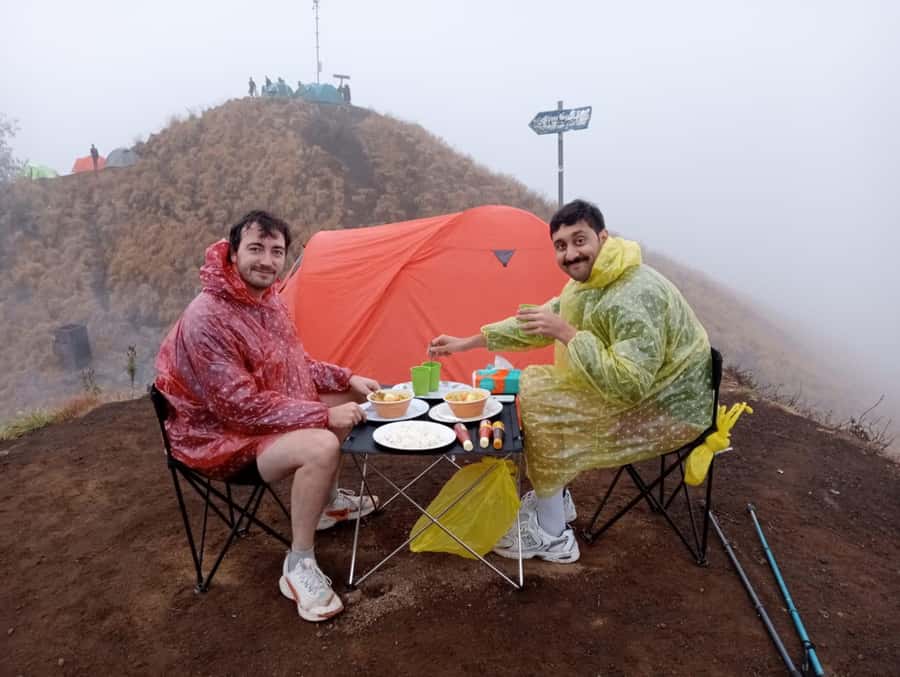
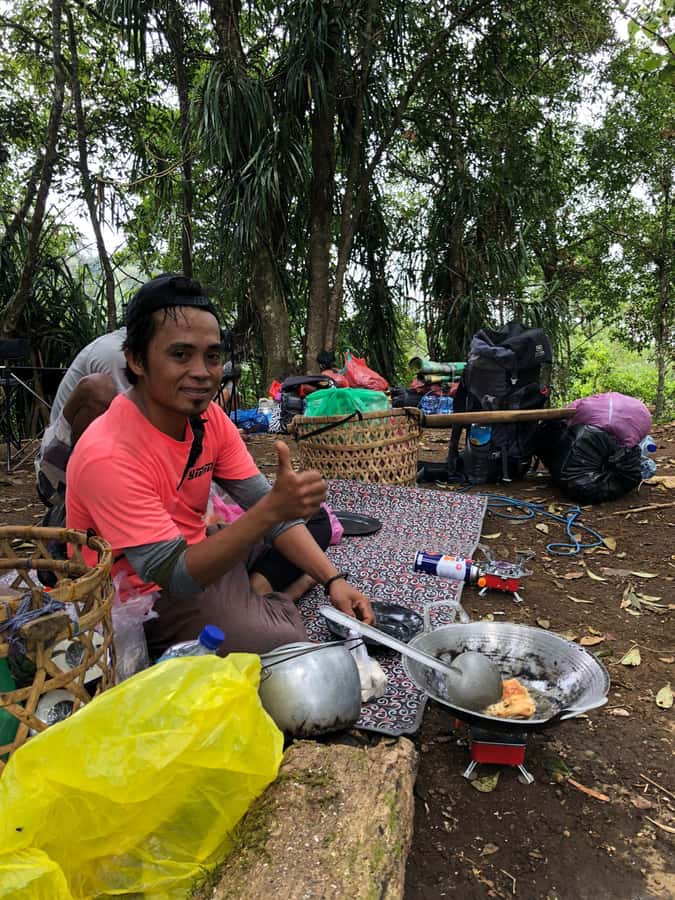
Porters are the quiet heroes. People describe them as fast and incredibly strong, even handling camp gear and food prep while walking tough terrain. One review mentioned porters moving with gear on what sounded like surprising footwear (and still getting the job done). When porters are on point, you arrive at breaks with a table and food waiting instead of having to manage everything yourself.
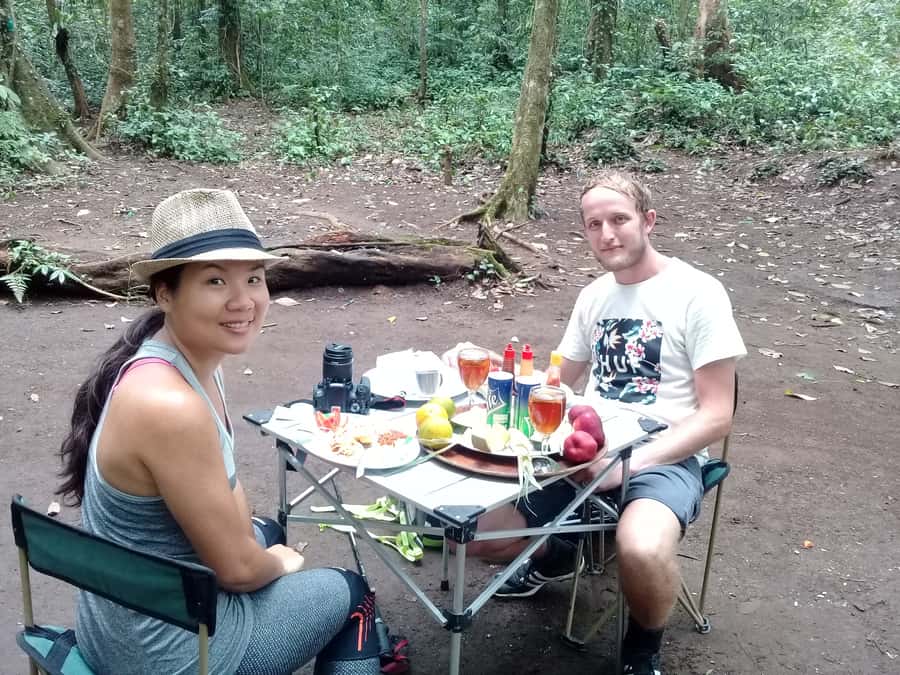
Then there’s food. Meals are not basic fuel. Expect a mix like nasi goreng-style rice dishes, curry soups, fresh fruits, fried bananas, pancakes, sandwiches, and hot drinks like coffee and tea. This matters more than you’d think. On a trek, good food keeps you moving because it stops the crash.
Permits and ERinjani registration: plan early or you’ll get forced to reschedule
This trek needs national park permits, and they’re limited. Permits are available only 240 per day, so if the quota is gone for your dates, you may not be able to hike that day and will need to reschedule.
You have two realistic paths. You can register on the ERinjani app, entering details like passport number, full name, birthday, weight, height, and nationality. Then you pay by bank transfer directly to the government account. The permit cost is listed as RP 250,000 per person per day.
Or you can ask a local guide/operator to help with registration. That’s a practical option if you don’t want to handle the form-filling and payment steps yourself. Either way, start early. This is one of those cases where being proactive saves you a week of stress.
What to pack for a 5 kg day pack limit
You’ll carry only what you truly need for yourself. Most instructions emphasize packing items in a small backpack of no more than 5 kilograms.
Things you should bring:
- Trekking shoes
- Long pants
- Gloves
- Windproof jacket
- Sun screen and insect repellent
- Toiletries and personal medication
- Camera and a small towel
- Cotton T-shirts (around 2–4 pieces)
- Shorts (2 pieces)
- Sandals
- Swimwear (optional but mentioned in the list)
Also remember: a small bag or day pack is not included. So if you don’t already own a pack that fits the weight limit, plan to buy/borrow one before you arrive.
There’s an option to add an extra porter for your personal belongings on a later booking page. If you’re carrying camera gear, extra layers, or want to keep your load lighter, this can be a nice way to protect your energy for the downhill.
One small but smart tip
If you have walking sticks, bring them. One review specifically warned the descent can be slippery and said poles help. Your legs will thank you on Day 2.
Price and value: what $150 buys on Rinjani
At $150 per person for 2 days, the price feels reasonable when you look at what’s included. You’re not just buying a guide. You get:
- Trekking guide
- Porter support for camping equipment
- Meals (breakfast, lunch, dinner) plus drinks and safe drinking water
- Camping equipment: tents, chairs, toilet tent, sleeping bag, pillow, mattress
- Trekking insurance
- One night camping at the crater rim area
What’s not included is also clearly defined: trekking shoes, long pants/gloves, a small bag/day pack, and the Rinjani National Park entrance fee/permit. That permit limitation is the big variable in your final “total cost,” so factor it in before you fall in love with one date.
I also like the small group size—up to 15 participants—because it usually means you get more guide attention. On a tough hike, that’s not a luxury. It’s a safety and pacing advantage.
Who should book this and who should choose something else
This trek is for hikers with a good fitness level who can handle long-distance walking and significant elevation changes. It’s also explicitly not for people who suffer from mountain sickness or have height phobias.
If you like forest walking, want a real camping experience, and are chasing a serious sunset viewpoint, you’ll likely love this. It’s also a good fit if you want a team that handles the hard logistics: the porters carry gear, set up camp, and the meals arrive ready when you’re done.
If you’re injury-prone, very new to hiking, or hate slippery downhills, you may want to rethink or train more first. The climb is tough, but the descent is often where people feel it most.
Should you book Mount Rinjani to the Senaru crater rim?
Book it if you want a high-reward route with a strong support team. The combination of crater-rim camping, guides who actively manage your pace, and porters who set up camp and deliver real meals makes this more than a workout—it’s an experience.
Don’t book it if you’re unsure about your fitness, you know you’re sensitive to altitude risk, or you’re dealing with height anxiety. Also, treat permits as part of your plan, not an afterthought. With only 240/day, you’ll want to register early so your dates don’t get squeezed.
If you want a tough but fair challenge, good food, and a sunset you won’t forget, this trek is a strong choice.
FAQ
How long is the trek?
It’s a 2-day hike. Day 1 starts around 7:00–7:30 AM and you reach the crater rim around 4:00 PM. Day 2 includes sunrise breakfast and a descent back to Senaru, with lunch around 11:30 AM.
What time does the hike start on Day 1?
The trek begins around 7:00–7:30 AM after registration and briefing at Rinjani National Gate.
What group size should I expect?
The group is limited to a small size of up to 15 participants.
Is the park permit included in the price?
No. The Rinjani National Park entrance fee/permit is not included, and you need to arrange registration because permits are limited per day.
How do I register for the Rinjani permit?
You can register via the ERinjani app using details like passport number, full name, birthday, weight, height, and nationality, then pay by bank transfer to the government account. You can also contact a local guide to help with registration.
What gear is included, and what do I need to bring?
Camping equipment is provided, including tents, chairs, a toilet tent, sleeping bag, pillow, and mattress. You still need your own trekking shoes, long pants, and gloves, plus essentials like sun screen, insect repellent, toiletries, and a small backpack (up to 5 kg).