REVIEW · SA PA
From Sapa: Waterfalls, Trekking and Tribal Villages Tour
Book on GetYourGuide →Operated by Sapa Unique Tour - Viet Sapa Travel · Bookable on GetYourGuide
Two waterfalls, one good walk, and villages in between. I love the photo-stop duo of Silver Waterfall and Love Waterfall, and I like how the day turns into a people-first cultural break with a picnic lunch. One catch: the trek can feel tougher and longer than the headline 4 hours, so pack for real walking.
You’ll head about 30 minutes out of Sapa Town in a private car, then spend the morning mixing scenery with village life in small-group format (limited to 15). With an English-speaking guide and hotel pickup from the lobby, the day stays simple logistically—just show up, lace up, and follow the trail.
Wear sturdy hiking shoes and bring weather-proof layers. If you’re trekking from November to March, plan for colder conditions, not just cool mountain air.
In This Review
- Key things that make this tour work
- Silver and Love Waterfalls: the start that sets the tone
- Tram Ton Pass and the drive out of Sapa: easier than DIY
- Ban Khoan village area: the cultural part starts before the big trek
- The trek through rice paddies, corn fields, and mountain trails
- How to judge difficulty before you book
- Picnic lunch with locals: where the day turns personal
- Ta Phin Village and the Red Dzao home: what to look for
- Price and what you’re really getting for $72
- Pace, weather, and packing: my practical checklist
- Who this Sapa waterfalls and villages tour suits best
- Should you book it?
- FAQ
- How long is the From Sapa: Waterfalls, Trekking and Tribal Villages Tour?
- Where does pickup happen in Sapa?
- Is this tour a small group?
- What’s included in the price?
- Do I need to buy entrance tickets?
- Is lunch included, and can it accommodate dietary needs?
- What should I bring for the trek?
- What flexibility do I have with booking?
Key things that make this tour work
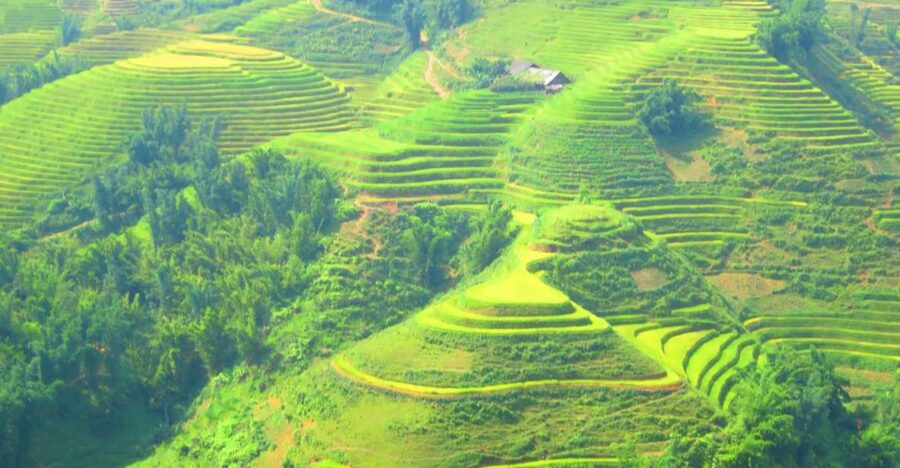
- Silver Waterfall and Love Waterfall: big falls in Hoang Lien National Park, with conditions that change fast after rain or fog.
- Tram Ton Pass: a scenic stop that helps you understand why this area is such a trek hub.
- Ban Khoan trek time through paddies and bamboo: a trail that mixes mountain viewpoints with quieter, off-main path village moments.
- Hmong and Red Dzao encounters: guides explain everyday life and traditions, and you’ll likely see textile craft.
- Picnic lunch with locals: an easier, shared break that makes the cultural part feel more real than a quick photo stop.
- Ta Phin Village finish: your trek ends at the Red Dzao home area, then you’re back to Sapa by car.
Silver and Love Waterfalls: the start that sets the tone
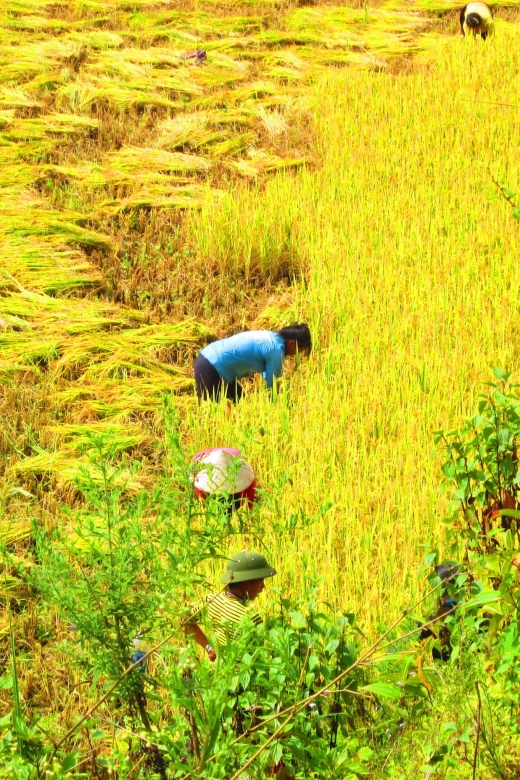
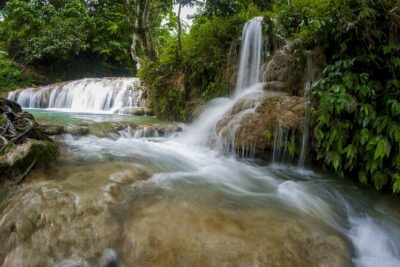
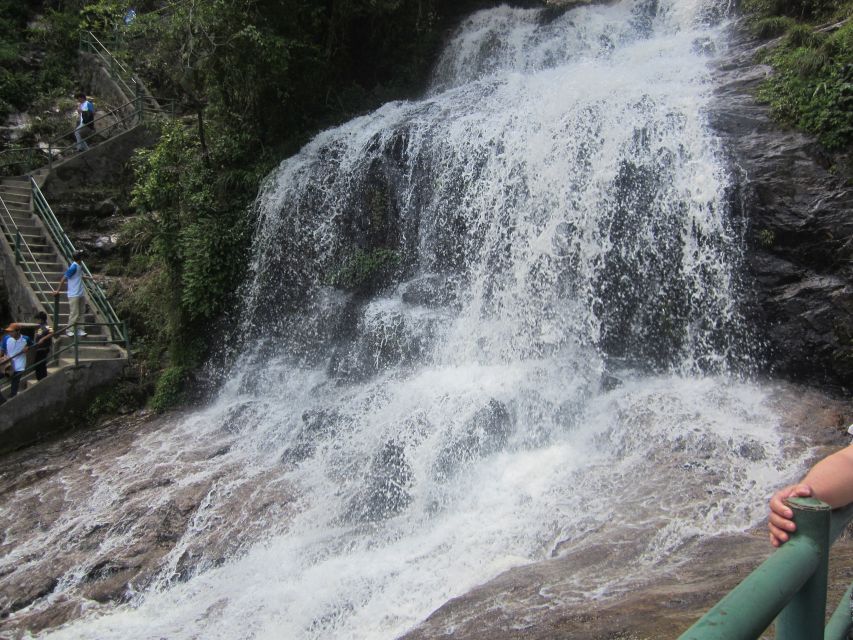
This is a Sapa day that starts with payoff. The tour takes you to two waterfall viewpoints in Hoang Lien National Park—Silver Waterfall and Love Waterfall—before the walking really begins. On a clear day, the falls and the surrounding slopes look sharp. After heavier rain, people describe the waterfalls as huge, with more power and spray.
That matters because waterfalls are one of those things where timing changes the vibe. If it’s foggy, the rice-field views later may look softer, but the waterfalls can still deliver a dramatic show with mist in the air. Either way, arriving early for these stops helps you avoid late-day crowds and keeps the day’s energy high.
A practical note: the waterfall portion includes extra walking and climbing between viewpoints. Even if you think you’re just doing short stretches, treat it like warm-up hiking, not a gentle stroll.
You can also read our reviews of more tours and experiences in Sa Pa.

Tram Ton Pass and the drive out of Sapa: easier than DIY
You’ll leave Sapa Town by private car—about 30 minutes out—then work in Tram Ton Pass as a scenic anchor point before heading toward the villages. This part is valuable because it saves you from figuring out transfers on your own, especially if you’re short on time.
Tram Ton Pass also gives you mental context. By the time you start trekking from Ban Khoan, you’ll have already seen the mountainous setting that makes Sapa’s trails so dramatic. It’s the kind of stop that helps you understand what you’ll soon be walking on, not just where you’re heading.
And since the tour includes entrance fees and a guide who explains what you’re seeing, you don’t spend the morning stuck in confusion. You get to the viewpoints and then move on.
Ban Khoan village area: the cultural part starts before the big trek
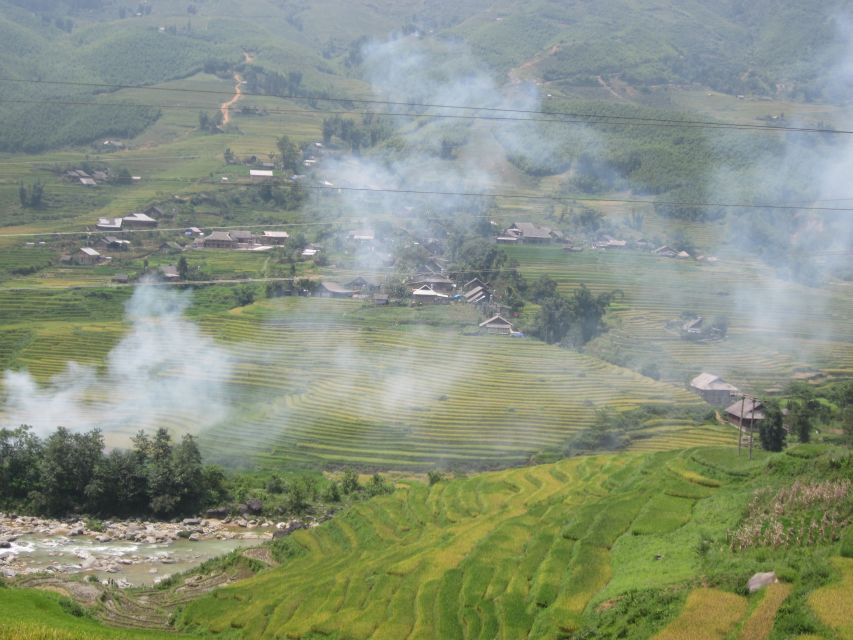
The day doesn’t treat villages like quick photo backdrops. After you explore the waterfall and pass area, you shift toward Ban Khoan, where the trail work begins.
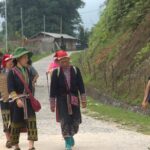
This is also where you start connecting the land to the people who live here. The Hmong and Red Dzao are part of the experience, and the guide is the glue that makes it make sense. In past tours, guides such as Lisa, Cu, Lan, and Sue have been praised for telling stories and explaining traditions passed down through generations—plus pointing out details like textile work.
You should also expect a walking pace that feels “real-world,” not theme-park. One person described the village part as chill, with time to wander and a lunch stop rather than structured performances or activities. If you like cultural learning that happens while you’re walking and listening, this style fits.
The trek through rice paddies, corn fields, and mountain trails
The trek is the main event, and it’s where you feel you earned the views.
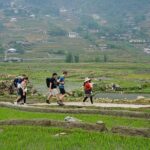
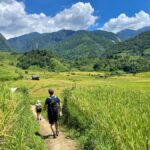
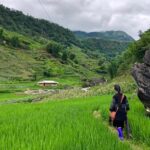
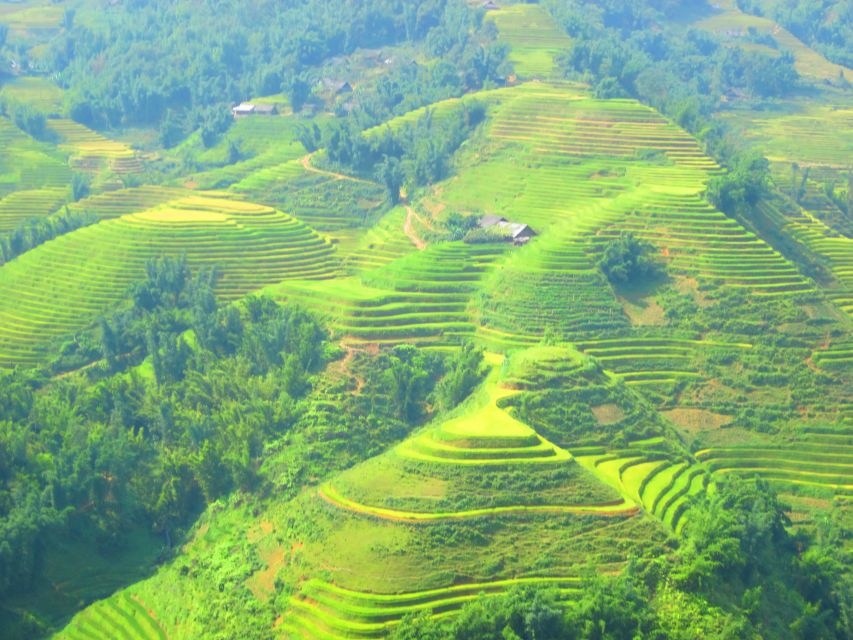
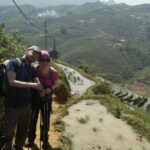
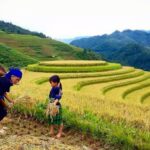
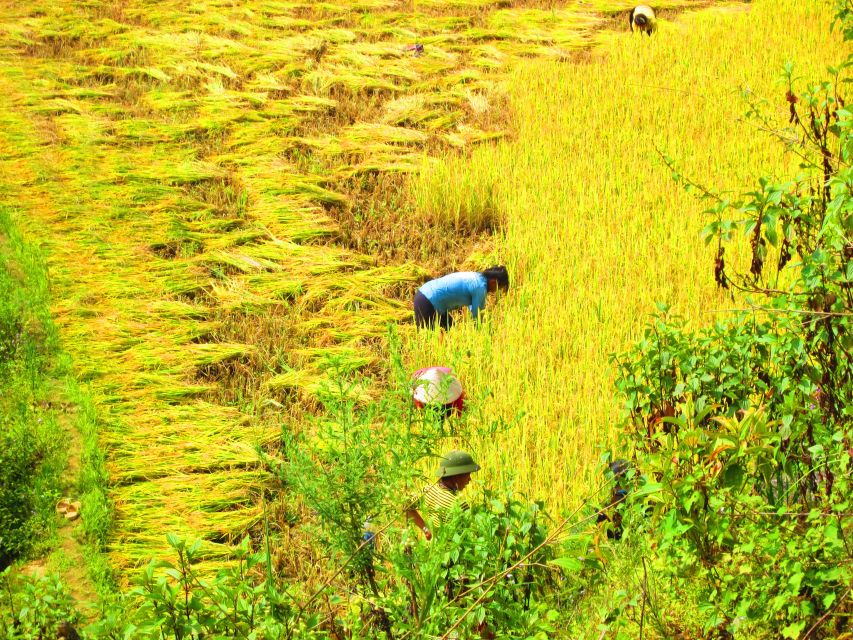
You’ll walk for around 4 hours along a trail that’s described as about 15 kilometers (roughly 9.3 miles). The route goes through rice paddies and remote tribal village areas, with mountain trail sections that can include uphill climbing, uneven footing, and narrow paths.
Here’s the honest consideration: the “4 hours” label can be optimistic. Some guides keep the pace moving and the group stays efficient, but other days can stretch to closer to 5 hours of trekking, depending on trail conditions and how the group handles climbs. Add in the waterfall walking earlier, and your body will notice the total effort more than you might expect from a half-day schedule.
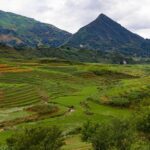
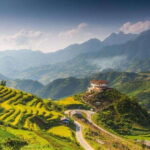
The good news is that the scenery changes. People mention passing through bamboo forest and seeing corn-field scenery on parts of the trail. Even on days with fog, the movement through different patches of green is part of the fun—you’re not staring at one view for hours.
How to judge difficulty before you book
If you’re a weekend trekker with decent hiking shoes and a willingness to climb and descend, this tour can feel like a manageable challenge. If you hate steep uphills, or if you’re dealing with knee or balance issues, you’ll want to think carefully, because the route includes real ascents and descents.
My advice: plan for a moderate hike and build in buffer. Don’t schedule anything tight right after. This is the kind of day where you’ll come back tired—in a good way.


Picnic lunch with locals: where the day turns personal
Lunch on this tour is not just a meal. It’s a cultural moment built into the trek.
You’ll take a picnic break, and the food is prepared locally with time to sit and eat with the people you’ve been walking toward and learning about. People describe the lunch spread as delicious, and in at least one case, the guide accommodated a vegan meal. If you have dietary needs, mention them when booking so the guide can plan.
One practical detail: lunch may be more “simple picnic” than a full restaurant spread. For example, sandwiches were mentioned on one day. That’s not a deal-breaker. You’re in the mountains; the value here is the setting and the shared break, not a plated fine-dining experience.
Bring your energy back to your body after lunch. The afternoon section can still include walking to the Red Dzao home area, so treat lunch like a reset, not a finish line.
Ta Phin Village and the Red Dzao home: what to look for
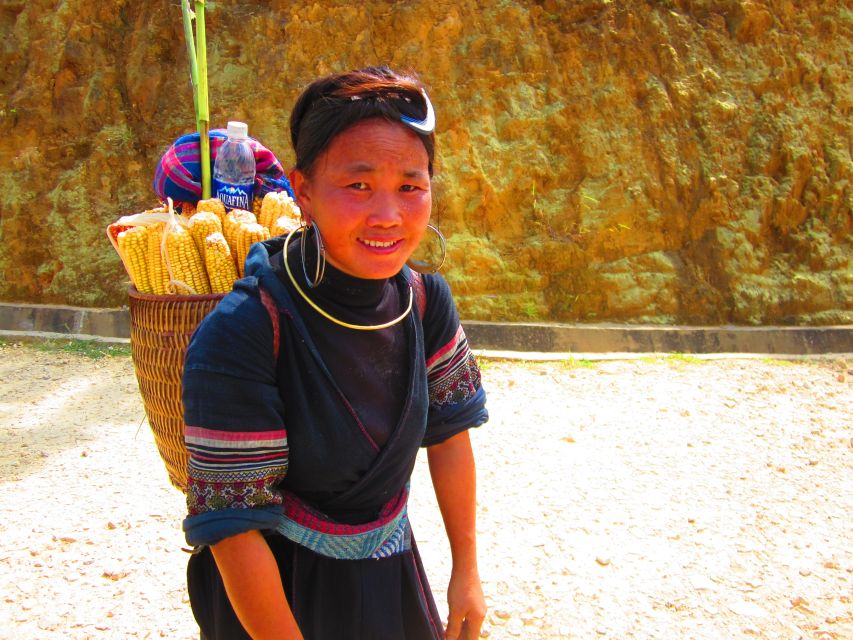
The trek continues to the home of the Red Dzao tribe in Ta Phin Village. This is the part of the day that often sticks with people because it feels like the trek is leading somewhere meaningful, not just looping around viewpoints.
What you should focus on:
- Daily-life details: how people move through the area around their homes.
- Textiles and craft: guides often highlight textile work as part of tradition.
- Conversations with your guide: the English commentary is what turns “what am I seeing?” into “I get it.”
And yes, you’ll likely want photos. But keep your attention balanced. When you’re with local communities, the best pictures usually happen when you’re also listening—small cues from the guide can point you toward what’s respectful to photograph.
Afterward, you meet your driver for about a 30-minute transfer back to Sapa. So while the day can be physically active, it’s not a “walk for hours and then figure out transport” situation.
Price and what you’re really getting for $72
At $72 per person, this isn’t the cheapest option in Sapa—but it’s also not trying to be a bargain with missing pieces. For your money, you get a package-style day that includes:
- Private car transfer (hotel pickup in Sapa Town, plus the return trip)
- All entrance fees
- English-speaking guide
- Picnic lunch
- Water (two bottles per person)
- A small-group format (limited to 15)
If you tried to piece this together yourself—driver, entrance fees, guide time, and lunch—you’d likely spend more and still end up with extra hassle. The value here is that you buy into someone else’s knowledge of timing, trail flow, and where the cultural stops actually happen.
Is it worth it for every type of traveler? Not always. If you mainly want waterfalls and a low-effort day, the trekking time may feel like too much. If you want the mix of scenery plus tribal village learning in one morning-and-afternoon block, it’s a solid deal.
Pace, weather, and packing: my practical checklist
This tour is built for outdoor conditions, so pack like you mean it.
Wear comfortable clothes and hiking shoes you trust on uneven ground. In cold months (November to March), bring warm layers, not just a light jacket. Even when the sun appears, mountain weather can shift quickly.
Bring:
- insect repellent
- sunscreen
- a raincoat
- a sun hat
- a small daypack for personal items
One more reality check: weather affects visibility. If the day is foggy, the rice terraces later may not look as dramatic. But that doesn’t kill the day. It just changes the mood—think misty views and softer greens instead of crisp panoramas.
And remember: waterfalls can look especially powerful after rain, so if the weather has been wet, you may get more drama at the falls.
Who this Sapa waterfalls and villages tour suits best
I’d point this tour toward you if you want:
- A guided cultural day that includes Hmong and Red Dzao encounters
- Two major waterfall stops paired with a trek through rice paddies
- An English-speaking guide who can explain what you’re seeing beyond basic scenery
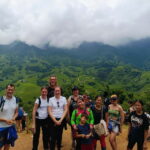
- A small-group feel (up to 15), so the day isn’t crowded or chaotic
It’s a good match if you like learning while you walk, and if you’re comfortable with several hours of moderate hiking. People who were looking for a guided day that isn’t an intense multi-day trek have said this fits their pace.
You might reconsider if you want strictly level, low-impact walking, because the route includes real climbs and descents. Also, if you’re traveling with very limited mobility, the uneven trails and uphill sections are the likely problem, not the cultural stops.
Should you book it?
Yes, if you want the Sapa experience in one efficient half-day: waterfalls first, then walking through real village terrain, ending with a Red Dzao home area visit and a guided explanation throughout.
Book it especially if you care about more than photos—if you want a guide to connect scenery with people, and you don’t mind that the day may run a bit longer or feel steeper than the “4-hour trek” wording suggests.
Don’t book it if you’re chasing a totally low-effort outing or if you can’t handle moderate climbs. In that case, you’ll likely feel the extra walking from the waterfall portion plus the trek as too much.
If you do book, prepare well: good shoes, rain protection, and a realistic attitude toward mountain walking will make the difference between a stressful day and a memorable one.
FAQ
How long is the From Sapa: Waterfalls, Trekking and Tribal Villages Tour?
The total duration is listed as 5 hours, including transfers. The trek portion is about 4 hours, with a trail length described as about 15 kilometers (9.3 miles).
Where does pickup happen in Sapa?
Pickup is included at your hotel lobby in Sapa Town.
Is this tour a small group?
Yes. It’s limited to 15 participants.
What’s included in the price?
The tour includes an English-speaking guide, all entrance fees, private car transfer, picnic lunch, and two bottles of mineral water per person.
Do I need to buy entrance tickets?
No. Entrance fees are included, and the tour also notes skip the ticket line.
Is lunch included, and can it accommodate dietary needs?
Lunch is included as a picnic lunch with locals. The information provided notes picnic lunch, and one example includes accommodation for a vegan meal, so it’s smart to mention any dietary needs when booking.
What should I bring for the trek?
Wear comfortable clothes and hiking shoes. Bring insect repellent, sunscreen, a raincoat, a sun hat, and a small daypack. If you’re trekking from November to March, pack warm clothes.
What flexibility do I have with booking?
You can cancel up to 24 hours in advance for a full refund. There’s also a reserve now & pay later option, so you can hold your spot without paying immediately.