REVIEW · FUERTEVENTURA
Fuerteventura: Trekking Tour Through the North of the Island
Book on GetYourGuide →Operated by Pie de Caracol S.L. · Bookable on GetYourGuide
North Fuerteventura moves at a walking pace.
This small-group trekking tour (max 8 people) mixes serious geology with postcard views, from the Calderón Hondo volcano to fossil dunes and canyon cuts. I love how the route keeps you close to the rock story, not just the scenery, and I also love the photo-friendly panoramas over the north shore and Lanzarote. One consideration: it’s not for everyone—there’s walking time on uneven ground, and it isn’t suitable for children under 8 or for people with mobility impairments.
You’ll get a guide who can explain what you’re seeing in plain language.
In fact, the guides stand out for their personality as much as their knowledge—people have specifically praised guides like Pepe and Maura for being both professional and fun. Since food and drinks aren’t included, you’ll want to plan a quick snack or lunch stop mindset when you reach El Cotillo.
By the time you’re heading back toward Corralejo and the other pickup towns, you’ll feel like you actually crossed the island’s north—not just saw points on a map.
In This Review
- Key highlights you’ll care about
- Why the north of Fuerteventura feels different on your feet
- The guide makes the geology make sense
- Timing and route flow: a full morning that doesn’t feel rushed
- First big moment: Calderón Hondo near Lajares
- Fossil dunes and La Cañada de Melian Canyon: the erosion show
- El Cotillo break: lagoons, beaches, and real town time
- Tostón Lighthouse: ocean views and natural lakes on the north edge
- Price and value: why $47 can make sense here
- What to bring for an easy-but-active day
- Who this trek is best for (and who should skip it)
- Should you book this Fuerteventura north trekking tour?
- FAQ
- How long is the trekking tour?
- Where does hotel pickup happen?
- What time does the tour start and end?
- How big is the group?
- What languages is the live guide available in?
- Is the hike suitable for children or mobility needs?
- What’s included in the price?
- Do I need to bring food or drinks?
Key highlights you’ll care about
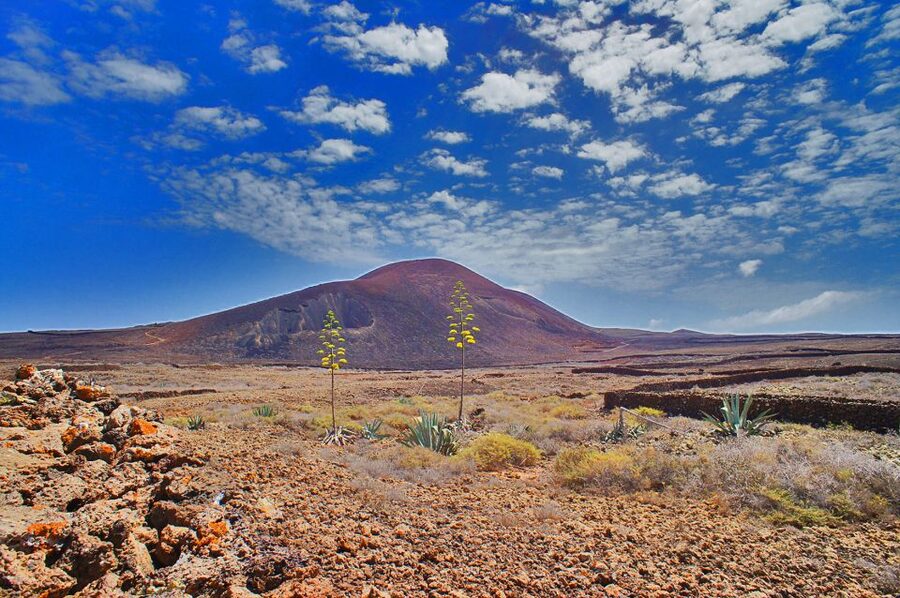
- Calderón Hondo crater views from the cone edge, with a depth-of-volcano perspective you can’t get from a distance
- North shore and Lanzarote panoramas built into the walking rhythm, so you’re never waiting around for a view
- Fossilized dunes and canyon erosion (La Cañada de Melian) that show how wind and water shaped this coast over ages
- El Cotillo time with lagoons and beaches, plus space to grab a drink or meal in town
- Tostón Lighthouse ocean views and that dramatic feeling of being right by the sea
Why the north of Fuerteventura feels different on your feet
Fuerteventura’s north has a quieter, more ancient feel than many other coastal strips. This tour leans into that with a walk through volcanic terrain and fossilized dunes tied to an environment that’s been forming for an absurd amount of time—think 50,000-year-old landscapes and erosion patterns that take millions of years to make.
What I like about this style of tour is that it doesn’t treat the scenery like a backdrop. You’re moving through places where the “why” is visible: crater edges, wind-built dune layers, and ravines carved over time. Even if you’re not a science person, it clicks fast. You see a canyon cut and you get the idea of how rain and wind have done the work for ages.
You can also read our reviews of more tours and experiences in Fuerteventura.
The guide makes the geology make sense
This isn’t a big bus tour with a hurried stop-and-go script. You’re with an expert geological guide, in a group capped at 8 people. That size matters. It’s small enough that you can ask questions—like what you’re looking at on a particular slope, or why a view opens up where it does.
Two guide names come up in the feedback in a big way: Pepe and Maura. People highlight that they’re not only competent, but also personable. That matters on a trekking day, because you’ll be walking for hours and you want the explanations to feel human, not like a lecture.
You’ll also get tour narration in English, French, Italian, and Spanish, so you can match your comfort level without losing meaning.
Timing and route flow: a full morning that doesn’t feel rushed
The day is built for you to start early and end while you still have time to relax. You’ll be picked up at your hotel or private apartment in the north of Fuerteventura—Corralejo, Lajares, La Oliva, Villaverde, or El Cotillo—between 9:00 and 9:30 AM. The tour runs about 5.5 hours, and you’re back around 2:30 to 3:00 PM.
That timing is practical. It gives you morning light for photos, when volcanic shadows and crater textures usually look sharper. And the early finish means you can still eat well afterward, hit the beach, or plan a second outing without feeling wiped out.
Also worth noting: the walk is described as easy level, and the volcano path is easy and comfortable. Still, “easy” doesn’t mean “no effort.” You’re on natural ground with uneven stretches, so comfortable shoes are not optional.
First big moment: Calderón Hondo near Lajares
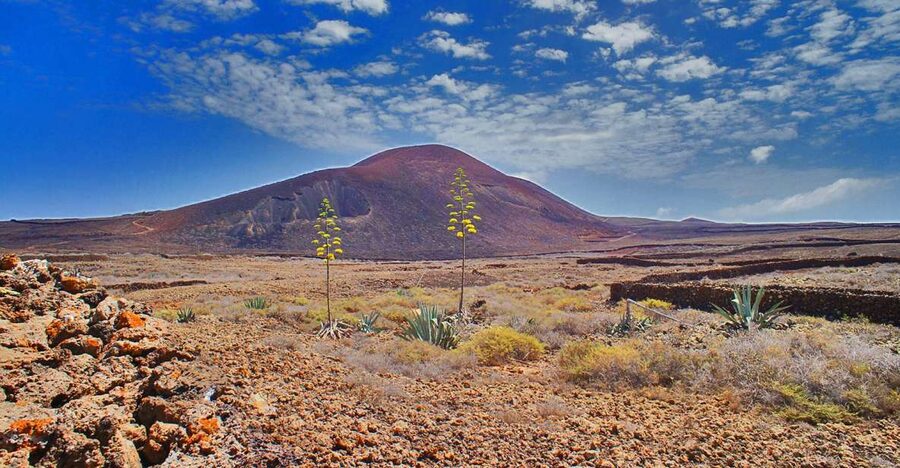
Your trek crosses the north with nature at the center of the plan, and the first major payoff is El Calderón Hondo near Lajares. This is one of the best-preserved volcanoes on the island, which is a fancy way of saying the shape still reads clearly when you’re standing close.
You’ll climb toward the edge of the crater and take in the cone’s depth from a panoramic balcony-like viewpoint. This is one of those moments where the geography does the storytelling. From the edge, you understand the cone as a physical bowl, not a distant silhouette.
Why this stop is so valuable: it gives you a “master reference” for the rest of the walk. Once you’ve seen the crater form, the surrounding terrain makes more sense—how the island was built, and why these north-side features look the way they do.
If you care about photos, this is where you’ll want to slow down. Get your bearings, then take your time with the angle. Crater photos often fail when people rush, because the best shots are about perspective, not just zooming in.
Fossil dunes and La Cañada de Melian Canyon: the erosion show
After the volcano, the tour shifts into a more winding, nature-forward section: fossil dunes and ravines formed by millions of years of erosion in La Cañada de Melian Canyon.
This part is special because it’s less about one iconic view and more about reading a changing environment. The “ancient fossilized dunes with mysterious canyons” idea isn’t just marketing language. As you walk, you can see how the terrain has been reshaped—wind carving lines, water and weather taking bites, and then time hardening it into a pattern you can still recognize.
The route is described as easy, but it’s still outdoors and active. Wear shoes that grip, especially if the ground looks dry and dusty. If you’re prone to sore feet, bring that good pair you actually trust on uneven surfaces.
And if you like slow travel, this is a perfect stretch. It rewards attention. You’re not just moving—you’re learning to see.
El Cotillo break: lagoons, beaches, and real town time
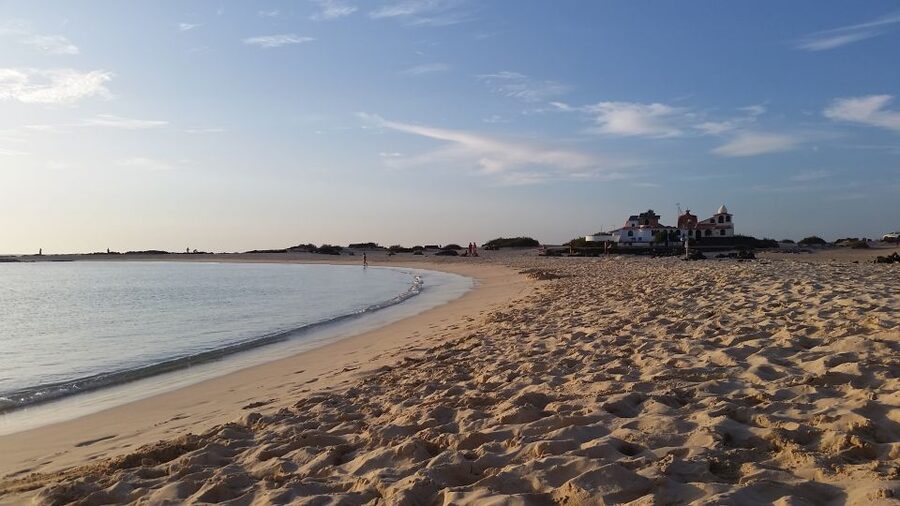
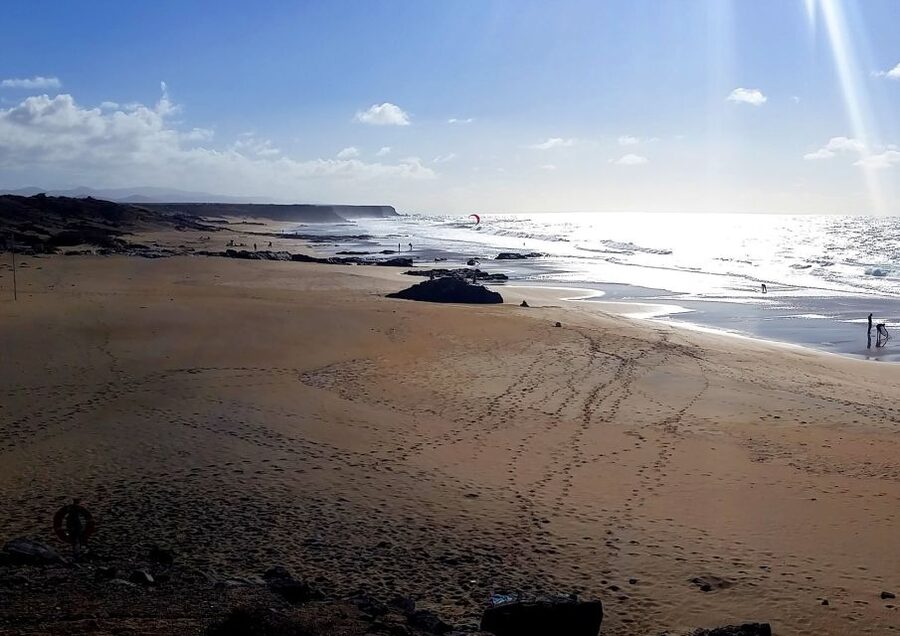
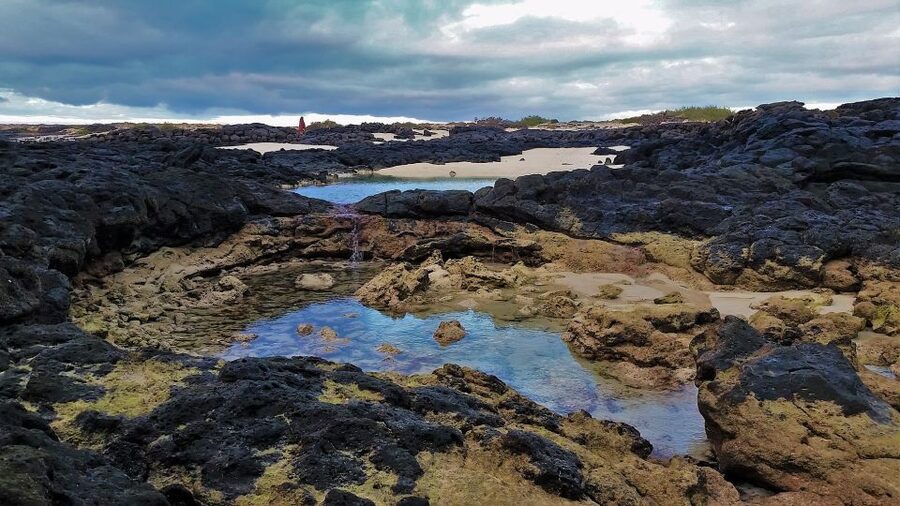
Next comes El Cotillo, a charming northeastern coastal village known for its lagoons and beaches. This is your reset moment. The tour gives you time to wander and, importantly, to choose your own pace inside town.
You’ll also have the chance to stop for a local bar or restaurant downtown. Since food and drinks aren’t included on the tour, this is where you make the day feel complete. I’d treat it like a planned meal break, not an afterthought. A casual lunch here can turn the whole day from active into genuinely satisfying.
One practical benefit of this town stop: you’ll be back among human-scale details—streets, people, and a chance to cool down. After volcanic and canyon terrain, this kind of pause helps your legs and your head.
Tostón Lighthouse: ocean views and natural lakes on the north edge
The tour’s late highlight is the Tostón Lighthouse, where the focus shifts again to dramatic sea perspective. You’ll walk around the lighthouse area and take in the ocean view, including natural lakes of the north.
This is the point where the island’s “built by geology” theme meets the ocean’s constant motion. From a lighthouse viewpoint, it’s easier to understand how the coast here is shaped for waves—what gets sheltered, what gets exposed, and how the sea interacts with the rock.
If you’re into photography, plan for wind. Lighthouse areas can be breezy, and that’s part of the experience. Bring your patience for quick outfit changes and extra camera checks.
Price and value: why $47 can make sense here
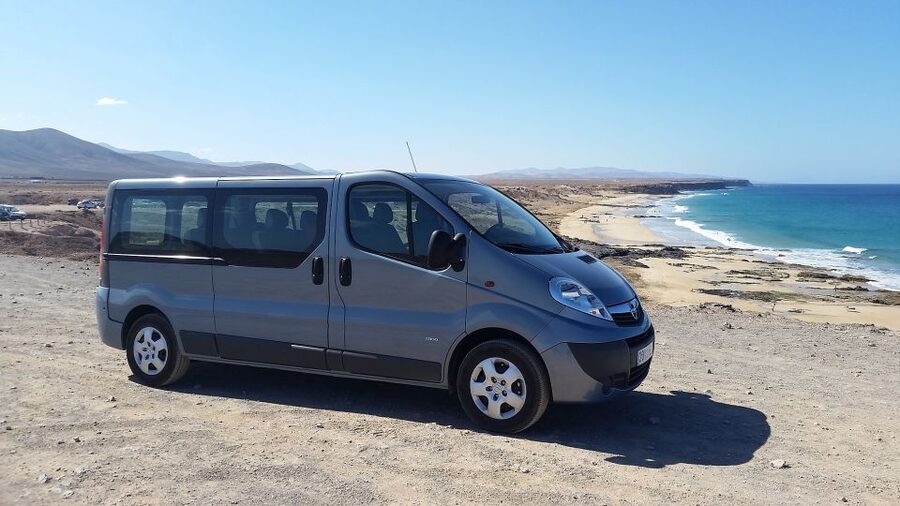
At around $47 per person for a 5.5-hour trek with hotel pickup/drop-off and an expert geological guide, the value is mostly about what you’re buying besides transport.
You’re not paying just for movement. You’re paying for:
- Interpretation: geology explained while you’re standing in the relevant terrain
- Small-group attention: max 8 people, not a large crowd swallowing your questions
- Time efficiency: you’re covering multiple north highlights in one structured morning
If you tried to do this on your own, you’d likely spend time figuring out routes and interpretation. Even if you’re a confident independent traveler, getting a guide for the “what am I looking at” part saves effort—and it usually makes the photos better, too.
Downside on value: because food and drinks aren’t included, you’ll want to budget a bit extra for lunch in El Cotillo. But that’s also flexible. You can choose what you like rather than being stuck with a pre-set option.
What to bring for an easy-but-active day
This tour asks for a few simple basics, and they’re the difference between comfortable and cranky.
Bring:
- Comfortable shoes with solid grip
- Sun hat
- Camera (you’ll want it for crater and coast views)
- Water
- Sunscreen
If you tend to get dehydrated on walks, don’t treat water as optional. The north can look mild, but you’ll be outdoors for hours and you’ll earn every stop along the way.
Also, consider packing a light layer. Coastal wind near the lighthouse can shift how warm you feel.
Who this trek is best for (and who should skip it)
This trekking tour is a great fit if you want:
- Small-group experience and personal guiding
- A geology-focused walk through crater terrain, fossil dunes, and canyon erosion
- Photo stops with real scenic meaning, not just quick viewpoints
- A morning plan that ends early enough for afternoon freedom
It’s not a match if:
- You need mobility support or have difficulty walking uneven ground
- You’re traveling with children under 8
- You hate walking for several hours, even when the route is considered easy
Should you book this Fuerteventura north trekking tour?
I’d book it if you’re the kind of traveler who likes your vacation with a story attached. This tour does that: Calderón Hondo’s crater edge, the fossil dune-and-canyon section, and then the softer landing of El Cotillo and Tostón Lighthouse all connect into one north-shore theme.
Skip it if you’re mainly chasing beaches and don’t want a guided walk day. Also, if you’re set on having food handled for you, remember that you’ll eat on your own in town.
If you want value, photos, and good guiding energy—especially with noted professionals like Pepe or Maura—this is a strong way to spend a single morning on Fuerteventura’s north.
FAQ
How long is the trekking tour?
The duration is about 5.5 hours.
Where does hotel pickup happen?
Pickup is included for hotels or private apartments in the north of Fuerteventura, including Corralejo, Lajares, La Oliva, Villaverde, or El Cotillo.
What time does the tour start and end?
You’ll be picked up between 9:00 and 9:30 AM and return between 2:30 and 3:00 PM.
How big is the group?
The group is limited to a maximum of 8 participants.
What languages is the live guide available in?
The guide speaks English, French, Italian, and Spanish.
Is the hike suitable for children or mobility needs?
It’s not suitable for children under 8, and it’s not suitable for people with mobility impairments.
What’s included in the price?
Included are hotel pickup and drop-off, plus an expert geological guide.
Do I need to bring food or drinks?
Food and drinks aren’t included, so you’ll want to plan for a stop in El Cotillo to eat or drink.