REVIEW · CUSCO
5-Day: Salkantay Trek to Machupicchu and Humantay Lake
Book on Viator →Operated by Mega Expeditions · Bookable on Viator
Five days of trekking, then Machu Picchu at sunrise.
This Salkantay trek mixes big altitude moments with jungle-to-citadel timing, so you’re moving from snow peaks to humid valleys to Machu Picchu before the crowds fully wake up. I really like the way it’s built around a small group (max 15) and a proper guide who knows the route, including the hard stuff like the pass.
Two things I’d highlight: you get full camping gear (just not the sleeping bag) plus meals for most days, and you’re not stuck figuring logistics out on your own. One thing to consider: this is an active, high-altitude trek (with a top point around 4,600m on Day 2), so if you’re not comfortable with long days and cold nights, you’ll feel it.
In This Review
- Key things that make this trek work
- What You’re Really Signing Up For on the Salkantay to Machu Picchu Trek
- Price and Value: How $360 Makes Sense Here
- Day 1: Humantay Lake Hike From Soraypampa to a 4,200m View
- The hike to Soraypampa (3900m)
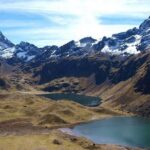
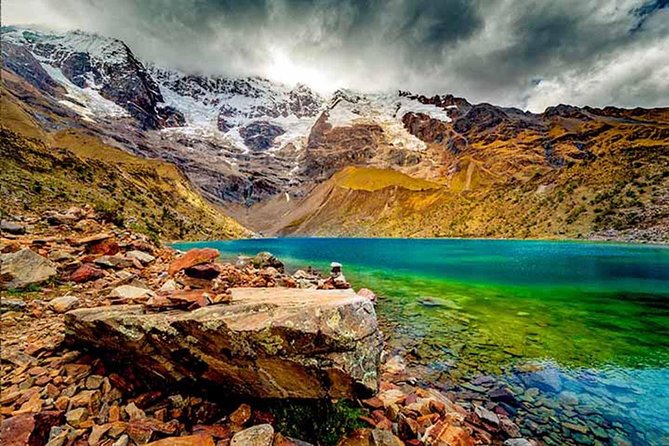
- Humantay Lake at 4,200m
- Day 2: Salkantay Pass (4,600m) and the High Jungle Drop to Chaullay
- The pass climb
- Down to Chaullay (2,900m) and base camp life
- Day 3: Santa Teresa and a Choice Between Trekking and Hot Springs
- Cocalmayo hot springs: not included, pay on site
- Dinner and preparation for the next day
- Day 4: Santa Teresa to Aguas Calientes (and Zip Line or a Trek Option)
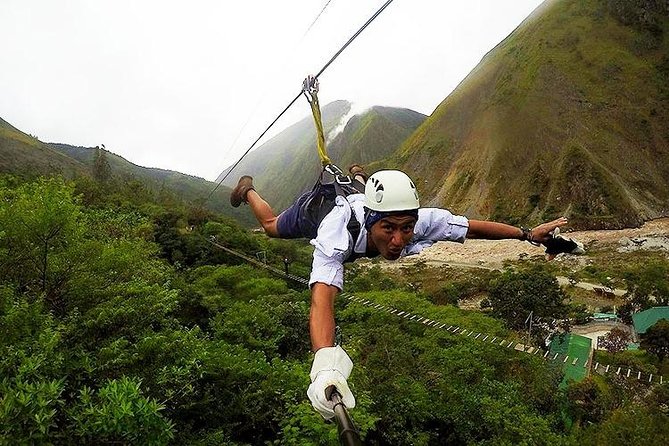
- If you booked the zip line activity
- If you didn’t book zip line
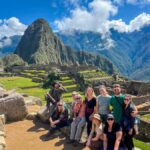
- Day 5: Sunrise Climb to Machu Picchu and a Guided 2-Hour Circuit
- Control entry and the guided tour
- Back down to Aguas Calientes and Cusco timing
- Optional add-ons if you want more time
- Group Size, Guides, and Why Small-Group Trekking Matters
- Camping Comfort: Gear Is Included, But You Bring the One Thing That Matters
- Altitude Reality Check (So You Don’t Get Surprised)
- Who This Trek Fits Best
- Should You Book This Salkantay to Machu Picchu Trek?
- FAQ
- What time does the tour start in Cusco?
- How many nights of lodging are included?
- Is Machu Picchu entry included?
- What kind of guide do you get?
- Are meals included?
- Do I need my own sleeping bag?
- Are hot springs included?
- Can I choose between zip line and trekking on Day 4?
- What’s the weather policy if the trek can’t run?
- Is the booking refundable if I cancel?
Key things that make this trek work
- Salkantay Pass timing with a guide and a real plan for the steep sections
- Humantay Lake at 4,200m after a first base-camp setup at Soraypampa
- Crossing from high Andes to high jungle (and seeing how fast the climate changes)
- Machupicchu sunrise logistics with an early climb and a guided 2-hour circuit
- Included camping + meals for 3 camping nights and 1 hostel night, so your budget stays simpler
- Optional zip line day (2.5 hours) or an alternate trek route to meet the group
What You’re Really Signing Up For on the Salkantay to Machu Picchu Trek
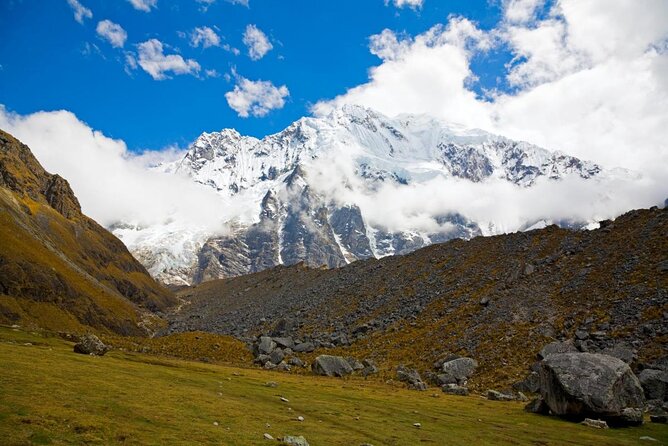
This isn’t a casual stroll with scenic stops. It’s a structured 5-day route that aims to get you to Machu Picchu at the best possible time: sunrise. That goal shapes everything—wake-up times, trekking segments, even where you sleep.
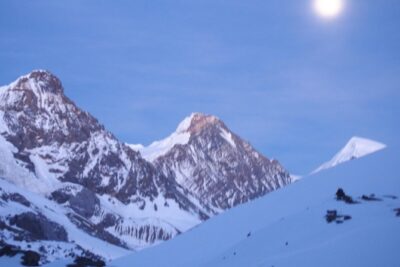
You’ll start in the Cusco area and move through multiple altitude zones. Day 1 jumps from a bus ride to an uphill hike to Soraypampa, then up again toward Humantay Lake. Day 2 hits the Salkantay Pass (about 4,600m), and later you drop down into the “high jungle” feeling—warm days, cooler nights, and vegetation you won’t see at elevation.
The value here is that the operator handles the key unknowns: gear, guides, and transport between key points, so you’re mostly focused on hiking and pacing.
You can also read our reviews of more tours and experiences in Cusco.
Price and Value: How $360 Makes Sense Here
At $360 per person, this trek is best judged by what’s included, not by the headline price. Your package covers:
- Professional bilingual guide (Spanish–English)
- Machu Picchu entrance arranged for the booking window (they plan ahead with about 2 months)
- Full camping gear except your sleeping bag
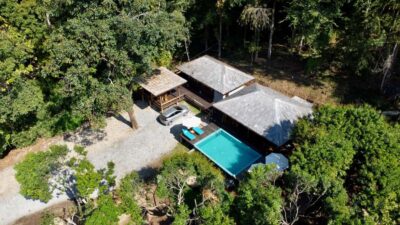
- 3 nights camping + 1 night hostel (with hostel noted as private for couples)
- Most meals: breakfast (4), lunch (4), dinner (4)
- Private transportation and return by bus to Cusco
That matters because the expensive parts of a Machu Picchu trip are usually the timed entrance and the coordination. Here, you’re getting the entrance and the sunrise plan tied into the trek, instead of adding it separately later.
Also, you’re carrying your own essentials, but the plan includes porting your backpack up to 5kg for the first 3 days using horses—useful on the hardest segments.
Day 1: Humantay Lake Hike From Soraypampa to a 4,200m View
Day 1 starts with a very early pickup (the tour lists a start time of 5:30am and pickup between 5:30 to 6:00am from Cusco lodgings). Then you ride the bus about 4 hours before you even start hiking.
You stop briefly in Mollepata (about 2,900m) for around 30 minutes. After that, you continue toward the last bus stop at Challacancha, where you meet your porters and horses. This is where your trekking day changes from transportation into full mountain mode.
The hike to Soraypampa (3900m)
You hike about 4 hours toward Soraypampa (about 3,900m), walking beside Inca water irrigation channels. That detail is nice because it gives you something more meaningful than just “uphill road.” You’re moving through older systems of water control that still shape the valley.
Once you arrive, you set up your first base camp. The temperature range is given as roughly 10°C in the day and 2°C at night. Even if the sun feels warm, plan on a cold evening.
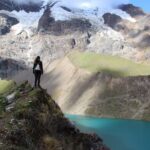
Humantay Lake at 4,200m
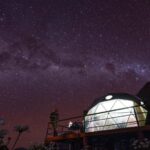
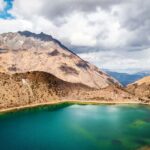
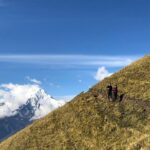
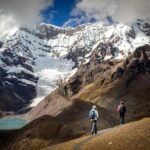
After lunch, you walk about 1 hour 30 minutes to Humantay Lake (around 4,200m). You’ll be moving at a high altitude, so keep steps slow and steady. The tour notes the camping base area is prepared with a four-seasons tent setup with an added straw roof, which matters when nights drop.
What to watch for on Day 1:
- You’ll likely feel the altitude more than you expect, even before the lake.
- Dress for cold air, not just cool mornings.
Day 2: Salkantay Pass (4,600m) and the High Jungle Drop to Chaullay
Day 2 starts early. There’s a routine of waking the group and serving tea so you can acclimatize a bit better. Then breakfast first, followed by a long climb.
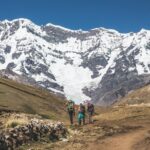
The pass climb
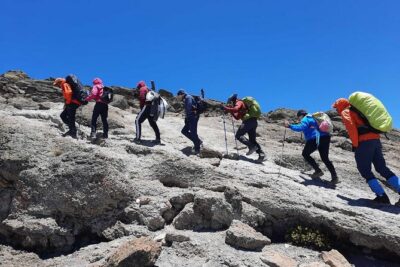
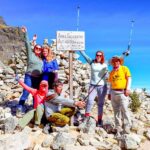
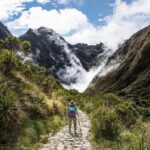
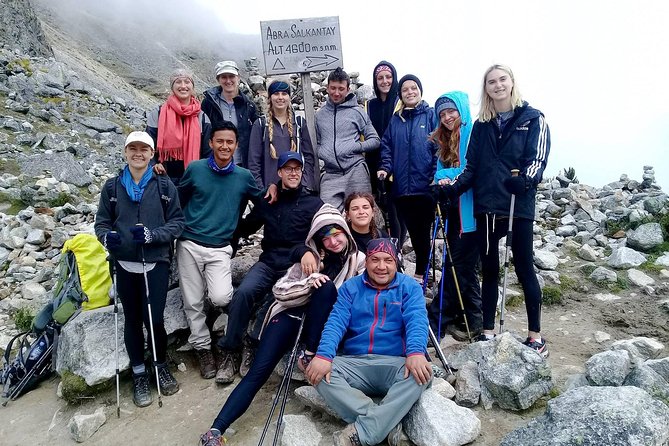
You hike about 3 hours to reach the highest point at the Salkantay Pass (about 4,600m). The tour also includes a traditional moment: you pray and ask the Apus (mountain gods) for permission to pass, a nod to how Andean cultures understand these mountains.
Then you move downhill toward Wayracpunku (also listed as HuayraPampa) for lunch.
If you’re new to altitude, here’s the honest advice: don’t try to “win” the climb. You win by keeping your breathing calm and your pace controlled.
Down to Chaullay (2,900m) and base camp life
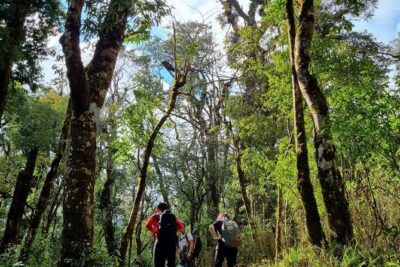
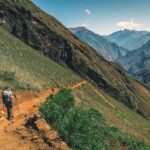
After lunch, the route continues into the high jungle area—trees reach over streams, with bromeliads and orchids called out along the way. You hike about 5 hours to reach Chaullay (2,900m), where dinner and rest happen at base camp.
One reason I like how this day is planned is that you’re not stuck at peak altitude all day. You reach the pass, get your lunch, and then you start dropping. That drop helps your body recover while still keeping the day intense.
Day 3: Santa Teresa and a Choice Between Trekking and Hot Springs
After breakfast around 6:30am, you head toward Sahuyaco (La Playa) at about 2,000m. This part is described as jungle trekking, with warmer conditions noted: roughly 25°C in the day and 14°C at night.
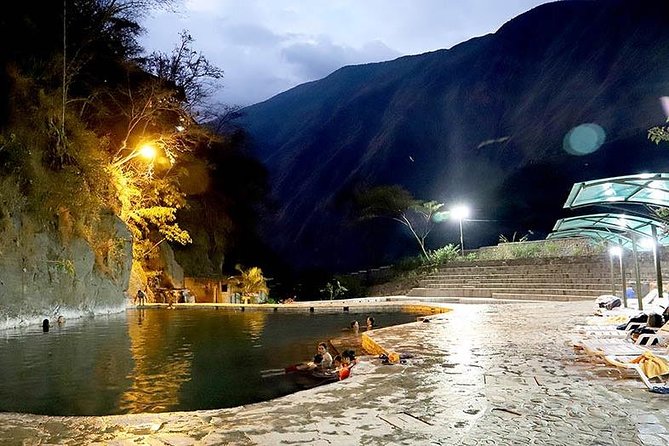
You stop for lunch in Sahuyaco, then transport to Santa Teresa (1,550m). Once you reach base camp there, you get downtime—plus an optional reward in Cocalmayo hot springs.
Cocalmayo hot springs: not included, pay on site
The hot springs entry is explicitly noted as not included, with a reference price of $6.00 USD. So treat it like a bonus, not part of your base budget.
Dinner and preparation for the next day
After the relaxing stop, you have a traditional Peruvian dinner and then rest. This “down day energy” is important. Day 4 is where the plan tightens again around reaching Aguas Calientes and your Machu Picchu briefing.
Day 4: Santa Teresa to Aguas Calientes (and Zip Line or a Trek Option)
Day 4 has two routes depending on what you booked.
If you booked the zip line activity
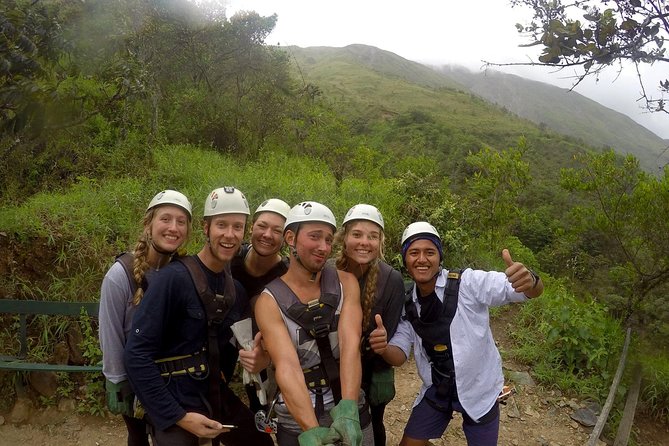
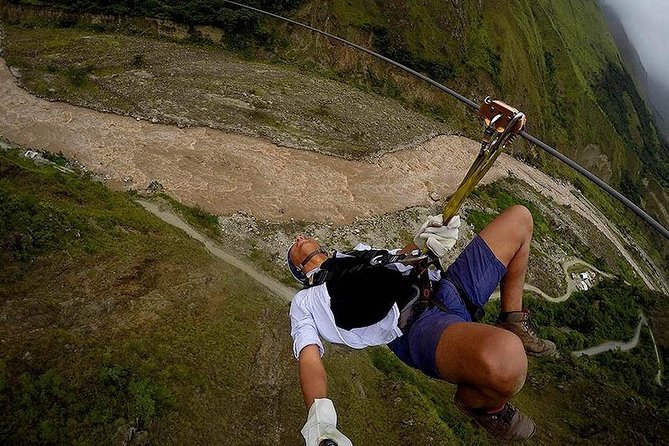
You’re picked up from the camping site for the zip line (about 2 hours 30 minutes). The plan notes more than 6 cables, including a 1 kilometer long line, up to 70 km/h (45 mph), and it includes a climbing rock plus a suspension bridge.
Even if zip lines aren’t your thing, this part is a good “let’s turn the dial” activity after Day 3’s jungle warmth.
If you didn’t book zip line
You do 2 hours of trekking from Santa Teresa toward the hydroelectric area, where the whole group meets for lunch and a break. Then you walk along the railway route through jungle territory to Aguas Calientes.
The walking time is about 3 hours, and you arrive around 5:00pm. You’ll stay in a hostel overnight, and at night you gather for dinner plus an informative session about Machu Picchu.
This night session can be a big help. Machu Picchu runs on timed logic and crowd flow, so knowing what to do and when makes sunrise feel less stressful.
Day 5: Sunrise Climb to Machu Picchu and a Guided 2-Hour Circuit
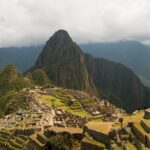
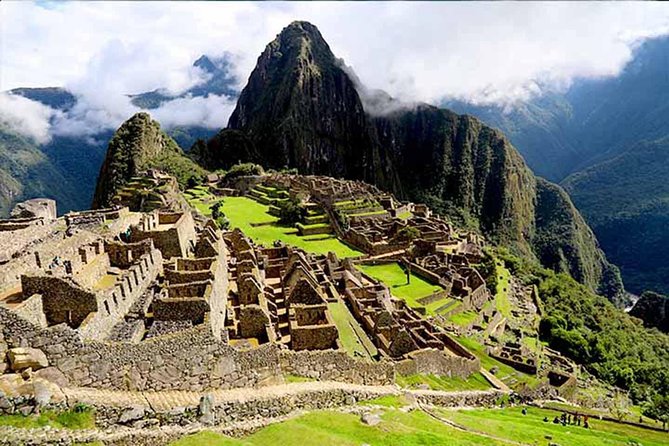
This is the headline day, and it starts early: you get ready around 4:00am for the climb up to Machu Picchu. The trek is described as an ascending path through high jungle, with the goal of reaching the site in time for sunrise.
Control entry and the guided tour
Once you pass control entrance (around 6:00am), you get a private guided tour for 2 hours inside the Inca citadel. Then you have free time to explore on your own.
A detail worth knowing: the tour emphasizes a guided circuit first, then free roaming. That’s a good combo because you’ll understand what you’re looking at before you go wandering.
Back down to Aguas Calientes and Cusco timing
At 11:30am, you return by walking (about 3.5 hours) back to the hydroelectric area. Then you board a waiting bus to Cusco, with arrival around 10:00pm.
So yes, it’s a long final day. You’ll go from sunrise wonder to late-night return. Plan on being pleasantly tired, not just tired.
Optional add-ons if you want more time
The tour lists two possible upgrades:
- Spend one more night in Machu Picchu town for $30 extra, so you can return the next day (useful if you want to climb Huayna Picchu or Mountain Machu Picchu).
- Add a train to return after Machu Picchu instead of the bus plan, for more time on site and a faster, more comfortable route back. The train listed runs from Aguas Calientes to Ollantaytambo (about 1 hour 40 minutes), and then your car brings you back to Cusco with drop-off near San Francisco Square, around 10:00pm.
Group Size, Guides, and Why Small-Group Trekking Matters
This trek runs with a maximum of 15 travelers. That affects everything: how quickly you can move, how your guide can watch your pacing, and how smoothly camp setups and timing work.
The guide is billed as professional and bilingual (Spanish–English), and one guide name that shows up in shared experiences is Roger, described as helpful and friendly. Even without naming one “best” leader, the key for you is this: on a high-altitude pass day, the right guide style is what keeps you calm, informed, and moving safely.
Camping Comfort: Gear Is Included, But You Bring the One Thing That Matters
Camping can sound romantic until the first cold night hits. Here’s what you can count on:
- Full camping gear included, except for your sleeping bag (listed as personal).
- You’ll have base camps set up (including the Day 1 tent setup notes).
- Nights at elevation can get cold, with Day 1 specifically calling out around 2°C at night in the Soraypampa area.
So the practical takeaway is simple: pack your sleeping bag like it’s part of your passport.
Also, remember that you’ll be moving each day, so your “camp comforts” have to be lightweight. If you arrive with only the hiking layers you wear in the day, you might be underprepared for nighttime cold.
Altitude Reality Check (So You Don’t Get Surprised)
The trek reaches significant altitude:
- Soraypampa around 3,900m
- Humantay Lake around 4,200m
- Salkantay Pass around 4,600m
- Later drops into lower elevations like Chaullay (2,900m) and Santa Teresa (1,550m)
You also have acclimatization support built in, like tea and early starts, plus the day-by-day altitude stepping.
Still, go in with the right attitude: slow pace, hydrate, and don’t treat the highest point like a race. If you have a history of altitude issues, talk to a medical professional before booking.
Who This Trek Fits Best
This is a great match if you:
- Want one of the most iconic Machu Picchu approaches: Salkantay, not just the easiest bus-and-train version
- Like active days with real hiking time
- Want a plan that handles camp logistics, transport, and timed Machu Picchu entry
- Prefer a small group pace rather than a large tour stampede
It might not be ideal if you:
- Want minimal hiking time
- Hate very early mornings (this tour is not shy about sunrise schedules)
- Struggle with cold nights at elevation
Should You Book This Salkantay to Machu Picchu Trek?
If your goal is to see Machu Picchu at sunrise and you want an authentic route to get there, I’d book it. The value is strongest when you consider the full package: guide, camping setup, meals, and Machu Picchu entrance handled in advance, all tied into a workable schedule.
My decision rule is simple:
- If you can handle altitude and long walking days, the package makes sense.
- If you’re unsure about your fitness or cold tolerance, make a realistic assessment first—because the trek’s best moments come after the hardest hours.
FAQ
What time does the tour start in Cusco?
The tour start time is listed as 5:30am, with pickup from your Cusco hotel between 5:30 to 6:00am.
How many nights of lodging are included?
You get 4 nights total: 3 nights camping and 1 night in a hostel.
Is Machu Picchu entry included?
Yes. Machu Picchu entrance is included as part of the booking, with arrangements noted for about 2 months in advance.
What kind of guide do you get?
You’ll travel with a professional bilingual guide in Spanish and English.
Are meals included?
Meals are included for most days: breakfast (4), lunch (4), and dinner (4). Breakfast on the first day and lunch/dinner on the last day are not included.
Do I need my own sleeping bag?
Yes. The tour includes camping gear, but it lists the sleeping bag as personal.
Are hot springs included?
No. Hot springs at Cocalmayo are not included. The tour lists a cost of about $6.00 USD to pay on the spot.
Can I choose between zip line and trekking on Day 4?
Yes. Day 4 offers an option for a zip line activity (if you booked it) or an alternate 2-hour trek route to meet the group for lunch.
What’s the weather policy if the trek can’t run?
The experience requires good weather. If it’s canceled due to poor weather, you’ll be offered a different date or a full refund.
Is the booking refundable if I cancel?
No. This experience is non-refundable and cannot be changed for any reason.