REVIEW · CUSCO
Salkantay Trek Standard 5D/4N
Book on Viator →Operated by Conde Travel · Bookable on Viator
Coca tea, high passes, and Machu Picchu. This small-group Salkantay Trek Standard 5D/4N strings together Salkantay views, cloud-forest walking, and a sunrise-ready Machu Picchu day without you juggling the logistics. I like the way meals, camping gear basics, and key transport links are handled for you.
The main catch: it is non-refundable, and you’ll need your own sleeping bag (plus walking poles) since those aren’t included. Add in the early 4:00 am start and real altitude work, and it’s a trek best for people who know what they’re signing up for.
In This Review
- Key things that make this Salkantay Trek Standard 5D/4N worth your time
- Entering the Andes: what this 5D/4N actually gives you
- Cusco pickup to Mollepata breakfast, then Soraypampa and Humantay Lake
- Day 2 over Salkantay Pass (4600 m) to Wayrac Machaq and the high jungle drop
- Day 3 cloud forest walking to Lucmabamba, plus coffee and hot-springs options
- Day 4 Llactapata viewpoint for Machu Picchu views, then Hydroelectric to Aguas Calientes
- Sunrise Machu Picchu and the guide-led tour, then the train back toward Cusco
- Price and logistics: where the value is strong, and where you should plan ahead
- Who this Salkantay Trek Standard 5D/4N fits best
- Should you book this Salkantay trek? My practical take
- FAQ
- What time does the tour start in Cusco?
- How many people are in the group?
- What’s included in the trip meals and accommodations?
- Is the bus up to Machu Picchu included?
- Do I need a sleeping bag or walking poles?
- Are optional activities like ziplining or Huayna Picchu included?
Key things that make this Salkantay Trek Standard 5D/4N worth your time
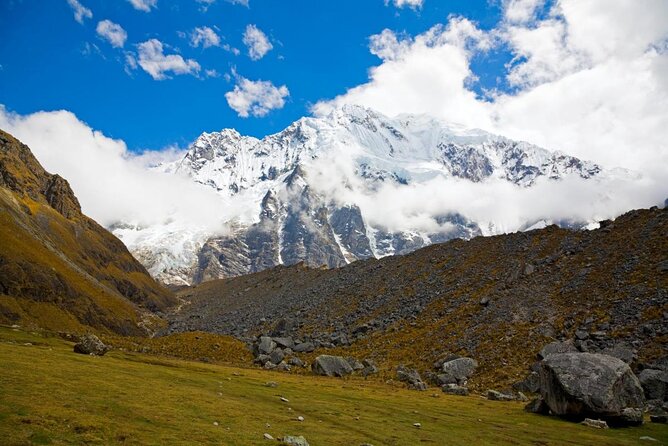
- Max 15-person cap with a bilingual team so the group stays manageable on narrow Andean paths
- All the big pieces included: guided hikes, meals, entrance to Machu Picchu, and the key train back segment
- Horsemen + horses carry the camping equipment so you can keep your pack more realistic on Day 1 and beyond
- Salkantay Pass (4600 m) in the plan with a clear rhythm from pass to lunch to a high-jungle descent
- Optional add-ons you control: Lucmabamba ziplining and a Cocalmayo hot-springs trip are there if you want them
- Sunrise Machu Picchu with a private guide, then return toward Cusco the same day
Entering the Andes: what this 5D/4N actually gives you
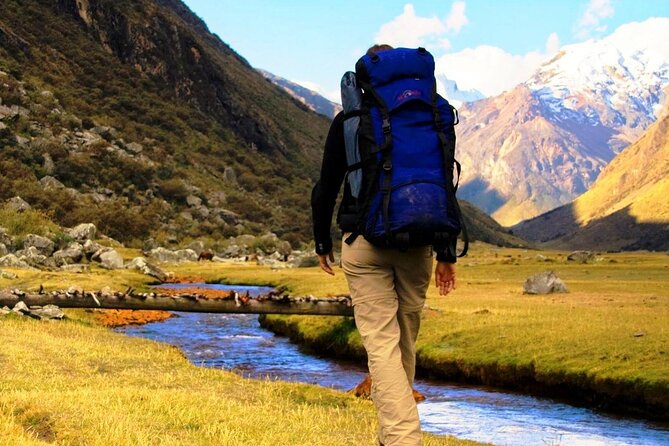
This tour is built around one simple idea: in five days, you get a serious taste of the Peruvian Andes with almost none of the usual back-and-forth. You travel from Cusco area to the trail, sleep out in the mountains for three nights, reach the Aguas Calientes side of Machu Picchu, and then do the early sunrise visit with a private guide.
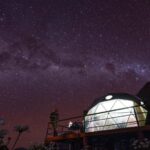
The standard (not budget-barebones) setup matters. You get a roomy dining tent and kitchen, plus chairs and dining tables. That may sound like comfort cosplay, but after long hiking days at altitude, it makes meal time feel like something more than just emergency carbs. You also get a first aid kit and a professional bilingual guide with a cook and assistants.
One practical detail: the itinerary hits multiple elevation zones. You start around 3900 m at Soraypampa, climb to Humantay Lake (4200 m) on Day 1, and crest Salkantay Pass (4600 m) on Day 2. This is not a flat-walk vacation. If you’re prone to altitude symptoms, plan to take the pace seriously and follow your guide’s advice.
You can also read our reviews of more tours and experiences in Cusco.
Cusco pickup to Mollepata breakfast, then Soraypampa and Humantay Lake
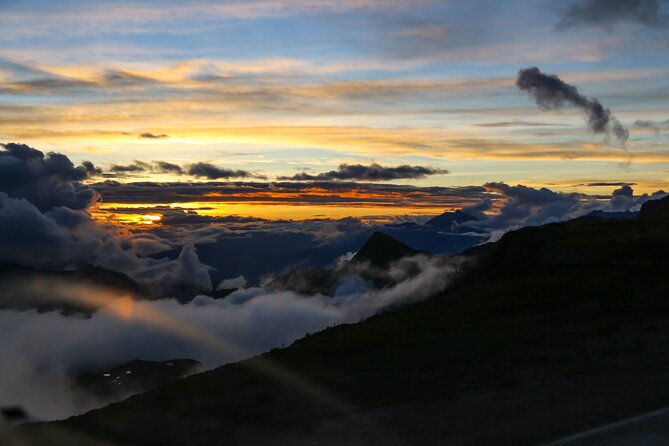
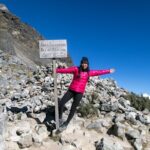
You start early. The meeting point is Portal de Comercio 145, Cusco 08002, and the day kicks off at 4:00 am. Expect an early hotel pickup too, then a breakfast stop in Mollepata before you roll out toward the trail.
Day 1’s big movement is the hike from Soraypampa (3900 m) to Humantay Lake (4200 m). The tour sets you up well right from the start by having horsemen and horses carry the camping equipment. So you’re not dragging everything yourself while you’re still getting your breath sorted.
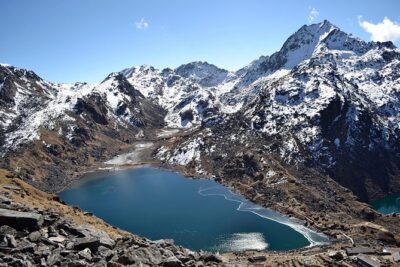
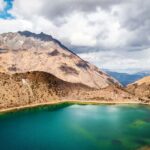
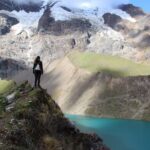
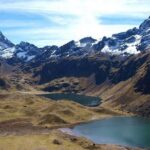
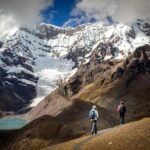
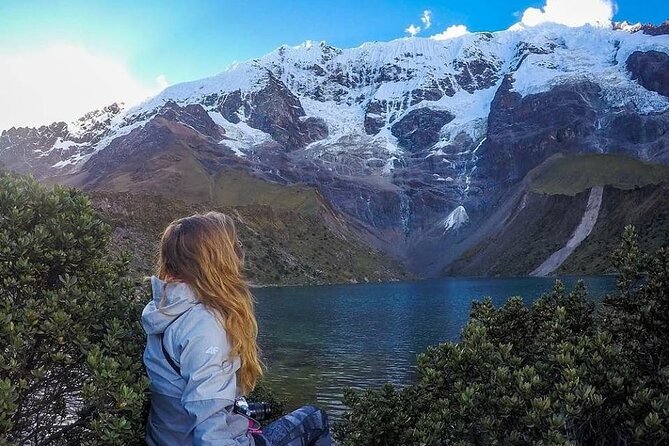
Humantay Lake is the payoff moment of Day 1. Even if you’ve seen mountain lakes on photos, being there in person tends to hit harder because the contrast is so strong: sky brightness, glacier-fed stillness, and the feel of high altitude air. After the lake visit, you head back to Soraypampa, where lunch is waiting.
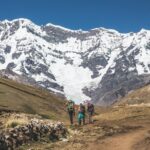
Then the tour moves into camp mode at Salkantaypampa. You get views of the snowy Salkantay peak, plus afternoon tea and a delicious dinner. It’s a nice structure: hike, lake reward, meal, camp views, and then a proper evening break.
What to watch on Day 1: the climb to the lake is “up” enough to matter, and the timing is early. If you start Day 2 already exhausted, the pass day will feel longer than it should.
Day 2 over Salkantay Pass (4600 m) to Wayrac Machaq and the high jungle drop
Day 2 starts with a small ritual: coca tea, then breakfast with mountain views. It’s a classic Andes touch, but practically, it also marks the switch from camp life to serious hiking.
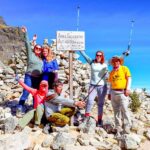
The core challenge is clear: reach the highest point, Salkantay Pass (4600 m) in about 3 hours. From there, the itinerary doesn’t leave you hanging. You walk toward Wayrac Machaq for lunch, which helps you reset mentally right after the pass.
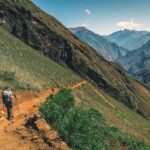
After lunch, you go downhill. That downhill section is where the trek changes flavor. The route takes you into the high jungle zone, and you’ll observe big trees with arms extended over streams, plus lots of bromeliads and orchids. This is one reason Salkantay works as a “single itinerary” trek. You’re not just walking through one type of scenery. You transition from high mountain vibes into wetter, greener vegetation.
You end Day 2 at the second campsite. The day is listed at about 8 hours, which tells you it’s not just a short acclimatization hike. Pace matters, especially at altitude.
Day 3 cloud forest walking to Lucmabamba, plus coffee and hot-springs options
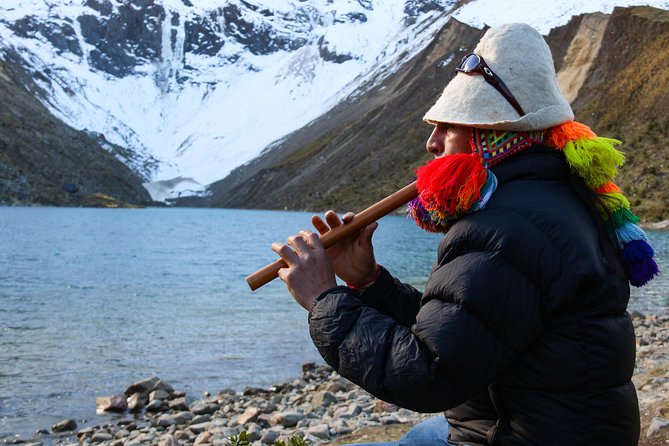
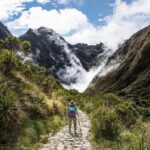
Day 3 is built around the cloud forest feel. You wake early, have breakfast, then hike along the cloud forest for about 3 hours. This is the day where rivers and waterfalls show up, and where the path tends to feel more humid and alive compared to the higher, harsher sections.
After lunch, you hike about 3 more hours to Lucmabamba campsite. That’s where optional activities appear, and this is one of the better “choose your own flavor” touches in the itinerary.
Two notable options:
- Ziplining near Lucmabamba, if you book in advance. The activity is optional, and it’s not included.
- Activities in coffee plantations and processing. This sounds like a hands-on local experience rather than a museum stop, and it’s included time inside the Lucmabamba area.
There’s also a flexible extra: the guide can arrange a trip to Cocalmayo hot springs, about 30 minutes from the campsite. The important part: it requires extra transportation and entrance fees, so it’s not a free add-on.
Day 3 drawback to consider: the itinerary keeps the hiking going after the Day 2 altitude effort. Even if you enjoy the day’s vegetation and waterfalls, you’re still racking up walking time, so it helps if you’ve paced well and slept decently the night before.
Day 4 Llactapata viewpoint for Machu Picchu views, then Hydroelectric to Aguas Calientes
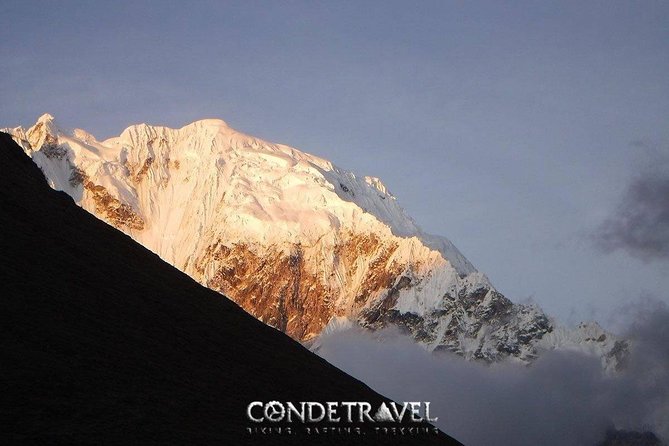
Day 4 is where the trek starts transitioning into Machu Picchu territory in a visible way.
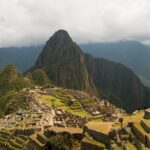
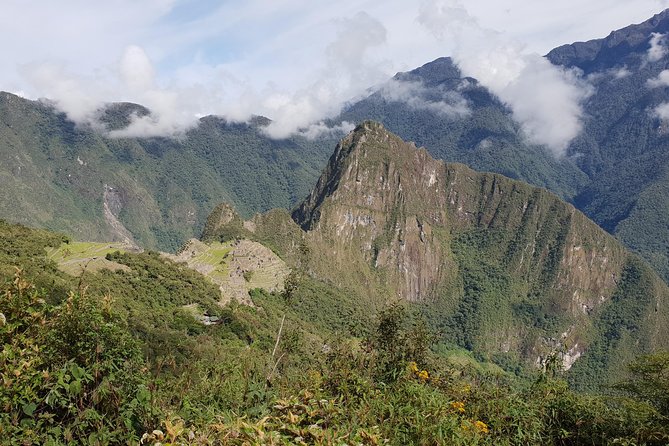
You start with breakfast and hike to Llactapata. From here, you get a great view of the landscape and Machu Picchu. Llactapata is often where the trip clicks from trekking to destination. You stop thinking only about your next water break and start noticing the geometry of the ruins from the outside world.
After that viewpoint, you go downhill toward Hydroelectric for lunch. Then you keep hiking for about 3 hours onward to Aguas Calientes. Tonight is different: you sleep in a hotel (rather than camping).
This is a comfort win. After several nights of trekking logistics, the switch to a hotel night in Aguas Calientes helps your body recover before the Machu Picchu sunrise push.
Sunrise Machu Picchu and the guide-led tour, then the train back toward Cusco
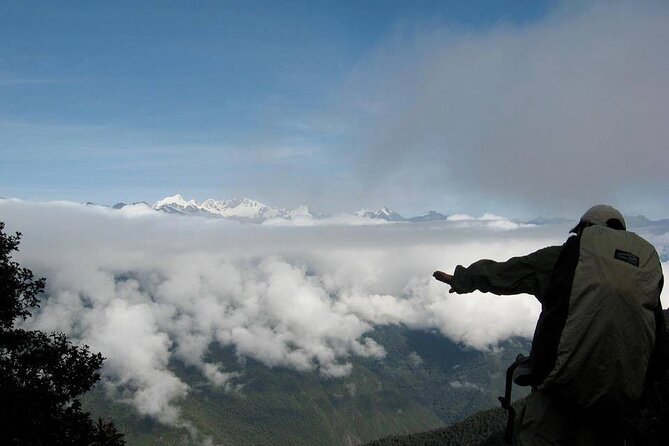
Day 5 is a long-feeling, high-energy day.
After breakfast, you take the early buses up to Machu Picchu for sunrise. The good news: the tour includes entrance fees to Machu Picchu and the sunrise timing is part of the plan. The not-included piece: the Up or Down bus from Aguas Calientes to Machu Picchu is not included, so you’ll want to budget for that bus segment on your end.
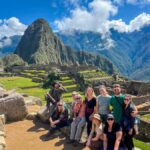
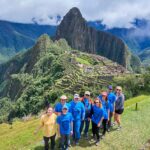
Once you’re there, you explore with a private tour guide. This is where having a guide matters most. Machu Picchu is easy to see and hard to understand without someone pointing out what you’re looking at.
After the tour, you head back to Cusco using the train and bus combination. The included logistics are specific: train back from Aguas Calientes to Ollantaytambo, then transportation from Ollantaytambo to Cusco.
What you should think about: your day starts early and ends with transit. This is not a lie-in-and-lounging kind of finish.
Price and logistics: where the value is strong, and where you should plan ahead
I can’t quote a total price because none is provided here, but I can tell you what you’re really paying for: the work of organizing the trek so you don’t have to. For many people, that’s the biggest cost difference between “book the trek” and “actually enjoy the trek.”
Here’s the value logic based on what is included:
- Transfers from Cusco to Mollepata and later Ollantaytambo to Cusco
- All entrance fees to Machu Picchu
- Camping infrastructure: dining tent, kitchen, chairs, dining tables
- Bilingual guide, plus cook and assistants
- Meals: 4 breakfasts, 4 lunches, 4 dinners
- 3 nights camping, plus 1 hotel night in Aguas Calientes
- Train back from Aguas Calientes to Ollantaytambo
And here’s where you need to do your homework because items are not included:
- Sleeping bag (you’ll need to arrange your own)
- Walking poles
- Machu Picchu transit bus from Aguas Calientes to the site (up or down)
- Optional activities: ziplining and Cocalmayo hot springs (extra fees/transport)
- Optional ruins expansions: Huayna Picchu or Machu Picchu Mountain entrance (not included)
One more logistics note from the included cancellation rules: this experience is non-refundable and cannot be changed for any reason. The operator has also stated that last-minute cancellations aren’t handled like normal refunds, and they may offer a voucher for future use in certain situations. Translation for you: if your plans are fragile, think hard before locking this in. If you have flexible travel days elsewhere, protect them.
Who this Salkantay Trek Standard 5D/4N fits best
This trek is best for you if:
- You want one itinerary that moves from high Andean views to cloud forest to the Machu Picchu area
- You like the idea of small-group hiking (max 15 people)
- You’re okay with camping for three nights and doing serious early starts
- You want a guide-led Machu Picchu day rather than a self-guided scramble
It may not be a great fit if:
- You need lots of refund flexibility (non-refundable rules apply)
- You don’t want to hike at elevations that reach 4600 m
- You don’t want to manage gear like a sleeping bag and walking poles
Also note the plan says most travelers can participate, but that doesn’t erase the reality of the pass and the daily walking hours.
Should you book this Salkantay trek? My practical take
If your goal is to experience the variety of the Andes and land at Machu Picchu at sunrise without turning your vacation into a project, this tour makes a strong case. I like the way it packages the “hard parts” for you: the guide team, the food schedule, the included camping setup, and the key transit back toward Cusco.
Before you book, do three quick checks:
- Confirm you can handle altitude and long hiking days, including the Salkantay Pass segment.
- Plan to bring or arrange what’s not included: sleeping bag, walking poles, and budget for the bus up to Machu Picchu.
- Understand the commitment level since it’s non-refundable.
If those boxes work for you, this is the kind of trek that gives you a full story: lake views, pass drama, forest walking, viewpoint payoffs, then Machu Picchu in the soft morning light.
FAQ
What time does the tour start in Cusco?
The activity starts at 4:00 am, meeting at Portal de Comercio 145, Cusco 08002. You can also expect an early pickup in your hotel before breakfast.
How many people are in the group?
This is a small-group trek capped at a maximum of 15 travelers.
What’s included in the trip meals and accommodations?
You get 3 nights camping and 1 hotel night in Aguas Calientes, plus 4 breakfasts, 4 lunches, and 4 dinners. A roomy dining tent and kitchen are included for camp meals.
Is the bus up to Machu Picchu included?
No. The up or down bus from Aguas Calientes to Machu Picchu is not included. You’ll take early buses for sunrise as part of the day plan, but the bus cost is on your side.
Do I need a sleeping bag or walking poles?
Yes, you do. A sleeping bag and walking poles are not included.
Are optional activities like ziplining or Huayna Picchu included?
Ziplining is not included, and Huayna Picchu or Machu Picchu Mountain entrance is also not included. Cocalmayo hot springs can be organized as an extra activity, but transportation and entrance are not included.