REVIEW · CUSCO
Classic Choquequirao Trek – 5 Days / 4 Nights
Book on Viator →Operated by Salkantay Trekking · Bookable on Viator
Choquequirao feels like Machu Picchu’s tougher cousin. This classic 5-day trek drops you into the Apurímac canyon and then lets you explore Choquequirao up close, with guided history and real small-group support.
I love two things most: the way the trip mixes big, dramatic Andean views with a clear plan for getting you from camp to site, and the camp setup that keeps the focus on hiking, not logistics. The only drawback is that this is a serious physical trek, with long hikes and early mornings.
In This Review
- Quick hits I think you’ll care about
- Why this Choquequirao trek hits differently in Peru
- Day 1: the 4:30 a.m. start, Cachora views, and the descent to Chiquisca
- Day 2: Playa Rosalina’s footbridge, Santa Rosa’s lunch, and Marampata’s canyon light
- Day 3: the full day at Choquequirao Inca citadel (plus the famous white llamas)
- Day 4: Marampata back down, Santa Rosa’s lush stretch, and a cold river break
- Day 5: Capuliyoc goodbye, Saywite Monolith, and Conoc hot springs before Cusco
- Meals, tents, and the support team that makes this trek feel organized
- What to bring (and what you can leave at home)
- Price and value: does $735 make sense for Choquequirao?
- Should you book this Classic Choquequirao Trek?
- FAQ
- How early does the trek start from Cusco?
- What’s the group size?
- Are entrance fees for Choquequirao included?
- What camping setup is included?
- What gear do I need to bring myself?
- Is food included on the trek?
- Can I request vegetarian or vegan meals?
- What safety and emergency support is provided?
- Is travel insurance included?
- What happens if I cancel?
Quick hits I think you’ll care about
- Small-group feel: up to 10 people (maximum 12), so you’re not swallowed by a crowd.
- Mule and porter support: you’ll carry less, with equipment and personal belongings handled by the team.
- A whole day at Choquequirao: a guided visit to a citadel estimated to be larger than Machu Picchu.
- Camp life included: high-quality tents, cook setup, and meals plus tea time each day.
- Safety built into the route: emergency satellite phones, walkie-talkies, first aid kit, and oxygen supply.
- Day 5 “reward stops”: the Saywite Monolith and a relaxing soak at Baños Termales de Cconoc.
Why this Choquequirao trek hits differently in Peru
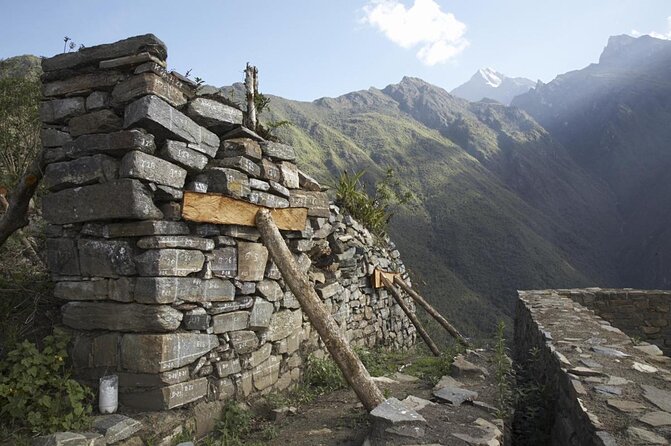
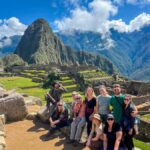
If you’re chasing Inca ruins plus wilderness, Choquequirao is a strong choice. It’s set among mountains and near the deepest canyon in South America, so you get that “how is this here?” feeling. One more thing I really like: you’re not just taking photos at the main viewpoint and rushing off. You spend hours exploring the complex with a licensed bilingual guide and time to rest during a picnic lunch.
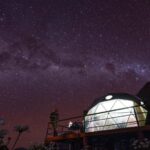
And unlike many hikes where you’re mostly trying to survive the trail, this one builds in moments that slow you down. You might spot condors over the valley with a bit of luck, and you’ll also get the orange-hour effect as the sun hits the canyon walls late in the day. Then there’s the night sky at camp, which is usually the part people forget to plan for but end up remembering most.
You can also read our reviews of more tours and experiences in Cusco.
Day 1: the 4:30 a.m. start, Cachora views, and the descent to Chiquisca
Your day begins very early, with pickup around 4:30 a.m. from your Cusco hotel. You’ll drive to the village of Cachora, where the views give you an immediate taste of the Andes, including the Salkantay and Humantay glaciers on the horizon.
After breakfast, you continue to Capuliyoc, where you meet the cooks and muleteers. This is a practical moment that sets the tone: this trip is designed so the porters and mule team carry the heavy camp equipment, while you hike more comfortably. You’ll also move into “walking mode” right after meeting the team, so there’s less lag time and more momentum.
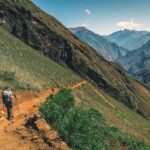
The hike itself starts with a 3-hour descent to Chiquisca. This part matters because it’s your first big lesson in how the Apurímac region works: fruit crops in the village, steep terrain all around, and wide views down toward the valley. Along the way you can look toward Padreyoc and Qoriwayrachina mountains. If you’re lucky, you’ll see condors circling overhead.
You finish Day 1 at warm Chiquisca camp, surrounded by arid mountains. Dinner comes after you arrive, and then it’s straight to sleep. That early-day payoff is real: by nightfall, you’re already far from Cusco’s noise, and your body understands you’re in a multi-day trek.
Day 2: Playa Rosalina’s footbridge, Santa Rosa’s lunch, and Marampata’s canyon light
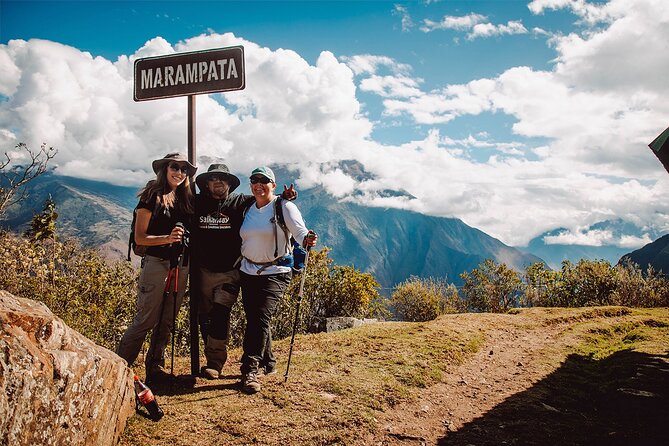
Day 2 starts with a short move: after breakfast you ascend toward Marampata. Then you head downhill again to Playa Rosalina, the lowest point in the valley. Expect a one-hour descent, then you’ll cross a footbridge before the trek turns more demanding.
From there, the schedule is built around a rhythm of effort and recovery. After pushing through the hardest stretch, you’ll reach Santa Rosa Alta for lunch and then keep going with about three more hours zigzagging uphill toward Marampata camp. This uphill zigzag pattern is something I find worth respecting. It’s slow enough to manage, steep enough to feel, and it’s the kind of terrain that rewards steady pacing over sprinting.
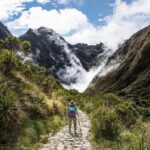
Late in the afternoon, you’ll be on the Sendero a Choquequirao route, and the views shift again. Expect deep canyons and serious drop-offs. The timing is good here: the sun paints the mountains and the Apurímac Valley in orange shades, and when night comes, you’ll get that starry sky over camp before dinner and rest.
Day 3: the full day at Choquequirao Inca citadel (plus the famous white llamas)
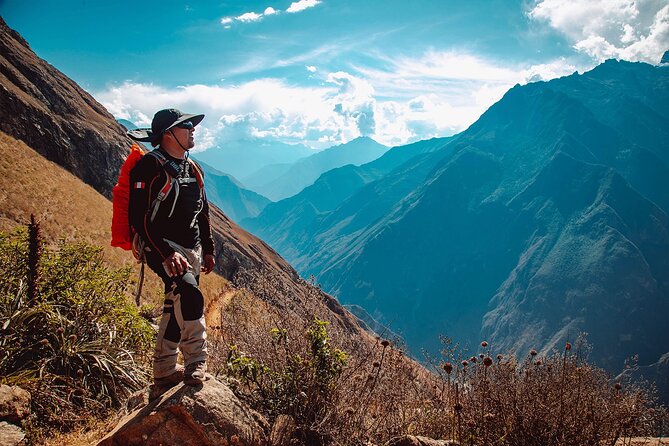
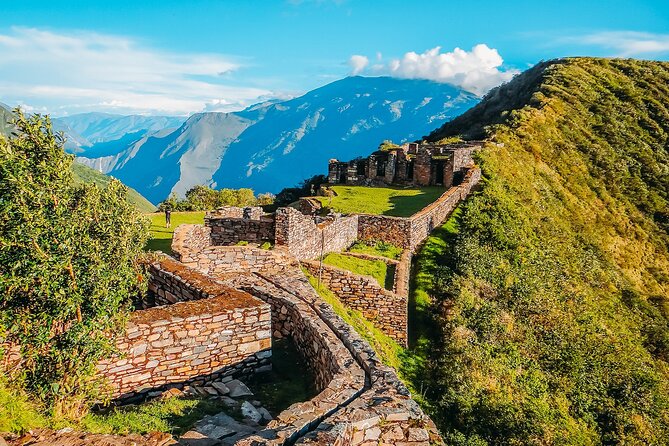
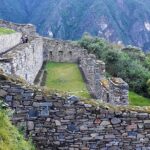
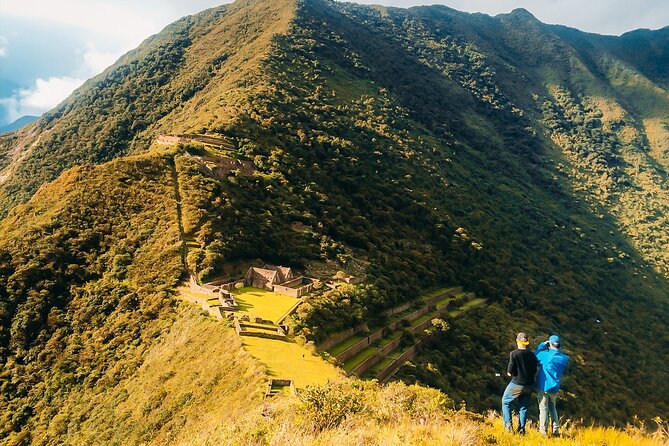
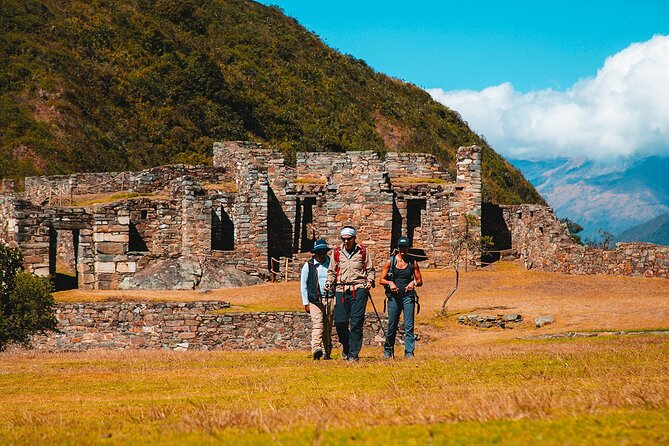
Day 3 is the big one. After breakfast you head along the trail back toward Sendero a Choquequirao and then move to the Choquequirao Inca citadel area. You’ll explore the citadel with your guide, with the time set up so you can actually take it in, not just race through.
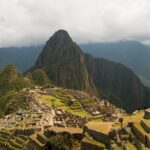
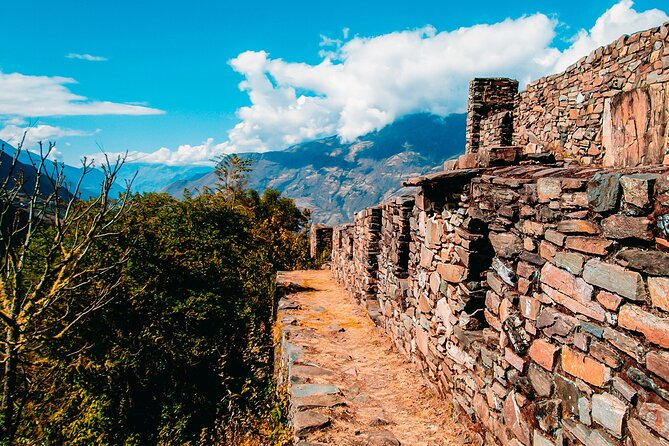
A key detail: Choquequirao sits at about 3,050 m (10,007 ft), and it’s described as even larger than Machu Picchu. That scale changes how you experience the ruins. Instead of one compressed “wow” moment, you get plazas, temples, and agricultural terraces spread across the complex.
There’s also a specific feature you should not miss: the white llamas carved in stone on the platforms. It’s estimated that only around 40% of the site is visible, so you may feel like you’re seeing part of something vast, rather than a fully flattened “everything is right here” ruin. A guided explanation makes that easier to understand because the architecture and layout are closely tied to how the Incas managed land and water.
You’ll have time to rest during a picnic lunch, then you’ll return to camp later for dinner and sleep. This day is where good guides really matter. In past trips, guides like Guido, Roman, George, and Caesar have stood out for their ability to keep spirits up during the hard trek while still making the ruins feel clear and meaningful.
Day 4: Marampata back down, Santa Rosa’s lush stretch, and a cold river break
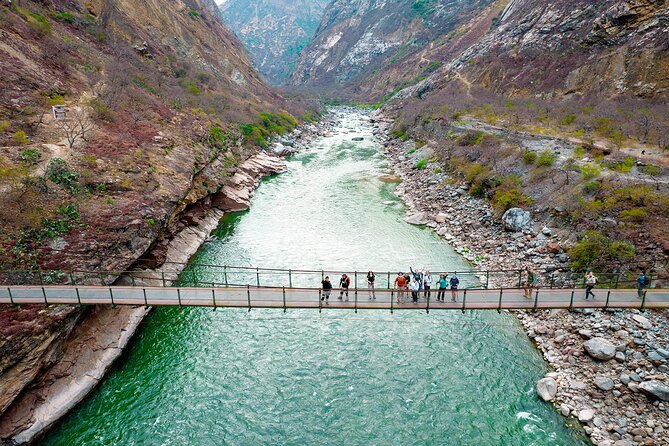
Returning starts gently in spirit, but the trail has its own ideas. You’ll begin the return journey from Choquequirao, saying goodbye with a last look at the canyon from Marampata.
Then you’ll walk about two hours to Santa Rosa (the route passes through lush vegetation in this section). Lunch is here. This matters because it’s a change in feel: after days of rock, steep edges, and arid mountains, you get greenery back into the picture, which helps your body reset psychologically too.
Next comes Playa Rosalina. You’ll have about two hours to get there, then you’ll cool off in the cold waters of the Apurímac River at Rosalina Beach. I’m glad this is built into the itinerary. After that kind of walking, a river break is one of the fastest ways to make your legs feel like they belong to you again.
From the river you’ll ascend to Chiquisca (about three hours), arriving for the part that adds culture beyond ruins. A local family will welcome you into their home, and you’ll learn about Andean customs and the community’s deep connection to Pachamama. After dinner, you rest at the campsite.
Day 5: Capuliyoc goodbye, Saywite Monolith, and Conoc hot springs before Cusco
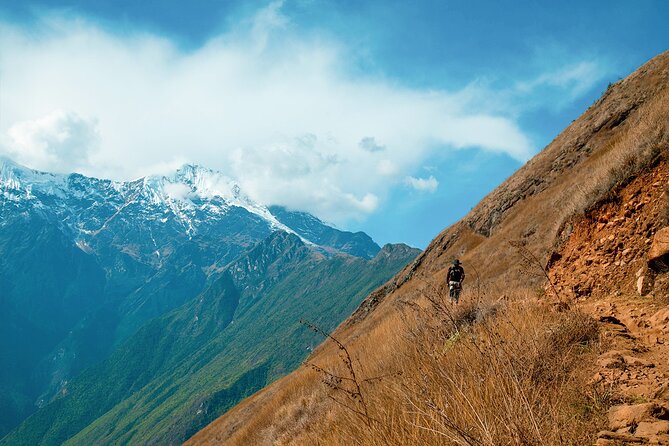
Your final day starts early again to avoid the intense sun, with the sound of the Apurímac River around you as you walk. You’ll hike about two hours to Capuliyoc, and then the route continues for roughly four more hours. This is where you properly say goodbye to the hiking team.
Afterward, you travel by private transport to Saywite Monolith, a sacred site with more than 200 carved figures that the Incas valued. It’s a different kind of experience than Choquequirao. Rather than walking among terraces and plazas, you’re paying attention to carvings and symbolic meaning.
Then you head to Baños Termales de Cconoc for hot springs. The timing is nice: about one hour of soaking before lunch helps you reset for the final drive back to Cusco, where you’ll arrive around 6:00 p.m. and be transferred to your accommodation.
Meals, tents, and the support team that makes this trek feel organized
What makes this tour worth the price is that it’s not just “hike and hope.” You’re going to camp for three nights, and you get camping accommodation and equipment included: high-quality tents for two people, plus a dining setup with chairs and a cook team.
Porters carry the heavy stuff. Your personal belongings also move with the team using a dedicated system, and you’ll be given a duffel bag for porter carry of up to 5 kg / 11 lb. That limit is important because it forces you to pack only what you truly need on your body and daypacks.
Meals are set up as full support, not just snacks. You’ll get breakfast and lunch each day and dinners while camping, with water, tea time, and daily snacks on the trail. Vegetarian or vegan options are available if you request them in advance, and the trekking team has experience supporting special diets such as gluten free needs.
Camp details make a difference when you’re tired: the inflatable mattress and rain poncho help with comfort and weather. There’s also a portable travel toilet, which is a practical inclusion people tend to appreciate more than they expect.
On the safety side, you’re not guessing. The route uses walkie-talkies and emergency satellite phones, plus a first aid kit and an oxygen supply. That doesn’t mean risk disappears in the Andes. It means someone planned for emergencies.
What to bring (and what you can leave at home)
Two items are explicitly not included: you’ll need a sleeping bag and trekking poles. If you’ve never packed for a multi-day trek, don’t underestimate this. A good sleeping bag can be the difference between waking up stiff and waking up ready.
You also bring your own hiking clothes and personal gear. The tour provides rain protection as part of the extras (rain poncho), plus a small towel and soap, but it’s still on you for day-to-day hiking layers.
Health planning matters too. This is labeled as a challenging trek, so you should have strong fitness. It’s also recommended you arrive in Cusco at least two days before the trek so you can adjust to altitude. That acclimation time is part of making the hike enjoyable instead of miserable.
Travel insurance is not included, though it’s recommended. If you’re the kind of traveler who likes having backup coverage for adventure sports, plan it before you arrive.
Price and value: does $735 make sense for Choquequirao?
At $735 per person, you’re paying for more than access to a site. You’re paying for the operational muscle that turns a remote trek into a guided experience: private transportation and transfers, a licensed bilingual guide, entrance to the Choquequirao archaeological site, and the entire camp and food system.
You’re also paying for the “invisible work” on the trail:
- Camping gear setup (tents, dining tent, chairs)
- Porters carrying equipment
- Transportation of personal belongings (with the 5 kg duffel limit)
- Safety gear and communications (satellite phones, walkie-talkies, oxygen supply)
- Daily water/tea and meals (breakfast, lunch, dinners while camping)
So the value isn’t that you’re getting a bargain. It’s that you’re getting logistics handled so you hike instead of managing everything yourself. The items you do need to budget separately are the trekking poles, sleeping bag, and your personal gear, plus travel insurance (recommended). Day 5 dinner in Cusco is also not included.
Should you book this Classic Choquequirao Trek?
I think this is a smart booking if you want a classic multi-day trek with strong organization, a full guided day at a major Inca site, and camp comfort that’s real enough to keep you motivated. You should also feel good about long hikes and the early 4:00–4:30 a.m. start times.
Book it if you:
- Prefer a small group and a licensed guide experience
- Want Choquequirao with guided context (and time to explore)
- Like the idea of camping support rather than self-supported packing
Skip it (or rethink timing) if you:
- Want an easy, casual walk
- Struggle with altitude and haven’t planned two days in Cusco for adjustment
- Don’t want to bring essentials like a sleeping bag and trekking poles
FAQ
How early does the trek start from Cusco?
Start time is listed as 4:00 a.m. (with hotel pickup around 4:30 a.m. on the first morning).
What’s the group size?
It’s a small-group tour for up to 10 people, with a maximum of 12 travelers.
Are entrance fees for Choquequirao included?
Yes. Entrance to the Choquequirao archaeological site is included.
What camping setup is included?
You get all camping accommodation and equipment for 3 nights in high-quality tents for 2 people, plus cook and dining setup.
What gear do I need to bring myself?
You need to bring your own sleeping bag and trekking poles. Hiking clothing and personal equipment are also not included.
Is food included on the trek?
Yes. Breakfast and lunch are included on trekking days, and dinners are included for 4 dinners while camping. There’s also water, tea time, and daily snacks on the trail.
Can I request vegetarian or vegan meals?
Yes. Vegetarian or vegan options are available if you advise at booking.
What safety and emergency support is provided?
The tour includes walkie-talkies, emergency satellite phones, a first aid kit, and oxygen supply.
Is travel insurance included?
No. Travel insurance is recommended but not included.
What happens if I cancel?
This experience is non-refundable and cannot be changed for any reason. If you cancel, the amount you paid is not refunded.