REVIEW · SAPA
1 Day Sapa Authentic Trekking ( off beaten track )
Book on Viator →Operated by Sapa Original Trek · Bookable on Viator
One hike, and suddenly Sapa feels real. I love the off-beat village route (not the usual photo stop loop) and the fact that lunch is included in the price. The trade-off: this is a real trek, so if you want an easy stroll, pick the simpler route option and go slow.
Expect a private feel where you can ask questions without getting rushed. Guides like Mr Sinh and Ms Mu are known for being friendly and calm—Ms Mu in particular keeps the talk light and answers questions directly, while Mr Sinh seems to guide with warmth and local context.
Logistics are friendly: the trek starts at 9:00 am, and you’ll get transport by car back to Sapa after walking through the villages and fields. Just note you only get 0.5 liter of water per person, so plan for extra if the weather is hot or humid.
In This Review
- Key highlights worth your time
- Why this off-beat Sapa trek feels personal
- The 9:00 am start and how the timing actually works
- Ta Phin Village and the village route that shapes the day
- Pine forest to rice terraces: what you’ll see on the trail
- Lunch on the trail: included, local, and timed well
- Corn fields, black limestone, and the last stretch feel
- Price and value: what $39 actually buys you
- Who should book this trek (and who should choose carefully)
- Should you book this 1 Day Sapa Authentic Trekking?
- FAQ
- How long is the trekking tour?
- What time does the trek start?
- What does the tour price include?
- Is lunch included?
- Is it a private tour?
- Do I get water during the hike?
- Is the tour difficult?
- What’s the cancellation policy?
Key highlights worth your time
- Off-the-beaten-track village walking: Suoi Ho, Giang Cha, Lu Khau, and Saxeng areas, plus Ta Phin Village connections.
- Photography-friendly variety: pine forest, rice terraces/paddy fields, valley panoramas, and corn fields near black limestone.
- Included lunch at a local restaurant: you eat with the day’s rhythm, not around a busy schedule.
- English-speaking guide with Q&A space: guides like Mr Sinh and Ms Mu handle questions without a constant lecture.
- Real trekking, not a drive-by: 5–6 hours walking with natural elevation changes and optional difficulty.
- Car return to Sapa: you finish the walk and then relax on the ride back.
Why this off-beat Sapa trek feels personal
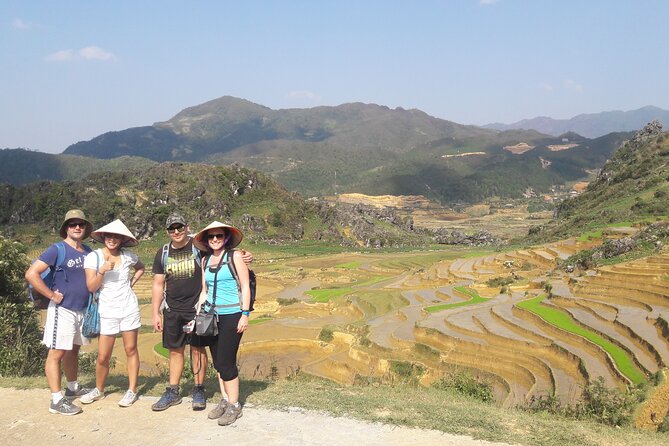
Sapa can be crowded fast. This tour is built to avoid the constant traffic of tourists and keep you moving through quieter countryside instead—villages, small valleys, and working fields. That matters because you don’t just see scenery; you get a sense of how people live and farm here, and that’s what makes photos feel more honest.
Two things make it feel extra worthwhile for the money. First, the tour price includes lunch, entrance fees, and a basic water supply (0.5 liter per person), so you’re not piecing the day together with extra purchases. Second, it’s a private experience, so the pace and route choices can feel more tailored to your group than a big bus-style hike.
The only real caution is the trekking effort. Even with options for easier versus more challenging stretches, you should be ready for hills, uneven paths, and a good chunk of walking—about 5 to 6 hours total.
The 9:00 am start and how the timing actually works
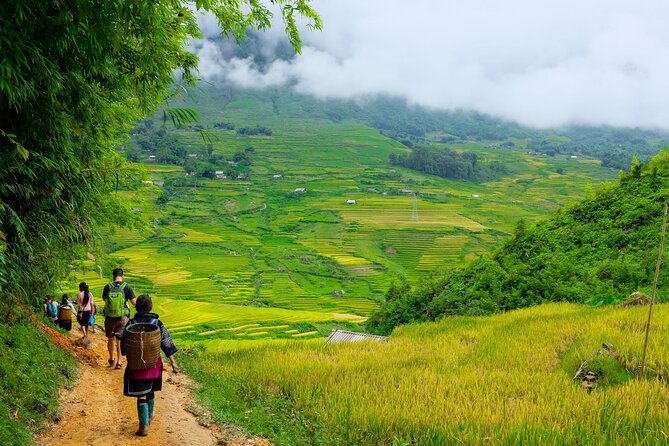
The day kicks off at 9:00 am. Starting early is practical in Sapa. Mornings typically feel cooler, the trail is easier to manage, and you’re less likely to hit that mid-day rush when the mountain roads and popular viewpoints get busy.
Your walking day is long enough to feel like an actual hike, not a quick “walk around the block.” But it’s also short enough that you’re usually back in Sapa the same day—because there’s car transport back at the end. That rhythm is what I like: you get a serious outdoors block, then a comfortable finish.
Also, the tour includes lunch during the hike, so you won’t spend half the day trying to hunt down food at the exact moment your energy drops. That said, you’ll still want to bring your own snacks if you’re the kind of person who eats “just in case.”
Ta Phin Village and the village route that shapes the day
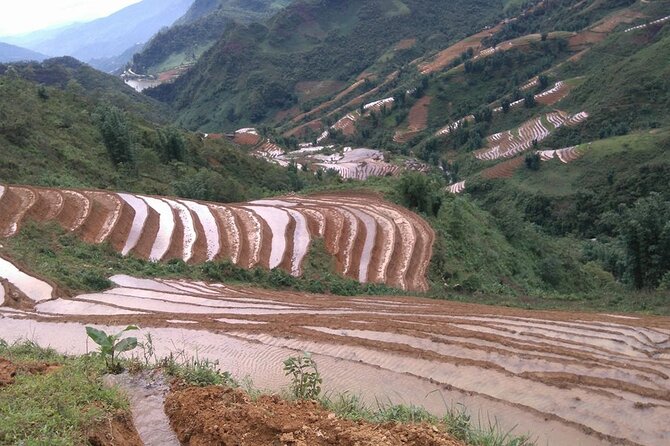
The route is centered around village time, not just views. You begin in the broader Ta Phin Village area, then move through several village spots such as Suoi Ho, Giang Cha, Lu Khau, and Saxeng villages.
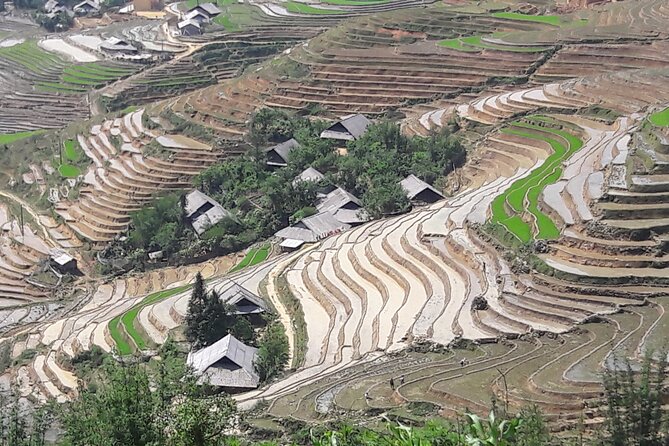
Here’s what that means for your experience. Each village stop changes the environment you’re walking through—small valleys, rice terraces, and paths that feel more like local routes than tourist trails. That’s why this feels authentic: you’re not always walking the same kind of viewpoint trail.
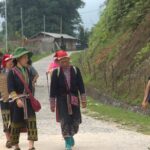
One of the best parts of this style of route is that it’s not just about passing houses. You have time to explore what a traditional wooden house looks like and to connect what you’re seeing with everyday culture. Even if you only catch fragments of conversation, you’ll usually get enough from your English-speaking guide to make sense of what you’re looking at.
A small practical point: village paths can be muddy. If you hate surprises, wear shoes you can trust on slippery ground.
Pine forest to rice terraces: what you’ll see on the trail
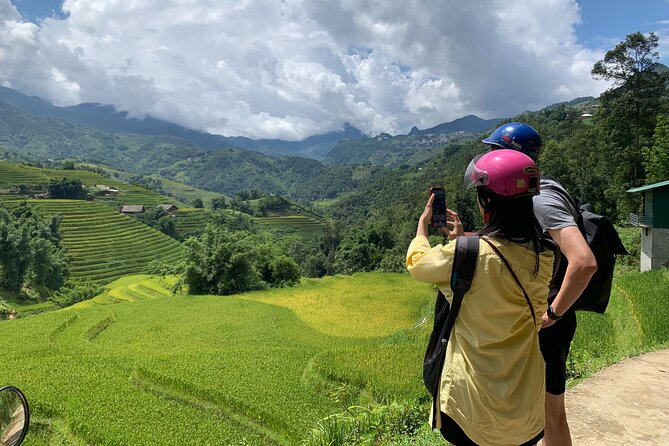
The trek begins with a walk down toward a pine tree forest, which is a nice switch from the open field views. Pine forest sections help break the day up—shade when you need it, and that forest smell that makes you feel like you’re miles away from the town center.
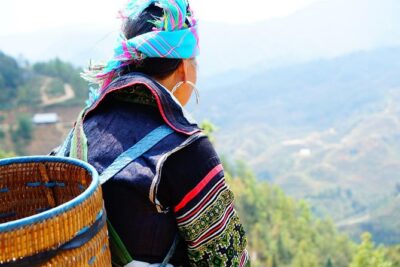
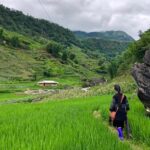
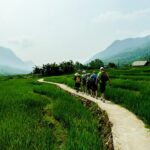
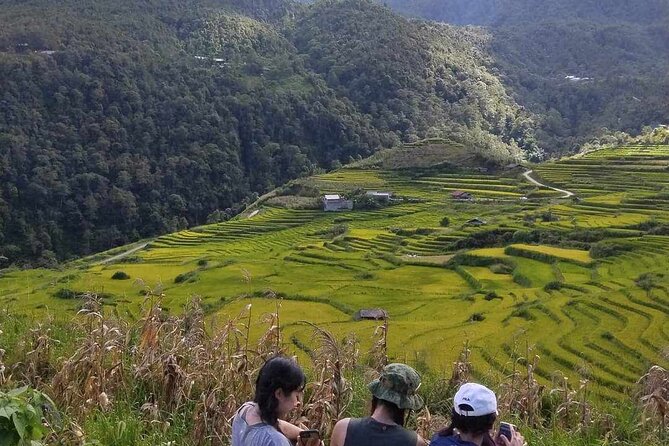
After that, you move into the Suoi Ho area, where Hmong ethnic village life sits alongside rice terraces and valley scenery. The terrain here is the real show: terraces, paddy fields, and the kind of rolling slopes that make Sapa famous. If you’re into photography, you’ll appreciate the changing angles: you’ll often be walking from higher ground into lower valleys and back again.
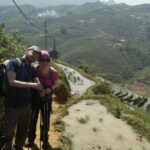
Then come the fields and the panorama portions. The Giang Cha area is where you get a broader feel for the valleys below—good for wide shots and for spotting how the fields fold across the hills.
Not every moment is a perfect postcard, though. Some stretches are more about steady movement than dramatic views. That’s normal on a trek, and it’s also what makes the highlights land harder.
Lunch on the trail: included, local, and timed well
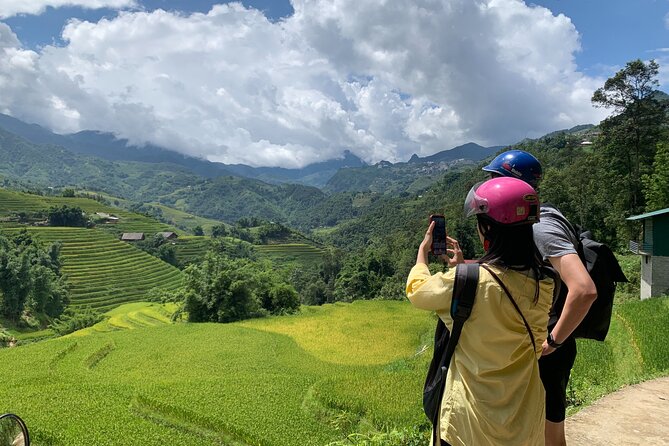
Lunch is included, and it’s one of the smartest inclusions for this price level. When a tour includes lunch, it usually means the schedule is built around the hike instead of the hike being built around restaurants. Here, you’ll eat at a local restaurant after the morning walking and before continuing through the afternoon fields.
You also get 0.5 liter of water per person as part of the package. That’s helpful, but it’s not the “drink all day” amount if you’re someone who gets thirsty quickly. I’d treat it as a baseline.
If you’re picky about meal timing, don’t be. This tour’s structure naturally keeps the energy level stable. And if you’re not picky, even better—you can focus on the day instead of thinking about what to eat next.
Corn fields, black limestone, and the last stretch feel
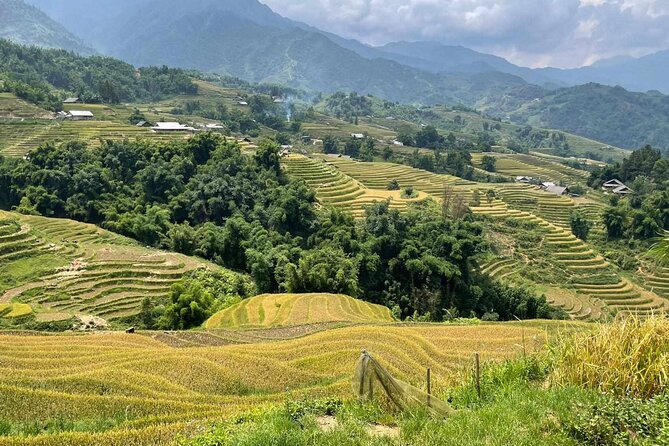
After lunch, the route continues through farmland areas, including corn fields and sections with black limestone rock features. This part of the walk adds variety after the rice-focused morning. It also changes the colors and textures in your photos, which is great if you’re trying to build a set of images that doesn’t all look the same.
One more thing to expect: the last stretch is where trekking stamina matters most. The scenery stays interesting, but your body starts negotiating with your enthusiasm. That’s also why your shoe choice and pacing matter.
A good rule: enjoy the views, then take short steady steps when the trail tilts. The best photo opportunities often happen when you pause briefly—not when you sprint to the next corner.
Price and value: what $39 actually buys you
At $39 per person, the biggest value isn’t just the “cheap vs. expensive” comparison. It’s what’s bundled in. You get:
- an English-speaking guide
- lunch
- entrance fee
- 0.5 liter of water per person
- and transport by car back to Sapa after the trek
In a town where many tours nickel-and-dime you for lunch or access, bundling those basics keeps the day predictable. Predictable is comfort, especially when you’re hiking for hours.
The duration—about 5 to 6 hours—is also a fair length for most people who want a real outdoor experience without committing to an all-day expedition. It’s long enough to feel like you left town, but short enough that your energy is still in decent shape when you get the car back.
So if you’re trying to maximize “time in the countryside” per dollar, this one makes sense.
Who should book this trek (and who should choose carefully)
This trek is a great match if you:
- love the outdoors and want time walking through real terrain
- enjoy photography with changing scenes (forest, terraces, valleys, fields)
- like the idea of meeting local villagers and understanding village life through a guide
- want a quieter route that avoids the standard tourist crowd feel
It may not be ideal if you:
- need a fully flat walk
- dislike uneven ground or hill climbs
- expect a casual sightseeing stroll
If you’re unsure, go with the difficulty option that matches your comfort level. The experience is built to allow you to choose between easier and more challenging routes, so you can dial it in.
Should you book this 1 Day Sapa Authentic Trekking?
I’d book this if you want an honest Sapa day that mixes villages, farmland, and views without feeling like a checklist. The included lunch and return transport are the big wins, and the guide quality (from friendly, question-friendly communication to calm pacing) makes the walk more meaningful.
I wouldn’t book it if you’re chasing comfort-only travel. This is about walking first, scenery second, and comfort third—which is exactly why it works for the right traveler.
If you’re choosing between another “Sapa quick loop” and this trek, pick this one—then pack for a real hike and take your time on the uphill bits.
FAQ
How long is the trekking tour?
The tour runs for about 5 to 6 hours.
What time does the trek start?
It starts at 9:00 am.
What does the tour price include?
Lunch, an English-speaking guide, 0.5 liter of water per person, transport by car back to Sapa, and entrance fees are included.
Is lunch included?
Yes. Lunch is included in the tour price.
Is it a private tour?
Yes. It’s private, so only your group participates.
Do I get water during the hike?
Yes. You receive 0.5 liter of water per person.
Is the tour difficult?
There’s a choice between easier and more difficult routes, so you can match it to your comfort level.
What’s the cancellation policy?
Free cancellation is available up to 24 hours in advance for a full refund. If you cancel less than 24 hours before the start time, the amount paid isn’t refunded.