REVIEW · SAPA
From Sapa: 2 Days 1 Night Trek Over Night At Homestay
Book on Viator →Operated by Sapa May Travel · Bookable on Viator
Rice terraces in Sapa, then a homestay.
This 2 days 1 night trek turns Sapa’s famous scenery into a lived-in village route along the Muong Hoa Valley—with a local English guide and an overnight stay with the Hmong and Zay communities in Ta Van.
What I liked most is how this trip mixes viewpoints with real, everyday village moments: walking between Y Linh Ho and Lao Chai gives you terraced scenes, streams, and ethnic village life without feeling rushed. The second big win is the homestay evening—there’s a cooking class where you make fried spring rolls, then you can try local rice wine right there with your hosts.
One thing to consider: the road and transfers can feel bumpy on the way in and out of the valley, so it helps to be ready for some uneven rides.
In This Review
- Key things I’d circle first
- Entering The Sapa Trek: What This Route Actually Delivers
- Price and Logistics: How Much You’re Really Paying For
- Morning Pickup in Sapa: Small Group, Real Guide Time
- Day 1: Y Linh Ho and Lao Chai Before You Reach Ta Van
- Sapa town start
- Y Linh Ho Village: terraces, streams, and mountain backdrop
- Lao Chai Village: ethnic diversity and valley views
- Ta Van Village: arriving for the homestay night
- The Homestay Evening in Ta Van: Spring Rolls and Rice Wine
- Cooking class: fried spring rolls
- Dinner and local rice wine
- Day 2: Giang Ta Chai Walk and Supan Lunch, Then Back to Sapa
- Giang Ta Chai Village: a longer walk to Red Dao villages
- Supan Village: final destination and lunch
- Return to Sapa town
- What to Bring (and What to Skip) for This 2D1N Sapa Homestay Trek
- Is It Worth It? My Balanced Value Check for $55
- Who This Trek Suits Best (and Who Might Reconsider)
- Should You Book This Sapa 2D1N Homestay Trek?
- FAQ
- How long is the Sapa 2 days 1 night trek with an overnight homestay?
- Where is the starting point for this tour?
- What time does the tour start?
- Do you stay overnight in a homestay?
- Which villages do you visit during the walk?
- What meals are included?
- Do you get a guide?
- Is pickup included?
- How big are the groups?
- Are drinks included with meals?
- Cancellation and changes
Key things I’d circle first
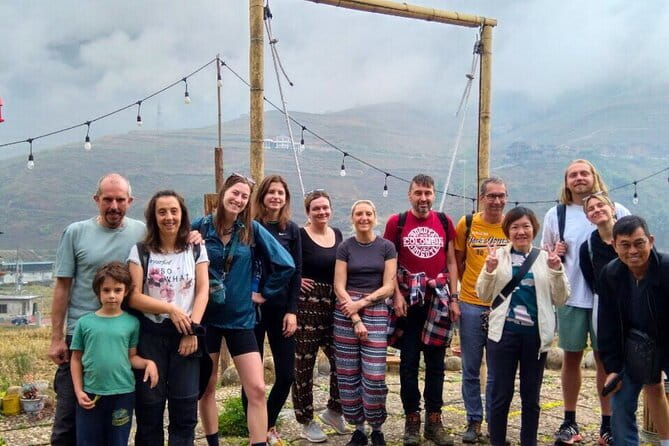
- Homestay in Ta Van village for a full experience, not just a photo stop
- Village-to-village walking through Y Linh Ho, Lao Chai, Ta Van, Giang Ta Chai, and Supan
- Cooking class at the homestay with fried spring rolls and a dinner shared with your hosts
- Local English guide with clear explanations of what you’re seeing (Mae Cô comes up often)
- Small group size (up to 15 people) for easier pacing on the trails
- Meal value baked in: breakfast, dinner, and lunch on both days
Entering The Sapa Trek: What This Route Actually Delivers
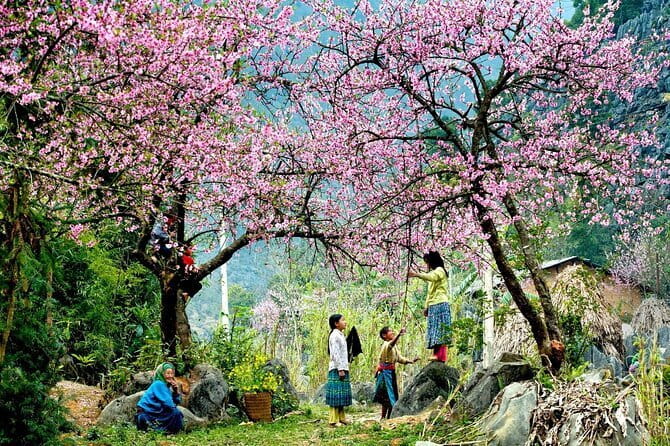
Sapa can feel like two places at once: the hill-town part with hotels and streets, and the village part where the mountains shape everything. This trek leans hard into the second part. You’ll spend your two days moving through terraced fields, village paths, and Muong Hoa stream scenery—then sleep in Ta Van instead of returning to town right away.
The route also gives you a good mix of “look” and “learn.” You’ll see rice terraces and valley viewpoints, but you’ll also get help understanding how the ethnic communities live there—through your guide’s explanations and the time you spend at the homestay. That combination matters if you want more than scenic postcards.
If you’re hoping for luxury comforts, keep expectations grounded. This is a homestay-style overnight, with a private room included, so it’s the kind of trip that trades hotel polish for something more human and hands-on.
Price and Logistics: How Much You’re Really Paying For
At $55 per person for 2 days and 1 night, the value comes from what’s included—not just the hiking. Your package covers:
- Pickup from the hotel/meeting point area in Sapa town (depending on where you’re staying)
- Local English-speaking guide
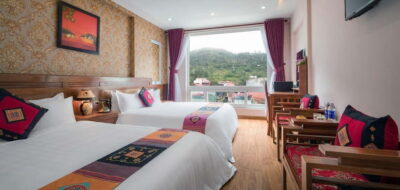
- Homestay private room in Ta Van village
- Meals: breakfast, dinner, and lunch (2 times)
- Entrance ticket is included (listed as free)
- A maximum group size of 15 people
- Mobile ticket (so you’re not hunting for paper)
Drinks aren’t included, so if you like water, tea, or soft drinks with meals, budget a little extra.
One detail I appreciate for planning: confirmation is received at booking time, and the tour runs with a set start time—8:00 am—from the meeting point at Sa Pa Retreat Condotel, 03 Hoàng Liên, TT. Sa Pa.
Also, this is popular enough that people tend to book early (the average booking window is about 102 days). If you’re traveling in a busy season, earlier booking can help you lock in your dates and avoid “full or almost full” situations.
Morning Pickup in Sapa: Small Group, Real Guide Time
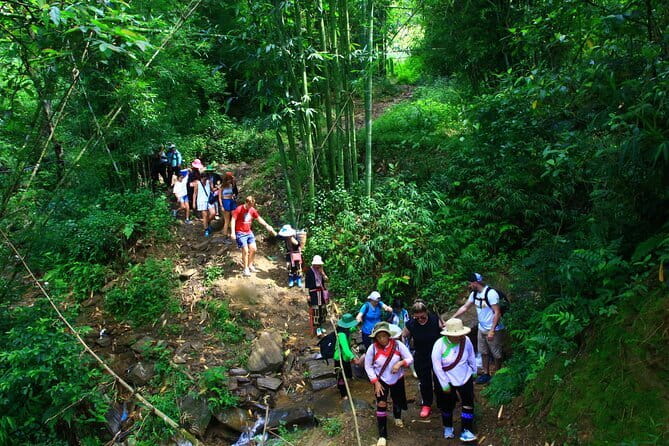
The day begins with a guide meeting you at your hotel in Sapa town or at the arranged meeting point near Sa Pa Retreat Condotel. The timing is tight in a good way: you start trekking early enough to hit the village route while the light and air are still fresh.
This trip caps at 15 people, which changes the feel on the trail. Smaller groups mean fewer bottlenecks on narrow paths and more chance for your guide to answer questions without sounding like a lecture over a megaphone.
You’ll also get a local English guide. In the experience notes I saw, guides like Mae Cô / Mao Cô are praised for clear English and for explaining village life in a way that makes the route click. The difference shows up when you reach the villages—suddenly the names of places are tied to what you’re looking at, instead of being just a list.
Day 1: Y Linh Ho and Lao Chai Before You Reach Ta Van

Day 1 is built around the most classic Sapa walking experience: start in town, head into the Muong Hoa Valley area, then work your way toward Ta Van, where the homestay happens.
Sapa town start
You’re picked up around 8:00 to 8:30 am, then you begin heading out. The tour includes an admission ticket (listed as free), so you’re not doing extra stop-and-pay tasks once you’re with the group.
Y Linh Ho Village: terraces, streams, and mountain backdrop
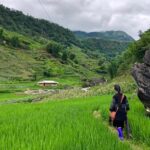
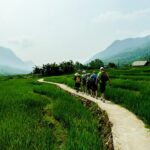
Your first village stop is Y Linh Ho. It’s positioned along Muong Hoa Valley with the Hoàng Liên Son mountain range around you. Expect the kind of scenes that made Sapa famous: terraced fields and a mix of valley and stream views as you walk.
This stop is also the first chance to get your bearings. After you spend time here, the rest of the valley route feels connected instead of random.
Lao Chai Village: ethnic diversity and valley views
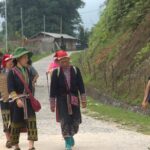
Next comes Lao Chai, home to ethnic minorities including Black Hmong, Red Dao, and Giay. It’s one of those places where the scenery is a draw, but the culture is the point too. The village location—between mountain ranges and valley areas—means you keep seeing wide angles while you move through the area.
Time-wise, you’ll spend a few hours on this stretch, which is enough to walk, pause for photos, and actually take in the human-scale details.
Ta Van Village: arriving for the homestay night
Ta Van village is about 8 km from Sapa town. What matters is that you don’t just pass through—you arrive for the overnight part. Ta Van sits with its back to Hoàng Liên Son mountains and its front near the Muong Hoa stream, so even when you’re winding down, the view and the setting are part of the experience.
The Homestay Evening in Ta Van: Spring Rolls and Rice Wine
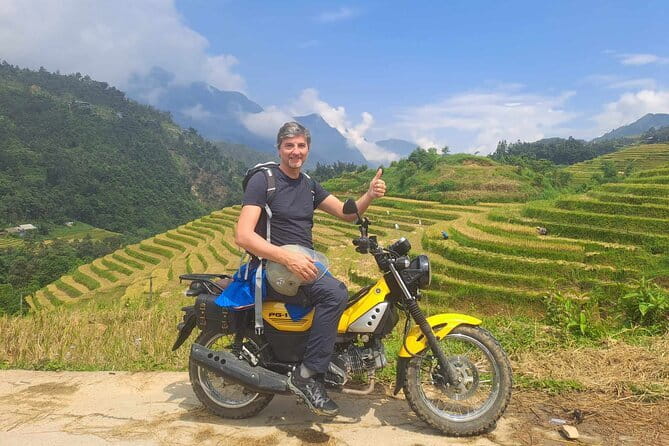
This is the heart of the trip. The overnight isn’t just sleep—it’s what turns the trek into something you remember past the final photo.
Cooking class: fried spring rolls
Around 5:30 pm, you get to the homestay and prepare for a cooking class. You’ll make fried spring rolls directly, which is the kind of activity that doesn’t require prior cooking skills. It also breaks the day’s walking rhythm in a satisfying way: your body cools down while your hands get busy.
If you like eating as part of the experience (not just after), this is a great inclusion.
Dinner and local rice wine
After the cooking class, you’ll have dinner at the homestay and you can try local rice wine. This is where your evening becomes social, not scripted. Your hosts’ hospitality is part of the whole package feel, and it’s exactly the reason people choose to stay overnight in Ta Van instead of returning to town.
A small practical tip from what I picked up in guides’ repeated highlights: try the local tea and rice wine options available at the homestay—people flag these as worth it when they’re offered.
Day 2: Giang Ta Chai Walk and Supan Lunch, Then Back to Sapa
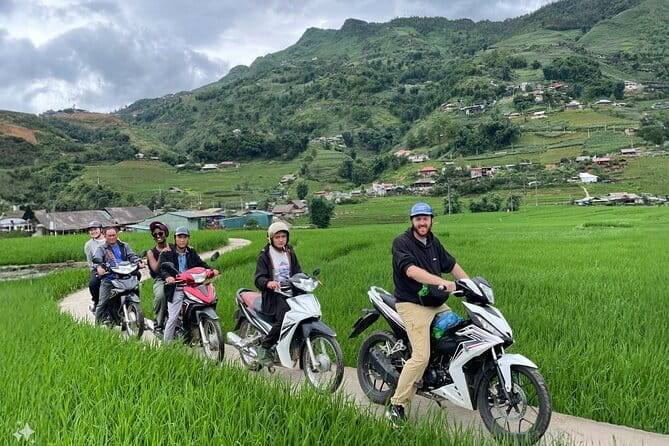
Day 2 starts with a breakfast at the homestay and then you handle check-out.
From there, the route continues with another village walk and a final lunch before you’re transported back to Sapa town.
Giang Ta Chai Village: a longer walk to Red Dao villages
You head to Giang Ta Chai Village around 9:15 to 9:30 am. The walking segment is about 6 km, and the goal is to visit two Red Dao villages.
This part of the trek is where you’ll feel the “trek” in 2 days. If you’re comfortable walking for a few hours, this stretch should feel doable. If you’re not, plan to go slower than you think you need to—Sapa trails reward pace and patience more than speed.
Supan Village: final destination and lunch
Around 12:00 pm, Supan is your final village stop, followed by lunch at a local restaurant. This is a simple, practical reset before the ride back.
Return to Sapa town
Around 1:00 pm, a bus picks you up from the restaurant and you arrive in Sapa town around 1:30 to 2:00 pm, ending back at the meeting point area.
What to Bring (and What to Skip) for This 2D1N Sapa Homestay Trek

The tour data doesn’t list gear requirements, so I’m going to keep this practical based on what the day structure implies: you’re walking village routes and spending an evening and night in a rural setting.
Bring:
- Comfortable walking shoes with grip
- A light rain layer or wind layer (Sapa weather can change fast)
- Water (and snacks if you know you get hungry on hikes)
- Your ID or whatever you normally travel with for check-in
Skip overpacking. This isn’t a multi-day trek with gear hauling—it’s a tight 2-day format. Keep it light so you enjoy the walk instead of managing a heavy bag.
Also, since drinks aren’t included, decide how you want to handle water and simple drinks. You can usually buy or obtain them locally during the day, but you’ll want cash or a plan that fits where you’ll be.
Is It Worth It? My Balanced Value Check for $55
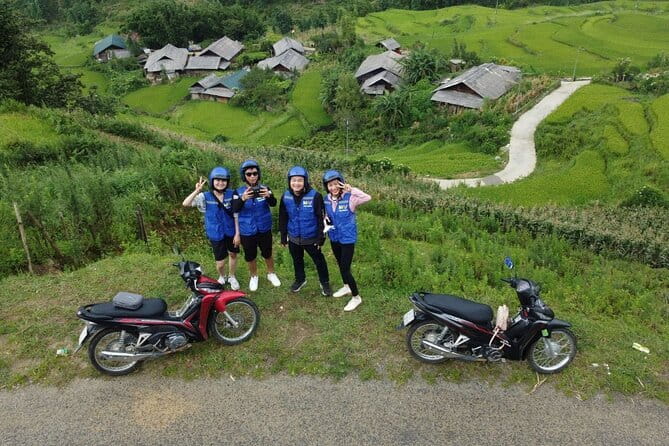
Here’s how I’d justify the price of $55. You’re paying for:
- A local English guide for both days
- A homestay private room in Ta Van
- Meals that cover most of your food time: breakfast, dinner, and lunch twice
- Included entrance/permission items (listed as admission ticket free)
- A structured village route that’s hard to piece together on your own without local help
So the “value” isn’t only the hikes—it’s the total package. If you tried to recreate this independently, you’d likely spend time coordinating transport, finding a homestay, and stitching together a guide-led route that hits the right villages in the right order.
That said, the trade-off is comfort and control. You’re on a schedule, and the transfers can be bumpy. If you hate early starts or road time, you’ll feel that more than the average person.
Who This Trek Suits Best (and Who Might Reconsider)
This tour fits you if:
- You want Muong Hoa Valley views and village walking in a short time window
- You like cultural connection, not just scenery
- You’re comfortable with a homestay overnight and a shared evening meal
- You appreciate explanations from a guide with strong English (Mae Cô is highlighted often)
It might not fit you as well if:
- You strongly prefer hotel-style amenities and predictable room comforts
- You dislike hiking for multiple hours across two consecutive days
- You have a sensitive stomach for local foods or are very picky with drinks (since drinks aren’t included and rice wine is part of the evening options)
Should You Book This Sapa 2D1N Homestay Trek?
Yes, I’d book it if you want a practical, guided taste of Sapa beyond town. The combination of village walking, Ta Van homestay, and an actual spring-roll cooking class makes this feel like more than a basic tour.
I’d hesitate only if you’re extremely uncomfortable with uneven roads and you expect a smooth, city-hotel experience. If you can handle a bumpy transfer and a hike day with real village steps, this is a strong value choice for Sapa.
FAQ
How long is the Sapa 2 days 1 night trek with an overnight homestay?
It runs for 2 days, with an overnight stay at a homestay in Ta Van village.
Where is the starting point for this tour?
The meeting point is Sa Pa Retreat Condotel, 03 Hoàng Liên, TT. Sa Pa, Sa Pa, Lào Cai 333100, Vietnam.
What time does the tour start?
The start time is 8:00 am.
Do you stay overnight in a homestay?
Yes. You stay overnight at a homestay in Ta Van village.
Which villages do you visit during the walk?
You visit Y Linh Ho, Lao Chai, Ta Van, Giang Ta Chai, and Supan.
What meals are included?
Dinner and breakfast are included, and lunch is included for two meals.
Do you get a guide?
Yes, a local English tour guide is included.
Is pickup included?
Pickup is offered, and the guide picks you up at hotels in Sapa town or at the pre-arranged meeting point.
How big are the groups?
The tour has a maximum of 15 people.
Are drinks included with meals?
No. Drinks in meals are not included.
Cancellation and changes
Free cancellation is available up to 24 hours before the experience start time for a full refund. If you cancel less than 24 hours before, the amount paid is not refunded.