REVIEW · SA PA
In Sapa: 1 Day Mountain Trek, Visit beautiful villages
Book on GetYourGuide →Operated by Viet Nam Explore Travel · Bookable on GetYourGuide
Rice terraces start right where the trail begins. This 1-day Sapa trek strings together Sa Seng summit views with Black Hmong villages like Hang Da and Hau Thao, plus famous Muong Hoa valley rice terraces and Fansipan on the horizon. I also love the hands-on cultural stops, where your guide explains daily farming routines, marriage traditions, and house-building techniques in plain, practical terms.
One catch: the route is more of a hike than a stroll. Steep, uneven, and sometimes muddy sections mean good shoes matter, and the trek is not suitable for mobility impairments or wheelchair users.
In This Review
- Key takeaways before you go
- Why This 10-Hour Sapa Trek Works: Sa Seng to Hau Thao
- Starting at Sapa TT Homestay: Pickup, Briefing, and First Steps
- Sa Seng Summit: Fansipan Views and the Muong Hoa Valley Spread
- Hang Da Village (Black Hmong): A Real Switch from Views to Village Life
- Lunch at a Family Restaurant: Simple, Local, and Included
- Hau Thao Village: Daily Farming, Marriage Traditions, and House Building
- Giang Ta Chai and the Return to Sapa: The Final Trek Moment
- Trek Difficulty: What You Should Plan for on Uneven Trails
- Small Groups, English/Vietnamese Guides, and Real Pace Control
- Price and Value: Why $24 Can Be a Smart Deal
- Who This Tour Is Best For (and Who Should Skip It)
- Should You Book This Sapa 1-Day Mountain Trek?
- FAQ
- How long is the Sapa 1 Day Mountain Trek, Visit beautiful villages?
- What time does the tour start?
- What is included in the price?
- Do I need to pay extra for village entry or lunch?
- What should I bring?
- Is this tour suitable for people with mobility issues?
Key takeaways before you go
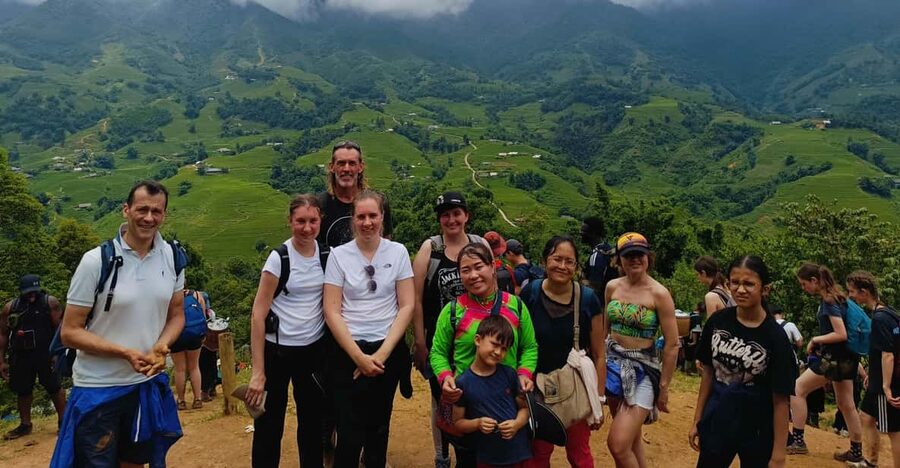
- Sa Seng mountain timing: A hard climb early on, followed by a big panoramic payoff over Sapa and Muong Hoa.
- Black Hmong villages you actually walk into: Hang Da and Hau Thao feel quieter than the busiest tourist loops.
- Muong Hoa valley views: Rice terraces spread out below you, with rivers and the widest Sapa valley perspective.
- Cultural lessons built into the walk: Farming work, marriage traditions, and house-building are explained as you see them.
- Family-run lunch included: You eat at a small restaurant run by a local family, not a tourist cafeteria.
- Small group pacing (max 10): Your guide can adjust tempo when the terrain gets tricky.
Why This 10-Hour Sapa Trek Works: Sa Seng to Hau Thao
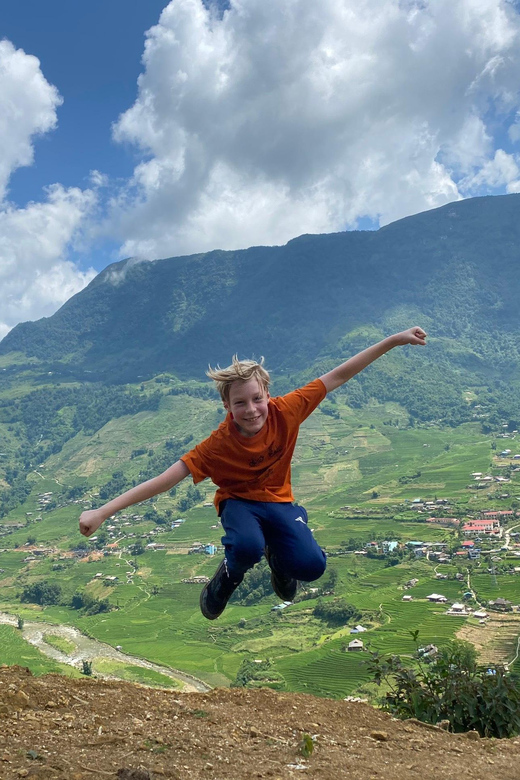
This tour is built around one smart idea: you start with altitude and views, then you spend the rest of the day moving through villages at human pace. The result is a day that feels like two experiences in one—big mountain panoramas in the morning, then daily-life details in the afternoon.
I like how the hike pays you back. You reach the top of Sa Seng and get a wide view of Fansipan (the highest peak in Indochina at 3,143m), plus the famous terraced fields in Muong Hoa valley. After that, you drop down through villages where the day is shaped by farming seasons, not schedules.
You can also read our reviews of more tours and experiences in Sa Pa.
Starting at Sapa TT Homestay: Pickup, Briefing, and First Steps
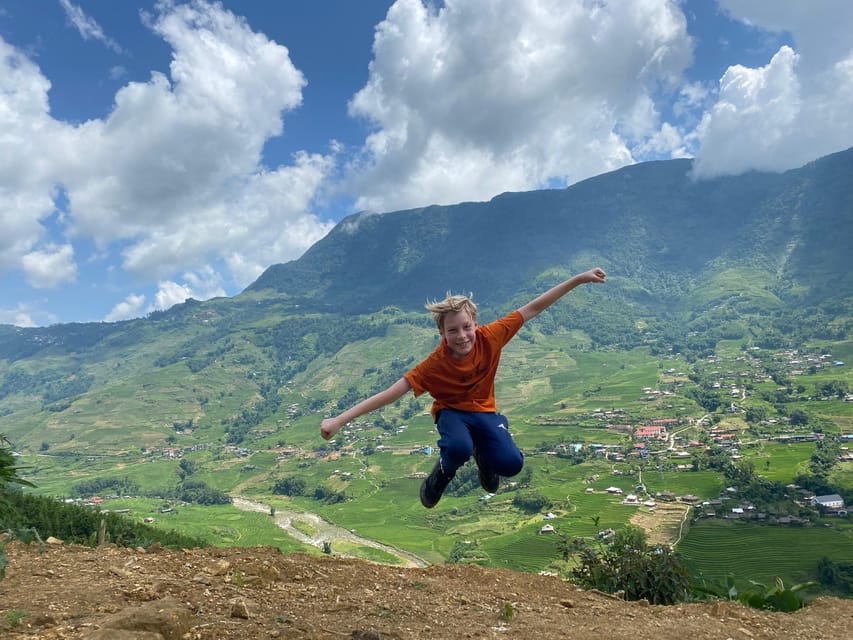
You’ll start around 9:00 with a van pickup from your accommodation, followed by a short introduction. If you’re using the meeting point at Sapa TT Homestay, plan to arrive about 30 minutes early. That buffer helps with check-in, storing luggage, and getting a quick pre-trek briefing.
After the intro, you walk about 1km uphill on a small trail to reach mountain views. It’s not long, but it sets the tone. You’re warming up for the harder trekking segment that comes next.
Sa Seng Summit: Fansipan Views and the Muong Hoa Valley Spread
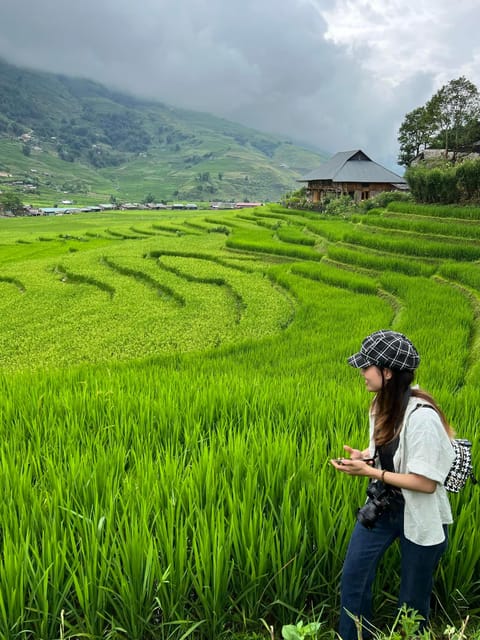
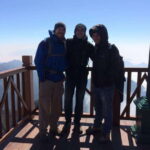
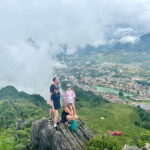
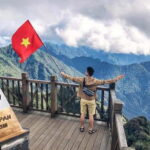
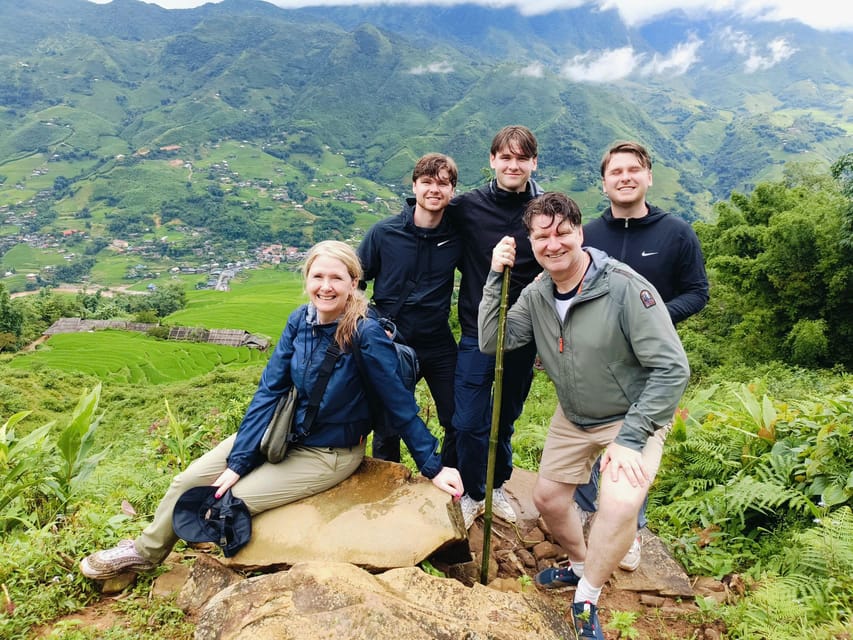
The main climb is described as about 1 hour of hard trekking. At the top of Sa Seng mountain, you’ll get that classic Sapa moment—looking down over Sapa town and scanning for Fansipan in the distance.
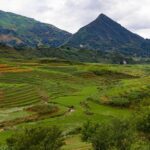
From this vantage point, you also see why Muong Hoa valley is famous. The view includes the major rice terraced fields and a sweeping look at the biggest river and valley in Sapa. If the weather is clear, this is where your photos actually make sense.
Then you start the downslope section. That’s when the day starts to feel like an actual trek, not a viewpoint stop. Expect uneven ground and step-downs that can feel slippery if it’s been raining.
Hang Da Village (Black Hmong): A Real Switch from Views to Village Life
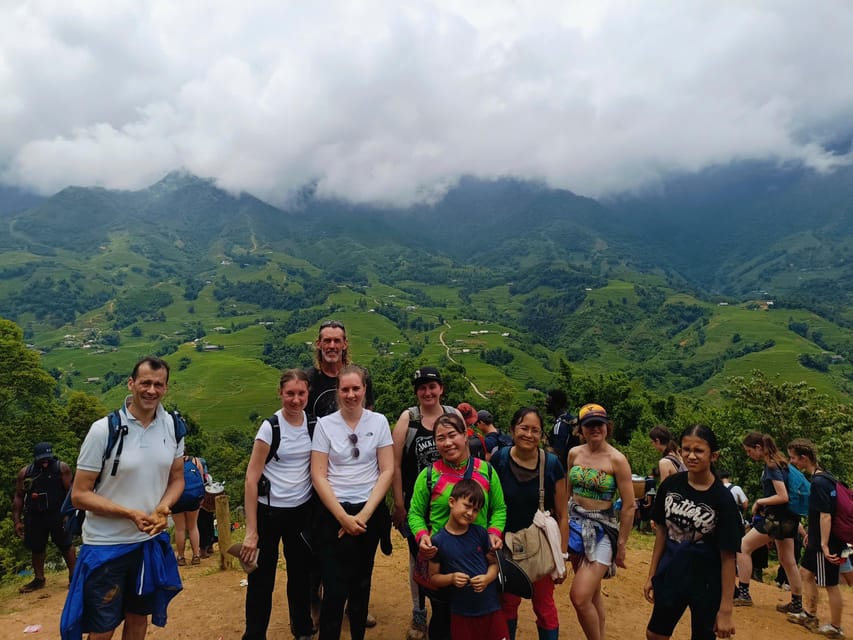
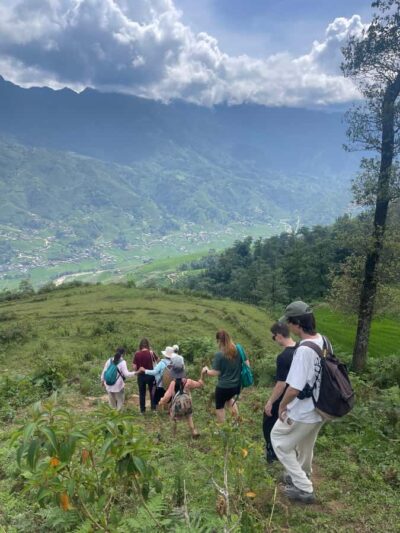
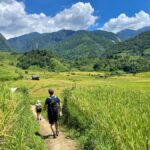
After enjoying the summit panorama, you head downhill toward Hang Da, a village of the Black Hmong minority. This is where the tour slows down in a good way. You’re not just looking at terraces anymore—you’re walking through the places where those terraces and daily routines connect.
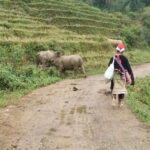
Along the way, there’s time to see animals, including buffalos, plus cows and pigs (these are described as important animals for local people). It’s a small stop, but it helps you understand that farming here is a full system, not a backdrop.
Lunch at a Family Restaurant: Simple, Local, and Included
Lunch is at a small restaurant run by a local family. It’s included, and that matters because you’re not rushed through a standardized menu designed for tour groups.
Practically, this also helps you stay grounded in the day. After a morning climb and descent, a real sit-down meal lets you reset your legs. It’s one of the reasons this tour works well even if your fitness isn’t perfect—you get a proper break at the right time.

Hau Thao Village: Daily Farming, Marriage Traditions, and House Building
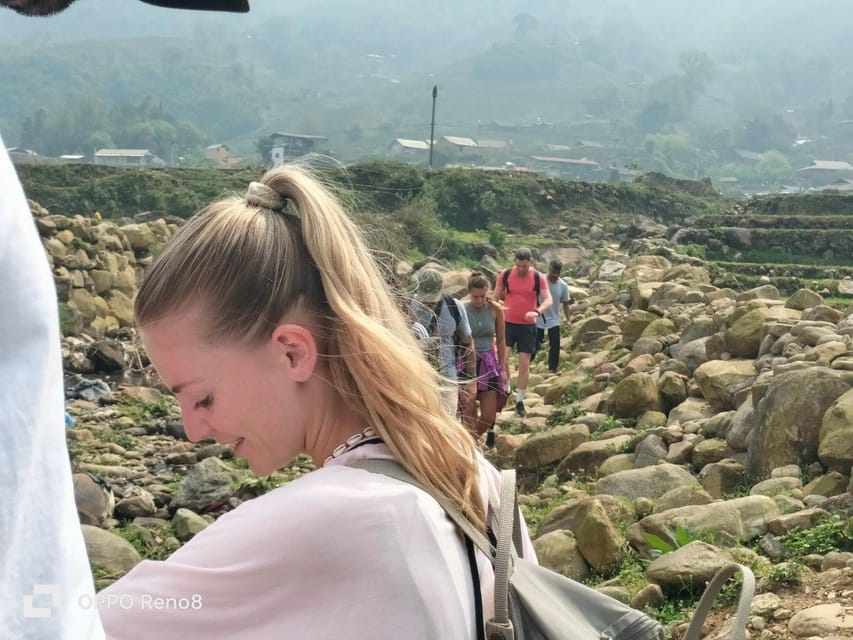
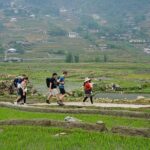
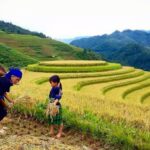
After lunch, you take a small road down toward Hau Thao village, another Black Hmong community. When you arrive, you’ll see local daily life and, if timing lines up with the season, you may watch people working in the fields—like planting or harvesting rice.
This section isn’t just sightseeing. Your guide explains Hmong marriage traditions, plus practical things like how rice-field work runs and how house-building techniques are done. It’s the kind of info that makes the scenery click: you understand what you’re seeing and why it exists.
The best part here is the pacing. You’re walking into the village, then learning as you watch. You don’t feel herded, and you can ask questions without the tour turning into a lecture.
Giang Ta Chai and the Return to Sapa: The Final Trek Moment
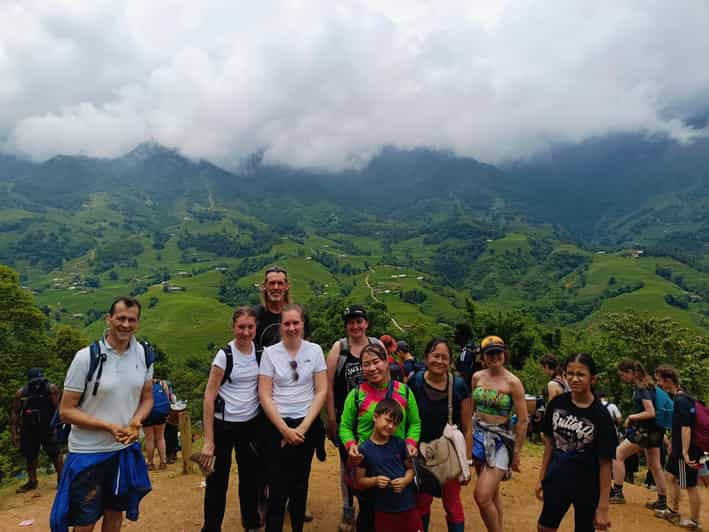
Around 15:30, you walk to Giang Ta Chai village. Transport waits for you on the main road, and then you’ll head back to Sa Pa to end the trip.
This last leg is short compared to the morning climb, but it still finishes the day like it started: step by step. If you’ve been enjoying the quieter village paths, this part feels like a graceful exit rather than a hard scramble.
Trek Difficulty: What You Should Plan for on Uneven Trails
This isn’t marketed as a gentle walk, and it shouldn’t be treated like one. Multiple descriptions point to steep parts, uneven terrain, and mud risk, especially if weather has turned wet.
Here’s what I’d plan for:
- Wear sturdy shoes with grip. Slides and slips are a real issue on downhills.
- If it’s raining, expect the ground to feel heavier underfoot.
- Pace matters. Even if the trek is labeled easy by some operators, the lived reality is that you’ll be climbing and descending all day.
Also note the practical limit: the tour isn’t suitable for wheelchair users or people with mobility impairments, and it’s not suitable for people over 95 years. If you’re unsure, choose based on your confidence on uneven trails, not on how many kilometers you can do on flat ground.
Small Groups, English/Vietnamese Guides, and Real Pace Control
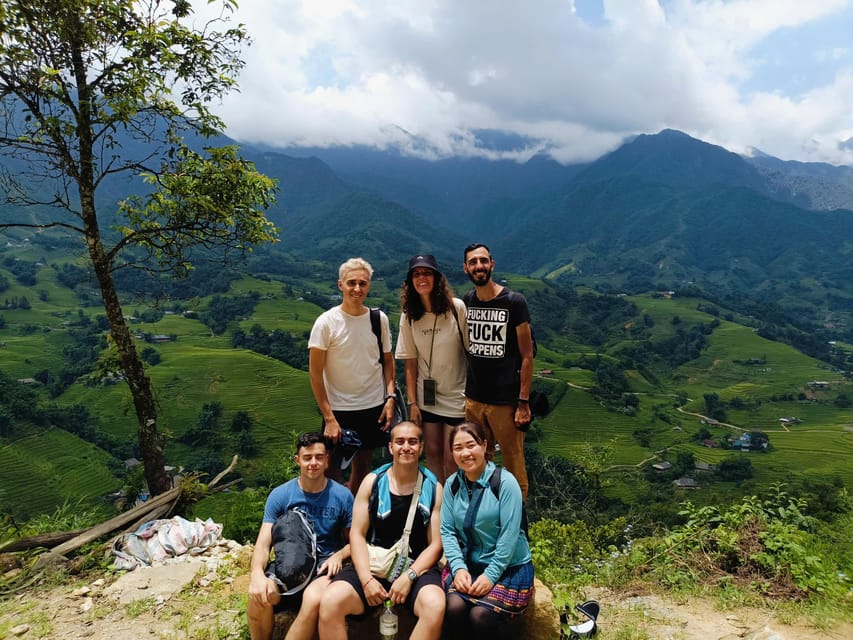
A major value point is the small group size, limited to 10 participants. In Sapa trekking, smaller groups usually mean one thing: less waiting and better pacing.
Your guide speaks English and Vietnamese, and you’ll benefit most if you ask questions while you’re walking. People on this route often highlight guides who share stories clearly—things like how farming life shapes routines, and how traditions show up in everyday choices.
There are guide names connected to this experience in the program’s history, including Moa, Mao, Sung, Soso, and Mao again (different guides can show up across dates). Regardless of the name, what you want is someone who can explain culture without turning it into a script.
Price and Value: Why $24 Can Be a Smart Deal
At $24 per person for a 10-hour day, this tour is strong on value because it includes more than just a guided walk. Your price covers:
- Traditional lunch
- English-speaking guide
- Village entry fees
- Transport back to Sapa after the trekking
- A trekking stick
- 1 small bottle of water per person
That means fewer add-on costs and fewer “surprise” meals. You’re also getting a full day’s structure: pickup, summit timing, village stops, lunch, and return transport.
The one thing you should still plan for is cash. The tour notes that cash should be brought, so keep some small bills or whatever local setup you’re comfortable with.
Who This Tour Is Best For (and Who Should Skip It)
This is a great fit if you want:
- Big views in the morning (Sa Seng summit with Fansipan and Muong Hoa valley in sight)
- A day that mixes trekking + village life
- Real cultural context, not just quick photo stops
It may not be your best pick if:
- You hate uneven footing or worry about slippery descents
- You need barrier-free access
- You’re looking for a casual, low-effort walk
If you’re traveling as a couple or solo and you like the idea of a small group instead of a crowd, you’ll probably enjoy the flow here.
Should You Book This Sapa 1-Day Mountain Trek?
I’d book it if your ideal Sapa day includes both viewpoints and village education. The itinerary makes sense: summit first, villages next, lunch at a local spot, then a final connection to Giang Ta Chai before heading back.
Skip it (or choose a gentler option) if you know you’ll struggle with steep, muddy, uneven trails. The scenery payoff is real, but the route asks you to move.
One last practical note: bring proper shoes and keep expectations realistic. When the trail is tough, your view from Sa Seng and the calm village scenes later are what make the work worth it.
FAQ
How long is the Sapa 1 Day Mountain Trek, Visit beautiful villages?
The trek runs for about 10 hours.
What time does the tour start?
The pickup and tour start is scheduled for 9:00.
What is included in the price?
Inclusions include a traditional lunch, an English-speaking guide, village entry fees, 1 small bottle of water per person, transport back to Sapa, and a trekking stick.
Do I need to pay extra for village entry or lunch?
Village entry fees and traditional lunch are included, so you generally won’t need extra money for those parts of the day.
What should I bring?
Bring cash. Sturdy shoes are a smart idea because the trek includes steep and uneven sections.
Is this tour suitable for people with mobility issues?
No. It is not suitable for people with mobility impairments, wheelchair users, and people over 95 years.