REVIEW · SA PA
Sapa: Trekking Sapa One Day With Group Tour
Book on GetYourGuide →Operated by Sapa Trekking Hiking Tours · Bookable on GetYourGuide
Sapa countryside comes at you fast. This one-day trek strings together bamboo forest trails and Muong Hoa Valley rice terraces with village stops that feel human, not staged. I especially loved the chance to learn about Black Hmong life firsthand, and the way the walk stays scenic without turning into a slog.
My only caution: the beginning can be muddy and a bit steep, especially after rain, so wear shoes with real grip and expect a slower pace at first.
In This Review
- Quick highlights before you go
- Starting at Sapa Cathedral: the calm setup before the trail
- Bamboo forests and Muong Hoa rice terraces: where the views start working
- Y Linh Ho village: Black Hmong homes, textiles, and daily rhythm
- Lao Chai: biggest Hmong village energy plus the lunch break
- Ta Van: Giay stilt houses and how cultures sit side by side
- Return to Sapa: the car ride you’ll actually want
- Price and value: why $26 works when so much is included
- Choosing the right walking pace (and not letting mud fool you)
- Meeting guides like May, Du, Chi, Zu, and more
- What to bring: the small list that saves the day
- Who this tour suits best (and who should skip it)
- Is it really a cultural tour, or just a hike?
- Should you book this Sapa one-day group trek?
- FAQ
- How long is the tour?
- Where do I meet the guide?
- Is lunch included?
- What should I bring?
- What is provided for bad weather?
- Is tipping included in the price?
- What clothing is not allowed?
- Can I cancel for a refund?
Quick highlights before you go
- Sapa Cathedral meetup: easy to find, and you start with a short orientation before the trail.
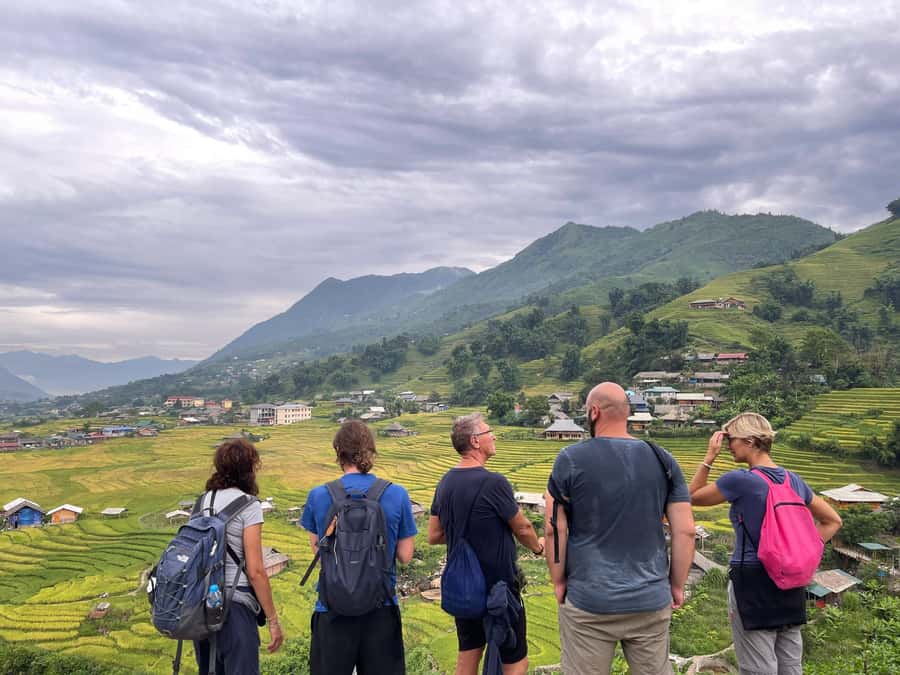
- Bamboo + rice paddies: you get both the forest feel and the big “Sapa view” moments.
- Three village stops: Y Linh Ho, Lao Chai, and Ta Van each gives a different slice of local culture.
- Local lunch included: you eat in the villages with regional dishes, and there’s a vegetarian option reported.
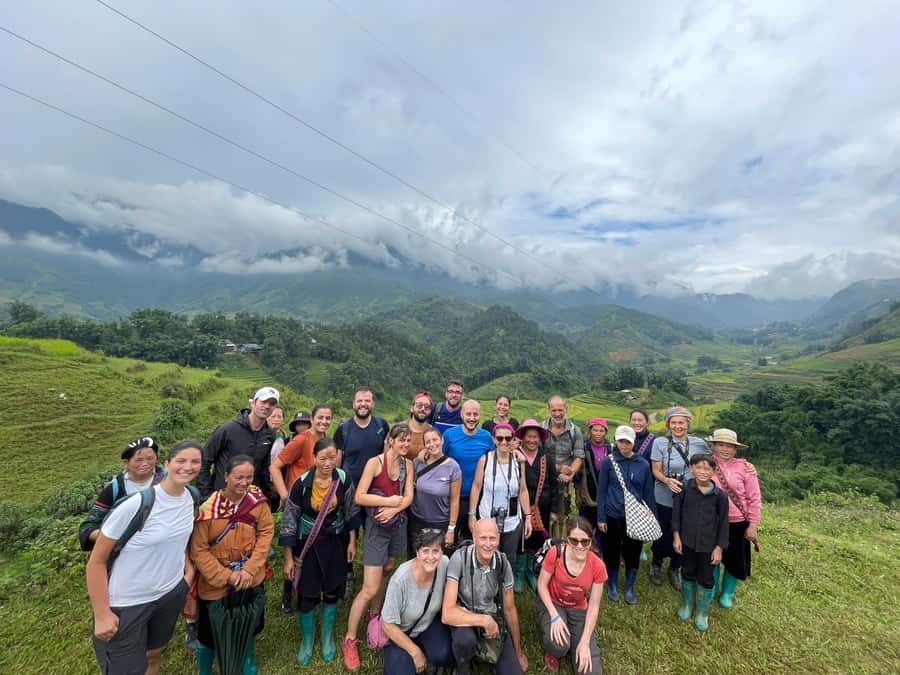
- Your guide matters: many guides are local people who explain daily life with personal context.
- Weather-ready: you’re provided a raincoat, and fog or light rain still can produce great walking-and-view time.
Starting at Sapa Cathedral: the calm setup before the trail
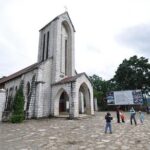
The day starts at Nhà Thờ Đá Sapa (Sapa Cathedral / Notre Dame Cathedral) at 9:30 AM. It’s a smart meeting point because it’s a landmark you can orient to fast, and you’ll know you’re in the right part of town when you’re standing outside.
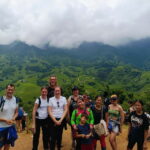
Before you hike, there’s a brief safety briefing (about 15 minutes). It’s not the kind of talk that replaces good footwear or good judgment, but it does help you understand how the guide wants you to move on uneven ground. You also get a bit of buffer for photo stops and early views as you set into the countryside.
If you’re even slightly nervous about hiking with a group, this early rhythm helps. You’re not just thrown onto a trail. You ease in, you get directions, and you settle into the idea that the day is paced for walking, learning, and stopping.
You can also read our reviews of more tours and experiences in Sa Pa.

Bamboo forests and Muong Hoa rice terraces: where the views start working
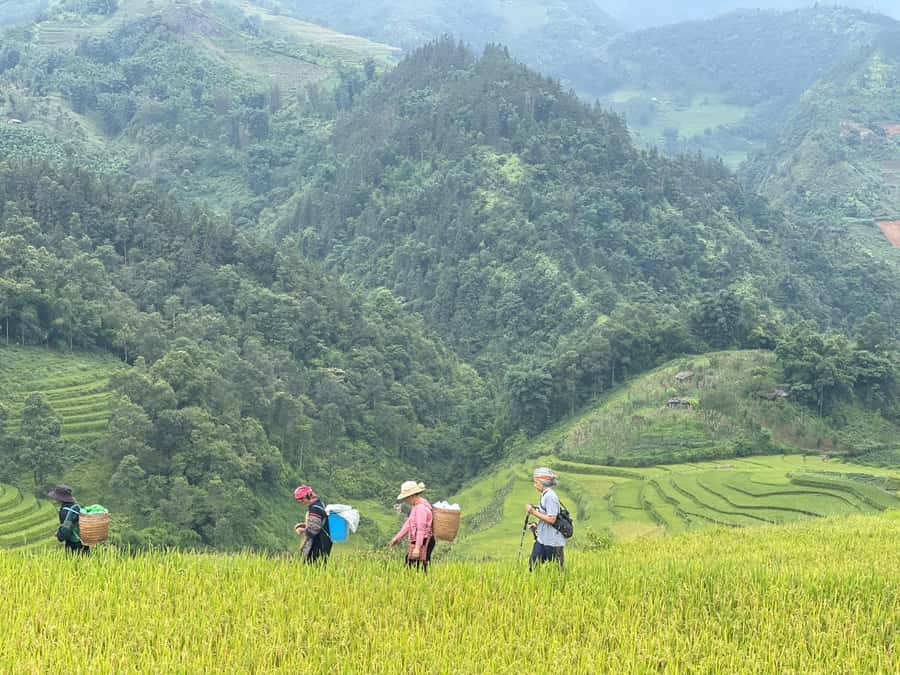
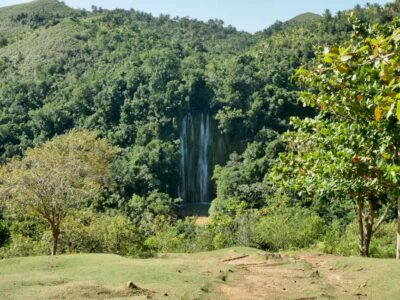
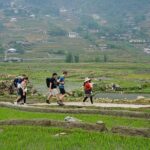
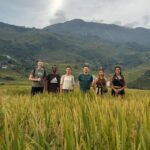
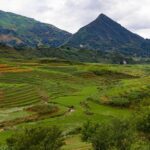
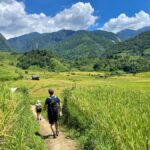
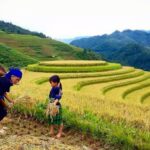
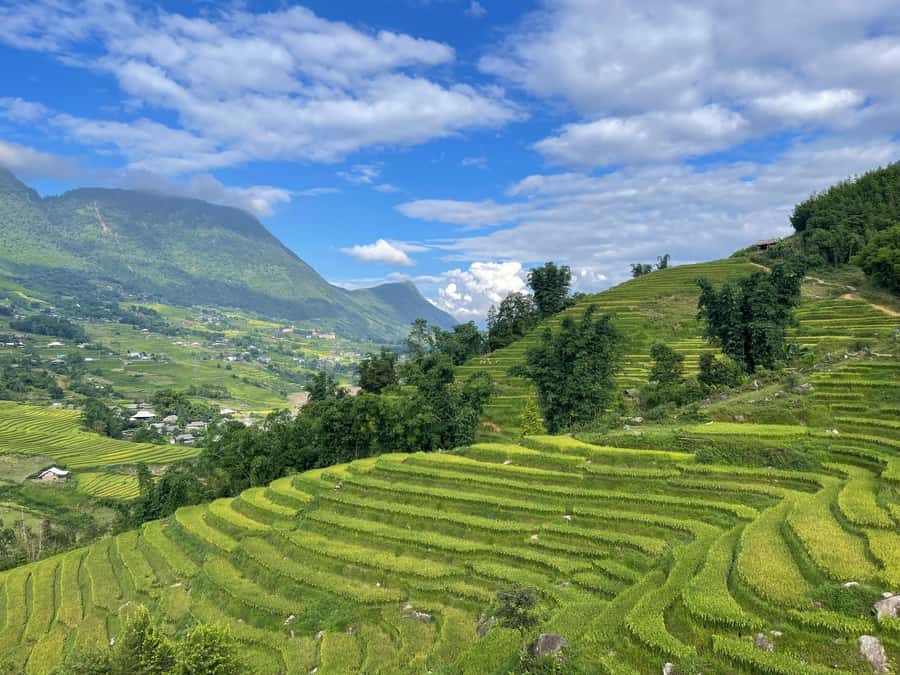
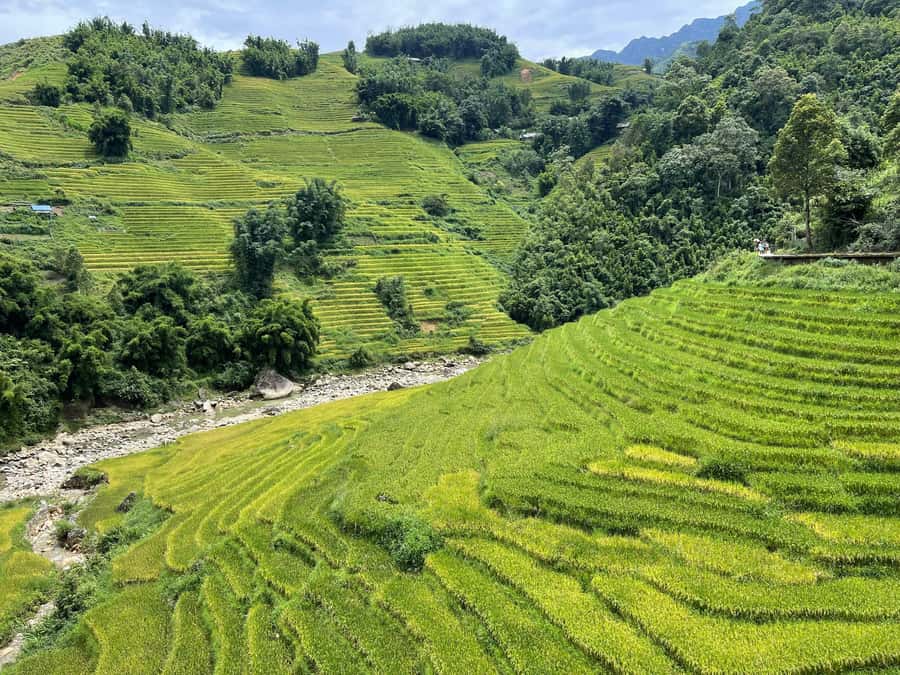
Once the trek begins, you’ll walk through bamboo forests, then shift into classic Sapa scenery along the Muong Hoa Valley—rice paddies stretching across mountain slopes.
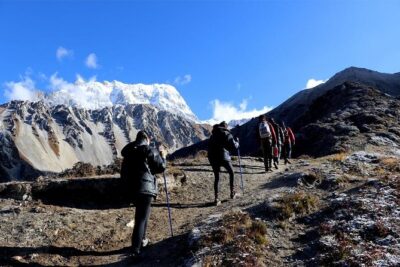
This first section is the one most people feel in their legs. Even when the hike is described as several hours of walking, the terrain matters more than the clock. From what I’ve seen in how guides describe the route and how people talk about it later, the start can be muddy or slippery after rain, and it can feel steep for the first stretch. That’s also where guides tend to be most hands-on with group pacing and safe footing.
Why it’s worth it: bamboo forests give you that cool, shaded “highlands” feeling right away. Then rice terraces arrive like a reward—open views, changing angles, and lots of places to stop and look back over the valley.
Practical tip: if the weather is foggy, don’t assume the day is wasted. Several people report still seeing rice paddies and sections of bamboo forest even when visibility wasn’t perfect. In that situation, slow down, watch the path, and let the partial views be the point.
Y Linh Ho village: Black Hmong homes, textiles, and daily rhythm
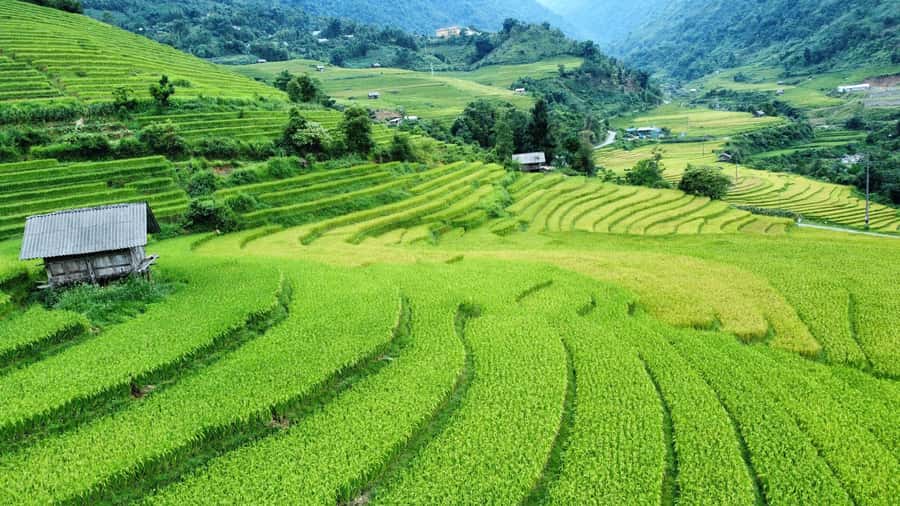
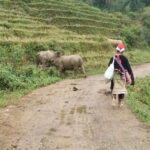
Around late morning, you reach Y Linh Ho Village, a quiet Black Hmong community tucked into the valley.
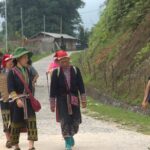
This is where the tour stops being only about scenery and starts being about people. You’ll get time to learn about traditional lifestyles and customs, and you’ll see handwoven textiles and everyday village life set against mountain views.
A useful way to think about this stop: Y Linh Ho isn’t just a photo opportunity. It’s a chance to understand how a community lives with the land. Rice terraces aren’t just decoration here. They’re tied to how people farm, dress, and organize daily work.
Also, you may notice that the experience can have a real village feel, not a sealed-off tourist zone. That matters for respect and patience. Ask questions if you want, but keep the tone gentle and listen more than you talk.
Lao Chai: biggest Hmong village energy plus the lunch break
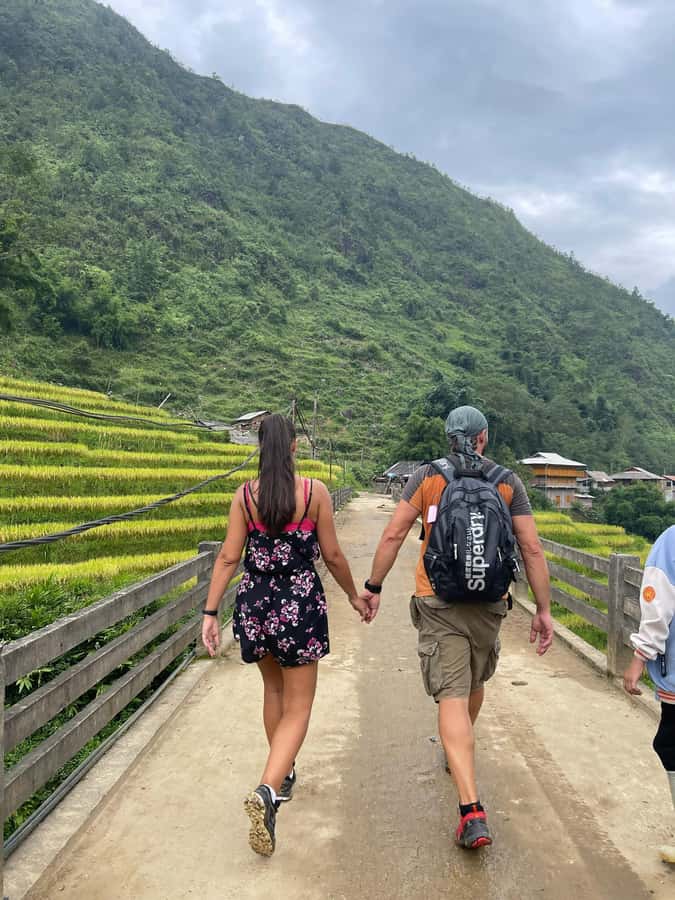
Next comes Lao Chai, described as the largest Hmong village in Sapa. If Y Linh Ho feels calmer, Lao Chai can feel busier in the sense that you’re likely to see more homes, more activity, and more opportunities to watch how village life flows.
This stop is also built around a meal: you’ll eat lunch at a cozy village restaurant around midday, with regional dishes prepared for the group. Lunch is included in the price, and reports also mention a vegetarian option, which is a real plus if you’re trying to keep your food simple for the day.
Why lunch in the village changes the experience: you’re no longer just passing through. The meal gives you a break from the slopes, and you get to reset while you’re still in the countryside. It also keeps the hike from becoming one long “hurry to the next stop” pattern.
Photo note: after lunch, people often feel more willing to slow down and take in terraces and village angles. Use that momentum.
Ta Van: Giay stilt houses and how cultures sit side by side
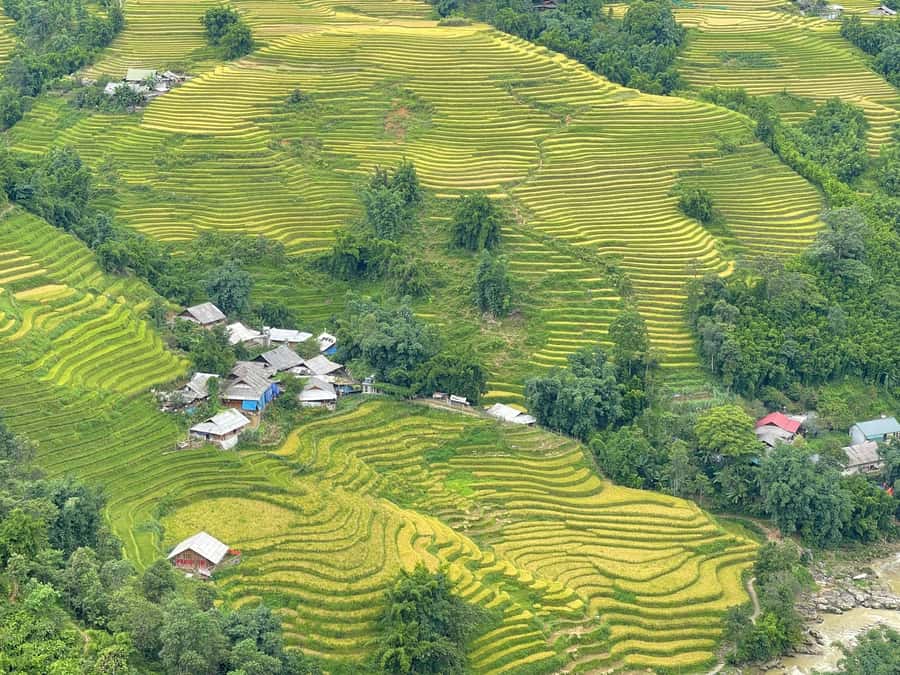
In the early afternoon you’ll trek onward to Ta Van, home to the Giay people.
If you’ve been thinking about this whole day as “Hmong villages,” Ta Van is an important correction—in a good way. You’ll see traditional stilt houses and learn how different ethnic groups live near each other in the Sapa region.
This stop is also where the day often feels most peaceful. The walk continues through open stretches and village edges, and the smaller moments start to matter: a home, a path, a viewpoint, a conversation with the guide.
One gentle reality check: Ta Van isn’t automatically less busy or more scenic than the earlier stops. It’s different. What you’ll likely value most here is the cultural comparison—how the same valley can hold different ways of building, dressing, and working.


Return to Sapa: the car ride you’ll actually want
After you finish the Ta Van section (around the mid-to-late afternoon), you’ll wrap up and ride back toward Sapa Cathedral, with a final drop-off at the same meeting point.
The logistics are simple: you get transportation back from the last village to Sapa, and there’s also a short coach/bus segment described in the schedule. This matters because it closes the day cleanly. You’re not figuring out bus routes while your legs are still remembering the mud and steps.
When people talk about what made the day great, they often mention the guide more than the transport. Still, the smooth return is part of the value. It lets you spend the energy you have left on resting, not navigating.
Price and value: why $26 works when so much is included
At $26 per person, this tour is priced like a “serious deal” if you look at what you’re actually getting.
You’re paying for:
- An English-speaking local guide
- Village entrance fees
- Lunch in the village
- Water (one big bottle per person)
- A raincoat if the weather turns
- Transportation back to Sapa from the last village
That combination is the real value. Many budget tours in Southeast Asia skip the entrance fees, add the lunch later, or don’t bundle the helpful gear. Here, lunch and water are included, which keeps you from having to make extra stops mid-trek.
Could you do a hike for cheaper on your own? Probably, if you’re comfortable hiring a guide separately or navigating the villages yourself. But for most people, the cost difference buys safety, clarity, and a smoother day.
Choosing the right walking pace (and not letting mud fool you)
This trek is not described as wheelchair-friendly or for people with heart problems, and that lines up with what you should expect on the ground. Several guides in these routes adjust pacing when footing is slick.
Here’s the practical approach I recommend:
- Start slow for the first part of the day
- Keep your center of gravity stable on uneven stones
- Expect that some stretches may be steeper or muddier after rain
One reported detail that’s worth knowing: at least one guide offered options for a more difficult walk versus an easier one, with different payoff in views. That kind of choice is helpful if you’re a confident hiker but not trying to punish yourself, or if you want a shorter path without dropping the whole day’s highlights.
If you’re prone to sore knees or you know hills wreck you, ask your guide about pace options early.
Meeting guides like May, Du, Chi, Zu, and more
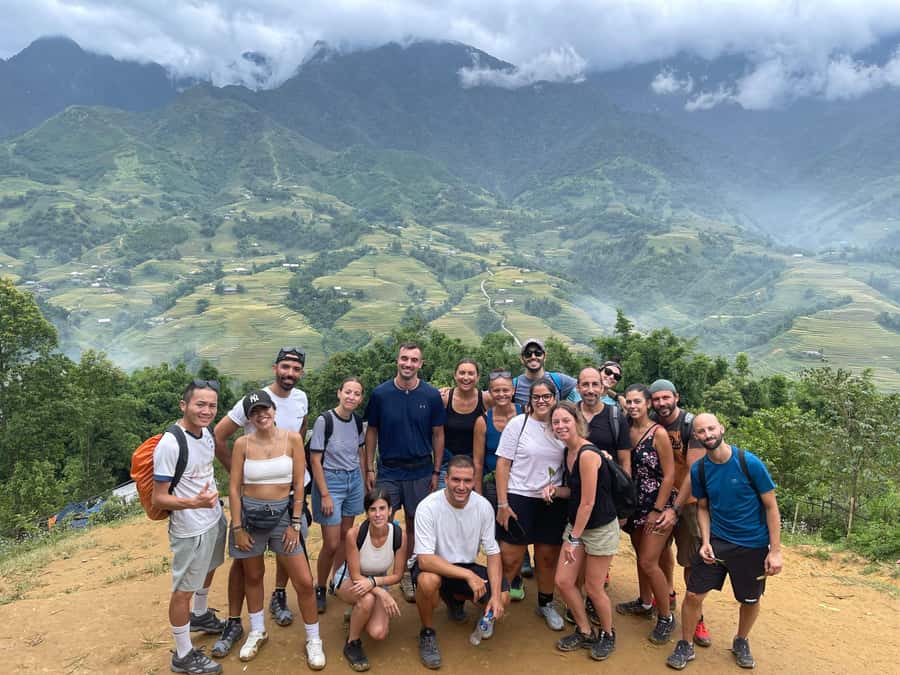
One reason people rate this tour so highly is the guide quality, especially when the guide is from or connected to the villages you visit. Names that show up in guide experiences include May Sieu, May Pham, Du, Chi, Zu, Pang Chau, and Mrs Ghenh.
What you’ll likely feel when you have a strong local guide:
- Stories that sound personal, not memorized
- Care with pacing and safety
- Honest answers when you ask about daily life, textiles, and family traditions
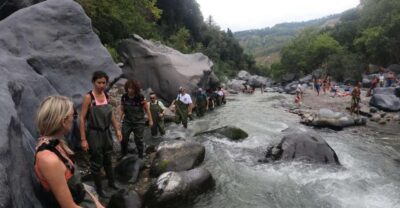
The best guides also handle the messy reality of hiking. For example, in muddy sections, you may see a guide coordinate with local women who help people down slippery rocks. That kind of support is a big deal if you’re traveling with someone who’s less stable on uneven footing.
Also be aware of one more practical village dynamic: sometimes local women not officially part of the tour may follow at a distance and offer items for sale (textiles and handmade goods). That’s not something you have to engage with. If you want something, buy fairly. If you don’t, a calm no and some space is enough.
What to bring: the small list that saves the day
The tour gives you a raincoat if weather turns, but you’ll still want your own basics.
Bring:
- Hat
- Sunscreen
- Comfortable clothes
- Cash
Comfortable clothes matter more than you think because you’ll move from forest shade to open terraces. You’ll be walking for hours, and layers help you handle temperature swings.
Footwear is the other big one, even if it’s not listed explicitly. Everyone mentions slippery or muddy patches in real conditions. Bring shoes with grip and a sole that won’t betray you on wet stone.
Who this tour suits best (and who should skip it)
This one-day trek is a good fit if you:
- Want a guided cultural experience without spending the whole day on transport
- Enjoy walking through bamboo and rice terraces
- Like village visits where you can ask questions and see daily life
It’s not suitable for:
- People with heart problems
- Wheelchair users
- People over 70 years
If you’re unsure because of health or mobility, I’d treat this as a “respectfully ask first” situation, not a “sure, I’ll manage” assumption. The route involves walking over uneven, sometimes slippery ground.
Is it really a cultural tour, or just a hike?
It’s both, and that’s the point.
The hike gives you the setting: bamboo forests, rice terraces, valley views. The village stops give you the meaning: Black Hmong homes and customs at Y Linh Ho and Lao Chai, then Giay stilt houses and cultural contrast at Ta Van.
If you’re looking for a day that teaches you how a place lives while you’re physically in it, this works. If you only want a scenic viewpoint and hate stepping into communities, you might find the cultural time less enjoyable. For most people, though, the balance feels right: you get scenery and context in the same afternoon.
Should you book this Sapa one-day group trek?
I’d book it if you want one well-structured day that covers the big Sapa nature hits and the major village experiences without you planning every turn.
Book this tour if:
- You value an English-speaking local guide
- You want lunch included in the mountains
- You’re okay with a trek that can be muddy and steep at the start
Think twice if:
- You’re very sensitive to uneven terrain
- You’re expecting an easy, flat walk
- You need wheelchair access or you’re managing a medical condition that hiking could worsen
If you’re flexible, wear grippy shoes, and show up ready to walk and learn, this tour is a strong value at $26.
FAQ
How long is the tour?
It runs about 5 hours. Pickup is at 9:30 AM and the drop-off back at Sapa Cathedral is around 3:30 PM.
Where do I meet the guide?
Meet your guide in front of Sapa Cathedral (Notre Dame Cathedral / Nhà Thờ Đá Sapa).
Is lunch included?
Yes. Lunch is included at a village restaurant. A vegetarian option has been mentioned in people’s experiences.
What should I bring?
Bring a hat, sunscreen, comfortable clothes, and cash.
What is provided for bad weather?
You get a raincoat if the weather is bad, plus water (one big bottle per person).
Is tipping included in the price?
No. Tips for the guide and driver are not included.
What clothing is not allowed?
Short skirts are not allowed.
Can I cancel for a refund?
Yes. You can cancel up to 24 hours in advance for a full refund. No refund is given for cancellations made within 24 hours of departure.