REVIEW · POKHARA
Pokhara: 4-Day Mardi Himal Trek
Book on GetYourGuide →Operated by MTA Trekking Pvt. Ltd. · Bookable on GetYourGuide
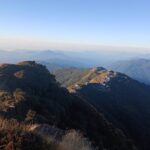
Mardi Himal is a mountain-view trek with a calm, local feel. You’ll start in Pokhara’s hills, gain altitude through forest trails and villages, and aim for the sunrise viewpoint around 4,200–4,300m with Mt. Fishtail (Machhapuchhre) in your face. It’s the kind of Annapurna trip that feels more personal than the big-name routes.
What I like most is how the trek is designed for a range of walkers: it’s labeled moderate, with steady stages like Pokhara to Forest Camp (about 5 hours) and Forest Camp to High Camp (about 5 hours). I also love the way the day-three sunrise plan gives you a payoff that’s hard to beat—Machhapuchhre plus the Annapurna range—while still giving you a comfort-focused descent afterward.
One consideration: you’re dealing with altitude and weather. If conditions are bad, the optional push to Mardi Himal Base Camp (about 4,500m) might be skipped, especially in winter snow or monsoon conditions.
In This Review
- Key takeaways before you go
- Why Mardi Himal Feels Different Than the Annapurna Crowds
- Price and Logistics: What Your $139 Really Covers
- Day 1: Pokhara to Kande to Forest Camp (2600m) Without Rushing It
- Day 2: Forest Camp to High Camp (around 3550m) for Rhododendron-Style Climbing
- Day 3: 4:00 am Sunrise to Mardi Himal Viewpoint (4200–4300m) and the Optional Base Camp
- Day 4: Low Camp to Kalimati (and past Lumle) Then Back to Pokhara by Jeep
- Guides, Guides, Guides: The Human Part That Makes It Feel Safe
- What to Expect on the Trail: Steps, Weather, and Real-Time Conditions
- Places to Stay: Tea House Comfort (With High-Camp Reality)
- Packing List That Matches This Trek (Not Just a Generic One)
- Who Should Book This Mardi Himal Trek
- Should You Book MTA’s 4-Day Mardi Himal Trek?
- FAQ
- Is the Mardi Himal trek suitable for beginners?
- What altitudes does this trek reach?
- How long is the daily hiking on this 4-day trek?
- Are meals included in the price?
- Do I need trekking permits and TIMS?
- Is there a guide, and what languages do they speak?
- Can I hire a porter, and what does it cost?
Key takeaways before you go
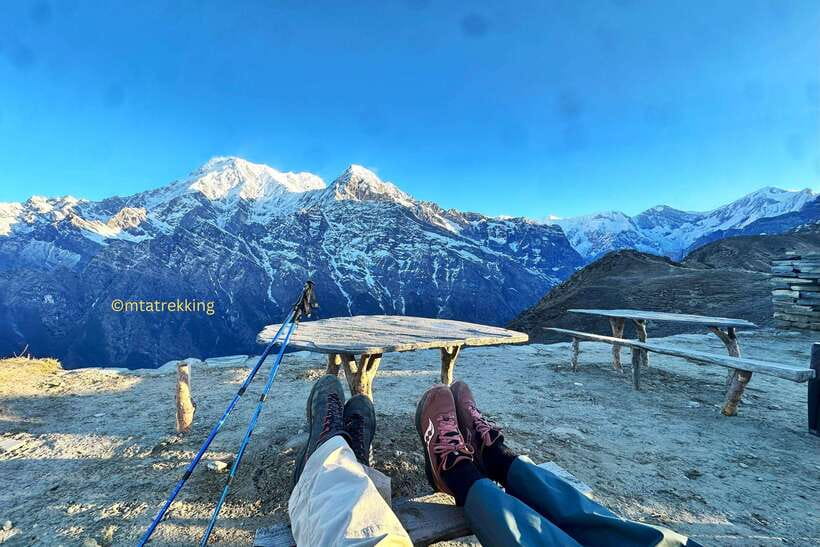
- Sunrise at 4,200–4,300m is the big visual reward, built into the schedule with an early start.
- Forest-to-meadows variety: dense jungle-like sections, terraced fields, and green slopes—not just a single type of trail.
- Tea house rhythm and cozy stays: nights at Forest Camp/High Camp/Low Camp typically mean warm meals and simple, welcoming lodging.
- Guides that manage pace and safety: multiple named guides (like Ramit, Lalit, Prabit, Kaji, and Jeevan) are described as attentive and careful with altitude.
- You might go farther than planned: adding Mardi Himal Base Camp is common when weather allows.
- Stairs add up: even when the trek isn’t technical, expect long climbs of step after step.
Why Mardi Himal Feels Different Than the Annapurna Crowds
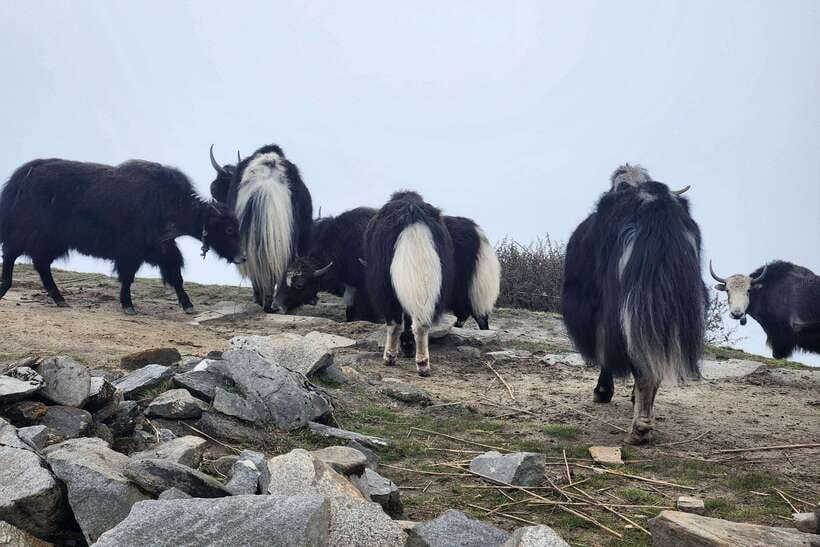
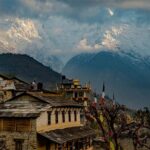
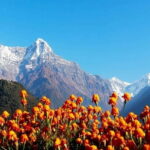
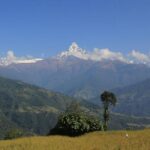
This trek sits in the Annapurna region but doesn’t feel like you’re marching through a theme park. The route climbs through lush forests, terraced slopes, and traditional villages, so the experience is paced by scenery changes, not just altitude milestones. And once the higher ridgelines appear, Mt. Fishtail’s distinctive shape becomes your recurring reference point.
The best part for most people is that the views arrive in stages. Day one is about settling into the rhythm—fields, river views from the route, and a gradual forest ascent. Day three is where it turns dramatic: an early hike to the sunrise viewpoint so you’re not just sightseeing in daylight haze.
You can also read our reviews of more tours and experiences in Pokhara.
Price and Logistics: What Your $139 Really Covers
At $139 per person for a 4-day trek, the value is mostly in the “you don’t have to organize anything” factor. You’re getting hotel pickup and drop-off in Pokhara, a licensed English-speaking guide, permits and paperwork (including TIMS), and transport during the trek.
Here’s what you should budget to avoid surprises:
- Meals: they’re included only with the Full Package. With the Standard Package, meals aren’t included (tea house lodging/accommodation is).
- Porter: a porter is available at $20 per day (not included). If you carry a comfortable pack yourself, you may not need one.
- Drinks and personal expenses: soft/hard drinks, toiletries, laundry, phone calls, boiled water, and similar items aren’t included.
I’d treat the base price as “core trekking service.” If you want fewer decisions on food, or you’re carrying your own gear, choose the package and support that match how you travel.
Day 1: Pokhara to Kande to Forest Camp (2600m) Without Rushing It
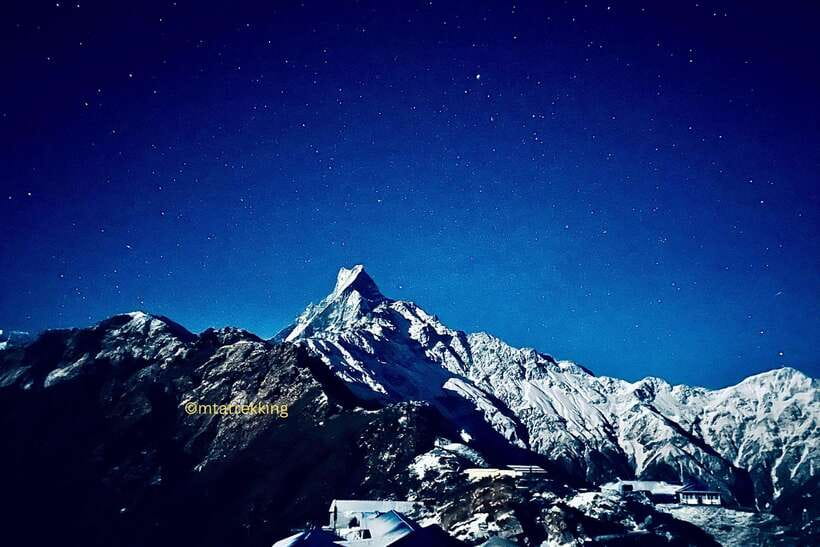
Your day starts with an 8:00 am departure from Pokhara, then a drive to Kande (about 1.5 hours). The route is scenic: you’ll pass lush fields, dense forest, and the Seti River area, with mountains showing up along the way.
What makes day one work well is the built-in mental warm-up. There’s a midday stop at a tea house, then you hike roughly 5 hours from Kande to Forest Camp. Forest trails dominate, so your effort feels spread out. This is also a good day to pay attention to small stuff: birds and butterflies are common, and the broader region includes the chance to spot rarer wildlife like Himalayan thar.
Sleep target: Forest Camp at about 2,600m. In the evening, the tea house atmosphere is usually the “exhale” moment—simple, warm, and very much part of the trek’s character.
Day 2: Forest Camp to High Camp (around 3550m) for Rhododendron-Style Climbing
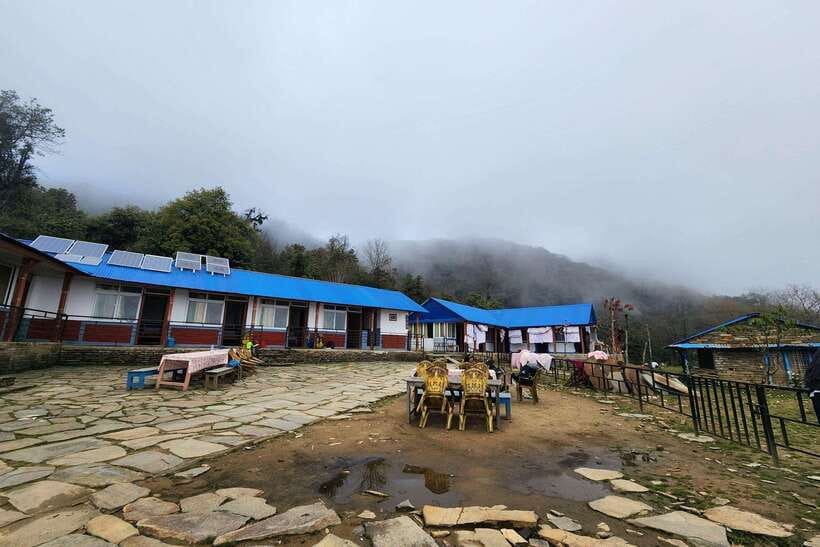
Day two keeps things steady: breakfast, then about a 5-hour hike up to High Camp at roughly 3,550m (some descriptions also frame this stage as approaching 4,000m). This is the day where the trail becomes more of a “workout,” even if it’s still not technical.
You’ll move through dense jungle sections with a sense of humidity and shade that feels different from the higher meadows. A practical tip from how guides run the day: pace matters. Several guides highlighted in real use emphasize checking how you feel and adjusting progress so you don’t climb too fast.
Overnight at High Camp. Expect cozy tea house stays, but remember that at higher elevations, comfort isn’t the same as city lodging. Network and hot water can be limited depending on where you land.
Day 3: 4:00 am Sunrise to Mardi Himal Viewpoint (4200–4300m) and the Optional Base Camp
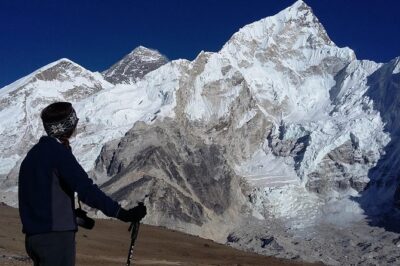
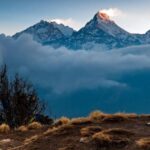
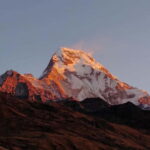
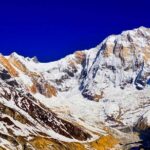
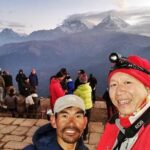
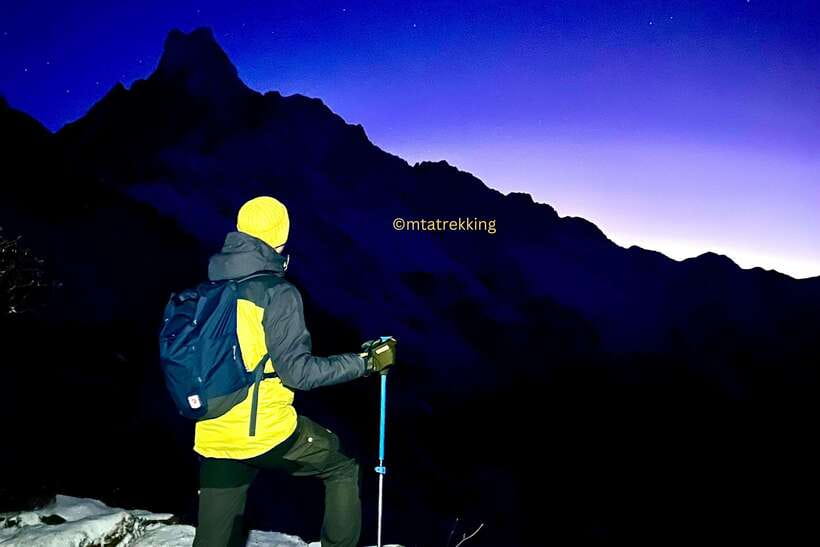
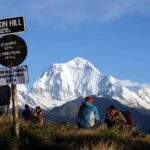
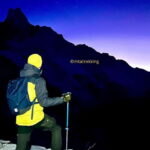
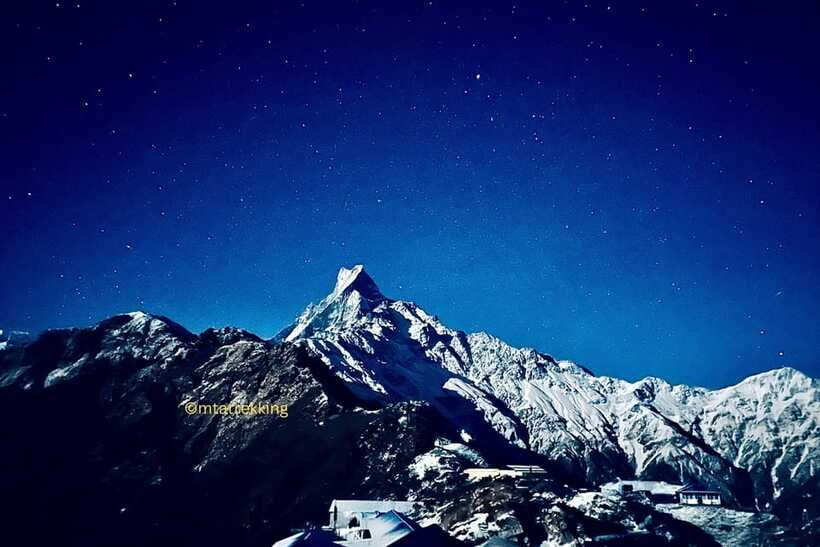
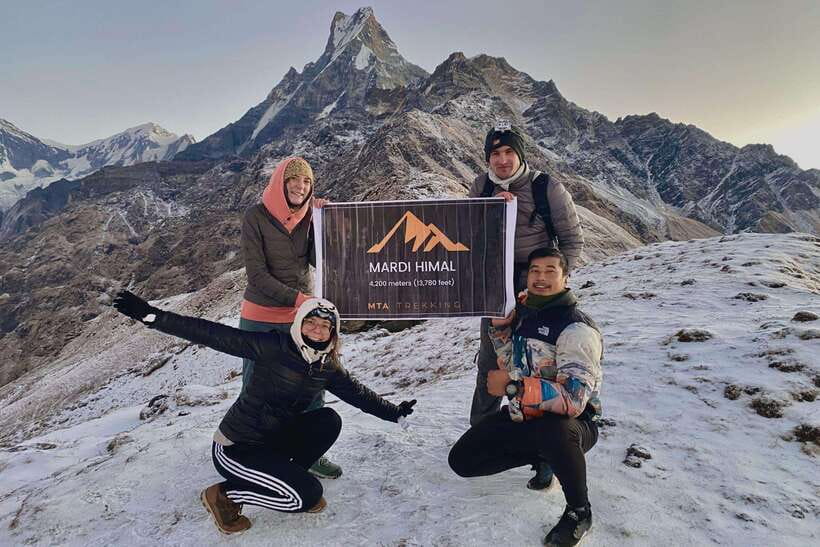
This is the “worth it” morning. You wake around 4:00 am and hike about 1.5–2 hours to the sunrise viewpoint (around 4,200m, often described closer to 4,300m for the viewpoint hike). When the light hits, you’re looking at Mt. Fishtail (Machhapuchhre) and the wider Annapurna range, with Mardi Himal in the mix.
Two things make this day special for your planning:
- Sunrise forces you to travel with the mountain’s schedule, not yours.
- After you’ve had your view, the day shifts from performance to recovery.
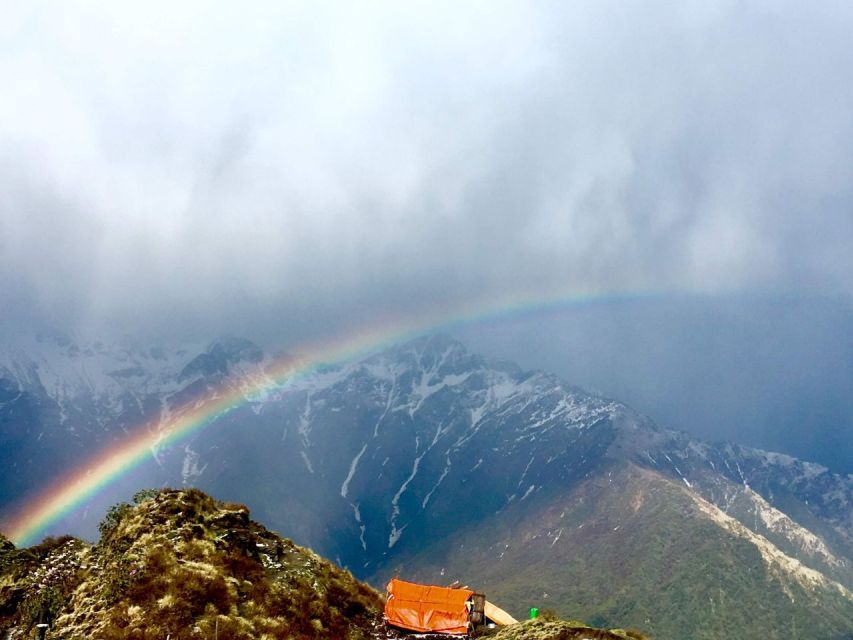
After sunrise and breakfast, you descend back toward Forest Camp. Optional upgrade: if the weather is cooperative, you can continue onward to Mardi Himal Base Camp (about 4,500m). In winter months (January and February), snow can make that extension more difficult and you’ll want extra caution; crampons may be advised depending on conditions. The trip may also be adjusted based on safety and trail conditions, so don’t treat the base camp add-on as guaranteed.
Also, keep expectations realistic: a cloudy day can soften the summit drama. The trek still delivers the Annapurna presence, but sunrise clouds can change what you see.
Day 4: Low Camp to Kalimati (and past Lumle) Then Back to Pokhara by Jeep
Your final morning starts with breakfast at Low Camp (around 1,650m in the route descriptions). Then you begin the descent toward Kalimati (about 1,800m), with forest pathways, gentle waterfalls, and small bridges breaking up the walk.
This is the day where your knees get to practice. The good news is that you’re dropping altitude, so you usually feel more human than on summit day. Mt. Fishtail stays visible for much of the descent, like a mountain guardian that doesn’t quit.
Once you reach Kalimati, you board a jeep directly back to Pokhara. The ride is typically 1.5 to 2 hours—close enough to feel like a proper finish, not so long that it turns into a second day of travel.
Guides, Guides, Guides: The Human Part That Makes It Feel Safe
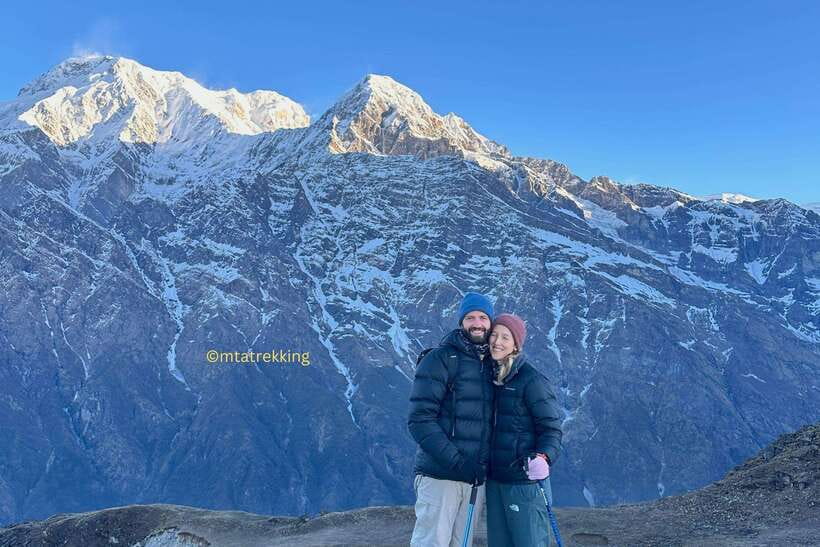
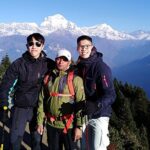
A trek like this lives or dies on pacing and care. Across the experience, the standout theme is that guides act like full-time partners, not just route followers. Named guides including Ramit, Lalit, Prabit, Kaji, Jeevan, Gobinda, Shishir, Santosh, and Binod show up with consistent patterns: regular checks on your comfort, thoughtful lunch and tea house planning, and a steady approach if altitude starts to feel off.
I also like the “small helpful” stuff that shows up in how guides work:
- They often take photos along the trail, so you get usable memories without stopping too long.
- Guides may steer you away from heavy, non-fresh food at higher elevations, in favor of simpler meals (rice, veggies, and what’s cooked safely).
- They’ll often share local tips, like avoiding meat higher on the mountain when possible.
If you’re someone who gets anxious when the air changes, this kind of attention matters. You’re not left guessing.
What to Expect on the Trail: Steps, Weather, and Real-Time Conditions
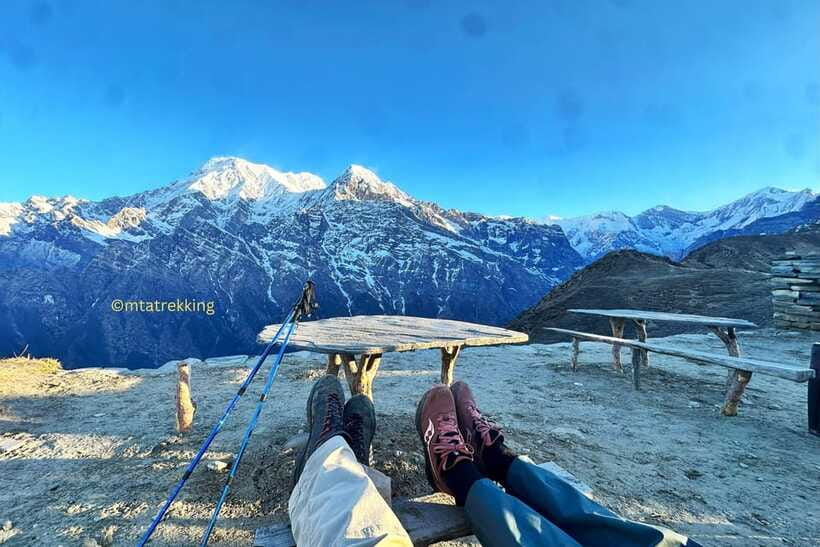
Even with a moderate label, Mardi Himal is stair-heavy. Expect long climbs and countless steps, especially as you push toward higher camps. The tradeoff is that the trek isn’t technical—most days are about rhythm, not rope skills.
Weather changes can be quick:
- Best conditions are usually spring (March–May) and autumn (September–November), when mountain visibility tends to be better.
- Winter brings snow. Beyond the viewpoint extension becomes steep, slippery, and has less safety infrastructure.
- Monsoon season can also mean slippery, harder-than-it-looks trail sections.
Also: you may encounter mosquitoes and leeches in wetter forest parts, so don’t treat the lower trail as effortless. That’s part of why bringing the right clothing helps.
Places to Stay: Tea House Comfort (With High-Camp Reality)
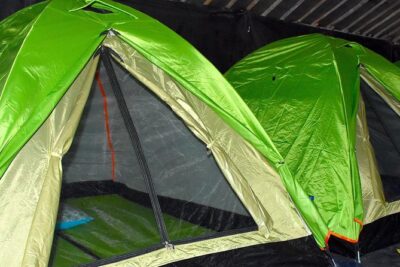
Tea houses are the core lodging model here: simple rooms, communal dining, and food that’s cooked to keep you moving. Reviews and route notes also point to specific places by name, such as Namaste Hotel in High Camp and Hotel Low Camp, plus a base camp hotel often referred to as Trekkers Paradise.
Here’s the realistic angle: high camps may not have reliable showers or toilet paper. Network can be spotty. That doesn’t mean you’ll suffer—it just means you’ll want to come prepared and treat tea houses as what they are: functional mountain shelter.
Packing List That Matches This Trek (Not Just a Generic One)
The essentials are straightforward, but don’t guess. Bring:
- Warm clothing (even in the dry seasons, mornings get cold)
- Sunglasses and sunscreen
- Sun hat
- Sunscreen
- Flashlight
Practical extras that help based on common on-trail guidance:
- Trekking poles (you’ll be provided gear like poles in the trek setup, but if you’re used to your own, it can feel easier)
- A sleeping bag (gear is provided, but if you’re sensitive to hygiene, extra comfort can be worth it)
- Altitude support if you use it (some people like altitude tablets as backup)
- Cash for additional tea house items and local snacks, since payment options can be limited
And yes, you’ll want a little patience: this route moves by steps. Your reward is how the view expands, not how fast you can rush.
Who Should Book This Mardi Himal Trek
This is a strong fit if you want:
- A moderate trek in the Annapurna region with a clear “wow” target
- Forest hiking plus villages, not just barren ridge walking
- A guide-led pace that focuses on comfort and safety
- The possibility of extending to Mardi Himal Base Camp when weather cooperates
It’s not for everyone. The trip isn’t suitable for pregnant women, people with altitude sickness, or anyone over 70. If you have altitude concerns, take them seriously and plan for a conservative approach.
Should You Book MTA’s 4-Day Mardi Himal Trek?
If you want an organized, guide-supported trek with a good chance at sunrise views and a realistic 4-day structure, I think it’s an easy yes to consider. The big reason: the service is built around daily pacing, permits, and transport, so you can focus on the trail instead of logistics.
Before you commit, decide on these two points:
- Are you okay carrying your own pack for a stair-heavy trek, or do you want the porter option at $20/day?
- Do you want a Full Package for included meals, or are you comfortable managing food choices and paying tea house costs separately?
If your timing lines up with spring or autumn and you’re ready for altitude mornings, this trek is exactly the kind of Nepal experience that turns into a lasting memory—Machhapuchhre at sunrise is the kind of sight you’ll keep replaying long after you’re back in Pokhara.
FAQ
Is the Mardi Himal trek suitable for beginners?
It’s described as a moderate trek suitable for all levels, including beginners seeking adventure. Still, it includes altitude and long stair climbing, so bring a good baseline fitness level.
What altitudes does this trek reach?
The Mardi Himal Viewpoint is about 4,200m (around 13,779 ft). Mardi Himal Base Camp is about 4,500m (around 14,763 ft), and it’s optional depending on weather and snow conditions.
How long is the daily hiking on this 4-day trek?
On day one, it’s about 5 hours from Kande to Forest Camp. Day two is about 5 hours from Forest Camp to High Camp. Day three includes an early morning hike of about 1.5 to 2 hours to the sunrise viewpoint, then a descent. Day four focuses on descending to Kalimati and then driving back to Pokhara.
Are meals included in the price?
Meals are included only in the Full Package. The Standard Package does not include meals (tea house or accommodation is included).
Do I need trekking permits and TIMS?
Yes. Trekking permits, required paperwork, and TIMS fees are included.
Is there a guide, and what languages do they speak?
Yes, you get a licensed English-speaking guide. Live tour guide support is available in English and Hindi.
Can I hire a porter, and what does it cost?
Porters can be hired for $20 per day, but porter costs are not included in the base price.