REVIEW · POKHARA
Ghorepani – Poon Hill Trek 3N-4D
Book on Viator →Operated by Sisne Rover Trekking · Bookable on Viator
Poon Hill gives you a payoff. This Ghorepani to Poon Hill trek mixes comfortable teahouse rooms (no tents) with a government-licensed English-speaking guide, plus transfers back to your Pokhara hotel. You’ll earn that sunrise view on a route through forests, villages, and steep stair sections, with a souvenir t-shirt waiting for you at the end.
One real consideration: Day 1 can feel like a step-march in the sun, and the trek can be pricey for a short route. Add in the fact that weather matters for mountain visibility, and you’ll want to plan with flexible expectations.
In This Review
- Key moments that make this trek worth it
- The overall vibe: a short trek with real altitude rewards
- Pokhara pickup and the drive to Nayapul: the day you start on wheels
- Day 1 to Tikhedhunga and Ulleri: where the stairs show up
- Day 2 to Ghorepani: shops, saddles, and mountain-town energy
- Day 3 to Poon Hill at 3,210m: sunrise is the main event
- Day 4 from Tadapani: steep descent through old rhododendron forests
- Price and logistics: what $321.34 really buys you
- Guides make the difference: friendly, patient, and culture-minded
- What to realistically expect from each day’s effort
- Weather and safety: how to plan when the sky plays games
- Who this trek is best for
- Should you book this Ghorepani – Poon Hill trek?
- FAQ
- How long is the Ghorepani – Poon Hill trek?
- Do I need to bring a tent for this trek?
- Are meals included in the tour price?
- Will I be picked up from my hotel in Pokhara?
- Do I get an English-speaking trekking guide?
- What trekking permits are included?
- Is the Poon Hill sunrise viewpoint included?
- What is not included in the price?
- What fitness level do I need?
- Can I cancel and get a refund?
Key moments that make this trek worth it
- Teahouses, not camping: you sleep in comfortable rooms each night.
- English-speaking, licensed guide: you get navigation help and solid explanations.
- Sunrise focus at Poon Hill (3,210m): early climb, admission included.
- Ghorepani village immersion: shops, crafts, and a real mountain-town feel.
- Rhododendron forest descent on Day 4: steep, dark-green forest vibes with bloom potential.
- Transfers from Pokhara included: less hassle, more time on the trail.
The overall vibe: a short trek with real altitude rewards
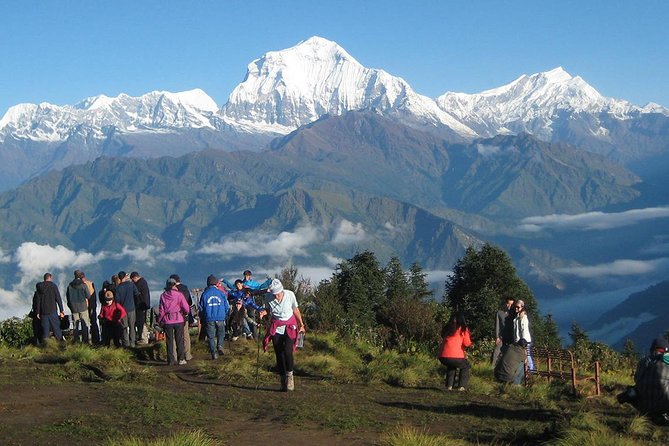
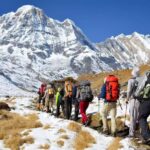
This is the classic Annapurna foothills style trek, built for people who want mountain views without committing to a long multi-week hike. Your nights are in teahouses, so you carry a lighter load and don’t need to manage tent life. It’s also private, meaning your group pace is the pace the route will follow.
Your days are structured around movement and viewpoint time. Expect steep climbs and stair sections, but also breaks where you can catch your breath, warm up, and reset. If you’ve never trekked before, you’ll still be able to do this, as long as you’re ready for repetitive steps.
You can also read our reviews of more tours and experiences in Pokhara.
Pokhara pickup and the drive to Nayapul: the day you start on wheels
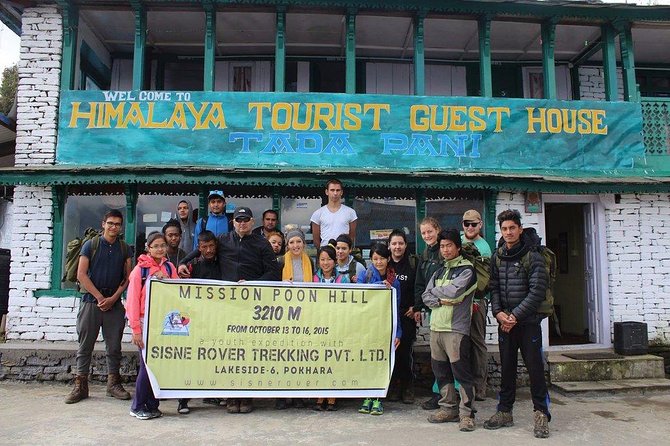
The trek starts after a drive from Pokhara to Nayapul, then you ease into the walking portion. That opening transfer matters more than it sounds: it saves energy you’d otherwise spend dealing with local transport on your own schedule.
Once you’re on foot, you move through sub-tropical valley forests and cross the Bhurungdi Khola via a bridge. It’s a smooth way to begin, even if the first day can still feel hot and dusty depending on the weather and light.
Day 1 to Tikhedhunga and Ulleri: where the stairs show up
Day 1 runs you from Nayapul toward Tikhedhunga, including a climb toward Ulleri Hill. This is where the trek becomes real: you’re not just walking forward, you’re earning elevation with sustained uphill.
The route passes through forested sections early, then turns into a step-focused climb. In fact, you can end Day 1 with an intense stair count, and you should treat this as a serious leg day. One common issue is how quickly the sun can hit on the lower sections, especially if the start happens on a dusty road rather than an especially scenic stretch.
The upside is that by the time you reach the overnight area, you’re positioned for the next day’s climb into higher village territory. For first-timers, this is also a great day to set a realistic pace early.
Day 2 to Ghorepani: shops, saddles, and mountain-town energy
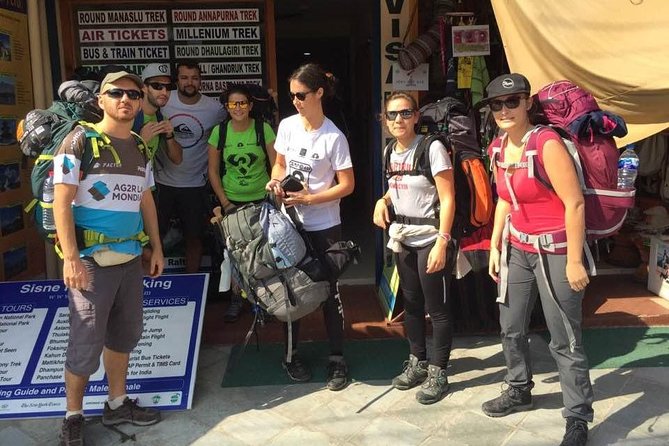
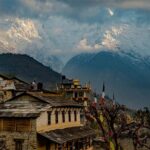
After breakfast, you climb toward Ghorepani, a village that feels like a working checkpoint for trekkers. You’ll pass through areas with small shops and stalls selling local crafts and products, and you’ll see how the route supports local livelihoods.
Ghorepani is split into two parts: one sitting on a saddle and another a few hundred feet away. That means your arrival can feel like you’re stepping into a place with multiple levels, not one compact stop. It also helps to know that village breaks here aren’t just for scenery—they’re for rest, hot drinks, and a chance to settle into the teahouse routine.
What I like about this day is the balance. It’s active enough to feel like you’re moving deeper into the Annapurna foothills, but it’s not so aggressive that you arrive completely wrecked before you even start thinking about sunrise plans.
Day 3 to Poon Hill at 3,210m: sunrise is the main event
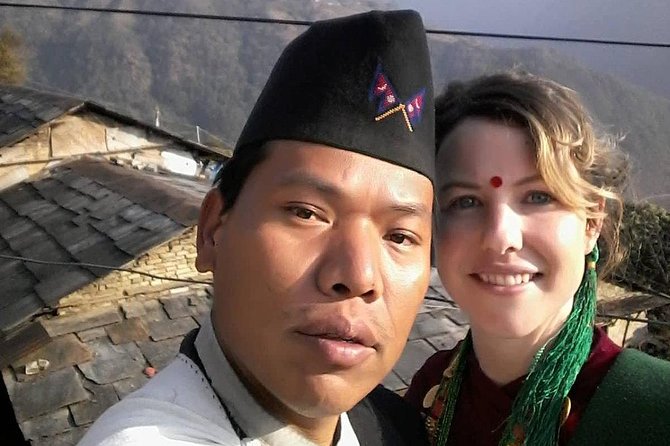
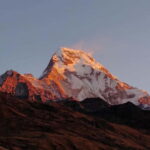
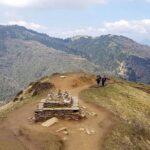
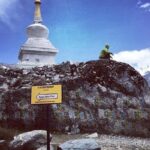
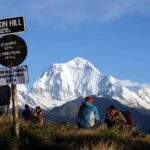
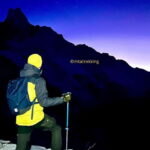
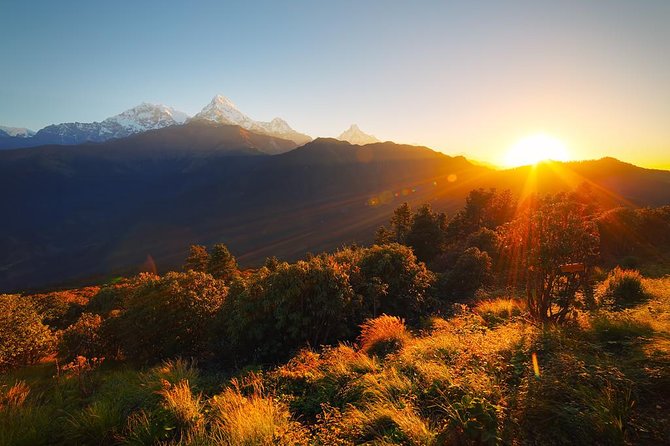
This is the highlight day, built around an early morning push to Poon Hill (3,210m). You’ll start climbing along a steep trail, and the goal is to be at the viewpoint early enough to catch the light. Poon Hill is often the best early-visibility spot in the region, and your itinerary treats it like a priority, not an optional extra.
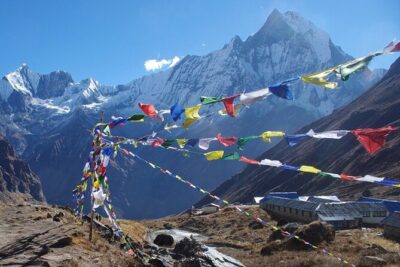
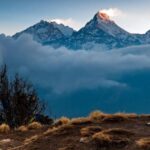
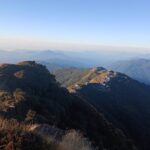
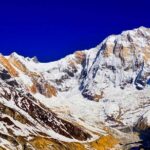
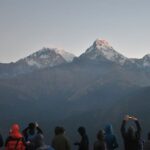
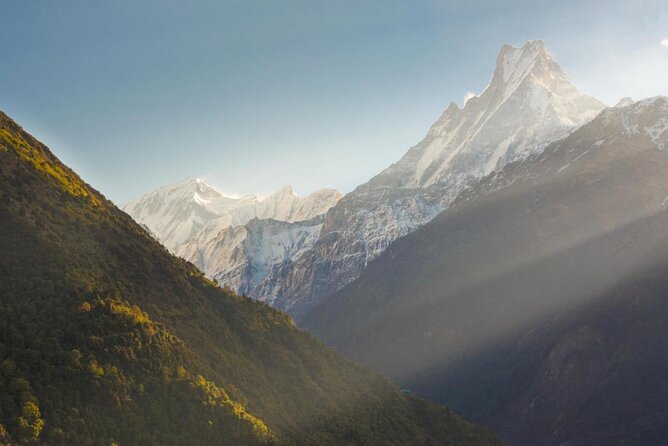
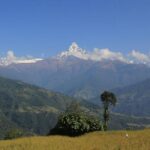
From the viewpoint area, you can get a sense of scale across the Annapurna mountain range, with visibility sometimes reaching as far as Mustang. That’s the kind of view that makes a short trek feel worth it, because the mountains look close enough to point at.
Now for the practical reality: clouds and rain can block the view. If the sky doesn’t cooperate, you’ll still be trekking in the mountains, and you’ll still get the satisfaction of doing the climb—but the postcard panorama might be missing. This is why your guide’s judgment about timing and viewpoint conditions matters.
Day 4 from Tadapani: steep descent through old rhododendron forests
Your final walking day starts from Tadapani and includes a steep descent through dense forest. This part of the trek is known for thick rhododendron growth, including older trees that create a cool, dark canopy effect.
When rhododendrons are in bloom, the forest can feel like it has a season of its own. Even when they’re not, the forest still provides a different mood from the open village days. You may also pass waterfalls along the way, which helps break up the monotony of constant downhill.
The big thing to plan for on Day 4 is your knees. Steep descents can be more tiring than climbs, even if the distance feels short on paper. Take it slow, use trekking poles if you have them, and don’t race the trail.
Price and logistics: what $321.34 really buys you
At about $321.34 per person for roughly 4 days, you’re paying for more than walking. Your package includes teahouse accommodation, and it also covers three meals a day during the trek (with breakfast, lunch, and dinner quantities included across the days). That’s a big deal in Nepal mountain regions where food costs can add up fast if you’re buying everything separately.
You’re also covered for transfers from Pokhara, plus a guide who’s English-speaking and government-licensed. Permits are included too, covering ACAP and TIMS paperwork, and there’s a medical kit carried by your guide. On top of that, you get a certificate of trekking completion and the hike-more-worry-less t-shirt as a souvenir.
Where the value story changes is in what’s not included. You’re responsible for your Nepalese visa fee (if applicable), travel and rescue insurance, tips for guide and porter (these aren’t included), and personal expenses like laundry or battery recharge. You’ll also likely pay for drinks beyond what’s explicitly included. If you want to keep costs predictable, budget for those extras before you go.
Guides make the difference: friendly, patient, and culture-minded
This trek’s quality often comes down to the people leading it. In the stories connected to this trek, named guides stand out for being calm and flexible with pace. If you need to move slower on the steps, that matters, because stair days can feel demoralizing when you’re trying to keep up with a faster group.
I like the way guides on this route can also turn the walk into learning time. One guide (Anil, also called Pai) is described as knowledgeable and patient, teaching trekkers about Nepali culture and even sharing phrases you can use in daily life. Another guide (Diwan) is noted as friendly and helpful when you need to slow down through the many steps.
And it doesn’t stop at the guide. The porter experience can be part of what makes your trek feel supportive, not just functional. Milan and porter Krishnan are described as caring and good company, especially for first-timers.
What to realistically expect from each day’s effort
Here’s a clear way to frame the workload.
- Day 1: you’ll likely feel heat and dust early, then ramp up into a stair-heavy climb.
- Day 2: a steady ascent toward Ghorepani with village breaks and an easier rhythm after the hardest parts.
- Day 3: early steep climbing for sunrise, followed by more relaxed time around the viewpoint area (weather permitting).
- Day 4: steep descent through old rhododendron forest, where your legs will feel it even if the scenery is great.
If you’re moderately fit, you can do it, but you should be ready for stairs and downhill strain. Pack patience like it’s part of your gear list.
Weather and safety: how to plan when the sky plays games
This experience requires good weather, and that’s not just a formality. Mountain views depend on clouds and rainfall, so you should treat the sunrise as a goal, not a guarantee. If conditions are poor enough to cancel, you’ll either be offered a different date or get a full refund.
Safety-wise, you’re not going into the mountains blind. Your guide carries a medical kit, and the route includes official trekking permits (ACAP and TIMS paperwork). That helps keep the trek organized and within regulated frameworks.
Who this trek is best for
This is a strong choice if you want:
- a short trek with big mountain payoff
- teahouses instead of camping
- a private group with an English-speaking guide
- a guided approach that handles permits and logistics
It’s also a reasonable first trek option if you’re ready to deal with stairs and you don’t mind that Poon Hill views can be weather-dependent. If you hate steep descents or knee pain is an issue, plan extra care for Day 4.
Should you book this Ghorepani – Poon Hill trek?
I’d book it if you want the Annapurna foothills classic, with teahouse comfort, included meals, permits, and a guide who can pace you through the tough stair sections. The guide-and-porter support described here can make the difference between a stressful hike and a confident one.
I’d pause and compare if you’re price-sensitive, since the route is short and you’re still paying for private guiding, transfers, and permits. Also, if you’re traveling during a season with frequent cloud cover and you’re counting on a perfect sunrise photo, build in flexibility.
FAQ
How long is the Ghorepani – Poon Hill trek?
It runs for about 4 days.
Do I need to bring a tent for this trek?
No. You stay in teahouse rooms each night.
Are meals included in the tour price?
Yes. Breakfast is included for 3 days, lunch for 4, and dinner for 3.
Will I be picked up from my hotel in Pokhara?
Pickup is offered, and ground transfers from Pokhara are included.
Do I get an English-speaking trekking guide?
Yes. The guide is described as English-speaking and government-licensed.
What trekking permits are included?
The package includes trekking permits and necessary paperwork for ACAP and TIMS.
Is the Poon Hill sunrise viewpoint included?
Yes. The itinerary includes an early climb to the Poon Hill viewpoint at 3,210m, and admission is included.
What is not included in the price?
Not included items are the Nepalese visa fee, excess baggage charges, other transport not listed as included, international flights, travel and rescue insurance, personal expenses (like laundry and battery recharge), bar bills, and tips for guide(s) and porter(s).
What fitness level do I need?
You should have a moderate physical fitness level.
Can I cancel and get a refund?
Yes. You can cancel up to 24 hours in advance for a full refund, and the experience has weather-related cancellation handling that can offer a different date or a full refund.