REVIEW · KATHMANDU
Annapurna Circuit Trek
Book on Viator →Operated by Adventure Bound · Bookable on Viator
One pass, one long trail, and a lot of altitude drama. The Annapurna Circuit is famous for a reason, and a guided trek makes the hard parts easier to manage—routes, timing, and decisions are handled while you focus on walking and looking up. I like that the experience is paced for real humans, with support that can help you through tricky logistics and high-altitude choices, whether your guide is the type described as hands-on like Rabin or Santosh.
What I really liked most: personal, on-the-ground guidance (not just a name at the top of an email) and tea house trekking with meals included. You’re not hunting for food in remote places or figuring out the next day on your own—breakfast, lunch, and dinner are built into the plan while you hike.
One consideration before you book: the Circuit can get cold fast at night. Some trekkers describe temperatures dropping to around -20°C, with wind strong enough to freeze water, so you need to bring real winter gear and be honest about your fitness level.
In This Review
- Key things that make this trek work (and feel worth it)
- First Steps: Kathmandu to Jagat (via Besisahar) Without Wasted Hours
- Jagat to Dharapani to Chame: Forest Walking and Real Trek Rhythm
- Chame to Pisang to Manang: Higher Valleys and the Big Acclimatization Day
- Yak Kharka to Thorong Phedi: Preparing for the Cold Night Reality
- Thorong La to Muktinath: The High Crossing Payoff at 5,416m
- Muktinath to Jomsom to Tatopani: From High Drama to Hot Springs Recovery
- Tatopani to Ghorepani: Another Climb Mindset (Including a Kalopani Stop)
- Poon Hill Sunrise to Nayapul and On to Pokhara: Ending With a Famous Easy Finish
- The Logistics I’m Glad Are Handled: Meals, Permits, Maps, and Guide Support
- Price and Value: What $1,175 Covers (and What You Still Need to Plan for)
- Gear and Season Reality: Why Cold Nights Change Everything
- Who This Trek Best Fits (and Who Should Think Twice)
- Should You Book This Annapurna Circuit Trek?
Key things that make this trek work (and feel worth it)
- Licensed, experienced guide support for route decisions and day-to-day logistics
- Tea house accommodation plus three standard meals so you’re not constantly budgeting and planning
- A full acclimatization day in Manang before the high crossing
- Thorong La at 5,416m gives you the classic big-mountain moment
- Hot springs stop at Tatopani as a real recovery break
- Private group experience, so the pace and needs can be handled for your people
First Steps: Kathmandu to Jagat (via Besisahar) Without Wasted Hours
You start with a long transfer out of Kathmandu, driving about 8–9 hours to Jagat at roughly 1,100m via Besisahar. It’s not glamorous, but it’s practical: you’re getting elevation and trail access lined up so Day 1 hiking doesn’t feel like a blur.
This first jump matters because your body needs time to settle. Even though you’re not trekking yet, you’re still moving from city altitude and traffic-stress to mountain air and slower routines. You’ll feel the shift quicker if you plan for it: hydrate on the drive, keep warm layers handy, and don’t treat the first trek day like a fitness test.
Also, pickup is offered, and you’ll have a mobile ticket. That may sound small, but in Nepal it reduces the annoying parts—less time tracking down where you’re supposed to be, more time actually being ready to walk.
You can also read our reviews of more tours and experiences in Kathmandu.
Jagat to Dharapani to Chame: Forest Walking and Real Trek Rhythm
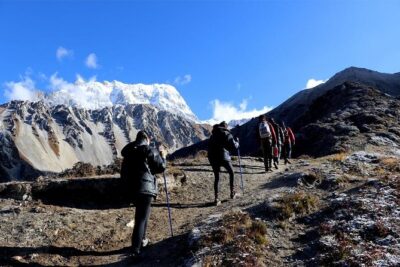
From Jagat, the first hiking day goes to Dharapani (about 1,960m/6,430ft) in roughly 6–7 hours. The next day runs Dharapani to Chame at about 2,710m/8,891ft for 5–6 hours. This section is a good “find your legs” stretch: enough work to get into trekking mode, not so extreme that you burn out before the mountains start throwing altitude at you.
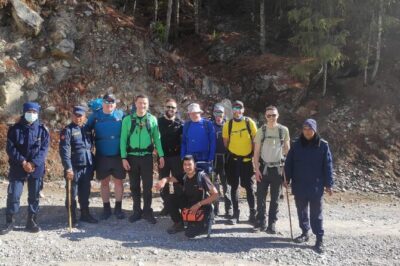
These days are where a guided trek starts paying off in subtle ways. When trails get confusing, when weather shifts, or when you need help deciding how fast to go, having your own expedition guide keeps the day simpler. The best guides in this region tend to be patient and attentive—people describe guides like Ganesh Ji as steady and encouraging, and that kind of vibe matters when you’re carrying the weight of your own altitude awareness.
Potential drawback here: it’s easy to go too fast because the early days can feel manageable. You’ll do better if you keep a controlled pace and let the plan set the tempo.
Chame to Pisang to Manang: Higher Valleys and the Big Acclimatization Day
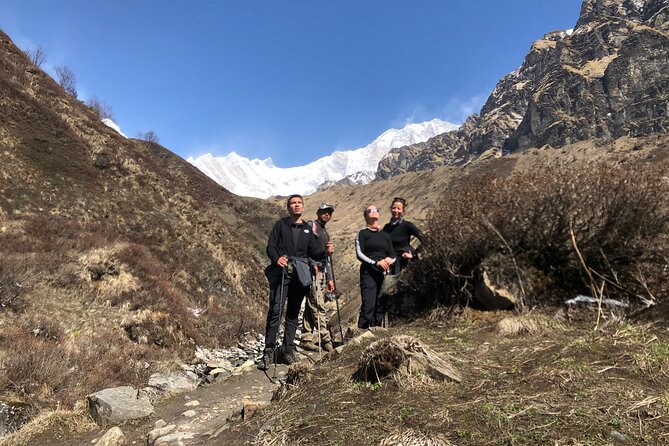
Next up is Chame to Pisang (about 3,300m) for about 5–6 hours, then Pisang to Manang (around 3,540m) for roughly 6–7 hours. By the time you reach Manang, you’re clearly in higher terrain, and the day-to-day feel changes. Air is thinner. Distances can feel longer even when the timetable looks similar.
Then comes the move that many trekkers thank themselves for later: a dedicated acclimatization day in Manang. You’re not just sitting around. You’re giving your body a buffer before the serious altitude work starts. If you’re prone to headaches or you know altitude has hit you hard in the past, this rest day is not optional—it’s the reason the rest of the plan is possible.
This is also where personalized guiding really shows. When you’re at elevation, the “right” choice is often a small one—how long you push, whether you take a slower route, how you fuel. Guides such as Chakra (CK) were praised for being professional and for sharing cultural context too, which can make the long day in Manang feel less like waiting and more like part of the journey.
Yak Kharka to Thorong Phedi: Preparing for the Cold Night Reality
After Manang, the trek continues to Yak Kharka (about 4,120m) in 4–5 hours, then onward to Thorong Phedi (around 4,450m) in about 4–5 hours. These are shorter days on paper, but they come with a catch: you’re climbing into a colder air mass where nights can be serious.
This is where the trek can test your packing and your mood. One traveler described night drops down to about -20°C, with wind around 20km/hr and everything freezing—including water in a bottle. That kind of detail isn’t there to scare you. It’s a heads-up that the high stretch isn’t just “cold.” It’s high-altitude cold, which behaves differently.
A guided plan helps because you arrive at Thorong Phedi knowing the next day is the high pass. You can focus on warming up, hydrating in a workable way, and sleeping without panicking about the morning timeline.
Thorong La to Muktinath: The High Crossing Payoff at 5,416m
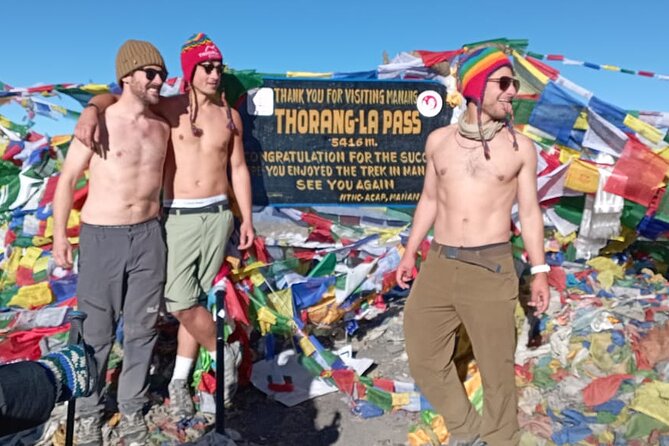
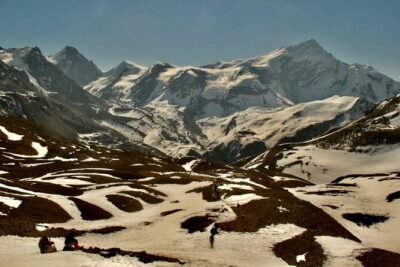
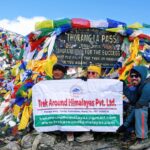
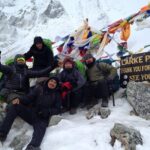
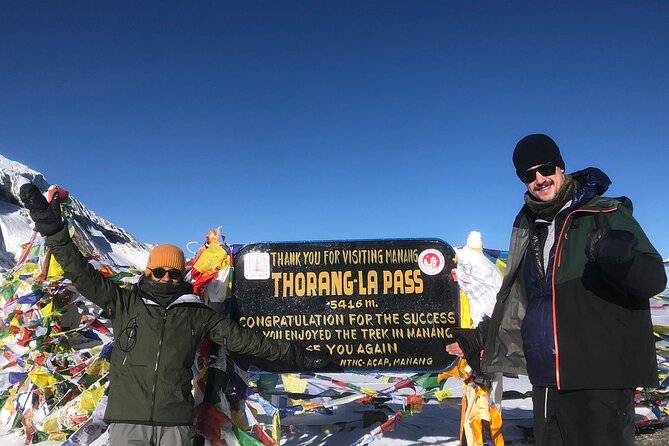
The classic moment is Day 9: Thorong Phedi to Muktinath (about 3,802m), passing over Thorong La at 5,416m. Expect around 7–8 hours for this section.
This is the day most people remember, and for good reason. You’re going up to a high point where breathing takes effort, then you’re dropping toward Muktinath where the terrain shifts and the mood changes. It’s not only about athletic achievement. It’s also a mental workout: staying calm, walking steadily, and not letting the altitude turn your brain into an overconfident liar.
Guides here are worth their weight in warm layers. People credit guides like Santosh and Rabin for staying informed about what’s next and helping with decisions during the hike. When the weather tightens up or you feel the altitude pull, having someone you can trust to steer the plan matters.
Practical note: even if you feel strong, treat the pass crossing like an endurance hike. Don’t sprint to prove anything. You’re trying to finish feeling human.
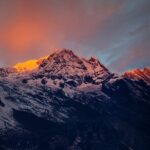
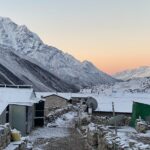
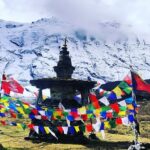
Muktinath to Jomsom to Tatopani: From High Drama to Hot Springs Recovery
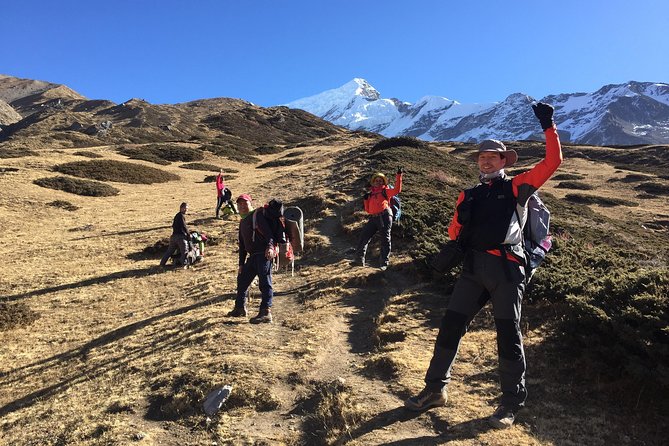
After the pass, you move from Muktinath to Jomsom (around 2,743m) in roughly 5–6 hours. Then you switch from walking to driving: Jomsom to Tatopani takes about 4–5 hours, and Tatopani is known for its natural hot springs.
This part of the trek is smart because it gives you a true recovery pause. The hot springs stop is the kind of payoff that makes the earlier cold feel worth it—especially when your knees and feet are asking for mercy.
Also, this segment reduces daily strain. That matters because the trek still has more hiking later. You’ll be happy you didn’t “keep trekking” when you could reset.
Tatopani to Ghorepani: Another Climb Mindset (Including a Kalopani Stop)
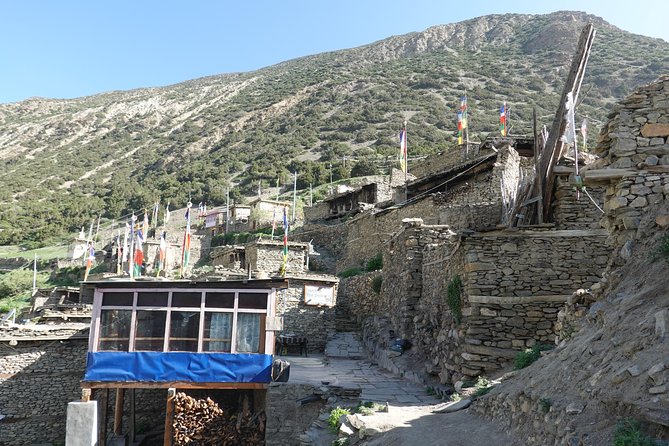
Tatopani to Ghorepani is around 2,750m and takes about 7–8 hours. You also have a stop listed around Kalopani during the route. In other words, this isn’t a short stroll. It’s a longer uphill day where you’ll want steady energy and consistent hydration.
This stretch is a good reminder that the Circuit isn’t only about the big pass. It’s a sequence of climbs and descents where endurance matters more than any one photo moment. If you’re traveling solo, that’s also where having a guide reduces stress. You keep moving because someone is watching the plan while you focus on your footing.
Poon Hill Sunrise to Nayapul and On to Pokhara: Ending With a Famous Easy Finish
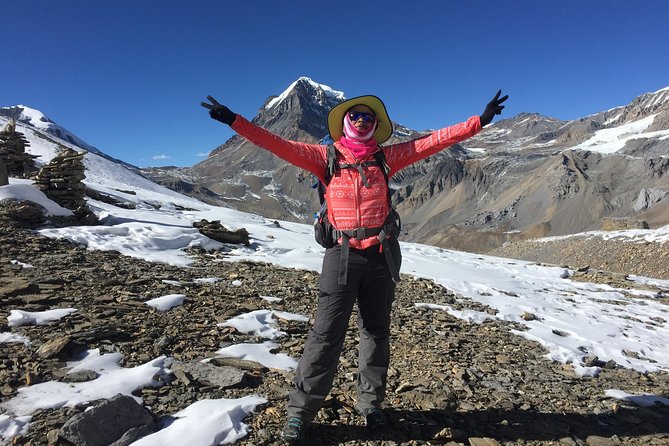
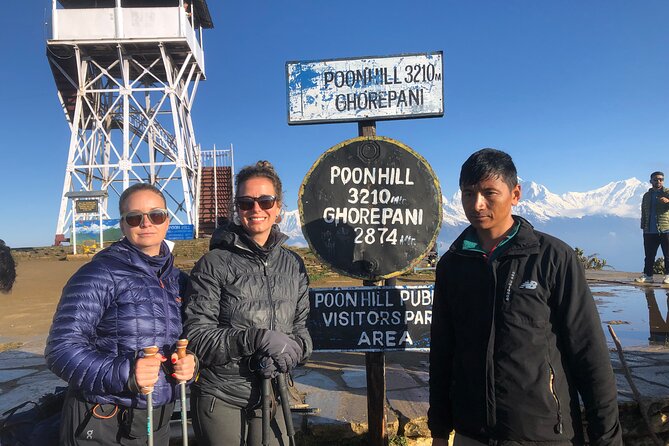
Your last trekking day starts early: a hike up to Poon Hill (3,210m) and then down to Nayapul (about 2,070m). After that, you take a taxi to Pokhara. Total time is about 7–8 hours.
This is a nice way to land the trip. The early Poon Hill push is energetic but not long, and the descent brings a relief you’ll feel in your legs. Then you switch to ground transport into Pokhara, where the whole trip starts to feel like it’s finally becoming a story you can tell.
Pokhara to Kathmandu is another drive (about 6–7 hours), wrapping up the experience at Kathmandu around 1,400m.
The Logistics I’m Glad Are Handled: Meals, Permits, Maps, and Guide Support
This trek includes tea house accommodation and three standard meals (breakfast, lunch, dinner) during trekking. That’s a real value point because it controls your daily spending in remote areas where choices can get limited. It also keeps your energy stable. When your food schedule is built in, you don’t lose time bargaining for dinner or second-guessing breakfast.
Permits are included too: Annapurna Conservation Park permits, plus TIMS (Trekkers’ Information Management System) fees. And you get a trekking map and a first aid medical kit. These are not glamorous extras, but they’re exactly the things that keep a trek running smoothly and responsibly.
Your guide being government licensed is another key point. This kind of structure matters on routes with real altitude risks. One traveler described their guide as helping with safety and logistics while keeping the organization manageable. That’s what you want: a guide who supports decisions, not one who treats you like a passenger.
Price and Value: What $1,175 Covers (and What You Still Need to Plan for)
At $1,175 for about 14 days, this trek sits in the middle-to-upper range for Nepal trekking. The value comes from what’s included rather than the sticker price.
Included highlights that reduce your personal headaches:
- Bus transport from Kathmandu to Jagat and from Jomsom to Tatopani
- Private transport from Nayapul to Pokhara
- Tea house stays and three meals daily on trekking days
- Permits and TIMS
- Licensed guide, plus first aid kit and trekking map
- Government tax
What you’ll still need to handle:
- Travel and rescue insurance (not included)
- Tips for guides/porters (not included)
- Personal expenses like phone calls, laundry, bar bills, battery recharge, extra porters if required, and water/shower-related costs
So the real question is: are you the kind of person who wants to show up with a packing list and let the operation handle the rest? If yes, the price starts looking fair. If you want total control and DIY routing, a guided trek may feel like extra cost.
Gear and Season Reality: Why Cold Nights Change Everything
Based on the cold-experience details shared by travelers, you should pack for winter-grade conditions even if daytime feels workable. If you’ve never trekked at high altitude, here’s the practical truth: it’s not just cold air. It’s cold gear, cold water, and wind that makes layers stop doing their job.
You’ll want:
- Warm layers that block wind
- A plan for keeping water from freezing
- Gloves and a warm hat that you can actually tolerate while hiking
- Sleeping insulation suited for very cold nights
The good news: the plan includes an acclimatization day in Manang and a realistic staging night at Thorong Phedi, so you’re not jumping into the pass on day one. The bad news: the mountain doesn’t care that you’re excited.
Who This Trek Best Fits (and Who Should Think Twice)
This trek is a strong match for anyone with moderate physical fitness who wants a classic Nepal adventure without the planning headache. It’s also a good fit if you like having a guide who can help with decision-making, keeps you informed, and provides cultural context as you move through remote communities.
It may be less ideal if:
- You struggle with altitude and can’t follow pacing
- You’re not comfortable dealing with extreme cold nights
- You want fully independent route planning every day
Private tour style helps here. It’s private, meaning only your group participates, which often leads to a calmer experience and less crowd friction.
Should You Book This Annapurna Circuit Trek?
If you want the Annapurna Circuit in a way that feels organized and human, I’d say this is a good bet. The combination of licensed guide support, meals included, permits handled, and a clear high-altitude structure (including the Manang acclimatization day and the Thorong La crossing) makes it easier to focus on the actual trek.
Book it if you’re ready for altitude and cold nights, and you can pack and pace responsibly. Skip it or choose a different plan if you’re hoping for a mild hike with minimal risk. This trek is iconic because it’s earned.