REVIEW · KATHMANDU
Annapurna Circuit Trek with Tilicho Lake
Book on Viator →Operated by Discovery World Trekking · Bookable on Viator
One big lake, one huge pass, and a guide who keeps it moving. This 16-day Annapurna Circuit trek adds Tilicho Lake to the classic route, and you’ll travel in a small group with logistics handled. I love how the days mix high views with real village life, plus the comfort of included tea house meals and permits.
Two things I really like: first, you’re not figuring out permits, timing, or the route on your own—this is led by a government-licensed trek leader with guides and porters whose names keep showing up in feedback like Suresh, Dev, Hari Gurung, and Kersing. Second, the package covers the hard-to-organize basics: AC transport where it makes sense, overland connections, ACAP and TIMS, and full board on the trek.
One consideration: this is not a casual hike. You’ll tackle Thorong La and you need a moderate fitness base, plus the trek depends on weather—conditions can force changes.
In This Review
- Key highlights I’d plan around
- Why this Annapurna Circuit route feels different with Tilicho Lake
- Price and logistics: what your $1,093 is buying
- The pacing reality check: acclimatization and fitness
- Day-by-day: from Kathmandu access to Manang’s big air
- Day 1: Drive into the hills, first temple stop
- Day 2: Dharapani Temple and the entry toward Manang
- Day 3: Forest trail to Chame and the first serious views
- Day 4: Narrow valleys and the Paungda Danda rock face
- Day 5: Upper trail toward Pisang, then the Manang Airport area
- Day 6: Manang acclimatization day, plus a big peak base feel
- Tilicho Lake: base camp, ice-cold altitude, and wind timing
- Day 8: Landslides, rock formations, and Tilicho base camp
- Day 9: The climb to Tilichol Lake, with early timing
- Toward Thorong La: Khangsar, Tare gumba, and the early morning challenge
- Day 10: Descent toward Khangsar and across the Thorong Khola valley
- Day 11: Thorong Phedi and mountain views before the pass
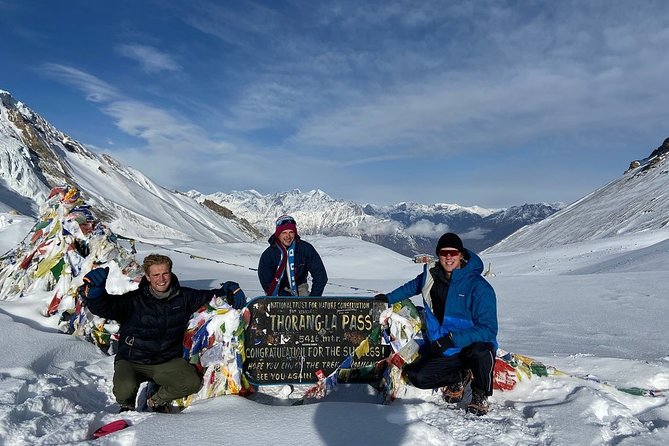
- Day 12: Thorong La pass crossing
- After the pass: Muktinath, Tatopani, and actually resting
- Day 13: Muktinath Temple, then a ride to Tatopani hot springs
- Downward into rhododendron country: Ghorepani and Poon Hill sunrise
- Day 14: Villages, terraces, and forest walking
- Day 15: Poon Hill at 3,210 m and the sunrise show
- Day 16: Back to Kathmandu, with one last transit option
- The kind of support this trek does well
- Who should book this trek (and who should not)
- Should you book this Annapurna Circuit with Tilicho Lake?
- FAQ
- How many days is the Annapurna Circuit with Tilicho Lake trek?
- Where does the trek start and end?
- Is Tilicho Lake included in this trek?
- What’s included in the package price?
- Do you need a guide to do the trek safely?
- What kind of group size should I expect?
- What fitness level is recommended?
Key highlights I’d plan around
- Tilicho Lake detour: a high-altitude side trip that adds a whole new feeling to the Circuit
- Guide-led safety: a trained leader helps with pacing and route decisions so you don’t waste energy worrying
- Permits and TIMS handled: you pay for less admin, and you move with less guesswork
- Hot-spring recovery at Tatopani: a practical reset after the big pass effort
- Poon Hill sunrise finale: early views over Annapurna, Dhaulagiri, Machhapuchhre, and Manaslu
Why this Annapurna Circuit route feels different with Tilicho Lake
The standard Annapurna Circuit is already a mix of river valleys, terraced farms, and big mountain walls. What changes here is the Tilicho portion. Instead of staying locked into the main flow of the Circuit, you cut toward one of the highest lakes in the world, the so-called ice-cold Tilicho waters. That detour matters because it changes your altitude experience, not just your sightseeing.
You’ll also get more contrast in walking days. Some days feel like you’re moving through dense forest corridors, while others shift toward drier, colder air as you climb into the higher Manang zone. By the time you reach the Tilicho area, you’re dealing with a different kind of trek rhythm: fewer distractions, more breathing and foot placement, and a stronger focus on timing.
The Thorong La crossing also feels more meaningful after Tilicho. You’ll come off one high-altitude effort and then gear up for the big one—so it helps to have a guide who can pace the whole arc of the trip instead of treating each day like a standalone hike.
You can also read our reviews of more tours and experiences in Kathmandu.
Price and logistics: what your $1,093 is buying
At $1,093 for about 16 days, this isn’t a budget-only trek. But a lot of the cost is tied to what usually creates stress in Nepal trekking: permits, planning, staff, and meals.
Here’s what’s included that you’d otherwise have to coordinate:
- Accommodations and meals: tea house/lodge stays plus breakfast, lunch, and dinner during the trek
- Permits: Annapurna Conservation Area Permit (ACAP) and TIMS card fee
- Guides and porters: not just labor, but their meals, insurance, salary, and lodging
- Transport: drive from Kathmandu to Syange, public transport from Muktinath to Tatopani, and a Pokhara to Kathmandu tourist bus
- Support: assistance in arranging rescue if a complicated health situation happens
- Extras: farewell dinner, and an appreciation certificate after the trek
What’s notably not included: any personal spending outside the plan, and optional transport like the return flight from Kathmandu (listed as an option, not part of the package).
I also like that the group cap is 15 travelers. In the Annapurna region, fewer people usually means less bottlenecking at tea houses and trail chokepoints, and it makes it easier for a guide to notice when someone is struggling.
The pacing reality check: acclimatization and fitness
This trek is designed for active travelers, with a moderate fitness requirement. You don’t need to be a mountaineer, but you do need hiking stamina and a willingness to walk uphill more days than you expect.
A key acclimatization approach shows up early in Manang. There’s a full acclimatization-style day where you hike up toward places like Gangapurna Lake and spend time around the Manang area, rather than jumping straight to the highest pass. That helps your body adapt to thinner air and it also gives you a buffer day if you’re moving slower than planned.
Then you hit the big calendar moment: the day you cross Thorong La. The trek plan has you up very early, starting at around 3:00 a.m. to complete that challenge. That matters for your gear and your sleep strategy. If you’re the type who can’t get comfortable in unfamiliar beds, bring a calm sleep plan anyway—this day is where nerves and cold can waste energy if you let them.
Weather also matters. The experience is described as requiring good weather, meaning if conditions are unsafe, the trek may be canceled with an option to switch dates or get a refund. So if you’re locking your Nepal trip to just one travel window, build in flexibility.
Day-by-day: from Kathmandu access to Manang’s big air
Day 1: Drive into the hills, first temple stop
You start with a long overland transfer—about 6 to 7 hours from Kathmandu to the trek area (the route is described as roughly 190 km). On the way, you pass villages, farms, rivers, and glimpses of mountain ranges, then you end the day at Sandup Choeding Gompa.
This day is less about hiking and more about getting your legs used to the schedule. Still, it’s worth treating it as part of the trek: hydrate early, keep layers accessible, and don’t assume you’ll feel perfect after a full day of driving.
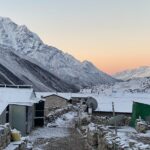
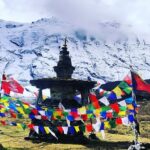
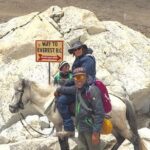
Day 2: Dharapani Temple and the entry toward Manang
After breakfast, you cross a suspension bridge and begin a steeper climb. You enter the Manang region through Tal and see waterfalls forming along sandy river areas. The day ends around Dharapani Temple.
This is one of those “get your hiking rhythm” days. Suspension bridges can be mentally tricky for some people, especially in wind, so keep your focus on breathing and steady footing.
Day 3: Forest trail to Chame and the first serious views
You move through forest—pine, fir, oak, and maple are specifically mentioned—walking beside a river toward Chame, the district headquarters of Manang. The air and light shift as you climb, and you start getting the feeling that the mountains are no longer background scenery. They become the whole frame.
A drawback here can be pacing: forest days can feel easier at first, so people sometimes overstep their speed. Follow your guide’s pace and you’ll thank yourself later.
Day 4: Narrow valleys and the Paungda Danda rock face
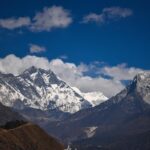
Today’s trail is steeper and in places narrow as you head for a first strong view day. You’ll spot Paungda Danda, described as a curved rock face rising about 1,500 meters from the river. From this area you can see views toward Annapurna II and Pisang Peak, plus other peaks nearby.
This is the kind of day where stopping for photos is tempting. The practical move is to take a few photos quickly, then keep walking—because altitude can make “short stops” feel longer than they should.
Day 5: Upper trail toward Pisang, then the Manang Airport area
You trek on an upper trail via Upper Pisang through Geru, chosen for outstanding views of several peaks including Tilicho and Pisang Peak. As you ascend, the plan notes that the air turns cold, dry, and harsher.
The key here isn’t just the view. It’s that your body learns the cold-dry pattern early. If you get chilled fast, use layers from the start, not halfway through the day.
Day 6: Manang acclimatization day, plus a big peak base feel
You spend the day exploring Manang and do a hike up toward Gangapurna Lake and base camp, with views of Annapurna III, Tilicho, Pisang, and Chulu Peaks. You also roam Manang Village and monasteries.
This day is valuable because it’s both mental and physical prep. Your guide can explain what you’ll see later, and your legs get used to the altitude without the pressure of a pass day.
Tilicho Lake: base camp, ice-cold altitude, and wind timing
Day 8: Landslides, rock formations, and Tilicho base camp
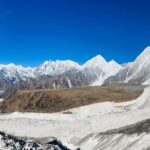
An easier path is described for the Tilicho approach, including a walk through a landslides area where you can view impressive rock formations. You reach Tilicho base camp, with views toward Tilicho Peak and other snow-covered mountains.
Even “easy path” in these altitudes means steady effort. Keep your pace conservative and save your breathing for the later steep day.
Day 9: The climb to Tilichol Lake, with early timing
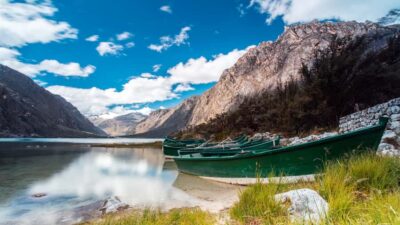
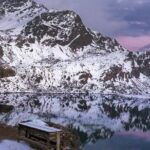
You start early to avoid afternoon wind, then climb for 2 to 3 hours to reach Tilicho Lake (Tilichol). It’s referred to as the highest lake in the world and by a French expedition leader as the Great Ice Lake.
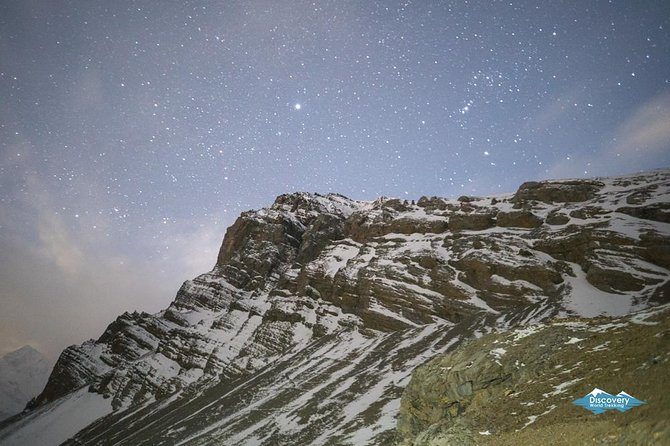
This is where the trek becomes truly memorable—because it’s hard to fake the feeling of standing near a high, cold lake after days of climbing. The practical advice is simple: start early, keep moving during the climb, and don’t underestimate how cold and windy conditions can feel at higher elevations.
Toward Thorong La: Khangsar, Tare gumba, and the early morning challenge
Day 10: Descent toward Khangsar and across the Thorong Khola valley
You descend to uninhabited Khangsar village, pass Tare gumba, described as a thousand-year-old monastery, then follow a rock wall out of Khangsar to descend a bridge into the Thorong Khola valley. You cross a river and hike up to a plateau to reach yak kharka.
This is a practical day for trail navigation. Having a guide matters here because the scenery changes and you’ll want someone to keep you on track so you don’t spend mental energy guessing.
Day 11: Thorong Phedi and mountain views before the pass
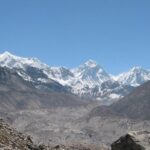
You walk uphill to Thorong Phedi, described as a small busy settlement with mountain and terrain views. Along the way you get views of Mt. Gundang, Mt. Syagang, Thorung Peak, and Mt. Khatungkan.
This day is a setup day. You’ll likely need a calm evening and a careful dinner—because tomorrow starts before sunrise and cold can make your motivation feel harder than it should.
Day 12: Thorong La pass crossing
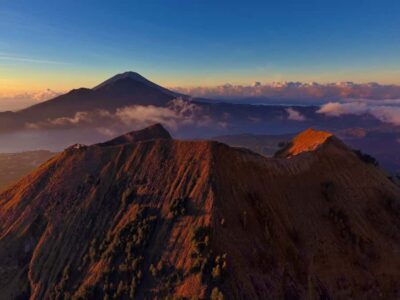
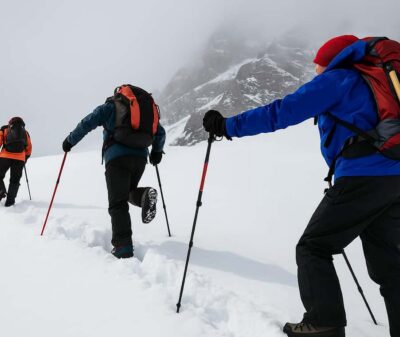
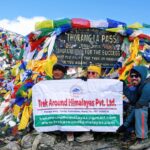
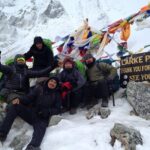
This is the hardest part of the trip: you cross Thorong La, described as one of the highest passes in the world and the highest point of the trek. You wake early at about 3:00 a.m. and push through the pass.
For planning, focus on two things:
1) layers you can manage quickly in changing wind/cold
2) a steady effort that doesn’t spike your heart rate too early
You don’t win the pass by sprinting. You win it by staying smooth.
After the pass: Muktinath, Tatopani, and actually resting
Day 13: Muktinath Temple, then a ride to Tatopani hot springs
You visit Muktinath Temple and then continue by car ride to Tatopani. Tatopani is famous for natural hot springs, and this is your chance to soak and recover.
That hot-spring stop is more than a reward. It’s a recovery tool. After a day like Thorong La, giving your legs warm time to reset can make the later hiking days feel less punishing.
Downward into rhododendron country: Ghorepani and Poon Hill sunrise
Day 14: Villages, terraces, and forest walking
You ascend to Ghorepani through Sikha and Chitre, villages of the ethnic Thakali people. You pass terraced farmland with mountains around you, then move through lush forest with rhododendron, birch, and magnolia. You stop at Ghorepani.
This is often where people start thinking the trek is wrapping up. But you still need energy, because the next morning’s sunrise is not optional if you want the classic payoff.
Day 15: Poon Hill at 3,210 m and the sunrise show
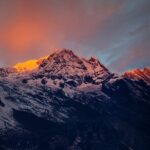
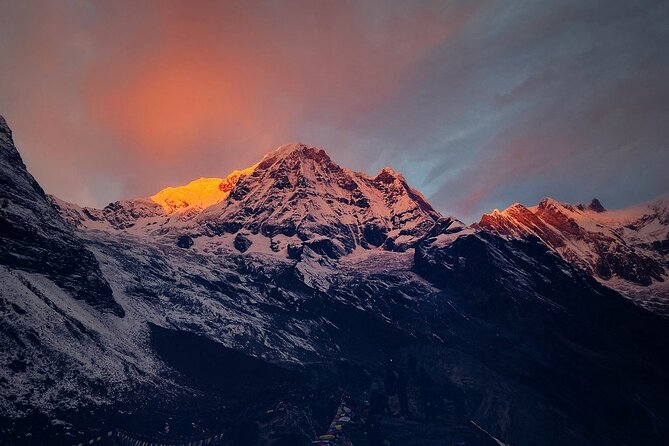
You rise early to climb Poon Hill (3,210m) and watch sunrise over the Annapurna and Dhaulagiri massif, including Machhapuchhre (Fishtail) and Manaslu, plus surrounding rice terraces. It’s a favorite spot for photographers.
The practical win: you’ll see a lot of big-name peaks in one view, and it feels like the trek’s storyline paid off. The cold morning effort is worth it if you dress for it.
Day 16: Back to Kathmandu, with one last transit option
After breakfast, you drive back to Kathmandu on a tourist bus. You can also choose a return by flight option described as 225 minutes, though it’s not included in the package. The trek finishes in Kathmandu.
This is where I’d plan your energy. Don’t book a packed schedule right after arrival. Nepal trekking always has one extra layer of fatigue you don’t feel until you’re off the trail.
The kind of support this trek does well
A huge part of why this trek works is the way the leadership and porter team are set up. In the feedback tied to this operator, the staff names that keep showing up include guides like Suresh, Dev, Hari Gurung, and Kersing, with porters such as Bikesh, Asis, Monis, Damar, Sangkar, and Probaht.
The pattern I see in the praise is practical:
- guides explain what you’re walking through and keep the day organized
- porters handle gear well, so you can hike with less weight anxiety
- the team atmosphere feels relaxed and friendly, which matters when days get long
That last point is underrated. On hard pass days, you want calm confidence, not chaos.
Who should book this trek (and who should not)
This is a good fit if:
- you’re an active traveler and can handle repeated climbs at altitude
- you want a guided trek so navigation and permits stay off your mental plate
- you value included meals, permits, and a staffed team so the trek feels achievable
You might want a different style of trek if:
- you’re not comfortable with early mornings like the pass day start
- you have low flexibility because weather can affect scheduling
- you prefer to travel independently without a structured schedule
Should you book this Annapurna Circuit with Tilicho Lake?
I think this is a strong pick if Tilicho Lake is on your must-do list and you want the classic Circuit without turning it into a logistics project. The included permits, TIMS, daily meals, and staffed guide/porter setup cover the things that usually create headaches for first-time Circuit trekkers.
If you’re deciding between going independent versus guided, the main value here is confidence: your leader handles the route, timing, and safety decisions, and the team support feels consistent in the way people describe their experience. That matters most on the days that are physically hardest—especially the Thorong La morning.
Book it if you can commit to the fitness requirement and if your calendar has at least a little breathing room for weather. Skip it if you need guaranteed trail conditions on fixed dates, because this trek clearly depends on good weather.
FAQ
How many days is the Annapurna Circuit with Tilicho Lake trek?
It runs for about 16 days.
Where does the trek start and end?
The tour is based in Kathmandu, with the experience starting in the Kathmandu area and ending back in Kathmandu.
Is Tilicho Lake included in this trek?
Yes. The route includes a day hiking up to Tilicho Lake.
What’s included in the package price?
Accommodation, meals, and permits are included, along with local overland transport, a licensed trek leader, guide and porter support (including their meals and coverage details), and fees like ACAP and TIMS.
Do you need a guide to do the trek safely?
Yes. The trek is guided, and the plan is designed to help you trek safely without getting lost.
What kind of group size should I expect?
The maximum group size is 15 travelers.
What fitness level is recommended?
The plan says travelers should have a moderate physical fitness level, since this is a challenging mountain trek.