REVIEW · KATHMANDU
Poon Hill Trek
Book on Viator →Operated by Ace the Himalaya · Bookable on Viator
A mountain sunrise is worth the early alarm. This Poon Hill trek threads you from Kathmandu’s sacred sites to Pokhara’s lakeside start, then into the Annapurna region for big views, cozy tea house nights, and a summit-style walk to Poon Hill at dawn. I love that the effort is mostly manageable for a lot of people, yet you still get the wow factor of unobstructed high-mountain panoramas. One consideration: the schedule is designed around good weather, and the early start for sunrise is non-negotiable if you want the view.
What makes this one feel practical is how much is handled for you: airport transfers, hotels, the licensed English-speaking guide, porters for your luggage, permits, and most meals. You’ll also get a Kathmandu valley tour that mixes Hindu and Buddhist landmarks, so you’re not only thinking about hiking from day one. Still, you’ll need to bring your own trekking gear, and tips for drivers and trekking staff are expected.
In This Review
- Key Highlights Worth Knowing
- Poon Hill Sunrise and Annapurna Views You Can Plan Around
- Price and Value: What You’re Actually Buying for $1,172
- Ace the Himalaya Logistics: Transfers, Hotels, and the Pre-Trip Brief
- Kathmandu Day 2: Pashupatinath, Boudhanath, and Bhaktapur in One Go
- Pokhara: The Smooth Start Before You Hike
- Nayapul to Hille and Tikhedhunga: Where the Trail Begins Gently
- Ulleri to Ghorepani: Forest Walking and the Rise to 2,840 m
- Poon Hill at Sunrise: The Half-Hour Decision That Changes the Whole Trip
- Tadapani to Ghandruk: Gurung Village Views and Afternoon Freedom
- Ending the Loop: Nayapul Back to Pokhara
- Kathmandu Again: Farewell Dinner and a Smoother Arrival Day
- Guides and Porters: The Team Factor You’ll Feel Every Day
- What to Pack and How to Pace Yourself
- Should You Book This Poon Hill Trek?
- FAQ
- FAQ
- Where does the trek start and end?
- How long is the Poon Hill trek?
- What permits are included?
- Do I get a guide and porter service?
- What meals are included in the price?
- What happens in Kathmandu on the second day?
- Is Poon Hill sunrise part of the schedule?
- What is not included that I should plan for?
Key Highlights Worth Knowing
- Unobstructed sunrise views from Poon Hill at about 3,210 m, with around one hour up top
- Small-group trekking (max 15 travelers) plus a porter setup of about one porter for every two guests
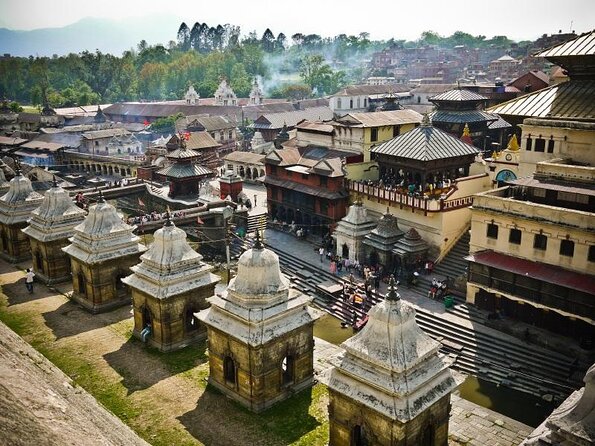
- Kathmandu valley mix of Hindu and Buddhist sites, including Pashupatinath and Boudhanath stupa
- Forest walking that changes character through oak, rhododendron, and pine as you climb and descend
- Ghandruk village cultural time, with an afternoon for museums and the Annapurna Conservation Office
Poon Hill Sunrise and Annapurna Views You Can Plan Around
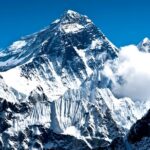
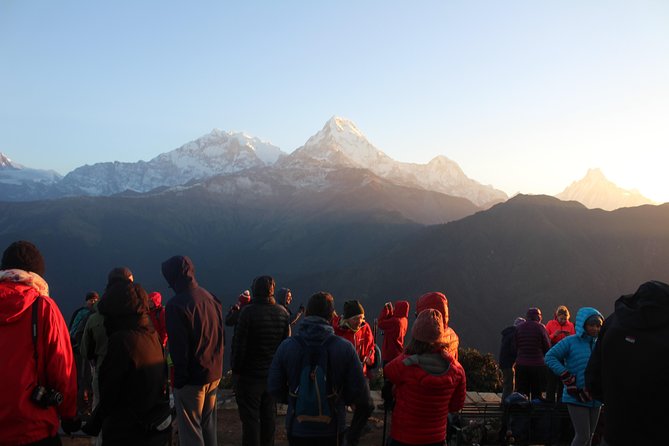
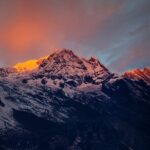
The headline here is the Poon Hill viewpoint sunrise. You start walking very early, hike up for about an hour, spend roughly an hour taking in the panorama, then head back for a hot breakfast in Ghorepani. The view you’re aiming for is described as unobstructed, which matters because clouds and mist are the real boss in the Himalayas.
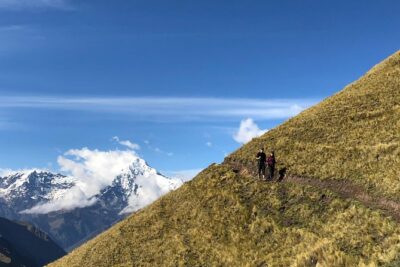
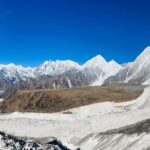
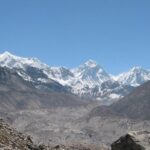
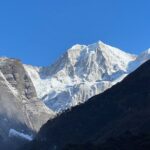
This trek also gives you repeated “wait, look at that” moments. You’ll see mountains in pieces at lower elevations, then get wider horizons as you gain altitude and reach key ridges. If you’ve ever worried that Poon Hill is just one photo spot, don’t. The whole trail builds toward that morning, and the changing valleys and forests keep the day interesting between viewpoints.
You can also read our reviews of more tours and experiences in Kathmandu.
Price and Value: What You’re Actually Buying for $1,172
At about $1,172.27 per person, the value is in the parts that usually cost time and effort to organize yourself. The package includes airport-to-hotel transfers in Kathmandu and a tourist bus between Kathmandu and Pokhara, plus private vehicle transfers where needed. You also get a three-star hotel setup in both cities (Kathmandu for 3 nights, Pokhara for 2 nights) with breakfast.
The hike support is also built in. You’ll have a local, licensed English-speaking trekking guide, plus porters to carry your luggage (about one porter for every two guests). Permits are included too: TIMS and Annapurna Conservation Park permits. That’s the kind of paperwork that’s easy to miss if you’re booking everything separately.
What’s not included is the stuff that can quietly add up. You’ll still need personal trekking equipment. Travel insurance that covers emergency rescue and evacuation is not included, and tips for drivers and trekking staff are expected. Kathmandu and Pokhara lunches and dinners are also not included, so budget for eating on those days.
Ace the Himalaya Logistics: Transfers, Hotels, and the Pre-Trip Brief
This is a guided, full-support itinerary, and it starts the moment you land. An Ace the Himalaya representative meets you at Tribhuvan International Airport in Kathmandu holding an Ace the Himalaya signboard, then transfers you to your hotel by private vehicle. There’s also mention of a mobile ticket, which usually helps reduce last-minute confusion.
Day 1 includes a pre-trip meeting, but the timing depends on your arrival. If you arrive after 4 pm, you get briefed by your guide; if you arrive earlier, the briefing happens at their office. Either way, you’ll want to show up with questions ready about pace, weather expectations, and what to pack for early mornings.
One more comfort item: you receive a duffel/kit bag and sun hat that are yours to keep. It’s not the main reason to book, but it helps you travel lighter and less stressed.
Kathmandu Day 2: Pashupatinath, Boudhanath, and Bhaktapur in One Go
Kathmandu is not just a waiting room for the trek. Day 2 is set up as a guided city tour with a private vehicle, moving you through three big landmarks.
First is Pashupatinath Temple on the Bagmati River. You can’t go inside because it’s strictly for Hindus, but you can clearly see the temple and riverbank activities from the eastern bank. Even if you’re not deep into religious sites, it’s one of those places where you see daily life happening in front of you.
Next comes Boudhanath Stupa, a major Buddhist site with four pairs of eyes of Buddha facing the cardinal directions. You’ll also see pilgrims spinning prayer wheels, which gives the stupa a constant motion and soundscape.
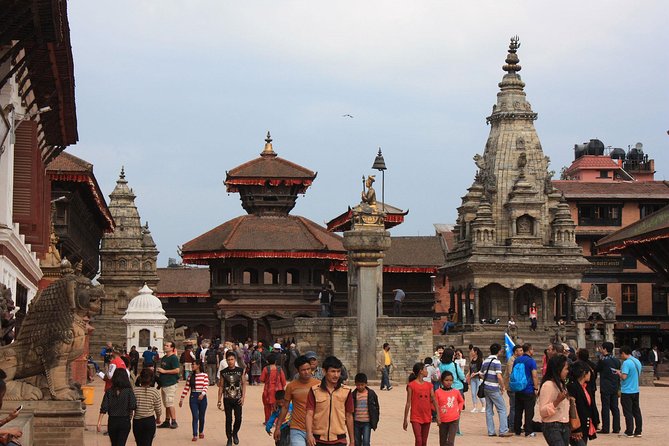
Finally, you visit Bhaktapur Durbar Square, including the Royal Residential Quarter of Bhupatindra Malla and the famed five-storied Nyatapola-style pagoda. This stop adds a different feel from the riverfront and stupa energy—more classic architecture, courtyards, and carved details.
Pokhara: The Smooth Start Before You Hike
After Kathmandu, the itinerary shifts gears. You’ll leave for Pokhara by tourist bus around 7:30 am, with staff picking you up from your hotel at about 6:30 am. Pokhara is presented as calmer than Kathmandu, and it’s the ideal staging point because it keeps you close to the Annapurna region without the same hectic energy.
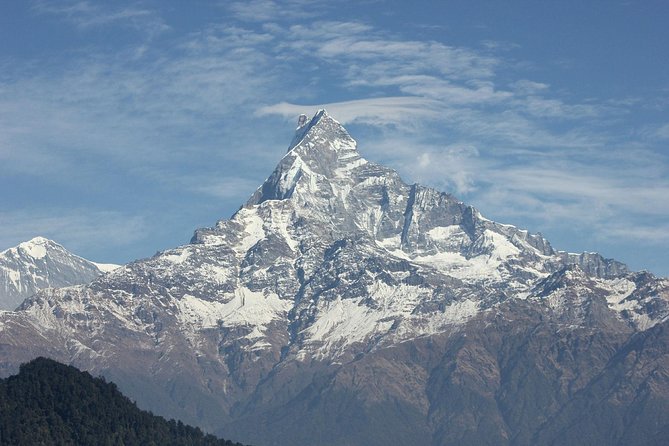
Pokhara itself is described as set along Phewa Lake with big views: Annapurna and Machhapuchhare to the north, Dhaulagiri to the west, and Lamjung Himal plus Manaslu in the east. Even if you only have time for a short look around, it helps to get your bearings before trekking.
For many people, this day is about resetting your body. You’ll still be tired from travel, but you won’t have trekking pressure yet.
Nayapul to Hille and Tikhedhunga: Where the Trail Begins Gently
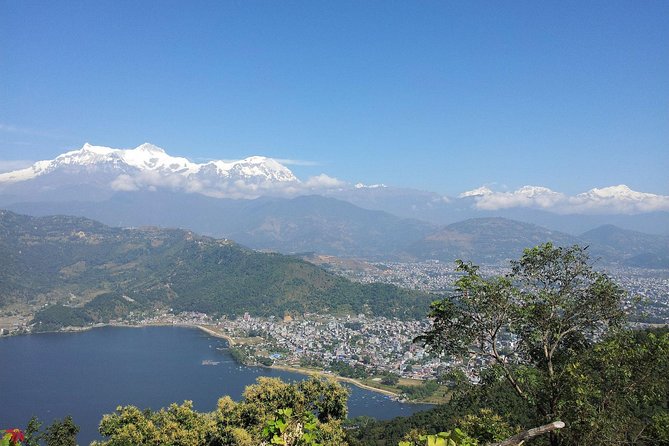
On trek day, you drive from Pokhara to Nayapul, then start walking soon after. You’ll do about a 15-minute walk along the Modi Khola before reaching Birethanti at around 1,015 m, a larger village with shops and teahouses. This is your first reality check: you’re now in trekking infrastructure, not city streets.
From Birethanti, the trail follows the north bank of the Bhurungdi Khola and climbs steadily toward Hille at about 1,495 m. After a short climb, you reach Tikhedhunga at around 1,570 m. The itinerary describes this as a relatively short, easy day—use that. Treat it like a warm-up so your legs feel ready for the real climb ahead.
Ulleri to Ghorepani: Forest Walking and the Rise to 2,840 m
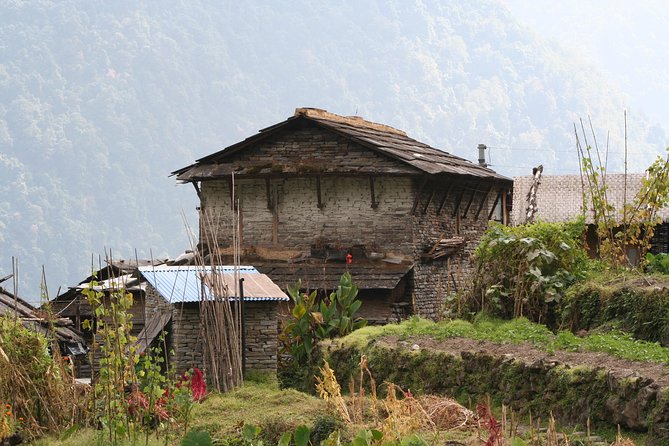
Today is where the trek starts feeling like a trek in the best way. You move toward a steep climb to Ulleri, described as a large Magar village at about 2,070 m. After that, the trail is described as ascending more gently through oak and rhododendron forests.
You’ll pass Banthanti (about 2,250 m) and Nangethanti (about 2,460 m) before arriving at Ghorepani around 2,840 m. This part matters because it sets the tone for your trekking rhythm: steady effort, short pauses, and frequent changes in view as you work your way upward.
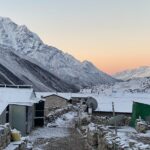
Teahouse nights are part of the rhythm. In places like Ghorepani and later stops, the “value” isn’t just the bed. It’s the routine: you arrive, eat, rest, then wake up ready for the next climb with your guide and porter support already working in the background.
Poon Hill at Sunrise: The Half-Hour Decision That Changes the Whole Trip
This is the day everyone books for: Poon Hill viewpoint at about 3,210 m. You’ll start with a very early hike of about one hour. Then you spend around one hour up at the viewpoint to catch sunrise over the high Himalayas, described as a brilliant spectacle.
Afterward, you return to Ghorepani for a hot breakfast. That matters because it’s one of the only “big comfort” moments in the morning—so plan to eat well, even if you feel half awake.
Then the trek continues away from the viewpoint energy. You climb along ridges and pass through pine and rhododendron forests toward Deurali at about 2,960 m. From Deurali, you descend to Banthanti and turn off to Tadapani. So sunrise isn’t the only story; you’re still putting in hiking miles after.
Tadapani to Ghandruk: Gurung Village Views and Afternoon Freedom
The next stop is Ghandruk, a village of Gurung people. The itinerary frames it as a famous trekking destination with beautiful mountain views and easy reach from both Pokhara and Kathmandu. Ghandruk also stands out because it’s home to Gurkha soldiers, and it has its own dialect, costumes, and day-to-day culture.
From Tadapani, you descend through forests to reach Ghandruk. Expect the trail to feel different from the morning climb. Instead of pushing uphill hard, you’re working your balance and legs on the way down—usually easier mentally, tougher on knees if you rush.
Once you arrive, you get an afternoon to explore. The itinerary includes time for the Annapurna Conservation Office and museums, plus wandering the village. This is one of the best “slow down” blocks in the trip because it turns your trek from pure movement into learning and connection.
Ending the Loop: Nayapul Back to Pokhara
On Day 8, you finish the trek by heading to Nayapul and then driving back to Pokhara. It’s a short drive after arrival, and the afternoon is built in for relaxing. You’re free to take a stroll around the lakeside, which is a nice reset after days of steep stairs and narrow paths.
This day is also your final chance to do practical things: wash up properly, recharge devices, and decide what you want to do next in Nepal. The itinerary points out options like Chitwan jungle safari, river rafting, Kathmandu shopping, and mountain biking, which can be a good way to extend your trip without adding more altitude.
Kathmandu Again: Farewell Dinner and a Smoother Arrival Day
You drive back to Kathmandu on the morning of Day 9. That timing is helpful because you’re not trying to connect with flights right after a long trek day. In the evening you get a farewell dinner at a traditional Nepalese restaurant with cultural performances.
It’s not just entertainment. It’s a moment where the trip feels complete, and you can notice how different your body and mind feel after trekking. If you’re someone who needs closure, this kind of dinner is a good fit.
On Day 10, you’re dropped at Tribhuvan International Airport for your flight departure. The handoff is straightforward: airport representative, then you’re on your way.
Guides and Porters: The Team Factor You’ll Feel Every Day
This itinerary is set up with staff support you’ll actually notice. You’ll have a local Ace the Himalaya licensed English-speaking trekking guide, and the porter system is about sharing the load. With one porter for every two guests, you’re less likely to arrive at tea houses feeling like you carried all the weight of the trip alone.
In the feedback I reviewed, certain guide and porter names came up again and again—Sushanta, Baburam (Babu), Janardan, Shyam, Raj, Ishwar, Ramesh Karki—along with porters like Poson/Posan, RJ, Babu, Limbodia, Bipi, and Keshap. The point isn’t star power. It’s that people with long experience keep showing up, and that tends to mean smoother pacing, better route decisions, and more confident answers when weather shifts.
What to Pack and How to Pace Yourself
The big packing rule here is simple: since personal trekking equipment isn’t included, don’t show up with city shoes and optimism. Bring what you need for early starts, cold mornings, and repeated walking on uneven stone paths between tea houses.
Also, plan your fitness expectations around moderate physical fitness. That doesn’t mean you have to be an athlete, but you should be comfortable with uphill days and a couple of early mornings. The climb to Poon Hill is the obvious hard part, but the rest of the trek has plenty of steady stairs and elevation change too.
If you want a smart pacing move, use the “easy prelude” day early on (the first trek day) as your gauge. If your legs feel good then, you’ll be able to focus on enjoying the forests and villages later instead of just surviving them.
Should You Book This Poon Hill Trek?
I’d book this if you want the classic Annapurna experience without DIY stress. The mix of guided Kathmandu sightseeing, a well-supported trek with porters, and permits taken care of is what makes this feel like good value at the stated price. You’re also getting a real sunrise objective, and not just a long walk that happens to pass a viewpoint.
Skip it—or at least rethink it—if you hate early mornings or you know you’ll struggle with uneven terrain. This trek’s schedule is built around starting very early for Poon Hill, and it needs good weather to run as planned. If weather cancels, the program says you’ll be offered a different date or a full refund, and that’s the kind of safety net you want.
If you can handle a moderate fitness level, and you like your travel structured but not rushed, this one fits well.
FAQ
FAQ
Where does the trek start and end?
The Annapurna trek starts and ends in Pokhara. Kathmandu is included for arrival, sightseeing, and the final return before you fly out.
How long is the Poon Hill trek?
The tour is listed as 10 days (approx.).
What permits are included?
The trek includes Annapurna Conservation Park permits and a TIMS permit.
Do I get a guide and porter service?
Yes. You get a local Ace the Himalaya licensed English-speaking trekking guide. Porters carry your luggage, with one porter assigned for every two guests.
What meals are included in the price?
Breakfast is included for 9 days, lunch for 6 days, and dinner for 6 days. Lunch and dinner in Kathmandu and Pokhara are not included.
What happens in Kathmandu on the second day?
You visit Pashupatinath Temple (view only from the eastern bank), Boudhanath Stupa, and Bhaktapur Durbar Square as part of a guided city tour with monument entrance fees included.
Is Poon Hill sunrise part of the schedule?
Yes. You hike very early to Poon Hill at about 3,210 m, spend about one hour at the viewpoint, then return to Ghorepani for hot breakfast.
What is not included that I should plan for?
Travel insurance (including rescue and evacuation), international airfare, Nepal entry visa, personal trekking equipment, tips for staff and drivers, and alcoholic drinks are not included. Lunch and dinner in Kathmandu and Pokhara are also not included.