REVIEW · POKHARA
Kathmandu/Pokhara: 5-Day Annapurna Base Camp (ABC) Trek
Book on GetYourGuide →Operated by Cordial Trek Pvt. Ltd. · Bookable on GetYourGuide
Chasing Annapurna magic in just five days. This trek routes you from Simrung up through forests and tea-house villages to Annapurna Base Camp (4,130 m), then sends you back through the Jhinu Danda hot springs.
I love how the days are paced around real climbing, with time at the right altitudes to enjoy the scenery instead of just suffering in transit. I also like that your guide handles the practical stuff—permits, permits processing support, and lining up guest houses—so you can focus on breathing, walking, and taking photos.
One consideration: it’s a tough trek packed into a short time, and you should expect cold mornings, basic tea-house comfort (no hot showers or Wi‑Fi), and a lot of footwork even on the return days.
In This Review
- Key Highlights to Expect on This Annapurna Base Camp Trek
- Why This 5-Day ABC Trek Feels Like a Real Himalaya Trip
- Day 1: Kathmandu/Pokhara Pickup, Flight Option, Then Trek to Sinuwa
- Day 2: Sinuwa to Deurali Through Forests and Waterfalls
- Day 3: The Push to ABC via Machhapuchhre Base Camp (MBC)
- Day 4: Sunrise at ABC, Then the Long Return Toward Bamboo/Sinuwa
- Day 5: Jhinu Danda Hot Springs, Then Back to Pokhara
- Altitude, Weather, and Tea House Reality (What Actually Affects Your Comfort)
- Guides, Safety, and the Small Choices That Make the Trek Easier
- Gear Checklist That Matches This Specific Route
- Price and Value: Is $96 a Good Deal for ABC?
- Should You Book This Annapurna Base Camp Trek?
- FAQ
- What is the duration of the Kathmandu/Pokhara 5-Day Annapurna Base Camp trek?
- What is the highest altitude on this trek?
- Do I start from Kathmandu or Pokhara?
- What meals are included?
- Is a guide included, and what languages do they speak?
- What equipment should I bring versus borrow?
- Are hot showers, Wi‑Fi, and charging included?
Key Highlights to Expect on This Annapurna Base Camp Trek
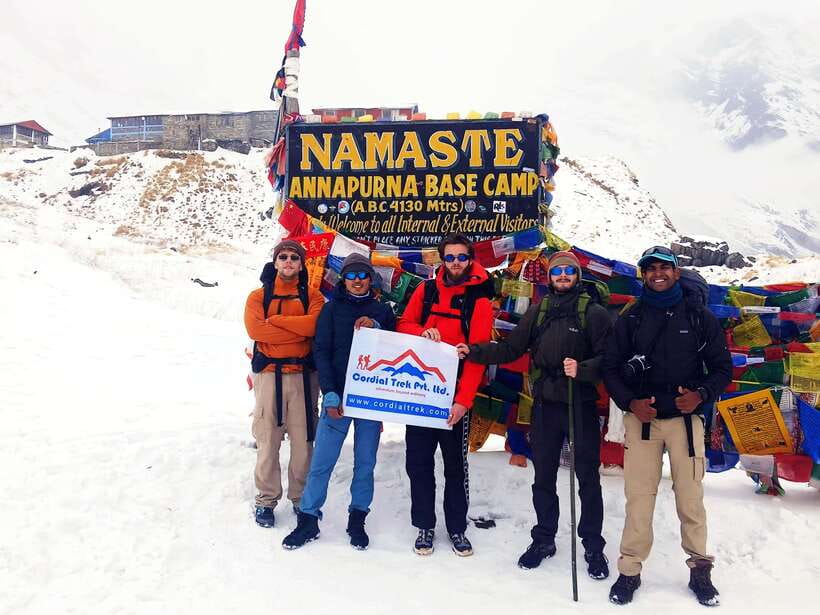
- Annapurna Base Camp at 4,130 m with the classic first-time-Himalaya feeling
- Machhapuchhre Base Camp route on the way in, so the climb feels varied and scenic
- Dense forest + waterfalls early on, then higher, colder ridges later
- Jhinu Danda hot springs on day 5 to soothe tired legs
- Licensed English/Hindi guide and gear borrowing for poles/sleeping bag/down layer
- Guest-house trekking with included meals on the all-inclusive option
Why This 5-Day ABC Trek Feels Like a Real Himalaya Trip
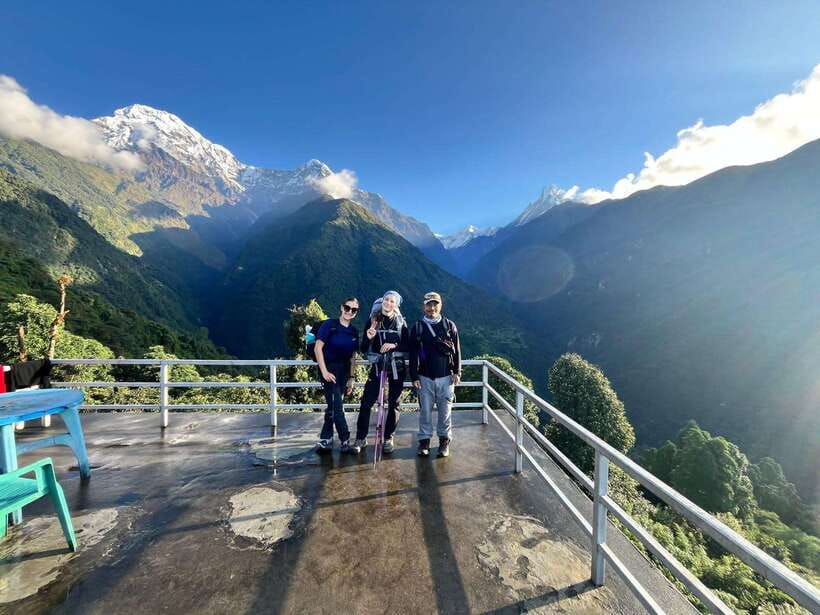
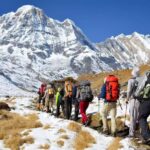
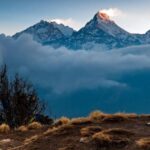
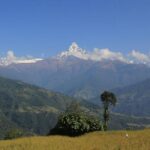
If you’ve seen Annapurna photos and thought, I want that view in my face, this route is set up for you. You’ll walk through a mix of climates fast: lower, greener trails with rivers and waterfalls, then higher terrain that turns colder and thinner with each day.
Two things really stand out for me. First, reaching Annapurna Base Camp (ABC) at all is the headline, but the trail approach matters. You don’t just teleport upward; you earn the view day by day. Second, the hot springs finish is smart. After several long hiking days, a warm soak at Jhinu Danda isn’t a luxury—it’s recovery.
The flip side is simple: five days is not a gentle stroll. The trek is doable, but you need to be ready for long walking hours, cold air, and the reality that tea houses are comfortable in a basic, mountain way, not a hotel way.
You can also read our reviews of more tours and experiences in Pokhara.
Day 1: Kathmandu/Pokhara Pickup, Flight Option, Then Trek to Sinuwa
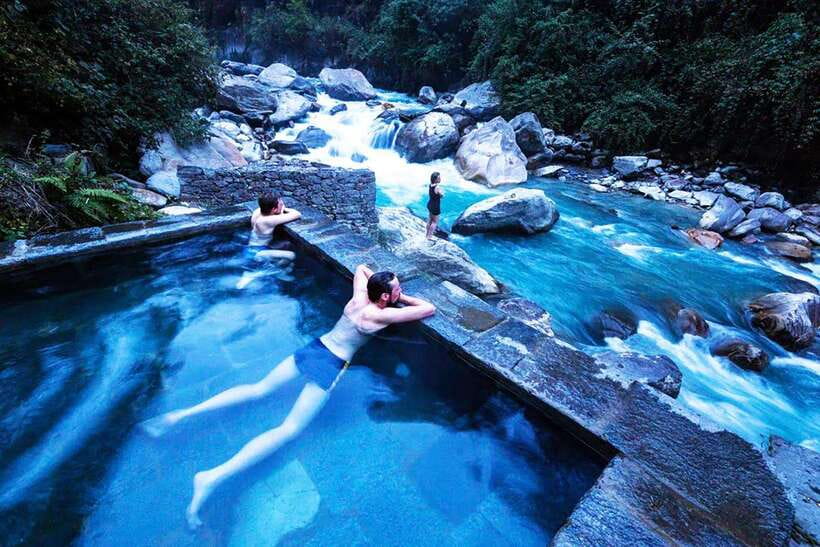
Day 1 starts with logistics and momentum. If you’re in Kathmandu, you take a short flight to Pokhara (about 30 minutes), then you drive roughly 2–3 hours to Simrung via Nayapul. Once you step onto the trail, the first hike is your warm-up: Simrung to Sinuwa (10–11 km, 5–6 hours).
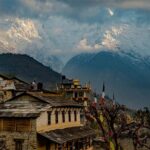
What makes Sinuwa special is that it’s the first taste of the Annapurna region’s trail life. You’ll be surrounded by wooded paths and the slow rhythm of local tea houses. It’s not about pushing altitude hard on day 1; it’s about getting your legs used to packed earth, stone steps, and uneven ground.
Your night stop is a mountain guest house in Sinuwa, with a max altitude around 2,340 m. You’ll likely sleep early. Smart move: start hydrating right away, and keep your evening calm. Your body is already adapting.
Day 2: Sinuwa to Deurali Through Forests and Waterfalls
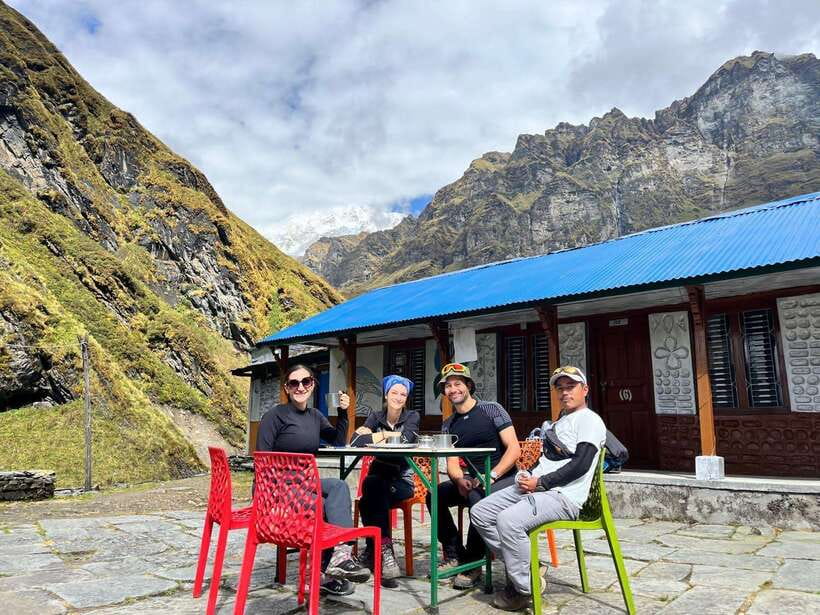
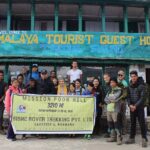
On day 2 you hike Sinuwa to Deurali (10–11 km, 5–6 hours), passing through Himalaya, a small tea-house settlement that’s useful for breaks and rhythm. This is one of the nicer days if you like variety, because the route leans heavily into forest scenery: thick trails, misty pockets, and lots of waterfalls in the mix.
Deurali is where the air starts to feel sharper. Your max altitude rises to about 3,230 m, so take it slow even if you feel good. The trail tends to trick you early—energy comes fast—then altitude reminds you that the summit isn’t the only goal. You’re building tolerance, not just distance.
That night you stay at Deurali Guest House. This is a good day to practice your altitude strategy: steady pace, short breaks, warm layers ready before the cold really hits.
Day 3: The Push to ABC via Machhapuchhre Base Camp (MBC)
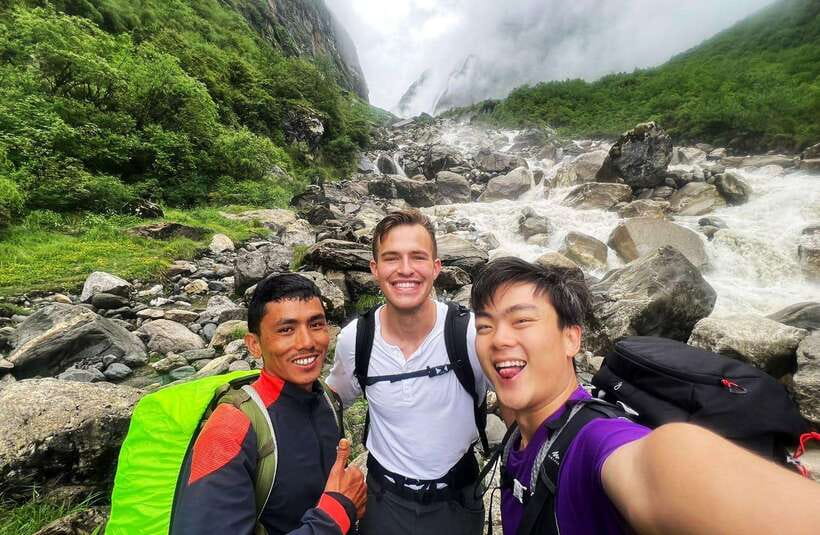
Day 3 is the big transition day. You’ll trek from Deurali to Annapurna Base Camp (10–11 km, 5–6 hours) through Machhapuchhre Base Camp (MBC).
Even without needing to climb fast, this route feels dramatic because Machhapuchhre Base Camp valley changes the feel of the hike. The scenery shifts from lush and busy to colder and more exposed as you gain altitude. You’ll notice the vegetation thinning and the air tightening in your lungs.
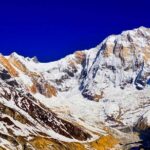
Then comes the moment you’ve been walking for: tea houses at ABC where you spend the night with a max altitude around 4,130 m. At this height, you’ll want to respect your pace and your comfort needs. The goal is to arrive, take it in, and set yourself up for sunrise (or at least a clear-window moment) the next morning.
I love this part because it’s where the trek stops being a hike and turns into a memory you’ll talk about for years. But be practical too: keep your layers on, move slowly indoors, and don’t overdo it just because you’re excited.
Day 4: Sunrise at ABC, Then the Long Return Toward Bamboo/Sinuwa
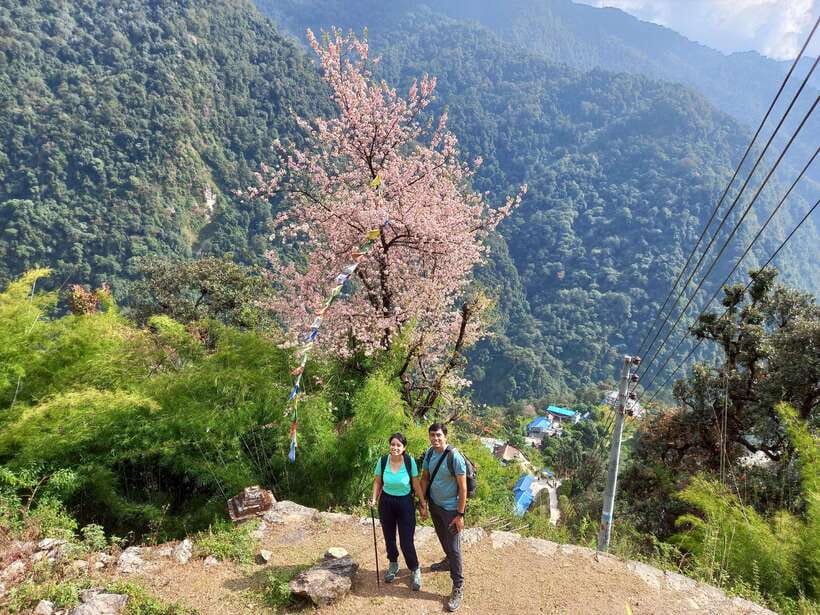
Most people think day 4 is just the return day. It’s not. It’s your chance to see ABC when it’s at its best.
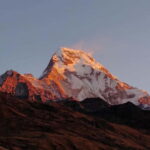
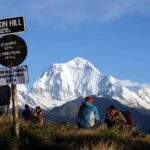
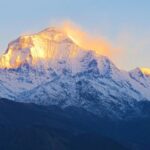
You start with a spectacular sunrise in the morning, then hike back 12–14 km (7–8 hours) toward Bamboo/Sinuwa, going via Deurali, Himalaya, and Dobhan. This is the day that tests patience. You may feel like you’re halfway done emotionally, but physically you’re still on the trail, still losing daylight, still managing altitude after an early mountain moment.
Your minimum altitude during this return is around 2,340 m, so you’re descending overall. That helps. Still, long distance is long distance, even when the air is warmer than ABC.
The guest house on this night gives you a base for recovery before the final hot-springs finish. If you want fewer aches later, this is where you slow down a bit and tighten up your hydration and snacks.
Day 5: Jhinu Danda Hot Springs, Then Back to Pokhara
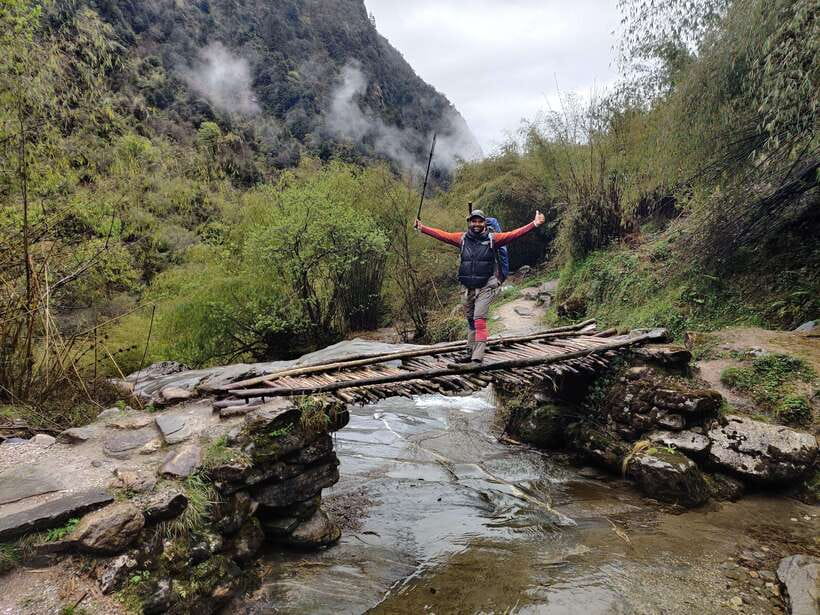
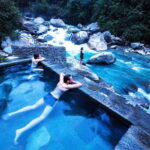
Day 5 is the emotional exhale. You trek from Bamboo/Sinuwa to Simrung via Jhinu Danda (hot spring): 7–8 km (4–5 hours), then you drive back to Pokhara (2–3 hours). The plan is to drop you at your Pokhara hotel no later than 17:00.
The star here is Jhinu Danda hot springs. After days of stairs, rocks, and chilly air, warm water feels like a reset button. It won’t erase soreness, but it can make your legs feel human again.
If you’re flying back, you’ll be dropped at Pokhara Airport for your return flight. On arrival in Kathmandu, drop-off is timed for no later than 19:30 for hotel transfers, and if you have late evening international flights, you’ll handle your terminal on your own.
One small but important point: if you’re going to enjoy your last day, keep some patience for the drive back. Long hikes can make you feel like you’re done once you see the trail end—but the road can take time too.
Altitude, Weather, and Tea House Reality (What Actually Affects Your Comfort)
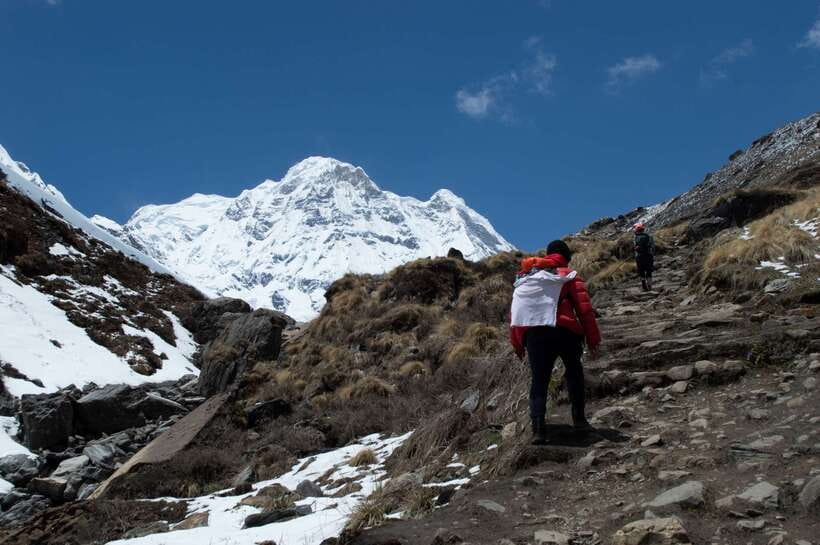
You’re moving from about 830 m minimum on the far end of the trip up to 4,130 m at ABC. That change can feel huge, even if the days are short on paper.
From the gear list and what people say they experienced, here’s what matters most:
- Cold is a constant, especially mornings at higher altitude. Your down or puffer jacket and thermal base layers aren’t optional if you run cold.
- Foot comfort is everything. High-ankle waterproof trekking boots are strongly recommended, and warm socks help more than you’d think.
- Rain season can mean wet feet. In monsoon months you’ll deal with mud and damp gear because nothing dries overnight. If you choose this season, pack extra clothes and accept the damp reality.
Tea houses work well for trekking, but they are not hotel-level. Hot showers, Wi‑Fi, and charging are not included. Food exists and it’s filling, but it’s not priced like a city café. This is why I like having the trek operator include water purification tablets and your key gear borrowing. It keeps you from making the hike harder than it needs to be.
Also, solo travelers get an extra lesson: room arrangements can vary by lodge capacity. Some nights may be private, but you could share in busy conditions. That’s normal in tea house trekking, not a deal-breaker, just plan for it mentally.
Guides, Safety, and the Small Choices That Make the Trek Easier
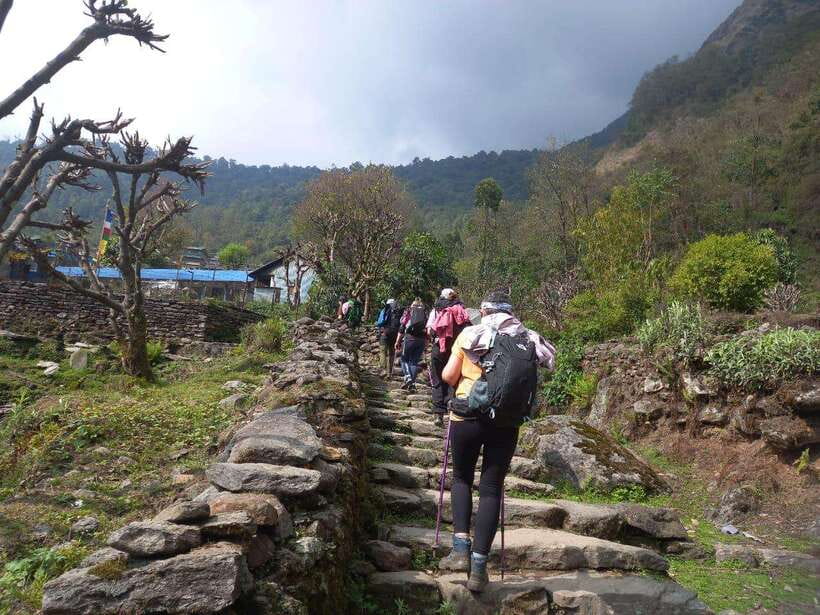
The thing that kept coming up is guide support. On this route, guides like Raj, Smile, Pratip, Oham Raj Tamang, Anil Sherpa, Terence Tamang, Bikash, Om, and others are repeatedly praised for keeping trekkers safe and moving in a sensible way.
In practice, the guide’s value shows up in small decisions:
- Finding good stops and knowing where the best food options are at the right place and time.
- Adjusting the pace to match how you’re feeling, especially when conditions turn (rain, fog, tiredness).
- Being calm when things go wrong, including helping with fast changes to transport if schedules get disrupted.
I’d take this beyond names: if you care about safety and stress-free logistics, pay attention to how your guide plans your day. A good guide helps you avoid the classic mistakes: racing early, skipping water, or pushing when you should rest.
Gear Checklist That Matches This Specific Route
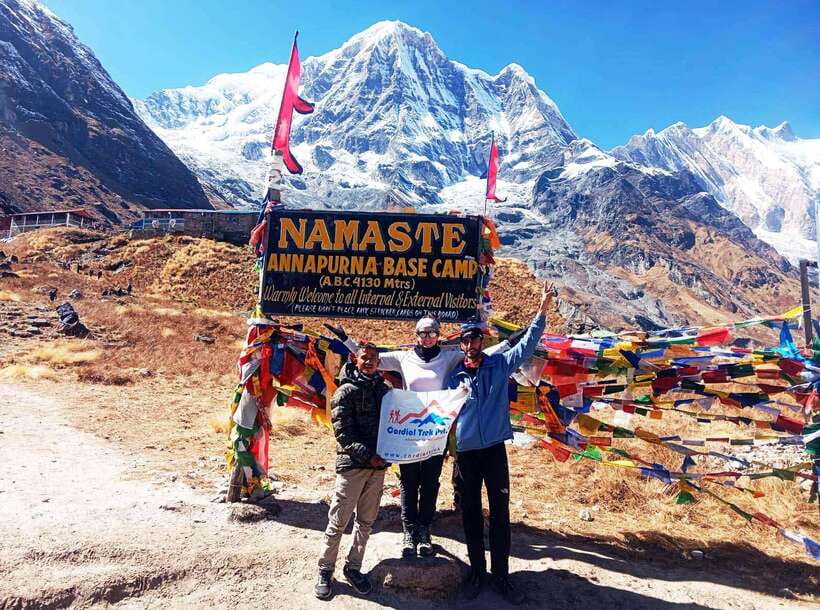
The pack list is straightforward, and I agree with it. For this trek, think warm, waterproof-ish, and simple.
Bring:
- Down/puffer jacket and thermal base layers
- Trekking pants plus t-shirts (half or full sleeve based on season)
- Beanie, gloves, and a neck gaiter
- High-ankle waterproof trekking boots (recommended) and warm socks
- Sunscreen and sunglasses
- Towel and basic toiletries
- Passport (copy accepted) and a passport-sized photo for permits processing
Optional based on conditions:
- Crampons if there’s snowy conditions
- Trekking poles (you can borrow them through the trip), and a daypack/backpack
Borrowed items that matter:
- Sleeping bag
- Down jacket
- Trekking poles
A practical tip: keep your cold gear accessible. If it takes you 10 minutes to find a beanie when you stop for photos, the cold wins. Keep the layers where you can grab them fast.
Price and Value: Is $96 a Good Deal for ABC?
The headline price here is $96 per person. For a five-day ABC trek, that can be a good value when what you’re buying includes the core structure: licensed guide, guest house nights, permits, and the trail essentials that keep you from navigating details alone.
But the real value question is option-based. The included items list shows that many costs shift depending on your selected package:
- If you take the all-inclusive meal option, you get multiple breakfasts, lunches, and dinners.
- Porter service is included only in certain options.
- Some flight and accommodation arrangements depend on whether you start from Kathmandu, Pokhara, and what flight bundle you select.
- Hot showers, Wi‑Fi, and charging are not included.
So here’s how I’d judge it honestly: the price is compelling if it covers what you personally don’t want to manage—permits, route planning, guide time, and the main guest house structure. If you’re going to add several extras anyway, the total cost can rise, and you’ll want to compare packages carefully.
Value also includes stress reduction. People consistently rate this trek highly for smooth organization and guide attention, which matters when you’re trying to enjoy ABC instead of worrying about the next step.
Should You Book This Annapurna Base Camp Trek?
Book it if you want a true Annapurna experience in a tight window and you’re comfortable with hard walking. This is a classic route that goes where you want to go: ABC at 4,130 m, plus the warm recovery finish at Jhinu Danda. If you like forests, waterfalls, and tea-house culture as part of the trek, you’ll enjoy the mix.
Consider skipping or rethinking if you want hotel-style comfort, hot showers every day, or lots of downtime. Also consider how you’ll handle wet conditions if you trek in monsoon season. This is a hike with a real mountain feel, not a casual day tour.
If you do book, make the smart choices that keep this trek fun: layer up early, pace yourself on altitude days, and don’t treat the return hike as optional effort. The reward is worth it, especially when the sunrise hits and the base camp finally feels real.
FAQ
What is the duration of the Kathmandu/Pokhara 5-Day Annapurna Base Camp trek?
The trek runs for 5 days, with a day-by-day route that takes you from Simrung up to Annapurna Base Camp and back down via Jhinu Danda.
What is the highest altitude on this trek?
The maximum altitude is listed as 4,130 m at Annapurna Base Camp.
Do I start from Kathmandu or Pokhara?
You can start from either Kathmandu or Pokhara. If you are starting in Kathmandu, the plan includes a short flight to Pokhara, then a drive to Simrung.
What meals are included?
Meals are listed as 4 breakfasts, 5 lunches, and 4 dinners if the all-inclusive option is selected. If you select a budget option, meals may not be included, and add-ons may be available.
Is a guide included, and what languages do they speak?
A trekking guide is included, licensed and experienced. The live tour guide language options listed are English and Hindi.
What equipment should I bring versus borrow?
You should bring warm clothing, trekking boots, and essentials like sunscreen and sunglasses. The trip lists borrowing equipment such as a down jacket, sleeping bag, and trekking poles at no additional cost.
Are hot showers, Wi‑Fi, and charging included?
No. Hot showers, Wi‑Fi, and battery charging are listed as not included. Water purification tablets are provided as required.
You Might Also Enjoy
 Mount Batur Sunrise Trekking with Professional Trekking Guide
 Pokhara: 4 Days Poon Hill – Ghandruk Village Trek
 Trekking to Emerald LagoonUnforgettable Everest Base Camp Trek with Third Rock Adventures! 🌄
I recently completed an incredible journey to Everest Base Camp with Third Rock Adventures, and I can’t recommend them enough! From starRead more
Trekking to Emerald LagoonUnforgettable Everest Base Camp Trek with Third Rock Adventures! 🌄
I recently completed an incredible journey to Everest Base Camp with Third Rock Adventures, and I can’t recommend them enough! From starRead more