REVIEW · MARRAKESH
Marrakech: 3-Day High Atlas Mountains and Three Valleys Trek
Book on GetYourGuide →Operated by Atlas Mountains Day Trips from Marrakech · Bookable on GetYourGuide
The High Atlas moves fast, in the best way. I love how this trek strings together passes, village life, and big mountain views without making the trip feel like a slog, and you’ll be well fed along the way. I also like that you get real local support: a guide to handle the route and culture, plus a muleteer and mules so your daypack stays reasonable.
The one thing to keep in mind is that the overnight stays are rustic. Expect simple guesthouses, variable hot water, and beds that may not come with the sort of sheet comfort you’re used to at home.
In This Review
- Key Trek Takeaways Before You Go
- Why Imlil Is the Right Starting Point
- Day 1: Imlil, Tizi n’Tamaterte, and Into Tachdirt or Tinghourine
- Day 2: Aguersiwal, Oudit Pass, and Ait Aissa With a Steam Shower Option
- Day 3: Waterfalls in Toubkal National Park, Mzik Pass, and the Return to Marrakech
- The Lodges: Rustic Comfort, Blankets, and How to Sleep Better
- Food on the Trail: Why the Meals Feel Like Part of the Journey
- Hiking Level: Moderate Days With Rocky Moments and Steep Bits
- Guides, Mules, and Group Size That Keep the Trip Enjoyable
- Price and Value: What $227 Covers (and Why It Adds Up)
- Who Should Book This Atlas Trek (and Who Should Skip It)
- Should You Book This High Atlas Three-Valleys Trek?
- FAQ
- How long is the Marrakech High Atlas three-valleys trek?
- What’s included in the price?
- What are the main walking times each day?
- What language are the guides?
- Is water included?
- What should I bring for the hike?
- Is it suitable for everyone?
- FAQ
- Is there a cancellation policy or pay-later option?
Key Trek Takeaways Before You Go
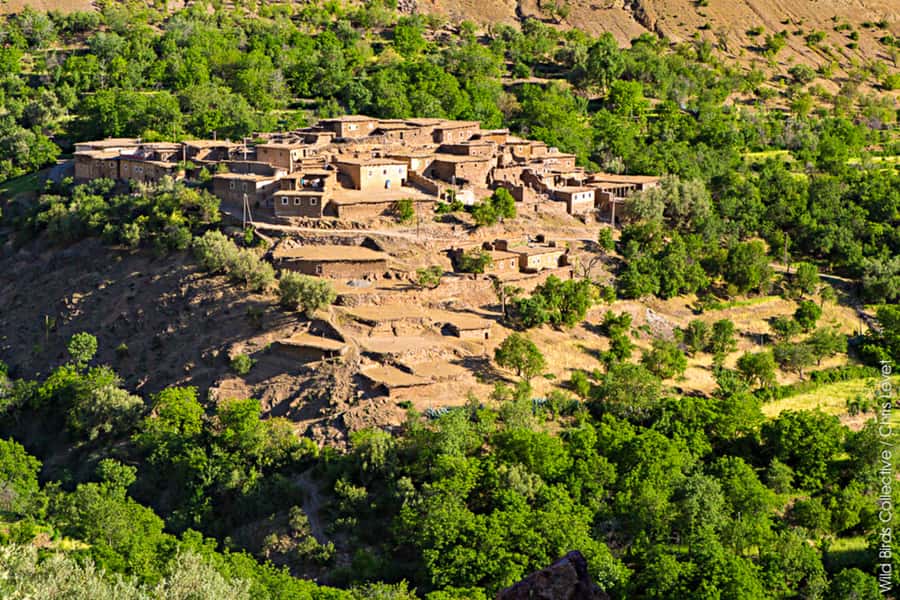
- Imlil as the launching point (1740m) with a gradual warm-up up to Tizi n’Tamaterte (2300m) on Day 1
- Three passes in three days: Aguersiwal (2100m), Oudit (2200m), and Matat/Mzik-area altitude around 2500m
- Waterfalls day: Toubkal National Park waterfalls make Day 3 a strong visual payoff
- Small-group vibe with real pacing control, often guided by local Berber route experts like Abdul, Abdou, Mustafa, or Kamel
- Food is a feature, not an add-on: cooks such as Ibrahim and Mohamed often turn trail meals into the highlight
Why Imlil Is the Right Starting Point
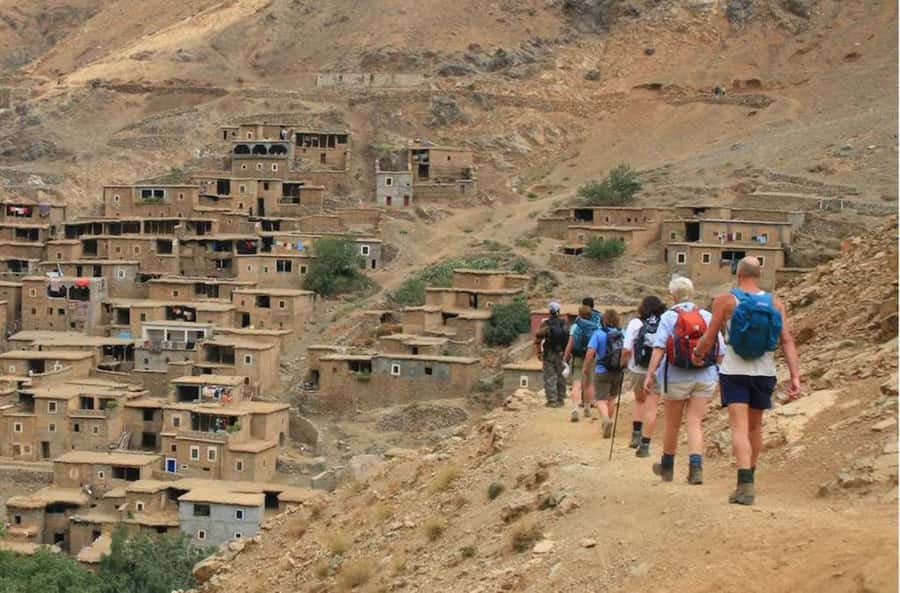
Marrakech is a shock to the senses. This trek is how you trade that for mountain rhythm. You start in Imlil, a common gateway to the High Atlas, where the altitude sets the tone early: you’ll be at about 1740m before you even start walking.
This matters because it makes the hike feel earned, not random. The first day climbs toward Tizi n’Tamaterte (2300m) at a steady, moderate pace. You get views that keep widening as the air thins, but the plan still leaves space for breaks, lunch with a view, and a gentle landing into village guesthouse life.
You’ll also get practical support right from the start. Hotel pickup and drop-off are included, plus air-conditioned transport back and forth in Morocco’s big-city traffic reality. That means you don’t lose your first morning wrestling with finding a bus at the wrong turn.
Day 1: Imlil, Tizi n’Tamaterte, and Into Tachdirt or Tinghourine
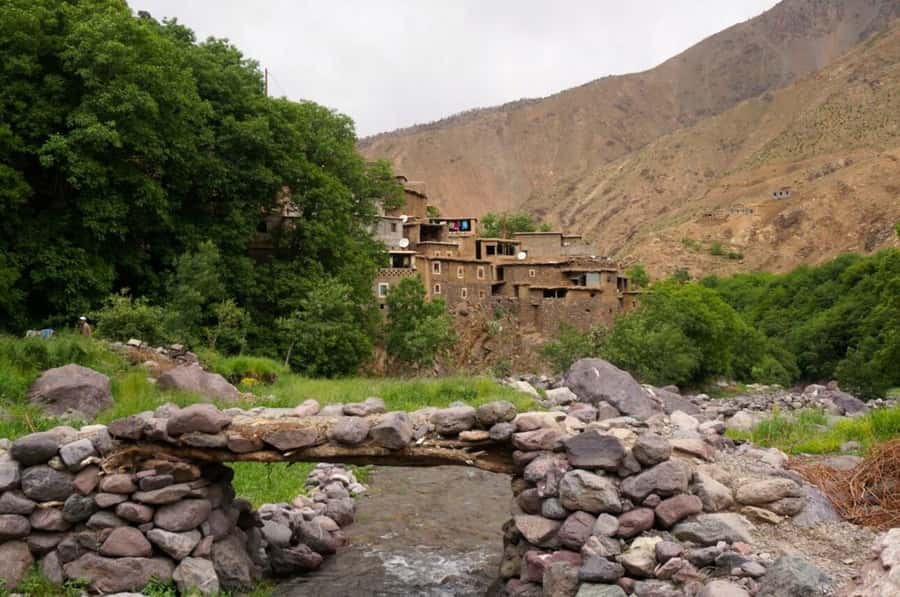
Day 1 is the kind of first day that builds confidence. Plan for about 5–6 hours of moderate trekking, starting from Imlil and heading up to Tizi n’Tamaterte at 2300m.
The big moment is the pass. You’ll stop for lunch on the way up, and that pause is more than food. In the Atlas, eating at altitude turns the day into a memory: mountains stretch out in layers, villages shrink into pockets, and the whole valley system starts to make sense.
After the pass, you keep walking downhill and across changing terrain toward Tachdirt or Tinghourine. This is where the trip becomes more than scenery. You’ll pass through areas where people live by seasonal work, water, and the rhythms of the valley.
You’ll end the day in a cozy guesthouse, and this is where you should adjust your expectations. Reviews and the format of these village stays line up: rooms are simple, blankets are provided, and your “comfort level” depends on what you bring (more on that later).
One travel tip that pays off: pack a light layer for late-day chill. Even when daytime feels fine, evening temperatures drop fast in the Atlas, and you’ll feel it sitting outside with tea.
Day 2: Aguersiwal, Oudit Pass, and Ait Aissa With a Steam Shower Option
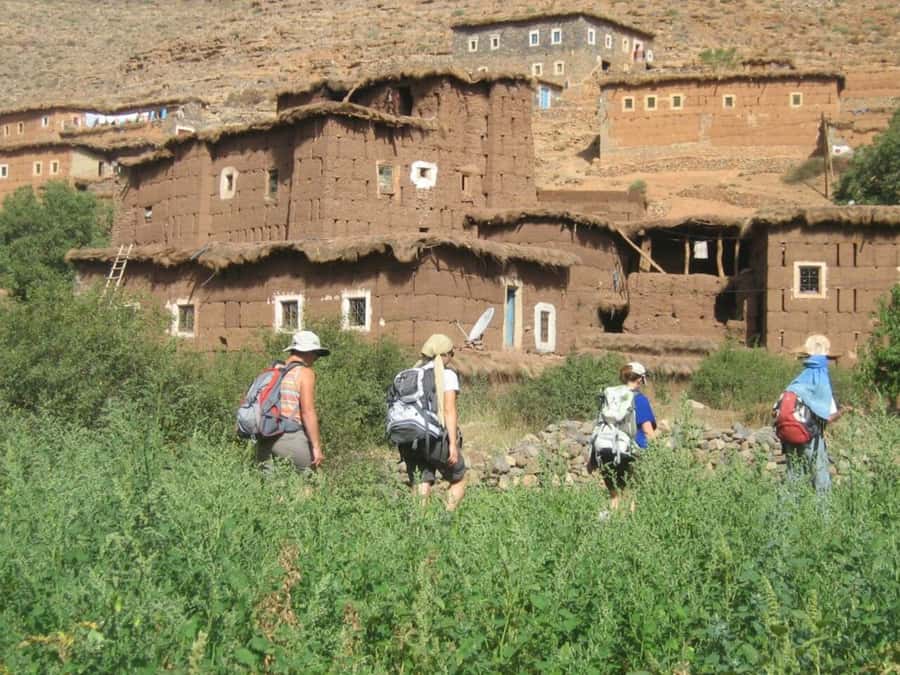
Day 2 keeps the momentum, with another 5–6 hour day built around passes and villages. You start at Tachdirt Village, walk through Aguersiwal (2100m), and then head toward Oudit Pass (2200m).
This is the day where the walking starts to feel more varied. The route goes over and through places that look different by the hour: orchard patches, rocky sections, and paths that thread between houses and walls. It’s not just uphill; it’s also about footing and steady effort.
You’ll reach the Matat and Ait Aissa area for the night. Ait Aissa is another guesthouse stop, and the tour format includes a real perk: there’s even a steam shower option for relaxation after a full day on your feet. (That said, hot water can vary by lodge and season, so treat this as a nice bonus, not a guarantee.)
What makes Day 2 memorable is the mix of exertion and culture. Guides such as Abdul or Abdou are often the people explaining what you’re looking at: how Berber families use the valleys, how daily life links to the mountains, and why certain paths exist where they do.
If you’re the type who likes to stop for photos, this day tends to reward you. Views shift constantly as the trail crosses the ridges and dips back down.
Day 3: Waterfalls in Toubkal National Park, Mzik Pass, and the Return to Marrakech
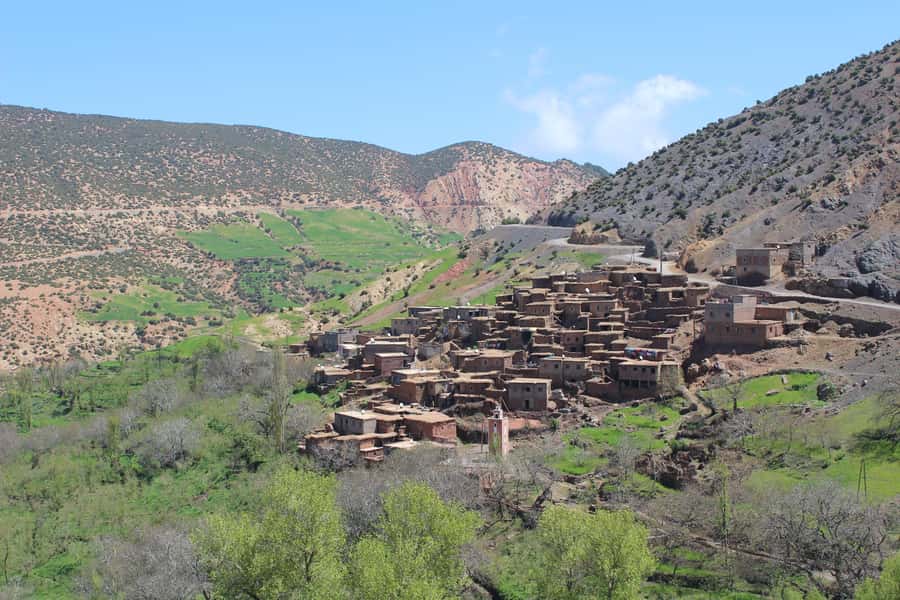
Day 3 is longer on paper—about 6 hours—but it’s also the day with the strongest final punch: waterfalls and a high viewpoint at around 2500m.
You’ll first head to the Toubkal National Park waterfalls. This is a good breather for your legs, too. Waterfalls bring a different kind of energy than walking over a pass: the sound draws you in, and you get a chance to slow down before the steeper final section.
Then you move on to the Tizi Mazik pass / Mzik pass area at about 2500m. From there, you’ll get panoramic views of the Ait Mizan valley. This is the moment your brain goes quiet. You’ll feel small in the best way.
Lunch happens around Mzik, and then it’s a downhill trek back toward Imlil, where the walking ends and the switch flips back to city life. You’ll be transferred back to Marrakech after finishing the trail.
In practical terms: bring your best energy for Day 3. It’s not “hardcore climb” hiking, but it can be steep in sections. Your shoes matter.
The Lodges: Rustic Comfort, Blankets, and How to Sleep Better
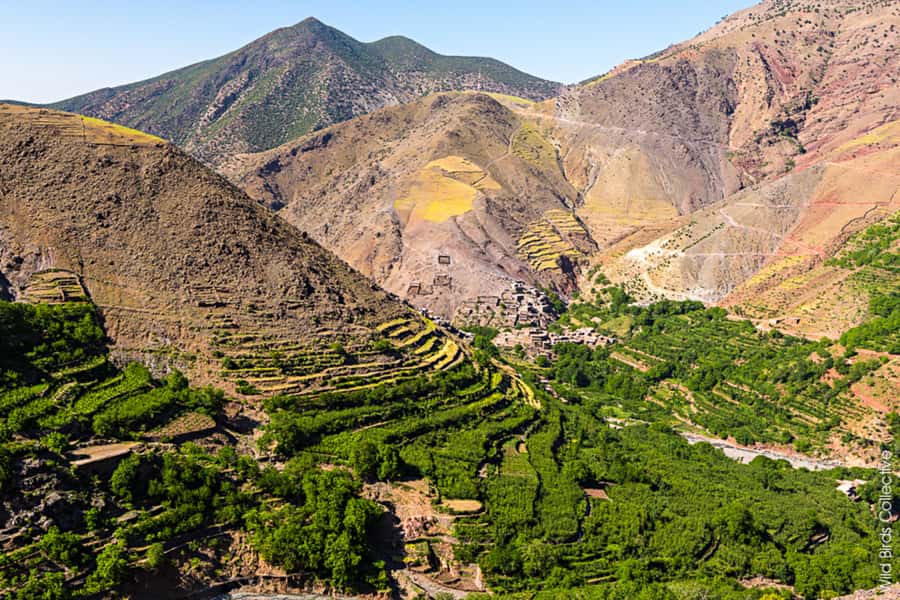
This is not a hotel chain trek. The accommodation is two nights in village guesthouses, and the main theme is charming simplicity.
Here’s what you can reasonably expect:
- Beds often come with blankets, not always proper sheets.
- Rooms can be clean and functional, but don’t assume heating or consistent hot water.
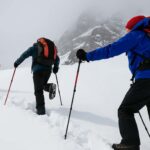
- The cold can bite in winter; late December reports include real chilly evenings.
I’d plan your sleep system like this:
- If you own one, bring a sleeping bag liner (a light one helps a lot).
- Pack a small pillowcase trick if you want a cleaner surface.
- Bring a spare layer for nighttime. Even when the day is comfortable, you’ll likely want it.
Toilet setup varies. If you’re sensitive, carry toilet roll and baby wipes. That’s not dramatic; it’s just the reality of remote village facilities.
And yes, some trips include hot or steamy showers at least once. Still, treat showers as a bonus.
Food on the Trail: Why the Meals Feel Like Part of the Journey
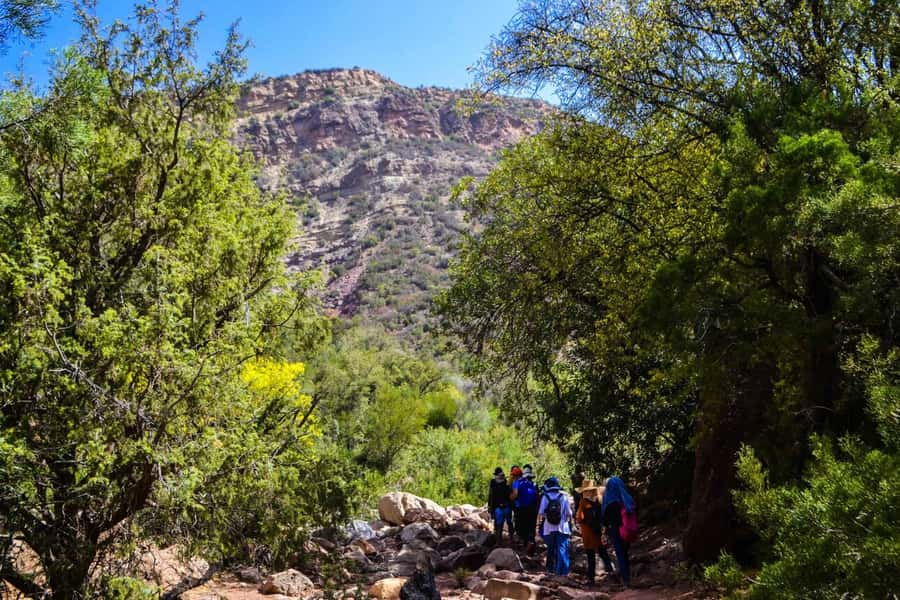
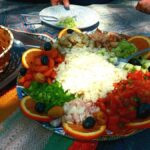
This trek is built around a simple truth: you can’t have a good mountain day without steady fuel. The package includes all meals during the trek: 3 breakfasts, 3 lunches, and 2 dinners.
If you care about food, you’ll probably get why people rave. Cooks like Ibrahim and Samir have a reputation for cooking well with local ingredients and strong spices, and they keep portions generous. A recurring note is that you usually don’t need to carry tons of snacks because the meal rhythm is solid.
Tea stops also matter. Several guides and cooks make time for tea and quick breaks, and along the route you’ll have access to hot drinks, sometimes with bottled water options as well. Mineral water itself isn’t included, but you can plan around that by carrying a small amount early and asking the guide about your best refill points.
Diet matters too. One traveler with vegan needs reported that special requests were handled using fresh ingredients. So if you have dietary restrictions, speak up clearly before the trek starts.
Hiking Level: Moderate Days With Rocky Moments and Steep Bits
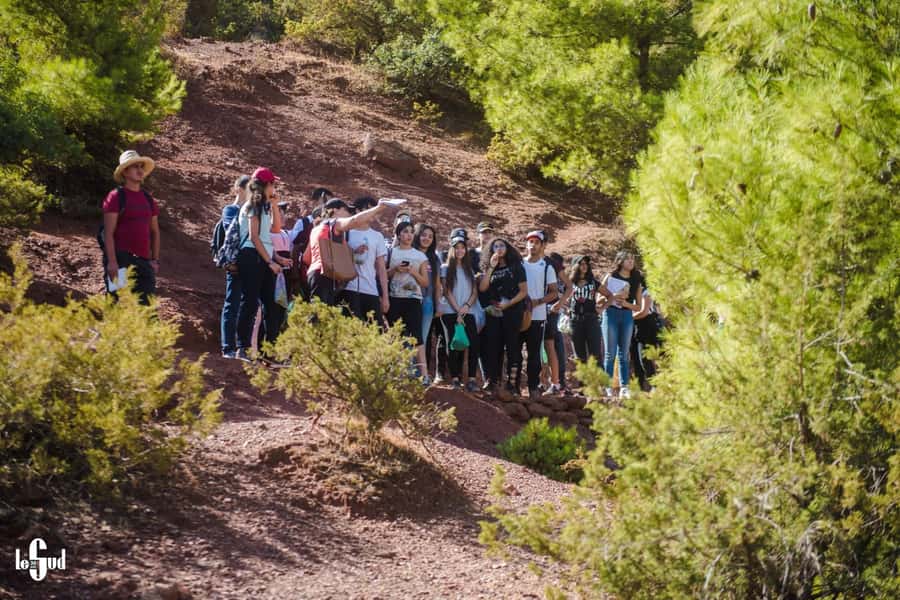
This is a moderate trek, not a beginner stroll. Most days are 5–6 hours, with walking time that can feel longer when you factor in altitude, breaks, and the small pauses for photos.
What to expect on the ground:
- Rocky and uneven paths in spots
- Steeper downhill sections that test your balance
- Pass climbs where steady steps beat speed
Your footwear should be real hiking shoes or boots, not thin sneakers. Reviews point out that trainers can work for some people on hills, but the downhills are where you slide if your soles aren’t up to it.
Also plan for weather shifts. Bring sun protection: sunscreen, a hat, and sunglasses are listed for a reason. Even in mild seasons, the sun at altitude is strong.
Guides, Mules, and Group Size That Keep the Trip Enjoyable
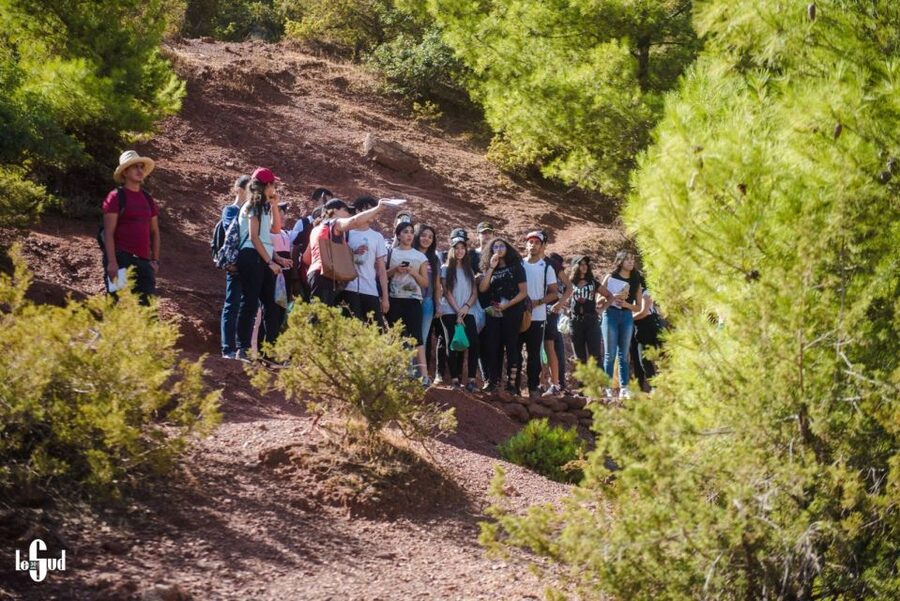
The tour runs as a small group, listed as limited to 10 participants. In that size range, it’s easier for your guide to manage pace, watch footing, and offer cultural context without turning the walk into a race.
You’ll likely work with an English- or French-speaking guide, and names that come up across trips include Abdul, Abdou/Abdo, Mustafa, Kamel, Houssain, and Kamal. Your guide isn’t just a route map; they often handle timing, tea stops, and local storytelling.
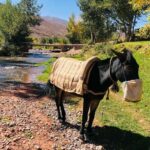
Then there’s the muleteer and the mules. The package includes mules to carry luggage, which changes how your day feels. You can focus on walking instead of carrying everything in your backpack. It also helps on longer days because you’re not managing extra weight on steep descents.
This is where the experience becomes more “real” than touristy. You’re moving with local support, eating with the rhythm of village life, and traveling between communities that aren’t built for mass transit.
Price and Value: What $227 Covers (and Why It Adds Up)
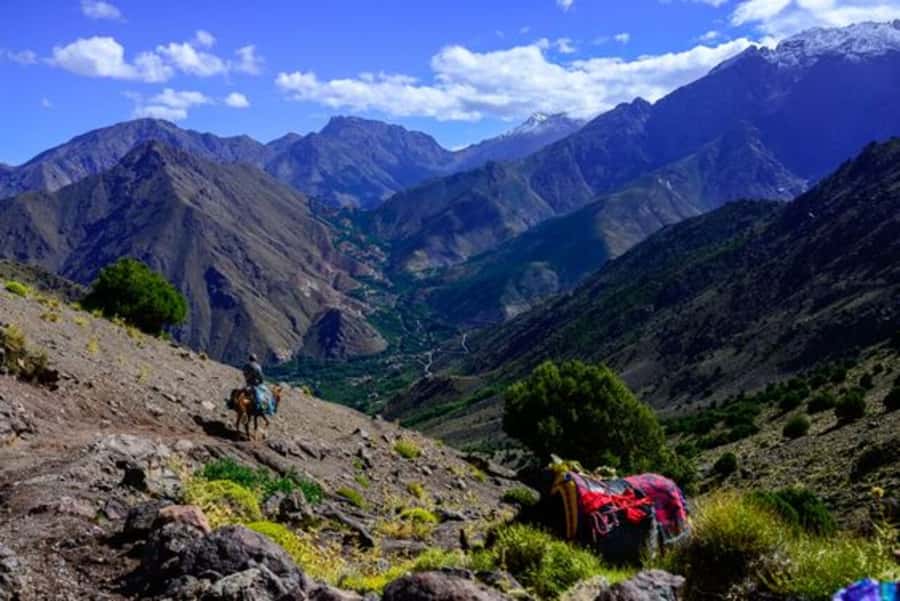
At $227 per person for three days, the value comes from what’s included—not just the fact that there’s a guide.
You’re paying for:
- Hotel pickup and drop-off
- Air-conditioned transport to and from Marrakech
- A local guide
- Muleteer and mule support for luggage
- Two nights of accommodation
- All meals while trekking (3 lunches, 2 dinners, 3 breakfasts)
- A group hike experience capped at a small size
The biggest hidden value is the meal plan. When food is handled for you, you stop spending mental energy on finding places to eat and you start enjoying the day you traveled for. Add mule support, and your hike stays more comfortable than “carry everything yourself” trekking.
Not included: mineral water and soft drinks. You’ll want to budget a bit for that, especially if you drink more than average on hot days or during long climbs.
Also, keep the season in mind. If it’s cold when you go, the same price buys you warm meals, blankets, and a structured schedule that keeps you moving.
Who Should Book This Atlas Trek (and Who Should Skip It)
This trip fits best if you want:
- Moderate hiking with big mountain rewards
- Berber village atmosphere without needing to plan logistics
- A guided route through multiple valleys and passes
- A full meal schedule rather than a pack-and-carry food strategy
It’s listed as not suitable for:
- Pregnant women
- Wheelchair users
- People with heart problems
If you’re an experienced hiker, you’ll enjoy the challenge in the steep moments. If you’re newer to hiking, you’ll still be okay as long as you respect the pace and wear proper footwear—but it’s not a flat walk.
If you dislike rustic accommodations, you might want a different style of tour. The guesthouses are part of the authenticity, but they’re not meant to feel like a city hotel.
Should You Book This High Atlas Three-Valleys Trek?
I think you should book if your idea of a great Morocco trip is walking through real mountain communities, not just taking photos from a day-trip van. The combination of Imlil, major passes, Toubkal National Park waterfalls, and the Mzik viewpoint makes for three days that feel like a story with rising payoff.
Book it if you’re comfortable with rustic lodging and you’ll pack smart for sleep and cold. Bring a liner, a warm layer, and good shoes, and you’ll feel cared for rather than surprised.
Skip it if you want hotel-level comfort every night or you have any medical limitations tied to exertion.
If that sounds like you, this trek is a solid pick. You’ll come back from Marrakech with legs tired in a good way and a head full of mountain views you can’t get from the souks.
FAQ
How long is the Marrakech High Atlas three-valleys trek?
It runs for 3 days.
What’s included in the price?
The tour includes hotel pickup and drop-off in Marrakech, air-conditioned transport from and to Marrakech, a local guide, muleteer and mules to carry luggage, 2 nights of accommodation, and all meals during the trek (3 lunches, 2 dinners, 3 breakfasts).
What are the main walking times each day?
Day 1 and Day 2 are each about 5–6 hours of trekking. Day 3 is about 6 hours.
What language are the guides?
The live tour guide is listed as available in English and French.
Is water included?
Mineral water is not included (soft drinks are also not included). The tour includes meals and you’ll have tea opportunities during the route.
What should I bring for the hike?
You’ll want a passport or ID card, comfortable hiking shoes, a towel, sunscreen, a hat, and sunglasses. A towel is specifically listed.
Is it suitable for everyone?
It is not suitable for pregnant women, wheelchair users, or people with heart problems.
FAQ
Is there a cancellation policy or pay-later option?
Yes. Free cancellation is listed up to 24 hours in advance for a full refund, and there’s also a reserve now & pay later option listed.