REVIEW · GILI ISLANDS
Rinjani Trekking Three Days Two Night Summit Lake
Book on Viator →Operated by Gili Recommended · Bookable on Viator
Three days on Rinjani feels like a dare. You’ll trade Gili-area beach time for summit sunrise at 3,726 meters and the dramatic crater-lake experience, with small groups (max 10) keeping it human. The catch: the walking is genuinely brutal, and this one is best for people who’ve tackled steep, long climbs before.
Starting at 7:00 am from Bangsal (Pemenang, North Lombok), the pace is built around early mornings and a classic three-day rhythm: rainforest and base camp on Day 1, crater rims and lake viewpoints on Day 2, then a summit push for sunrise on Day 3. One strong theme from past trekkers is the guide attitude—someone noted the guide could handle a last-minute change down to a 2-day plan when physical issues popped up—so you should still ask questions early and be honest about your limits.
In This Review
- Quick Takeaways
- Mount Rinjani Summit Lake: The Real Value of This 3-Day Plan
- Price and Logistics: What $519.54 Buys You (and What It Doesn’t)
- Getting Started in Bangsal: The 7:00 am Reality Check
- Day 1: Farmer Fields, Rainforest Cooling, and Lunch at Base Camp III
- Day 2: National Park Rim Views, Crater Descent, and Lake Time
- Day 3: A 3-Hour Summit Push for Sunrise at 3,726 Meters
- How Hard Is It, Really: Brutal for Some, Doable for the Prepared
- Value Check: Is This Worth $519.54?
- The Best Fit: Who Should Book This Rinjani Summit Lake Trek
- Should You Book It?
- FAQ
- What time does the trek start?
- Where is the ticket redemption point?
- How long is the trek?
- How many travelers are in a group?
- Is pickup offered?
- What fitness level do I need?
- Do I get sunrise views, and at what height on Day 3?
- Are admission tickets included?
- What is the cancellation policy if weather is bad?
Quick Takeaways
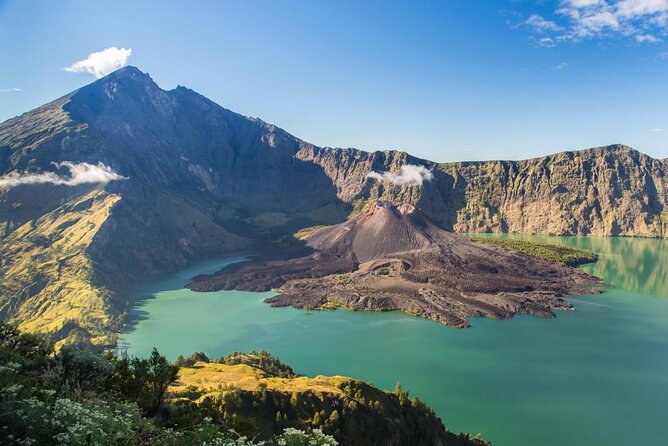
- Sunrise-first scheduling with an optional early sunrise on Day 2 and a summit sunrise goal on Day 3.
- Crater descent toward the crater lake area after taking in lake views from the rim.
- Day 1 base-camp timing: lunch around 12:00 pm at base camp III.
- Maximum 10 people means less crowding and more manageable logistics on narrow trails.
- Admission timing is built into the trek: Day 2 ticket included, Day 3 admission free (per the activity details).
- Guide flexibility can matter: at least one guest reported changing to a 2-day option due to physical complaints, so don’t hesitate to communicate.
Mount Rinjani Summit Lake: The Real Value of This 3-Day Plan
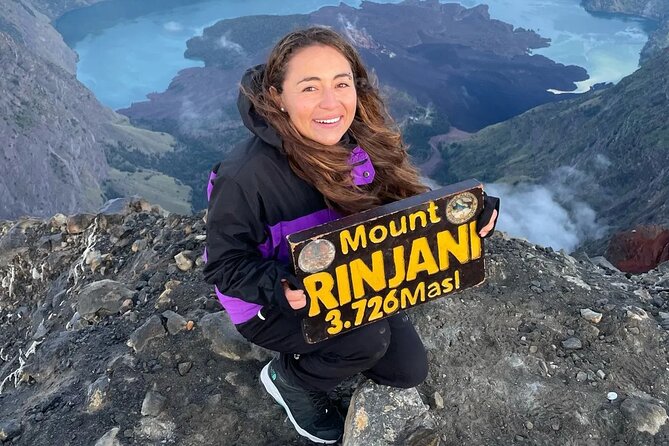
This 3-day, two-night Rinjani trek is designed for people who want the mountain experience, not a casual nature walk. The route mixes rainforest-style paths, base camp stops, rim viewpoints, and then the big push to a high-altitude summit for sunrise. If you like the idea of traveling from forest to crater in a few days, this is the kind of trip that rewards effort with variety.
I also like that the itinerary is straightforward about timing. You’re not guessing when the important moments happen. The plan is anchored around early starts (7:00 am at the meeting point) and sunrise objectives. That matters because Rinjani conditions can change fast—good weather is required—so you want a schedule that respects the mountain.
One more value point: the group size cap of 10 is a practical upgrade. On popular treks, you can end up following a long line of people and losing your mental space. A smaller group generally keeps things calmer, especially during steep sections and photo stops. And if you’re picking between trek styles, this one is small enough that a good guide can actually manage your rhythm.
Price and Logistics: What $519.54 Buys You (and What It Doesn’t)
The price is $519.54 per person, booked on average about 28 days in advance. That’s not a bargain-basement number, so treat it as a “pay for the experience” kind of cost.
Here’s what you’re paying for, based on the activity details:
- A full 3-day structure (approx.) with sunrise goals and multiple elevation transitions.
- Guided movement through Mount Rinjani National Park areas, including admission structure noted for the days.
- A capped group size (maximum 10) which is usually harder to deliver at lower prices.
- Pickup offered, so your start doesn’t have to be a DIY scramble.
What you’re not buying with this price is comfort. This trek is physically demanding, and the walk time on Day 2 and Day 3 is long (about 8 hours and 10 hours respectively, per the activity details). If you’re hoping for a mostly scenic stroll with easy pacing, you’ll likely feel disappointed fast.
Also, confirmation is received at booking time, and the experience requires good weather. If weather forces changes, you’ll be offered another date or a full refund—so it’s not a total gamble. Still, build in flexibility.
Getting Started in Bangsal: The 7:00 am Reality Check
Your trek begins at 7:00 am at the ticket redemption point in Bangsal (83352, Pemenang Bar., Kec. Pemenang, North Lombok). This is one of those details that controls the whole mood of the trip. A mountain sunrise trek isn’t about sleeping in.
There’s pickup offered, which helps if you’re basing yourself around the Gili area and want to avoid time wasted on local transfers. But even with pickup, you should plan to be ready early. If you’re one of those people who needs time to wake up, this schedule will feel like a wake-up slap.
If you’re bringing a “flex plan” mindset, note this: the mountain day is long, and you may not have the option to slow things down without affecting the day’s goals. One previous guest reported the guide could adjust the trip down to a 2-day format due to physical complaints. That’s a great sign for real-world flexibility, but it’s not something to rely on. I’d go into the trek expecting the full 3-day structure unless the operator and your guide confirm otherwise.
Day 1: Farmer Fields, Rainforest Cooling, and Lunch at Base Camp III
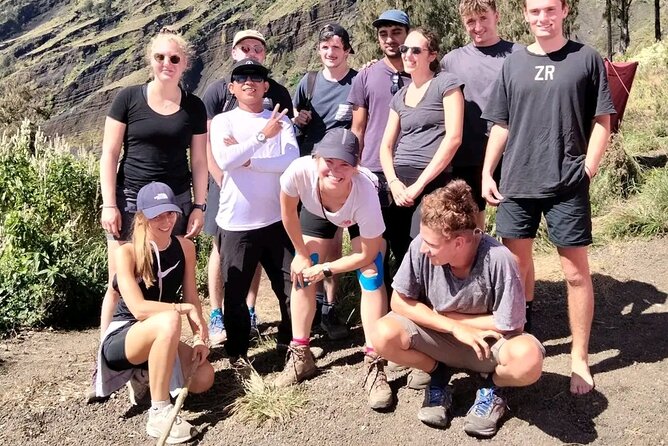
Day 1 starts with you leaving RTC and beginning the climb in the cool morning hours. The route takes you through local farmer fields and then into tropical rainforest. That combo is more useful than it sounds. It’s not just pretty walking—it’s a gradual “warm-up” into mountain terrain, which helps your body acclimate before the bigger days.
Around 12:00 pm, you reach base camp III for lunch. That timing is valuable because it gives you a clear midpoint: enough walking to feel like you’re on the move, but not so long that you’re completely wrecked before your first major stop.
There’s also an animal element mentioned: the presence of famous wildlife (including monkeys) as you catch glimpses during the early trek. It’s the kind of moment that keeps you looking up during tedious sections.
What to watch for on Day 1 is pacing and energy management. This is the day where you set your tone. If you sprint early, you’ll pay later. If you move steady and conserve breathing, the later descents and summit day feel more survivable.
Day 2: National Park Rim Views, Crater Descent, and Lake Time
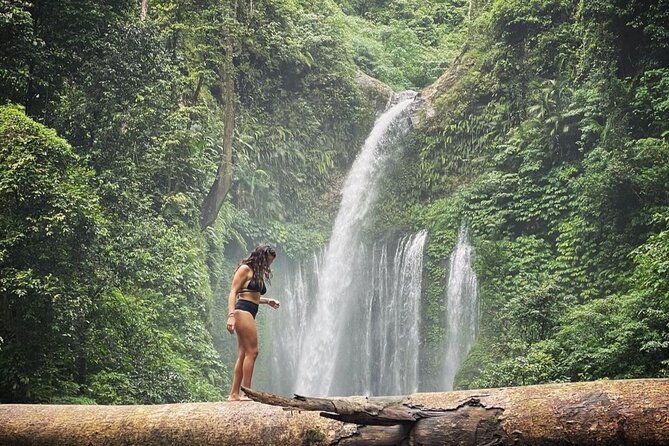
Day 2 is where the trek shifts from “climb to a camp” into “climb to a view, then go down for the crater lake experience.”
The plan starts in Mount Rinjani National Park. If you want an early sunrise, you can get up to watch it. After breakfast, you’ll enjoy lake views from the rim, then take a descent that’s about 2 hours into the crater. Once there, you’ll spend time at the crater area with the lake described as a major highlight.
This is also the day with the longer stated duration—around 8 hours—and it includes an admission ticket. That tells you the operator is treating Day 2 as a key “destination” day, not just a bridge between nights.
The big practical consideration on Day 2 is the descent. People often prepare for the uphill effort, but the crater descent is what tests your legs. Going down can be harder than going up because your knees and ankles do more work. If you’ve got a history of knee trouble, this is the day to take seriously.
And yet, this is also the day that delivers on the trip name: the summit lake focus. You’re not just walking for scenery—you’re walking for a specific crater-lake experience that’s reached after rim viewpoints and a deliberate descent.
Day 3: A 3-Hour Summit Push for Sunrise at 3,726 Meters
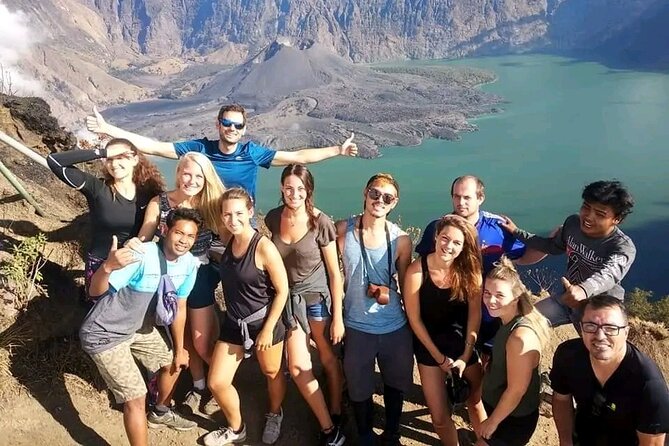
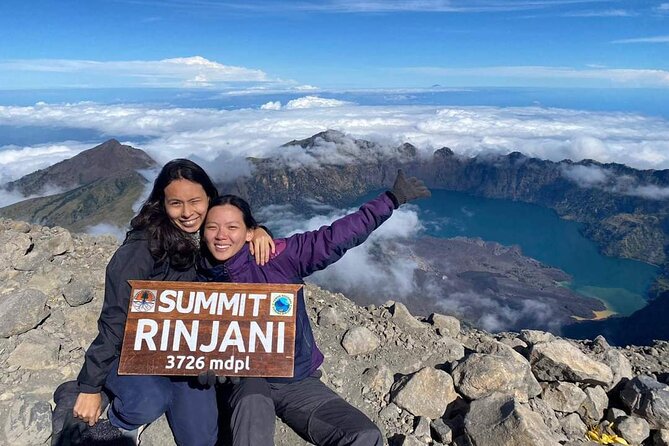
Day 3 is the headline act. You climb for about 3 hours to reach the summit of Mount Rinjani with the goal of catching sunrise at 3,726 meters. After taking in the summit views, you descend again back to camp for a late 10:00 am descent phase (the details cut off mid-sentence, but the timing is clear that your big down-move happens around late morning).
This day is also listed as about 10 hours total, and the activity says admission is free for Day 3 (per the included details).
If you’re unsure whether this is too much for you, use this as your reality check: a summit sunrise at that elevation isn’t a casual moment. It’s an early, steep, effort-heavy push. Even with a guide and a small group, you’ll need the stamina to keep moving steadily when your body starts bargaining for slower steps.
The good news is that the itinerary’s focus is clear. You’re not hiking all day for hours without a payoff. The payoff is scheduled: sunrise at the top. That can make the difficulty feel more like purpose than punishment.
How Hard Is It, Really: Brutal for Some, Doable for the Prepared
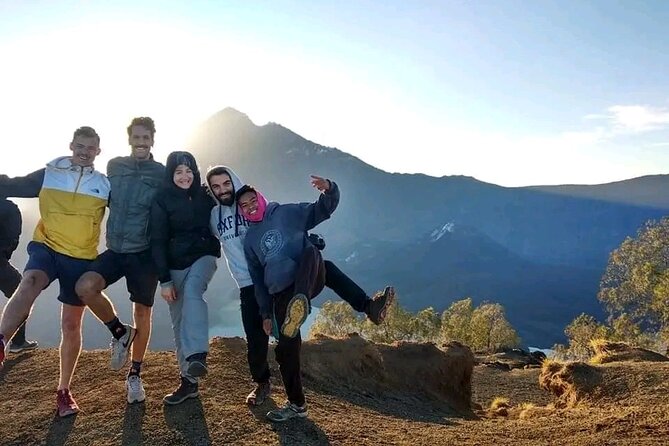
I’ll be blunt here, because a strong theme in past feedback is difficulty. The scenery and ridge views can be breathtaking, but the climb and descent are described as brutal. That lines up with what the schedule signals: early starts, multi-hour uphill segments, and a long summit day.
At the same time, the activity notes a moderate physical fitness level, and the group size stays small. That combination often means the trek is graded for people who can handle long hikes, not necessarily for expert mountaineers. But reviews also suggest you should not treat this as “moderate” if you’ve never done a steep multi-day trek before.
So who should consider this?
- People who hike regularly and have experience with long climbs and descents
- People who are comfortable moving early and staying focused for long hours
- People who are okay with the idea that the descent can be tough on your legs
Who should think twice?
- Anyone who struggles with steep trails or has knee issues
- Anyone who gets spooked by a no-bailout feeling (once you’re on the mountain, options shrink)
- Anyone expecting an easy hike or lots of rest breaks
One practical takeaway from a prior guest story: the guide can be responsive to physical complaints and help manage changes. That suggests a more human approach than a rigid “no matter what” policy. Still, your best protection is preparation and honesty before you start.
Value Check: Is This Worth $519.54?
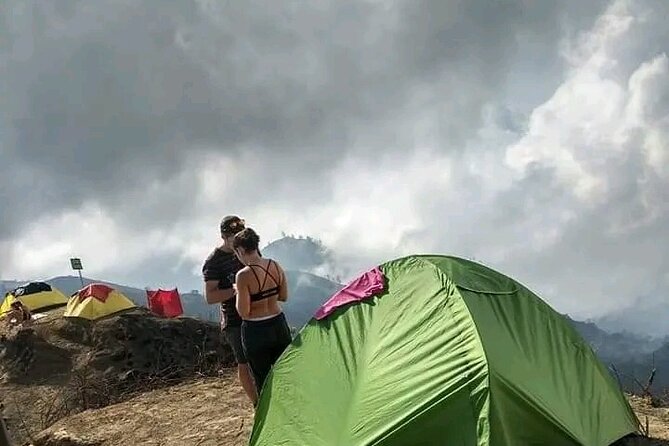
For many trekkers, the value question comes down to whether you’re getting more than a basic walk. With this experience, you’re paying for a tight, sunrise-centered circuit in Mount Rinjani National Park with multiple major viewpoint segments and crater access.
Here’s what makes it feel like a paid-for value:
- Clear sunrise payoff, including a specific summit goal at 3,726 meters
- Structured day flow (Day 1 to base camp III around 12:00 pm, Day 2 rim-to-crater descent, Day 3 summit climb)
- Small group size up to 10 people
- Admission handling is built into the activity details (ticket included Day 2, free Day 3)
- Pickup offered, which reduces friction on arrival day
It may not feel like a deal if you compare against cheaper “trek-like” experiences. But if you’re spending real money for a real mountain circuit with sunrise objectives and crater time, this price can make sense.
The only way this is not good value is if you’re underprepared and the trek becomes miserable rather than challenging. In that case, the “cost” isn’t just money—it’s lost energy and stress.
The Best Fit: Who Should Book This Rinjani Summit Lake Trek
This tour is best for you if you want:
- A 3-day Mount Rinjani experience with big morning moments
- Crater and lake time, not just a ridge walk
- A small group and a guide who supports the schedule
- A trek that expects physical effort and rewards it with views
You might reconsider if:
- You’re not comfortable with multi-hour climbs and descents
- You have a limited trekking background and prefer shorter trails
- You’re expecting easy pacing and long recovery breaks
One more factor: booking timing. With limited group size and average booking about 28 days in advance, you’ll want to plan ahead. If you’re hoping for a specific date, start early instead of waiting for the last week.
Should You Book It?
Book this trek if you’re ready for an early-start, sunrise-driven mountain challenge and you genuinely want the crater-lake experience. The itinerary is tight, the group size is small, and the core moments are scheduled: base camp lunch on Day 1, rim-to-crater lake time on Day 2, and sunrise at the summit on Day 3.
Don’t book it if you’re seeking an easy hike or you’re new to steep multi-day treks. The scenery can be spectacular, but the walking can be brutal. If you’re unsure, ask pointed questions before you go: how you’re expected to pace, what happens if you fall behind, and how your guide handles adjustments when someone needs a different plan.
FAQ
What time does the trek start?
The start time is 7:00 am.
Where is the ticket redemption point?
Ticket redemption is at Bangsal, 83352, Pemenang Bar., Kec. Pemenang, Kabupaten Lombok Utara, Nusa Tenggara Bar., Indonesia.
How long is the trek?
It’s scheduled for 3 days (approx.) with a three-day, two-night format.
How many travelers are in a group?
The maximum group size is 10 travelers.
Is pickup offered?
Yes, pickup is offered.
What fitness level do I need?
The activity notes a moderate physical fitness level.
Do I get sunrise views, and at what height on Day 3?
Sunrise is part of the plan. Day 3 specifically aims for sunrise at 3,726 meters.
Are admission tickets included?
Day 2 lists an admission ticket as included, while Day 3 lists admission ticket as free.
What is the cancellation policy if weather is bad?
You can cancel for free up to 24 hours in advance for a full refund. The experience requires good weather; if it’s canceled due to poor weather, you’ll be offered a different date or a full refund.