REVIEW · CUSCO
Ausangate Trek 5 Days
Book on Viator →Operated by Vidal Expeditions · Bookable on Viator
Ausangate turns high altitude into culture you can feel. I love how this trek mixes small-group care with the big, spiritual presence of Apu Ausangate, from glacier views to ceremony at high passes.
You’ll also get all-inclusive meals and hot coca tea each morning, plus relaxing hot-spring time in villages like Upis and Pacchanta. The tradeoff is real: you’ll sleep and hike high (camping around 4,200–4,630m and crossing up to about 5,200m), so you need solid “moderate fitness” and warm cold-weather layers.
In This Review
- Key things that make this trek worth your time
- Ausangate Feels Different Because the Trek Has a Purpose
- Price and What You’re Really Buying at $660
- Altitude Reality Check: What “Moderate Fitness” Means Here
- The 5-Day Itinerary: High Passes, Turquoise Lakes, and Hot Springs
- Day 1: Cusco to Rondoca, then Upis Hot Springs (8km, about 3–4 hours walking)
- Day 2: Arapa Pass, Puqa Q’ocha, Jatun Puqa Q’ocha, Apacheta, Ausangate Qocha (12km, about 7 hours)
- Day 3: Palomani Pass (5,200m) + Ceremony at the Highest Point (13km, about 6–7 hours)
- Day 4: Deep Blue Lagoons to Pacchanta Hot Springs (15km, about 6 hours)
- Day 5: Local Food and Weaving With a Family, then Back to Cusco
- Your Guide and Crew Matter More Than You Think
- Packing Tips: The One Mistake That Hurts Most
- Who This Trek Is For (and Who Should Rethink)
- Should You Book Ausangate Trek 5 Days?
- FAQ
- What time does the Ausangate trek start?
- What group size should I expect?
- What’s included in the price?
- Do I need to bring a sleeping bag?
- Is there an entrance fee?
- Can I cancel and get a full refund?
Key things that make this trek worth your time
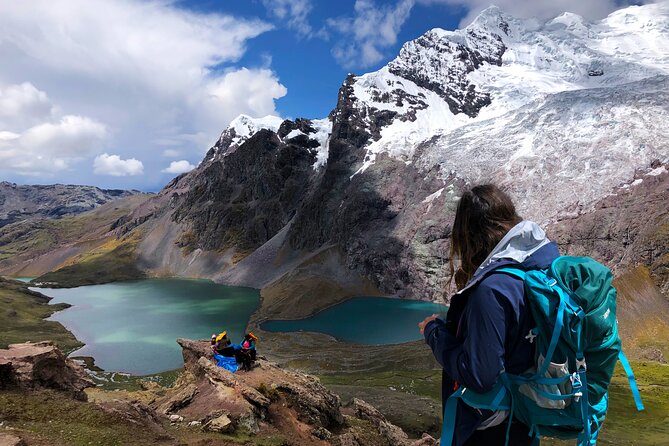
- Apu Ausangate ceremonies on the high passes, including the Palomani pass day
- Hot springs as recovery, with soaks in Upis and later at Pacchanta
- All meals plus hot coca tea, so you’re not budgeting food on the trail
- Horses carry the gear, while you focus on walking and acclimatizing
- A small maximum group size (10 travelers), which keeps the pace and attention human
- A day-5 cultural stop with a local family for food prep and weaving techniques
Ausangate Feels Different Because the Trek Has a Purpose
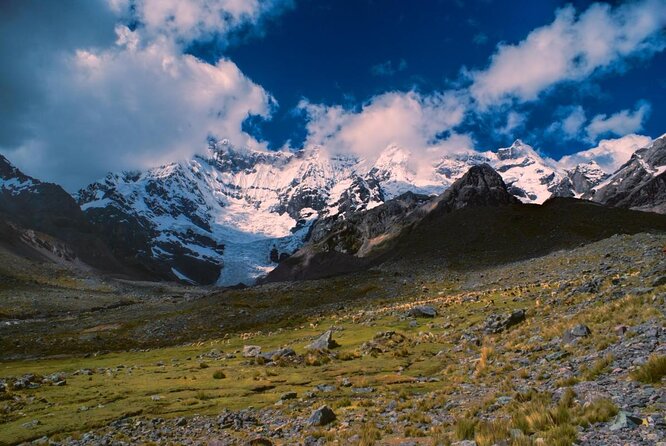
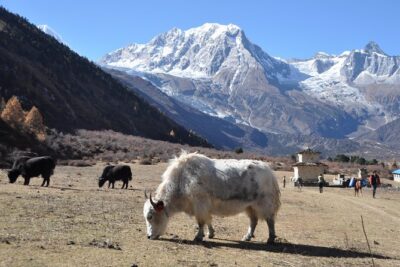
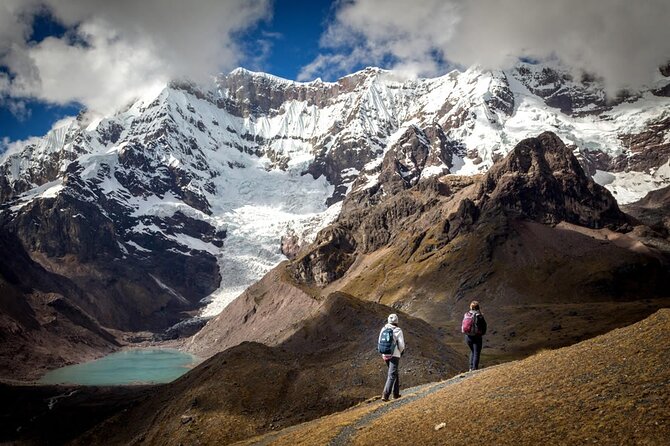
Most mountain trips are about scenery. This one also adds meaning. You’re walking through Andean highlands where locals connect the landscape to spirits and traditions, and the itinerary actually builds that in. A guide leads a ceremony for Apu Ausangate when you reach the highest pass day, and that shift changes how you experience the hours above 4,800m.
I also like the way the trek doesn’t rush you into a checklist. You move from pass to pass, then you get breaks that feel like part of the trip: lunch with mountain views, lakes that earn their own photo stops, and hot springs that help your body reset.
The mountains here are serious. You’ll be high from day one, and the passes are not just for show. That’s not a reason to skip it, but it’s a reason to prepare well.
You can also read our reviews of more tours and experiences in Cusco.
Price and What You’re Really Buying at $660
At $660 per person for about five days, this is not a “cheap and cheerful” hike. What you are paying for is support. The tour includes:
- Camping equipment
- Horses for equipment
- Meals (5 lunches, 4 dinners, 4 breakfasts)
- A full trekking team: cook, horse driver, and guide
Two things stand out for value. First, horses for equipment matter. When your legs are already adjusting to altitude, having gear moved for you turns the trek into walking, not hauling. Second, all-in meals reduce the mental load. On long mountain days, getting a hot, regular meal helps you keep pace and stay steady.
Two items you must budget separately:
- Sleeping bag (not included)
- Entrance fee of 20 soles (not included)
If you already own a warm sleeping bag, the price starts to look much more reasonable. If you don’t, your true cost climbs fast—so plan that part early.
Altitude Reality Check: What “Moderate Fitness” Means Here
This trek runs from roughly 3,800m up to around 5,200m. That’s high enough that you should take the acclimatization part seriously, even if you’re fit.
Here’s the practical rhythm:
- You hike several hours most days, with one long day on pass-and-lagoon terrain.
- You cross multiple high passes, including Arapa Pass (4,850m), Apacheta (4,980m), and the Palomani Pass (5,200m).
- Camps sit high too: about 4,200m on day 1, then around 4,630m on day 2, and roughly 4,500m later.
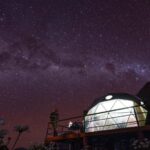
You’re also sleeping cold. The route is in high Andean conditions, and many trekkers recommend bringing the warmest mountain gear you can manage. The itinerary timing starts early (meeting at 5:00am), so cold mornings and chilly nights are part of the deal.
If you’ve never hiked at altitude before, be honest with yourself. This is doable, but it’s not a casual stroll.
The 5-Day Itinerary: High Passes, Turquoise Lakes, and Hot Springs
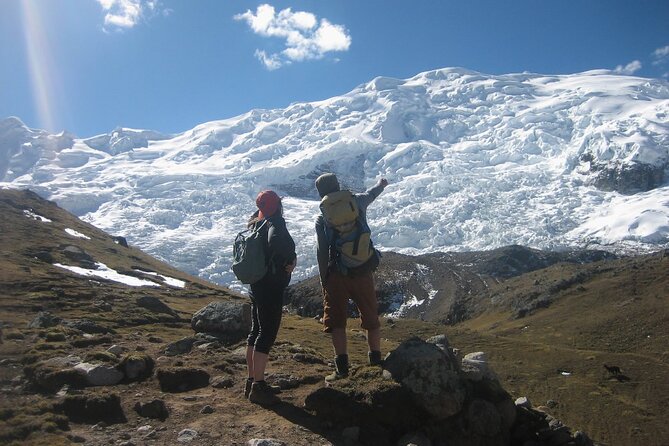
Below is the day-by-day flow and what each day really feels like.
Day 1: Cusco to Rondoca, then Upis Hot Springs (8km, about 3–4 hours walking)
You start early with a 5:00am meeting in Cusco. From there, you ride by private transportation to Tinke, where you can grab last-minute supplies and even stop for breakfast. After that, you continue to Rondoca, where you meet the rest of the trekking team—the cook and the horse driver—and the group fully comes together.
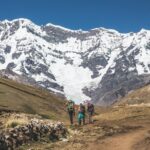
The hike begins gentle-to-moderate, around 2 hours before your first lunch stop. You’ll be walking with the Apu Ausangate mountain in view, which gives day one a real sense of place.
After lunch, you continue to your first camp, but you don’t spend the whole day slogging uphill. You reach the village of Upis, with a chance to soak in the hot springs. You’ll get coca tea too, and that’s a big deal on day one because it helps your body relax after altitude exertion.
Camp: about 4,200m
Distance: ~8km
What to watch for: the early altitude. Even if the hiking time feels short, your body is adjusting.
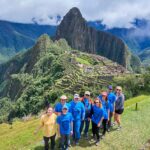
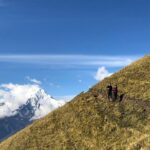
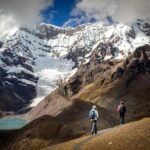
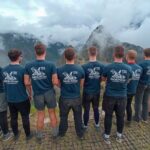
Day 2: Arapa Pass, Puqa Q’ocha, Jatun Puqa Q’ocha, Apacheta, Ausangate Qocha (12km, about 7 hours)
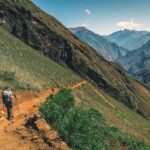
This is your first big pass day. You wake up with hot coca tea and breakfast, then start hiking. Early in the day you cross the Arapa Pass (4,850m). That’s the kind of pass where you stop often—half for breath, half for views.
From the pass, you descend down a valley with lake scenery that changes your whole mood. You pass:
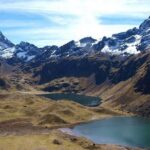
- Puqa Q’ocha (green lake)
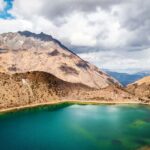
- Jatun Puqa Q’ocha (turquoise lake)
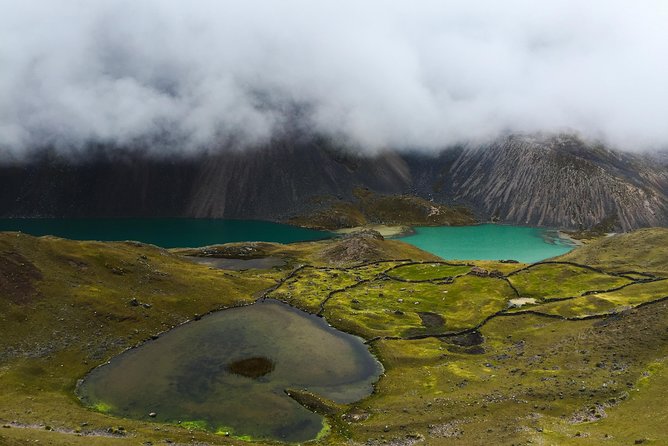
You’ll have lunch near the border of Jatun Puqa Q’ocha with big Ausangate views. Then you do more climbing toward the second pass: Apacheta (4,980m). The itinerary even notes the lake fed from melting snow, which matters because you’re seeing the mountain’s water system in motion.
After the pass day views, you descend about an hour to Ausangate Qocha for the second camp.
Camp: about 4,630m
Total hike time: roughly 7 hours
Total walking distance: ~12km
What to watch for: this is a long day. It’s not just altitude; it’s also hours of trekking. Stay steady rather than fast.
Day 3: Palomani Pass (5,200m) + Ceremony at the Highest Point (13km, about 6–7 hours)
Day three brings the highest pass on the route: Palomani Pass (5,200m). You climb for about 2 hours after breakfast. Once you reach the top, your guide leads a ceremony for Apu Ausangate. This is one of the parts that can stick in your memory, because it turns “the top of a mountain” into something with meaning.
Then you come down for lunch at Uchuy Phinaya, which is a welcome shift from high pass effort to more normal walking rhythm. In the afternoon, you hike for a couple hours to reach the next campsite.
Camp: around 4,500m
Distance: ~13km
What to watch for: at 5,200m, your breathing might feel different even if you’ve paced yourself. Take it slow on the climb.
Day 4: Deep Blue Lagoons to Pacchanta Hot Springs (15km, about 6 hours)
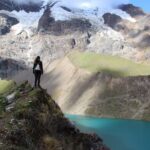
This day has only one pass to cross. That can feel like a gift after the day before. You spend the day taking time with alpine lakes—deep blues and glacial-colored water—and you also get Pacchanta Valley views from a new angle.
If you’re brave (and dressed for it), there’s the chance to cool off with a jump in the water. Even if you skip that, the stop itself gives the day a playful edge. Then you move toward the hot springs of Pacchanta, where you’ll soak with views of Ausangate above you.
The itinerary notes you’ll camp after descending, around 4,300m.
Camp: about 4,300m
Distance: ~15km
What to watch for: this day can still feel long, because the photos and lake stops add up. Plan to take breaks on purpose, not just when you’re exhausted.
Day 5: Local Food and Weaving With a Family, then Back to Cusco
After breakfast, you get a cultural stop that’s more hands-on than a quick photo stop. A local family shows you their traditions through food preparation and weaving techniques, which fits the Andean world where weaving isn’t just craft—it’s identity and knowledge.
After that, you take the bus back to Cusco, with about 3 hours of ride time.
What to watch for: you’ll likely feel both relief and a little “post-trek emptiness.” Build time that day to rest rather than squeeze in a big Cusco night.
Your Guide and Crew Matter More Than You Think
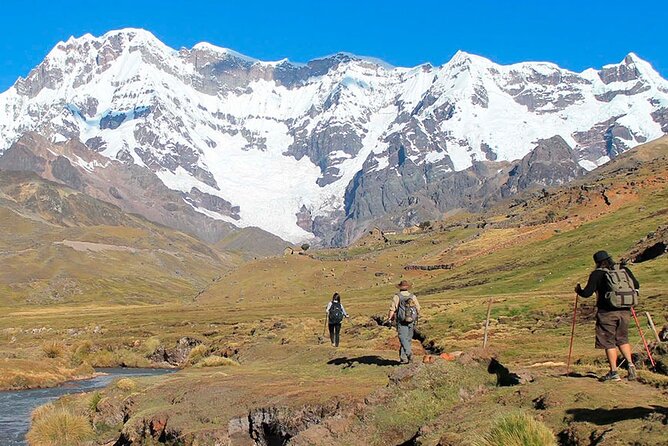
This trek runs like a small mountain operation. When you’re at altitude, the difference between a stressful day and a smooth one often comes down to leadership and logistics.
Guides named in the experience include Chino (sometimes listed as Urbano) and Guillermo. What they add is not just directions, but context—how the local culture connects to what you’re seeing. One reason trekkers rate this so highly is that the guides also help with pacing and encouragement, especially when the route starts to feel steep.
The crew is part of the comfort too:
- Benigno and an assistant cook (named Euden in one account) are behind the meals.
- Angel (horse driver) takes care of gear and helps with camp setup and breakdown.
- Another crew member named José appears in the trekking team mix.
Even if you’re an experienced hiker, it helps to be in a system where someone else handles camp setup and equipment. That’s what makes a high trek feel like a trek, not a survival exercise.
Packing Tips: The One Mistake That Hurts Most
The biggest missing item is your sleeping bag. The tour provides camping equipment, but you’re still responsible for staying warm at night.
Here’s what I’d focus on based on the conditions implied by the altitude:
- Warm mountain layers for camp nights
- A sleeping bag suited for cold temperatures
- Gloves and something for chilly mornings (cold hands happen fast)
- Trekking poles if you like stability for steep downhill parts
- A plan for altitude comfort: pace slowly on climbs and don’t treat the passes like speed runs
Also, start the day with the right mindset. You’ll leave around 5:00am, and you’ll likely feel colder early than you expect.
Who This Trek Is For (and Who Should Rethink)
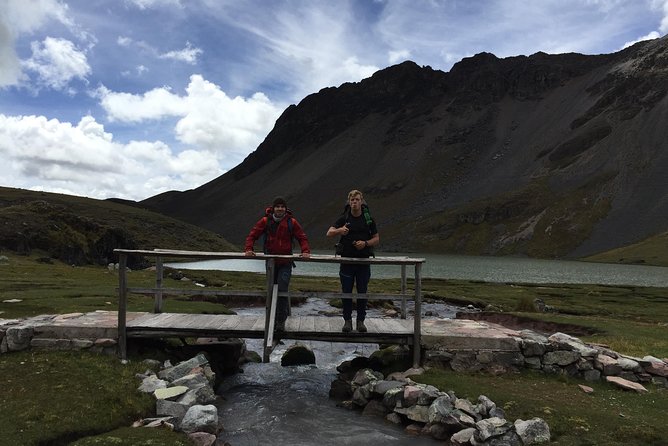
This trek fits you well if:
- you want authentic Andean culture woven into the walking days
- you’re okay with multiple high passes and long days
- you like having a real base camp setup rather than minimalist trekking
- you want hot springs built into the itinerary for recovery
You might reconsider if:
- you’re uncomfortable with altitude ranges up to about 5,200m
- you don’t have proper cold-weather sleep gear (since a sleeping bag is not included)
- you’re hoping for a route that avoids serious elevation work
If you want a trek that feels both physical and meaningful, this is a strong choice.
Should You Book Ausangate Trek 5 Days?
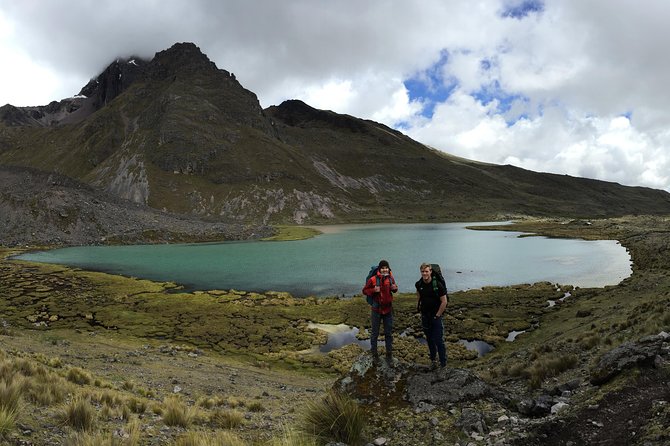
I’d book it if you value a supported, small-group trek with serious mountain scenery and real cultural stops. The combination of all meals, coca tea, hot springs, and a guide-led ceremony at the highest pass day makes this more than just walking through views.
Take the main risk seriously: altitude and cold. Bring the warm gear, pace yourself, and treat the first two days as acclimatization, not a race. If you do that, this route can leave you with the kind of memory that doesn’t fade quickly.
FAQ
What time does the Ausangate trek start?
The meeting point time is 5:00am in Cusco.
What group size should I expect?
The tour has a maximum of 10 travelers.
What’s included in the price?
It includes camping equipment, horses for equipment, meals (breakfasts, lunches, and dinners), and the trekking team support.
Do I need to bring a sleeping bag?
Yes. A sleeping bag is not included.
Is there an entrance fee?
Yes. There is an entrance fee of 20 soles that is not included.
Can I cancel and get a full refund?
Yes. You can cancel for a full refund if you cancel at least 24 hours before the experience’s start time.