REVIEW · BANYUWANGI
Ijen Blue Fire Trekking
Book on Viator →Operated by Java Exotica Tour · Bookable on Viator
Blue fire at Ijen is the kind of sight you remember. This private night trek from Banyuwangi takes you into the crater area for the smoke-and-sulfur spectacle, then turns into sunrise over the big crater lake. You’ll start after midnight, wear safety gear, and walk through tropical jungle toward one of Indonesia’s strangest natural shows.
Two things I really like: the tour runs as a true private group with an English-speaking guide and pickup options (from hotels, the port, or the airport). And you’re not sent off with guesswork—gas mask, headlight, and goggles are provided, plus coffee or tea and bottled water.
One drawback to plan for: this is not a casual stroll. The terrain can be tough and steep, and there’s also a chance conditions won’t cooperate as expected (bad weather or less visible blue fire due to activity/smoke).
In This Review
- Key things to know before you go
- Midnight pickup and the long drive toward Ijen
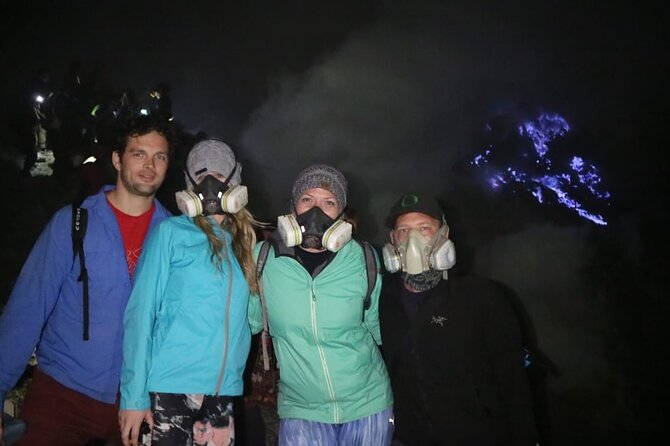
- Safety gear matters more than bragging rights
- Into the crater: what the night trek feels like
- Blue fire at Ijen: the phenomenon you came for
- Sunrise and the turquoise crater lake payoff
- Guides, pacing, and avoiding the worst crowds
- How hard is Ijen, really? Steep means steep
- Transfers, timing, and the value of a private Ijen tour
- Who should book this Ijen Blue Fire tour?
- Should you book Ijen Blue Fire Trekking with Java Exotica Tour?
- FAQ
- What time does the Ijen Blue Fire trek start?
- Is this tour private?
- What safety equipment is included?
- What fitness level do I need?
- Who cannot join the tour?
- What happens if the weather is bad or I need to cancel?
Key things to know before you go
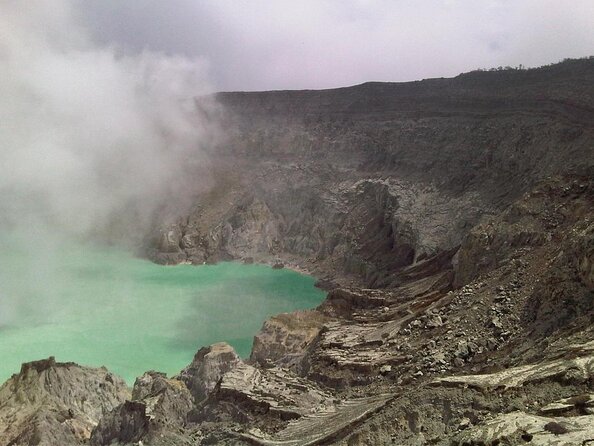
- Midnight start, sunrise payoff: the timing is built around dark-sky trekking and then getting your eyes on the crater lake at first light
- Safety gear is part of the deal: gas mask, headlight, and goggles are included so you can focus on the walk
- Tropical jungle trekking: expect the “up close and physical” part of Ijen, not just a viewpoint stop
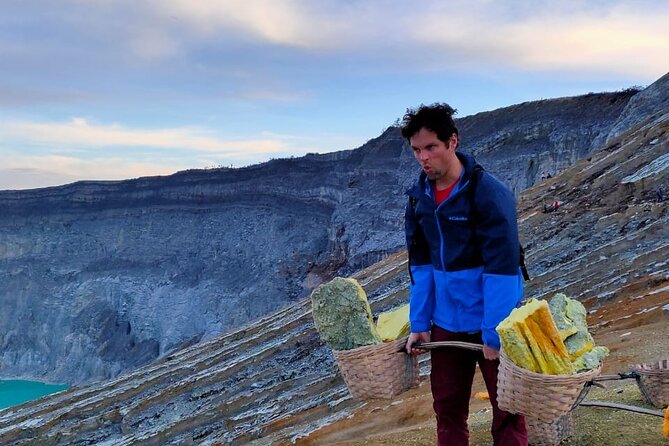
- Blue fire + sulfur miners in action: you’ll see the phenomenon and miners carrying heavy sulfur loads
- Private touring helps with flow: your guide can plan to reduce time lost around crowds
Midnight pickup and the long drive toward Ijen
This tour starts at 12:30 am, which means you’ll be up late (or very early, depending how you look at it). Pickup is offered from Banyuwangi areas like hotels, the port, or the airport, so you’re not spending your night figuring out transport. If you’re coming from outside town, that transfer is one less headache.
Before the climb, there’s coffee or tea, plus bottled water. It sounds simple, but it matters. When you’re about to walk in the dark, you want something warm in your system and a clear head before the lights go out (figuratively) and the trail narrows.
You’ll also get a mobile ticket, and confirmation is sent at booking time. That’s practical for Indonesia, where things can move quickly and you don’t want surprises at 1 am.
You can also read our reviews of more tours and experiences in Banyuwangi.
Safety gear matters more than bragging rights
Ijen trekking is one of those experiences where the “cool” part comes with a real-world hazard. That’s why this tour provides gas masks, headlight, and goggles. Having the gear included means you can show up prepared instead of renting or hunting for items after you already left your hotel.
The headlight is especially useful because you’ll be trekking in the dark. You don’t want to rely on your phone flashlight while trying not to trip on uneven ground. The goggles help with smoke and gritty conditions around the crater area.
One more practical point: the tour includes insurance covers. That doesn’t remove the need to be sensible, but it’s reassuring when you’re doing a night trek with steep sections and exposure to smoke.
If you have asthma, vertigo, or issues linked to hypothermia, this tour is not for you. The description is direct about that—so treat it seriously. And even if you’re fine physically, you should be honest about conditions like dizziness and breathing problems before you commit.
Into the crater: what the night trek feels like
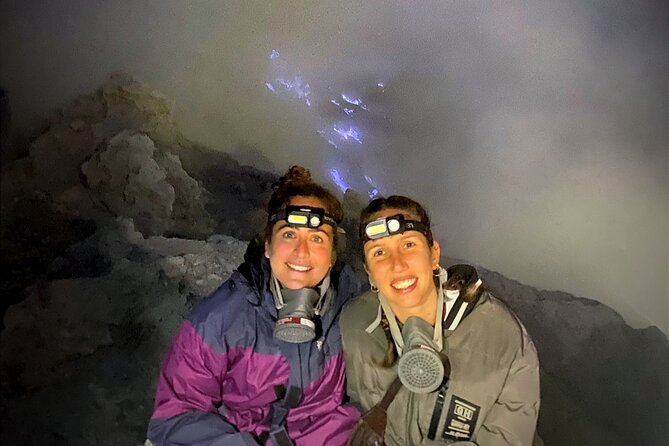
The walk is guided and private, and it’s described as trekking through tropical jungle. In plain terms: you’re moving on a real trail in the early hours, under a sky that’s dark enough that your headlight becomes your best friend.
Your guide will lead you along the ascent toward Ijen Crater under the cloak of night. You’ll be walking through smoke as you get closer to where the sulfur activity happens. This is where the provided equipment and the guide’s pacing become more than a checkbox. The goal is to keep you safe and moving—without rushing so hard that you burn out early.
There’s also a human element in the mix: you’ll see miners carrying back-breaking loads of sulfur. It can be sobering to watch that kind of work up close, especially while you’re thinking about photos. Keep your own safety first, but do take a moment to look at the scale of it.
Blue fire at Ijen: the phenomenon you came for
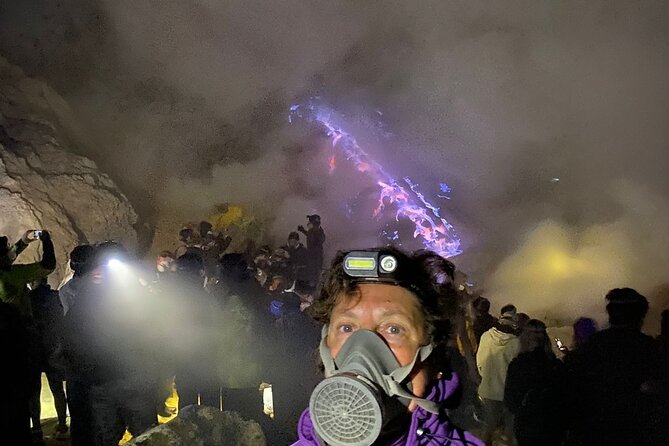
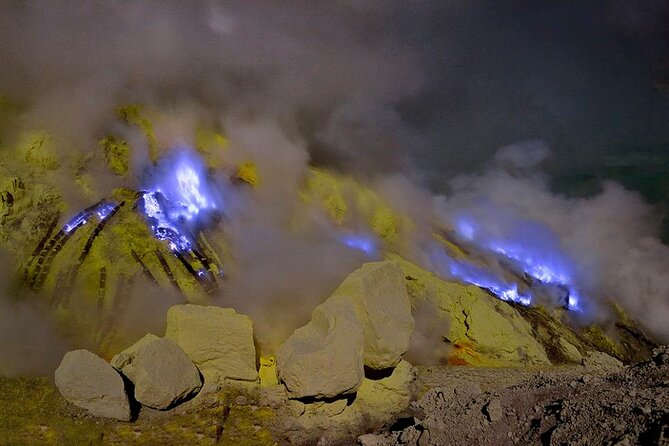
The headline is the Ijen blue fire, which is presented as the natural phenomenon that makes Ijen famous. You’ll be on the crater trek at the moment when the blue fire is visible, amid billowing smoke. If you’ve seen videos, you’ll still be surprised by how it feels in real conditions—smoke, light, and the sense you’re standing at the edge of something industrial and wild at the same time.
One detail I find important: this tour emphasizes that blue fire isn’t just a distant view. You’re walking close enough to see it as part of the crater activity. That’s the difference between looking at a postcard and experiencing the real “why is this happening” atmosphere.
Still, plan with some humility. There’s a mention in a response about not seeing bluefire due to increasing volcano activity. You can’t control that. So your mindset should be: I’m coming for Ijen at night, and I’m hoping for blue fire visibility—but I’m also here for the whole crater reality, including smoke, sulfur work, and the crater lake at sunrise.
Sunrise and the turquoise crater lake payoff
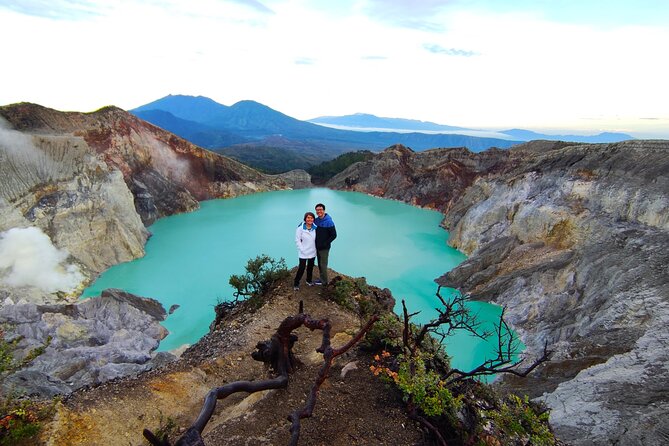
Once the early morning arrives, the experience shifts. The tour is timed for sun rising over the crater lake, and you’ll get the vivid turquoise lake view as daylight comes in.
This crater lake is described as having a big acid-lake reputation, and it’s linked to what makes Ijen so famous. The overview also mentions that the beauty of the crater moments spans about 1 square kilometer and shows up in a green-toned scene during sunrise moments. Whether you experience it as green or turquoise, the point is the same: sunrise turns the crater from weird into unreal.
Photo-wise, the tour points out that sunrise photography is part of the experience, on season. So if you care about pictures, be ready to move quickly when light changes. Don’t keep one foot planted while the sky does its thing. Get your angles, take the shots, and then step back to actually watch.
This is the moment where the early-night grind pays off. When the light comes, your brain finally catches up with what you’ve been walking toward.
Guides, pacing, and avoiding the worst crowds
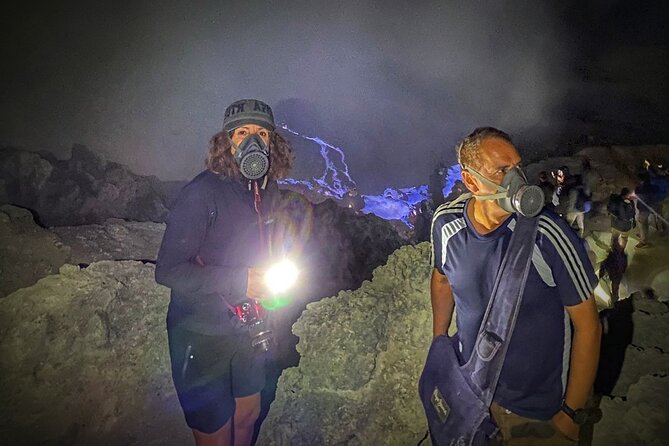
This is a private tour, and that matters because the Ijen area can get crowded. A high-quality operator focuses on pacing and flow, not just getting you to the same spot as everyone else.
In the feedback for guides, names like Aldo and Malik show up often, and the common thread is preparedness and smart movement. One guide was credited with adjusting the plan so the group could avoid getting stuck in crowds—exactly the kind of small operational skill that saves your energy and keeps your time focused on the good parts.
The tour also specifies that the English-speaking guide is not using miners or students. That’s a meaningful distinction. You want your guide to explain what’s happening, keep you oriented, and manage safety decisions. If you’re doing this for a once-in-a-lifetime natural phenomenon, you’ll appreciate having a guide who treats the walk seriously.
Even with private touring, you should still expect a realistic environment: steep parts, uneven footing, and air filled with smoke near sulfur areas. A good guide helps you handle that without panic.
How hard is Ijen, really? Steep means steep
The description calls for a moderate physical fitness level, and that’s fair—but don’t over-interpret it as easy. One detailed note mentions a total distance around 10 km, plus a very steep rock trail into the crater. That’s not a problem if you’re used to walking, but it can surprise you if you’re expecting a light hike.
So here’s my practical advice: treat this as a serious hike with steep descents, not just “a trek.” Go at a pace that keeps your breathing controlled. And make sure your footwear is up to the job—grippy soles matter on rocky sections, especially in the dark.
Also, the tour mentions tropical jungle trekking, which often means roots, wet patches, and uneven ground. It’s the kind of terrain where a small slip can become a big one if you get distracted chasing photos.
If you’re tall, short, or carrying a heavier daypack, move carefully. The dark makes foot placement harder. The headlight helps, but your legs still have to do the work.
Transfers, timing, and the value of a private Ijen tour
At $69 per person, this tour sits in the “serious experience” category, not a budget outing. The value comes from what’s included: private transportation, an English-speaking guide, coffee or tea, bottled water, and the full safety kit (gas mask, headlight, goggles). You’re also covered by insurance.
The private format is the other big piece. You’re not sharing your night with a free-for-all herd. Your guide can plan your experience around safety and timing, which matters because you’re doing a narrow-window phenomenon: night for blue fire, morning for the crater lake.
And there’s a psychological value too. When you’ve paid for a guided, gear-supported trek, you can focus on the experience instead of logistics. That’s often what makes a $69 tour feel fair rather than expensive.
Finally, the tour is booked about 48 days in advance on average. That’s a hint: if your dates are fixed, don’t wait until the last week to decide.
Who should book this Ijen Blue Fire tour?
This is a strong fit if you want the classic Ijen experience—blue fire at night, miners at work, and sunrise on the crater lake—without DIY planning. If you like early starts, rugged walking, and guided explanations, you’ll probably enjoy it.
It’s also a good match for couples, small friend groups, and solo travelers who want a private setup rather than a crowd hike. Since it’s a private tour/activity, you’ll only be with your group.
It’s not a good fit if you have asthma, vertigo, or you’re vulnerable to hypothermia, since the tour states those conditions can prevent participation. And if you’re looking for a gentle walk, the steep crater descent will likely feel like too much.
Should you book Ijen Blue Fire Trekking with Java Exotica Tour?
If you’re choosing between “see Ijen someday” and “I want the full Ijen story,” I’d book this kind of private night tour. The combination of safety gear included, pickup in Banyuwangi, and a guide who manages both timing and pacing is exactly what helps you get the sunrise lake payoff without turning the trek into stress.
Do book with realistic expectations, though. This is physical. Bring your patience, respect the smoke and sulfur conditions, and remember that visibility can depend on conditions. If you want a day-trip style hike, this isn’t that. If you want the real Ijen at night and at dawn, then yes—this is a smart way to do it.
FAQ
What time does the Ijen Blue Fire trek start?
The tour start time is 12:30 am.
Is this tour private?
Yes. It’s described as a private tour/activity, so only your group participates.
What safety equipment is included?
Gas mask, headlight, and goggles are included.
What fitness level do I need?
The tour states you should have a moderate physical fitness level.
Who cannot join the tour?
The tour information says people with asthma, hypothermia, vertigo, and similar conditions cannot do this tour.
What happens if the weather is bad or I need to cancel?
Free cancellation is available up to 24 hours in advance for a full refund. If the experience is canceled due to poor weather, you’ll be offered a different date or a full refund.