REVIEW · BANYUWANGI
Banyuwangi: Ijen Crater Bluefire and Sunrise Guided Trek
Book on GetYourGuide →Operated by JAVA SUNRISE · Bookable on GetYourGuide
Blue fire at midnight is real and wild. This guided trek is a rare chance to witness Blue Fire in the Ijen Crater and then watch sunrise spill across the turquoise crater lake while sulfur miners work below. The trade-off: it is a tough, dark-hour hike with safety gear for sulfur gas, and it’s not for everyone—especially if you have respiratory issues or fear steep drop-offs.
I really like that headlamp and gas mask are part of the plan, not an optional add-on. You also get first-aid support and a portable oxygen tank, and the guide’s job is to keep you moving at the right pace to see the blue flames.
If you’re lucky with your group and your guide, this becomes more than just a bucket-list photo stop. Guides such as Suleiman and Soufian are known for energy, humor, and practical help so you don’t feel lost in the dark.
In This Review
- Key things to know before you go
- Chasing Ijen Blue Fire from Banyuwangi: what makes it special
- The 9-hour rhythm: what happens on the trek day
- Safety at Kawah Ijen: headlamp, gas mask, and oxygen
- Guides on this trek: pace, humor, and getting the best views
- Blue Fire and the crater lake at dawn: what you’re actually watching
- Hiking reality check: strenuous, steep, and sometimes exposed
- Price and value: why $25 can make sense (and when it might not)
- Who should book this Ijen Crater Blue Fire sunrise tour?
- Should you book it?
- FAQ
- Where is pickup for the Ijen Crater Blue Fire trek?
- How long does the tour take?
- What safety equipment is provided?
- Is this tour suitable for children or pregnant women?
- Do I need a health certificate?
- What should I bring?
- Is Ijen always open for this activity?
Key things to know before you go
- Blue Fire timing matters: the trek is set up so you reach the viewing area before the flames fade.
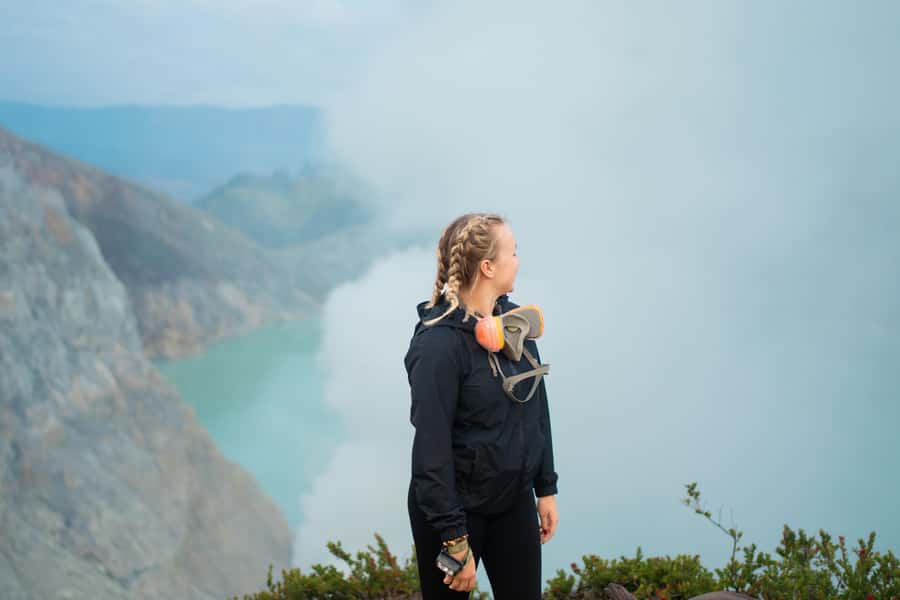
- Safety gear is included: you get a headlamp and gas mask due to sulfur gas near the crater.
- Sunrise is the payoff: you’ll see the crater lake turn bright turquoise as daylight hits.
- You’ll hike in the dark and then down steep terrain: it’s strenuous and can feel exposed.
- You’re watching real work below: sulfur miners are part of the scene, not a staged show.
- It’s a combined group experience: pace and regrouping can vary when crowds get busy.
Chasing Ijen Blue Fire from Banyuwangi: what makes it special
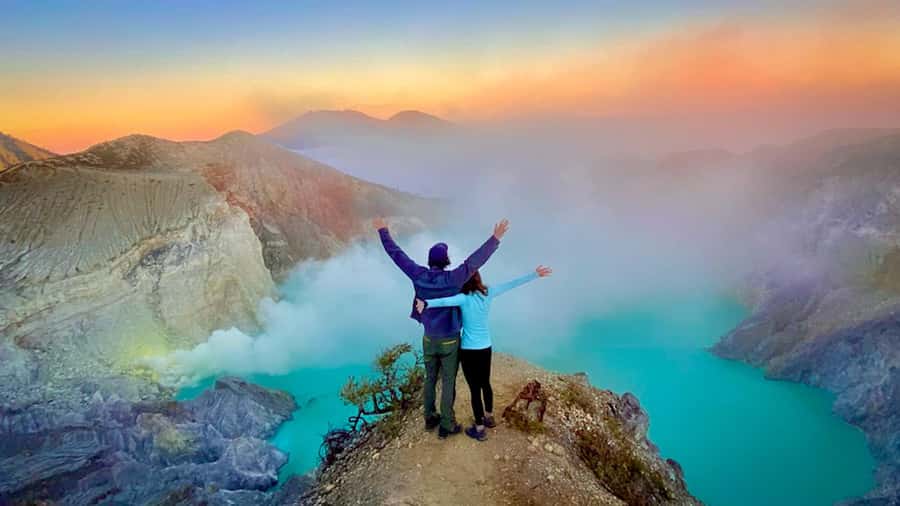
Ijen Crater is famous for two reasons: the otherworldly Blue Fire and the morning color show over the crater lake. At night, you climb into a world of black rock and thin haze, then you reach a spot where the glow looks almost impossible—like the crater is lit from underneath. When it works, it’s not just pretty. It’s the kind of moment that makes you stop talking and just stare.
What I like most is that the experience connects three different visuals in one trip:
- the blue flames against the dark sky,
- the shift from night to dawn as you rise higher around the crater,
- and then the turquoise lake, brightened by the first rays of sun.
And you’re not looking at a quiet museum scene. You’re watching traditional sulfur miners doing daily work. That detail changes the whole mood. It makes it feel more grounded and human—hard work happening in the shadow of a natural phenomenon.
The downside is also part of the package. You’re in a volcanic environment with sulfur gas, and this tour is built around safety procedures. If you’re medically sensitive to fumes or you’re pregnant or under 12, this is not the time to test your luck.
You can also read our reviews of more tours and experiences in Banyuwangi.
The 9-hour rhythm: what happens on the trek day
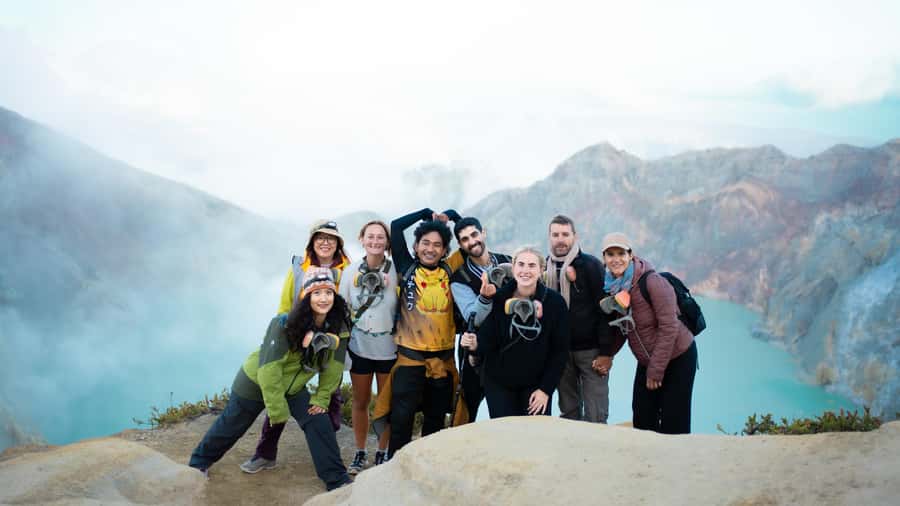
This is a full day where the schedule is tight because the best views are time-dependent. You’ll leave Banyuwangi early enough to hike in the dark, then you return after sunrise.
Pickup and drive from Banyuwangi
You’re picked up from your hotel in Banyuwangi Regency. Expect a real start time (not a vague morning suggestion) because the hike depends on timing. The ride takes you from town settings into a more remote volcanic area, where the air and light conditions change fast.
Briefing, safety gear, and setting expectations
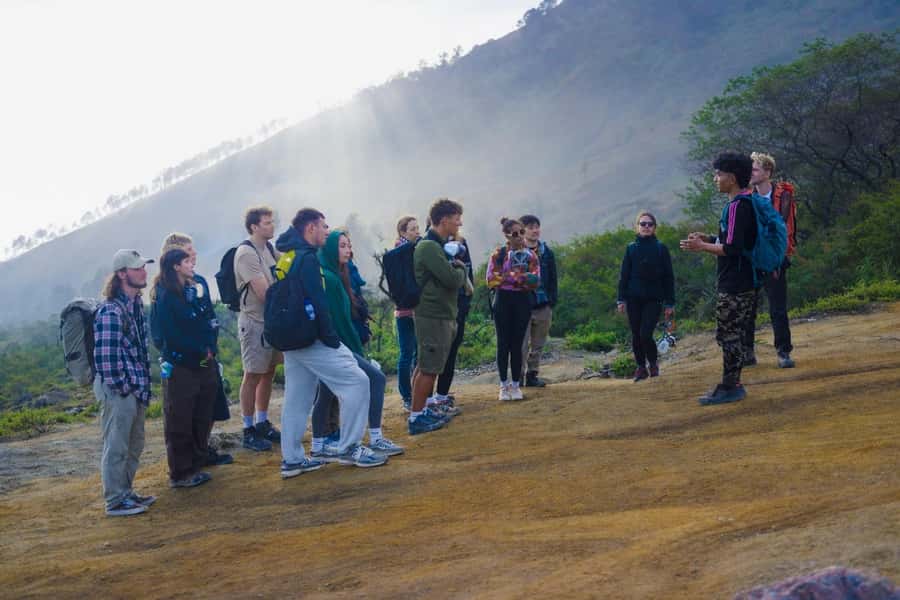
Once you arrive at the trek starting area, you get a briefing and are equipped with what you need to handle the crater conditions: headlamp and gas mask. This part matters, because it reduces awkwardness later. When you’re tired and cold, you want your gear handled already, not mid-hike.
The midnight hike to the crater
The climb is done at night, and that changes how you experience it. Your headlamp becomes your world. The ground is uneven, and you’ll likely feel the altitude and exertion more than you expected. The cool night breeze and the starry sky can make it feel magical—until you realize you still have a lot of steps ahead.
This is also where your guide’s pace shows. In Ijen, you’re not walking for sightseeing only. You’re walking so you can arrive at the blue-fire window. Guides like Suleiman are praised for moving people along quickly while keeping the group upbeat.
Break time and crater viewing
At the crater, there’s a structured time to experience the Blue Fire and to get your bearings for sunrise. You’ll take in the glow and the dark-sky contrast, then you’ll shift into dawn mode. This is not a long hangout like a casual viewpoint. It’s more like: arrive, watch, then re-position your attention toward sunrise.
Sunrise from the top of Kawah Ijen
Sunrise is the other major moment. You’ll watch as the first light reaches the crater lake and brings out the bright turquoise color. This is one of those rare situations where daylight improves the scene dramatically, not just because it gets brighter. The water’s color becomes the star.
The descent back down
After sunrise and the viewing time, you start descending. The reviews and the reality of the terrain both agree on the point: this part can feel steep and exposed. If you have a fear of heights, the crater descent is the moment you’ll need to think carefully.
During the walk down, you can usually take in panoramic views of the surrounding area—though your main focus will be on footing and staying with your group.
Return to Banyuwangi and a chance to reset
You return to the starting point, take a rest, and refresh. There’s also an option to buy snacks or drinks from local vendors before you head back to Banyuwangi. Then you’re driven back and dropped off at your hotel.
Safety at Kawah Ijen: headlamp, gas mask, and oxygen
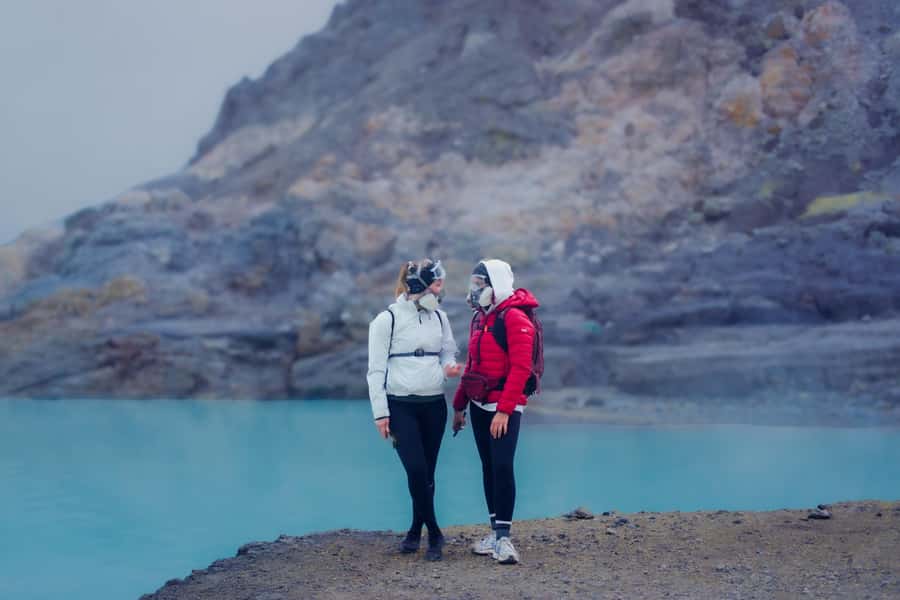
Let’s be blunt: the reason this tour includes safety gear is because volcanic gases are not a “nice-to-have” detail. Near the crater, sulfur gas can be harmful. That’s why the tour provides a headlamp and a gas mask, plus first-aid support and a portable oxygen tank.
The tour also comes with crater insurance, which adds a layer of comfort. It doesn’t eliminate risk, but it signals that the provider expects you’ll be in a serious environment.
A few practical tips that match the spirit of the tour:
- If you wear jewelry, plan to leave it behind. Jewelry isn’t allowed.
- Don’t treat the gas mask as optional. Put it on when you’re instructed.
- Keep your medical docs ready. A valid health certificate is required, and you’ll be asked for a medical statement as part of preparedness.
Also note the operational reality: Ijen can close temporarily. It’s noted as closed every Friday in the first week, and it reopened on 8 September 2024 after a closure tied to earthquake tremors and toxic gas. Toxic gases can potentially harm participants at any time, so you’ll want to stay flexible and follow the operator’s guidance if conditions change.
Guides on this trek: pace, humor, and getting the best views
Ijen is one of those places where the guide can make the difference between a stressful scramble and an organized, memorable experience.
A strong guide helps in three concrete ways:
They manage your pace. The Blue Fire window is the priority. You’ll hear instructions early so you know what’s coming next and where you should be when the light and visibility shift.
They keep the group moving as one unit. This isn’t a private hike. It’s a combined group package, so you’re hiking among other people who may walk at different speeds. Some groups can get temporarily separated because crowds get tight and everyone needs to pass along the same routes. If that happens, don’t panic—just follow your guide’s plan and keep close.
They help with the experience, not just the logistics. Guides such as Suleiman and Soufian are praised for energy and humor, which helps on a long, intense walk. They also help people feel comfortable enough to focus on the blue flames and sunrise, not just their own fatigue.
If you’re the kind of person who gets anxious in dark, crowded places, this kind of guiding matters. You’re less likely to feel stuck or unsure about timing when someone is actively managing the group.
Blue Fire and the crater lake at dawn: what you’re actually watching
Here’s what you can expect at the main viewing moments, in plain terms.
Blue Fire
You’ll arrive at the crater at night and witness the Blue Fire phenomenon. This is described as one of only two places in the world where it can be seen. In practice, it’s a visual effect that feels unreal because it’s not how fire behaves in most places you’ve seen. It’s faint, controlled-looking, and it glows against the dark sky.
To get the most from it, give your eyes time. Don’t rush your photos. Take in the moment first, then shoot. The blue glow looks best when you’re fully present and your camera isn’t distracting you from the scene.
Sunrise and the turquoise crater lake
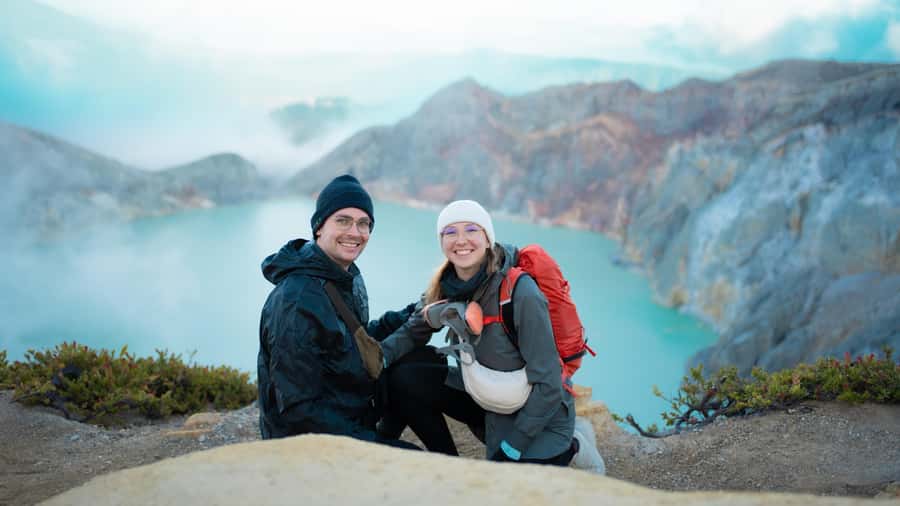
Then the whole mood shifts. As the first light spreads, you’ll watch the crater lake change—turquoise waters becoming more visible as the dawn brightens. This is the moment when the crater stops feeling like a dark sci-fi set and starts feeling like a living volcanic basin.
Miners at work
While you’re watching the natural drama, you’re also watching people do real labor. Traditional sulfur miners are on site, and their presence turns the scene from purely spectacular into something more human and real. It’s a powerful juxtaposition: extreme nature, plus everyday work.
Hiking reality check: strenuous, steep, and sometimes exposed
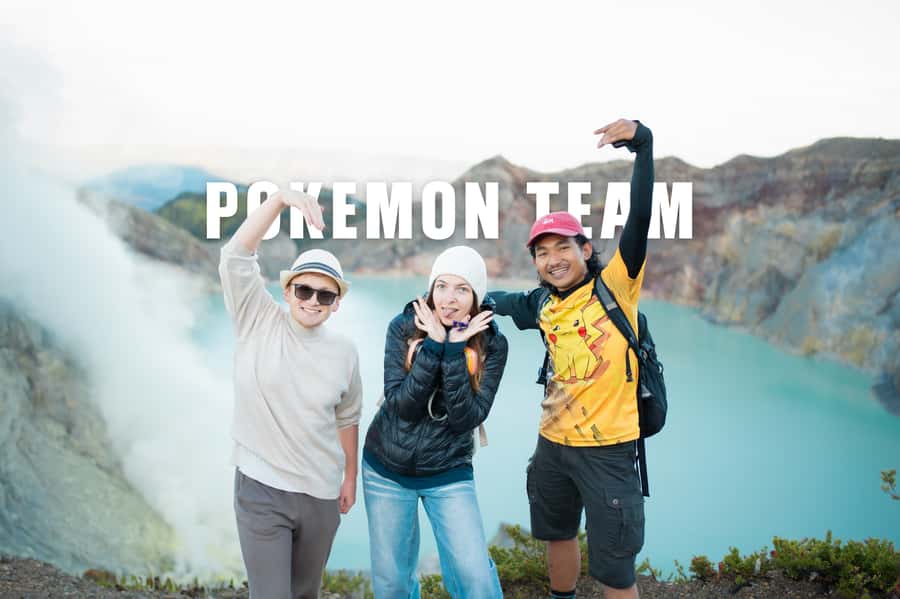
This tour isn’t difficult in a technical-climbing way, but it is strenuous. The hike includes dark-hour walking, uneven terrain, and a descent that can feel steep.
From the way people talk about the experience, the biggest physical and mental factors are:
- Your comfort with steep steps during descent.
- Your comfort with heights along crater paths.
- Your stamina for an early, long outing.
If you’re afraid of heights, you should treat that as a real warning, not a mild suggestion. Several people explicitly recommend caution if you don’t like exposure.
If you’re fit and you’re used to uphill walking, you’ll likely find it demanding but manageable. Either way, wear practical footwear and plan for a workout, not a casual stroll.
Price and value: why $25 can make sense (and when it might not)
At $25 per person, this tour looks like a bargain on paper. But the value becomes clear only when you look at what’s included.
You get:
- round-trip transportation from Banyuwangi to Kawah Ijen,
- the Kawah Ijen entrance ticket,
- an experienced local guide,
- safety equipment (gas mask and headlamp),
- first aid and a portable oxygen tank,
- mineral water during the trip,
- and crater insurance.
For many travelers, the biggest cost difference on mountain treks isn’t the guide. It’s transportation, safety gear, and logistics. Here, those are bundled in. That’s why the price can feel especially good compared to tours that charge extra for basic equipment or don’t include the same safety layer.
When might it not be great value? If your health needs mean you’d have to pay additional costs for medical certificates, or if you need a more private, slower, more flexible experience. Also, if you’re very sensitive to group pacing, a combined group package can feel less comfortable.
Still, for the right person, it’s hard to beat the mix of transportation, safety equipment, and sunrise payoff at this price point.
Who should book this Ijen Crater Blue Fire sunrise tour?
This trek fits best if you:
- want one of the few chances in the world to see Blue Fire,
- like early, structured adventures with a clear schedule,
- are comfortable walking hard for hours and then descending,
- and want to experience sunrise without having to arrange everything on your own.
It’s not the right fit if you:
- are under 12,
- are pregnant,
- have respiratory issues,
- or you know you’ll struggle with steep, exposed crater walking.
Should you book it?
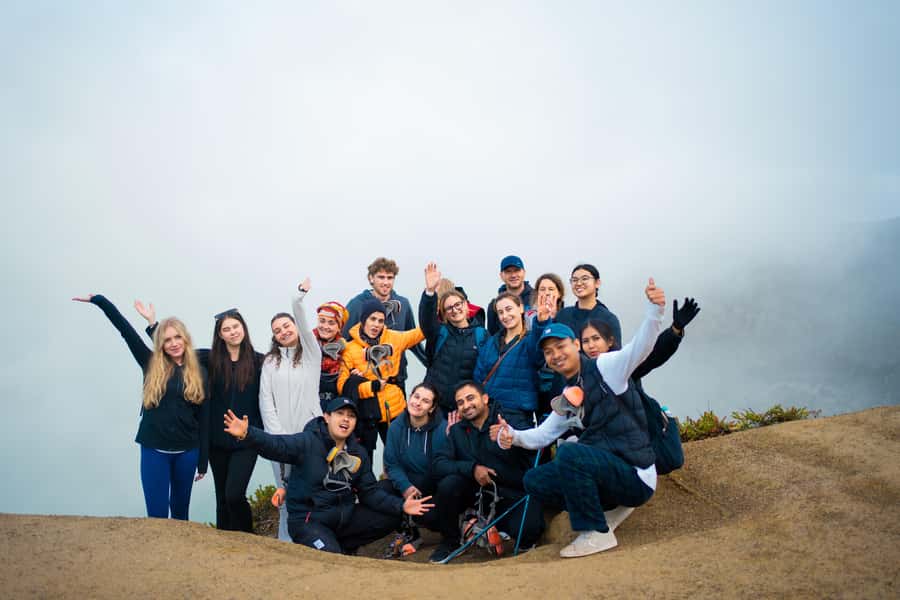
If you meet the health requirements and you’re physically up for a dark, steep hike, I think this tour is worth booking. The combination of Blue Fire, sunrise over the turquoise crater lake, and the real sulfur miners working nearby is exactly the kind of place where a good guide and the right timing matter.
I’d pass if fear of heights or medical concerns are deal-breakers. This isn’t a light, relaxed activity. It’s a serious volcanic trek, and the safety gear isn’t decorative.
FAQ
Where is pickup for the Ijen Crater Blue Fire trek?
Pickup is included from your hotel in Banyuwangi Regency. You should wait in the hotel lobby.
How long does the tour take?
The total duration is 9 hours. The crater/sunrise portion is scheduled for about 6 hours, depending on starting times.
What safety equipment is provided?
You’ll receive a headlamp and a gas mask due to sulfur gas near the crater. The tour also includes first aid and a portable oxygen tank.
Is this tour suitable for children or pregnant women?
No. It is not suitable for children under 12, and it is not suitable for pregnant women.
Do I need a health certificate?
Yes. A valid health certificate is required. A medical statement is also something you should bring, and the cost for medical certificate preparation is not included.
What should I bring?
Bring a camera and snacks. You should also bring a passport (a copy is accepted) and your medical statement.
Is Ijen always open for this activity?
No. Ijen is closed every Friday in the first week, and Mount Ijen reopened on 8 September 2024 after closure related to earthquake tremors and toxic gas, which can still pose risks.