REVIEW · DARJEELING
Singalila Trek from Darjeeling
Book on Viator →Operated by Adventures Unlimited · Bookable on Viator
Four highest-peak views in one ridge hike.
The Singalila Trek from Darjeeling is a classic Eastern Himalayan trek where you start near Manebhanjang, then work along the Singalila Ridge with big panoramas over India and Nepal. The route also threads through Singalila National Park, so you get both mountain views and forest walks as the days roll by.
I especially like the peak math: this trek is positioned as the only one that helps you see four of the five highest mountains in the world, including Mt. Everest, Mt. Kanchenjunga, Mt. Lhotse, and Mt. Makalu. I also like how the operator folds in real support on trail, from a down sleeping bag setup to a basic medical kit with high-altitude sickness pills, plus all meals and lots of tea and coffee.
One drawback to plan around is weather. Clear skies make the peaks pop, and the experience notes that it’s dependent on good conditions. If you’re not used to cold nights and long mountain walking, you’ll want to prepare for that, and porters cost extra at ₹1400 INR per day during trekking days.
In This Review
- Key things that make this trek worth your time
- Why Singalila is a serious peak-spotting route
- Entering Singalila National Park: forests, orchids, and the wildlife bet
- Sandakphu and the big mountain horizon
- The route starts in Manebhanjang, then keeps you moving between cultures
- Sleeping setup and altitude support that reduce stress
- Guides matter here: Tenzi, Jigme, Nhikil, and the local touch
- Meals, tea/coffee, and how the daily rhythm stays manageable
- Price and logistics: is $476 good value?
- Timing and start point in Darjeeling
- Fitness, weather, and what to pack in real terms
- Should you book this Singalila Trek from Darjeeling?
- FAQ
- FAQ
- How long is the Singalila Trek from Darjeeling?
- Where does the trek start and when?
- What’s included in the trek price?
- Are porters included?
- Does the trek cross into Nepal?
- Is a visa or special permission needed for Nepal?
- What if weather is bad?
Key things that make this trek worth your time
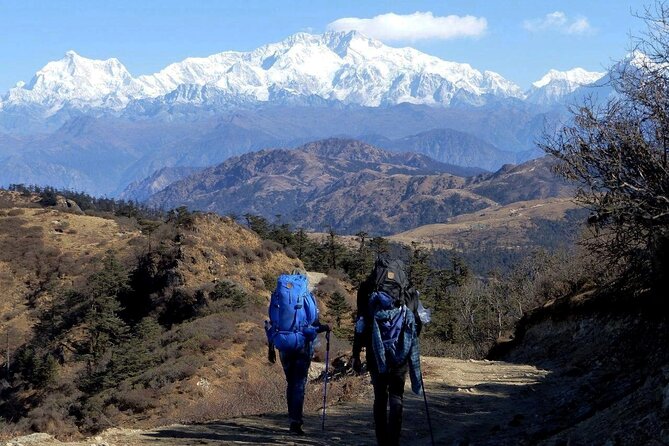
- Four-of-the-five highest peaks: Everest, Kanchenjunga, Lhotse, Makalu are the headline views.
- Singalila National Park walks: rhododendron, orchids, and a real chance at wildlife like red pandas.
- Nepal border crossing without visa hassle: the route weaves in and out of Nepal as part of the experience.
- Sleep setup that actually matters: a down feather sleeping bag plus a freshly laundered fleece inner liner.
- Guides tied to the route: govt-registered, trained local guides, with names like Tenzi, Jigme, and Nhikil showing up in recent trips.
- Food and tea/coffee included: you’re not juggling meals while you’re trying to stay warm and moving.
Why Singalila is a serious peak-spotting route
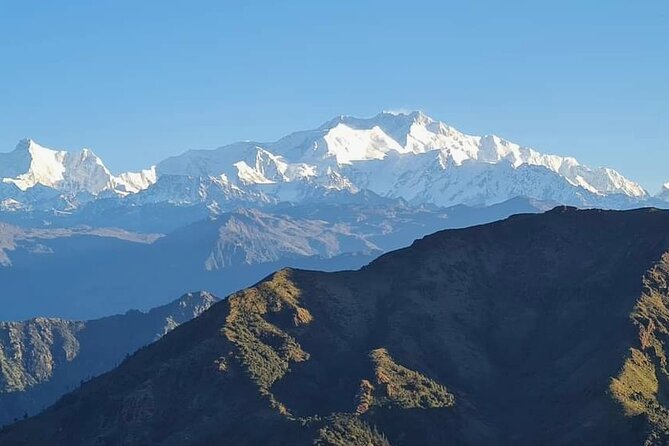
This is the sort of trek people pick when they want more than a pretty hike. The Singalila Ridge is known for panoramic views that line up the great names of the Himalaya, and the trek is framed around seeing four of the five highest peaks in the world: Everest, Kanchenjunga, Lhotse, and Makalu.
That matters because your time in the mountains is limited. A trek that gives you more “wow per day” tends to make the whole trip feel efficient, not just scenic. On Singalila, you’re walking high ridges and facing Himalayan walls long enough that those views become part of the daily rhythm, not a one-time photo stop.
The other reason it feels special is the border element. The trek starts in a Sherpa village called Manebhanjang, and then you weave in and out of Nepal while also spending time in Singalila National Park. So it’s not only about looking outward at the mountains. It’s also about feeling like you’re in a border region with its own culture, plants, and daily pace.
You can also read our reviews of more tours and experiences in Darjeeling.
Entering Singalila National Park: forests, orchids, and the wildlife bet
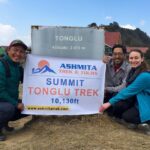
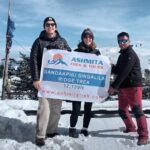
One of your main trail targets is Singalila National Park. This is where the trek shifts from “ridge walking” to “mountain ecology.” If you enjoy flora and fauna, you’re set up for a good chance at interesting sightings—especially rhododendron and orchids, which are specifically called out as highlights of the trek.
This is also the part of the route that tends to reward patience. In the Himalayas, the best wildlife moments usually come when you slow down. A knowledgeable local guide can spot birds, interpret plant patterns, and help you read the hillside rather than just power through it.
The trek also comes with a fun wildlife possibility: there’s a mention that you might be lucky enough to spot a red panda. That doesn’t mean it’s guaranteed, but the fact it’s even on the radar tells you the route really does overlap with habitat you might not expect on a “peak-view only” trek.
Practical tip: if you want plants and animal sightings, keep some time unhurried. The trek will have a schedule, but you can still take short stops for photos and to check what your guide points out.
Sandakphu and the big mountain horizon
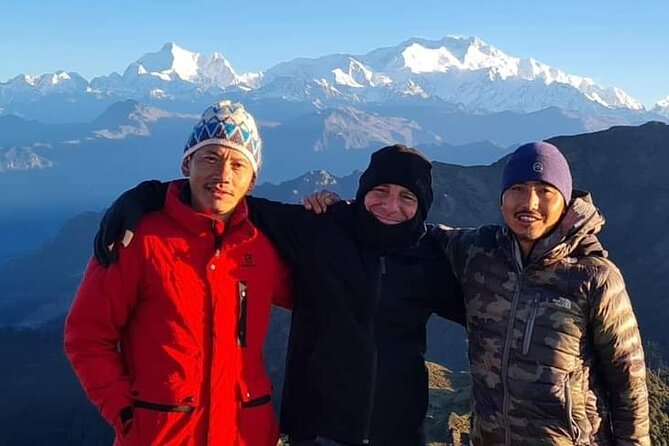
Your other named highlight is Sandakphu, a place trekkers aim for because it helps set up the dramatic horizon line. This is where the route’s “four highest peaks” promise gets real for many people—especially when conditions are clear.
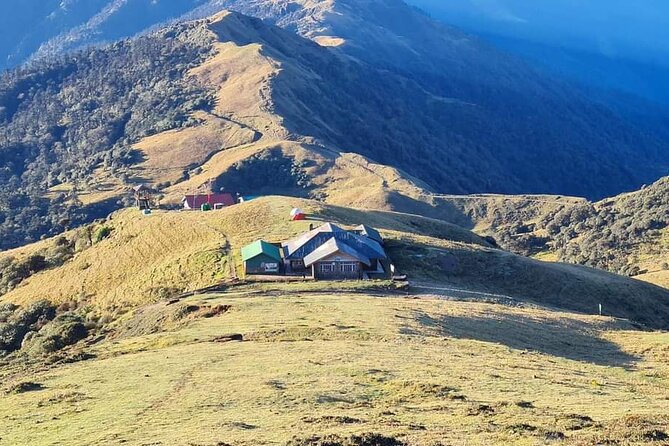
The day(s) leading toward Sandakphu are typically about building altitude and perspective. You’re not just getting higher. You’re changing angles. The Himalaya reads differently from a ridge than from a lower valley. You start seeing how the peaks stack and how weather can either soften everything into haze or sharpen it into distinct towers.
Season matters here. Some guides and groups emphasize springtime for flowers and birds, while autumn can be better for mountain visibility. Your experience notes that the trek depends on good weather, so it’s smart to treat clear-sky days as part of your planning, not a bonus.
Reality check: if clouds move in, you might lose some of the peak clarity. The trek operator flags that the experience requires good weather, so having flexibility with your travel dates makes a big difference.
The route starts in Manebhanjang, then keeps you moving between cultures
The trek begins in Manebhanjang, described as a Sherpa village. That detail isn’t just trivia. Starting in a community like that helps the trek feel less like you’re dropped onto a track and more like you’re stepping into a place where people have lived with these mountains for generations.
From there, the route weaves in and out of Nepal. Even without making the trip feel complicated, it adds flavor: you’re walking on trails that connect different pockets of village life across the border region. It’s also part of why the trek description highlights that no visa is required to enter Nepal for this experience.
One practical note: rules can change over time, but the trek is presented as visa-free for Nepal entry. If you’re planning international travel, I’d still confirm entry requirements close to departure so you don’t get surprised.
Sleeping setup and altitude support that reduce stress
Cold nights are part of high-elevation trekking, and this trip builds the basics into the price. You’ll be provided a down feather sleeping bag plus a freshly laundered fleece inner liner. That combination is exactly what you want when temperatures drop. A good sleeping setup matters because a tired body is a slow body on the trail.
The inclusions also include a basic medical kit with high-altitude sickness pills. That doesn’t replace common-sense pacing or hydration, but it does mean you’re not left scrambling if someone starts feeling off. It’s one of those details that makes a trek feel safer, even when you’re not thinking about risks.
You’ll also stay in a family-run homestay or guesthouse with a private room. That’s not a minor upgrade. Private rooms help you recover, dry off gear, and sleep without negotiating noise or schedules.
Guides matter here: Tenzi, Jigme, Nhikil, and the local touch
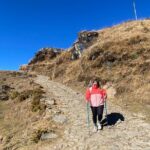
This experience is built around trained local guidance. The operator includes govt-registered and trained trek guides from the area of the trek, with the trip described as giving back to the community directly. The practical value is simple: you’ll spend less time guessing and more time understanding what you’re walking through.
The names that show up with strong feedback include Tenzi, Jigme, and Nhikil. Across these trips, the common thread is local knowledge and a caring approach. You’ll often feel the difference with a guide who can explain what you’re seeing—flora and fauna along the park trails, plus what to expect on ridges where visibility changes quickly.
Another theme is adaptation. The tour is set up for people with moderate physical fitness, and the guide can adjust to what the group can handle. That helps if you’re trekking with family members, or if you want to prioritize steady movement over pushing for speed.
If you care about wildlife and plants: tell your guide early. The more specific you are about what you hope to see, the more likely you’ll get meaningful stops rather than generic photo breaks.
Meals, tea/coffee, and how the daily rhythm stays manageable
This trek includes all meals: breakfast, lunch, and dinner, along with copious amounts of tea and coffee. That’s a real value-add in the hills, because warm drinks are not a luxury there. They help with comfort, morale, and keeping up with your body’s needs after walking.
When food is included, it also prevents a common trek problem: you arrive hungry and cold, then spend time negotiating meals at the exact moment you’d rather be resting. Here, the plan is handled for you.
The rhythm tends to follow a simple logic:
- start moving after a proper breakfast
- take breaks with warm drinks while the views are doing their job
- finish the day with a solid meal and a private room to recover
That’s the kind of structure that makes a multi-day trek feel doable, even if you’re not a hardcore mountain person.
Price and logistics: is $476 good value?
At $476 per person, the price sits in the “this is an organized trekking service” category. The value comes from what’s included, not from the sticker price.
Here’s what you’re getting for the cost:
- Down sleeping bag setup with a freshly laundered fleece inner liner
- Meals: breakfast, lunch, dinner plus tea and coffee
- A basic medical kit with high-altitude sickness pills
- Trained local guides
- Transport in a well maintained company car before and after the trek
- A private room at a family-run homestay/guesthouse
- Pickup offered and a mobile ticket
What’s not included is just as important:
- Insurance for the trek or tour
- Alcoholic beverages
- Porters if needed, charged extra at ₹1400 INR per day during trekking days
For most people, the biggest value lever is that you’re not paying separately for essential things like meals and sleeping gear. If you were to DIY, you’d still spend money on guides, food, and cold-weather sleep systems. This pricing is basically bundling that hassle into one number.
My only caution on value is this: if you end up needing a porter (because of comfort, injury, or just your personal preference), that extra ₹1400 INR per day during trekking days can change the final total quickly. If you’re on the fence, think about your carrying capacity before you book.
Timing and start point in Darjeeling
The trek starts at 8:00 am, with the meeting point described as being near public transportation. The tour is private, meaning only your group participates, which can help keep pacing and guide attention aligned with what you need.
There’s also pickup offered, and you’ll get a mobile ticket for the experience. That combination usually makes the first morning less chaotic, especially if you’re not already familiar with Darjeeling transport.
Fitness, weather, and what to pack in real terms
The experience calls for moderate physical fitness. That doesn’t mean it’s a casual stroll. A ridge trek in the Himalayas asks for stamina, consistent walking, and the ability to handle colder air at higher elevations.
Weather is the other big variable. The experience specifically notes a requirement for good weather. That impacts visibility for Everest and friends, and it also affects trail conditions. If you’ve got flexible dates, you’ll likely have an easier time aligning with the weather window.
Packing priorities to think about (based on what the trek includes and what it doesn’t):
- Warm layers for cold nights and chilly mornings
- Rain protection, since mountain weather can shift fast
- Reusable water plan (bottles or hydration approach that works for you)
- Personal meds and any extras you need beyond the basic medical kit
Since insurance is not included, make sure your coverage fits trekking. The trek includes altitude sickness pills in the kit, but insurance is what helps if something unexpected happens.
Should you book this Singalila Trek from Darjeeling?
I’d book it if you want a trek where the effort is aimed at something specific: Himalayan views that include Everest, Kanchenjunga, Lhotse, and Makalu, plus a park walk in Singalila National Park for rhododendron, orchids, and the wildlife possibility of red pandas.
It’s also a good fit if you like having structure. Meals are included, sleeping gear is provided, and you get trained local guides who can handle the trail and adapt to the group’s pace. Names like Tenzi, Jigme, and Nhikil show up with strong feedback for local knowledge and caring guidance.
I wouldn’t book it if your dates are fixed and you can’t deal with weather changes. The experience depends on good conditions. If clear skies are a must and you can’t shift travel plans at all, plan for the fact that fog and clouds can reduce the peak drama.
FAQ
FAQ
How long is the Singalila Trek from Darjeeling?
It’s listed as 6 days (approx.).
Where does the trek start and when?
It starts in a Sherpa village called Manebhanjang, with the meeting time at 8:00 am.
What’s included in the trek price?
Included items are the down feather sleeping bag with a freshly laundered fleece inner liner, all meals (breakfast, lunch, dinner), tea and coffee, a basic medical kit with high-altitude sickness pills, trained govt-registered trek guides, and company car transport before and after the trek. It also includes homestay/guesthouse stays with a private room.
Are porters included?
Porters are charged extra at ₹1400 INR per day during the trekking days if you need them.
Does the trek cross into Nepal?
Yes. The route weaves in and out of Nepal, and the trek description states that no visa is required to enter Nepal for this experience.
Is a visa or special permission needed for Nepal?
The trek information states that no visa is required to enter Nepal during the experience.
What if weather is bad?
The experience requires good weather. If it’s canceled due to poor weather, you’ll be offered a different date or a full refund.