REVIEW · HANOI
From Hanoi: 2-Day Sapa-Fansipan Peak & Trek & Ha Giang Bus
Book on GetYourGuide →Operated by CÔNG TY TNHH KỲ NGHỈ NINH BÌNH · Bookable on GetYourGuide
Two mountains, two buses, one big summit. This is a fast, hands-on intro to Sapa that mixes village trekking with a serious altitude climb to Fansipan Peak. I especially like the Lao Chai–Ta Van time with local culture up close, and I really appreciate how the sleeper bus helps you lose less daytime to travel. One heads-up: views can get swallowed by fog, and the hotel comfort is a little hit-or-miss for the price category.
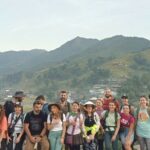
On day 1, you’re moving from Hanoi early, eating well in Sapa, then stepping into rice-terrace country with a real village visit and a walk along the Muong Hoa area. On day 2, you’re mostly focused on getting to Fansipan: cable car up, pagoda stops, and then the 600 steps to the top. Also, small group size (up to 15) and an English-speaking guide make the whole thing feel more managed than chaotic.
One other logistics detail I think you should know: day 2 does not run with a full guide—there’s a driver for the Fansipan leg. That’s not a dealbreaker, but if you want lots of interpretation at the cable car and on the steps, plan to read signs and take your questions to day 1.
In This Review
- Key things I’d plan around
- Hanoi–Sapa by sleeper bus: the part that makes day 1 work
- Sapa’s first meal day: arrival, lunch, and getting your bearings
- Lao Chai and Ta Van: village time that actually feels human
- The Muong Hoa trek: spectacular views, plus mud rules
- Fansipan Peak day 2: cable car, pagoda stops, and 600 steps
- Lunch back in Sapa and what to do with your free time
- If you continue to Ha Giang: two departure options from Sapa
- Price and extra costs: where the real value is
- What to pack and how to not get cold on a mountain schedule
- Who this tour fits best (and who should think twice)
- Should you book this Hanoi–Sapa–Fansipan trip?
- FAQ
- How long is this tour?
- Where does the tour start in Hanoi?
- Is hotel accommodation included?
- What meals are included?
- Do I need to pay for the Fansipan cable car?
- Is there a guide on day 2?
- What happens on day 1?
- What happens on day 2?
- How do I go from Sapa to Ha Giang?
- What should I bring for the weather and trekking?
Key things I’d plan around
- Lao Chai–Ta Van village visit that pairs culture with walking, not just photos from a bus window
- Sleeper bus comfort with single/cabin privacy features that make the Hanoi–Sapa trip easier
- Muong Hoa rice-terrace trekking where muddy paths can turn a stroll into real footwork
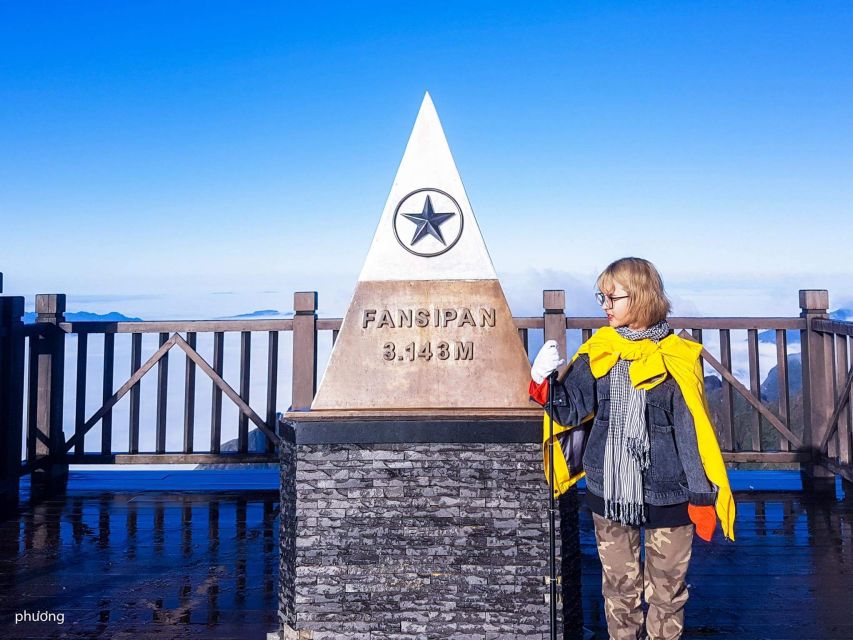
- Fansipan cable car plus 600 steps to the Roof of Indochina, with possible fog limitations
- Optional jump to Ha Giang with two bus departure windows from Sapa
Hanoi–Sapa by sleeper bus: the part that makes day 1 work
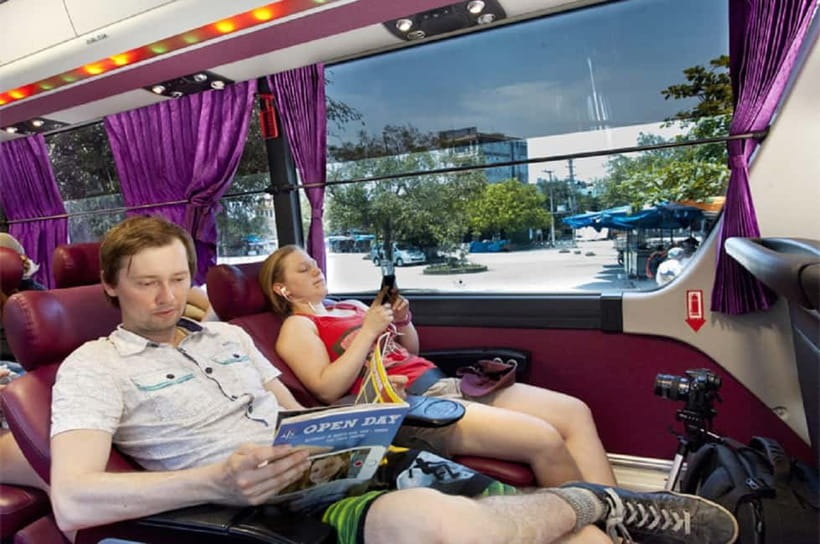
This tour uses an overnight sleeper bus between Hanoi and Sapa, so you’re not wasting a full day sitting in traffic. Departing is early—6:15 am meeting at 160 Tran Quang Khai street—and you’ll then roll toward Sapa with scheduled stops. The route includes short breaks in Phu Tho Province and Lao Cai city for light food or coffee, then you’ll arrive in Sapa Town.
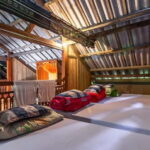
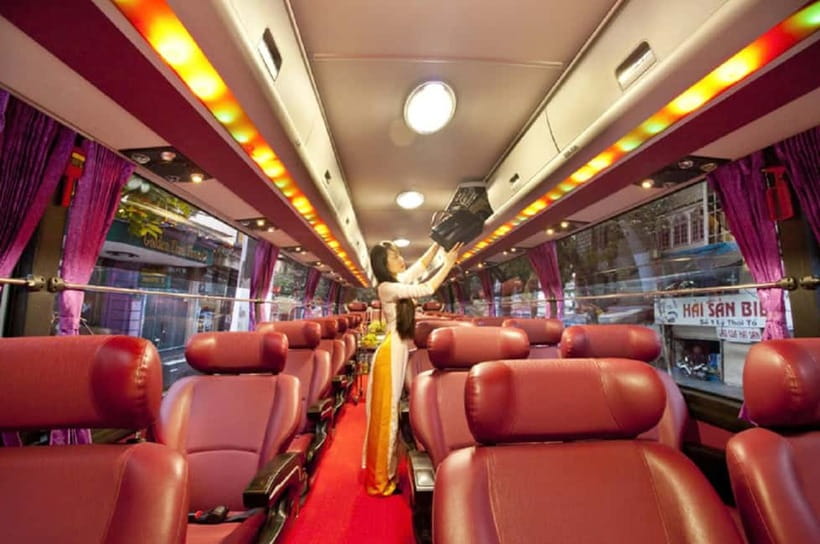
What I like here is the comfort level that matches the long drive. The sleeper setup is described as local sleeper buses with berths for one person and separate cabins for two; in practice, some cabins come with AC, USB ports, and privacy curtains. That means you can actually get some rest, not just survive it.
If you’re the type who gets motion-sick, it’s worth bringing your usual fix. Also, the overall schedule is tight enough that you’ll want to be packed and ready the night before. There’s optional night transport listed as well (night train or night bus at 21:30), but whichever transport you choose, the goal is the same: wake up in the mountains area and start walking the same day.
You can also read our reviews of more tours and experiences in Hanoi.

Sapa’s first meal day: arrival, lunch, and getting your bearings
Once you reach Sapa, a representative greets your group and brings you into the first meal: lunch with local Vietnamese dishes. It’s a good move because it prevents the classic Sapa problem—everyone arrives hungry and then spends the first hour trying to find food.
Then you’re set up for the village portion. Even if Sapa feels busy right near the center, the day is designed to pull you out of the main town rhythm and into the ethnic village landscape around Hoang Lien Son. You’ll head into the trekking area with a local guide, and you can expect the day to feel structured, not random.
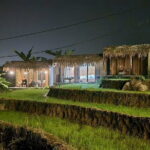
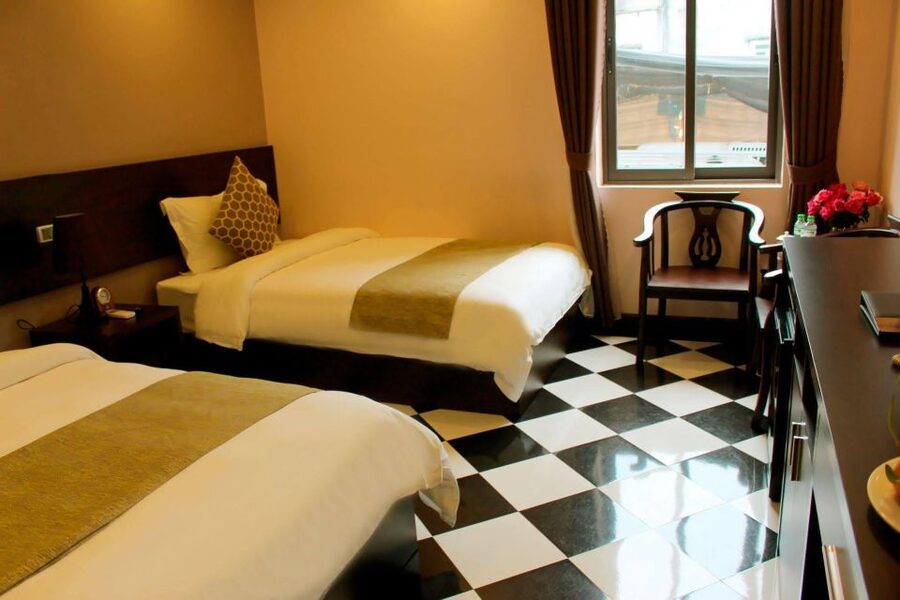
Accommodation is included for the night in a twin-sharing room at a 3-star hotel. That’s usually fine for a two-day plan. Just don’t treat it like a luxury resort stay. One important caution from real experience: hotel quality and breakfast can land below what you might expect from a higher-star label, so I’d keep your expectations practical.
Lao Chai and Ta Van: village time that actually feels human
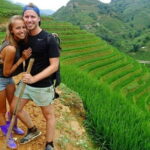
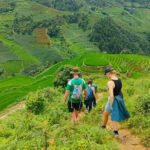
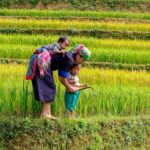
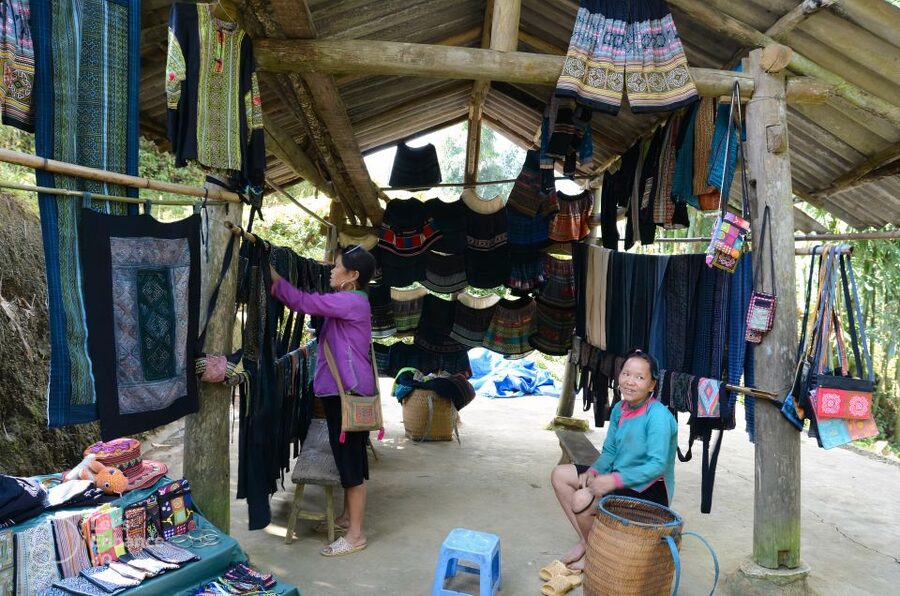
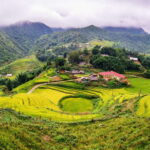
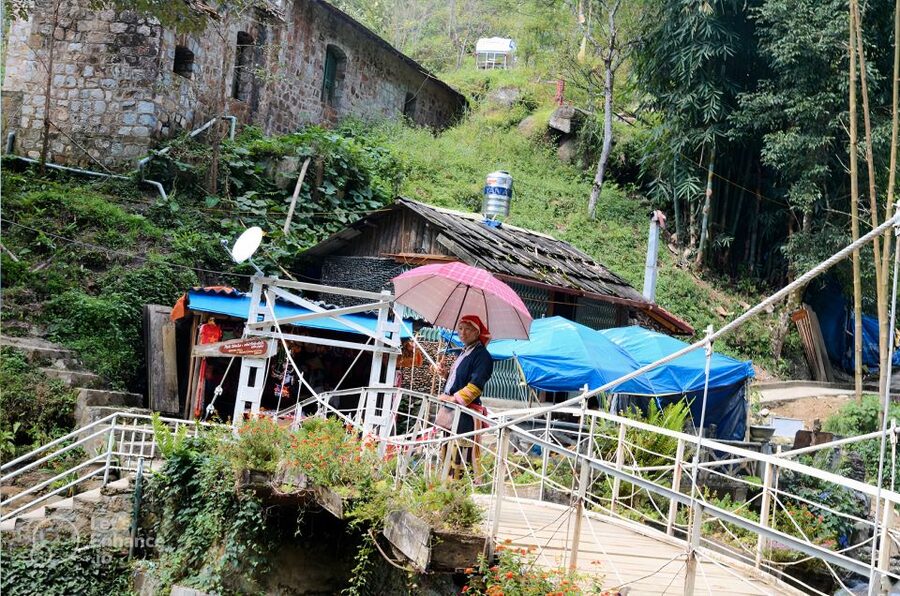
Day 1’s signature experience is the visit to Lao Chai–Ta Van. This isn’t just a quick pass-through. You trek through rice terraces and along the Muong Hoa area, then you arrive in Lao Chai, described as a Black Hmong village surrounded by Hoang Lien Son.
Here’s why this part is valuable: it gives you context for how people live in these mountain communities. You’re walking with a local guide, and you’re exploring the village environment with community members rather than staying behind a railing. The entrance ticket to Lao Chai Ta Van is included, so you’re not scrambling for permits or figuring out what’s allowed.
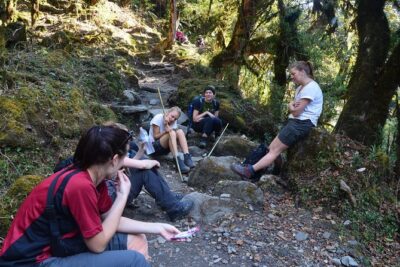
One thing to expect on the ground: the trek can be more than scenic strolling. In rainy periods, paths can get muddy and slippery, and normal sneakers may struggle. In other words, the village visit is the heart of the day, but your feet determine how much you enjoy the day.
Also, you’ll have a car take you back to your hotel afterward for dinner. That helps a lot. Two days in the mountains can feel long, so it’s good the tour gives you a clean end-of-day rhythm: dinner, then rest.
The Muong Hoa trek: spectacular views, plus mud rules

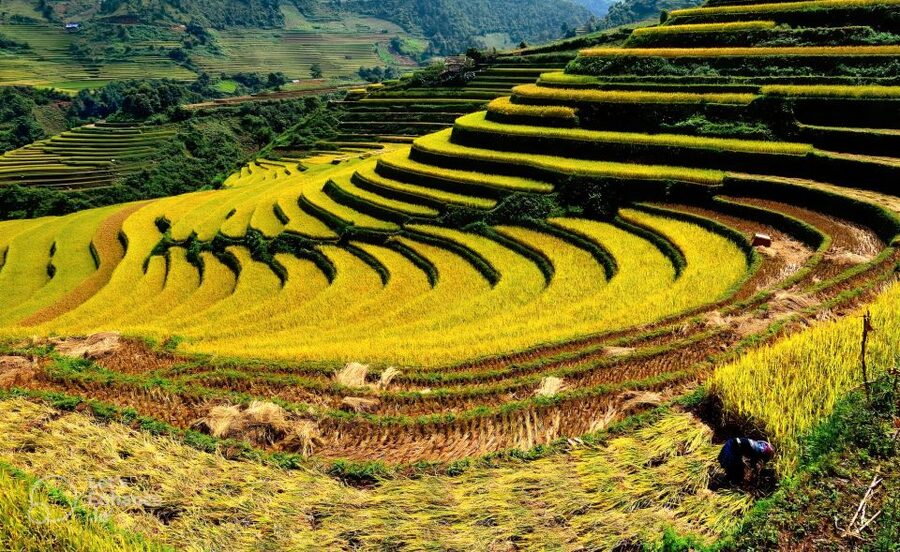
The itinerary describes trekking through rice terraces and along the Muong Hoa Stream area. That’s the big emotional payoff: terraced fields, valley views, and a sense of walking through working farmland.
But you should plan for real conditions. Sapa’s weather is unpredictable, and the tour specifically warns you that you need warm clothes—especially from September through March, and fog can happen from December through March. If you’re traveling during the rainy season, assume wetter ground.
So here’s my practical advice:
- Bring proper trekking shoes. If you only pack sneakers, consider how wet and uneven the trail can get.
- Wear layers. Wind and cold at altitude can change fast.
- Don’t forget small protection items like sunglasses and sunscreen. Even when it’s cloudy, the sun can still be strong.
On safety: the tour uses a local guide on day 1, and in practice, you may also be accompanied by local village ladies during the trek to help with the group. That kind of local presence is one reason this feels more grounded and less tourist-assembly-line.
Fansipan Peak day 2: cable car, pagoda stops, and 600 steps
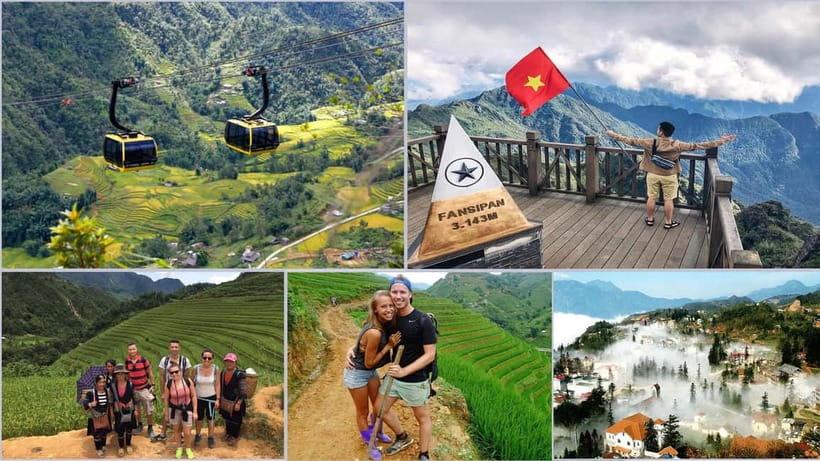
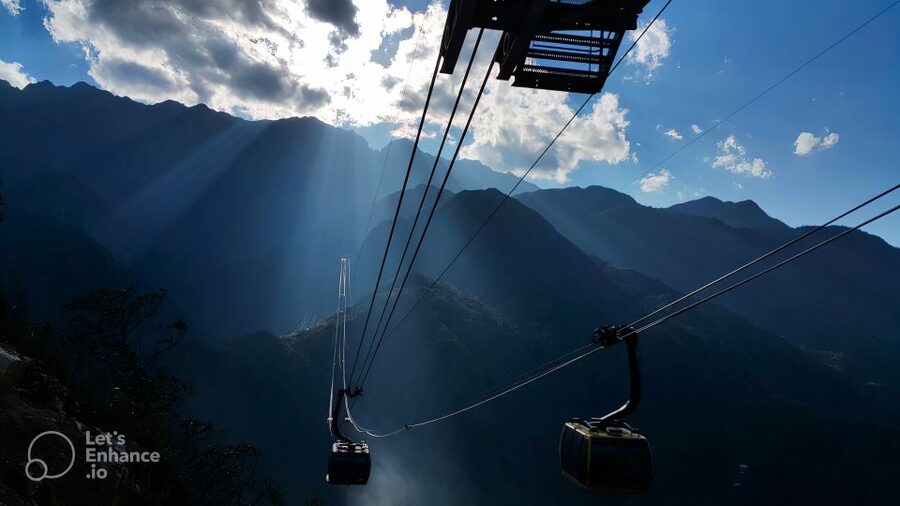
Day 2 is built around one mission: reach the summit zone of Fansipan Peak, called the Roof of Indochina. After breakfast, you’re transferred to the cable car station.
Important detail: your guide/driver helps you buy the cable car ticket, but the cable car round-trip ticket is not included. The price listed is 850,000 VND per person, paid at your own expense.
The ride itself is short—about 20 minutes—and it gets you quickly into higher air. Once you reach the top area, you’ll have time to admire scenery, visit a pagoda, and then climb 600 steps to the peak.
This is where fog becomes the difference between wow and just decent. The tour notes that altitude conditions can include fog, especially from December through March. Even if the view is blocked, the climb is still part of the experience because it’s tied to the summit area itself.
There’s also a major sight at the Fansipan peak area: the bronze Buddha statue is mentioned as a highlight. Even on gray days, the scale of those religious and monument areas can still land strongly.
A practical note: the tour says there’s no guide on the second day, only a driver. That means interpretation may be limited once you’re at the cable car station and during your walk up. If you love history and meaning, use day 1 for questions with your English-speaking guide.

Lunch back in Sapa and what to do with your free time
After returning from Fansipan, you’ll go back to Sapa and have lunch at the hotel. Then you get free time in Sapa before the return ride.
If you’re going back to Hanoi, the plan is:
- Board the sleeper bus at 14:00
- Get dropped off at Tran Quang Khai street around 20:30–20:45
That’s a long day on day 2. You’ll want to keep your activities in Sapa simple—think short walks, a warm drink, maybe a quick browse—rather than planning anything big that could slow you down.
If you continue to Ha Giang: two departure options from Sapa
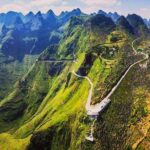
This tour can be adjusted so you leave Sapa for Ha Giang right after day 2.
From Sapa, there are two listed options:
- Around 14:30: a limousine bus (18 seats) picks you up at May hotel, driving about 6 hours
- Around 19:00–19:30: a sleeper bus (40 seats) picks you up at its meeting point for Ha Giang, also about 6 hours
For either option, you need to pay an extra fee, so confirm costs with the travel consultant before you commit. This is a good option if you want the classic north loop feel—mountains to mountains—without losing another full day to transport.
Price and extra costs: where the real value is
The headline price is $70 per person for a 2-day experience in the Dong Bac region, including accommodation and key transfers. For two days, a real village trekking component, and round-trip sleeper bus transport, that can be good value—especially compared to booking the Hanoi–Sapa leg plus separate tours.
But you should budget for two major “extras”:
- Fansipan cable car ticket: 850,000 VND per person (paid separately)
- Holiday surcharge: on major dates (April 30, May 1, September 1–3, December 24+31, Jan 1), there’s a surcharge listed as 700,000 VND/person, also described as about 25 USD/person, paid directly to the guide
Meals are included in the package: 2 lunches and 1 dinner, plus 1 breakfast. Beverages aren’t included, and travel insurance isn’t included, so plan to cover your own water and snacks.
One more value note: the tour uses a small group format, limited to 15 participants, and includes an English-speaking guide on the main trekking day. That tends to keep things smoother—especially when you’re not dealing with paperwork or ticketing by yourself.
Food-wise, one practical advantage from real-world experience is that dietary needs like vegetarian or pescetarian can sometimes be accommodated with effort. Don’t assume it will happen automatically, but do tell your operator ahead of time.
What to pack and how to not get cold on a mountain schedule
This tour is quick, so you can’t just hope for the best. Pack for temperature swings and for walking on potentially wet ground.
Bring:
- Change of clothes
- Comfortable shoes (and realistically, better: trekking shoes)
- Warm clothes, plus a scarf and hat (Sapa can be cold and foggy)
Also recommended:
- Sun cream and sunglasses
- Insect repellent
- Any needed medication
- Cash in Vietnamese Dong (banking systems in Sapa can be unreliable)
Cash tip: US dollars, euros, and Australian dollars may be accepted in Sapa, but Dong is the safest bet if systems glitch.
Who this tour fits best (and who should think twice)
This is a strong fit if you:
- Want an efficient north Vietnam outline from Hanoi
- Like guided trekking with local culture, not just scenic stops
- Care about comfort on the transport legs (sleeper bus cabin setup)
It’s less ideal if you:
- Are pregnant (the tour explicitly says it’s not suitable)
- Hate step-heavy routes (Fansipan includes 600 steps)
- Expect constant clear views (fog can seriously limit what you see from the summit area)
Also, if you’re picky about hotels: keep your expectations practical. The package includes a 3-star hotel, and the experience can vary.
Should you book this Hanoi–Sapa–Fansipan trip?
If your goal is a compact, high-impact Sapa visit—village trekking, real mountain walking, and a genuine summit climb—then booking makes sense. The sleeper bus and organized day plan are the reason this works without feeling chaotic, and small group size helps keep it human.
I would only hesitate if you’re traveling during a season with frequent fog and you’re counting on wide panoramic views from Fansipan, or if you need consistently top-tier hotel comfort. In those cases, you can still enjoy the day, but go in with the right expectations: this is about the trek and the summit effort, not guaranteed sunshine.
If you want, tell me your travel month and whether you plan to switch to Ha Giang afterward. I can help you decide which bus option makes most sense for your timing.
FAQ
How long is this tour?
It runs for 2 days total.
Where does the tour start in Hanoi?
The meeting point is at 160 Tran Quang Khai street. The exact meeting point in Sapa can vary by option booked.
Is hotel accommodation included?
Yes. You get a double/twin room in a 3-star hotel on a twin-sharing basis.
What meals are included?
The tour includes 2 lunches, 1 dinner, and 1 breakfast.
Do I need to pay for the Fansipan cable car?
Yes. The cable car round-trip ticket is not included and is listed as 850,000 VND per person.
Is there a guide on day 2?
No. The information provided says there is no guide on the second day—only a driver.
What happens on day 1?
You depart early from Hanoi to Sapa by sleeper bus, stop briefly for breaks, eat lunch in Sapa, then trek through the rice terraces area to Lao Chai–Ta Van with a local guide, and return to your hotel for dinner.
What happens on day 2?
You transfer to the cable car station for Fansipan, ride up, visit the pagoda area, and climb 600 steps to the peak. Afterward you return to Sapa for lunch and then either go back to Hanoi or continue to Ha Giang.
How do I go from Sapa to Ha Giang?
Two options are listed: a limousine bus at 14:30 (picks you up at May hotel) and a sleeper bus around 19:00–19:30 (picks you up at its meeting point). Either option needs an extra fee.
What should I bring for the weather and trekking?
Bring warm clothes, a scarf, a hat, and comfortable trekking shoes. Sunscreen, sunglasses, and insect repellent are also recommended, along with any needed medication.