REVIEW · HANOI
From Hanoi: 2-Day Sapa Trek Tour – Luxury Limousine Transfer
Book on GetYourGuide →Operated by DragonflyCruise.com · Bookable on GetYourGuide
Sapa gets into your legs fast. This 2-day tour pairs luxury limousine transfer with guided village treks, plus an overnight stay that actually lets you slow down and enjoy the views. I especially liked the day 1 Cat Cat walk with waterfall stops and village context, and the day 2 Lao Chai to Ta Van trek through rice terraces with an English guide like Chang, Tai My, or Nhu. One thing to consider: day 2 can be a real hike (about 9–12 km), and the long drive from Hanoi is not for everyone.
You’re basically buying three things here: smooth transportation, local-guided walking, and a simple overnight plan in Sapa (hotel or Ta Van homestay). For $189, it’s a solid deal if you want structure and you’re comfortable with uneven mountain paths, possible mud, and cool-weather rain gear.
In This Review
- Key Things You’ll Notice Right Away
- Hanoi to Sapa by Luxury Limousine: Comfort That Matters
- Day 1 in Sapa: Cat Cat Village, Waterfall Views, and a Real Community Walk
- Overnight in Charm Sapa Hotels or Ta Van Homestay: Where the Trip Really Breathes
- Day 2 Trek: Lao Chai to Ta Van Through Rice Terraces and Muong Hoa Streams
- Meals on the Road: Local Food, Menu Choices, and Vegan Options
- What This Trip Costs and Why It Can Be Good Value
- Guides, Group Size, and Timing: English Support on the Trail
- Who Should Book This (and Who Should Skip It)
- Should You Book This 2-Day Sapa Trek Tour?
- FAQ
- How long is the tour, and when do you return to Hanoi?
- Where does pickup happen in Hanoi?
- What treks are included on day 1 and day 2?
- How difficult is the Lao Chai to Ta Van trek on day 2?
- What accommodation is included overnight?
- Are meals included, and is there a vegan option?
- Is the tour suitable for children, wheelchair users, or people with back problems?
Key Things You’ll Notice Right Away

- Luxury limousine transfer from Hanoi to Sapa with air-conditioning and comfort
- Cat Cat village + waterfall trek (about 3 km, around 2 hours) with a guide
- Lao Chai rice terraces to Ta Van village trek (about 9–12 km, 3.5 hours; difficulty varies)
- English-speaking local guide while you’re trekking (driver English can be limited)
- Hotel or Ta Van homestay as the overnight option, depending on what you choose
- Meals included: 2 lunches + 1 breakfast, with vegan menu options available
Hanoi to Sapa by Luxury Limousine: Comfort That Matters
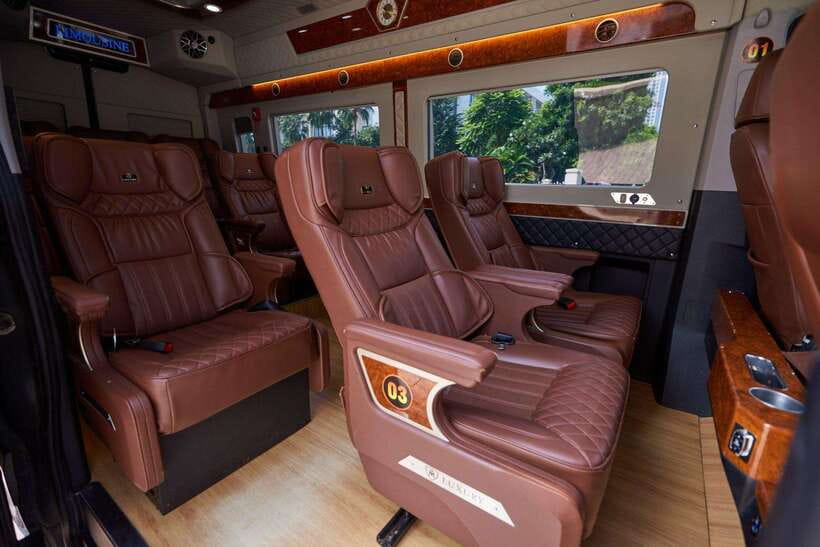
The trip starts with pickup in Hanoi’s Old Quarter (a huge help if you don’t want to wrestle with taxis and schedules on your own). You head toward Sapa via expressways and make stops along the way. The experience is designed to feel easier than DIY travel: air-conditioned vehicle, organized timing, and a guide who takes over once you’re in the Sapa area.
What I like most is how this transportation piece protects your energy. The drive is long enough that, if you’re going to be spending time trekking, you don’t want your first day ruined by cramped seats and constant hassle. Many people also mention how smooth and comfortable the vehicle feels, especially compared with less organized options.
Two practical notes:
First, the driver from Hanoi speaks very little English, so listen for instructions from the Sapa guide once you arrive. Second, the mountain road is winding. If you’re prone to motion sickness, plan for it before you go—Sapa roads can feel intense even in a comfortable vehicle.
You can also read our reviews of more tours and experiences in Hanoi.



Day 1 in Sapa: Cat Cat Village, Waterfall Views, and a Real Community Walk
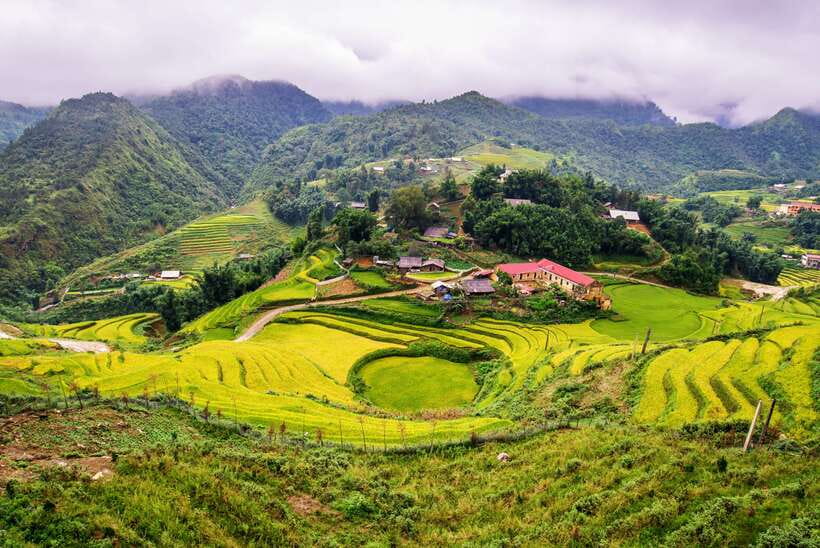
Day 1 is built around a gentle-but-not-trivial introduction to life in the Sapa valleys. After reaching Sapa, you’ll have local Vietnamese lunch at your hotel (the tour uses meal vouchers that can be flexible depending on timing). Then you head out for the Cat Cat village trek with a local guide.
Cat Cat is home to the Black H’mong community and sits near the bottom of a deep valley at the foot of Fansipan Peak. The walk is about 3 kilometers and takes around 2 hours. The route includes a descent into the valley, plus the climb back up afterward. That means you get both the downhill scenery payoff and the uphill burn.
The standout moment is the waterfall area. You’ll walk to it (and you’ll pause for photos) where the French built a hydraulic power station. It’s a unique blend: natural scenery plus a hint of how the region was shaped by outside engineering. If you like travel that mixes stories with views, this stop does that well.
What to watch for: you’ll likely feel the elevation and the uneven footing. Bring comfortable shoes and expect dirt paths, not boardwalks. If you prefer a slow pace, this is still manageable, but don’t treat it like a casual stroll.
Overnight in Charm Sapa Hotels or Ta Van Homestay: Where the Trip Really Breathes
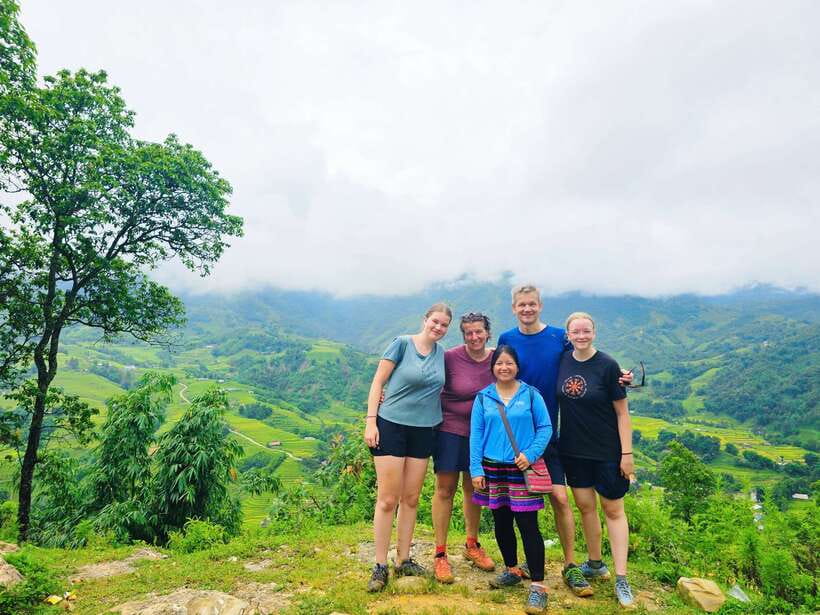
After your Cat Cat trek, you’re back in Sapa Town for the evening. The tour typically uses a centrally located hotel option such as Charm Sapa Hotel or similar, though exact properties depend on what you select. This matters because Sapa town is where you can decompress: warm shower, a place to dry out gear, and an easy walk to simple dinner plans if you want them.
If you choose the Ta Van homestay option, the vibe shifts from town-center convenience to a more village-based experience. You’ll still get the structure of the tour, but you’re sleeping closer to the community you’re walking with on day 2. That’s a good match if you want the trip to feel less like day trips and more like a stay.
Two small timing details you’ll appreciate: hotel check-in is at 13:30 and check-out is at 10:00. On day 2, you’ll pack light for trekking and can usually store luggage at reception, so you’re not dragging bags on the trail.
Day 2 Trek: Lao Chai to Ta Van Through Rice Terraces and Muong Hoa Streams
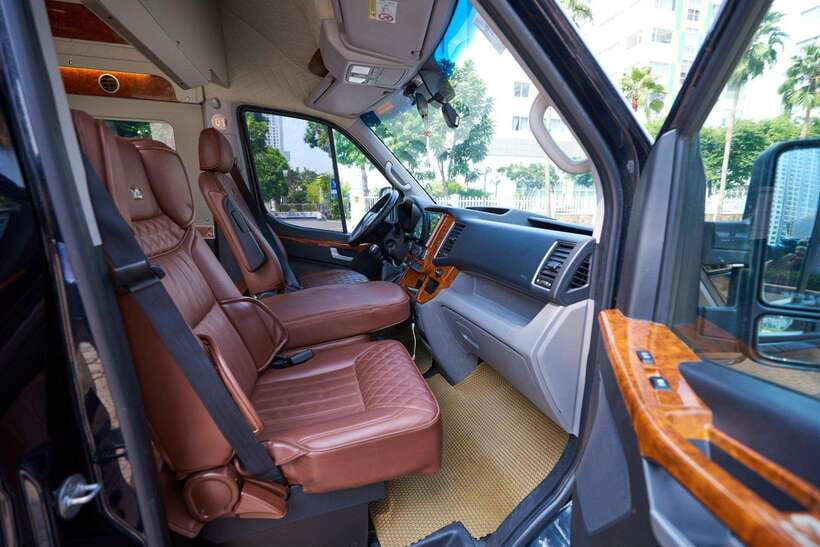
Day 2 is where Sapa earns its reputation as a trekking destination. After breakfast, you prepare a light pack and get ready for a longer walk through the Muong Hoa valley.
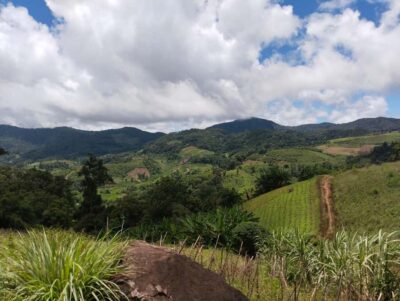
You’ll trek from the area near Lao Chai along rice terraces and Muong Hoa streams. The route is designed to connect communities and scenery: you’ll pass landscapes shaped by agriculture and walk into the Black Hmong village area of Lao Chai, then continue toward Ta Van, home of the Dzay (often spelled Zay) people.
Key trek details:
- Duration: about 3.5 hours
- Distance: about 9–12 kilometers (your guide adjusts the itinerary based on your ability)
- Terrain: mixed downhill and valley walking, but still a real distance
This is also the day where good guidance makes a difference. Guides in the Sapa area often vary in style, and English quality depends on the guide (the tour’s English guide is the main support for your questions). People have praised guides like Emiel, Vang, Mi, and others for making the villages feel understandable rather than just photo stops.
At Ta Van, you’ll reach the Ta Van Bridge area and then the bus picks you up back to Sapa. You’ll have lunch afterward at the hotel and then some free time to explore on your own before heading back to Hanoi.
If you don’t want the long trek, your tour leader can help you visit another location—but you’d be responsible for any ticket and transportation costs for that alternative.
Meals on the Road: Local Food, Menu Choices, and Vegan Options
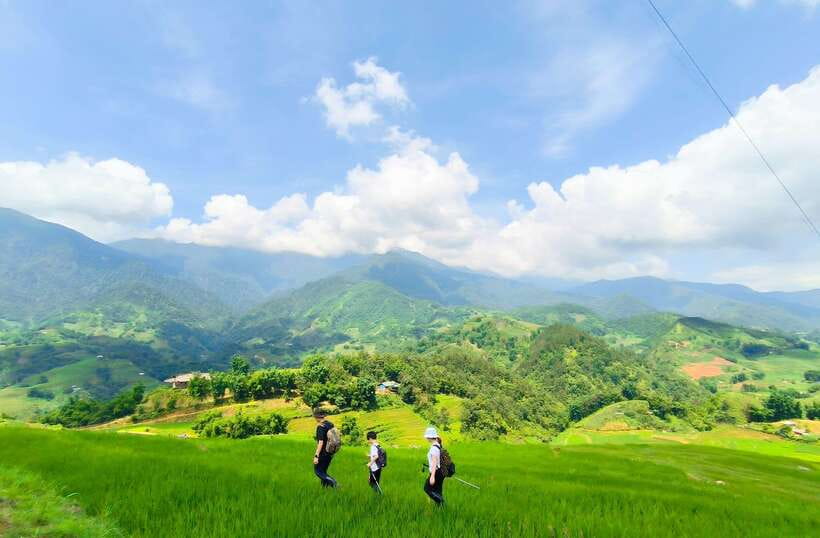
Food is included in a straightforward way: 2 lunches and 1 breakfast. Meals are generally arranged through hotel meal vouchers, which can be timed flexibly based on your day’s schedule.
The menus listed for lunch are practical, filling choices that fit mountain travel (warm soup, rice, protein, vegetables, and fruit). Three set-menu examples include:
- Pumpkin soup; sautéed chicken with mushrooms; Sapa salad; sautéed vegetables; steamed rice; seasonal fresh fruit
- Tomato soup; marinated sizzling beef on the iron plate; deep-fried spring rolls; sautéed vegetables; steamed rice; seasonal fresh fruit
- Vegetable soup; stir-fry pork sweet and sour; French fries; sautéed vegetables; steamed rice; seasonal fresh fruit
There are also vegan menu options (including tofu-based plates). If dietary needs are important, double-check your specific vegan selection before you go so you’re not stuck with something you can’t eat.
Balanced heads-up: a few people report confusion with voucher quantities during one meal. It’s not guaranteed to happen, but if you’re traveling in a group, it’s worth speaking up quickly if your portions seem off so the hotel can fix it.



What This Trip Costs and Why It Can Be Good Value

At $189 per person, this isn’t a budget “just transport me” deal. You’re paying for the combination:
- Roundtrip AC limousine bus between Hanoi and Sapa
- A local Sapa guide
- All entry tickets to indicated sites
- Meals (2 lunches + 1 breakfast)
- A deluxe hotel room or Ta Van homestay depending on your chosen option
So the value is in reducing friction. If you tried to do this solo, you’d spend time coordinating transport, finding a trekking guide, matching entrance fees, and arranging a consistent overnight plan. Here, you get one package that handles most of that.
That said, value depends on expectations of accommodation and meal handling. Some people praise hotels for location and comfort; others mention room issues like being run-down or not feeling as clean as they hoped. Since the tour uses “Charm Sapa Hotel or similar” and other hotel partners depending on your selection, you should treat accommodation quality as variable within the range offered.
Guides, Group Size, and Timing: English Support on the Trail
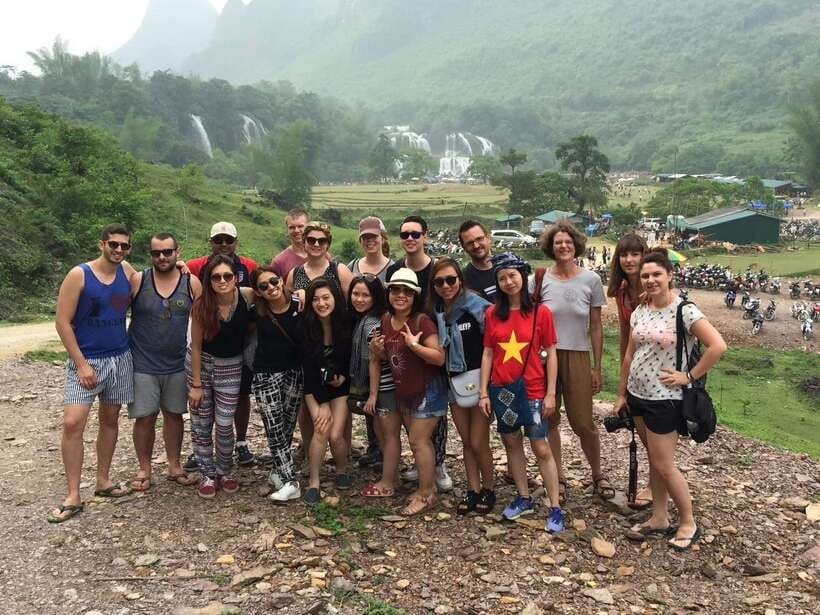
This tour uses a small group setup. Smaller groups usually mean you don’t feel like you’re herding yourself through the villages with dozens of strangers. It also makes it easier for the guide to pace the trek based on your group.
Your English-language support is mainly tied to the Sapa guide while you trek. Many people have specifically praised guides for being warm, informative, and good at explaining what you’re seeing—sometimes with very strong local perspective. Names that have come up include Chang, Tai My, Nhu, Emiel, and Mi.
One timing reality: the Hanoi-to-Sapa drive and the pickup/drop-off system can vary by departure time and hotel access. The tour drops off hotels in Hanoi’s Old Quarter. If your place is far away, the bus may drop you at a local partner office (31 Lo Su, Hoan Kiem), and you’d take a taxi from there. Airport or train station drop-offs aren’t included because arrival times shift.
Who Should Book This (and Who Should Skip It)
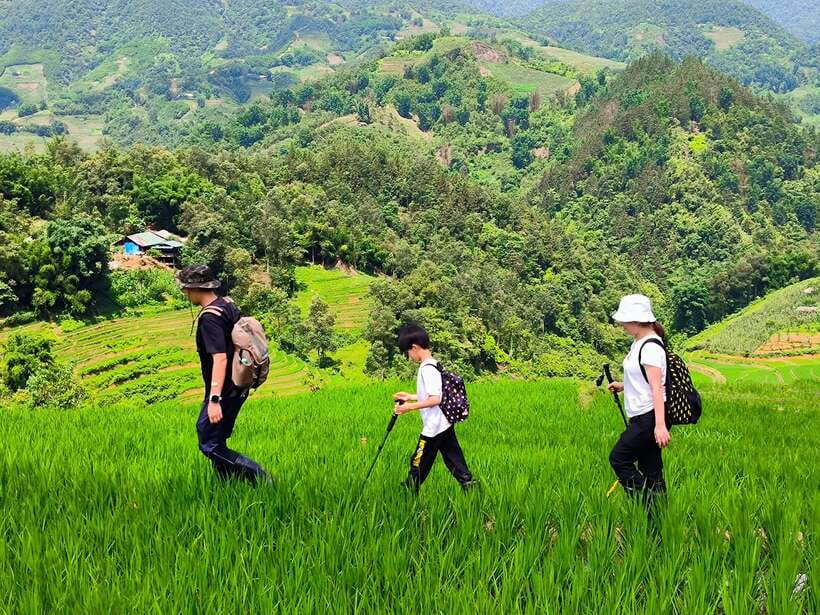
This works best if you want a structured Sapa experience and you’re comfortable with a guided walk between major village areas.
You’ll probably enjoy it if:
- You want the big-hitter village stops: Cat Cat, Lao Chai, and Ta Van
- You prefer having an English guide to explain what you’re seeing
- You’re okay with cool, damp mountain weather and packed walking days
You should skip it (or choose a lighter alternative) if:
- You’re pregnant, have back problems, or have mobility needs that limit trekking
- You use a wheelchair
- You’re traveling with children under 6 (treks are not for this group)
Also, consider altitude and cold. Sapa can feel sharply different from the lowlands, even when the weather is mild where you start.
Should You Book This 2-Day Sapa Trek Tour?
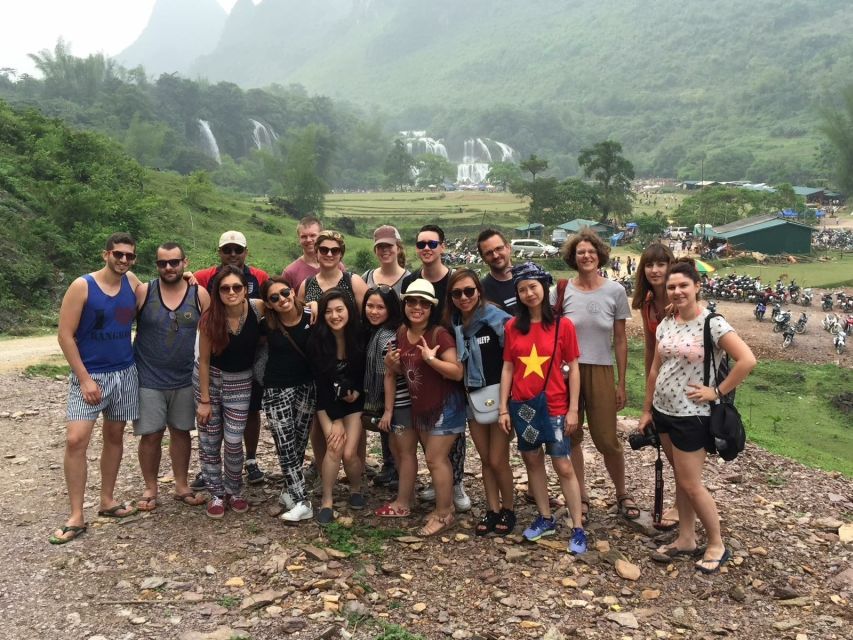
If your priority is effortless planning—transport, guide, meals, and one overnight—this is a strong pick. The Cat Cat waterfall trek plus the Lao Chai to Ta Van rice-terrace hike give you a real sense of what makes Sapa different from cities in Vietnam.
I’d especially book it if:
- You don’t want to negotiate transport and trekking guides on your own
- You’re reasonably fit for a 9–12 km day (and you’re okay with muddy or uneven paths)
- You want the comfort upgrade of a limousine transfer after a long start in Hanoi
I’d hesitate if:
- You’re very sensitive to mountain driving or have motion sickness
- You’re expecting ultra-consistent hotel quality, since the hotel partner can vary
- You want a mostly flat, easy day 2—this trek is longer than it sounds on paper
If you match those conditions, you’ll leave Sapa with more than photos. You’ll have walked through communities, eaten warm meals after the effort, and watched the valley change as morning turns into afternoon.
FAQ
How long is the tour, and when do you return to Hanoi?
The tour lasts 2 days. You’ll have a trekking day in Sapa on day 2, then the bus back to Hanoi leaves around 14:00 and arrives about 21:00, with a break during the drive.
Where does pickup happen in Hanoi?
Pickup is included from the Old Quarter of Hanoi. If you are not staying in a hotel (for example an apartment or Airbnb address), you’ll need to coordinate with the operator. If your Hanoi hotel is far from the Old Quarter, the drop-off may be at the partner office at 31 Lo Su, Hoan Kiem.
What treks are included on day 1 and day 2?
Day 1 includes a trek to Cat Cat village, including a walk down to a waterfall area near where the French built a hydraulic power station. Day 2 includes a longer trek from the Lao Chai area through rice terraces and Muong Hoa Streams to the Ta Van village area.
How difficult is the Lao Chai to Ta Van trek on day 2?
It covers about 9–12 kilometers and takes around 3.5 hours, and it can be challenging due to distance and mountain terrain. The tour notes that elderly participants should know it is challenging.
What accommodation is included overnight?
You’ll stay overnight in Sapa in a hotel (deluxe room in a 2, 3, 4, or 5-star option depending on what you select) or in a Ta Van homestay option, depending on your chosen package.
Are meals included, and is there a vegan option?
Yes. The tour includes 2 lunches and 1 breakfast. There are also vegan menu options listed for lunch.
Is the tour suitable for children, wheelchair users, or people with back problems?
No. The tour data states it is not suitable for children under 6, wheelchair users, people with back problems, and pregnant women. Pets are also not allowed.