REVIEW · HANOI
Sapa 2-Day Trekking Tour – Explore Villages & Scenic Trails
Book on GetYourGuide →Operated by Cat ba memories · Bookable on GetYourGuide
Sapa feels like a world away on foot. This 2-day, 1-night trek from Sapa Town lets you choose Ta Van for cultural valley life or Hầu Thào for a quieter, more off-the-beaten-path Hmong route, with an overnight homestay and daily village walking. I especially like the way the routes are designed to balance scenery with human connection, and how the guides help you understand what you’re seeing, not just where you’re going.
Here’s the main consideration: this is a moderate hiking trek (about 10–14 km a day), and the trails can turn muddy in rainy season, so good footwear and long pants matter.
In This Review
- Key Points You’ll Actually Care About
- Choosing Ta Van vs Hầu Thào: two Sapa flavors on the same 2 days
- Ta Van route: cultural immersion in Muong Hoa Valley
- Hầu Thào route: remote mountain charm with fewer people
- Which one should you book?
- The walking reality: 9:00 AM starts, 10–14 km days, and how the trek paces out
- Distances and difficulty
- Where the effort shows up
- The guide’s job: keeping you together and moving smart
- Village stops that feel human, not like a checklist
- Y Linh Ho and Lao Chai: costumes, crafts, and daily rhythm
- Ta Van and Hầu Thào: your overnight village is the main event
- Giang Ta Chai: the waterfall village segment
- Homestay night in the real world: food, rooms, and how to handle cultural moments
- What you get for sleeping
- Meals are included and food safety is taken seriously
- Expect crafts and gentle selling
- Practical planning: what to pack for Sapa, and what weather can do to your day
- Bring these essentials
- A small daypack beats a big bag
- Rainy season (May–Sept) means mud
- Optional bonus: a quick cooling swim
- Price and value: what $58 buys you, and what to double-check
- What’s not included
- Who this trek suits best, and who should skip it
- Best fit
- So, should you book the 2-day Sapa trek to Ta Van or Hầu Thào?
- FAQ
- What time does the trek start?
- How far will I walk each day?
- Are there two route options, and what’s different?
- Where do we stay overnight?
- What meals are included?
- What should I bring for the hike?
- Is the tour suitable for everyone?
Key Points You’ll Actually Care About
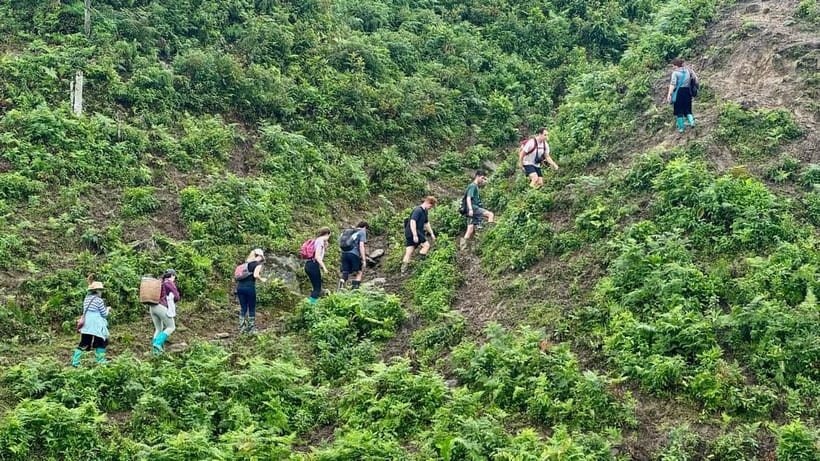
- Two route choices: Ta Van (gentler, more culture-focused) or Hầu Thào (remote, more adventurous, fewer tourists).
- Small groups: one group was only five people, so pacing and questions actually happen.
- Homestay meals + private room: traditional food with vegetarian/vegan options, plus a real night in the village.
- Guides change the experience: names like Mao, Su, Sung, Thao, Chai, Ai, and Tung show up in the happiest stories for a reason.
- Mud and knees are the real risks: rain can make paths slick and some days can feel tough if you have knee issues.
- Package inclusions look bigger than just trekking: Cat Ba bus transfers and a Lan Ha/Ha Long cruise with kayaking are listed, so double-check what’s truly part of your booking.
Choosing Ta Van vs Hầu Thào: two Sapa flavors on the same 2 days
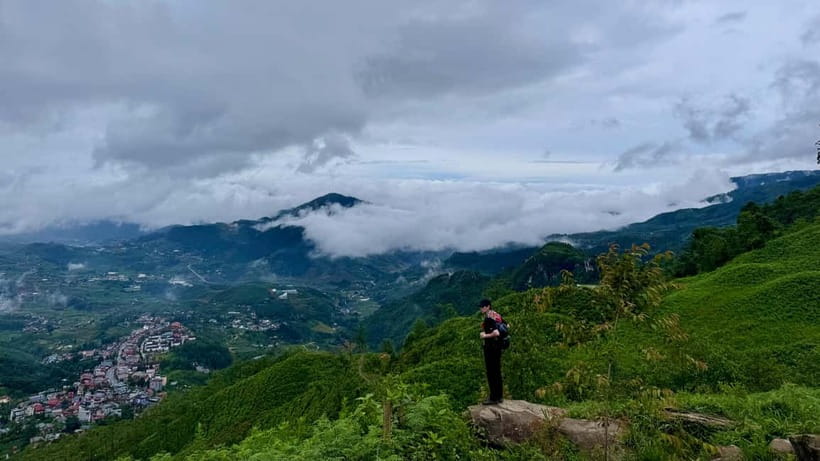
This trek gives you a meaningful choice at the start. Both routes begin with the Sapa-to-valley walking rhythm (passing classic villages along the way), but the final stretch changes the feel of the whole trip.
You can also read our reviews of more tours and experiences in Hanoi.


Ta Van route: cultural immersion in Muong Hoa Valley
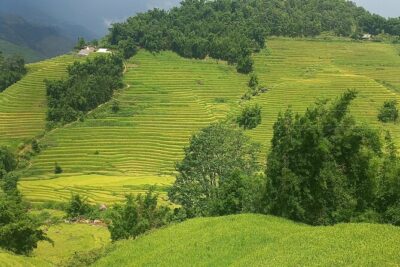
If you pick Ta Van, you get a more balanced plan with generally gentler hiking and a strong cultural focus. Day 1 runs from Sapa through Y Linh Ho and Lao Chai, then heads toward Ta Van for your overnight stay. This route is known for village life that’s easier to “read” as a visitor—costumes, crafts, and everyday routine without a sense of racing.
Day 1 ends in Ta Van with an overnight in a Dzay homestay (traditional family dinner included). Day 2 continues by crossing a suspension bridge, then trekking through bamboo forests toward Giang Ta Chai, a Red Dao village by a waterfall. Lunch happens along the way, then you’re returned to Sapa.
I like this option if you want to meet people, ask questions, and still feel comfortable enough to slow down for photos and rests.
Hầu Thào route: remote mountain charm with fewer people
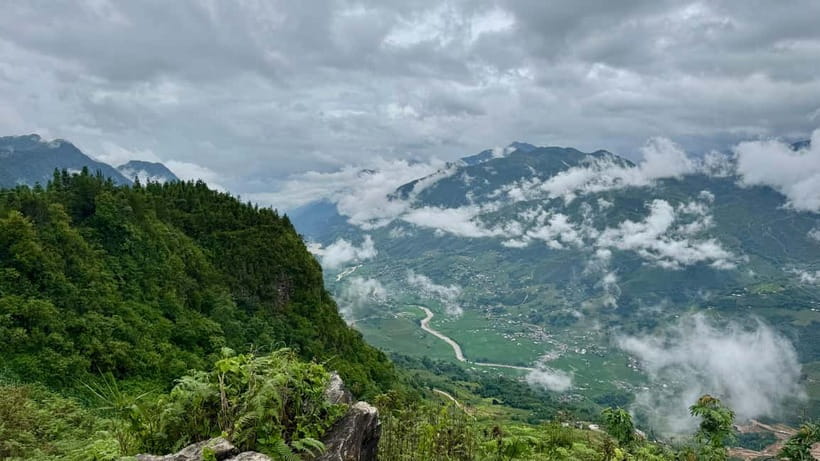
If you choose Hầu Thào, you’re trading some of the gentler flow for a more raw, quieter mountain vibe. Day 1 still takes you through Y Linh Ho and Lao Chai, but then it pushes farther toward Hầu Thào. Expect longer effort and narrower mountain paths with panoramic views.
Dinner on Day 1 is with a Black Hmong family. Day 2 continues via Giang Ta Chai and then back to Sapa after lunch. The overall feeling is more “off the trail” and less “storybook Sapa view with crowds nearby.”
This is the better pick if you want fewer tourists and a deeper, quieter connection with Hmong hosts—though you should be ready for more challenging footing.
Which one should you book?
- Choose Ta Van if you want a cultural win with manageable hiking and shorter distances.
- Choose Hầu Thào if you want fewer people and you’re comfortable with longer days and rougher paths.
The walking reality: 9:00 AM starts, 10–14 km days, and how the trek paces out
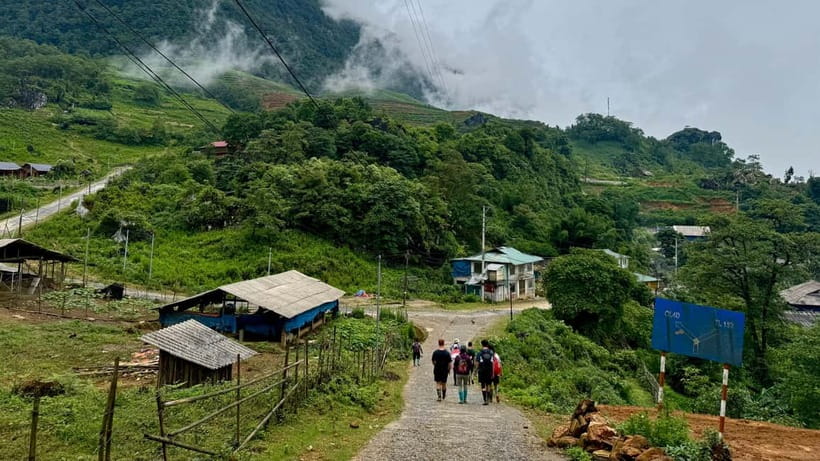
The trek starts at 9:00 AM from Sapa Town. You’re advised to arrive 15–30 minutes early at the meeting point so you can check in, store big luggage, and get a briefing before you start walking.


Distances and difficulty
Expect 10–14 km per day and a moderate difficulty level. That matters because you’re not just “strolling between photo spots.” You’re on working trails where locals walk in simple footwear, and your effort will feel steady rather than dramatic every minute.
One helpful detail: some guides and groups report time windows like about 3.5 hours on the first day and about 2 to 2.5 hours on the second day. Your exact timing will vary with weather and group pace, but the point is: you won’t be trekking all day in one continuous grind.
Where the effort shows up
- Day 1 often feels like you’re building altitude and settling into valley walking.
- Day 2 can feel physically easier in one sense, but it’s still trail-based hiking, and the footing can be the difference between fun and fatigue.
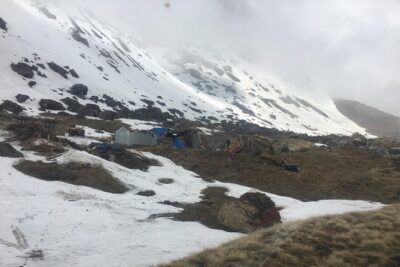
- Rain can change everything. Mud makes steps slower, and wet paths can be harder on knees.
If you have knee issues, this is one of those trips where the route choice is not a small detail. People have noted the need for caution with knees, so Ta Van may be a safer bet than Hầu Thào.
The guide’s job: keeping you together and moving smart
A consistent theme in the best experiences is how guides handle pacing and group safety. Guides are described as checking in often, keeping the group together, and sometimes adjusting the route for someone who needs an easier path.
That means you should feel comfortable asking for slower breaks early. In a small group, your request actually gets heard.
Village stops that feel human, not like a checklist
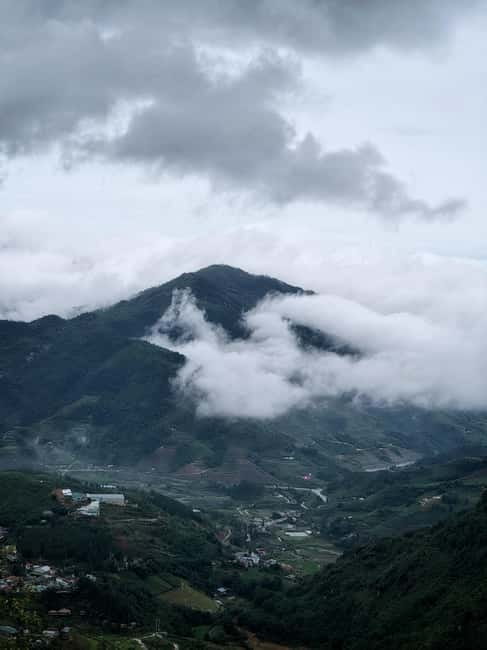
The heart of the trek is the sequence of villages and how you pass through them. This isn’t a “bus tour with a stop.” You walk, you meet, you pause.
Y Linh Ho and Lao Chai: costumes, crafts, and daily rhythm
Both routes include Y Linh Ho and Lao Chai on Day 1. These are known for colorful costumes and local crafts. The practical value here is that you get context before you reach your overnight village—so the conversations on the second half of the hike land better.
One thing I appreciate is that good guides help you avoid making it a performance. Instead of treating people as a background, you’re guided into understanding what you’re seeing: clothing meaning, village habits, and the logic of where families live and farm.
Ta Van and Hầu Thào: your overnight village is the main event
Your night is not just a place to sleep. In the Ta Van option, you stay in a Dzay homestay, and the evening includes shared stories by the fire. In Hầu Thào, the overnight experience is with a Black Hmong family, with dinner included.
In the best accounts, the homestay is described as warm, welcoming, and cozy—real “house rules” friendly, not staged. And food is a big part of it, not an afterthought.
Giang Ta Chai: the waterfall village segment
Both options include Giang Ta Chai on Day 2. You’ll trek near or toward it, and it’s described as a Red Dao village by a waterfall. It gives Day 2 a built-in highlight that feels more natural than a fixed viewpoint, because you’re approaching it on foot.
Homestay night in the real world: food, rooms, and how to handle cultural moments
What you get for sleeping
You get one night in a homestay private room. That matters because you’re not sharing a crowded dorm setting. It’s a simple setup, but the reviews describe it as cozy and warm, with hosts who make you feel like a visitor who belongs at the table.
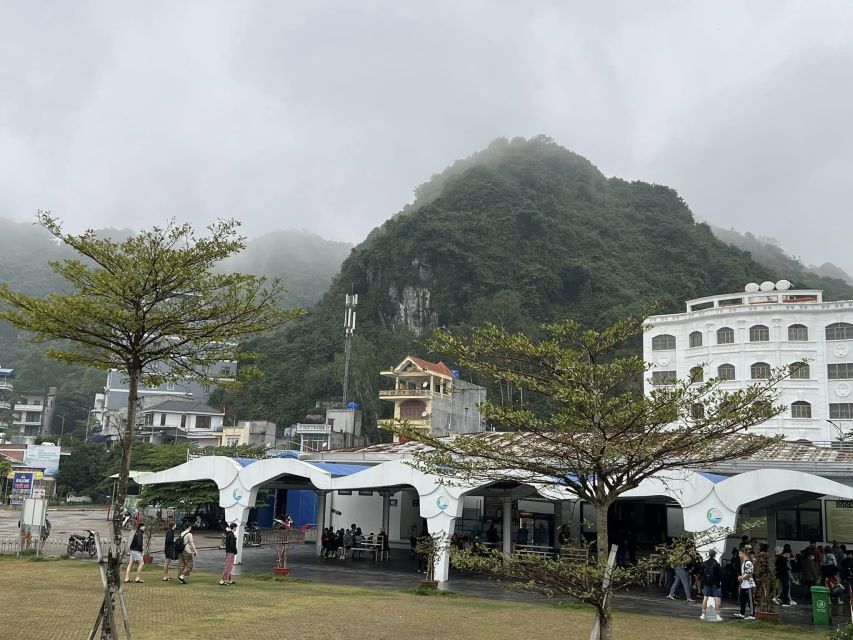
Also, the meeting point includes a homestay facility with free Wi-Fi. That’s a nice “charge and reset” moment before the hike.
Meals are included and food safety is taken seriously
Your package includes meals on trekking days: two lunches, one dinner, and one breakfast. Vegetarian/vegan options are available.
A standout detail from the strongest feedback is attention to dietary needs—people mention guides checking with host families and taking allergies seriously. If you have food constraints, tell the company ahead of time and make it clear what you need.
Expect crafts and gentle selling
On the trail—especially earlier in the trek—you may encounter local sellers who can feel persistent at first. I’d treat it as part of village life, not a hassle to win. If you want something, buy it. If you don’t, a calm no works better than avoiding eye contact.
A related note from the field: in one experience, local women walked alongside part of the journey and helped with comfort and safety. If someone lends a hand, consider that as an invitation to show appreciation—like buying a small handmade craft if it fits your budget.
Practical planning: what to pack for Sapa, and what weather can do to your day
You’ll start with the basics, then adjust based on season.
Bring these essentials
The tour recommends:
- Comfortable shoes (not just sneakers)
- Water and a water bottle
- Sunglasses and a sun hat
- Long pants
- Change of clothes
- Insect repellent
- Rain jacket if you have it
One practical upgrade I agree with: if rain is likely, also consider options like gumboots if the trail conditions demand it. People have suggested renting them if needed.
A small daypack beats a big bag
Big bags can be stored at the office, so bring a small daypack for the hike. This keeps you from hauling weight during the steepier parts.
Rainy season (May–Sept) means mud
Trails run year-round, but May–Sept can be muddy. Mud doesn’t automatically mean “bad trek,” but it does mean:
- slower walking
- more foot fatigue
- more need for shoes with traction
If you go in rainy season, plan for damp clothes and bring a backup layer.
Optional bonus: a quick cooling swim
One account mentions cooling off in a refreshing waterfall swim nearby. It’s not guaranteed, so don’t plan your day around it, but if you love water breaks, bring a swimsuit in your pack.
Price and value: what $58 buys you, and what to double-check
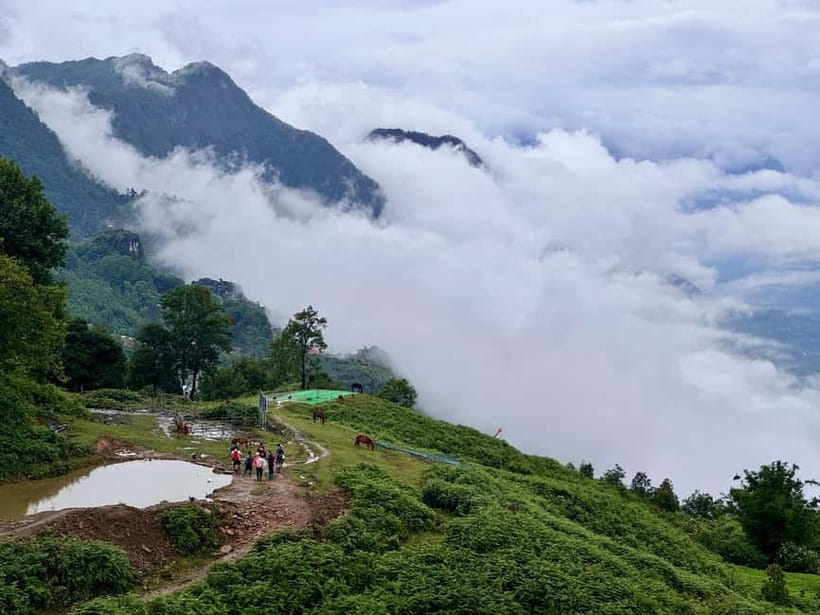
At $58 per person, the value mostly comes from the parts that cost real money: guide time, homestay coordination, and included meals. A small-group trek plus a private-room homestay is usually not “cheap” in Vietnam, so the price becomes believable when you factor in how much is covered.
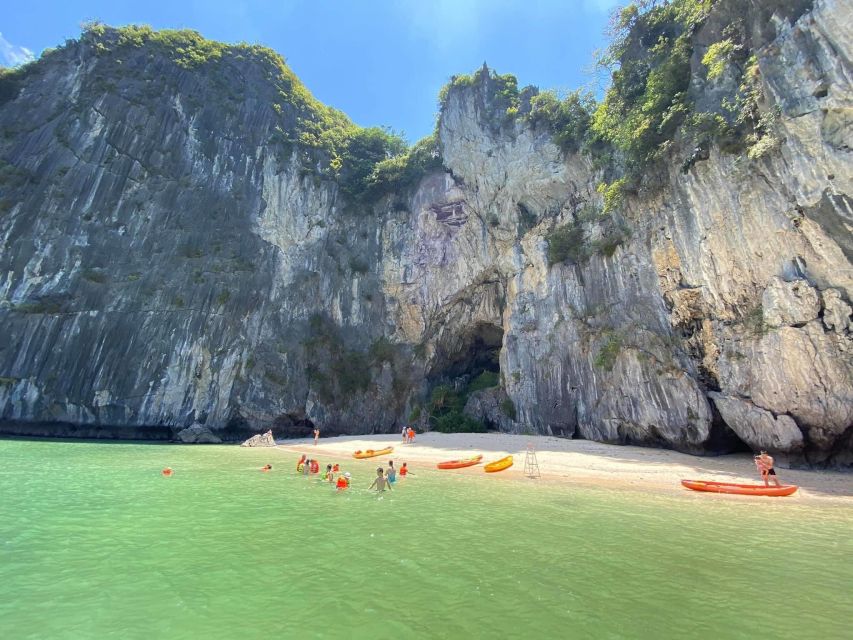
But there’s one thing I’d verify before you lock it in: the inclusions list also mentions transportation between Hanoi and Cat Ba, a homestay on Cat Ba island, and a day cruise to Lan Ha Bay and Ha Long Bay, including kayak rentals and a cruise guide, plus lunch on the cruise.
That means your booking could be a combined experience, not just the Sapa trek. If your plan is only Sapa, make sure you understand which days belong to the Cat Ba portion and which days belong to the trek.
What’s not included
- Drinks for lunch and dinner aren’t included.
- Anything not mentioned in inclusions isn’t included.
If you drink soda, juice, or bottled water beyond your own supply, you’ll want a small budget.
Who this trek suits best, and who should skip it
This is not a casual “see the villages from a road” trip. It’s a hiking-and-walking experience through ethnic communities, which also means it has some clear limits.
Not suitable for:
- Pregnant women
- People with back problems
- People with mobility impairments
- People with heart problems
- Wheelchair users
- People who are visually impaired
- People with insect allergies
If you’re on the fence due to fitness, be honest with yourself. A moderate trek with muddy trails can be a lot.
Best fit
You’re a strong match if you:
- want walking time with real village encounters
- like chatting with hosts and learning about customs
- can handle 10–14 km days
- take footwear seriously
So, should you book the 2-day Sapa trek to Ta Van or Hầu Thào?
I’d book it if you want Sapa in the best way: on foot, with small-group attention, and a homestay night that’s built around food, stories, and village life. Guides like Mao, Su, Sung, Thao, Chai, Ai, Tung, and Gom show up repeatedly in strong experiences for a reason—clear communication, cultural context, and route choices that reduce crowds.
But book strategically:
- If you’re worried about footing or knees, choose Ta Van.
- If you want quieter paths and fewer tourists, choose Hầu Thào.
- If your booking includes Cat Ba, confirm your full schedule so you aren’t surprised by transfers.
If you want a simple nature hike, this might feel a bit “people-heavy.” If you want Sapa with context and conversation, this trek is a solid pick.
FAQ

What time does the trek start?
The trek starts at 9:00 AM from Sapa Town. You should arrive 15–30 minutes early to handle check-in, luggage storage, and a briefing.
How far will I walk each day?
The trekking distance is about 10–14 km per day. It’s listed as moderate difficulty with a basic fitness level needed.
Are there two route options, and what’s different?
Yes. You can choose Ta Van or Hầu Thào. Ta Van is described as more cultural and gentler, while Hầu Thào is described as more remote and adventurous with longer distances and fewer tourists.
Where do we stay overnight?
You stay one night in a homestay during the trek. It’s described as a private room.
What meals are included?
The package includes two lunches, one dinner, and one breakfast. Vegetarian/vegan options are available, and meals are Vietnamese-style dishes made with local ingredients.
What should I bring for the hike?
Bring comfortable shoes, water, sunglasses, a sun hat, long pants, change of clothes, insect repellent, and a rain jacket if you have one. A small daypack is recommended.
Is the tour suitable for everyone?
No. It’s not suitable for pregnant women, people with back problems, mobility impairments, heart problems, wheelchair users, visually impaired people, or people with insect allergies.