REVIEW · KATHMANDU
Everest Base Camp Trek 14 Days
Book on Viator →Operated by Nepal Nirvana Trails · Bookable on Viator
Lukla puts Everest on your doorstep. This 14-day Everest Base Camp trek is built around real mountain travel: a flight into Lukla, days of steady climbing through Sherpa villages, and big views from spots like Namche Bazaar and Kalapatthar on the way to Everest Base Camp. Along the trail, you’re also moving through the cultural heart of the Khumbu region, not just walking for photos.
I love two things about this experience. First, the trip is set up to handle the parts that usually create chaos—permits and the Lukla flight timing—so you can focus on trekking. Second, the human support seems to be the point: guides such as Raju, Roshan, and Abinash are consistently described as professional, caring, and tuned in to helping you enjoy the walk and understand Sherpa life.
One consideration: your trek lodgings and your daily food are not included. If you’re assuming everything is “all-in,” you’ll want to budget for tea house nights and meals along the way.
In This Review
- Key things I’d watch before you go
- Kathmandu: Thamel morning reality and meeting your team
- Lukla flight and the first trek to Phakding: the start that makes it real
- Into Sagarmatha National Park: crossing the Dudh Koshi and reaching Namche Bazaar
- Namche adjustment day: Everest Hotel hike and the first huge views
- Tengboche Gompa: rhododendron trails and a monastery pause
- Dingboche: the Imja Khola crossing and acclimatization choice day
- Lobuche: uneven rocky walking and the Everest-region momentum
- Everest Base Camp day: Khumbu Glacier walking and Gorakshep return
- Kalapatthar for the big shot: then down toward Pheriche
- Descent rhythm: Namche, then suspension bridges back to Lukla
- Lukla to Kathmandu: the 35-minute flight and Thamel return
- Price and value: what the $999 is really covering
- Fitness, altitude, and why “moderate” still means training
- What people praise most: smooth help, careful guides, and real support
- Should you book Nepal Nirvana Trails for Everest Base Camp?
- FAQ
- What is included in the Everest Base Camp trek price?
- Are accommodation and meals included for the trek days?
- Do you arrange flights to and from Lukla?
- Is pickup offered in Kathmandu?
- When does the trek start and where is the meeting point?
- Is this a private tour?
- What fitness level is required?
- Is travel or health insurance included?
- What is the cancellation policy?
Key things I’d watch before you go
- Lukla flights drive the schedule, so plan for early starts and possible weather delays in the Himalayas
- Acclimatization days at Namche and Dingboche help you get used to altitude before the long pushes
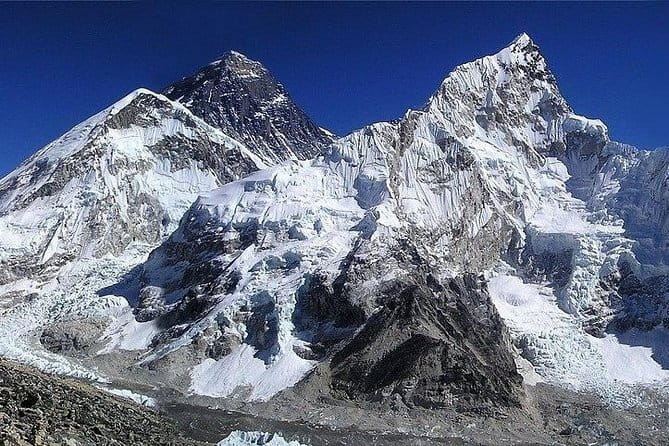
- Kalapatthar is the big viewpoint day, and it’s earned with a tough hike in the cold
- Tea house trekking means you’ll pay for your own meals and hot drinks during the trek
- Guides matter here: people mention strong care, humor, and mountain knowledge from named guides like Raju, Roshan, and Abinash
Kathmandu: Thamel morning reality and meeting your team
Most Everest trips start with the same nervous energy: you’re excited, you’re tired from travel, and you want everything to be handled fast. Here, you begin in Kathmandu (with a meeting point tied to Nepal Nirvana Trails in central Kathmandu, plus pickup options at your hotel or the airport). Start time is listed as 5:45 am, so don’t count on a relaxed morning—get to bed early.
On Day 1 in Kathmandu, your airport representative picks you up and escorts you to where you’ll stay. In the evening, you meet your guide and go through an equipment check. That’s a small thing, but it’s a big deal. A guide who helps you spot issues (boots, layers, gloves, water bottle plan) can save you from a miserable first couple trekking days.
And yes, Thamel matters. It’s where you’ll likely be based, and it’s the place you’ll return to at the end for a bit of decompression.
You can also read our reviews of more tours and experiences in Kathmandu.
Lukla flight and the first trek to Phakding: the start that makes it real
Day 2 is the “whoa” moment: a flight to Tenzing Hillary Airport in Lukla. The whole trek changes after that because you’re no longer planning. You’re moving.
After you land, the trek begins with a walk up toward Phakding village, with your first night there. Expect a mix of downhill and uphill sections as you find your rhythm. Even though it’s early in the trek, I treat this day like it’s part of acclimatization training. Take it easy, keep your breathing calm, and don’t overthink whether you feel amazing. Feeling fine doesn’t mean you can rush.
If you want one practical tip, it’s this: use the first day’s walking as practice for your pace. On later days, the climbs are longer and the air is thinner. You’ll thank yourself for building consistency early.
Into Sagarmatha National Park: crossing the Dudh Koshi and reaching Namche Bazaar
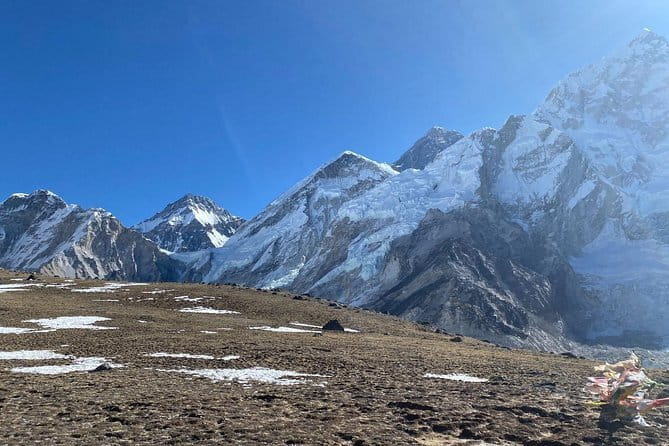
On Day 3, you start trekking toward Namche Bazaar, with stops and scenery changes that keep things from feeling repetitive. You cross the Dudh Koshi river, pass through Monjo village, and walk into the Sagarmatha National Park area through dense forests.
Namche Bazaar is the altitude and logistics hub. It’s not just a pretty town. It’s where you slow down to match the mountain’s pace. Shops, tea houses, and viewpoints are part of the ecosystem, but it’s also where people regroup after the earlier walking days. If you’re prone to rushing, Namche helps you course-correct.
Day 3 is listed with a much longer time window than some of the other days, so plan for a full day on your feet. Bring snacks you can stomach when you’re tired, and keep hydration steady. Tea houses make it easy to grab something warm, but your job is to keep drinking before you feel thirsty.
Namche adjustment day: Everest Hotel hike and the first huge views
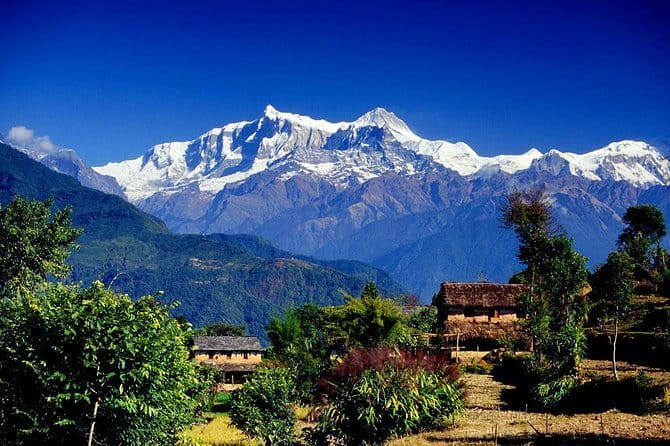
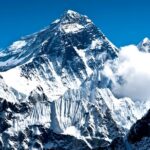
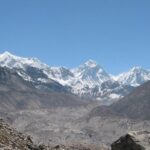
Day 4 is your acclimatization “get your bearings” day. You stay in Namche Bazaar and then hike up to the Everest Hotel area to get sweeping views of Mt. Everest, plus Ama Dablam, Mt. Thamserku, and Mt. Lhotse (names like these make the mountain feel personal fast).
This is where you learn a key trekking truth: acclimatization is not optional theater. It’s what helps you keep moving later when the days get longer. You’ll feel it most on the higher sections near Gorakshep and Kalapatthar.
If you’re tempted to skip the viewpoint hike because you feel tired, I’d still strongly consider going at a controlled pace. You don’t need to sprint. You’re building altitude tolerance and reducing the chance of feeling wrecked later.
Tengboche Gompa: rhododendron trails and a monastery pause
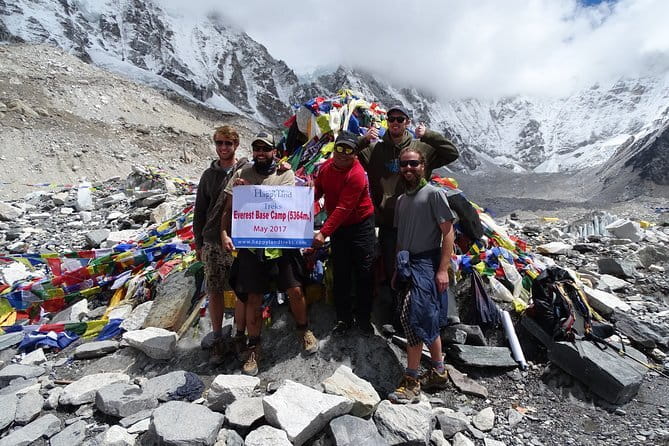
Day 5 takes you onward to Tengboche, with the trail moving through juniper and rhododendron forests. It’s a classic Khumbu walk: sections that feel gentle, followed by climbs that remind you you’re on a mountain schedule now.
Tengboche is famous partly for the Tengboche Gompa visit. It gives you a cultural anchor in the middle of big elevation days. Even if you’re not a temple person, this pause helps the trek feel like a journey with meaning, not just a route.
Practical angle: monastery stops often come with cool air and changing light. Layers help. Also, be mindful of how you carry your energy. If you burn too much effort on photos, you can end up tired for the hike into the night.
Dingboche: the Imja Khola crossing and acclimatization choice day
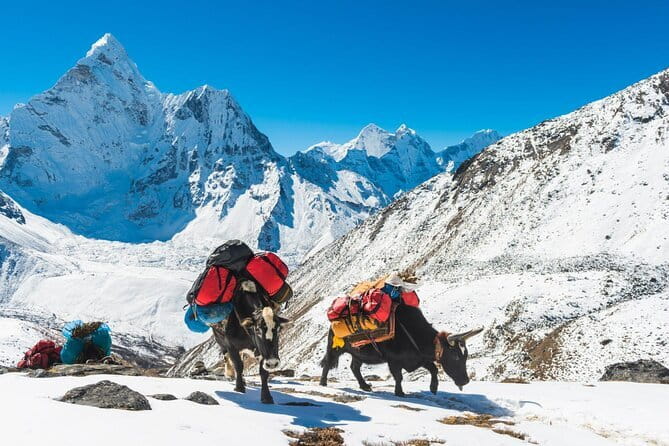
Day 6 brings you to Dingboche, crossing the Imja Khola and walking into a landscape with major panoramas—especially toward Island Peak and Ama Dablam. Dingboche is higher than Namche, and the air feels different fast.
Then Day 7 is your second acclimatization day. You have options to hike to Nangkartshang Peak (5083 m) or Chhukung Ri (5546 m). That choice is a gift. If you want the harder high push, you have a path. If you want to keep things steadier, you can still get a strong reward without maxing out.
Either way, you’ll get views of Everest, Ama Dablam, Island Peak, and Pumori. But the real value is how the climb sets you up for the next “real day” toward Lobuche and the glacier region.
My advice: choose the option that matches how you’re breathing, not how you wish you were feeling.
Lobuche: uneven rocky walking and the Everest-region momentum
Day 8 heads to Lobuche. This is described as walking on an uneven rocky path, and the views along the way are a big part of the payoff: Mt. Pumori, Mt. Nuptse, Lobuche Peak, and more.
This day is about sustained effort. You’re getting deeper into the area where the mountains feel massive and close. Your pace here matters. If you force speed, you’ll pay for it later on the Base Camp day.
What helps most on rocky trails is consistent foot placement and not staring too far ahead. Watch your step, take short breaks, and keep moving before you get chilled.
Everest Base Camp day: Khumbu Glacier walking and Gorakshep return
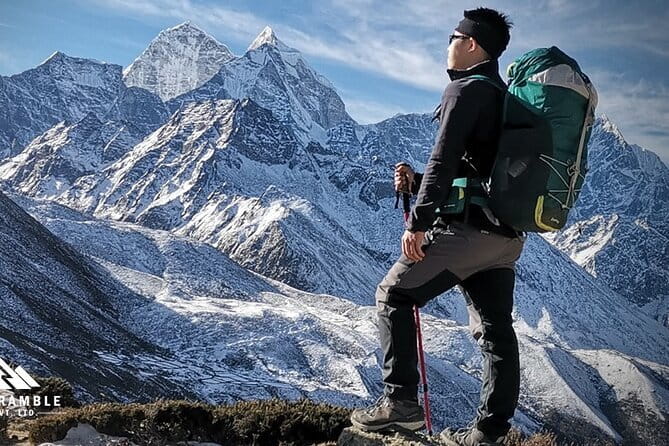
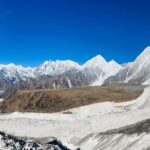
Day 9 is the long one: a trek through the Khumbu Glacier region toward Everest Base Camp, plus the return to Gorakshep. The day includes time to view the Khumbu Icefall from the Base Camp area.
This isn’t a stroll. It’s physically demanding, and it’s also an emotional day. I’d treat it like a “manage the day” challenge: go steady, eat something small before you feel hungry, and take breaks that are short and useful.
Also, note the Base Camp viewpoint timing in your head. If your plan is photos for hours, it can turn into exhaustion. A good rhythm is: arrive, look long enough to absorb the moment, then turn back before you feel overheated or depleted.
Kalapatthar for the big shot: then down toward Pheriche
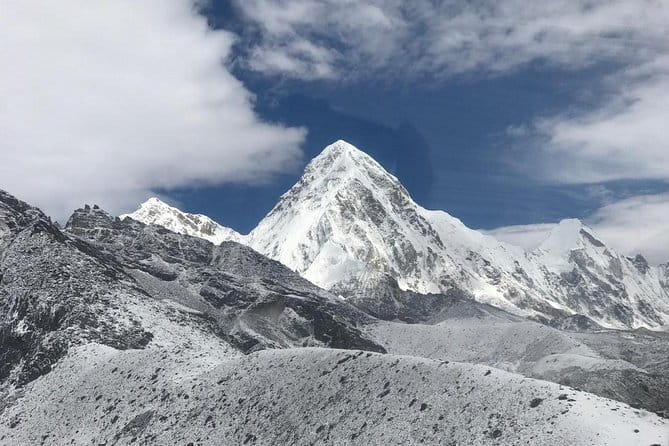
Day 10 is another standout: you hike up to Kalapatthar for magnificent views of Mt. Everest, then walk down toward Pheriche.
Kalapatthar is popular because the viewpoints feel dramatic and close. But it’s also cold and demanding, so layers are non-negotiable. If you tend to get cold easily, pack for it even if Kathmandu feels warm.
The bonus here is the downshift after Kalapatthar. After that big viewpoint day, the trek down to Pheriche helps you reset before the descent back through Namche and toward Lukla.
Descent rhythm: Namche, then suspension bridges back to Lukla
Day 11 moves you from the mountains back toward Namche Bazaar. You’ll cross suspension bridges and pass through villages as the scenery opens and your body starts to feel the payoff of descending.
Day 12 continues this descent pattern—heading back toward Lukla via Jorsale and Monjo, then over to Phakding before returning along the Dudh Koshi river area with numerous bridge crossings.
A smart way to enjoy the descent is to treat it like a recovery day, not a “revenge walk.” Your knees will remember if you try to walk fast. Keep your steps light and don’t let pride turn into a sore finish.
Lukla to Kathmandu: the 35-minute flight and Thamel return
Day 13 includes an early morning flight to Kathmandu of about 35 minutes. Then you have time the rest of the day to stroll Thamel and buy souvenirs.
This free time matters. Trek fatigue is real, but so is post-trek energy. You’ll probably want warm meals, a shower that feels like luxury, and time to just sit without feeling guilty. Use the day to recover, not to cram in new adventures.
Day 14 is the wrap-up: you either extend your Nepal stay or your representative drops you at the airport.
Price and value: what the $999 is really covering
At $999 per person, the headline price looks reasonable for a trek that includes two of the biggest costs in the Everest region: Lukla flights and the required permits.
Here’s what’s included:
- Airport transfer services for arrival and departure
- Guide salary, guide food, equipment, and insurances included in the trip cost
- Trek permits (TIMS and local permits)
- Flight tickets between Kathmandu or Manthali and Lukla, and back
- Official expenses and government tax/VAT
- Pickup offered and a mobile ticket
What’s not included:
- International flights and Nepal entry visa
- Travel/health insurance that covers emergency rescue and evacuation
- Your own accommodation and food for the entire trip
- Tips for the trekking guide (expected)
Value check: if you’re comparing operators, the key is to see whether the price already covers Lukla flights and permits. Here it does. That reduces surprise costs and helps the trek run on schedule. The main financial variable you’ll still control is your tea house spending (lodging/food) and tipping.
So the best way to judge this price is simple: you’re paying for the logistical spine of the trip, while your daily comfort spending follows the standard tea house model.
Fitness, altitude, and why “moderate” still means training
The tour asks for moderate physical fitness level. That’s true in the sense that you don’t need to be a mountaineer, but you do need to be comfortable walking long stretches while climbing and adjusting to thinner air.
Two things make this plan workable:
- You’re given acclimatization days at key points (Namche and Dingboche)
- The trek structure alternates walking effort with altitude adjustment
Still, I wouldn’t treat “moderate” as “easy.” Your body learns the route over days. Your biggest risk isn’t only the grade—it’s doing too much too fast because you feel good early.
Gear-wise, you’ll want layers for cold mornings and warm midday sun, sturdy boots for rocky patches, and a water plan that works in tea houses. And if you’re prone to altitude symptoms, tell your guide early—don’t wait until you’re miserable.
What people praise most: smooth help, careful guides, and real support
The strong pattern in the feedback is straightforward: people like how the team runs the process with professionalism and personal involvement. KP Dhital and team are named as central to that smoothness, starting from airport handling and continuing into the trek experience.
Guides show up again and again as the difference-maker:
- Raju is described as warm, kind, and genuinely caring, with deep mountain knowledge
- Roshan gets credit for care, humor, and support that helped people push through when they needed it
- Abinash is praised for being professional, friendly, and able to tailor the experience to your needs
- Man Bahadur and Navraj are also mentioned in connection with the airport-to-trek support
One extra helpful clue from the feedback: the team appears willing to work through transport stress when schedules get tight. That’s not a guarantee of control over the mountains, but it’s a sign you’ll have people coordinating on your behalf.
If you’re the type who wants someone to handle the moving pieces (permits, timing, flight steps, day-to-day guidance), you’ll likely appreciate this style.
Should you book Nepal Nirvana Trails for Everest Base Camp?
If your goal is to do Everest Base Camp without turning your trip into a logistics project, I think this option is worth serious consideration. The inclusion of Lukla flights and permits at this price is a big deal, and the guide support described by name suggests you’re not just buying a route—you’re buying help that can make the trek feel safer and more enjoyable.
I’d skip this trek (or at least plan differently) if you’re trying to keep costs fully all-inclusive, because your accommodation and food during the trek are not included. You’ll also want to be honest about your ability to walk daily with altitude in the mix.
If you’re ready for tea house trekking, steady effort, and the real reward of earning Everest views step by step, you’ll probably feel right at home here.
FAQ
What is included in the Everest Base Camp trek price?
The package includes airport transfer services (arrival and departure), local flight schedule support, a guide (salary, guide food, equipment, and insurances), TIMS and local permits, and flights between Kathmandu/Manthali and Lukla plus Lukla back to Kathmandu/Manthali, along with official taxes and expenses.
Are accommodation and meals included for the trek days?
No. Accommodation and food of the guests during the complete trip are not included. You’ll be buying your lodging and meals along the way in the tea house system.
Do you arrange flights to and from Lukla?
Yes. Flight tickets are included from Kathmandu or Manthali to Lukla and from Lukla back to Kathmandu or Manthali.
Is pickup offered in Kathmandu?
Yes. Airport transfer services are included, and there is also pickup offered. The meeting can be arranged at your hotel or at Tribhuwan Airport.
When does the trek start and where is the meeting point?
The start time is listed as 5:45 am. The meeting point is Nepal Nirvana Trails at Sat Ghumti Marg, Kathmandu, and it can also be handled at your hotel or Tribhuwan Airport.
Is this a private tour?
Yes. It’s listed as a private tour/activity, meaning only your group participates.
What fitness level is required?
The info provided says you should have moderate physical fitness level.
Is travel or health insurance included?
No. Travel and health insurance that covers emergency rescues and evacuations is not included.
What is the cancellation policy?
Free cancellation is available. You can cancel up to 24 hours in advance of the experience for a full refund; if you cancel less than 24 hours before, the amount paid is not refunded.