REVIEW · SIDEMEN VILLAGE
Sidemen rice terraces trek and local village walk
Book on GetYourGuide →Operated by Sidemen tour guide · Bookable on GetYourGuide
Sidemen’s rice walk is more than sightseeing. I love the irrigation lessons and the slow village path through real Balinese farming. One heads-up: it can be muddy, especially after rain.
Guides like Kadek and Juni bring the paddies to life with clear explanations and practical pacing, and I like that private or small groups are available. The tour can run from 2 to 7 hours, so you’ll want to pick a time that matches your energy and weather.
In This Review
- Key things that make this Sidemen trek worth it
- Why Sidemen’s rice terraces feel more real than the postcard view
- Where you meet your guide in Sidemen (Ming Homestay or hotel pickup)
- The “secret stop” and safety briefing: why that 2 hours can be useful
- Walking through rice paddies: irrigation, farming, and the mud reality
- The village walk: seeing daily life, not just farmland
- Guides make or break it: how Juni and Kadek shape the walk
- Photos, viewpoints, and how to get the shots without slowing everyone down
- Price and value: what $17 buys you (and what can cost extra)
- What to bring (and what to wear) so the trek stays fun
- Who this Sidemen rice terraces trek is best for
- Quick reality check: timing and expectations
- Should you book this Sidemen trek and village walk?
- FAQ
- Where is the meeting point for the Sidemen tour?
- Is transportation to and from Sidemen included?
- How long is the tour?
- What languages does the live guide speak?
- What’s included in the price?
- What should I bring?
- Is the tour suitable for wheelchair users or people with mobility impairments?
Key things that make this Sidemen trek worth it
- Irrigation system focus so you understand how water actually reaches the terraces
- Village walk included, not just rice-field photos
- Local guides (Kadek, Juni) who explain farming and community life in plain English
- Mud is part of the deal after wet weather, so good shoes matter
- Photogenic stops where your guide helps you get photos without rushing
- Optional lunch may be available depending on how you book
Why Sidemen’s rice terraces feel more real than the postcard view

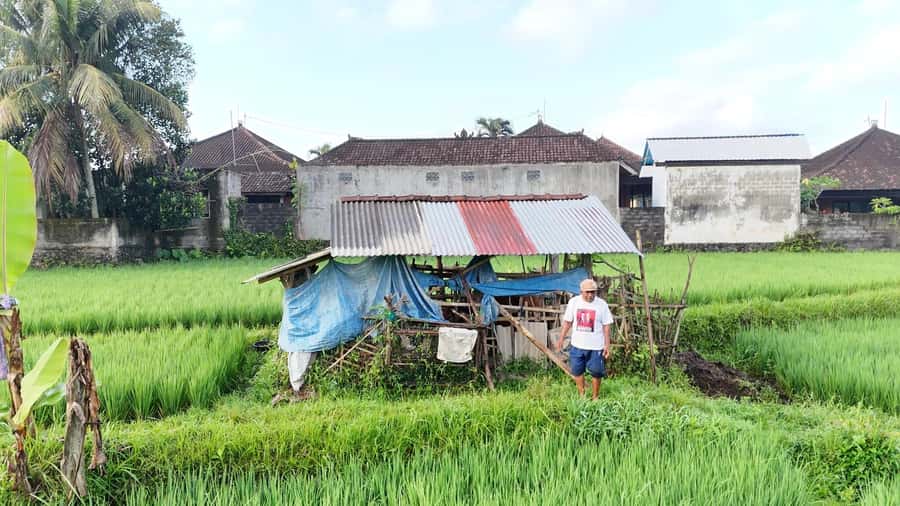
Sidemen is close to Ubud, but it often feels less stage-managed. Here, rice terraces aren’t just scenery. They’re working farmland, with narrow paths, water channels, and people doing daily tasks. That changes how you walk: you’re not just looking down, you’re watching how a living system works.
The big value is the way the guide frames everything. You learn how Balinese agriculture depends on water management and community routines. It’s the difference between snapping photos and actually understanding why these terraces look the way they do.
And even when the views are stunning, the tour keeps you grounded in the practical reality: paths can be slick, shoes get muddy, and you’ll probably pause more often than you expect to watch water flow and farming steps up close.
You can also read our reviews of more tours and experiences in Sidemen Village.
Where you meet your guide in Sidemen (Ming Homestay or hotel pickup)
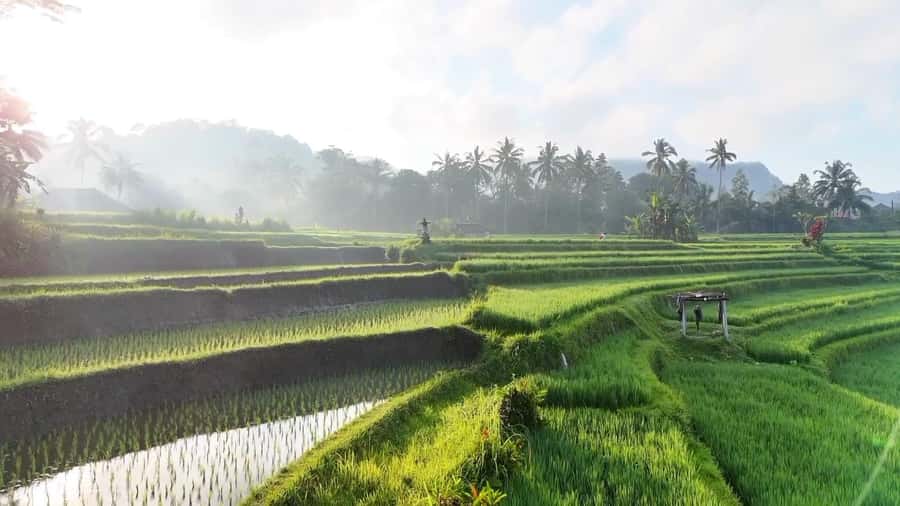
The meeting point is simple, but you should plan for it. You’ll either meet at the front of Ming homestay at Tabola village or, if you’re staying in the center of Sidemen, the guide can come to your hotel and start from there.
This matters more than it sounds. In this part of Bali, “starting in one place” can mean a real difference in walking time before you reach the fields. If you’re not in the center of Sidemen, you may have to organize your own ride to the meeting point because transportation to and from Sidemen isn’t included.
If you prefer an easy start, staying in or near central Sidemen and arranging the hotel pickup option is the smoother approach.
The “secret stop” and safety briefing: why that 2 hours can be useful
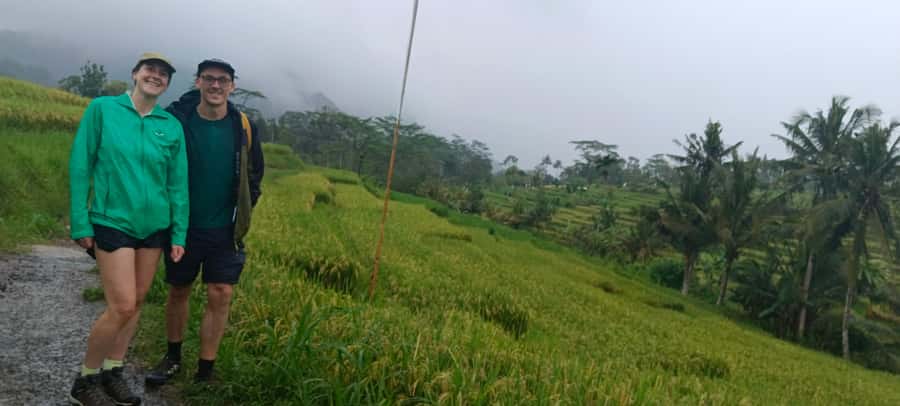
The itinerary includes a secret stop and a safety briefing that can run up to 2 hours. That’s long if you think you’re only signing up for a quick walk, but it makes sense once you’re on the ground.
A good guide uses this time to set expectations: what the paths look like, where water crossings and muddy spots can happen, and how the group will move at a pace that fits the terrain. In Sidemen, footing matters. One awkward step can turn a calm walk into a painful one, and guides seem to take this seriously.
I also like that this briefing phase signals the tour isn’t only about moving forward. It’s about teaching you how to read what you’re seeing—especially the irrigation system and the way locals manage water across the terraces.
Walking through rice paddies: irrigation, farming, and the mud reality
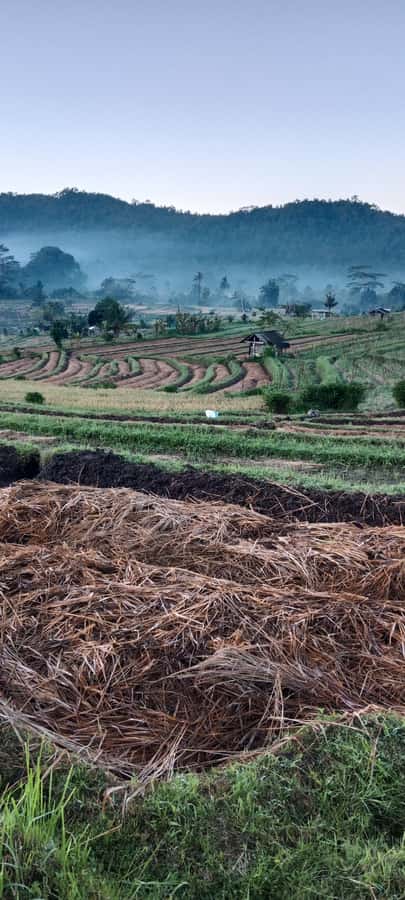
This is the core of the experience: you walk through rice paddies while your guide explains the local agriculture and the irrigation approach. That irrigation angle is what turns the terraces from pretty scenery into something you can actually picture.
You’ll typically notice channels and water flow patterns as you move. The guide’s explanations help you connect those visible details to the work behind them: how water is routed, how terraces function, and why the timing of planting and growing matters.
Now, the not-so-glamorous part: wet weather can mean muddy paths and puddles. One person even stepped into muddy water and needed the guide to adjust the plan and help with support. Another mentioned two river crossings during their trek. That tells me the route can include rougher terrain than you’d guess from photos.
So bring practical gear and plan your mindset. If you wear supportive shoes, expect uneven ground, and keep your eyes on your steps, the mud turns from a problem into part of the adventure.
The village walk: seeing daily life, not just farmland
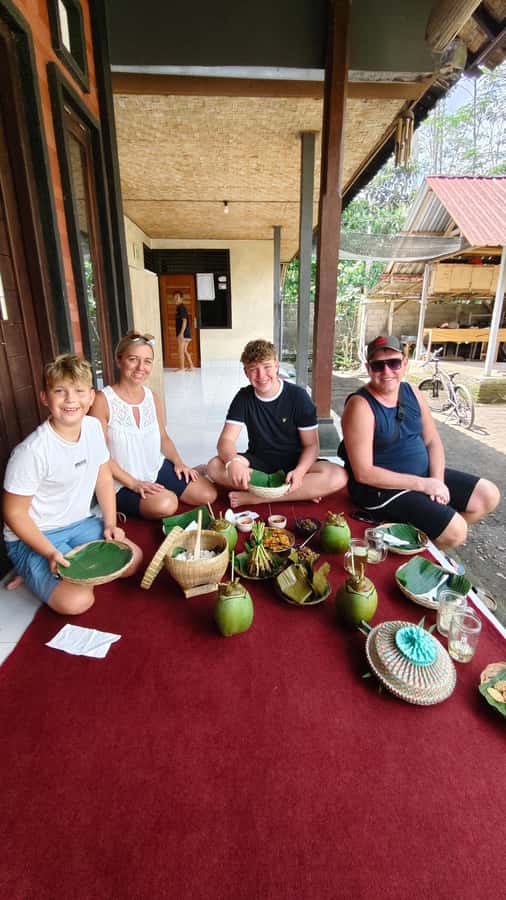
The tour isn’t only rice. You also spend time in and around the Sidemen village, which is where the experience becomes more human.
In the village sections, the guide talks about Balinese community life and how people work the land. You’re not watching a performance. You’re walking through the rhythm of everyday agriculture: paths between fields, small working areas, and the “in-between” spaces where farming and community overlap.
This is also why your guide’s personality matters. People in past groups highlighted guides like Kadek and Juni for talking clearly about both agriculture and daily life. If you like tours that answer your curiosity—why something is done a certain way, who does what, how water decisions affect everyone—this portion is often the most satisfying.
Guides make or break it: how Juni and Kadek shape the walk
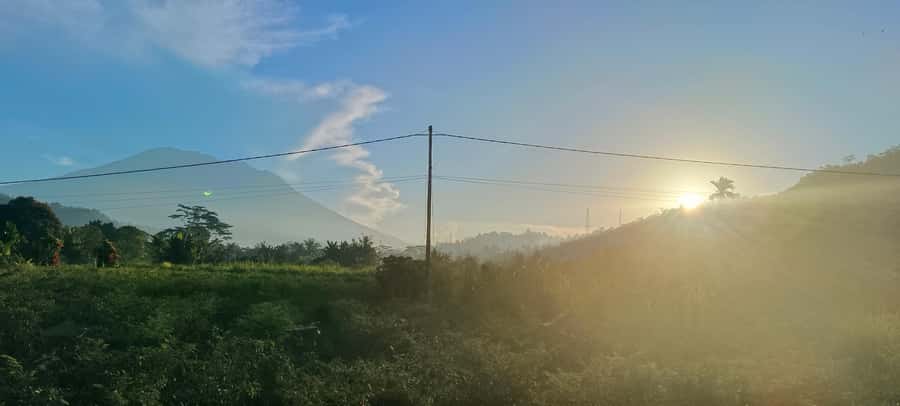
From guide names that show up in the experience, you’ll likely meet someone like Juni or Kadek. What stood out in the stories is not just friendliness—it’s explanation quality and responsiveness.
A few examples from their approach:
- Guides suggest photo moments and help you get pictures without turning the walk into a stop-and-go mess.
- When someone wasn’t feeling well, the guide adapted the trek pace so the person could stay comfortable.
- When things went wrong (like a serious muddy slip), guides offered quick solutions and care, even helping with practical recovery like offering shoes and arranging a way back so the guest could change.
None of that means every day is dramatic. It just means you’re not stuck with a rigid script. In a place where conditions change fast, having a guide who can adjust is a real value.
Photos, viewpoints, and how to get the shots without slowing everyone down
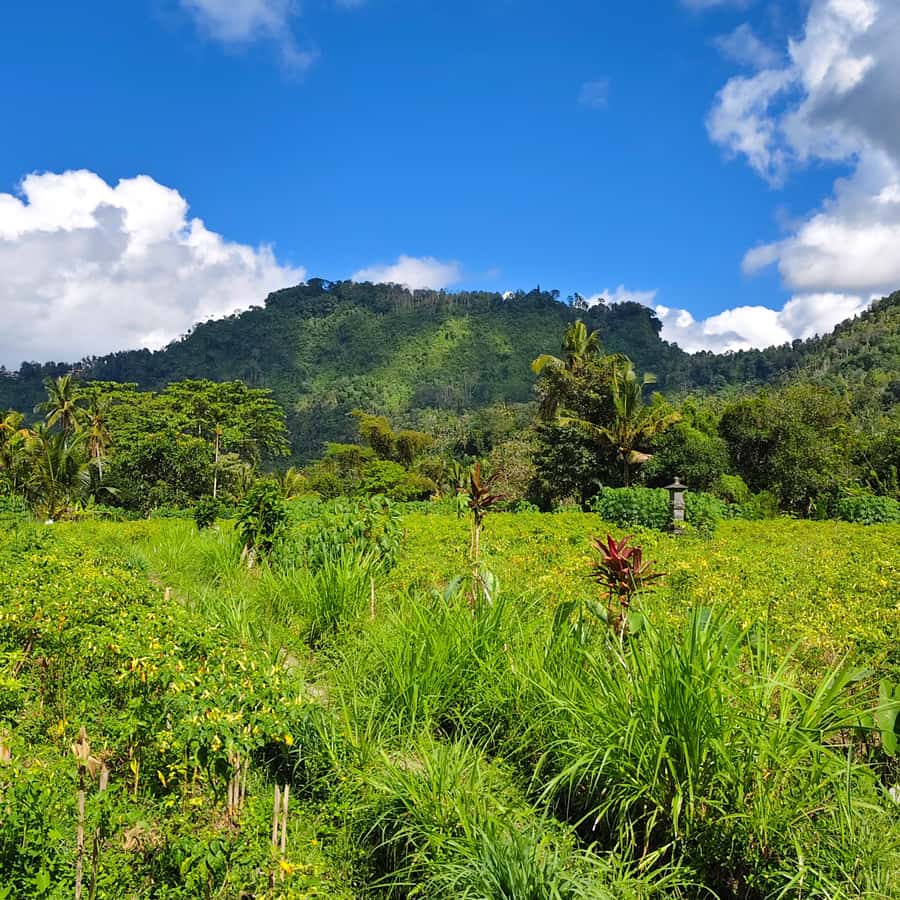
You’ll see stunning rice field views, and the timing is usually good for photos because you’re walking through viewpoints that naturally open up. Your guide also helps you with picture opportunities, which is helpful if you’re traveling with a friend or partner and don’t want to keep asking strangers.
That said, treat photography as a rhythm, not a mission. In muddy terrain and narrow paths, it’s easy to lose your footing while framing a shot. Keep your camera handy, but keep your feet first.
If you know you’re a heavy photographer, mention it at the start. A small-group pace makes it easier to take a few extra minutes without turning the tour into a chain of hurried stops.
Price and value: what $17 buys you (and what can cost extra)
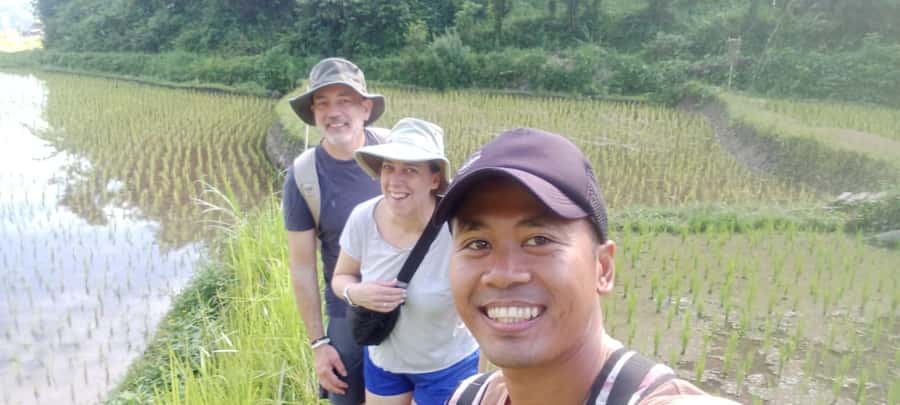
The listed price is $17 per person, and that’s the kind of price that can work well for a first taste of Sidemen beyond Ubud crowds.
Here’s how I’d judge value honestly:
- You’re paying for a local guide, time, and explanations that turn walking into learning.
- You’re also paying for route knowledge in a terrain where footing can be tricky.
- You’re not paying for transport, meals, or personal extras.
Meals are not included, so if you want food, you’ll need to budget. Some people noted that booking the trip with a lunch option can be worth it, and they praised the food prepared by the guide’s wife as some of the best in Bali so far. If lunch matters to you, ask when booking what’s available in your specific package and how it’s handled.
One more practical angle: a couple of notes suggested the booking platform price can feel high compared with what you might find locally. I can’t verify pricing in every shop, but the takeaway is simple: if you see a big price jump on a similar private walk, it’s worth comparing rather than assuming the first quote is the only option.
What to bring (and what to wear) so the trek stays fun

This walk is active, outdoors, and sometimes wet. Use the packing list as your baseline, then adjust for the weather you expect:
Bring:
- Comfortable shoes with grip (mud and possible water crossings are realistic)
- Hat and sunscreen for strong Bali sun
- A camera
- Water
Wear light, comfortable clothing. If you’re prone to blisters, consider thicker socks. And if you want to be extra smart, bring a small towel or extra plastic bag for muddy gear.
Also, no smoking is part of the rules, so keep that in mind if you’re a smoker and trying to plan your breaks.
Who this Sidemen rice terraces trek is best for
This experience fits best if you want:
- A local village walk paired with real farming context
- Scenic walking, but with explanations you can use
- A guide who speaks Indonesian and English (based on the tour info)
It’s not suitable for people with mobility impairments or wheelchair users, and the terrain is naturally uneven. If you have limited mobility, you’ll likely find it challenging.
If you’re traveling solo, in a couple, or with friends, the option for private or small groups can make the experience smoother, especially for photos and questions.
Quick reality check: timing and expectations
The tour duration ranges from 2 to 7 hours, depending on your start time and how the walk is paced. If you’re doing this on a tight schedule, don’t pick the longest option by default. Mud, route choices, and group pace can stretch the timeline.
Also, the “secret stop” and safety briefing mean you’re not just hiking for the entire time. You’ll spend part of the experience learning how the system works and how the walk will progress.
If you want the most rewarding day, plan a little buffer afterward so you can relax, wash off mud, and move on without rushing.
Should you book this Sidemen trek and village walk?
Book it if you want more than a photo stop. This is a strong choice when you care about how irrigation works, you like walking through real villages, and you want a local guide such as Kadek or Juni talking about agriculture in a way you can understand.
Skip or reconsider if you:
- Need a wheelchair-accessible or very flat route
- Hate muddy conditions and don’t have grippy shoes
- Are extremely short on time and want a quick, low-effort stroll
For most people, though, Sidemen is one of the best places on Bali to see terraces as working farms. At $17, with a guide who can explain and adapt, it’s a very practical way to get out of the usual sightseeing loop and actually understand what you’re walking through.
FAQ
Where is the meeting point for the Sidemen tour?
You’ll meet at the front of Ming homestay at Tabola village. If you’re staying in the center of Sidemen, the guide can come to your hotel and start the tour from there.
Is transportation to and from Sidemen included?
No. Transportation to and from Sidemen is not included, so you’ll need to arrange getting to the meeting point.
How long is the tour?
The duration ranges from about 2 to 7 hours, depending on the starting time and how the day is paced.
What languages does the live guide speak?
The guide provides live commentary in Indonesian and English.
What’s included in the price?
You get a guided walking tour through Sidemen’s rice paddies, insight into the local agriculture and irrigation systems, and time for photographing the rice field views.
What should I bring?
Bring comfortable walking shoes, a hat, sunscreen, a camera, and water.
Is the tour suitable for wheelchair users or people with mobility impairments?
No. The tour is not suitable for people with mobility impairments or wheelchair users.