REVIEW · SA PA
Discover Sapa Trekking with optional Cultural Homestay
Book on GetYourGuide →Operated by Chan Giang · Bookable on GetYourGuide
A good trek starts with the right people. This Sapa day walk pairs authentic culture with a well-led route through Hmong villages, plus an optional cultural homestay for deeper community time. I especially liked that the experience is off-the-beaten-track, not the same crowded circuit you see over and over, and that the guide’s English helps you actually understand what you’re seeing. You get photo stops, village walks, and a real sense of daily life rather than a quick “look and leave” pass.
Two big wins for me: the route choices and pacing. Guides like Chan Giang and guides mentioned in the experience (like Chan and Sung) focus on what fits your group, and they don’t rush you through the muddy parts. The one possible drawback: you’ll be walking on uneven village paths, often slick when it’s wet, so you need solid shoes and a calm attitude about slipping and stopping.
Key things I’d circle on your planning map
- Village-hopping route: Y Linh Ho → Lao Chai → Ta Van, each with its own feel and traditions
- Lunch with local families: a Hmong family restaurant stop built into the day
- Multiple distances and difficulty levels: about 5–11km for most options
- Harvest-season opportunities: if timing matches, you may see rice planting or harvesting in action
- Optional cultural homestay: an overnight add-on for warm hospitality and more community contact
- Guides who slow down when needed: the best days come from guides adjusting to your pace
In This Review
- Why This Sapa Trek Feels Less Like a Package Tour
- The 9 AM Start: From Sapa Stone Church Into Y Linh Ho
- Lao Chai Village and Lunch at a Hmong Family Restaurant
- Ta Van Village: Dzay Life, Rice Terraces, and Late-Day Views
- Optional Overnight Cultural Homestay: When One Day Isn’t Enough
- Distance, Mud, and Real Fitness: What You Need to Plan For
- Price and Value: What $20 Includes (and What You’ll Pay Separately)
- Packing Tips That Actually Help in Sapa
- Who This Trek Suits Best
- Should You Book This Sapa Trek and Optional Homestay?
- FAQ
- What time does the trek start?
- Where does the tour meet and where does it end?
- How long is the experience?
- How far do I walk?
- What is included in the price?
- Is an overnight homestay available?
- Do I need to bring my own hiking shoes?
- Is the guide available in English?
- Is the tour refundable if I cancel?
- Is the tour suitable for wheelchair users or people with serious health conditions?
Why This Sapa Trek Feels Less Like a Package Tour
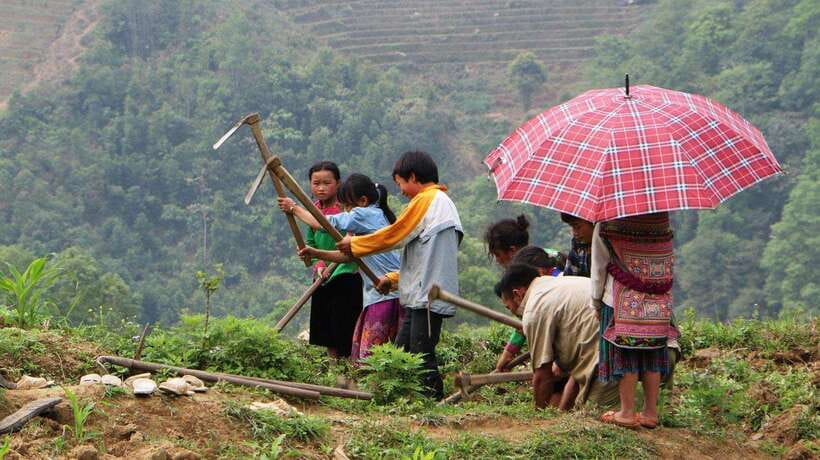
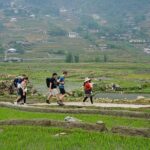
Sapa has plenty of day trips. What makes this one stand out is the emphasis on village life and ethnic communities, not just scenery. The day is built around real stops in communities such as Y Linh Ho, Lao Chai, and Ta Van. You’re not only looking at rice terraces from a distance; you’re moving through paths that locals actually use.
I also like the practical design. You start in Sapa town around 9 AM, and you’re back by about 3 PM with transport arranged to return you to Sapa center. That matters if you have limited time or you’re trying to keep your Hanoi bus plan intact.
Finally, you’re given options for how hard you want to go. The trekking distance can range roughly from 5km up to around 11km depending on the route and difficulty. If you want an easier stroll through the terraces and villages, you can choose that. If you want a more serious hike, you’ll have the bigger walking days too.
The 9 AM Start: From Sapa Stone Church Into Y Linh Ho
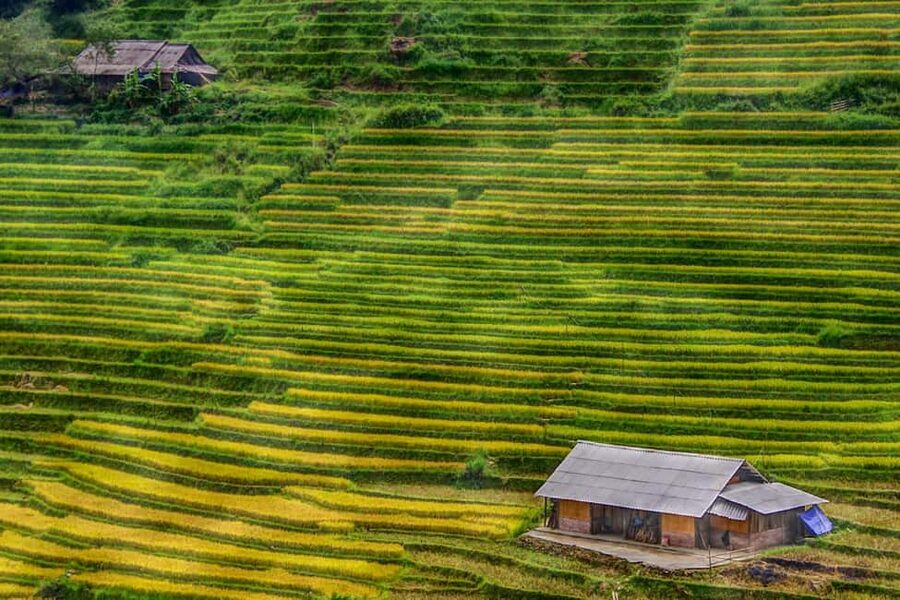
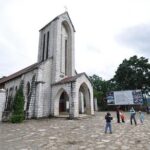
Meet at Sapa Stone Church, then get moving. The start is straightforward: you either meet the group in Sapa town or at your hotel, and the trek begins at 9 AM. From there, you head toward Y Linh Ho village, one of the key early stops.
Y Linh Ho is where the day’s vibe sets in. Expect a mix of walking and guided context, plus plenty of photo opportunities. This stop often includes:
- guided touring of the area
- scenic viewing on the way
- time to browse and shop with locals
- a walk that gets your legs working before the longer stretches
What I think you’ll enjoy here: Y Linh Ho tends to feel like the “transition” point from Sapa town life to rice-terrace and village life. You’ll start to notice how the terrain shapes everything: where people farm, how paths connect homes, and how the village sits in relation to the terraces.
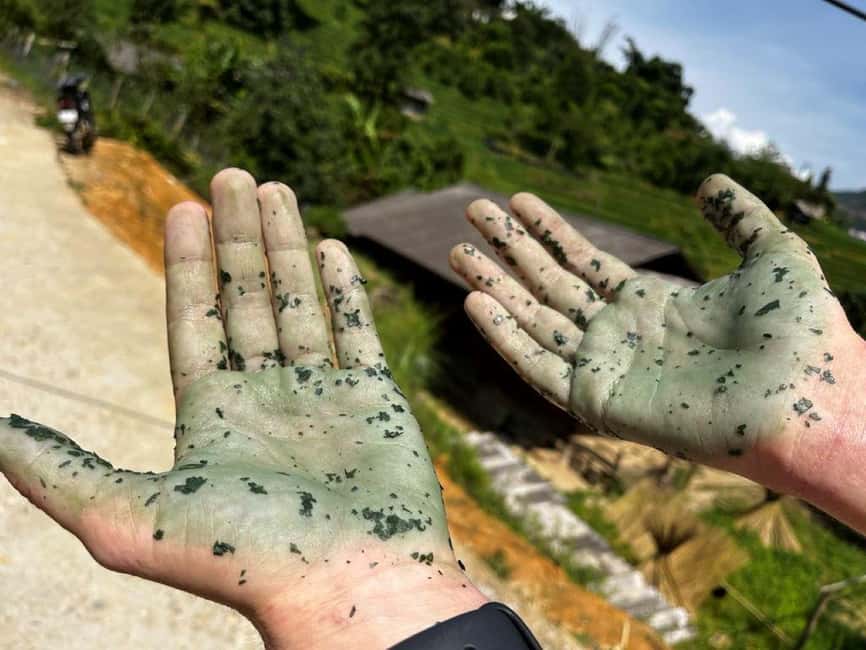
One planning note: the path conditions can change fast in Sapa. If it’s been rainy, some sections can get muddy and slippery. Bring clothes you don’t mind getting dirty and shoes that can handle uneven ground.
You can also read our reviews of more tours and experiences in Sa Pa.

Lao Chai Village and Lunch at a Hmong Family Restaurant
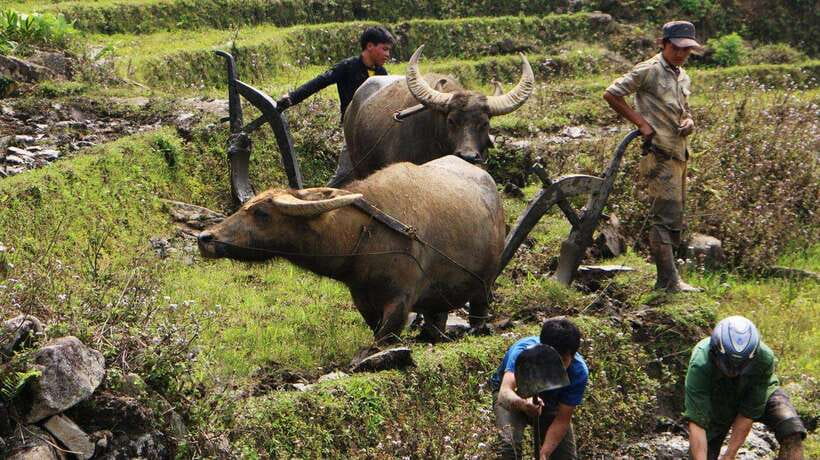
After the first village stop, the itinerary shifts to Lao Chai village and lunch. This is a crucial part of the day because it breaks up the walking with an actual meal, not just a snack stop.
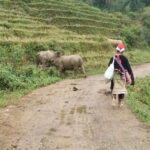
Lao Chai is known as one of the oldest and largest Hmong communities in the region. In practical terms, that means you’re likely to see a lot of everyday activity and a strong sense of established village rhythm. The stop includes about an hour for lunch, served at a local Hmong family restaurant.
A few useful, real-world details help you set expectations:
- Lunch is included in the tour price.
- You may be able to request vegetarian options (some guides have been able to cater when asked, so it’s worth mentioning ahead of time).
- The meal is part of the cultural feel of the day, with the views and village setting doing more than just filling time.
Why this stop matters for value: Many Sapa day trips sell “culture” but treat lunch like a consolation prize. Here, lunch is built into the route and anchored in a local setting, which makes the whole day feel more connected.
If you’re the type who likes to ask questions, this is a great moment. Your guide can often explain what you’re seeing around you and answer questions about the daily routine of the Hmong community.
Ta Van Village: Dzay Life, Rice Terraces, and Late-Day Views
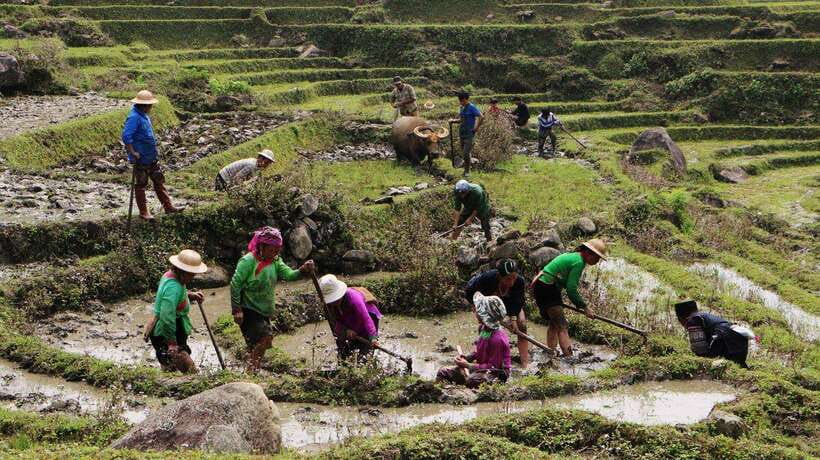
The final main stop is Ta Van village. You get about 1.5 hours here, and it usually includes:
- a guided visit
- photo opportunities
- time to walk through the village area
- scenic views on the way
- shopping and sightseeing moments
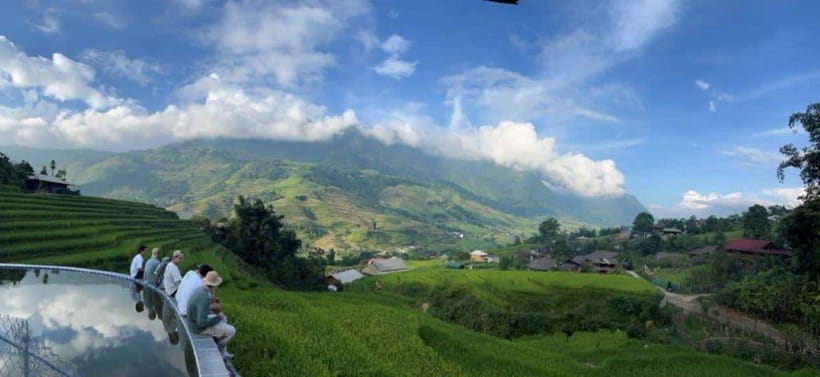
Ta Van is often described as home to the Dzay people, and this is a nice change of pace if you’re already looking at Hmong communities earlier in the day. The walking here can still feel village-focused rather than “viewpoint-only.” You’re seeing how people live with the terrain: fields, homes, footpaths, and daily movement between them.
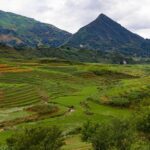
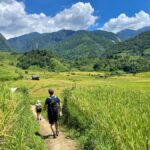
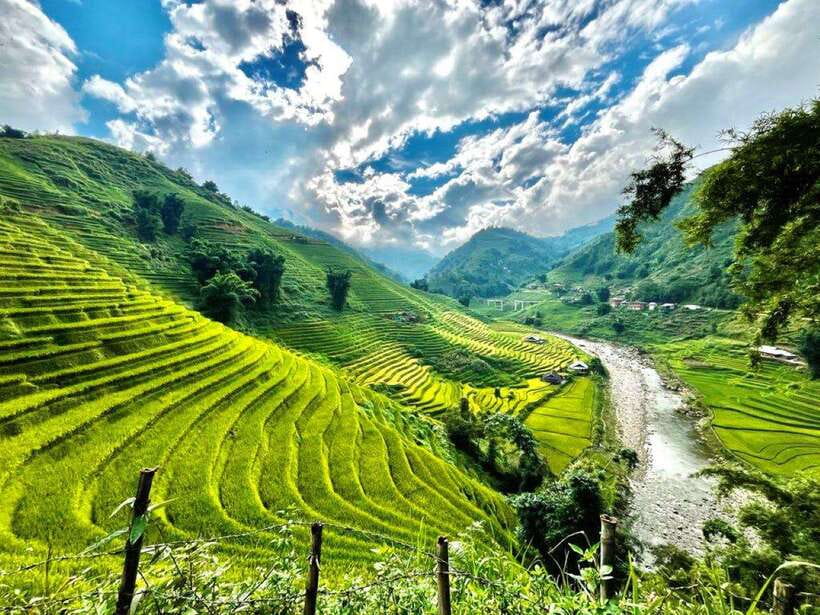
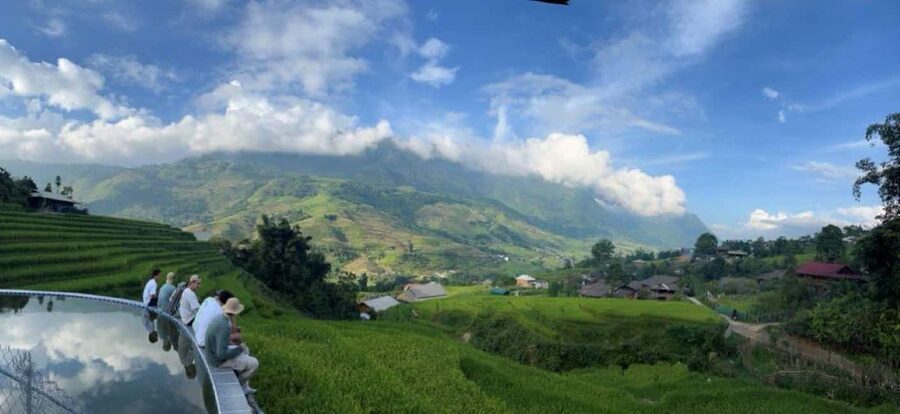
If you’re lucky with conditions, you’ll also get those classic Sapa terrace views that most people hope to see. One of the route variations can even include elements like bamboo bridges and waterfalls along the way, depending on the exact path used. That’s the benefit of choosing a route that’s not just designed for mass foot traffic.
At the end of the day, you’re back around 3 PM in Ta Van, then transported back to Sapa with time to catch your Hanoi bus.
Optional Overnight Cultural Homestay: When One Day Isn’t Enough
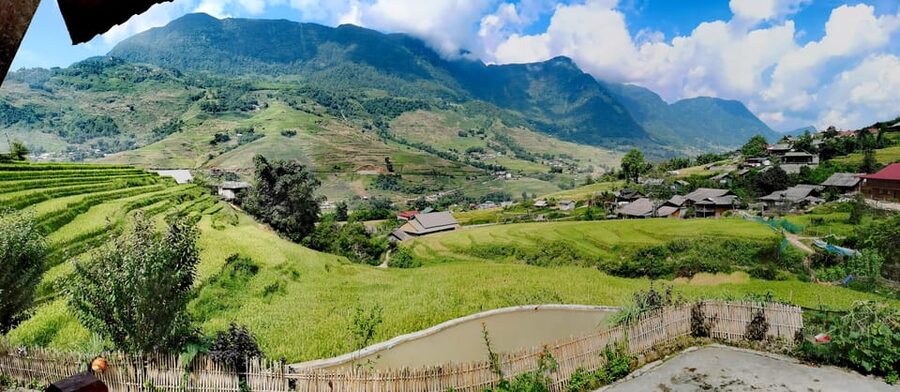
This experience includes an optional cultural homestay add-on. The idea is simple: take the relationships and community context you get during the trek, and extend them overnight.
If you choose it, you’re looking for more than photos. You want warm hospitality, a calmer pace, and a closer look at everyday Hmong life beyond what you can absorb in a few hours. It’s also a way to shift from “guided tour rhythm” to “shared community time.”
One caution: an overnight homestay changes your comfort expectations. The listing doesn’t give exact homestay standards in your details, so treat it as a cultural experience, not a hotel replacement. If you’re sensitive to basic facilities or you need a very controlled routine, you’ll want to ask your operator what to expect before you commit.
Distance, Mud, and Real Fitness: What You Need to Plan For
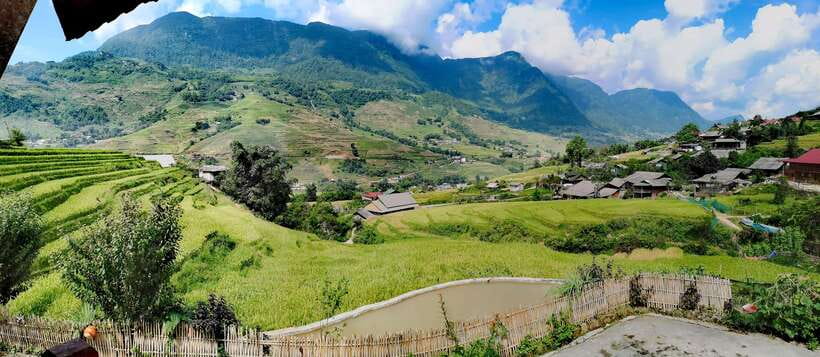
Sapa is often advertised as easy scenery. The truth is the walking is the whole show. Your route can range roughly from 5–11km depending on the difficulty level you select. Some longer options in the field can reach around 12km.
Here’s how I’d judge your readiness:
- You should be comfortable walking for several hours on uneven paths.
- You should expect occasional slippery sections, especially when it’s muddy.
- You’ll want a calm mindset when conditions slow you down.
A few practical add-ons from real route experience are worth noting. Some guides have helped groups with gumboots when it’s muddy, which can make a huge difference if you’re arriving in the wrong footwear. Still, gumboots are not a guarantee in every case, so plan to bring appropriate shoes.
Also keep in mind the experience has several “not suitable” categories listed, including people with heart problems and wheelchair users. The walking and uneven terrain are the reason, not the guide’s ability. If you’re unsure about your fitness, choose an easier distance level rather than trying to “power through.”



Price and Value: What $20 Includes (and What You’ll Pay Separately)
At $20 per person, the real value is what’s included. You get:
- a guide
- lunch
- transfer back to Sapa after the trek
That’s a strong package for a half-day format in a place like Sapa, where guided walking days can get expensive fast once you add transport and meals.
What’s not included is also important to know so you don’t show up short:
- drinks
- pick-up outside Sapa city
- trekking shoes or boots
- water
If you’re planning your budget, I’d treat drinks and water as must-buy items. Bring some spending flexibility, especially if you want to buy a small item during the village shopping stops.
As for the optional homestay, your price details don’t specify an extra cost for that add-on. If you’re interested, check when booking what the overnight option includes and whether it affects the total price.
Packing Tips That Actually Help in Sapa
Your comfort in Sapa is all about weather and footing. The tour data lists a smart set of essentials, and I agree with every one of them.
Bring:
- comfortable shoes (and yes, hiking shoes if you have them)
- rain gear (Sapa weather can shift)
- sunglasses and sun hat
- a camera or charged smartphone
- drinks and water if needed
- trekking gear if you use it
- a light layer for the cooler mountain air
One more tip from the reality of village paths: cover your legs a bit. Even when you’re wearing the right shoes, you’ll appreciate extra protection on scrubby or wet sections.
Finally, be respectful with how you handle village interactions. You may meet community members who help guide or support the group through tricky steps, and some people may offer small items for sale. If you choose to buy, do it thoughtfully. If you don’t, still keep your tone kind. These are often one of the few opportunities people have to earn cash.
Who This Trek Suits Best
This is a great match if you want:
- a guided day that you can understand as you walk, with English support
- less crowded routes and more village time
- a half-day structure that still feels substantial
- the option of an overnight homestay for deeper cultural contact
It may not be ideal if:
- you dislike walking on uneven terrain
- you need an accessibility-friendly, step-free route
- you have medical concerns that make moderate activity unsafe (the experience lists several health-related exclusions)
If you’re visiting Sapa on a tight schedule, the timing works well. You get out early, see multiple villages, and still have time afterward to continue your travel plan.
Should You Book This Sapa Trek and Optional Homestay?
I’d book it if your priority is real village contact and a guided understanding of Hmong and Dzay community life. For the money, lunch plus guidance plus transport back is a solid deal, and the fact that routes can avoid the busiest tourist corridors makes the day feel more human.
I’d think twice if you’re coming with heavy expectations of an easy walk or if you’re not willing to handle mud, wet steps, and the basics of trail trekking. If you go in prepared and choose the difficulty that fits your legs, this has the kind of day that turns into a story you’ll remember long after Sapa.
FAQ
What time does the trek start?
The trek starts at 9 AM.
Where does the tour meet and where does it end?
The meeting point is Sapa Stone Church. The tour ends back at the meeting point area.
How long is the experience?
The duration is about 5.5 hours.
How far do I walk?
Routes vary by difficulty level, roughly from 5km to 11km. Some longer options may be around 12km.
What is included in the price?
Lunch, a guide, and transfer back to Sapa after the trek are included.
Is an overnight homestay available?
Yes, there is an optional cultural homestay, and there are also extended overnight options with the guide’s family.
Do I need to bring my own hiking shoes?
Yes. Trekking shoes or boots are not included, so you should bring appropriate footwear.
Is the guide available in English?
Yes, the tour includes a live guide in English.
Is the tour refundable if I cancel?
Free cancellation is available up to 24 hours in advance for a full refund.
Is the tour suitable for wheelchair users or people with serious health conditions?
No. It is listed as not suitable for wheelchair users and people with heart problems, among other health-related exclusions.