REVIEW · KETCHIKAN
Ketchikan Magical Old-Growth Creek Trek Guided Tour
Book on Viator →Operated by Tongass Teague LLC · Bookable on Viator
Rain turns Ketchikan trails into magic. This guided trek through the Tongass National Forest mixes a short hike with real talk about endangered old-growth trees and how to protect them.
I especially like the small group size (max 7), which means you get attention on footing, pacing, and questions. I also like how the guide experience isn’t just “look at trees”—you’ll get practical guidance tied to mindfulness and the stakes for Southeast Alaska’s forests.
The main thing to consider: it’s a moderate hike with some stairs at the start. If you hate wet gravel or uneven footing, come ready for careful steps early on.
In This Review
- Key things to know before you go
- A 3.6-mile old-growth creek hike near Ketchikan
- Why the small-group setup feels worth the cost
- Price and what $258.18 buys you in real terms
- Getting picked up in port days: Berth 3 and Ward Cove
- The drive into Tongass: 40 minutes that set the tone
- Stop 1: Tongass National Forest and the hike that feels like a reset
- The quiet bench moment by the river
- How the guide turns trees into a conservation lesson
- What you’ll actually see: old-growth textures, creek energy, and occasional coastal hints
- Terrain, pace, and weather: how to come prepared
- Logistics that affect your day more than you think
- Who this tour is best for
- Should you book the Magical Old-Growth Creek Trek?
Key things to know before you go
- Up to 7 people keeps the hike feeling calm instead of crowded
- 3.6-mile roundtrip with a mostly easy trail layout after the first stairs
- Tongass Teague’s owner-led guiding focuses on old-growth ecology, plus mindfulness
- Trekking poles, bottled water, and park entry are included so you travel lighter
- River views, waterfalls glimpses, and a bench stop build in natural breaks for photos and quiet
A 3.6-mile old-growth creek hike near Ketchikan
This is the kind of Ketchikan tour that helps you slow down. Instead of rushing from one stop to the next, you get time in the forest—on a trail that’s long enough to feel like you went somewhere, but short enough to stay relaxed.
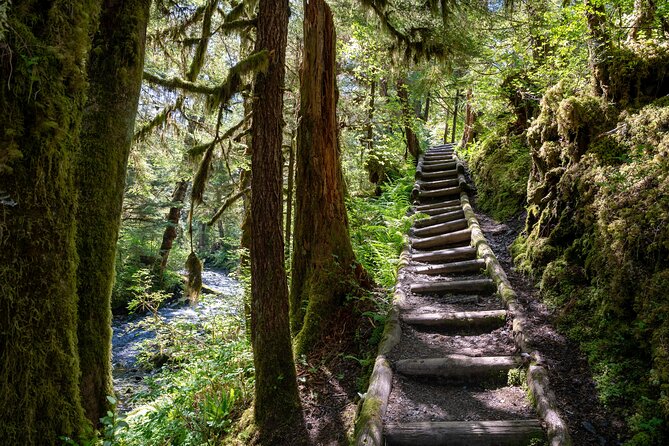
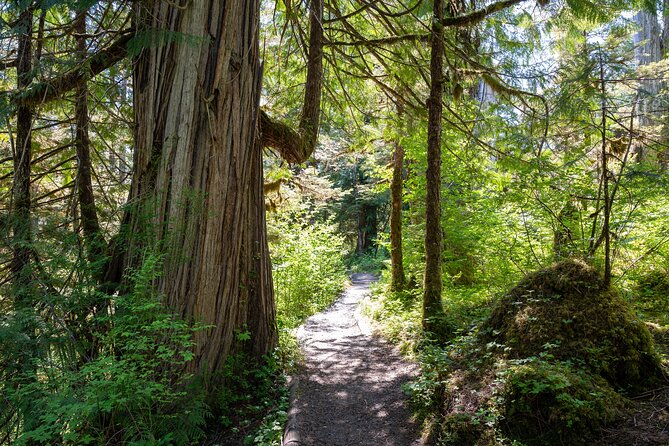
You’ll hike an improved gravel path through an area known for Sitka spruce and western red cedar. Expect misty air, dripping leaves, and that thick rainforest feel that makes you understand why old-growth matters more than it sounds.
You can also read our reviews of more tours and experiences in Ketchikan.
Why the small-group setup feels worth the cost
With a maximum of 7 travelers, the guide can actually read the room. You don’t get stuck following at a distance, and it’s easier to stop when someone spots something interesting—moss patterns, tree textures, or that quiet bend in the river where you pause for a moment.
This matters in places like Southeast Alaska, where weather and footing can change fast. A smaller group also makes it easier to keep the hike comfortable for different paces, which is why this tour tends to work well even if you’re traveling with mixed hiking comfort levels.
Price and what $258.18 buys you in real terms
At $258.18 per person, this isn’t the cheapest option in port. But you’re paying for a guided experience that includes more than just someone talking on the trail.
Here’s what makes it feel more like a “go do this properly” option:
- Park admission into the Alaska State Park and Tongass National Forest
- Trekking poles (if needed) plus backpacks if you want them
- Private transportation in an air-conditioned vehicle
- Bottled water so you’re not managing supplies while you’re focused on the hike
For many visitors, the value is that you’re not coordinating logistics under time pressure. The tour handles entry, timing, and the route—so you can spend your mental energy on the forest, not the paperwork.
Getting picked up in port days: Berth 3 and Ward Cove
Ketchikan’s cruise days can be chaos. This tour is set up to meet that reality with specific pickup instructions—so read them closely.
Cruise passengers meet inside the Berth 3 glass shelter by the city map, next to Sockeye Sam’s at 425 Water St, Ketchikan. The time on your ticket is your departure time, so you want to arrive early and avoid the last-minute scramble.
If you’re staying or docking at Ward Cove, you’ll need to take a shuttle downtown to reach the Berth 3 shelter. Pickup from Ward Cove may be possible depending on availability, but you’ll want to confirm by contacting Teague.
For non-cruise passengers, you’ll need to call to arrange a pickup location. Also note: there’s a mobile ticket and the tour is offered in English.
The drive into Tongass: 40 minutes that set the tone
You start with a 40-minute scenic drive to the end of the road. Even if you think you already know what “Alaska scenery” looks like, this ride helps you arrive in the right headspace. You’re leaving town behind and moving into the kind of forest where cell service and crowds matter less.
The vehicle is air-conditioned, which sounds funny until you’re standing in warm ship air and then stepping into a damp, mossy world. It’s also a practical comfort when you’ve got rain gear on and you want the ride to be controlled rather than sweaty.
One more rule: you must wear face masks in the vehicle during transportation. That’s not a detail to ignore—it affects how quickly you can get settled on board.
Stop 1: Tongass National Forest and the hike that feels like a reset
Your main stop is the trek through the Tongass National Forest, starting in an Alaska State Park. The route is about 3.6 miles roundtrip, with a short but meaningful rhythm: you walk, you stop, you learn, you pause for quiet, then you walk back.
The trail begins with stairs. After that, it generally flattens out and tracks along a river valley below a ridge. That “settle into the walk” moment is a big part of why people find this easier than the idea of rainforest hiking can sound.
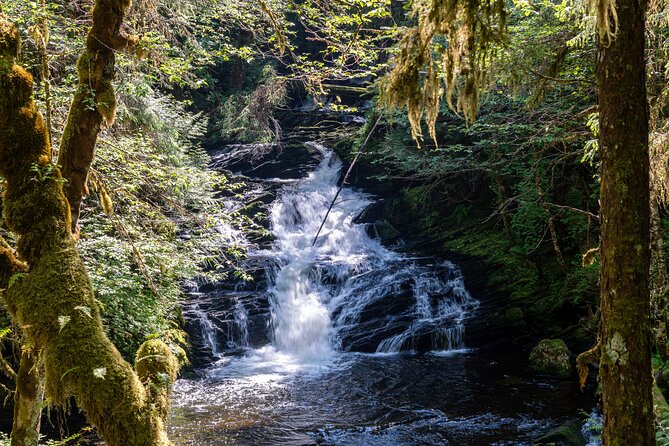
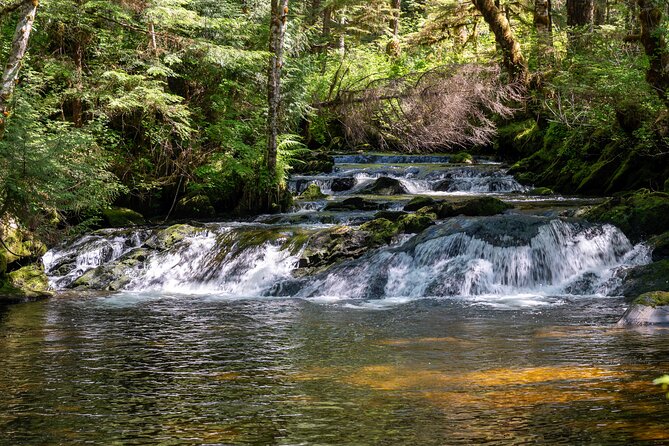
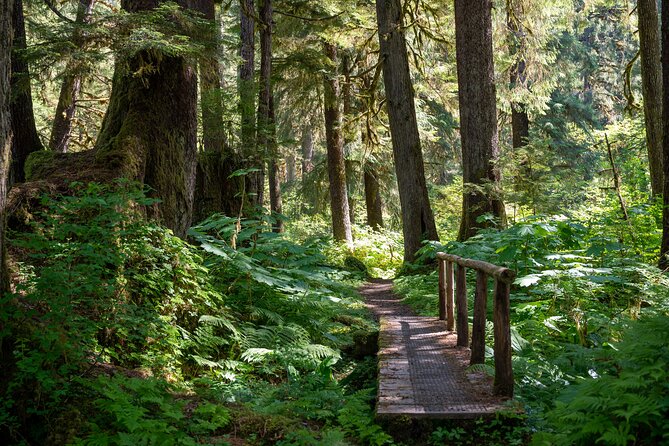
Along the way, you’ll see an improved gravel trail and get glimpses of waterfalls. The forest doesn’t just look green—it’s layered: bark textures, hanging plants, and the sense that every surface is doing something.
The quiet bench moment by the river
About a mile down the trail, you reach a stone bench beside a serene bow in the river. This is more than a photo stop. It’s built for breathing room—time for one of those pauses where you actually hear the water and let the forest do the talking.
Even if you’re traveling with kids or you’re simply not a “long hike” person, that bench stop helps the outing feel complete without needing a strenuous route.
How the guide turns trees into a conservation lesson
This is one of those tours where the guide doesn’t just point at things. Owner and operator Tongass Teague leads the hike and connects the rainforest to both history and present-day environmental concerns.
The theme you’ll hear is protection of endangered old-growth forests—and the “how” matters. Instead of scaring you, the guiding style ties the forest to real choices people can make, plus a mindful way to pay attention while you’re there.
Teague also invites you to practice mindfulness on the hike and carry that attention into other parts of life. If that sounds too “self-help,” don’t worry—the tone stays grounded and focused on the trail, the pace, and the surrounding ecosystem.
In a few past outings, the group picked up extra detail from a guide named Chad, including history, culture, and flora and fauna facts. Either way, the common thread is that you’ll leave with more than memories—you’ll understand what you’re seeing.
What you’ll actually see: old-growth textures, creek energy, and occasional coastal hints
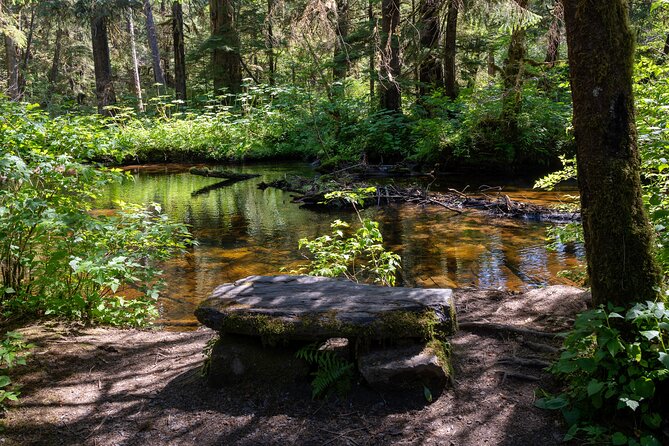
The Tongass rainforest isn’t a single view. It’s constant variation—light filtering through the canopy, river noise nearby, and that damp, living smell that hits the moment you step off the gravel track.
You’ll notice major old-growth tree specimens like Sitka spruce and western red cedar. You’re also likely to encounter the “water soundtrack” of the route: a river alongside the trail, with small waterfalls glimpses and that babbling creek feel people love in wet weather.
Some visitors have also reported salmon-stream energy and even ocean-view hints depending on conditions. Keep expectations flexible with weather and sightlines, but you can count on the water-and-forest core of the experience.
Terrain, pace, and weather: how to come prepared
Ketchikan weather is famously changeable. This is why the trek works well as a rainy-day plan—rain doesn’t shut the forest down. It just makes the trail smell better and the moss look even more alive.
What you should plan for:
- Wet gravel: wear shoes with traction, not smooth soles
- Stairs at the start: take your time for the first stretch
- Layers: you’ll go from vehicle comfort to damp trail air
The tour provides trekking poles if needed, which is a strong help on wet steps and uneven footing. There’s also bottled water, so hydration doesn’t become an extra burden.
Two small practical notes from the tour details:
- No WiFi on board
- No restroom on board
So before you meet up, handle that ship-visit bathroom habit early.
Logistics that affect your day more than you think
This is offered in English, runs about 3 hours 30 minutes total (approx.), and is usually booked far in advance—on average 80 days ahead. That tells you something important: good guides and small-group hikes get snapped up fast, especially during busy cruise seasons.
Also pay attention to the meeting rules. If you’re late at Berth 3, you can lose the whole rhythm of the day. The tour asks you to be punctually mindful and arrive on time, with the departure time tied to your ticket.
Who this tour is best for
This hike tends to fit a wide range of people because it’s short enough to feel doable, but long enough to feel meaningful.
You’ll probably love it if:
- you want old-growth rainforest without an all-day slog
- you like small groups and conversation that stays useful
- you want to understand why conservation matters, not just take photos
It may be less ideal if you:
- struggle with stairs early in the route
- prefer flat, stroller-like paths
- want restroom access during the tour (since there’s none on board)
For couples and families, the small group size often makes it easier to manage everyone’s pace. One of the most consistent themes from real hikes is that even rain doesn’t ruin the experience—because the route is built for the conditions.
Should you book the Magical Old-Growth Creek Trek?
I’d book this if you’re in Ketchikan and you want something quieter and more nature-centered than the typical port sprint. The included park admission, trekking poles, water, and small-group attention make it feel like real value, not just a marketing price.
Skip it only if the idea of moderate terrain with a stair beginning makes you nervous. Otherwise, this is a strong match for people who want to see the Tongass and come away with a better grasp of what’s at stake for Southeast Alaska’s old-growth forests.