REVIEW · KATHMANDU
Everest Base Camp Trek
Book on Viator →Operated by Outfitter Nepal · Bookable on Viator
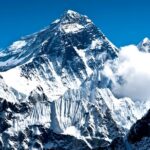
You’re staring at Everest while you work through the altitude in small steps. This Everest Base Camp trek stands out for the guided, logistics-light way it’s set up, plus the way it plans serious acclimatization days. I also like that you get real support on the mountain with guides and porters included, and not just a map and a prayer. One possible drawback: the trek is weather-dependent, and it also has extra costs along the way like the $40 Everest Base Camp entrance fee and meals in Kathmandu that may not be fully covered.
If you want the classic EBC route without stressing over permits, flights, and daily logistics, this package is built for you. You’ll still hike hard—there’s no magic here—so go in with a moderate fitness base and expect cold, thin air, and slow mornings. The good news is the trip runs with a small max group size (up to 14), which usually makes for a smoother rhythm on busy days in popular tea houses.
In This Review
- Key things to know before you go
- Everest Base Camp with real-world support: what you’re signing up for
- Price and logistics: is $1,300 good value for this EBC plan?
- Entering the expedition: Kathmandu timing and how the start works
- Lukla flights: the part you should respect
- The trek plan: acclimatization and why each stop makes sense
- Day 1: Lukla to Phakding (about 4 hours)
- Day 2: Phakding to Namche Bazaar (about 6 hours)
- Day 3: Rest day in Namche for acclimatization
- Day 4: Namche to Tyangboche (about 5 hours)
- Day 5: Tyangboche to Dingboche (about 5 hours)
- Day 6: Rest day in Dingboche for acclimatization
- Day 7: Dingboche to Lobuche (about 5 hours)
- Day 8: Lobuche to Everest Base Camp via Gorakshep (6–7 hours)
- Day 9: Kala Patthar (5,545 m) to Pheriche (about 7 hours)
- Day 10: Pheriche to Namche Bazaar (about 6 hours)
- Day 11: Namche to Lukla (about 6 hours)
- Day 12: Fly Lukla to Kathmandu and transfer to hotel (breakfast)
- Guides like Kiran, Dinish, and Arjun: why your team changes everything
- Lodges, meals, and the small costs that add up
- Gear provided: what you can pack less of (and what you still need)
- Weather and safety: plan for the reality, not the fantasy
- Who should choose this Everest Base Camp trek?
- Should you book Outfitter Nepal’s Everest Base Camp Trek?
- FAQ
- What is the start time and meeting point?
- How long is the trek?
- Are domestic flights included?
- Are permits and paperwork handled for the trek?
- Is accommodation included on the trek?
- What’s included for guides and porters?
- What meals are included?
- What entrance fees should I plan for?
- Do I need travel insurance?
Key things to know before you go
- Lukla flights are included (Kathmandu to Lukla and back), saving you from one of the most stressful parts of EBC planning
- Permits and paperwork are taken care of before you ever get on the trail
- Four nights in Kathmandu are included, but the package details also mention Kathmandu hotel/food exclusions—confirm exactly what you’re covered for
- Guides and porters come with the trek, so you’re not carrying the entire expedition on your back
- Gear support is included (sleeping bag, down jacket, duffle bag, trekking map), which can reduce upfront costs
- Weather matters: it requires good conditions, and cancellations due to poor weather come with date change or a full refund
Everest Base Camp with real-world support: what you’re signing up for
Everest Base Camp is the kind of goal that sounds simple until you start pricing flights, permits, guides, and cold-weather gear. What I like about this trek is that it turns the messy prep work into something you can handle once, then forget. The trip includes an experienced guide, lodges/tea house accommodation during the trek, and the paperwork needed to make the route possible.
On the trail, you’re not just doing a checklist. You’ll hike a structured path with rest and acclimatization days that match how most bodies respond at altitude. That rhythm matters. Rushing uphill is how trekking plans turn into medical problems. This itinerary is built to help you stay upright, keep moving, and actually enjoy the scenery when you get there.
One more practical note: the company explicitly lists guides and porters included, and your guide’s support package also includes food, accommodation, and insurance for the guide. That tells you they’re treating this like an expedition, not a casual hike.
You can also read our reviews of more tours and experiences in Kathmandu.
Price and logistics: is $1,300 good value for this EBC plan?
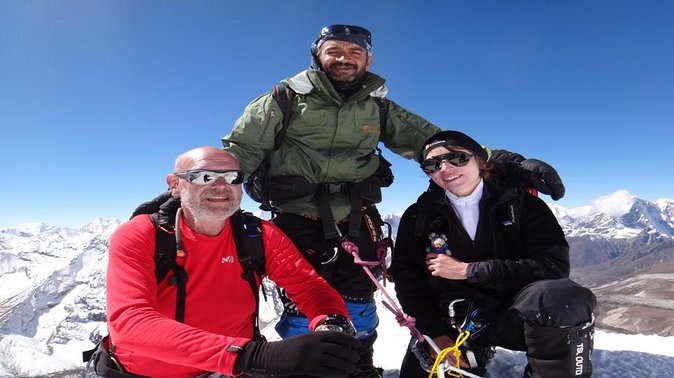
At $1,300 per person for about 12 days, you’re paying for a full package of the things that eat up time and money when you plan independently. Here’s how the value stacks up based on what’s included:
What you get included
- Private domestic transfers in Nepal (airport and hotel connections)
- Flight fare Kathmandu–Lukla–Kathmandu, including domestic airport tax
- Lodge accommodation on trek nights
- Meals on trek: breakfast, lunch, and dinner during the hiking days
- Guide support, plus the guide’s salary, food, drinks, accommodation, transportation, and insurance
- Emergency helicopter service arrangement (paid by your travel insurance company)
- Gear provided: sleeping bag, down jacket, duffle bag, plus a trekking map (returned after)
- All government taxes, VAT, and service charge
- Group size capped at 14, which usually helps keep the experience less chaotic
What you pay extra
- Nepal visa (listed as $40 for 1 month)
- Travel insurance (compulsory)
- Your Kathmandu hotel and food are listed as not included (while another part says four Kathmandu nights are included for accommodation—so confirm the exact coverage)
- Personal expenses like drinks, charging batteries, and snacks like chocolate
- Tips for guide and staff
- Optional porter service if you want it beyond what’s included (listed at $20 per day, $220 total per person)
- Everest Base Camp entrance fee: $40 per person
So is it worth it? If you price out a guide, domestic flights, lodge nights, and gear rental, this kind of package usually competes well. The main value question isn’t the base price—it’s whether the Kathmandu portion and any extra costs you’ll personally trigger (entrance fee, snacks, tips, charging) still fit your budget.
Entering the expedition: Kathmandu timing and how the start works
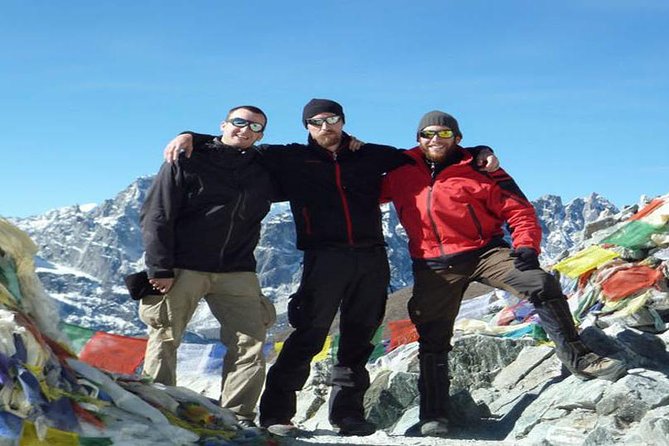
Your trip starts early. You meet at Tribhuvan Airport in Kathmandu at 6:15 am. That matters because EBC planning isn’t only about hiking. It’s also about being in the right place at the right time for the Lukla flight connection and getting your first day moving.
The package also includes domestic hotel/airport transfers by private vehicle, plus the included domestic flight for Lukla and back. That reduces the “hidden day” problem—when delays or confusion turn a planned schedule into a scramble.
If you’re arriving from abroad, give yourself enough buffer for jet lag and paperwork. The package takes care of government paperwork and permits, but you still need your passport, visa photos, and travel insurance in place. It also helps to pack in a way that you can reach important items quickly on flight day.
Lukla flights: the part you should respect
Even if you don’t love flying, you’ll want to respect the Lukla portion. It’s a high-drama waypoint, tied directly to weather and scheduling. In this package, the flight fare and domestic airport tax are included, so you’re not paying separately to move through that bottleneck.
What you can control: show up early, travel light, and follow your guide’s instructions on how to pack and carry things. What you can’t control: fog, cloud cover, and day-to-day flight changes. That’s why travel insurance is compulsory, and why the package mentions emergency helicopter service arrangement.
Small groups also help here. With a maximum of 14 travelers, you’re less likely to feel like a passenger number in a long line at every check-in.
The trek plan: acclimatization and why each stop makes sense
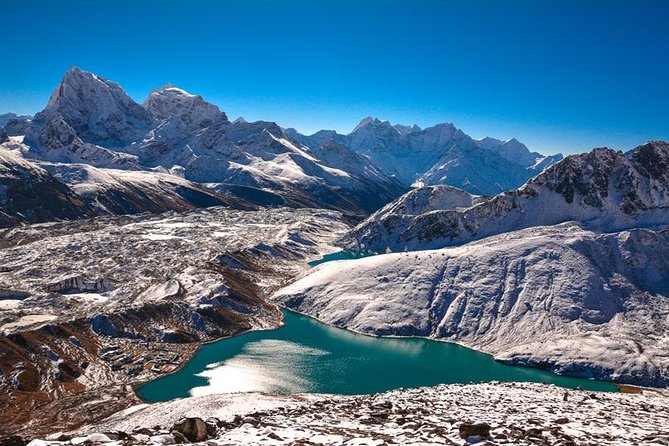
This route is paced around altitude rather than just distance. The best EBC trekking experiences feel slow on purpose—because your lungs need time to adjust.
Day 1: Lukla to Phakding (about 4 hours)
You fly from Kathmandu to Lukla (listed at 2,886 m) and trek to Phakding (2,610 m). Early on, the goal is movement with minimal strain. You’ll ease into hiking rhythm while your body learns the idea of uphill effort at elevation.
Practical takeaway: treat Day 1 like a warm-up. Hydrate, keep your pace steady, and don’t turn it into a speed contest.
Day 2: Phakding to Namche Bazaar (about 6 hours)
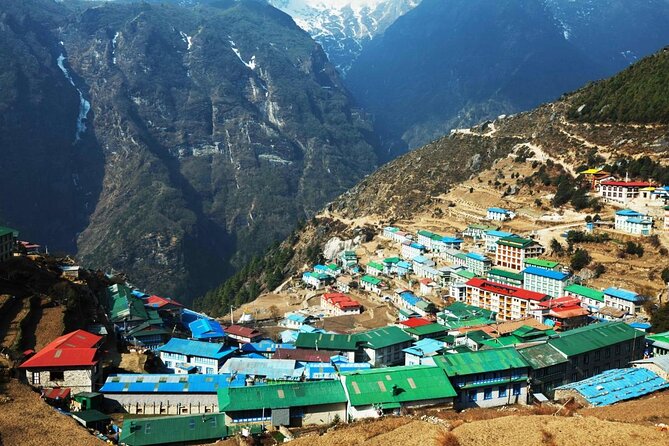
Namche Bazaar sits at 3,440 m and is one of the main hubs of the Everest region. The hike from Phakding is a key step up, and you’ll likely feel it in your breathing. This is where the tour’s daily structure matters: your schedule doesn’t jump from low altitude straight to the highest points.
Day 3: Rest day in Namche for acclimatization
This is a big deal. You stay at 3,440 m and rest so your body can catch up. You’ll likely feel a bit better on Day 4 if you take this day seriously. Rest days aren’t wasted time on EBC—they’re the difference between enjoying the route and feeling wrecked.
Day 4: Namche to Tyangboche (about 5 hours)
You climb again toward 3,867 m. Tyangboche is known for its dramatic mountain views, and the altitude step here is meaningful but manageable if you pace yourself.
Day 5: Tyangboche to Dingboche (about 5 hours)
Dingboche sits at 4,260 m. This day moves you higher, and the thin-air effect becomes more noticeable. You’ll want to eat well and keep your hydration consistent even if you don’t feel thirsty.
Day 6: Rest day in Dingboche for acclimatization
Another key pause at 4,260 m. This supports better long-term adaptation as you climb toward higher camps and eventually base camp.
Day 7: Dingboche to Lobuche (about 5 hours)
Now you’re heading to 4,930 m. This is the kind of hike where small decisions matter: how fast you go, how often you stop, and whether you keep your breathing under control.
Day 8: Lobuche to Everest Base Camp via Gorakshep (6–7 hours)
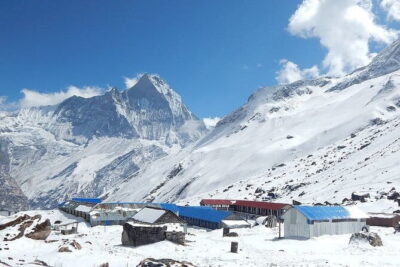
This is the headline day. You’ll trek up from 4,930 m to reach Everest Base Camp via Gorakshep. Expect a long day and a strong emotional payoff. Also expect cold. Even when the sun is out, temperatures can bite at these elevations.
If you’re the type who gets caught up in the goal, give yourself permission to enjoy the process—the views along the way are part of why EBC hits.
Day 9: Kala Patthar (5,545 m) to Pheriche (about 7 hours)
You’ll go up to Kala Patthar (5,545 m), then descend to Pheriche (4,243 m). Kala Patthar is a classic altitude “workout” because it’s high and demands effort. It’s also where you often get the most memorable big-picture views because the elevation gives a better vantage.
Then you drop down to Pheriche—another oxygen-saving move.
Day 10: Pheriche to Namche Bazaar (about 6 hours)
This downhill day helps you recover while still hiking enough to keep your body working normally. Going back to Namche (3,441 m) is a relief for most people.
Day 11: Namche to Lukla (about 6 hours)
Back down toward 2,886 m. You’ll feel stronger here, but don’t stop caring. Your legs still need smart pacing to protect your knees.
Day 12: Fly Lukla to Kathmandu and transfer to hotel (breakfast)
Flight back to Kathmandu finishes the trek loop. You’ll want to plan for rest after you land. Even after a great summit day, EBC is still a body-processor event—sleep and warm food matter.
Guides like Kiran, Dinish, and Arjun: why your team changes everything
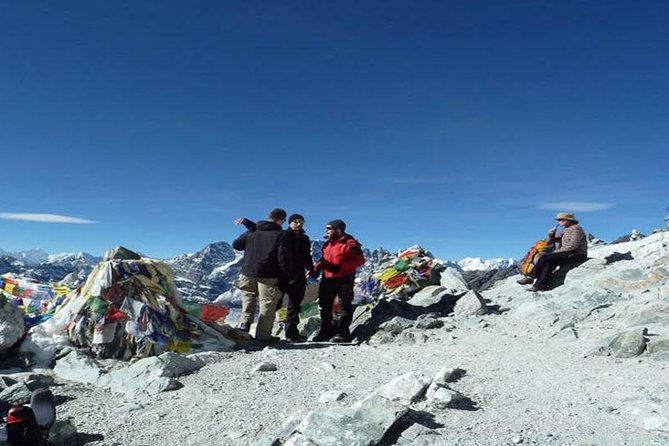
The experience is only as good as the people running it. This operator has a track record of strong guide performance in reviews, with named guides like Kiran, Dinish, and Arjun showing up in feedback.
What stands out in that kind of feedback is not just friendliness. It’s problem-solving and care in the details:
- One review notes the trek started with a major disruption from monsoon impacts, and the company handled issues openly and honestly while working to regain lost time.
- Another mentions a guide bringing fresh fruit for dessert at night, which sounds small until you’ve been hiking all day and everything tastes better because you earned it.
- Dinish is described as helpful and supportive throughout the trek.
You don’t have to rely on luck when you pick a guided trip. A good guide keeps the pace reasonable, manages expectations, and helps you stay safe in the cold, slow, altitude-driven reality of Everest.
Lodges, meals, and the small costs that add up
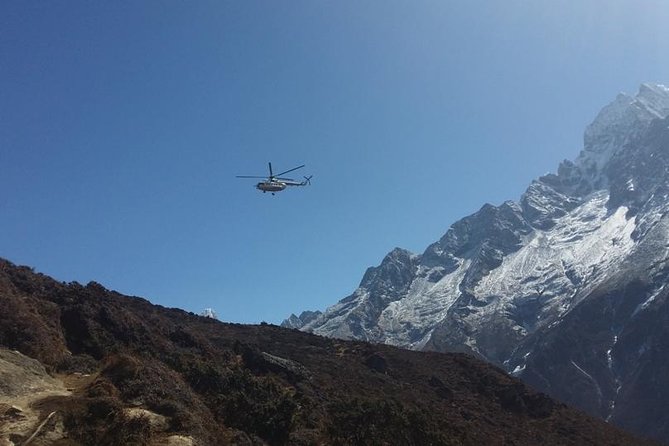
During the trek, meals are included: breakfast, lunch, and dinner. That’s a huge convenience because food is one of the hardest things to manage when you’re short on time and altitude makes you lose appetite.
You should still expect some “extras.” The package notes that things like sweet treats (example: chocolate bar) and hot shower access are not included. Charging your battery is also listed as a personal expense. These are the little line items that can surprise you if you assume everything is built into the price.
Lodge life also means simple rooms, limited heating, and variable comfort. That’s normal for the region. The value here is that your schedule includes accommodation every night without you needing to hunt for places.
Gear provided: what you can pack less of (and what you still need)
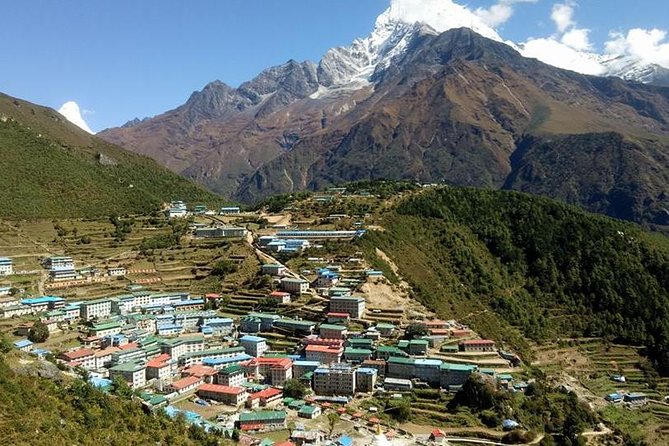
One of the easiest value wins in this itinerary is gear support. The package includes a sleeping bag, down jacket, and duffle bag, plus a trekking map (returned after the trek).
That can lower your upfront gear spend if you’re traveling for just this trip. It also means you can travel lighter from home.
Still, don’t forget that you’ll need your own core items—things like layers you can wear while hiking and personal cold-weather gear—because the package only promises specific loaned gear. If you’re unsure what’s covered versus what you must bring, ask the operator before you go. This saves money and stress at Lukla.
Weather and safety: plan for the reality, not the fantasy
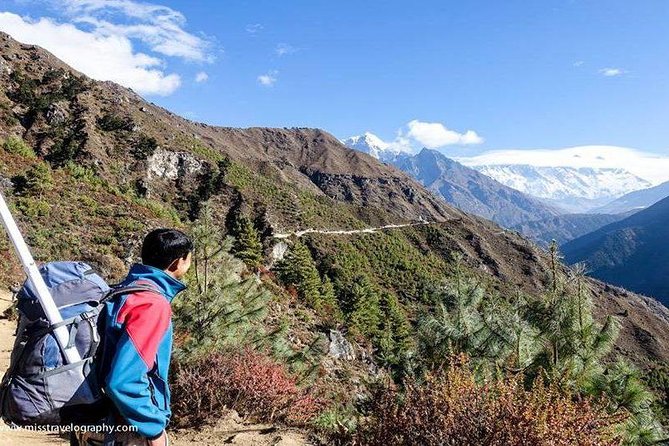
Everest Base Camp requires good weather. The package is clear that it can be canceled due to poor weather, and in that case you’ll be offered a different date or a full refund.
Safety-wise, the operator includes an emergency helicopter service arrangement that’s paid by your travel insurance company. That’s important. It’s not about fear—it’s about practical planning when altitude and weather can force fast decisions.
Also note the fitness guidance: the trek is for people with moderate physical fitness. That doesn’t mean “easy.” It means you should be able to hike daily, keep a steady pace, and handle several hours on your feet at altitude.
Who should choose this Everest Base Camp trek?
This one fits best if you:
- Want guided support with permits, logistics, flights, and lodge accommodation handled
- Prefer a structured route with acclimatization rest days (Namche and Dingboche)
- Like the idea of a small group capped at 14 travelers
- Would rather pay for planning and teamwork than chase details on your own
You might reconsider if you:
- Have tight budget control and aren’t comfortable with add-ons like visa fee, entrance fee, tips, and charging/small snacks
- Struggle with cold or long hiking days (EBC is still demanding even with porters)
- Can’t commit to travel insurance, since it’s compulsory here
Should you book Outfitter Nepal’s Everest Base Camp Trek?
I’d book this if your priority is reducing the messy parts of EBC planning while still getting the classic route and a sensible acclimatization plan. The combination of Lukla flights included, permits handled, and meals/lodges on trek makes the trip feel more like a real expedition with fewer admin headaches.
Before you hit confirm, do two quick checks:
- Confirm what’s included in Kathmandu. One line says four nights of Kathmandu accommodation are included; another line says Kathmandu hotel and food aren’t included. Clarify exactly what you’ll have for lodging and meals.
- Budget for the obvious add-ons: visa, the $40 Base Camp entrance fee, tips, charging, and snacks.
If you take care of those details, this is a strong value way to reach Everest Base Camp with a team that seems ready to handle the real bumps in the road.
FAQ
What is the start time and meeting point?
The trip meets at Tribhuvan Airport in Kathmandu at 6:15 am.
How long is the trek?
It’s listed as 12 days (approx.) from Kathmandu through Lukla and back.
Are domestic flights included?
Yes. Kathmandu–Lukla–Kathmandu flights are included, along with domestic airport tax.
Are permits and paperwork handled for the trek?
Yes. The package says it includes taking care of all paperwork and permits.
Is accommodation included on the trek?
Yes. You get lodge/tea house accommodation during the trek, plus four nights in Kathmandu are described as included (but you should confirm the exact Kathmandu lodging/meal coverage).
What’s included for guides and porters?
An experienced guide is included. The package also states guides and porters are included so you can relax during the trek, and it separately lists an optional porter service if you need one.
What meals are included?
During the trek, breakfast, lunch, and dinner are included.
What entrance fees should I plan for?
The Everest Base Camp entrance fee is listed as $40 per person.
Do I need travel insurance?
Yes. Travel insurance is described as compulsory, and the package mentions emergency helicopter service arrangement paid by your travel insurance company.