REVIEW · KATHMANDU
Everest Base Camp Trekking – 13 Day
Book on Viator →Operated by Trekking Planner Nepal · Bookable on Viator
Everest Base Camp is not a hike you forget. This 13-day trek bundles the big logistics—flights, lodges, and meals—so you can focus on the trail and altitude rhythm. I especially like the way the itinerary builds acclimatization in Namche and the Khumbu villages, and I like the private trek option that lets you personalize your pace. A real drawback to consider: you still need to bring (and pay for) your own travel and health insurance, plus some meals in Kathmandu.
What makes this feel practical, not packaged, is that you’re guided end to end with a plan you can actually follow day by day. You’ll spend nights in trailside lodges, and the trek is timed around where you’ll be—so you’re not constantly guessing what comes next. If you have a moderate fitness level and you’re comfortable with steep climbs and early starts, this style can be a great match.
In This Review
- Quick hits before you commit
- What you’re really paying for in this Everest Base Camp package
- Day 1 in Kathmandu: airport pickup and a buffer night
- Day 2: Lukla flight day, plus gear reality
- Days 3–5 to Namche Bazaar: river valleys, bridges, and your first real acclimation test
- Days 6–7: Tengboche to Dingboche, with monasteries and a second acclimation beat
- Days 8–9: Dingboche grazing country to Lobuche and onward to Everest Base Camp
- Day 10: Kala Patthar before the day breaks, then back down
- Days 11–12: Periche back to Namche, then a steep trail descent toward lower ground
- Day 13 Kathmandu return: weather can shift the flight plan
- The human factor: guides and logistics that reduce stress at altitude
- Packing list: what to bring so your body stays happy
- Who should pick this Everest Base Camp trek, and who should pause
- Should you book this 13-day Everest Base Camp trek?
- FAQ
- How long is the Everest Base Camp trekking itinerary?
- What is the starting location for the tour?
- Are flights included in the price?
- Are meals and accommodation included?
- Is a guide included?
- Is the trek private?
- What permits or fees are covered?
- What is not included?
- What fitness level do I need?
- Can I cancel and still get a full refund?
Quick hits before you commit
- Flights included: Kathmandu to Lukla and back, with airport departure tax covered in the plan
- Meals + lodge nights included: you’re not doing constant budgeting once you start trekking
- Private trek option: you can personalize your itinerary without negotiating logistics yourself
- Acclimatization built in: rest days in Namche and the Dingboche area help you adapt
- Guide-led pacing: the strongest feedback centers on timing, clear daily briefings, and support at altitude
- All-weather operating style: you’re told to dress appropriately, so don’t plan on ignoring rain or cold
What you’re really paying for in this Everest Base Camp package
The sticker price is $1,399 per person, and the value is mostly about what’s wrapped into it. You’re not just buying a route. You’re buying reduced decision fatigue: flights from Kathmandu to Lukla and back, park and TIMS fees, government/local taxes, and daily food and lodging while you’re on the trek.
That matters because Everest-area treks can turn into a stress festival if you have to keep sourcing guides, permits, transport, and lodging as you go. Here, the core pieces are handled in advance, and that can be a big quality-of-life upgrade—especially if you’re short on time.
A couple cost notes that you should plan for:
- Not included: alcoholic drinks, meals in Kathmandu, and personal expenses like phone charging or extra beverages.
- Big one: travel and health insurance, and insurance for helicopter evacuation, are not included. In this region, that’s not a detail.
- If you want a solo departure that doesn’t join an existing group, there’s a $150 single surcharge once you arrive in Nepal (the operator checks whether an existing group matches your dates when you book).
So ask yourself a simple question: do you want to manage the Everest logistics, or do you want a solid plan delivered and followed? This tour is built for the second option.
You can also read our reviews of more tours and experiences in Kathmandu.
Day 1 in Kathmandu: airport pickup and a buffer night
Day 1 is designed for getting you positioned, not tiring you out. You’re met at Tribhuvan International Airport in Kathmandu, then escorted to a hotel after customs formalities.
Why this matters: Kathmandu days can be chaotic if you land late or have to find your way. A pickup reduces that scramble, and you get at least one grounded night before the real altitude grind begins.
If you’re the type who likes to set up success—charge devices, confirm gear, check socks, and get your sleep schedule back—Day 1 gives you that space.
Day 2: Lukla flight day, plus gear reality
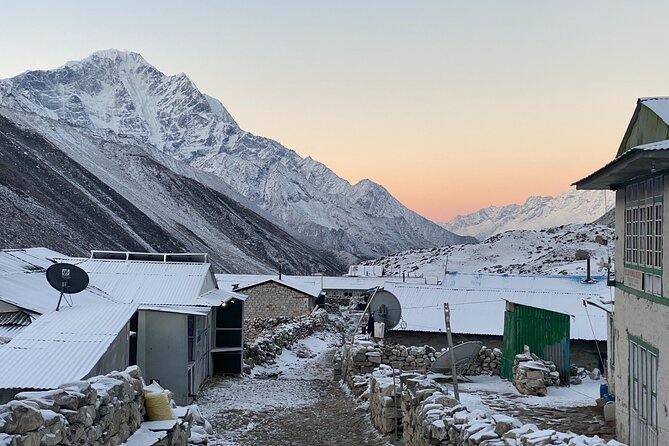
On Day 2, you organize trekking equipment and pack before heading out early to Lukla, the gateway to Everest. Then you fly in on a scenic flight to start the trek.
Two practical points for you:
- Start early. Early departures tend to reduce delays and help you land before the day gets away from you.
- Keep your load smart. The trek relies on a day pack while your bigger gear is handled more like a daily logistics flow (and the overall program includes a complimentary trekking duffel bag that you return after the trip).
From the feedback I’ve seen tied to this operator, one recurring theme is how well guides keep plans moving. When timing matters—as it does around Lukla flights and trek daily pacing—good organization can make the difference between calm and chaos.
Days 3–5 to Namche Bazaar: river valleys, bridges, and your first real acclimation test
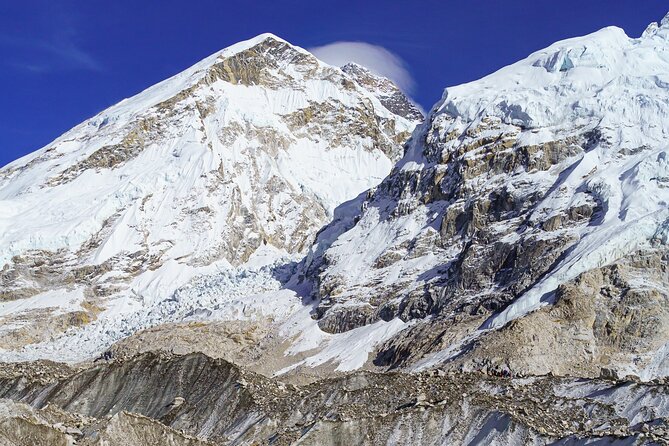
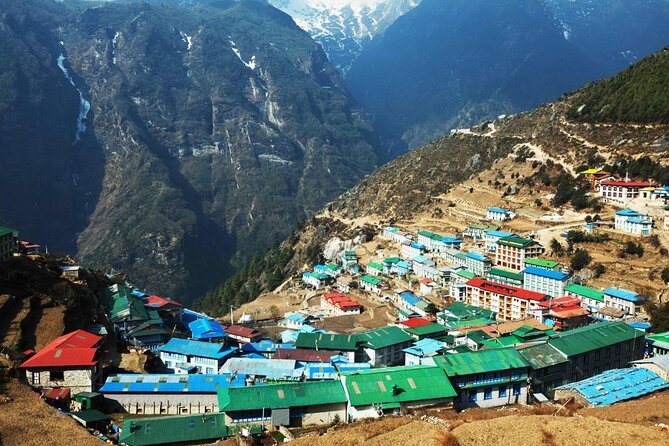
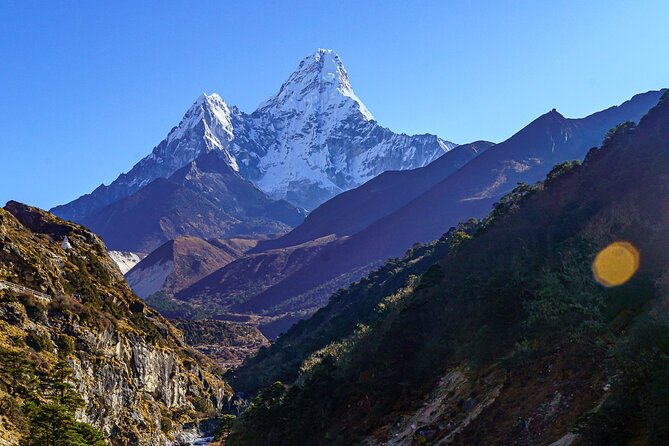
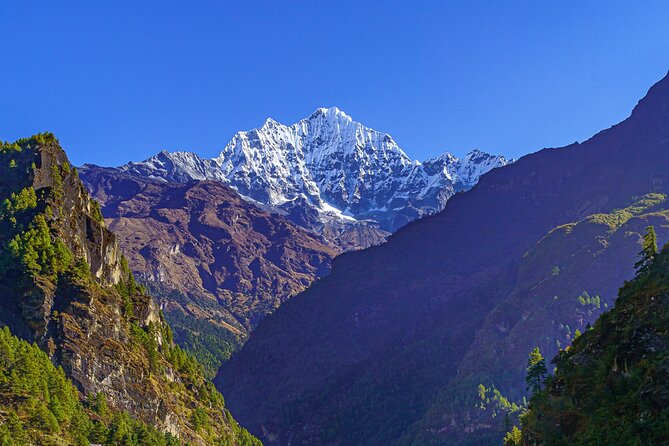
Day 3 starts you trekking alongside the Dudh Koshi River, climbing toward the ancient trading hub of Namche Bazaar. You’ll get early, motivating views of Kongde Ri Peak, and you’ll cross suspension bridges. That combination—river valley walking plus dramatic glimpses—sets the emotional tone for the journey.
Day 4 is a rest day in Namche. It’s not “do nothing” time. It’s acclimatization time. You’ll have the chance to explore shops and enjoy the town’s energy, with Namche’s well-known rhythm (including its Saturday market). For your body, the key is that you gain altitude without stacking too much exertion.
Day 5 is when the trek asks for your legs again. You start with a short but steep climb out of Namche, then move onto a more level route through forested sections before reaching Kenjoma and Sanasa.
Consideration for you: Day 5’s steep start can feel sharper than expected if you treat Namche as a “break day.” If you want to avoid redlining, you’ll do better keeping your effort controlled on that first climb.
Days 6–7: Tengboche to Dingboche, with monasteries and a second acclimation beat
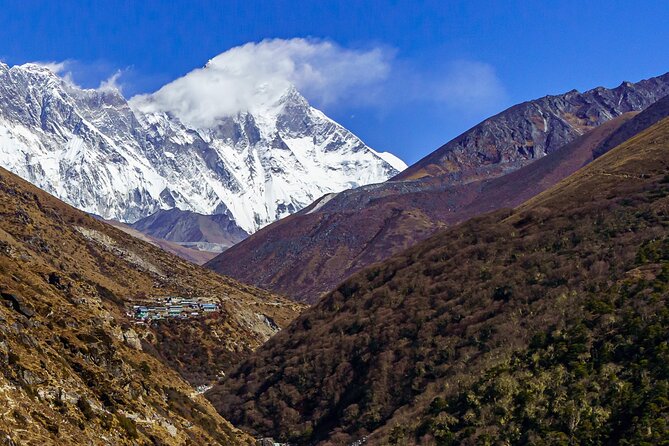
Day 6 includes the emotional payoff of the Khumbu region. You leave the area around Tengboche, known for sunrise and sunset scenes, then head toward Dingboche. Along the way you descend from Dingboche to Deboche, which is described as offering beautiful views.
Even if you’re not a “temple person,” monasteries here are more than scenery. They’re landmarks that break up the hike visually, and they’re a reminder that this trail is part of a living culture, not just a ladder to altitude.
Day 7 gives you another acclimatization day. You’ll do short hikes to higher altitudes to help your body adjust. This is where you learn the real Everest lesson: you don’t win by rushing; you win by staying functional.
Days 8–9: Dingboche grazing country to Lobuche and onward to Everest Base Camp
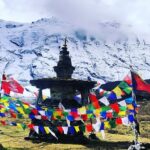
Day 8 begins with gradual ascent from Dingboche. You’ll pass grazing areas with cattle and walk through a landscape marked by chortens and mani walls. These are the small, human touches that keep the trek grounded. They also give your mind a place to rest during long stretches—especially when the air starts feeling thinner.
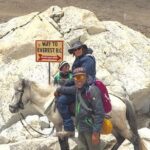
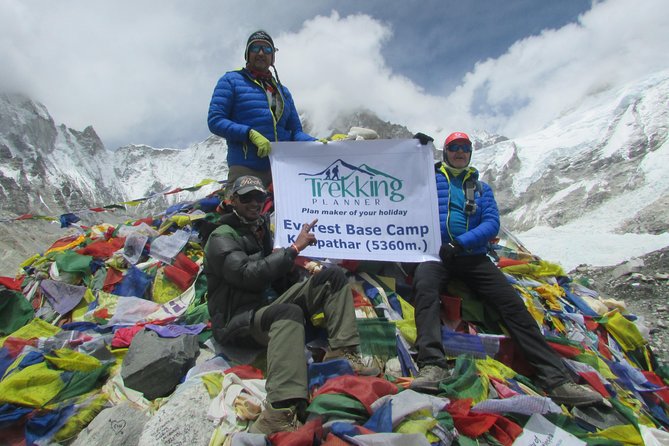
Day 9 is the day many people dream about: heading for Everest Base Camp. The trek starts early from Lobuche, and the itinerary explicitly warns about acute mountain sickness. That warning isn’t there to scare you. It’s a reminder that Base Camp is not the same as a gentle hike. Altitude changes the rules.
Practical advice for Day 9:
- Go slow even when you feel strong.
- Follow your guide’s pacing decisions rather than your ego.
- If you feel off, don’t try to “push through” just because Base Camp is near. This is the moment where good judgment beats bravery.
The best trekking guides don’t just point the way. They manage effort. In the feedback tied to this tour, guides like Milan are praised for explaining the next day’s plan in advance and even estimating how long you’ll take based on your ability—plus timing details like the sunset window so you’re not hiking in panic mode.
Day 10: Kala Patthar before the day breaks, then back down
Day 10 is your big altitude-versus-recovery moment. You trek to Kala Patthar before returning to lower altitudes. The plan notes that you’ll get ready with equipment before the day breaks, which is classic for maximizing visibility while the weather is still holding.
Why Kala Patthar is worth the early start:
- It gives you one of the best chances to see the mountain drama clearly.
- The sunrise-to-skyline timing can be unforgettable when the clouds behave.
Also, smart planning here matters. Going up in the dark and cold is easier when you know what to expect and what the schedule is. The feedback around this company’s guides repeatedly points to time management and clear day-by-day explanations—exactly what you want before an early morning push.
Days 11–12: Periche back to Namche, then a steep trail descent toward lower ground
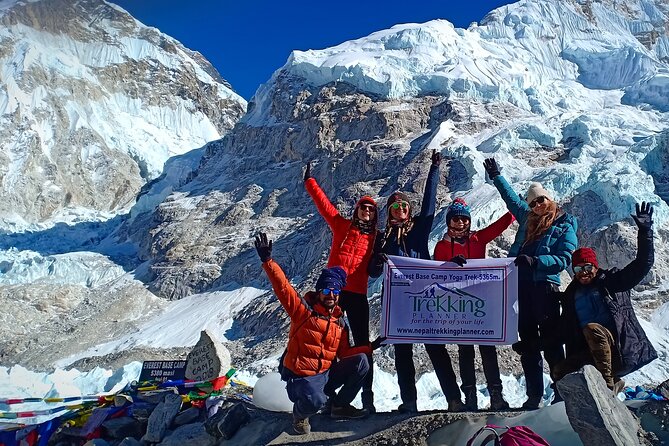
Day 11 takes you out of the higher zone and back toward Namche Bazaar. You’ll depart from Periche to the busy hub of Namche on a mostly downhill trek. You’ll walk with the Dudh Koshi River again, which helps with steady rhythm and makes the return feel less like climbing and more like moving home.
Day 12 is described as the last phase of trekking after reaching the Everest Base Camp climax. It includes descent on a steep trail out of Namche and going down toward the riverbed near a confluence of Dudh Koshi.
If you’ve never done “downhill days at altitude,” here’s your heads-up: going down can still be hard on your body. Your breathing might improve, but your knees, ankles, and toes can get cranky. This is when good footwear and pacing matter more than willpower.
Day 13 Kathmandu return: weather can shift the flight plan
Day 13 brings you back to Kathmandu after your time in the Khumbu region. The itinerary notes that due to weather disturbances during the day, you’ll take a flight that starts early.
That’s a key reality of Lukla-area travel: weather can move the goalposts. The best way to handle this is to stay mentally flexible. Your job on travel day is simple: show up ready, follow your guide’s instructions, and don’t treat the afternoon as guaranteed.
The human factor: guides and logistics that reduce stress at altitude
This tour leans hard on the guide experience, and that’s backed by the strongest themes in the feedback I reviewed.
Here’s what those high scores seem to come from:
- Clear daily briefings. Guides like Milan are praised for explaining the next day’s itinerary in advance and estimating walk times based on your physical ability. That’s how you avoid surprises that fuel stress.
- Time management under pressure. Another recurring point is how guides help you finish on schedule, even with challenging plans.
- Practical care. Guides such as Achyute/Achyut Mishra are described as attentive, supportive, and ready with solutions when conditions get tough.
- Logistics support with porters. There’s mention of Dibash with porter Ganesh, including Ganesh bringing luggage in each day before the group arrived. If you’ve ever carried your own pack at altitude, you’ll understand why this is a big deal for comfort.
In plain terms: you’re paying for a system that keeps you moving safely and on time. On Everest routes, that system matters as much as the scenery.
Packing list: what to bring so your body stays happy
The tour provides a complimentary trekking duffel bag that you return after the trip. Your day pack should be 25 to 40 liters.
Beyond that, the itinerary info includes a full practical gear list. You’ll want the essentials that match cold, wind, sun, and occasional rain:
- trekking shoes and socks (good socks matter more than you think)
- a sun hat or cap plus a warm wool cap
- a warm fleece or puffy jacket
- a waterproof layer (Gore-Tex style) and raincoat
- gloves and a small flashlight or torch
- toiletries and small hand towel (not a huge towel)
The tour also suggests packing a small amount of toilet paper because you might find lower-quality paper along the route.
One more pro tip: bring layers you can adjust quickly. Altitude weather changes fast, and the goal is to stay warm without sweating through your clothing.
Who should pick this Everest Base Camp trek, and who should pause
This is a strong option if:
- you have moderate physical fitness
- you want all meals and lodge stays while trekking
- you prefer private guiding and a plan you can rely on
- you don’t want to spend weeks managing permits, flights, and day-to-day logistics
You might pause if:
- you’re not ready for steep climbs and early mornings
- you want insurance handled by the tour (it’s not included)
- you only want to budget for the headline price (Kathmandu meals and personal expenses will add up)
Also note: it operates in all weather conditions, with an instruction to dress appropriately. This isn’t a warm-weather stroll. Plan for real cold and real wind exposure at altitude.
Should you book this 13-day Everest Base Camp trek?
I’d book it if your top priority is a smooth, guided route with flights, permits, lodge nights, and meals already handled. The value is strongest when you want to trade planning time for trail time—especially on a trek where weather and timing matter.
I wouldn’t book it if you want to DIY every decision, or if insurance and personal cost extras would be a dealbreaker. Also, if you hate early mornings and steep segments, you should rethink, because the itinerary has clear climbs and altitude-based scheduling.
If you want a well-run trek that keeps you focused on acclimatization and pacing, this is the kind of package that can make Everest feel possible.
FAQ
How long is the Everest Base Camp trekking itinerary?
The trek runs for 13 days (approx.).
What is the starting location for the tour?
The tour is based in Kathmandu, Nepal.
Are flights included in the price?
Yes. Flights from Kathmandu and Lukla are included, with airport departure tax.
Are meals and accommodation included?
Yes. You get nightly accommodation in trailside lodges and all meals provided on the trek.
Is a guide included?
Yes. The trek is led by an experienced trekking guide.
Is the trek private?
Yes. It is a private tour/activity, with only your group participating.
What permits or fees are covered?
National Park entrance fees and TIMS card (Trekkers’ Information Management System) are included.
What is not included?
Alcoholic drinks, meals in Kathmandu, personal expenses, travel and health insurance (including helicopter evacuation insurance), and Nepal visa fees are not included.
What fitness level do I need?
The traveler information says you should have a moderate physical fitness level.
Can I cancel and still get a full refund?
Yes. You can cancel up to 24 hours in advance for a full refund.