REVIEW · KATHMANDU
Everest Base Camp Trek – 14 Days
Book on Viator →Operated by Ace the Himalaya · Bookable on Viator
Everest Base Camp feels like a dream you can actually walk to. This trek lines up Lukla flights, Sherpa villages, and two high-altitude acclimatization days so you spend more time climbing and less time figuring logistics out. I especially like the small-group size (max 14) and the fact that porter support runs for 11 days, so you’re not wrestling a heavy pack up and over glacier-adjacent trails.
I also like how the route is paced for your breathing, not just your ambition. You get a built-in Namche acclimatization day (with the Sherpa Museum) and a separate acclimatization hike near Dingboche, before the push to Everest Base Camp (5,365m) and the later big viewpoint climb to Kala Pattar (5,555m). One possible drawback: you still need solid fitness for long trekking days, plus you’ll be relying on guesthouses at altitude for comfort that isn’t hotel-level.
In This Review
- Key things I’d focus on before you go
- Kathmandu setup: where your Everest trek really starts
- Lukla flights and the start of the Khumbu routine
- Namche Bazaar day: acclimatization plus Sherpa culture
- Tengboche Gompa: mountains, monasteries, and a quieter kind of big
- Dingboche and the second acclimatization hike that really matters
- Lobuche: memorials, the Khumbu Glacier edges, and a heavier mood
- Everest Base Camp at 5,365m: what you’re really walking for
- Kala Pattar: your final altitude test and the best payoff
- The descent: back to Namche via Pangboche and Tengboche
- Lukla Outdoor and the return flight to Kathmandu
- What the small-group format changes for you (beyond the marketing)
- Price and value: is $1,800 actually fair here?
- Daily comfort reality: guesthouses, toilets, and cold mornings
- Fitness and safety: what you’re signing up for
- Should you book this Everest Base Camp trek?
- FAQ
- How long is the Everest Base Camp trek?
- Where does the trek start and end?
- What’s included in the price?
- Are porters provided?
- What about meals during the trek and in Kathmandu?
- What kind of water setup is provided?
- What’s the luggage allowance for domestic flights?
- Do they handle permits for the park and fees?
- What if I need to cancel?
Key things I’d focus on before you go
- Small group, real guide attention: up to 14 trekkers, with a first-aid trained, government licensed English-speaking guide.
- Porters for 11 days: 1 porter for 2 clients means you carry less and keep moving.
- Acclimatization days that aren’t optional: Namche plus a Dingboche hike keep you safer for the summit-style days ahead.
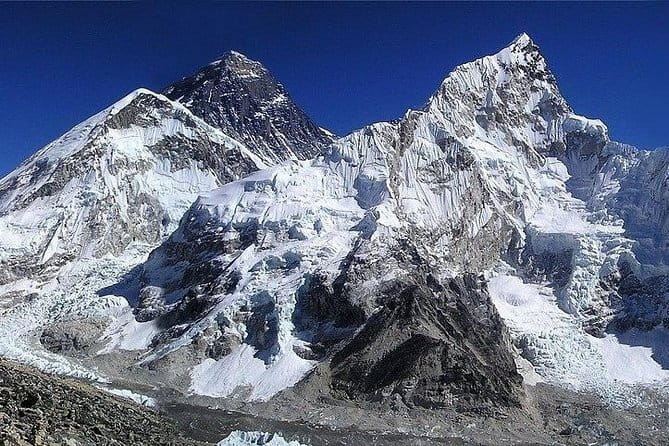
- Two “wow” altitude moments: base camp at 5,365m and Kala Pattar at 5,555m.
- Filtered water on trail: Katadyn Pocket Water Filter is provided.
- Emergency evacuation arrangements: first-aid kit plus plans for worst-case scenarios (you still need proper travel insurance).
Kathmandu setup: where your Everest trek really starts
The trek begins with an airport pickup in Kathmandu, using a private tourist vehicle, and then two nights in a 3-star twin-share hotel with breakfast included. This matters more than it sounds. You’re not just arriving—you’re resetting your schedule before flights, jet lag, and big altitude work.
You’ll also get help that’s practical, not vague. There’s an airport representative at Tribhuvan International Airport, and you’ll use their mobile ticket process. If you’re trying to travel light and keep energy for Day 2, that kind of smooth handoff is gold.
One small detail that helps: your hotel base is described as near public transportation. So even if you want to grab a snack, you’re not stuck in a travel bubble.
You can also read our reviews of more tours and experiences in Kathmandu.
Lukla flights and the start of the Khumbu routine
Day 2 is where the trip shifts from city travel to mountain travel. You fly Lukla round-trip with domestic flight coverage included (Kathmandu–Lukla–Kathmandu, plus airport departure tax). One important heads-up: the route notes that flights can be shifted to Manthali (Ramechhap) during peak congestion seasons, which include March, April, May, October, and similar busy periods.
Then comes the classic entry feeling: suspension bridges and trails along the Dudh Koshi river. It’s exciting, yes—but also a good “first check” for your legs and breathing after the flight.
You’ll be trekking through Sagarmartha National Park, and the journey is set up to ease you into altitude rather than spike it immediately. Expect many long trekking blocks in the early days; some days are listed at around 16 hours of trekking time, so treat this as an endurance trip, not a casual stroll.
Namche Bazaar day: acclimatization plus Sherpa culture
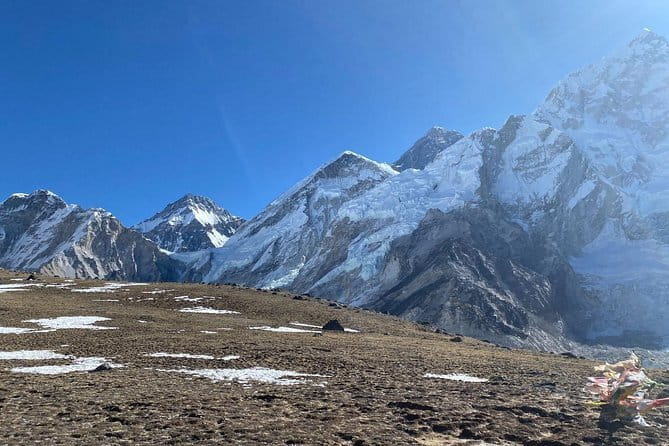
Namche Bazaar is your altitude buffer zone, and the schedule builds that in. You spend a day here specifically to acclimatize and adjust to thinning air, with a short trek to a museum focused on Sherpa traditions. That’s a smart pairing: it gets you up and moving just enough, without turning the day into another full push toward Everest Base Camp.
Namche also gives you the logistics rhythm you’ll rely on for the next week: guesthouses, meal timing, and the constant question of how you’ll feel at the next elevation step. It’s the place where you learn your personal pace. If you go too fast early, altitude punishes that later. This itinerary helps you avoid that mistake.
Tengboche Gompa: mountains, monasteries, and a quieter kind of big
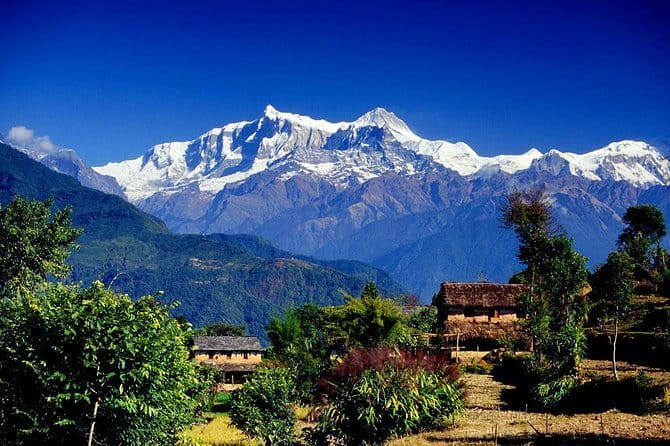
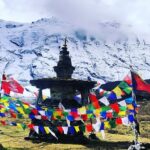
On Day 5, you reach Tengboche at around 3,860m. The trek continues along glacial-fed scenery by the Dudh Koshi area, and the big feature here is Tengboche Gompa. Inside, you’ll find inscriptions and cultural details that help explain why this region is more than a trekking challenge—it’s a living religious landscape for Sherpa communities.
This is also a good day for perspective. After the intense climbing and bridge crossings, a monastery stop breaks the pattern just enough to reset your mind. I like that the itinerary doesn’t only chase altitude; it slows down the experience at the places where the culture is strongest.
Practical note: even if you’re mainly focused on views, you’ll want to dress for cold once you stop walking. Monastery visits tend to mean standing around.
Dingboche and the second acclimatization hike that really matters
Day 6 moves you deeper into the high Khumbu rhythm, climbing and transitioning through villages like Pangboche, passing mani stones, and crossing suspension bridges over Imja Khola. Day 7 then does something many people underestimate: it’s another acclimatization day, and it intentionally doesn’t aim for Everest Base Camp progress.
Instead, you take a hike to Nangkartshang peak just above Dingboche. This is one of those itinerary decisions that can make or break how you feel later. You get the altitude stimulus without the stress of advancing toward the final push immediately.
If you want to be strategic, this is the day to be patient. Go slower than you think you need. Your reward comes later on the glacier-heavy day to base camp and then on Kala Pattar.
Lobuche: memorials, the Khumbu Glacier edges, and a heavier mood
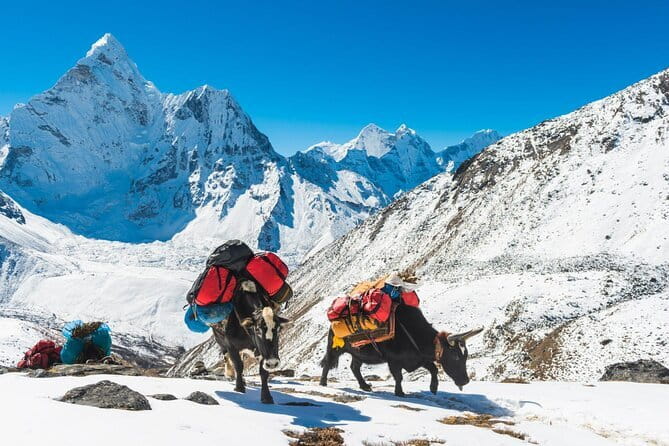
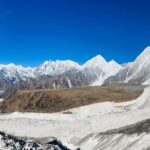
As you head toward Lobuche, the route shifts toward the Khumbu Glacier lateral moraine. You’ll also pass stone memorials for climbers who have perished on nearby summits. It’s not a “party” moment. It’s a reminder that Everest is not just scenery—it’s risk, weather, and history.
Day 8 is a long trekking day, and you’ll feel it more here because you’re not far from the altitude where every breath counts. This is where having a guide who watches your pacing pays off. A few minutes of smart slowing can save you from hours of suffering later.
Everest Base Camp at 5,365m: what you’re really walking for
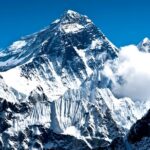
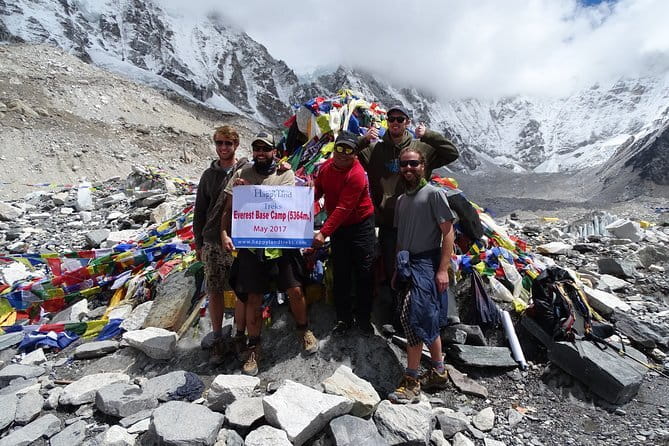
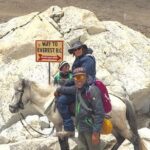
Day 9 is the big one. You walk along the Khumbu Glacier and reach Everest Base Camp at 5,365m, the closest you can get without mountaineering gear. The route is described as big and difficult, so treat it as a milestone day rather than a day to “check boxes.”
What you’re gaining isn’t only the photo moment. Base Camp is where the trek stops feeling like “training” and starts feeling like you’ve entered the story of expeditions. You’ll be surrounded by the realities of people working at altitude: wind, cold, and that thin-air feeling that turns ordinary steps into accomplishments.
One thing I like in this trip setup: the itinerary has already given you acclimatization time (Namche and Dingboche). That reduces the odds you’ll arrive at base camp feeling wrecked from the earlier stretch.
Kala Pattar: your final altitude test and the best payoff
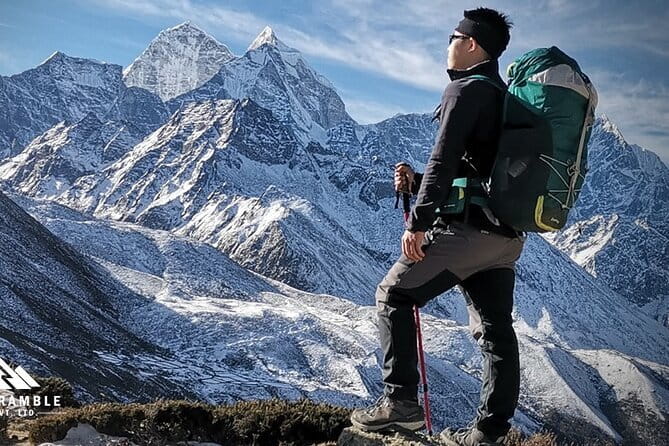
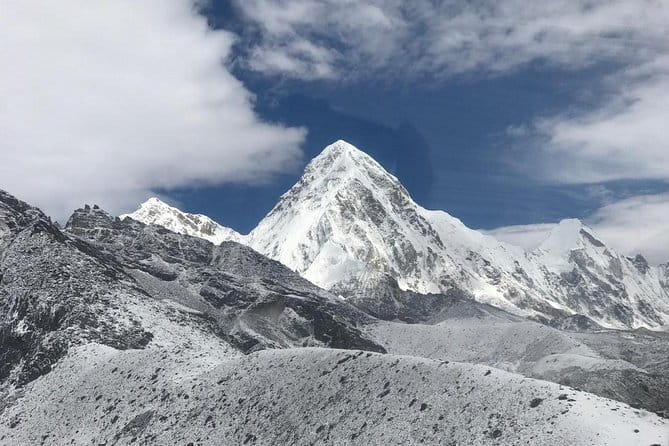
Day 10 is another difficult day, and it’s designed for reward. Most of the morning is spent climbing Kala Pattar (5,555m), a small peak and viewpoint. This is where many trekking itineraries separate into two types: those you survive, and those you remember.
Expect this climb to feel steep and slow. Your success here depends on pacing and how steady your breathing stays. This is also the kind of day where the guide’s “keep going, stay calm” skills matter—especially if weather changes quickly.
When people in the reviews talk about how smooth the experience felt, it often ties back to this kind of leadership. For example, trekkers praised guides like Maddy for knowledge and kindness, and Rajendra Khatry for professionalism and safety focus. Different names, same theme: the day feels intense, but you’re not alone in managing it.
The descent: back to Namche via Pangboche and Tengboche
Day 11 turns the experience into a controlled descent. You leave the Everest region for Pangboche and Tengboche, then continue to Namche Bazaar. This is a relief day for your breathing but still a challenge for your knees and energy.
Descent days often fool people. Your legs feel better, so you push your pace. Then you pay for it with fatigue and soreness later. Keep your rhythm steady. You’ve still got the final return days to go.
Lukla Outdoor and the return flight to Kathmandu
Day 12 returns to Lukla, where the trek began, with time to reflect as a group and mark personal achievement. Day 13 brings the scenic flight back toward Kathmandu. If flights were routed through Manthali earlier, the return flow may also follow that pattern.
On Day 14, you’re dropped at Tribhuvan International Airport for your departure. This matters because it keeps the end of the trek clean: no last-minute scrambling, no unclear transit.
What the small-group format changes for you (beyond the marketing)
This trek caps at 14 travelers, which sounds like a number until you’re actually on the trail. Smaller groups mean the guide can notice who’s lagging, who needs water encouragement, and who’s pushing too fast.
In the reviews, that theme comes up a lot. People highlighted guides like Kishor (especially for knowing what to do during any emergencies) and Chris (for logistics and day-by-day knowledge). Even when the trekkers were solo, they described their group as cohesive—one report had a group size of 8 and praised the team dynamic.
And the porters matter in a very practical way. Porter service runs for 11 days, with a 1 porter for 2 clients ratio. So you’re still walking the entire route, but you’re not dragging a full kit up and down steep terrain for nearly the whole trek. That can be the difference between enjoying the scenery and just trying to survive each hour.
Price and value: is $1,800 actually fair here?
At $1,800 per person, you’re paying for a package that handles the “heavy lifting” of coordination: airport/hotel transfers, Kathmandu lodging (two nights), domestic flights (including taxes), trekking permits and fees, and a guide plus porters.
The biggest value sits in what you don’t have to solve yourself:
- Air travel inside Nepal (Kathmandu–Lukla–Kathmandu)
- National park entry and local fees
- Meals during the trek (breakfast, lunch, dinner)
- Guesthouse accommodation on the trail
- A provided water filter (Katadyn Pocket)
- Emergency evacuation arrangements plus a first-aid kit
- Staff costs, insurance, equipment, and medicines for trekking staff
You do pay for what’s not included. Kathmandu meals (lunch and dinner) are on you, and you’ll still need travel insurance that covers high-altitude rescue/evacuation. Personal gear and tips for guide/porter are also not included.
One more value detail: single travelers may pay a $250 single surcharge if there isn’t a shared group for your date. That’s common in shared-trip models, but it’s worth planning for so you don’t get surprised at arrival.
Daily comfort reality: guesthouses, toilets, and cold mornings
Accommodation is described as twin-share guesthouses on the trail, with attached toilets in Lukla, Phakding, and Namche. That’s helpful—those are the towns where you’ll likely want a more normal bathroom routine during recovery.
As you go higher, the listing doesn’t spell out which days have attached toilets. So you should expect simpler facilities as altitude rises. If you’re someone who needs consistent comfort, plan to be flexible and focus on warmth and sleep quality rather than bathroom perfection.
Warm layers are key. Even when days feel bright, mornings can be brutally cold, especially on the days designed around early climbing (Day 10 to Kala Pattar comes to mind).
Fitness and safety: what you’re signing up for
The trip calls for moderate physical fitness. That’s true, but “moderate” doesn’t mean easy. Several days are long trekking days, and the high altitude jump comes with real physical strain.
The itinerary also includes planning elements that support safety:
- A first-aid trained, government licensed guide
- Emergency medical evacuation arrangements for worst-case scenarios
- A comprehensive first-aid kit
- Filtered water on trail
- Acclimatization days that intentionally slow your progress
Still, you should treat this as your responsibility too. You need proper high-altitude insurance, and you should be honest about your stamina. If you’re prone to getting winded, tell your guide on Day 3 or Day 4, not after you’re already struggling.
Should you book this Everest Base Camp trek?
I think this is a strong choice if you want Everest without running your trip like a logistics spreadsheet. You’ll get a structured pace, clear altitude stops, porters for 11 days, and a guide-led safety approach. The reviews praise the human part too: guides named Maddy, Kishor, and Rajendra Khatry, plus porters like Saman and Sher, are repeatedly described as supportive, professional, and tuned in to group needs.
Skip it (or at least shop harder) if you’re looking for a light hike with minimal effort, or if you need guaranteed hotel-style comfort at every altitude step. This is a real trekking challenge, and the value is tied to doing it with a team and support.
If you’re ready for long days, cold mornings, and the payoff of walking to the Everest region with smart pacing, this one is worth serious consideration.
FAQ
How long is the Everest Base Camp trek?
The trek runs for 14 days in total, starting in Kathmandu and ending back at Tribhuvan International Airport.
Where does the trek start and end?
It starts at Tribhuvan International Airport in Kathmandu and ends back at Tribhuvan International Airport.
What’s included in the price?
Your package includes Kathmandu transfers, two nights in a 3-star hotel with breakfast, domestic flights for the Kathmandu–Lukla–Kathmandu segment, permits and fees, a trekking guide, porter service for 11 days, guesthouse accommodation during the trek, and most trek meals (breakfast, lunch, and dinner).
Are porters provided?
Yes. Porter service is included for 11 days with a ratio of 1 porter for 2 clients.
What about meals during the trek and in Kathmandu?
Most standard meals during the trek are included. Lunch and dinner in Kathmandu are not included.
What kind of water setup is provided?
You’ll have filtered water on the trails using a Katadyn Pocket Water Filter.
What’s the luggage allowance for domestic flights?
The domestic flight luggage allowance is 15 kg.
Do they handle permits for the park and fees?
Yes. The package includes Everest/Sagarmatha National Park entry permit and the Pasang Lhamu Rural Municipality fee for trekking.
What if I need to cancel?
You can cancel up to 6 days in advance for a full refund. Cancel 2–6 days before for a 50% refund, and if you cancel less than 2 days before, the amount paid is not refunded.