REVIEW · YULARA
Uluru: Guided Trek of Uluru’s Base in a Small Group
Book on GetYourGuide →Operated by SEIT · Bookable on GetYourGuide
Uluru looks different at first light. This 6-hour sunrise trek lets you walk the full base of Uluru with a professional guide who connects what you see to Aboriginal culture, geology, and the local plants and animals. Along the way, you’ll stop for ancient rock art, Mutitjulu Waterhole, and Kantju Gorge, plus an outback picnic breakfast.
My favorite part is the “small-group” feel: the vehicle fits a maximum of 11 people, so questions don’t get lost and the pace stays human. I also like that you’re not just driving past Uluru—you’re getting the full walking route before the heat builds.
One thing to think about: you’ll walk about 10.5KM before and during the coolest hours, so you need to be comfortable on gravel tracks and start very early.
In This Review
- Key highlights worth getting up for
- Sunrise pickup: why the early start changes everything
- The full base walk: 10.5KM, gravel tracks, and built-in pauses
- Breakfast on the trail: what’s included and how it feels
- Rock art stops and the guide’s story engine
- Mutitjulu Waterhole and the Kuniya route
- Kantju Gorge: hearing the Mala story as you walk
- Getting around without stress: vehicle, pickup, and pacing
- Audio options: helps if you like to read along with your senses
- What to bring: the practical checklist that prevents problems
- National park ticket: the one cost you’ll still need
- Value check: why $169 can feel worth it
- Should you book this Uluru sunrise base trek?
- FAQ
- How long is the tour?
- What time does it start?
- How far will I walk?
- Is the national park entry ticket included?
- What’s included for breakfast?
- How big is the group?
- Are audio guides available in other languages?
- What should I bring?
Key highlights worth getting up for
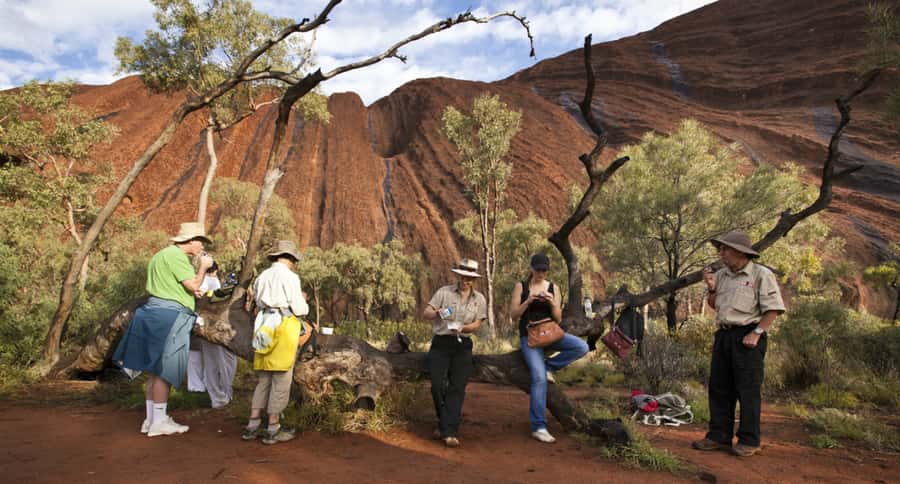
- Sunrise start with a small group (max 11) for a calmer, more personal experience
- Full Uluru base walk with planned stops for rock art, waterholes, and viewpoints
- Tjukurpa creation stories tied to specific parts of the route (including Liru, Kuniya, and the Mala people)
- Mutitjulu Waterhole and Kantju Gorge included in the walk, not as quick photo stops
- Breakfast in a carry pack plus tea and coffee right in the outback setting
- Optional audio in multiple languages (Spanish, Chinese/Mandarin, French, German, Italian, Russian)
Sunrise pickup: why the early start changes everything
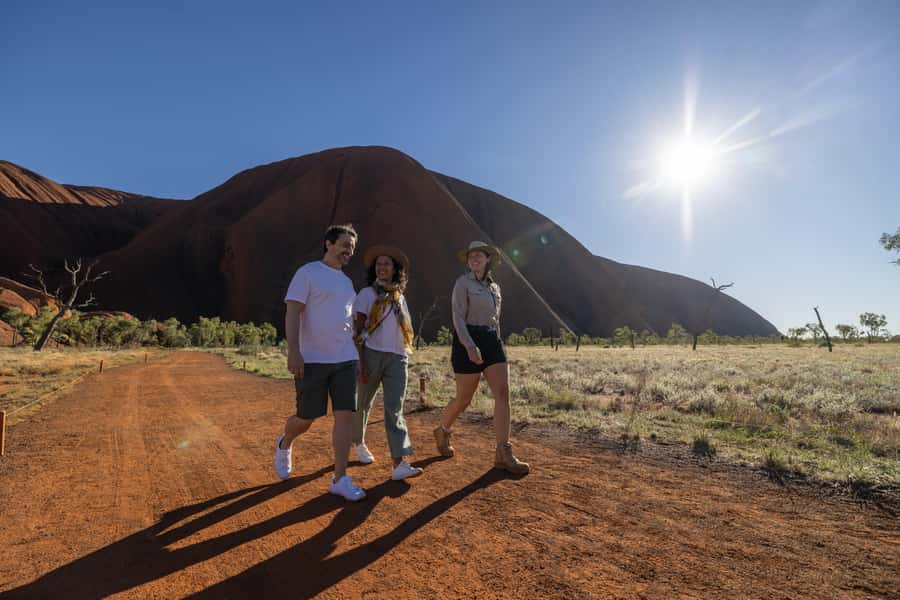
This tour begins well before sunrise. You get picked up from your Ayers Rock Resort accommodation about one hour before dawn, in a comfortable vehicle designed for a maximum of 11 participants. Then you head into Uluru Kata Tjuta National Park and work your way to the base route before the light gets harsh.
That early timing matters because Uluru is all about slow noticing. At dawn, shadows are long, the rock looks sharper, and small details that you’d miss in midday light become easier to read. It also means you’re walking while it’s cooler, which makes a big distance feel much more doable.
If you’ve ever wondered how guides can talk for hours without it feeling like a lecture, sunrise is part of the reason. The changing color and texture keep the group engaged, and the story stops land better when the setting is doing half the work.
The full base walk: 10.5KM, gravel tracks, and built-in pauses
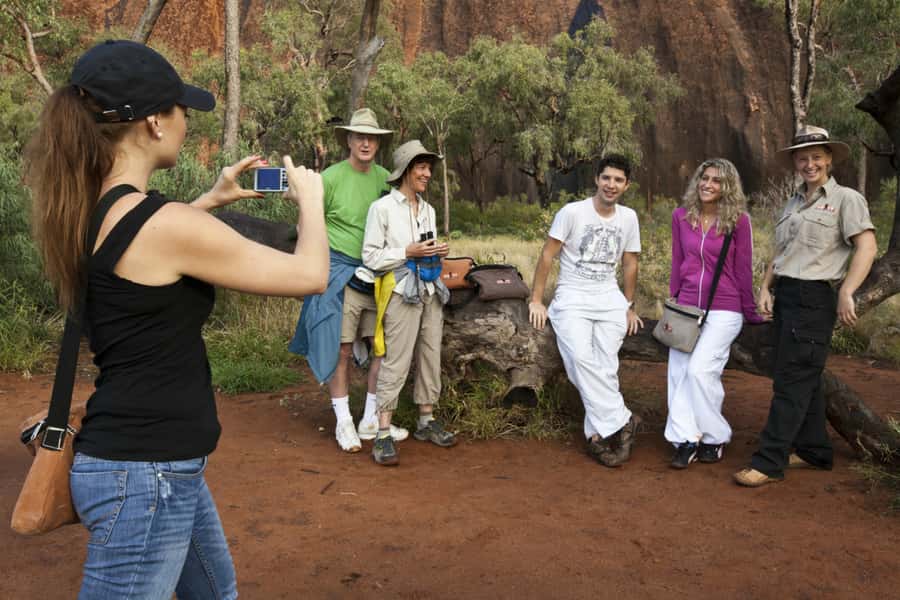
The heart of this experience is the perimeter-style walk around Uluru’s base. Expect to cover about 10.5KM over the 6 hours, with the guide planning a steady pace and frequent breaks so you’re not constantly pushing.
The routes and tracks are generally straightforward underfoot (gravel and flat), which helps if you’re not an ultra-trail person. Still, it’s a long morning, and your legs will feel it. I’d treat this like a serious hike with a strong cultural and interpretive component, not a casual stroll.
One smart touch is that the tour isn’t rushed. You’ll get time at key points for photos and for listening. Many people love that you finish the walk without feeling like you’ve just been herded from one stop to the next.
Breakfast on the trail: what’s included and how it feels
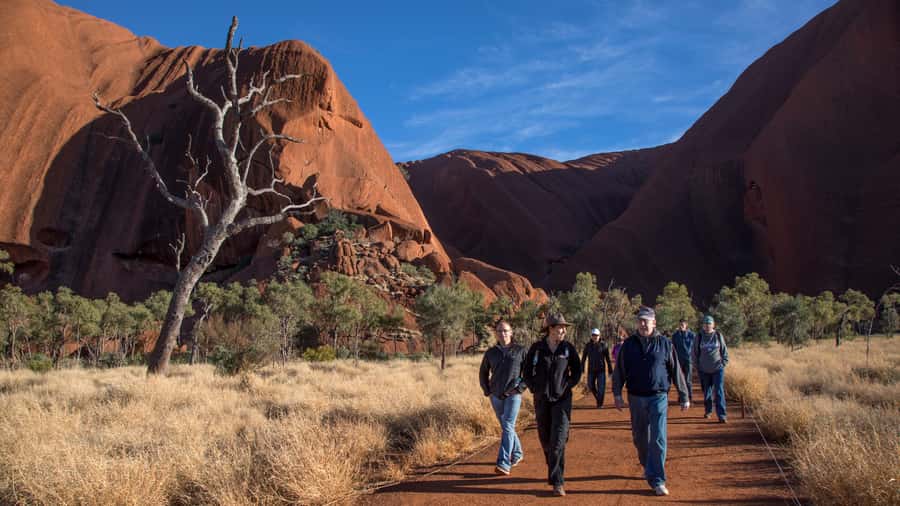
You’ll get an outback picnic breakfast supplied in a carry pack, plus tea and coffee. It’s timed as a mid-walk break, so it doesn’t feel like a separate meal you have to squeeze in before or after the hike.
A carry-pack breakfast sounds simple, and it is—but it’s also part of why this tour works. You don’t waste your best morning hours hunting for food or deciding what to bring. Instead, you refuel while you’re already in place, looking out at the rock and the features the guide is explaining.
That said, plan for a light-to-medium breakfast. One person noted it wasn’t super filling, which matches the practical reality: a hike like this works best when you don’t go heavy on food that sits in your stomach. If you’re a big breakfast eater, you might consider bringing a small personal snack that won’t slow you down.
Rock art stops and the guide’s story engine
This is where the tour becomes more than a route. Your guide—trained in Aboriginal culture, survival knowledge, geology, and local flora and fauna—uses the walk to explain why different places matter.
Along the base walk, you’ll see and learn about rock art sites. You’ll also hear about Tjukurpa, which are creation stories connected to the land. Instead of hearing stories in isolation, you’re getting them attached to locations as you move through the day’s route.
Guides can vary, and names you might hear include people like Lucia, Dimitri, Lara/Laura, Michael, Andy, Tim, and Lily. The common thread is how they connect the material to what you’re facing at that moment—what the land looks like, what changes you notice, and what you’re supposed to respect.
If you want the biggest payoff, listen closely at the stops. The guide isn’t just giving facts. They’re helping you understand how the stories and the environment fit together.
Mutitjulu Waterhole and the Kuniya route
One of the most memorable segments is the stop at Mutitjulu Waterhole. It’s reached during the portion of the walk where you’ll follow the Kuniya route and hear the Tjukurpa stories tied to Liru and Kuniya.
Waterholes like this are more than scenic. In the desert outback, water is life and it changes how people move, gather, and survive. That’s why a guide’s explanation can make the spot feel much more grounded than just a landscape feature.
The atmosphere here tends to shift. You’re slowing down, looking closely, and taking in that the rock isn’t just an object—it’s a living part of a larger system of meaning. If you like places that tell stories through details, this is one of the best sections of the whole morning.
Kantju Gorge: hearing the Mala story as you walk
Later in the tour, you’ll head toward Kantju Gorge. On this part of the walk, the guide shares the Tjukurpa associated with the Mala people while you walk the Mala Walk.
Gorges and cliffy sections change your sense of scale fast. Suddenly, your brain goes from seeing Uluru as one big shape to noticing it as a full set of features—walls, shadows, and edges that create different kinds of shelter and visibility.
It’s also a great moment for photographs, because the morning light still has enough softness to avoid harsh glare. Just don’t let the camera fully take over. This is one of those sections where listening pays off.
Getting around without stress: vehicle, pickup, and pacing
Transportation is handled for you, and that’s a big part of the value. Pickup is included from Ayers Rock Resort hotels. For specific apartment areas, pickup happens at nearby partner locations inside the resort zone, so you’re not stuck figuring out where to meet.
The vehicle fits a maximum of 11 participants, and the transport quality is very highly rated. That matters on a long morning because comfort isn’t a luxury—it helps you start the walk focused, not tired.
Pacing is also handled by the guide. A steady rhythm plus planned rest stops keeps the group moving safely. Many people end up feeling like they finished strong rather than scraped from the day’s early exertion.
Audio options: helps if you like to read along with your senses
You’re traveling in English, with an optional audio experience available for multiple languages: Spanish, Chinese/Mandarin, French, German, Italian, and Russian. The audio guidance is included, and it gives you another layer while you’re walking.
This is especially useful if you want the main guide’s storytelling but also want supporting context in your language. It can help you connect place names and story themes with what you’re seeing in real time.
If you’re the type who likes to capture meaning as well as photos, this audio add-on is a quiet win.
What to bring: the practical checklist that prevents problems
This tour is set up for a long walk in a desert climate, so small prep choices matter. You’re walking roughly 10.5KM, so wear sensible walking shoes.
Bring a water bottle and plan for hydration. The tour recommends water and also suggests gear like a hat and sunscreen. In cooler months, bring warmer clothing since mornings can feel cold right after sunrise.
A couple of field tips from people who’ve done this:
- Some guides provide small extras like frozen lemon grass towels, which can feel like a reset once you’re back in the warmer air.
- There are places to refill along the way, including water taps, with filtered rain water. The taste is described as earthy and slightly metallic, and it may not be very cold.
If you’re prone to sun and bugs on your face, a fly net can be useful. And if mornings feel chilly to you, pack a pullover even if you expect warmth later.
National park ticket: the one cost you’ll still need
Park entry to Uluru Kata Tjuta National Park is not included in the tour price. You can purchase tickets directly at the entry station, and they’re valid for three consecutive days from the date of issue.
This is worth factoring into your budget, because sunrise tours can make you think everything is wrapped up. The good news is the tour itself is doing a lot for you: guide expertise, the full base route, breakfast, and pickup.
Value check: why $169 can feel worth it
At $169 per person for a 6-hour small-group experience, the best value comes from what’s included in the morning package. You’re paying for more than the walk—you’re paying for interpretation (Aboriginal culture and story themes connected to specific spots), transport with pickup, and food and drinks.
If you tried to DIY this by yourself, you could probably walk the base at some point, but you’d lose the guided layer that explains geology, flora and fauna, and Tjukurpa tied to the exact route sections. For many people, that interpretive part is the main reason the tour feels memorable.
Small group size also changes the feel. With up to 11 people, you’re less likely to be stuck behind someone’s camera or waiting for the group to catch up.
Should you book this Uluru sunrise base trek?
Book it if you want the best version of Uluru by walking the whole base, not just doing a short viewpoint loop. It’s a strong choice for first-timers because the guide connects the land to Aboriginal stories and survival knowledge, and you do it while the rock looks at its most dramatic.
Pass or reconsider if you’re not comfortable with a longer walk (around 10.5KM) or you hate very early mornings. Also note that this tour does not include the national park entry ticket, so add that cost when you plan.
If you’re trying to choose between seeing Uluru quickly and understanding it more deeply, this sunrise trek leans hard toward understanding. For most people, that’s exactly what they came to the outback for.
FAQ
How long is the tour?
The tour lasts about 6 hours.
What time does it start?
Pickup happens about one hour before sunrise, and the walk begins before sunrise.
How far will I walk?
You’ll walk approximately 10.5KM.
Is the national park entry ticket included?
No. Uluru Kata Tjuta National Park entry tickets are not included and can be purchased at the entry station.
What’s included for breakfast?
You’ll receive an outback picnic breakfast supplied in a carry pack, plus tea and coffee.
How big is the group?
It’s a small group limited to a maximum of 11 participants.
Are audio guides available in other languages?
Yes. Audio guidance is available in Spanish, Chinese/Mandarin, French, German, Italian, and Russian.
What should I bring?
Wear sensible walking shoes. Bring a water bottle, a hat, sunscreen, walking gear, and warmer clothing in cooler months.