If you want Java without the tour-bus vibe, start here. I like this trip for its rice-terrace walk and the way it layers a 9th-century Hindu temple into a countryside setting that feels a world away from Yogyakarta’s main sights. The route also gives you a chance to aim your camera at Kedung Kayang Waterfall with Mt. Merapi in the background, when the sky cooperates.
What I really love is the small-group feel and the human details: guides like Arma, Sigit, Didik, and Maxi all showed up with real local context, plus they’ll work for good photos at the waterfall. One thing to consider: this is an active day. The path to the waterfall includes wet spots and steps back up, and lunch isn’t included (you’ll eat either at your own stop or as arranged by the guide).
In This Review
- Key points that matter before you go
- Yogyakarta day trip: Selogriyo Temple and rice terraces (why this works)
- Morning start: How the rice-terrace walk feels in real life
- Selogriyo Temple: ancient, quiet, and worth a pause
- The coffee stop: a simple extra that adds big value
- Late morning to afternoon: Kedung Kayang Waterfall and Mt. Merapi views
- The walk to the falls: what to wear and what to expect
- Timing and pacing: what a 10-hour day trip actually feels like
- Small group size: why max 10 changes the experience
- Guides make a difference: Arma, Sigit, Didik, and others
- Value check: $55 for a countryside day with entry fees
- Who this trip fits best (and who should reconsider)
- Get ready checklist: what to pack
- Should you book Selogriyo and Kedung Kayang?
- FAQ
- How long is the Selogriyo Temple and Kedung Kayang Waterfall trip?
- What’s included in the tour price?
- Is lunch included?
- How big is the group?
- Do I need to be able to hike?
- What should I wear or bring for the waterfall?
- What weather conditions are required?
Key points that matter before you go
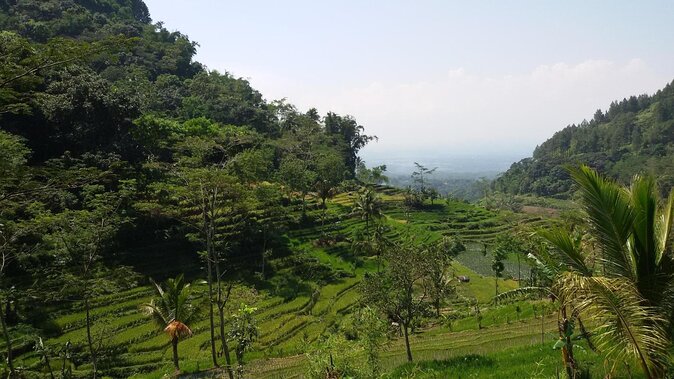
- Crowd-light hiking: You’ll spend more time among rice paddies than in lines.
- Two big view moments: The temple viewpoint and the Kedung Kayang waterfall, often with Merapi visible.
- Real guidance, not just driving: Guides like Arma and Sigit are big on local stories and photo help.
- A day built around fresh air: You’re out roughly 10 hours, with a slow, steady pace.
- Bring the right footwear: Shallow stream crossings and a wet/muddy trail can happen on the waterfall route.
- Coffee and small local stops: You might catch blooming coffee trees and try local brews at Selogriyo Coffee.
Yogyakarta day trip: Selogriyo Temple and rice terraces (why this works)
This is one of those day trips where the best part isn’t one single photo—it’s the full rhythm. You’ll be picked up from your Yogyakarta hotel and taken in an air-conditioned vehicle, then you switch from road noise to foot traffic through rural fields. It’s a clean break from Borobudur and Prambanan crowds, with a more local tempo.
The heart of the morning is Selogriyo Temple, a Hindu site set into the hills of the Magelang area (near Mount Sumbing, in the region of Giyanti ridge and Condong ridge). The temple itself is small compared to the famous monuments around Java, but that’s part of the charm. You get the feeling of a place used by people and surrounded by gardens, rather than a site built for stampeding tour groups.
You can also read our reviews of more tours and experiences in Yogyakarta.
Morning start: How the rice-terrace walk feels in real life
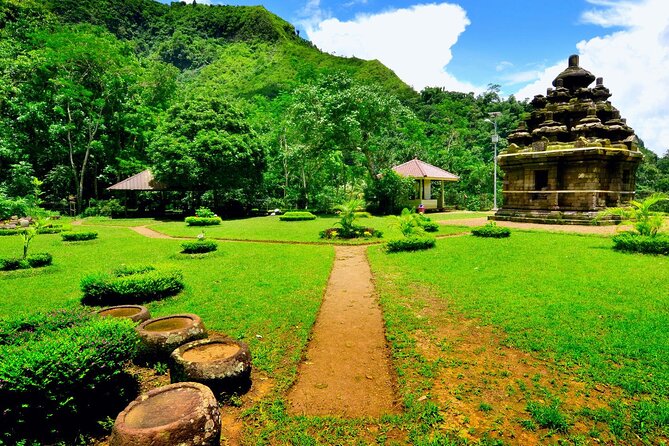
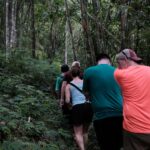
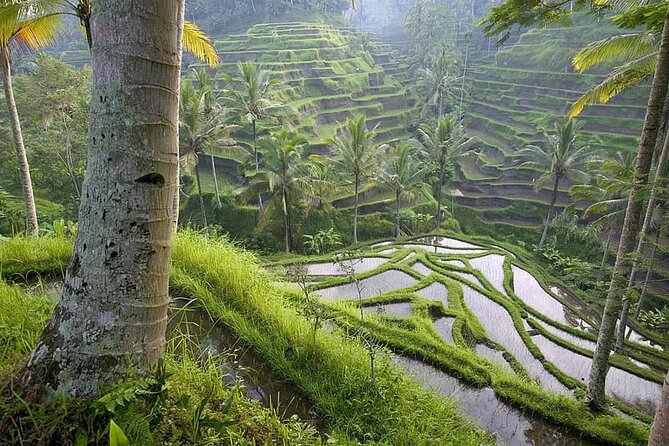
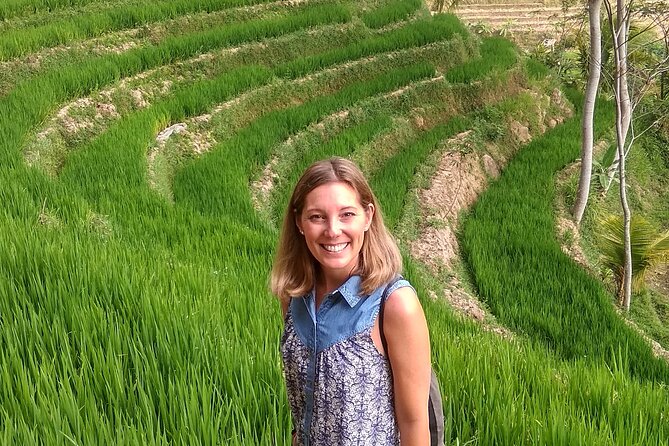
You’re trekking through green rice terraces where you might also see beans, corn, and other crops. The walk isn’t described as a brutal climb, but it isn’t “level ground stroll” either. Expect steady walking paths, plus a few steps when you get to the temple area.
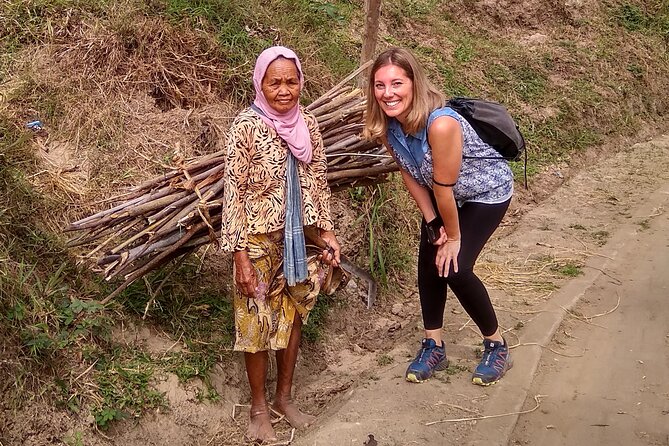
What makes this walk special is the variety of small moments. Along the way, you may pass farmers working the fields and you’ll get chances for wide shots—especially when the sun hits the terraces. One review detail that stuck with me: coffee trees can be blooming in season, and the smell makes the walk feel like it has an extra layer.
Practical note: plan for sun. Multiple guides and experiences emphasize sunscreen and a hat/sunglasses for the paddy walk. If you burn easily, this is not the day to “hope for shade.”
Selogriyo Temple: ancient, quiet, and worth a pause
Selogriyo Temple is the spiritual anchor of the trip. When I picture this place, I don’t imagine huge crowds; I picture you stopping, looking out over volcanic hills, then wandering the temple surroundings at a calmer pace.
Even if you’re not the type who reads every inscription, the site is interesting because it’s tied to the landscape and to everyday rural life. Reviews note it as well maintained and often quiet—some people even saw only a few other small parties. The surrounding gardens add a softer, human-scale feel.
If you care about photos: some guides (like Thomas and others) are happy to act as unofficial camera operators. Guides such as Arma and Maxi have been singled out for photo help, which matters here because the temple is at its best when you can capture the terraces behind it.
The coffee stop: a simple extra that adds big value
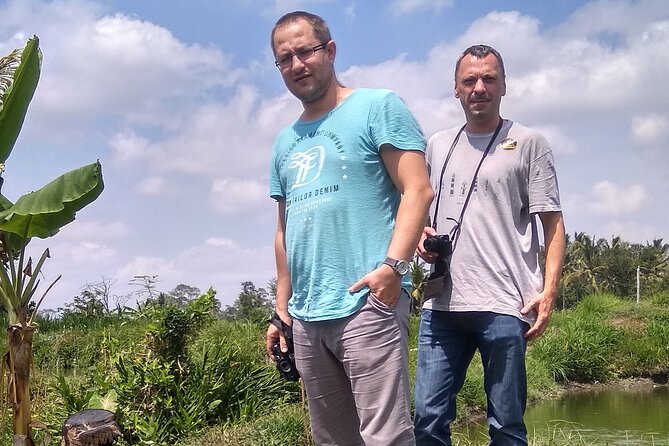
One of the nicest surprises on this kind of day trip is when the “snack stop” actually has a story. You may stop at a local place called Selogriyo Coffee (also referred to as Waroeng Kopi Selogriyo in one experience), where beans are grown on the hills behind the temple area.
This isn’t just a caffeine break. It’s a chance to connect what you’re seeing—terraces, farming, hills—with what people here make and sell. If you drink coffee, go for it. If you don’t, you can still enjoy tea and the viewpoint setting.
Food note: coffee stops can be separate from lunch, and lunch is not included in the basic tour price. One diner-friendly tip from a review: a local dish called Kupat Tahu was recommended at a restaurant, and it’s the kind of thing you’d likely miss if you were only sticking to big-city menus.
Late morning to afternoon: Kedung Kayang Waterfall and Mt. Merapi views
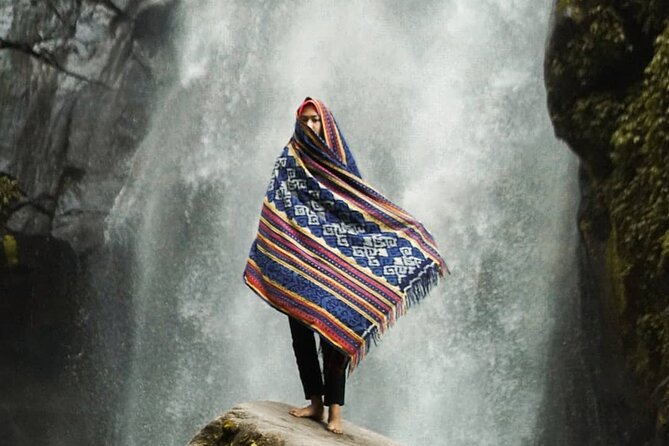
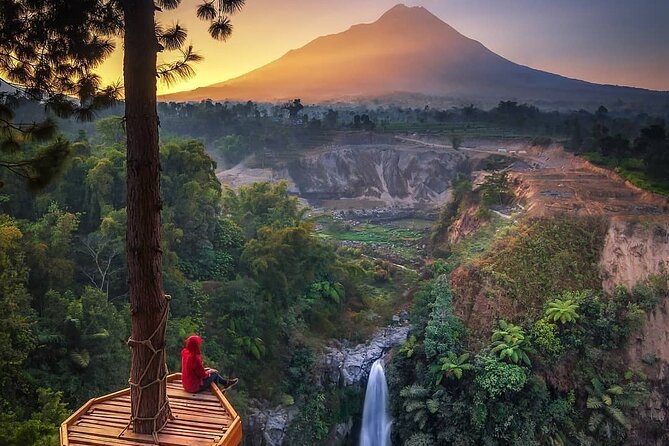
Then the day flips from farmland to water. The trip ends with Kedung Kayang Waterfall, described as a hidden waterfall at the base area of Mt. Merapi. The waterfall setup is often the star because you get multiple viewpoints: from above and also from down near the water.
The water is often described as clean with fresh air in the area, which makes it feel refreshing rather than just scenic. And photo opportunities tend to be plentiful because there are places to stop, look back, and frame the falls with the volcano behind—again, assuming weather and cloud cover cooperate.
One caution: Kedung Kayang can be busier with local tourists on holidays. Even when it’s not packed, you should still plan for that possibility and keep expectations flexible. The bigger win is that you’re arriving after a countryside morning, so even if there are people at the falls, the day still feels like you escaped.
The walk to the falls: what to wear and what to expect
This is where you should take the reviews seriously and pack smart. The waterfall route may involve crossing some shallow streams, plus a wet or muddy trail. If you go in sandals with grip, you’ll be happier. One practical suggestion that repeats: bring water sandals or flip-flops, and consider a small towel. Wear shorts and shoes that can handle a short hike and possibly damp ground.
Also, decide whether you’re going all the way down. Reviews note that you’ll need some fitness to climb back up if you go down to the lower areas of the waterfall. If you’re hiking with knee issues or you’re unsure of your footing, you can still enjoy the waterfall from safer points—just don’t force the full descent.
Timing and pacing: what a 10-hour day trip actually feels like
This is approximately a 10-hour experience, and that matters because you’re not just visiting two spots—you’re spending time moving through the region and walking between viewpoints. Car rides aren’t described as long drives overall, but traffic around Java can add time. Some people noted more time spent driving because roads can get crowded, so build in patience.
The pacing is often described as calm and relaxing. Several reviews highlight a slow, steady vibe, with breaks for coffee and time to take in views. You’ll also get a chance for lunch at or near the waterfall area.
If you hate rushing, you’ll likely like the rhythm here. If you only have one day and you’re trying to squeeze in everything, keep in mind that this is an active half-day plus long movement day.
Small group size: why max 10 changes the experience
The tour runs with a maximum of 10 travelers, and that’s a big deal for a day like this. With smaller numbers, the guide can stop for photos without everyone falling behind. It also usually means fewer people at the temple and on the terrace paths, which helps the whole experience feel less staged.
Guides also seem to tailor attention based on the group. People mention getting lots of photos taken and shared promptly, and they also mention guides checking in on comfort. If you’re traveling solo or you want a day that doesn’t feel awkward, a small group tends to work better than a large bus load.
Guides make a difference: Arma, Sigit, Didik, and others
This is one of those tours where the guide’s style shows up in the details. Different guides are mentioned with specific strengths:
- Arma: repeatedly praised for being attentive, informative, and good with photos.
- Sigit: highlighted for friendliness and knowledge, and for taking people to good spots among the terraces.
- Didik: noted for punctuality, local knowledge, and photo help, plus recommendations for coffee and local dishes.
- Maxi: praised for English, punctuality, extra care when someone got sick, and camera skills.
- Dani and Thomas: also praised for making the experience feel personal and guiding with confidence.
- Mika: mentioned as an excellent tour manager for communication and timing.
You don’t need to chase these names, but if your booking lets you know who’s guiding, it’s worth paying attention. A strong guide is the difference between just seeing places and actually understanding what you’re looking at.
Value check: $55 for a countryside day with entry fees
At $55 per person, you’re not paying for a fancy hotel day. You’re paying for a full day of transport, guide support, and access costs.
From the tour details, this price includes:
- air-conditioned vehicle
- all fees and taxes
- admission tickets for both main stops
- round-trip pickup from Yogyakarta city hotels (offered)
Lunch isn’t included, so you’ll budget for that separately. In practical terms, you should think of this as paying for a structured day of walking and transfers, plus paying for the sites—not just buying “a view.”
If you were trying to self-organize a rice-terrace hike to Selogriyo and then line up Kedung Kayang with a smooth return, it would likely take effort and extra costs. The value here is that you get a plan that runs on time, with someone already knowing where to go and what to look for.
Who this trip fits best (and who should reconsider)
This tour is a great match if you:
- like walking through countryside and want fewer crowds
- want a mix of culture (temple) and nature (waterfall)
- enjoy local coffee stops and small local food finds
- want photo-friendly stops without a rigid schedule
It may be a weaker fit if you:
- dislike any slippery footing (water/stream crossings can happen)
- don’t want to climb back up from the lower waterfall areas
- only care about massive, world-famous temples (Selogriyo is smaller and more quiet)
One more honest thought: one review notes the temple wasn’t special for them. So if your personal “must” is big-scale temple grandeur, you might find this is more about the setting than the monument size.
Get ready checklist: what to pack
Here’s the simple packing list based on what’s repeatedly relevant:
- sunscreen and a hat
- sunglasses if sun is strong
- water sandals or flip-flops for stream/wet trail sections
- a towel (handy after wet areas)
- shorts and shoes you trust for a short hike
- a light rain layer you can tolerate if weather shifts (the experience needs good weather)
Should you book Selogriyo and Kedung Kayang?
I’d book it if you want a day that feels like you’re living in Java for a bit—rice terraces, a peaceful temple pause, then a waterfall with Merapi behind it. The small group size and the guidance quality (Arma, Sigit, Didik, Maxi, and others) are a strong signal that the day won’t feel chaotic.
I’d hesitate if you’re expecting easy walking the whole way or you’re not comfortable with wet, muddy footing and climbing back up. Also, remember that lunch isn’t included, so plan for that cost and don’t assume the temple area has lots of options right next to it.
If you’re staying in Yogyakarta and you want something authentic outside the big-ticket monuments, this is a very solid use of a day.
FAQ
How long is the Selogriyo Temple and Kedung Kayang Waterfall trip?
It runs about 10 hours (approx.), with time split between Selogriyo Temple and the waterfall stop.
What’s included in the tour price?
The tour includes an air-conditioned vehicle, all fees and taxes, and admission tickets for the main stops. Pickup is offered from your Yogyakarta city hotel.
Is lunch included?
No. Lunch is not included in the tour price, though you’ll have time to eat at local places during the day.
How big is the group?
The experience has a maximum of 10 travelers, which helps keep the day from feeling crowded.
Do I need to be able to hike?
Yes, there is trekking through rice terraces and a walk to the waterfall. The route to Kedung Kayang can involve wet or muddy ground, stream crossings, and some climbing back up if you go down to the falls.
What should I wear or bring for the waterfall?
Wear shoes you can handle wet ground and consider water sandals/flip-flops. Bringing a towel is also suggested, since you may get wet from stream crossings and the muddy trail.
What weather conditions are required?
The experience requires good weather. If poor weather forces a change or cancellation, you’ll be offered a different date or a full refund.