REVIEW · KATHMANDU
annpurna base camp trekking
Book on Viator →Operated by nepal tourism adventure kathmandu · Bookable on Viator
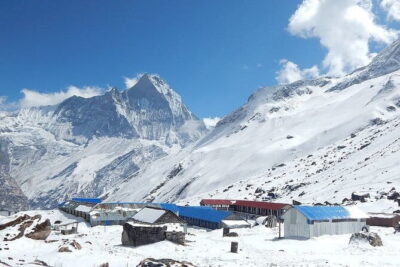
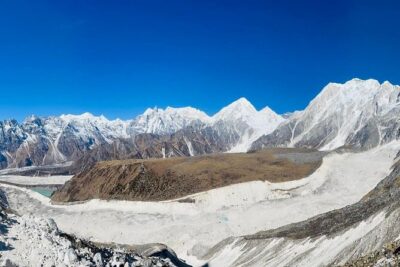
A trail like this reshapes your sense of scale. This Annapurna Base Camp trekking trip blends classic mountain views with village walking, including a Poon Hill sunrise morning and a direct route toward Annapurna’s base-area.
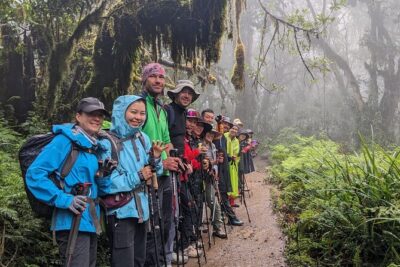
Two things I like right away: the route is structured around solid day-to-day walking times, and the support sounds unusually responsive—guides like Ram Shahi (and others mentioned, including Dan, Resham Gurung, and Lok) get praised for safety, quick problem-solving, and calm energy.
One thing to consider: you’re committing to a 12-day schedule with moderate fitness needs, and the whole experience depends on good weather, so you’ll want to stay flexible.
In This Review
- Key Highlights at a Glance
- Annapurna Base Camp Trek: Why This Route Feels So Nepal
- Kathmandu + Hotel First: A Calm Start Before You Hike
- Pokhara to Ulleri: The Trek Starts With Purpose (Not Randomness)
- Ghorepani to Poon Hill Sunrise to Tadapani: The Big Morning Payoff
- Chhomrong and Bamboo: Settling Into the Annapurna Rhythm
- Deurali and Toward Machhapuchhare Base Camp: More Steep, More Focus
- The Long Day to Annapurna Base Camp: Where Patience Pays
- Jhinu Danda Hot Springs: The Recovery Day You’ll Look Forward To
- Day 12 Back to Kathmandu by Tourist Bus: Finish Clean, Not Messy
- Guides and Support: What You’re Really Paying For
- Price and Value: Is $1,100 Worth It?
- Walking Times: The Real Fitness Check (Not a Guess)
- Weather Reality: When the Mountains Call the Shots
- Should You Book This Annapurna Base Camp Trek?
- FAQ
- Where does the trekking start and end?
- How long is the Annapurna Base Camp trek?
- Is airport pickup included?
- Is this a private tour?
- What fitness level do I need?
- What does the walking schedule look like?
- What if the weather is poor?
- What is the cancellation deadline for a full refund?
Key Highlights at a Glance
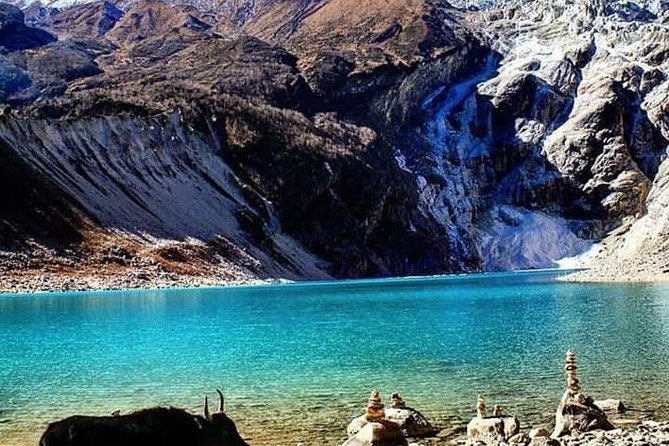
- Poon Hill sunrise plus onward trekking: start early, then keep moving toward Tadapani and Chhomrong.
- Big mountain payoff days: Machhapuchhare base-area walking and the longer day to Annapurna Base Camp.
- Support that goes beyond the map: multiple reviews point to guides organizing sleep, handling issues, and staying on top of safety.
- Easy-to-understand structure: each day has clear walking blocks (often 4–6 hours, with a couple longer days).
- Private group feel: it’s listed as private, so your group handles the pace together.
Annapurna Base Camp Trek: Why This Route Feels So Nepal

Most people come to Nepal for big peaks, but Annapurna Base Camp delivers a different kind of payoff. You’re not just chasing height—you’re moving through towns, fields, and viewpoints where the day-to-day rhythm matters. On this itinerary, that rhythm is built around predictable walking blocks, early starts for sunrise, and the gradual tightening of the mountain setting.
I also like that this trek isn’t one-note. The plan includes Pokhara’s transition (Nayapool onward), a signature Poon Hill moment, and then the longer “stay with it” days that lead toward Annapurna Base Camp. That mix tends to work well if you want scenery and culture without having to “perform” extreme hikes every day.
The other reason this trek stands out in practice is support. In the reviews you shared, guides such as Ram Shahi (often paired with Dan) show up repeatedly for being level-headed and organized—exactly what you want when the trail gets steep, weather shifts, or you need answers fast.
You can also read our reviews of more tours and experiences in Kathmandu.
Kathmandu + Hotel First: A Calm Start Before You Hike
Your trip begins at Tribhuvan Airport in Kathmandu, with pickup offered. Then you stay at a hotel in Kathmandu, which is a useful buffer day conceptually. Even if you arrive tired, you’re not immediately dropped onto a long trail with heavy logistics.
From a traveler’s point of view, this first stage does two important jobs:
- It helps you reset after the flight.
- It makes the next day’s movement to Pokhara feel less chaotic.
It also matters that the activity lists near public transportation. That’s a small detail, but it usually means it’s easier to handle any last-minute needs in Kathmandu without hunting across town.
Pokhara to Ulleri: The Trek Starts With Purpose (Not Randomness)
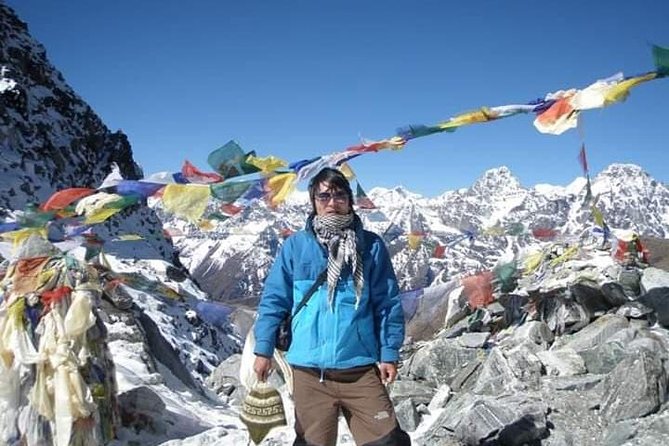
Day 2 sets the tone. You go from Pokhara to Nayapool, then walk to Ulleri for about 4 hours. This is a smart first trekking day because it’s long enough to get your legs awake but not so long that you’re wrecked for the next step.
Day 3 continues with Ulleri to Ghorepani for about 5 hours. By this point, you’re building a rhythm: steady walking, short stops, and enough time to start noticing how the villages change as altitude and weather shift.
What you’ll likely love here is how quickly you can start reading the trail. The scenery changes block by block, and the walking times are consistent enough that you don’t feel like you’re guessing.
Potential drawback: if you’re sensitive to early-morning starts or you haven’t hiked in a while, those 4–5 hour days in the first stretch can still feel like work. The good news is the itinerary doesn’t jump straight into ultra-long days.
Ghorepani to Poon Hill Sunrise to Tadapani: The Big Morning Payoff
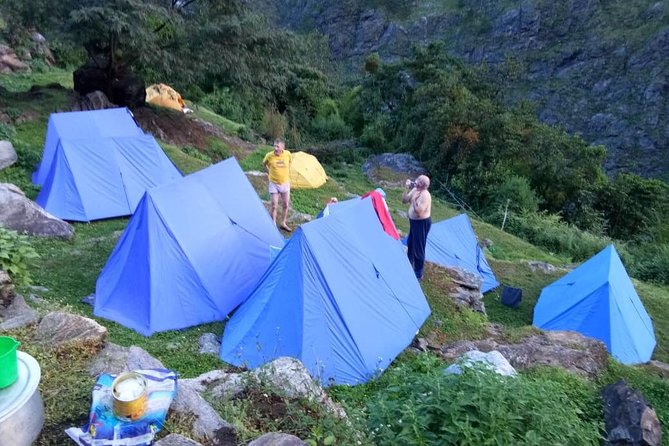
On day 4, the schedule includes Ghorepani to Poon Hill for sunrise, then continuing on to Tadapani for about 6 hours total walking.
This is the kind of morning that’s worth planning around. Sunrise at Poon Hill is one of those Nepal moments where timing matters, and the rest of the day gives you somewhere to go right after—so you’re not just doing one quick viewpoint stop and then waiting around.
After the sunrise moment, you keep walking to Tadapani. That matters because it turns the early start into progress. You’re not spending your best daylight hour staring at a view and then rolling downhill into an unplanned day.
If you’re the type who likes structure, this part of the trek is clean: you know what the morning is for, and you know where the day ends.
Chhomrong and Bamboo: Settling Into the Annapurna Rhythm
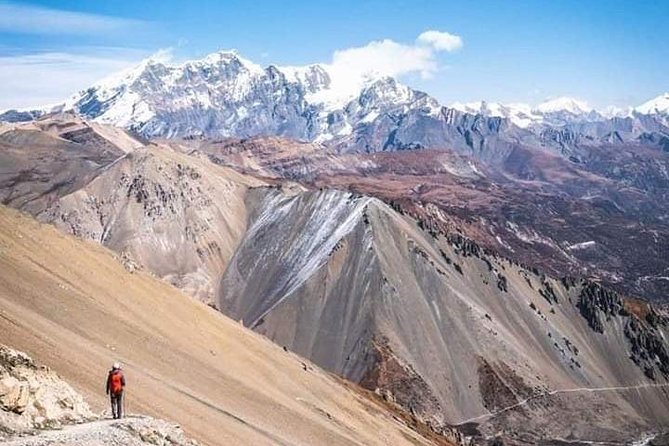
Day 5 is Tadapani to Chhomrong for about 4 hours. Day 6 moves Chhomrong to Bamboo for about 4 hours.
These days are important because they’re your “settling” stretch. The trail is still working you, but the walking blocks stay manageable. You’re not being asked to run a marathon across the mountains. You’re learning how to pace.
In the reviews you shared, guides like Ram Shahi show up as the kind of person who helps a group feel safe and confident. On days like these, that support can matter a lot—not because you can’t walk, but because you want someone watching conditions, managing logistics, and helping your brain stay calm on steep moments.

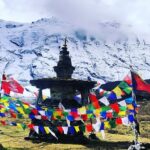
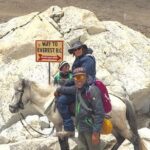
Deurali and Toward Machhapuchhare Base Camp: More Steep, More Focus
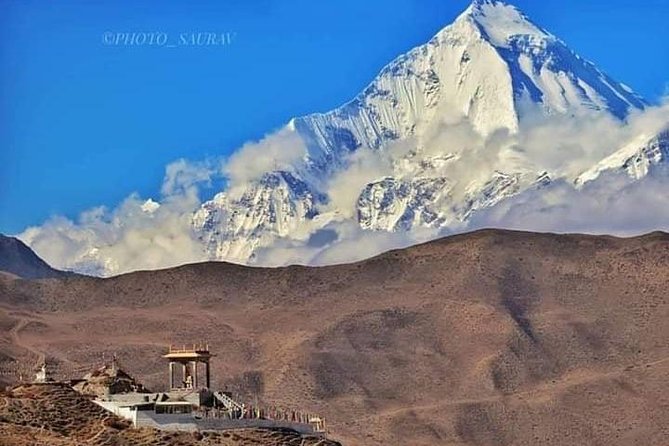
Day 7 is Bamboo to Deurali for about 5 hours. Day 8 is Deurali to Machhapuchhare base camp for about 5 hours.
This section is where the trek starts asking for more mental focus. The trail tends to feel longer not just because it’s a 5-hour day, but because conditions can be less forgiving. You’ll want steady footwork and a relaxed pace.
Here’s what I take from the reviews: a good guide isn’t only about speed. Multiple entries credit guides for finding lodging and handling problems effectively, and that kind of organization really helps when you arrive with tired legs and want things to be handled for you.
So if you’re considering this trek and you value calm leadership, this is the part where you’ll appreciate it.
The Long Day to Annapurna Base Camp: Where Patience Pays
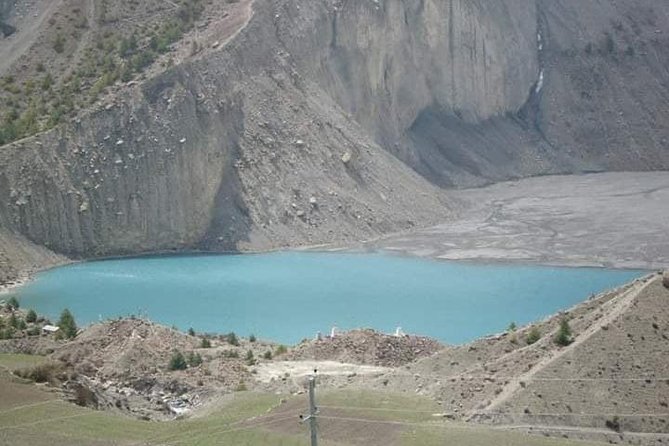
Day 9 is the big one: Machhapuchhare base camp to Annapurna Base Camp and Bamboo for about 8 hours.
That’s not subtle. This is a full trekking day, and it’s the kind of day where pace management becomes everything. You’ll likely be tired by the end, but it’s also the day that carries the trip’s core payoff: reaching Annapurna Base Camp area.
A practical note: because the itinerary includes returning to Bamboo on the same day, you’ll want to treat this as a whole-day mission rather than a quick target stop. Plan your energy accordingly.
Jhinu Danda Hot Springs: The Recovery Day You’ll Look Forward To
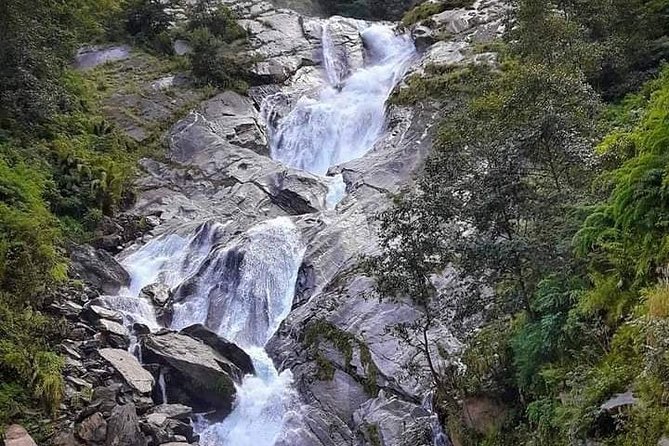
Day 10 goes Bamboo to Jhinu Danda for about 6 hours. Day 11 is Jhinu Danda to Nayapool for about 6 hours, plus a drive to Pokhara afterward.
Jhinu Danda is built into the itinerary as a decompression moment. After the longer Annapurna Base Camp day, the plan gives you a place to recover and enjoy a change in pace before the final transit blocks.
This part of the trek is also useful because it breaks the emotional cycle. When you’ve just hit the big goal, the trek can feel like either celebration or emptiness. Adding Jhinu Danda and then working your way back toward Pokhara helps smooth that transition.
Day 12 Back to Kathmandu by Tourist Bus: Finish Clean, Not Messy
On day 12, you drive to Kathmandu by tourist bus. The trip ends back at the meeting point (the starting area at Tribhuvan Airport in Kathmandu).
That last-day plan matters for peace of mind. You’re not guessing how to get from the mountains to your flight day. You already have a known return method, and the end point is tied to where the experience starts.
Guides and Support: What You’re Really Paying For
The price on this trek covers more than a route. It covers leadership. And in the reviews you provided, leadership is the repeated theme.
Names that come up for Annapurna-related guidance include:
- Ram Shahi, often with Dan
- Resham Gurung
- Lok
- Nanda Gurung
Across those entries, the praised traits are consistent:
- feeling safe on the trail
- organizing sleeping arrangements
- handling issues and transportation quickly when needed
- keeping communication clear, even in stressful situations
One story you shared stands out for sheer urgency: a medical emergency where arrangements were made for emergency transport. Even if that’s not your plan, it shows what the operation is built for—problem solving, not just leading.
So if you’re worried about unreliable logistics, this is where you should feel reassured.
Price and Value: Is $1,100 Worth It?
At $1,100 per person for roughly 12 days, the value comes from how the itinerary is constructed and how support is described.
Here’s what you’re getting for that price based on your details:
- Pickup offered at Kathmandu airport
- Hotel stay in Kathmandu
- A structured trek with clear walking time blocks
- A private tour format (only your group participates)
- Mobile ticket and a guided experience
- Return transport back to Kathmandu by tourist bus
Is it cheap? No. But trekking in Nepal isn’t priced like a casual city tour. When you compare this cost to what you’d spend trying to self-organize a multi-day route with a reliable support system, the math usually gets more favorable.
If you’re traveling in a group where you want personal pacing—rather than being folded into a mixed group—this private setup can feel like a smart upgrade.
The one caution: the experience depends on good weather and a minimum number of travelers. If you’re going at a time when conditions might be uncertain, you’ll want to treat schedule changes as part of the plan rather than a surprise.
Walking Times: The Real Fitness Check (Not a Guess)
Your itinerary’s walking hours give you the clearest fitness picture:
- 4 hours (Nayapool to Ulleri)
- 5 hours (Ulleri to Ghorepani)
- 6 hours (Ghorepani to Poon Hill sunrise to Tadapani)
- 4 hours (Tadapani to Chhomrong)
- 4 hours (Chhomrong to Bamboo)
- 5 hours (Bamboo to Deurali)
- 5 hours (Deurali to Machhapuchhare base camp)
- 8 hours (Machhapuchhare base camp to Annapurna Base Camp and Bamboo)
- 6 hours (Bamboo to Jhinu Danda)
- 6 hours (Jhinu Danda to Nayapool), then drive to Pokhara
The tour also states you should have moderate physical fitness. So I’d frame this for you like this: if you can handle repeated half-day walks and you’re not expecting an easy stroll, you’ll be in the right zone.
You don’t need to be an athlete. You do need to show up with basic hiking stamina and the willingness to pace.
Weather Reality: When the Mountains Call the Shots
This experience explicitly lists a weather dependency. It requires good weather, and if it’s canceled due to poor weather, you’ll be offered a different date or a full refund.
That matters for two reasons:
- Mountain schedules can shift fast, even if the itinerary is planned.
- Your best strategy is to pack your mind for flexibility and avoid tying the trek to a rigid non-negotiable deadline.
Also, the schedule depends on having a minimum number of travelers. If your dates are exact, confirm availability early.
Should You Book This Annapurna Base Camp Trek?
I’d book this if you want:
- the classic Annapurna Base Camp goal, not just a short viewpoint hike
- the Poon Hill sunrise add-on for early mountain magic
- an itinerary that gives you day-to-day clarity (real walking times)
- support that’s repeatedly described as safe, organized, and quick to solve problems
I wouldn’t book it if you want a low-effort trip, or if you strongly dislike early mornings and longer days—especially the 8-hour day toward Annapurna Base Camp.
If you’re a “let’s do it right” hiker with moderate fitness, this trek’s structure and the guide track record make it a strong choice.
FAQ
Where does the trekking start and end?
The trek starts at Tribhuvan Airport in Kathmandu, Nepal, and it ends back at the same meeting point.
How long is the Annapurna Base Camp trek?
It’s listed as 12 days (approx.).
Is airport pickup included?
Yes, pickup is offered.
Is this a private tour?
Yes. It’s listed as a private tour/activity, and only your group participates.
What fitness level do I need?
The tour says travelers should have a moderate physical fitness level.
What does the walking schedule look like?
Walking days range from about 4 to 6 hours on most days, with a longer 8-hour day on the route that includes reaching Annapurna Base Camp and then continuing to Bamboo.
What if the weather is poor?
The experience requires good weather. If it’s canceled due to poor weather, you’ll be offered a different date or a full refund.
What is the cancellation deadline for a full refund?
You can cancel up to 24 hours in advance for a full refund. If you cancel less than 24 hours before the start time, the amount paid is not refunded.