REVIEW · KATHMANDU
8 Days Tour in Langtang Valley Trek
Book on Viator →Operated by Magical Nepal · Bookable on Viator
Langtang feels close, but it’s still serious hiking. I love the way this trek delivers big mountain panoramas plus simple village life you actually walk through, including Tamang communities and small settlements. I also really liked the guiding support that keeps the pace sane day after day. The main drawback: the high point climb reaches 4,985 m, so you need real fitness and patience with altitude.
This is one of the shorter “classic” treks from Kathmandu. That matters because you spend less time in transit and more time on foot, watching forests shift to bamboo stands, then opening toward the Langtang range. The group stays small too, with a maximum of 8 travelers, which makes it easier to move together and get personal attention.
A lot of guides are praised here, and the theme shows up clearly in the names: KP, Sajan, Mitra, Pemba, Jay, and Dil Man Tamang. If you want a trek that feels well managed without turning into a military march, this one is worth a close look.
In This Review
- Key highlights to know before you go
- Why the Langtang Valley trek is a standout value for “limited time”
- Getting from Kathmandu to Syabrubesi without turning it into a headache
- Day-by-day walking: from Lama Hotel to Phakding through park scenery
- Into the Langtang Valley: forests, villages, and those first real peak glimpses
- Kyanjin Gompa at 3,870 m: monastery calm and strong views
- Tserko Ri day hike: the hard part, capped with a 4,985 m payoff
- The return rhythm: descending to Lama Hotel and finishing in Syabrubesi
- Tea houses, set meals, and why “included food” matters on trek days
- Guide power is the real difference-maker here
- Price and logistics: what $698 buys you (and what it doesn’t)
- Who this trek is best for (and who should reconsider)
- Should you book this Langtang Valley trek?
- FAQ
- Where does this tour start and end?
- How many days and nights are included?
- What’s included in the trekking package?
- What’s the highest point on the trek?
- Is hotel pickup included?
- How physically demanding is the hike?
- What if the trek can’t run due to weather or changes in group size?
Key highlights to know before you go
- Short trek from Kathmandu with enough mountain time to feel like a real Himalayan trip
- Kyanjin Gompa at 3,870 m for monastery atmosphere and wide Langtang views
- Tserko Ri climb to 4,985 m for a high-altitude day hike payoff
- Small group size (up to 8) for a calmer pace and easier guide support
- Guides with strong people skills like KP, Sajan, and Mitra, who help with comfort and motivation
Why the Langtang Valley trek is a standout value for “limited time”
If you’re short on days but still want that Himalayan feeling, Langtang Valley is one of the smartest choices. It’s often described as the shortest trek from Kathmandu, and that shows in how the schedule is built. You still get to walk through different terrain—forests, villages, and then the higher zones where the air changes—but you’re not stuck for weeks doing logistics.
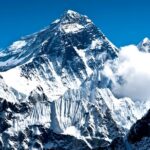
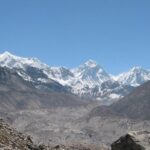
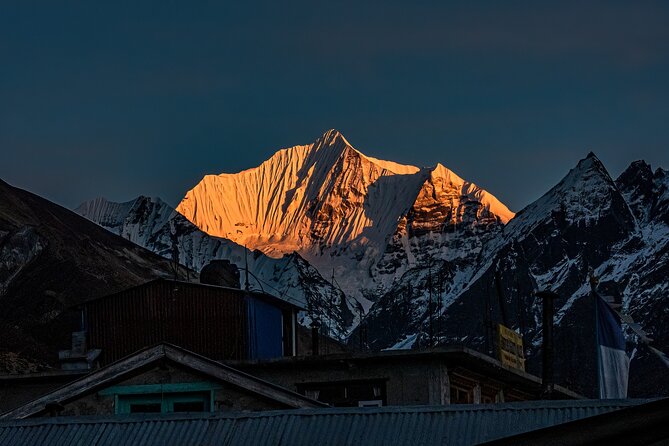
The best part is the balance. You’re moving daily, yet the trip gives you time to stop, look, and breathe. The mountains don’t just appear at the end. You get views that build gradually as you climb, with the Langtang Lirung and surrounding peaks showing in layers as the trail goes higher.
And I appreciate that the tour is structured for comfort in the real-world sense: teahouses every night, set meals during the trek, and a guide who stays with you through the hardest parts. Reviews repeatedly highlight guides who keep things comfortable and motivating—KP, Sajan, Mitra, and Jay come up again and again. That matters more than people expect when you’re tired.
You can also read our reviews of more tours and experiences in Kathmandu.
Getting from Kathmandu to Syabrubesi without turning it into a headache
Day one is mostly about travel. Your guide comes to your hotel to pick you up, then you head to Machaphure chowk in northern Kathmandu to catch the tourist bus connection toward Syabrubesi. It’s a long ride, around 8–9 hours, and you’ll stop for lunch along the way.
This is one of those days where good organization really pays off. You’re not navigating alone, and the guide is handling the “where do we go next” steps. Also, the tour includes local transport around the Kathmandu–Syabrubesi legs, which removes a chunk of stress from your travel day.
Small caution: a bus day followed by hiking can be a rough combo for some people. If you’re the type who needs a full recovery day before walking, plan to take it easy early. Don’t treat day two like a sprint.
Day-by-day walking: from Lama Hotel to Phakding through park scenery
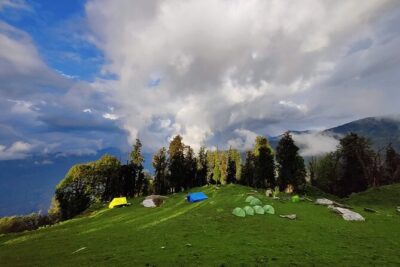
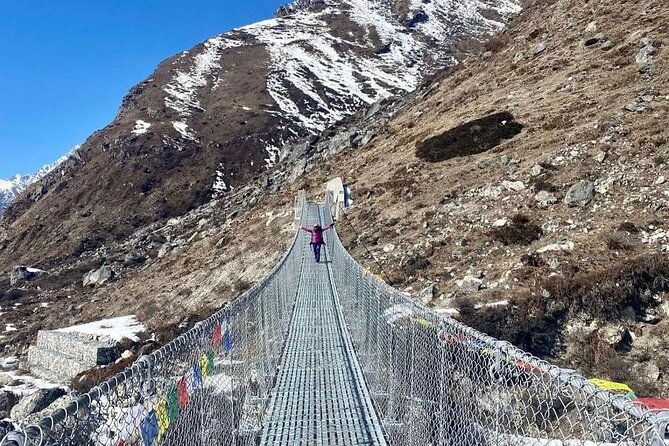
Once you’re out in the trek zone, you start with Langtang National Park. The first hiking segment is about 6 hours to Lama Hotel, and it runs through a mix of forests, villages, and pastures. You’re also surrounded by river-and-valley scenery, and the trail feels varied rather than repetitive.
After you reach the park area, there’s a nice practical touch: porters sort out your bags after you disembark, so you’re not wrestling with everything yourself. Then you walk roughly 3 more hours to Phakding, where you spend your first night.
Why this matters: it’s a gentle ramp into the trek. You’re not jumping straight to steep altitudes on day two. I like that the early days create momentum without forcing you into a “death march” right away.
Into the Langtang Valley: forests, villages, and those first real peak glimpses
On the next day, you follow a narrower trail for about 7 hours. This part goes through forests and small villages, with terraced fields and open viewpoints mixed in. You often catch glimpses of the Langtang Lirung and other peaks, not just at one scenic moment but intermittently as you walk.
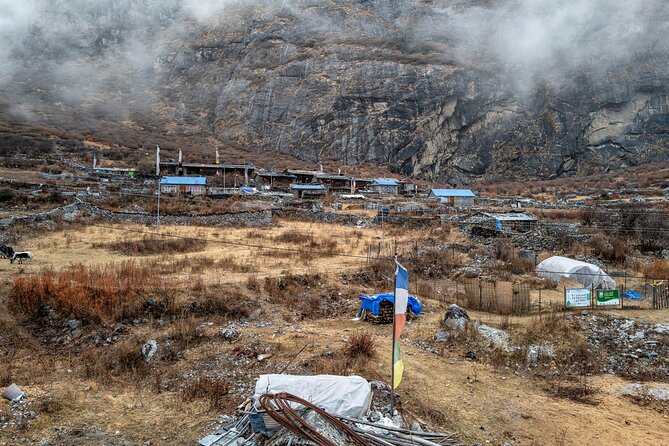
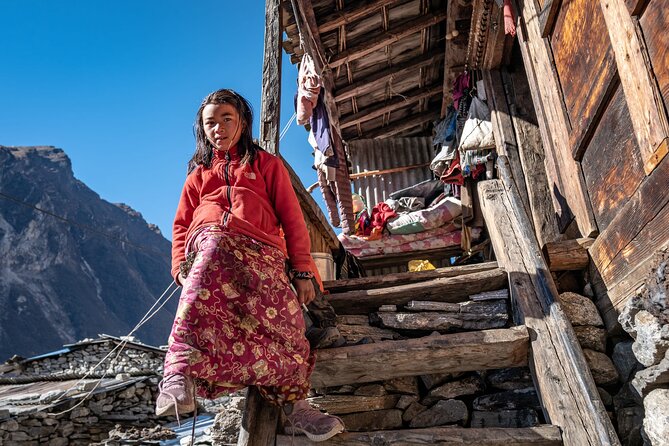
The value here is the human scale. Langtang Valley isn’t just a hiking corridor. You pass through places where life continues—houses, local rhythms, and the kind of everyday movement that makes the area feel inhabited, not staged.
This is where the Tamang community theme becomes more than a brochure line. The trek route is set up to let you interact with the local culture as you pass through settlements. Just be thoughtful and respectful. A simple smile and a polite hello go a long way on a trail like this.
Kyanjin Gompa at 3,870 m: monastery calm and strong views
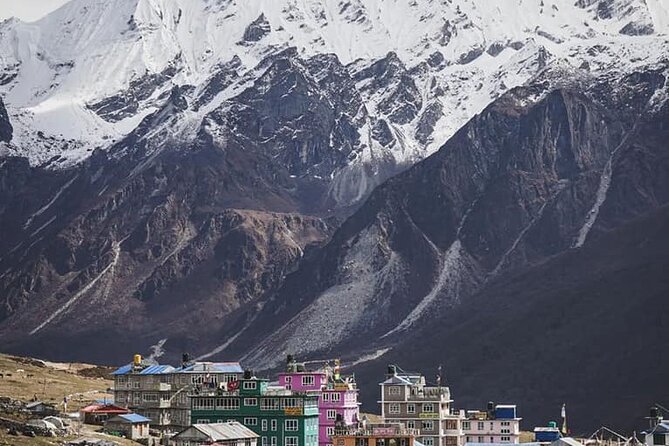
Reaching Kyanjin Gompa is one of the emotional anchors of the trek. It sits around 3,870 meters, and by the time you’re there, you can feel the altitude in a very real way—less about fear, more about breath and pacing.
The settlement itself is small and centered around the monastery feel. You’re surrounded by forest in the approach, then the area opens into those panoramic lines toward the Langtang range. The view isn’t a single photo spot. It’s a “look up, look around” kind of place.
Practical tip: take your time here. You don’t want to arrive at the top and then rush everything. Kyanjin Gompa works best when you let it settle into your body—slow steps, slower conversations, and lots of stopping.
Tserko Ri day hike: the hard part, capped with a 4,985 m payoff
Day five is your challenge day. The loop goes from Kyanjin Gompa up toward Tserko Ri (4,985 m) and back. Expect around 8–9 hours total, and yes, it’s tough.
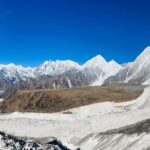
But this is also where the trek earns its keep. Reviews consistently call out the view from the top as impressive and memorable, and you can see why. When you’re that high, the horizon expands and the mountains start looking like a whole system rather than a single dramatic peak.
This hike is where your guide’s style matters a lot. Names like KP and Sajan show up repeatedly in positive feedback for keeping people comfortable and encouraged. If you have a guide who can manage pace, that changes everything. It’s not just motivation—it’s rhythm. You want steady effort, not bursts that leave you gasping.
What I’d watch for: weather shifts can hit higher altitude fast. Go at the pace your guide sets, keep water in you, and don’t “win” the hike by overshooting your breathing needs.
The return rhythm: descending to Lama Hotel and finishing in Syabrubesi
After the Tserko Ri day, you head back down toward Lama Hotel and spend the night there. This is a different kind of effort. Ascents test your lungs; descents test your legs. Your knees and feet will feel it, so take downhill steps seriously.
Then you continue descending all the way to Syabrubesi, where you stay overnight in a guest house. The trek ends with another long transport day back to Kathmandu. You’ll have breakfast and return to Kathmandu on day eight.
I like the way the return is paced. You’re not trying to squeeze in anything heroic. It’s a clear unwind after your peak day, which makes the overall trip feel more humane.
Tea houses, set meals, and why “included food” matters on trek days
This trek includes 7 nights of mountain teahouse accommodation. It also includes set meals while on the trek—breakfast and lunch daily, plus dinner on the trekking nights.
On paper, that’s just meal counts. In real life, it’s big. When you’re hiking all day, food becomes one of the few predictable anchors. You’re not hunting for meals mid-trail or deciding what to order under tired decision-making.
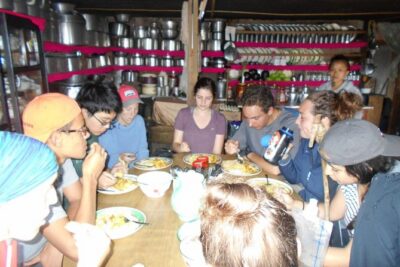
Also, reviews mention tea houses being cozy and meals being good along the way. That lines up with why teahouse treks work for many people: you trade luxury for consistency, and that consistency helps you recover between walking days.
One more small point: the included structure reduces spending surprises on the trail. You’ll still pay for personal expenses, but the core daily rhythm is covered.
Guide power is the real difference-maker here
The tour experience gets a lot of credit for the guides, and you can see patterns in the names. KP shows up as a standout, often praised for keeping trekkers comfortable and tailoring the hike to match energy levels. Sajan gets similar love, especially for humor and encouragement during difficult sections.
Mitra is mentioned for being helpful and insightful about villages and culture. Jay is praised for making the experience unforgettable and ensuring people are comfortable. Pemba and Kailas also get credit for care and cultural exchange.
Why this matters: on a trek like this, the “product” isn’t only the mountain. It’s the day-to-day management—pace, comfort breaks, morale, and knowing when to push and when to slow down. When those skills show up in guide reviews, it’s a good sign.
If you get one of these guides, you’re likely to get more than instructions. You’ll get someone watching your footing, adjusting the rhythm, and helping you enjoy the scenery without overcooking the schedule.
Price and logistics: what $698 buys you (and what it doesn’t)
At $698 per person, this trek isn’t a budget micro-trip, but it also isn’t priced like a private expedition. The value comes from what’s bundled:
- Guide for the 8 days
- Langtang National Park permit
- Accommodation in mountain teahouses for 7 nights
- A set meal plan on the trek
- Local transport support for the Kathmandu–Syabrubesi legs
You’re also getting a small group cap of 8 travelers, which often translates to better attention without the cost of going fully private.
What’s not included is also important. Lunch and dinner in Kathmandu are on you. Travel insurance and personal expenses are on you too. So if you hate thinking about budgets, plan ahead for those city meals and any extras you want on the trail.
The other logistics note is practical rather than financial: the trip depends on weather. The trek is scheduled through mountain seasons, and poor weather can affect timing. The good news is that the experience is set up to offer alternatives or refunds if weather forces a change.
Who this trek is best for (and who should reconsider)
This is a trek for people with strong physical fitness. The schedule includes a meaningful uphill day to Tserko Ri and long walking segments across multiple days.
You’ll likely enjoy it most if:
- You want a shorter Himalayan trek from Kathmandu
- You’re okay with teahouse-style accommodation
- You care about both views and cultural village walking
- You like having a guide manage pace so you can focus on enjoying the route
You might think twice if:
- You have limited tolerance for high altitude exertion
- You’re expecting a fully easy stroll every day
- You want total independence without guide support
Also, if you’re sensitive to fatigue from travel days, remember the trek starts with a long bus ride and ends with another one. Plan to be flexible with your energy.
Should you book this Langtang Valley trek?
I think this is a strong booking if you want a real Himalayan trek that stays structured and personal. The combination of Langtang National Park walking, monastery atmosphere at Kyanjin Gompa, and the summit push to Tserko Ri creates a full arc—easy-ish entry, a cultural middle, and a real high point day.
It’s also a good value proposition because the essentials are covered: guide, permits, teahouse nights, and meals during the trek, plus local transport support. Add small group size and the repeated guide praise for comfort and encouragement, and you get a trip that feels designed for normal people—not just strong fitness machines.
If you’re physically ready and you respect altitude as a factor, book it. If you’re unsure about conditioning, use the trek’s highest point as your reality check and train accordingly before you go.
FAQ
Where does this tour start and end?
The meeting point is Tribhuvan Airport in Kathmandu, Nepal. The activity ends back at the meeting point.
How many days and nights are included?
It’s an 8-day trek (approx.) and includes 7 nights of mountain teahouse accommodation.
What’s included in the trekking package?
The package includes the guide for 8 days, Langtang National Park permit, mountain teahouse accommodation for 7 nights, and set meals during the trek (breakfast and lunch while on trek, plus dinner on the trekking nights). It also includes Kathmandu–Syabrubesi Kathmandu local bus and staff insurance for support staff.
What’s the highest point on the trek?
The highest point mentioned is Tserko Ri at 4,985 meters.
Is hotel pickup included?
Yes. Pickup is offered, and your guide comes to your hotel.
How physically demanding is the hike?
The tour advises travelers should have a strong physical fitness level. The plan includes multiple long hiking days and a challenging day hike up to Tserko Ri.
What if the trek can’t run due to weather or changes in group size?
This experience requires good weather. If it’s canceled due to poor weather, you’ll be offered a different date or a full refund. It also requires a minimum number of travelers; if that minimum isn’t met, you’ll be offered a different option or a full refund.