REVIEW · KATHMANDU
Everest Base Camp Trekking
Book on Viator →Operated by Above the Himalaya Trekking · Bookable on Viator
Lukla flights feel like a dare. This 12-day Everest Base Camp trek keeps the hard parts mostly about walking and acclimatization, not paperwork. I love that permits and park fees are included, and that you get a Wilderness First Aid-trained guide plus porters to take the heavy load. The trade-off is that teahouses are basic, and extras like hot showers and drinks aren’t part of the deal.
You’ll also be trekking privately with only your group, which matters on a route as crowded as this can get. And the team is guided by Puru, who’s described as staying responsive and hands-on when things get messy.
In This Review
- Key things I’d zero in on before booking
- Private trek support that actually changes your day
- Value check: what the $1,998 includes (and what you still pay for)
- Day 1 to Phakding: Lukla, then a teahouse bed
- Namche Bazaar and acclimatization: turning altitude into a plan
- Tengboche Gompa via Deboche: Sherpa culture meets big views
- Dingboche, Dughla, and Lobuche: when the trail gets steeper
- Lobuche to Gorakshep and Everest Base Camp: the moment you came for
- Kalapatthar to Pheriche: the viewpoint climb and the practical descent
- The walk back to Lukla: Tengboche to Monjo to the final flight
- What’s it like on the ground: teahouses, meals, and small comfort limits
- Packing reality: the gear list is practical, not fantasy
- Who should book this, and who should think twice
- Should you book Above the Himalaya for Everest Base Camp?
- FAQ
- Where is the meeting point in Kathmandu, and what time do we start?
- How do we get to the trekking route?
- Are permits and park fees included?
- Are teahouses and meals included?
- Do we have a guide and porters?
- Is this trek private?
- What’s the maximum weight for the backpack I carry?
- Can I cancel for a full refund?
Key things I’d zero in on before booking
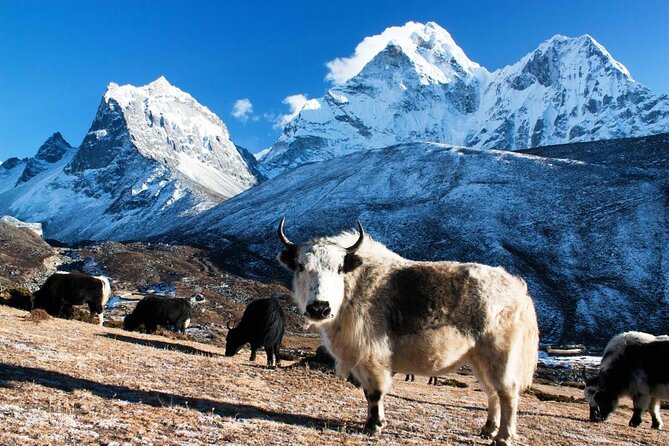
- Permits and Sagarmatha National Park fees included so you don’t have to budget or chase paperwork mid-trip
- Trained guide and porters (1 porter per 2 trekkers) with insurance and support included
- Teahouses + most meals included so you can focus on altitude and energy, not logistics
- A practical acclimatization rhythm built around Namche and later climbing days
- Everest Base Camp + Kalapatthar viewpoints without needing to invent your own schedule
Private trek support that actually changes your day
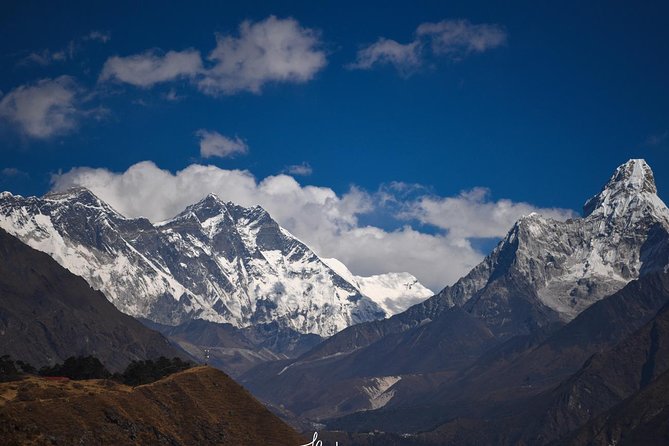
On Everest Base Camp, the biggest risks aren’t just the altitude. They’re the small failures: missing a permit, carrying too much, losing time, or not adjusting when conditions aren’t ideal. What I like about this setup is that you’re not left to figure it out. You have a guide (trained in Wilderness First Aid and altitude sickness) and porters with clear responsibility, so your job is to walk well and make smart decisions.
You’ll also start with transfers by private vehicle between airport and hotel in Kathmandu. Then you move on to the high part of the journey: flying from Kathmandu to Lukla (about 25 minutes) and hiking from there. That structure matters because EBC is not the kind of trip where you want to be late to your next check-in or scrambling for a bed.
One more practical plus: the trek is private, meaning it’s only your group. That usually gives you more control over pacing and rest stops, compared with join-in style tours where you can get dragged along by a pace mismatch.
You can also read our reviews of more tours and experiences in Kathmandu.
Value check: what the $1,998 includes (and what you still pay for)
At $1,998 per person, the real value isn’t just the headline number. It’s what’s bundled. You get:
- Teahouse accommodation during the trek
- Daily meals during the trek chosen from the menu (breakfast, lunch, dinner)
- All necessary permits, Sagarmatha National Park fees, and TIMS card fee
- Guide and porters, including their food, accommodation, salary, equipment, accidental insurance, and basic medical support
- Government taxes and office service charges handled
- Pre-departure information and trip dossier
Add to that the “nice but useful” extras: trekking certificates, a duffel bag, and trekking gifts (T-shirt for gents and a pashmina shawl for ladies). Those don’t change safety, but they do mean you’re not arriving empty-handed or feeling like you’re missing basic trip items.
What’s not included is also clear, and you should plan for it. Alcohol, soft drinks, hot and cold drinks, and hot showers are extra. Personal expenses like snacks, laundry, phone calls, and charging costs are on you too. Also, travel insurance is essential, and you’ll want emergency evacuation coverage for trekking above 5,500m, since that’s specifically called out as necessary.
Day 1 to Phakding: Lukla, then a teahouse bed
Your trip starts in Thamel, Kathmandu at 1:15am. That early start is not optional, because the day is built around the short flight to Lukla and then a first hiking day.
From Kathmandu you’ll fly to Lukla (about 25 minutes). Then you trek to Phakding, typically around 3–4 hours, and stay overnight in a teahouse. This first day usually feels like a gentle setup—long enough to wake your legs up, not so long that you’re crushed before you’ve even started acclimatizing.
Practical takeaway: treat this first night as part of acclimatization. Drink water steadily (within what you’re comfortable with in the cold), eat what you can, and keep the evening calm. The high-altitude part of the Everest walk is more about consistency than heroics.
Namche Bazaar and acclimatization: turning altitude into a plan
Day 2 is the classic step up: Phakding to Namche Bazaar, about 3–4 hours of trekking, then overnight in a teahouse. Day 3 is your acclimatization day at Namche, about 2 hours for the activities planned there.
I like this approach because it doesn’t pretend altitude is just a number on a map. Namche is your built-in “slow down” day—exactly what you want before going higher. It’s also where you start to feel the route shift from a trekking walk into a proper high-mountain rhythm: thinner air, colder nights, and more of your energy being spent on staying comfortable.
If you’ve hiked before, this is where you prove that you know how to go steady. If you haven’t, this is where you learn quickly. Either way, your guide and group pacing matter. This is also where a private trek helps, because your body doesn’t always match the pace of the person next to you.
Tengboche Gompa via Deboche: Sherpa culture meets big views
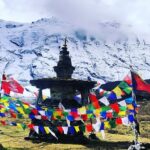
Next you head from Namche toward Deboche, about 4–5 hours, and the day is built around a stop at Tengboche Gompa. You stay overnight in a teahouse in the Deboche area.
This is a meaningful day for two reasons. First, Tengboche Gompa is part of the Sherpa cultural experience people come to Nepal for. Second, it’s a day when you’ll likely feel the mountains more clearly—those close, sudden mountain moments that make Everest feel real instead of theoretical.
The best part here is pacing: you’ll be walking through a high-altitude area where religious sites are central to local life, not just sightseeing stops. Go in with respect. Keep voices low when you’re near the gompa area. And don’t rush the cultural moment—slow down and let it land.
Dingboche, Dughla, and Lobuche: when the trail gets steeper
From Deboche you move toward Dingboche (around 5–6 hours). Then the route continues up through the higher settlements, including a move to Dughla and then onward to Lobuche, which sits at about 4,940m.
This stretch is where Everest Base Camp starts feeling less like a scenic trek and more like a real mountain climb. The distances can be reasonable, but the altitude makes everything harder: walking feels slower, your lungs work more, and the cold starts to change how you move.
I’d frame this part of the trek as your “serious days” phase. You’ll want to keep your gear routine tight: layers on before you’re already shivering, quick food breaks before you’re starving, and careful pacing so you don’t burn out before the Base Camp day.
Also, teahouse comfort tends to vary. The route includes teahouse accommodation, but you should assume simple rooms and limited hot water. Plan for that so you’re not surprised when you’re tired.
Lobuche to Gorakshep and Everest Base Camp: the moment you came for
The route continues toward Gorakshep, then you visit Everest Base Camp and return to Gorakshep the same day. Total time is listed at about 6 hours, and you sleep in a teahouse at night.
This is the key day: the payoff day. But the smartest way to enjoy it is to not treat it like a stamp-collecting walk. You’re high, you’re tired, and the air can make you feel “off” even when you’re doing everything right. Your guide’s role matters here—not just to navigate, but to help you make the right calls if you need a slower pace, extra rest, or adjustments.
If you’re trekking with guides such as Sitaram Lamacchne, Suresh Adhikary, Phuldin, Shiva, or Ram (names that show up in the team experience), you’ll likely feel more confidence because they’re experienced at managing people in altitude conditions. Several guides are noted for English support too, which helps a lot when you’re asking questions mid-day.
Kalapatthar to Pheriche: the viewpoint climb and the practical descent
Next you trek from Gorakshep to Kalapatthar for views of Mount Everest, then continue onward to Pheriche. This day is listed at about 6–7 hours total.
Kalapatthar is famous for a reason: you get a higher vantage point that makes Everest look closer and more dramatic. But the bigger value for you is the training effect of the day. You’ll experience how quickly your energy can drop at altitude, then you’ll learn the rhythm of managing it—climb carefully, rest often, and keep moving downhill again when you need to protect your recovery.
You’ll stay overnight in a teahouse in Pheriche. This matters because after a hard day, you need a place to refuel and recover without hunting for services. The trip structure is built around that.
The walk back to Lukla: Tengboche to Monjo to the final flight
From Pheriche, you head back to Tengboche (about 5–6 hours) for an overnight teahouse stay. Then you trek from Tengboche to Monjo (about 5–6 hours) and stay overnight again. Finally, you trek from Monjo back to Lukla (about 4–5 hours), then fly back to Kathmandu to end the trek.
This return phase is underrated. It’s still walking at altitude, even if it feels like a “drop” day. The advantage is that your body often handles the downhill miles better, and your brain gets to enjoy the route more because you’re not always thinking about what’s ahead.
One more practical thing: cold nights can make your sleep lighter, even if you’re tired. A private guide who helps you match pacing to how you feel can make those last hiking days smoother.
What’s it like on the ground: teahouses, meals, and small comfort limits
You’ll get teahouse accommodation and daily meals chosen from the menu during the trek. That’s a big deal because it removes a lot of decision fatigue. You eat, you rest, you repeat.
But you should also set expectations. Hot showers and drinks are not included, and alcohol is extra. That doesn’t make the trek unpleasant, it just means you should go in ready for mountain basics: warm layers, good sleep planning, and water habits that work for you.
Porter support also reduces strain. With a porter ratio of 1 porter for between 2 trekkers, you shouldn’t be carrying everything. Still, you’ll want to pack smart since the trip notes keep weight tight: your packed trek bag should weigh no more than 33 pounds or 15 kg, and you’ll use a 60–70 liter backpack with comfortable straps and a cover.
Packing reality: the gear list is practical, not fantasy
The trip data includes a solid equipment checklist, and it’s worth following because it’s built for the temperature swings and walking style of EBC.
Key items you’ll likely want to focus on:
- Waterproof trekking shoes with good grip (high ankle recommended) and spare laces
- A down jacket or heavy Gore-Tex jacket for cold nights and early starts
- Fleece layers and thermal inner wear
- 2 synthetic or waterproof track pants
- Walking stick (minimum 1 recommended)
- Gloves, sun hat or cap, and lip balm
- Camp shoes for inside the lodge
Also note what’s provided: the duffel bag and trekking gifts are included, but personal trekking gears aren’t. So you’ll still need to bring your core clothing system and footwear.
If you’re the type who hates carrying weight, this trek will reward you for packing lighter. Your job is not to haul your entire closet up to base camp.
Who should book this, and who should think twice
This trek is best suited for travelers with hiking experience and moderate physical fitness. If you’re comfortable on steep uphill days, handle altitude with a steady pace, and you can walk several hours a day, you’ll probably love it.
If you’re new to hiking, or you tend to push too hard early, you might find the acclimatization structure and altitude demands challenging. The good news is the trek is designed with acclimatization built in, but you still have to respect how your body responds.
Also consider the schedule. Your start time in Kathmandu is very early (1:15am). If that kind of wake-up crushes your energy, plan your sleep carefully in Kathmandu before departure.
Should you book Above the Himalaya for Everest Base Camp?
If you want the Everest Base Camp trek with fewer logistics headaches, this is a strong choice. I’d especially recommend it if you value organized permits and fees, a guide trained for altitude situations, and porter support that keeps your load manageable.
You’ll likely feel good here if you like a private, controlled pace and you want a team that stays responsive when conditions aren’t perfect. Guides associated with this operation (like Sitaram Lamacchne, Suresh Adhikary, Phuldin, Shiva, and Ram) show up across the team stories, and the owner, Puru, is repeatedly described as reachable and hands-on.
The main reason not to book is simple: if you expect resort comfort, hot showers, and unlimited drinks, you’ll be disappointed. This trek is about mountains, not amenities. If you accept that and pack for cold nights, you’re in the right place.
FAQ
Where is the meeting point in Kathmandu, and what time do we start?
You meet in Thamel, Kathmandu (44600, Nepal). The start time listed is 1:15am.
How do we get to the trekking route?
You fly from Kathmandu to Lukla (about 25 minutes) and then trek onward. The first trekking segment goes from Lukla to Phakding (about 3–4 hours).
Are permits and park fees included?
Yes. The trip includes necessary permits, Sagarmatha National Park fees, and the TIMS card fee, plus government taxes.
Are teahouses and meals included?
Teahouse/Lodge accommodation during the trekking is included. Daily meals are chosen from the menu during the trek (breakfast, lunch, and dinner).
Do we have a guide and porters?
Yes. The trip includes a guide (trained in Wilderness First Aid & altitude sickness) and porters. Porter support is listed as 1 porter for between 2 trekkers.
Is this trek private?
Yes. It’s listed as a private tour/activity, and only your group will participate.
What’s the maximum weight for the backpack I carry?
The guidance says your packed trek bag should weigh no more than 33 pounds or 15 kg at the start of the trek.
Can I cancel for a full refund?
Yes. Free cancellation is offered up to 24 hours in advance for a full refund. If you cancel less than 24 hours before the start time, the amount paid won’t be refunded.