REVIEW · POKHARA
Annapurna Base Camp Trek (8 days)
Book on Viator →Operated by Nepal_first · Bookable on Viator
A Himalayan trek that keeps paying off mile after mile. I love the tea house rhythm of daily meals and lodging, and I love the focused local guidance from professionals like Madu, who helped keep things calm and safe. The main consideration is that weather can change what you see (clear sunrise days are possible, but fog and cold happen too), and if you move fast you might finish sooner than the planned 8 days with no extra compensation.
This is built for people who want the Annapurna Sanctuary vibe without micromanaging logistics. With permits handled (TIMS and the Annapurna Conservation Area Project) and meals/lodging included on the trek, you spend less time solving problems and more time enjoying the trail. Still, you’ll need to bring your own trekking gear, and porter services aren’t included unless you arrange them.
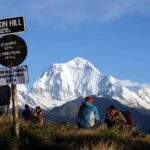
I also like the flexibility angle: the trek is described as fully customizable, so you can shorten, lengthen, or add extras like Poon Hill, the Annapurna Circuit, or Mardi Himal. Just don’t expect this to be a casual stroll; the tour asks for moderate physical fitness because the work is the point here.
In This Review
- Key Highlights You’ll Actually Feel on the Trail
- Annapurna Base Camp: Why This Trek Doesn’t Feel Like a Checklist
- Getting Started in Pokhara: Transport, Timing, and Permits Without Headaches
- Trek Life: Tea Houses, Local Meals, and the Real Pace of the Sanctuary
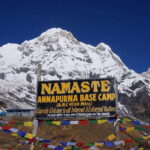
- Stop 1: Annapurna Base Camp Trek—Forests to Sanctuary, Then the Big Payoff
- Stop 2: Machapuchare—Seeing the Fishtail Shape Up in Real Life
- The Guide Factor: Madu’s Local Experience and the Calm Problem-Solving You Want
- Price and Logistics: What $650 Really Buys You on ABC
- What to Bring: Gear You Must Handle Yourself
- Best Fit: Who Should Book This Trek (and Who Might Want Something Else)
- Should You Book This Annapurna Base Camp Trek?
- FAQ
- How long is the Annapurna Base Camp trek?
- Is pickup offered from Pokhara?
- What’s included in the trek package?
- What permits do I need for this trek?
- Are porters or trekking gear included?
- Can I get a full refund if I cancel?
Key Highlights You’ll Actually Feel on the Trail
- Private group with pickup offered in Pokhara: you’re not stuck with strangers steering the pace.
- Permits included (TIMS and ACAP): fewer hassles before you start climbing.
- Tea house lodging plus all trek meals: you’re covered for the day-to-day basics.
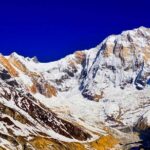
- Sunrise and big-name peaks at ABC: Annapurna South, Machapuchre (Fishtail), and more from the sanctuary.
- A guide who plans for comfort, not speed: I’ve seen this style in feedback for guides like Madu and Shree.
- Route can be customized: shorter or longer, plus possible add-ons like Poon Hill or Mardi Himal.
Annapurna Base Camp: Why This Trek Doesn’t Feel Like a Checklist
Annapurna Base Camp is popular for a reason: it delivers that rare combo of effort and reward. One day you’re walking through forest and trail life. Next, the mountains start showing up in a way that feels personal, like you’re getting closer to the real stage set.
I especially like how the experience is described as more than reaching a point on a map. You’re walking through the Annapurna Sanctuary, eating local foods at tea houses, and learning about nature and Gurung lifestyle along the way. That matters because ABC can feel crowded when people treat it like a single-photo mission.
The best version of this trip is slower and more human. One review-style tip that stands out: take your time, enjoy your moments, and don’t let the mountain bully your pace. That advice is exactly what keeps the trek fun rather than grindy.
You can also read our reviews of more tours and experiences in Pokhara.
Getting Started in Pokhara: Transport, Timing, and Permits Without Headaches
You’ll base yourself in Pokhara, and pickup is offered. That’s not a luxury detail; it’s the difference between starting the trek relaxed or already stressed about getting organized.
From there, the big admin tasks are handled: you get TIMS and Annapurna Conservation Area Project (ACAP) permits included. If you’ve ever tried to chase permits on your own while jet-lagged, you know why this is worth paying for. It also helps you start the trek knowing you’re following the rules.
On top of permits, the tour includes private transportation. The value here is simple: you spend less time navigating local transport and more time preparing your pack, checking your layers, and getting an early night before your first proper walking day.
Trek Life: Tea Houses, Local Meals, and the Real Pace of the Sanctuary
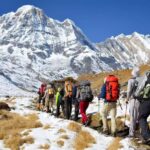
The trek is built around the classic tea house system. That means you’ll sleep in simple lodges along the route and you’ll eat local food each day (meals are included during the trek). This is one of those travel setups that works because it’s repeatable and dependable.
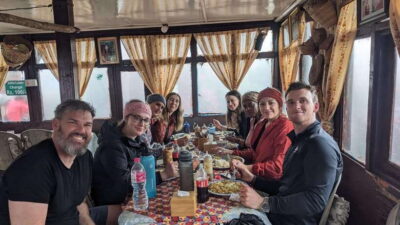
Here’s what you should know: tea house lodging usually means you’ll trade hotel comforts for real mountain community. You’ll share dining space with other trekkers, swap route questions, and watch weather shifts from a table that smells like hot soup and wood smoke. That social layer is part of what makes ABC memorable.
You also want to pay attention to pacing. One consistent theme from guide feedback is that their style is supportive rather than pushy. If visibility is poor one day, a good guide helps you keep moving safely without turning it into a panic race.
And weather is always the wildcard. In one winter experience, the mountains were cold but the skies stayed sunny. In another instance, fog reduced clarity. The honest takeaway is that ABC gives you the best results when you show up prepared for both sunshine and gray days.
Stop 1: Annapurna Base Camp Trek—Forests to Sanctuary, Then the Big Payoff
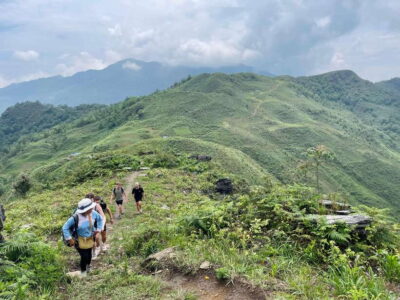
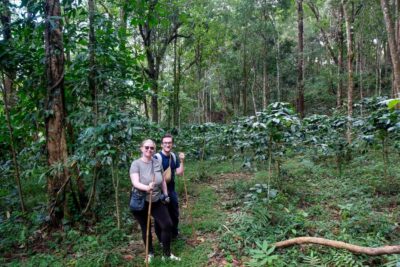
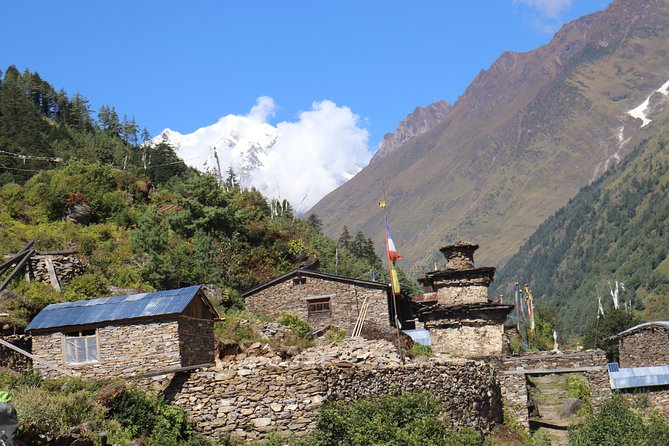
This is the main course. The route takes you through jungle-like forest and mountain trails, heading toward the basecamp area where views open up.
What makes the ABC approach special is what you’re walking toward. The trek is described as leading you to spectacular views of Annapurna South, Machapuchre (Fishtail), and other peaks. That’s not just sightseeing; it changes how the trail feels. Early on, you’re climbing into a world of smaller sights. Later, the mountains become the main character.
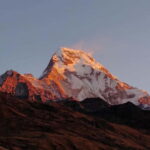
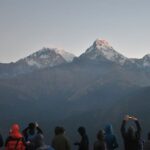
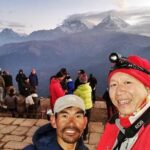
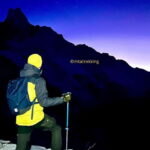
Also, ABC is tied to sunrise. The experience is described as including that moment when the light starts cresting over the Himalaya. If you want one practical tip for sunrise: plan to be ready before the light show. Warm layers and a steady routine matter more than fancy gear.
One drawback to consider: some people finish faster than expected. There’s an account of booking 8 days and completing in 5 days, with no compensation for the difference. That’s a reminder to treat the schedule as a framework, not a guarantee. Your pace, weather, and how your body adapts all play a role.
Stop 2: Machapuchare—Seeing the Fishtail Shape Up in Real Life
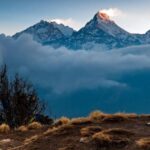
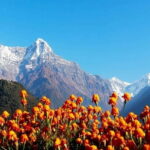
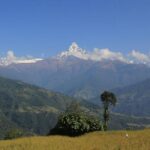
Machapuchare gets its own attention on this trek, and for good reason. The mountain is often associated with that iconic Fishtail silhouette, and the experience includes Machapuchare as a distinct stop.
What I like about adding a Machapuchare-focused moment is that it breaks up the monotony of just walking toward the same view every day. It also gives you a clearer target for your day’s effort. Even if cloud cover softens the view, you still get that sense of place: this is a real mountain landscape with a clear identity.
If you’re someone who cares about photography, this is one of the days where timing matters. You may not always control clouds, but you can control when you’re on the move, when you rest, and when you push for a viewpoint.
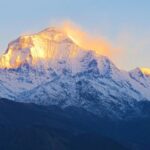
The Guide Factor: Madu’s Local Experience and the Calm Problem-Solving You Want
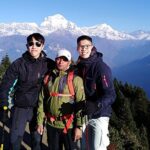
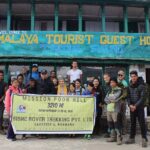
This trek is guided by Madu, described as a local professional guide from Pokhara with over 10 years of trekking and guiding experience. That’s the kind of experience that shows up in the small things: keeping logistics smooth, helping you settle into tea house rhythm, and making sure you don’t feel alone out there.
The feedback pattern around guide support is strong. People describe Madu as making the week stress-free by arranging logistics like lodging and transport. Others highlight friendliness and professionalism without rushing.
Another guide name you may hear in this broader service style is Shreedhar, who was described as helpful and professional. One account mentions a trek in April with fog limiting views, but the guide support remained steady. That combination matters. Great guides don’t just know the trails; they know how to keep your mood intact when the mountains don’t fully cooperate.
And here’s the angle I think is most valuable: the guide is also positioned as someone who can teach you about surrounding nature and Gurung lifestyle and food culture. Even if you’re not looking for a classroom-style explanation, a good guide helps you notice what you’d otherwise ignore.
Price and Logistics: What $650 Really Buys You on ABC
$650 per person for an 8-day trek might sound like a bargain, or it might sound like a lot, depending on what you expected. The way to judge it is not the headline cost. It’s what’s included.
From the tour info, you get:
- Private transportation
- TIMS and ACAP permits
- Tea house lodging during the trek
- All meals during the trek
Those four items cover the core expenses that can otherwise balloon once you’re already in Nepal. Add to that the fact that it’s private (only your group participates), which often means you get a more tailored pace and less time waiting on everyone else.
What’s not included matters too:
- Personal expenses
- Trekking gear
- Porter services
- All fees and taxes (worded separately from permits)
So this is best value if you can handle your own gear and you want the organizer to handle the permits, meals, and lodging. If you’re the kind of traveler who wants a porter every day or you need help choosing gear, budget extra or ask for assistance with porter services.
Also, confirmation is received at booking time, which reduces that waiting-game feeling. And the overall structure looks built for safety and smooth logistics rather than DIY complexity.
What to Bring: Gear You Must Handle Yourself
The tour notes that you should have your own trekking gear. So don’t plan on buying everything last minute unless you enjoy frantic shopping at high altitude before your legs are ready.
I’d treat the checklist like this:
- Layering for cold mornings (especially if you travel in colder months)
- Rain protection, because mountain weather is unpredictable
- Sturdy daypack setup for snacks, water, and warm layers
- Shoes suited to uneven trail and long hours
The experience also says service animals are allowed, and that you should have moderate physical fitness. I can’t promise anything about altitude numbers here, because those details aren’t provided, but the effort level is real.
If you think porter help is a must, note that porter services aren’t included, though you can contact them for help finding options.
Best Fit: Who Should Book This Trek (and Who Might Want Something Else)
This tour fits best if you:
- Want a guided ABC experience without organizing permits and daily logistics yourself
- Like the comfort of tea house lodging and meals included
- Enjoy learning from local people about nature and Gurung culture
- Prefer a private group so your pace can be respected
It may not be the best match if you’re looking for a fully luxury lodge setup or if you need everything (including gear and porters) handled for you. Here, you’re expected to bring your own trekking gear and manage personal expenses.
Fitness-wise, moderate physical fitness is the baseline. If you’re returning from a long break or have medical limits, this is the time to plan carefully with your guide and consider extra rest days.
Should You Book This Annapurna Base Camp Trek?
I’d book this if you want ABC to feel organized, human, and genuinely local. The combination of permits handled, meals and tea house lodging included, and a guide with real experience like Madu makes it a strong value for the price.
I would hesitate only if you’re very sensitive to schedule uncertainty. The trekking duration is listed as about 8 days, but there’s an example of finishing in 5 days without compensation. Weather could also change visibility and how the sunrise moment lands for you.
If you’re okay with that reality and you want the classic Annapurna Sanctuary experience with support, this is a solid choice.
FAQ
How long is the Annapurna Base Camp trek?
The trek is listed as about 8 days.
Is pickup offered from Pokhara?
Yes, pickup is offered.
What’s included in the trek package?
It includes private transportation, TIMS and Annapurna Conservation Area Project permits, tea house lodging during the trek, and all meals during the trek.
What permits do I need for this trek?
The tour includes TIMS and the Annapurna Conservation Area Project permits.
Are porters or trekking gear included?
Trekking gear and porter services are not included.
Can I get a full refund if I cancel?
Yes. You can cancel up to 24 hours in advance for a full refund. If it’s canceled due to poor weather, you’ll be offered a different date or a full refund.