REVIEW · PUERTO NATALES
Puerto Natales: Base Torres Small Group Trekking
Book on GetYourGuide →Operated by Torres del Paine Adventure · Bookable on GetYourGuide
Base Torres is one of Patagonia’s best “show up and work for it” views. This small-group day hike has hotel pickup from Puerto Natales and a guided climb to the Torres del Paine National Park viewpoint. You’ll hike roughly 20 km with about 900 m of elevation gain, then spend a real break at the main viewpoint before heading back.
I love two things most: the small group size (up to 12) keeps the pace human, and the guides are WFR certified with bilingual support. In my favorite moments, guides like Ceci and Margo managed the rhythm of the hike, helped people choose when to add or remove layers, and kept safety in the foreground even when the weather shifted.
The main drawback to consider is that this is a weather-dependent trek. If conditions change and the route can’t be completed, you may not get a refund, and the terrain can be slow going in the last stretch due to loose moraine and stones.
In This Review
- Key things that make this Base Torres day hike worth it
- Why Base Torres from Puerto Natales feels like real Patagonia
- Getting picked up: the shared van ride that sets the tone
- The guided hike up: 20 km, 900 m gain, and a last-stretch slowdown
- Stop 1: Mirador Base Las Torres is your payoff window
- The descent: easier on paper, still serious on your knees
- The full day flow: timings that keep your return realistic
- Gear and packing: don’t show up under-prepared
- Small group dynamics: why the guide team matters so much
- Price and value: is $88 a good deal for Base Torres?
- Difficulty and who should not book
- Weather reality check: Patagonia doesn’t negotiate
- Should you book the Puerto Natales to Base Torres day trek?
- FAQ
- How far is the hike to Base Torres?
- How long does the hike take?
- Where does the hike start?
- What is the group size?
- Are the guides first-aid trained?
- What language is the tour offered in?
- Do they provide hiking poles or crampons?
- Is park entrance included?
- What should I bring for the day?
- What if the weather changes during the trek?
- Who should avoid booking this hike?
Key things that make this Base Torres day hike worth it
- Small group control (up to 12): easier pacing and more attention when the trail gets steep or rocky
- WFR-certified guides: first aid readiness and calm leadership when conditions turn
- A real Base Torres photo stop: time to eat, hydrate, and capture the viewpoint
- Mostly fixed timing: you should be back at the van around 5:30 to 6:30 p.m.
- Winter add-ons if needed: crampons may be provided when snow affects traction
Why Base Torres from Puerto Natales feels like real Patagonia
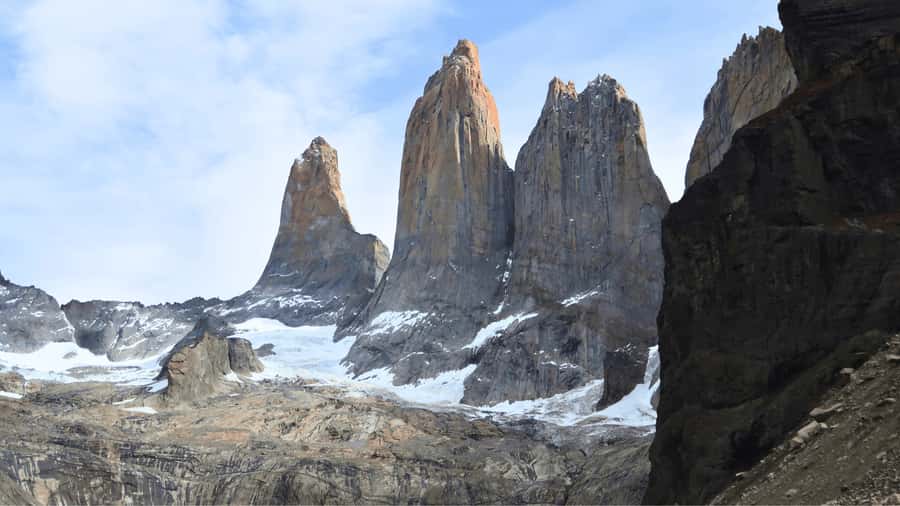
If you’re basing yourself in Puerto Natales, a day hike to Base Torres lets you hit the Torres del Paine highlights without giving up your whole trip schedule. The trade-off is that you’re signing up for a long, physical day: van ride, guided hiking, a viewpoint break, then a descent that still takes real time.
The Torres del Paine National Park experience isn’t just about the final scene. On the way up, you’ll notice how the day changes: warmer air near the start, wind and cold once you’re higher, and that classic Patagonia mix of sun one moment and cloud the next. Guides who led groups like Ceci and Alain consistently focused on pacing and clothing layers, which matters more than you’d think on a 20 km hike.
You can also read our reviews of more tours and experiences in Puerto Natales.
Getting picked up: the shared van ride that sets the tone
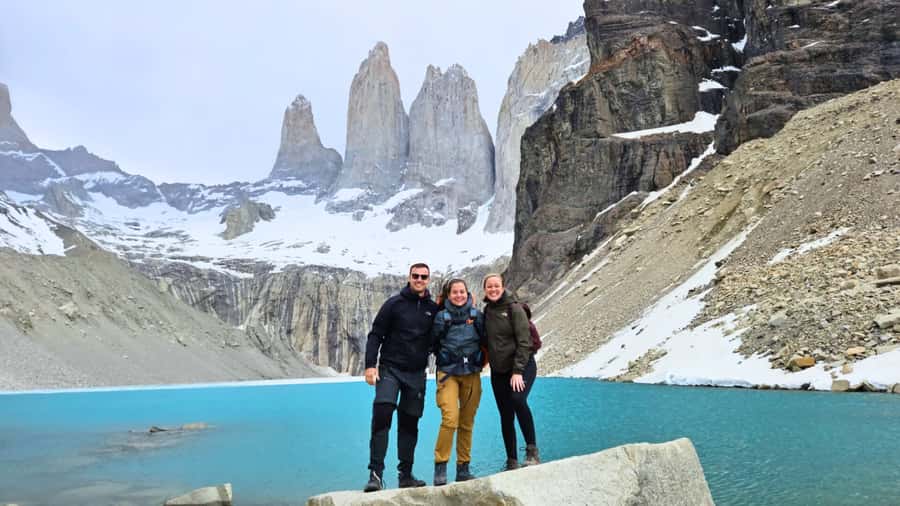
This tour runs on shared transportation. You’ll get pickup from your hotel in Puerto Natales and travel by van toward the Torres del Paine area (about a 2-hour drive each way). That shared setup is part of the value: you don’t have to organize the logistics yourself, and you still end up on a guided route with a small group once you’re in the park.
One detail I really appreciate: the coordination. Several people noted that the team used a WhatsApp-style approach to share van location and pickup order. That makes a difference when you’re trying to be ready on time without wandering around town.
You’ll also start your hike around the Hotel Las Torres area. From there, the trail work begins right away, so you’ll want to treat the van ride as your chance to settle your gear, fill your bottle, and prepare for the first climb section.
The guided hike up: 20 km, 900 m gain, and a last-stretch slowdown
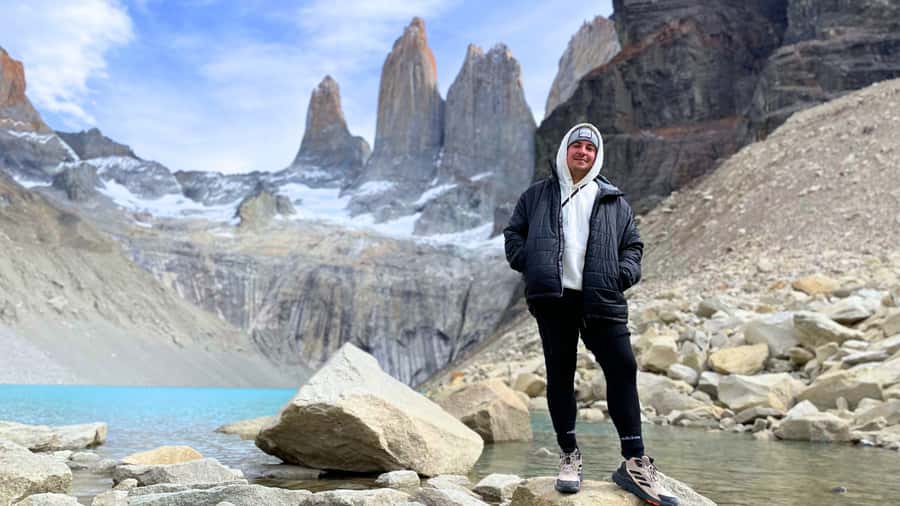
The hike totals about 20 km with nearly 900 m of elevation gain. Plan on about 4 to 5 hours ascending at a normal pace, with breaks built in. Descending usually takes a similar amount of time, so the whole day stays long even after you reach the viewpoint.
Here’s what to expect from the climb based on how the route is described:
- Early on, your pace should feel steady, not sprinty. Good guides will manage this so you don’t burn out before the main viewpoint.
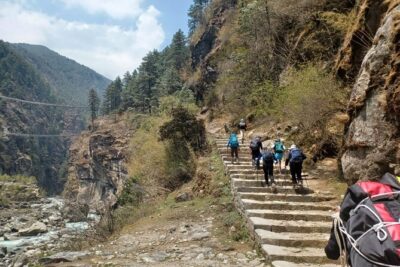
- The middle of the hike is where you’ll feel both the incline and the uneven ground. Expect stretches that require careful footing, not just leg strength.
- The last half hour can slow down a lot because of moraine and medium-sized stones left by glacial activity. That part isn’t “scary” for every hiker, but it is time-consuming and tiring if your shoes aren’t right or your footing is rushed.
This is also where the “small group” matters. On steeper bits, group spacing can get messy fast on a big, crowded trail. In a group capped at 12, guides like Ceci or Alan could wait, regroup, and keep people moving at a pace that matches the group rather than bullying everyone into one speed.
Stop 1: Mirador Base Las Torres is your payoff window
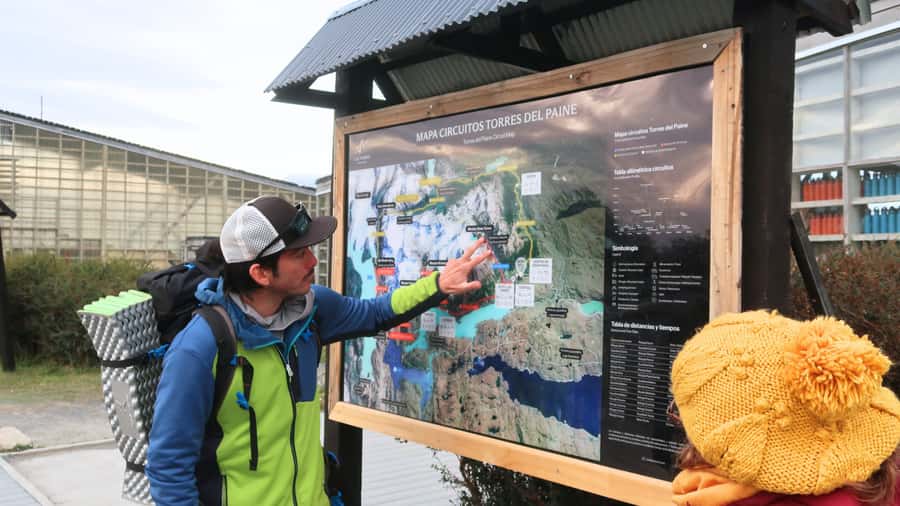
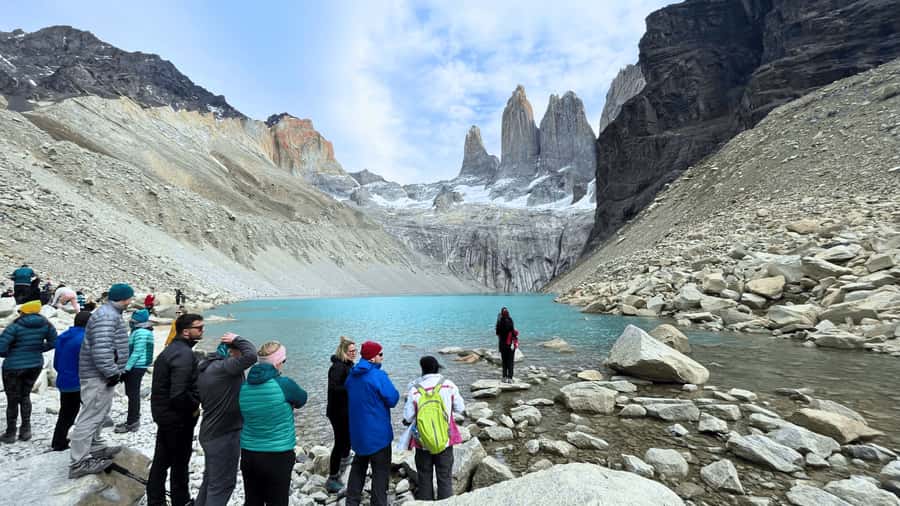
Once you reach the main viewpoint—Base Las Torres—you get time to slow down. The viewpoint break is listed as about 1 hour. In practical terms, this is when you’ll do four things:
- Take photos the right way: stand, adjust angle, then wait for changing light
- Eat something and hydrate enough to start the descent safely
- Re-check your footing plan for the way down
- Let your body cool off from the climb effort
This stop is often the moment people understand why guides push pacing earlier in the day. If you overdo it on the ascent, you’ll arrive at the viewpoint already cooked and less able to enjoy the experience. With the better guides, you get an unhurried rhythm: not rushing you out of the viewpoint, but also making sure you start descending with enough time left to return to the van.
People also talked about how guides brought the scene to life using stories about flora, fauna, and the park’s setting. Margo, in particular, stood out in reviews for connecting what you see to why it’s there, which makes the photos feel less like a checklist.
The descent: easier on paper, still serious on your knees
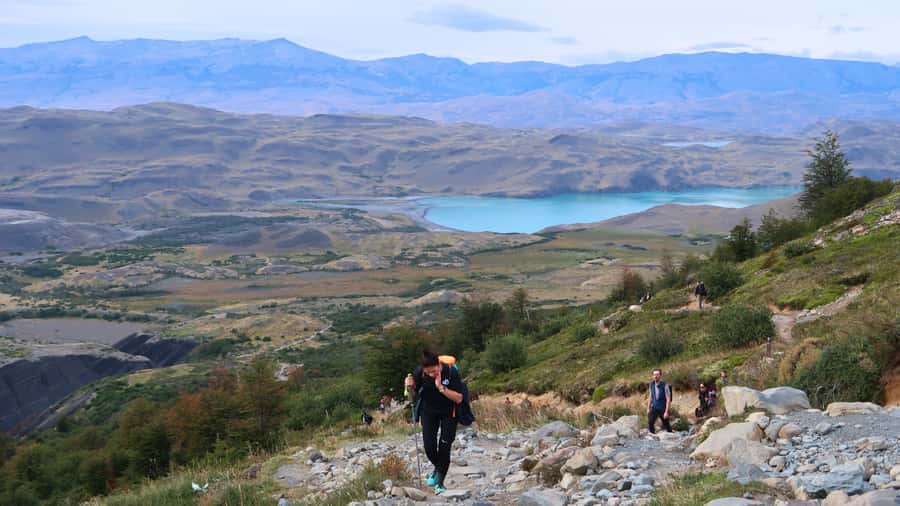
The descent is described as a similar duration to the ascent (about 4 to 5 hours overall for the uphill and downhill split). Even when it feels easier mentally because the angle turns friendlier, your body still has work to do: controlling steps on uneven surfaces, protecting knees, and staying steady on loose stones.
What helps on the way down:
- Hiking poles (provided for you on this tour)
- Good footwear with real grip
- A steady pace rather than quick strides to “get it over with”
A few reviews highlighted rainy or snowy conditions where the guides stayed focused on safe movement. In Patagonia weather, footing can change fast. If you’re the type who tends to walk faster when you’re tired, treat the descent as a controlled walk, not a victory lap.
The full day flow: timings that keep your return realistic
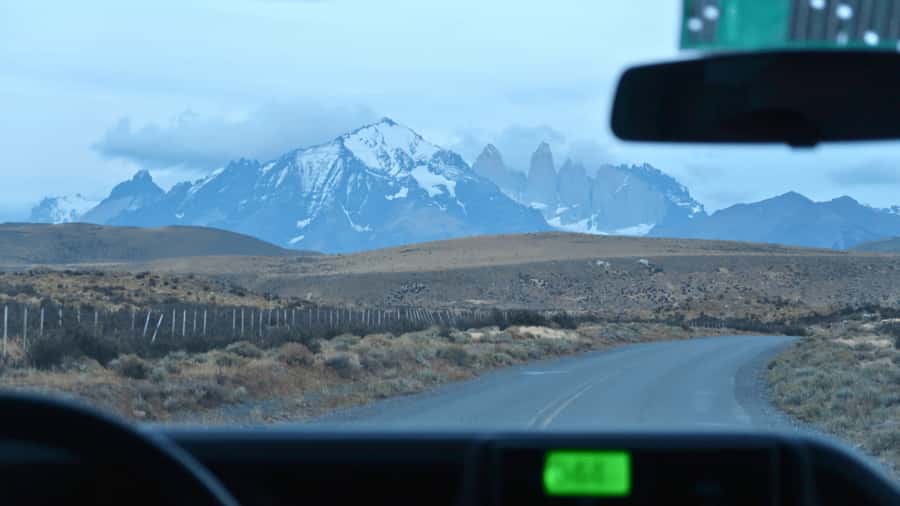
The schedule is built around a long day but a clear sequence:
- Pickup in Puerto Natales
- Van ride to Torres del Paine area (around 2 hours)
- Guided hiking and sightseeing as you reach the viewpoint area (about 4 hours for the first guided hiking block)
- Mirador Base Las Torres break for photos, food, and hydration (about 1 hour)
- Guided hiking for the return direction (about 3 hours listed for the guided block)
- Van ride back to Puerto Natales (around 2 hours)
The key time checkpoint: between 5:30 p.m. and 6:30 p.m., the group should be back to begin the return. That’s helpful because it means you won’t end the day with a guessing game. You can plan dinner in Puerto Natales without building in huge uncertainty.
Gear and packing: don’t show up under-prepared
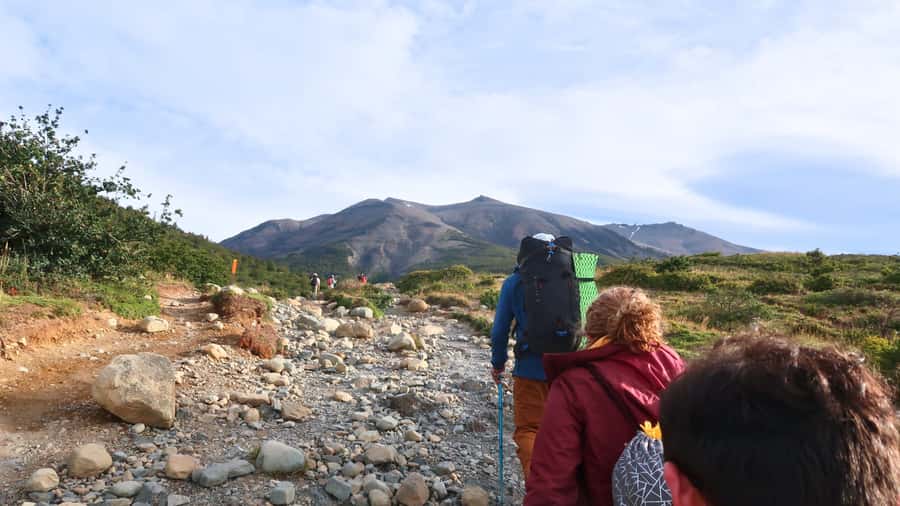
This is a guided trek, but you still carry your end of the deal. What to bring is clearly stated: comfortable shoes, warm clothing, a camera, water, and a packed lunch. You’ll also want to bring layers that work when wind picks up.
A few practical ideas based on the nature of the hike:
- Wear hiking shoes you trust on rocky, uneven ground
- Bring enough water for the full day. The route is long, and the hike includes multiple breaks
- Pack lunch that’s easy to eat while you’re adjusting to colder wind at the viewpoint
- Keep your camera accessible, but not flopping around in wet conditions
Equipment is also part of the value here. You get hiking poles, and crampons if needed due to snow in winter months. That’s important in Patagonia because “snowy” can mean everything from light slick patches to traction problems on the approach.
Also note the tour rules: no littering, no feeding animals, and no making fire. It’s basic, but it protects the park and wildlife, and it keeps the group safe and respectful.
Small group dynamics: why the guide team matters so much
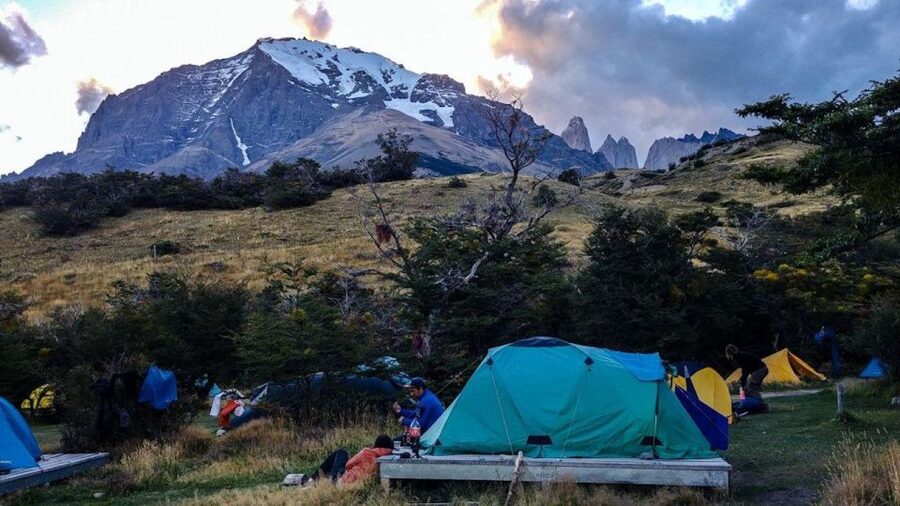
This is not a self-guided hike. Your guide affects how hard the day feels, and also whether you stay safe and comfortable.
What stands out from the experience descriptions and guide behavior you’ll likely see:
- Pace management for mixed ability levels
- Layer guidance (adding or removing warmth at the right times)
- Clear instructions and regrouping when terrain slows people down
Many reviewers specifically praised the balance of attention and quiet competence. People mentioned guides like Ceci and Alan encouraging steady effort without turning the day into a lecture. Others praised Margo’s approach to slowing down at the right moments and taking care of hikers at the back of the group.
On safety: guides are certified WFR, and there’s a WFR assistant when the group is larger than 6. That’s a real support layer, especially in bad weather or tricky sections.
Price and value: is $88 a good deal for Base Torres?
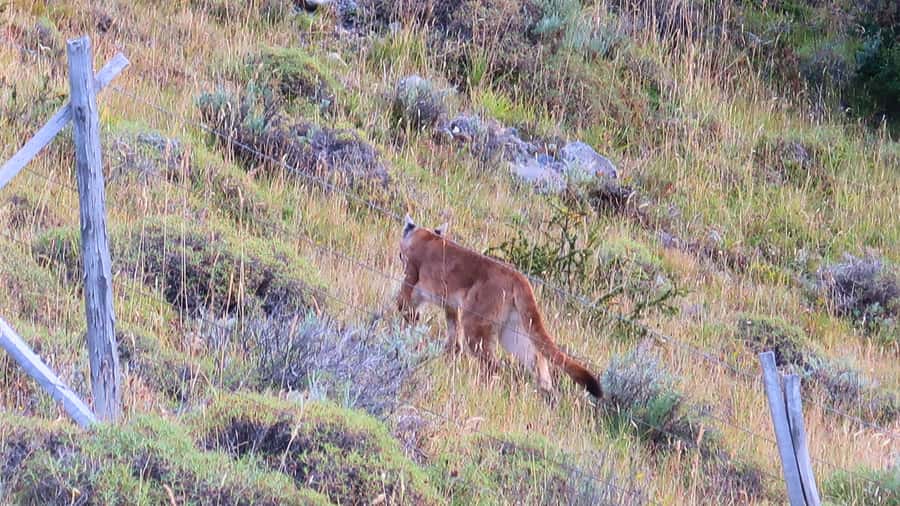
At $88 per person for a 14-hour day, this hike looks like a bargain on paper, but the real question is what you get for that price.
You get:
- Hotel pickup and drop-off in Puerto Natales
- Shared van transportation with a professional driver
- A small group guided trek up to Base Torres
- Hiking poles, and possibly crampons if conditions require it
- First aid kit availability, plus accidents insurance
- Bilingual guides (English and Spanish)
Two costs that are not included:
- Torres del Paine National Park entrance
- Food and drinks
So is it good value? Yes, if you factor in how expensive and time-consuming it can be to do a long day like this on your own. You’re paying for routing, guide leadership, and safety systems, not just the hike itself. If you already plan to buy park entrance and bring your own lunch, the package price is easier to accept.
And if you’re the type who likes hiking with structure, the guide team helps you avoid the most common Patagonia problem: arriving at the viewpoint too tired, cold, or under-fueled to enjoy it.
Difficulty and who should not book
This is labeled medium-high intensity for good reason. You’ll cover about 20 km with near 900 m elevation gain, and the terrain includes rocky moraine sections.
It is not suitable for:
- Children under 10
- Pregnant women
- People with heart problems
- People with respiratory issues
- People over 60
If you’re on the edge of fitness, be honest with yourself. A day like this rewards steady pace, good footing skills, and enough stamina to keep moving even when the last stretch gets slow.
Weather reality check: Patagonia doesn’t negotiate
This trek is weather-dependent. If conditions change during the hike and the route can’t be completed, the company states that refunds are not offered. That’s the main “gotcha,” and it’s worth respecting.
What you can do to protect your day:
- Dress in warm layers and be ready for wind and wet conditions
- Bring water and lunch even if it feels like you won’t need it
- Keep an open mind: even a day with fewer miles of payoff can still be worthwhile if the guides keep you safe and the scenery is there
Some people noted that they could not reach the towers for the last stretch due to excessive snow right near the end. The key takeaway for your planning is simple: don’t treat Base Torres as a guaranteed final scene. Treat it as a guided climb you’ll hope to complete.
Should you book the Puerto Natales to Base Torres day trek?
Book it if you want a structured, guided shot at one of Torres del Paine’s most famous viewpoints, with small group pacing and WFR-certified guides. It’s a strong fit if you’re comfortable with a long day, you can hike 20 km over uneven ground, and you’re willing to dress for wind and possible snow.
Skip it if you know you’re not physically ready for a medium-high intensity hike, or if you fall into the listed health and age categories. Also think twice if you’re the kind of planner who hates weather uncertainty, because this trip depends on conditions and may not adjust with a refund.
If your goal is to see Base Torres with safety, guidance, and enough structure to enjoy the viewpoint break, this is one of the most practical ways to do it from Puerto Natales.
FAQ
How far is the hike to Base Torres?
The hike is around 20 km, with an elevation gain of almost 900 meters.
How long does the hike take?
The full experience runs about 14 hours. The hike itself is described with roughly 4–5 hours ascending and about the same time descending at a normal pace with breaks.
Where does the hike start?
You begin the hike from the Hotel Las Torres area in Torres del Paine National Park.
What is the group size?
It’s a small group, up to 12 people.
Are the guides first-aid trained?
Yes. Guides are certified WFR, and there is a certified WFR assistant tour guide for groups over 6 people. A first aid kit is available.
What language is the tour offered in?
The tour guide is available in English and Spanish.
Do they provide hiking poles or crampons?
Yes. Hiking poles are included, and crampons are provided if needed due to snow in winter months.
Is park entrance included?
No. Entrance to Torres del Paine National Park is not included.
What should I bring for the day?
Bring comfortable shoes, warm clothing, a camera, hiking shoes (as needed), water, and a packed lunch.
What if the weather changes during the trek?
The tour is weather-dependent. If conditions change and it cannot be completed, refunds are not offered.
Who should avoid booking this hike?
The tour is not suitable for children under 10, pregnant women, people with heart problems, people with respiratory issues, and people over 60.