REVIEW · SA PA
SAPA: 2-DAY 1-NIGHT TREKKING & CULTURE WITH HMONG GUIDE LINH
Book on GetYourGuide →Operated by VietNam Venture · Bookable on GetYourGuide
Sapa trekking feels personal fast. This 2-day, 1-night route with guide Linh (met as Lala at Sapa Stone Church) takes you through Muong Hoa Valley rice terraces and multiple hill-tribe villages, then ends with a real family homestay night. I especially love the way you move from Lao Chai village life to Ta Van suspension-bridge views, and then get food that feels cooked for you (including a spring-roll class). The trade-off: it’s a moderate 19 km trek on uneven paths, and the homestay is simple—not a hotel.
What makes it work for you is the pacing. The group size is small, meals are included (lunch and dinner on Day 1; breakfast and lunch on Day 2), and the plan is flexible if weather turns. You’ll start at 9:00 AM near Sapa’s central square, then spend the night sleeping inside a family’s daily rhythm.
In This Review
- Key Moments You’ll Remember
- Starting at Sapa Stone Church: Your 9:00 AM Launch
- Day 1 Route: Y Linh Ho, Lao Chai, Ta Van, and That Spring-Roll Evening
- Y Linh Ho Village: Black H’mong homes and terrace views
- Lao Chai: big H’mong community and ancient stone carvings
- Ta Van: Giay and H’mong, plus suspension bridges
- Evening at the homestay: spring rolls, dinner, and a lively night
- Sleeping in a Homestay: Cozy for Real, Not Fancy
- Day 2 Route: Red Dao Headdresses, Herbal-Bath Traditions, Waterfalls, Bamboo, and Supan
- Giang Ta Chai Village: meet the Red Dao and their herbal bath ways
- Waterfalls and suspension bridges: the walking gets prettier fast
- Supan Village: valley views and a family lunch
- Back to town: 14:30 transfer time
- What Makes This Tour Good Value (Even If the Price Looks Too Small)
- How Hard Is It, Really? 19 km, Uneven Paths, and Weather Checks
- What to Pack and What to Do Before You Leave
- Should You Book This Sapa Trek with Linh?
- FAQ
- Where does the trek start and when should I arrive?
- How long is the tour and how far do you walk?
- What villages and communities will we visit?
- Is the trek easy?
- What’s included in the price?
- What do I need to bring?
- Can I store luggage or transfer bags to the homestay?
- What payment is due during the tour?
Key Moments You’ll Remember
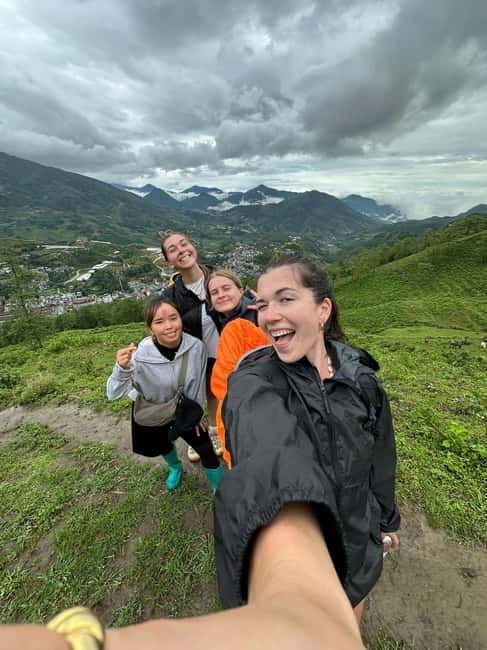
- Muong Hoa Valley rice terraces: Big mountain views with villages tucked into the steps of the landscape.
- Black H’mong to Giay/H’mong to Red Dao: You’ll see different homes, clothing styles, and traditions up close.
- Suspension bridges and bamboo forests: Fun walking moments that also make the valleys feel alive.
- One family-run homestay night: Included meals, plus evening games that can include karaoke and happy water.
- Red Dao herbal-bath traditions: A standout cultural stop around Giang Ta Chai.
- Small group feel: Easier questions, more chances to slow down for photos and stories.
Starting at Sapa Stone Church: Your 9:00 AM Launch

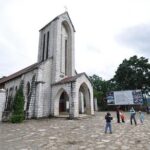
Your day begins at Sapa Stone Church (Nhà Thờ Đá Sapa), right in the center of town. Aim to be there by 9:00 AM so the group can get moving promptly—because once you’re on trail, you’ll want daylight and dry footing.
This start point matters more than it sounds. You’re not spending time hunting for the bus or waiting around. You meet your guide at the church entrance with a name tag or sign, and you get pushed out of town and into the hills while the morning air is still pleasant.
It also sets expectations: you’re signing up for walking time and culture time, not a sit-and-snap “tour bus” day. The included car transfer to/from Sapa town helps keep things smooth, while the walking does the real work.
You can also read our reviews of more tours and experiences in Sa Pa.


Day 1 Route: Y Linh Ho, Lao Chai, Ta Van, and That Spring-Roll Evening
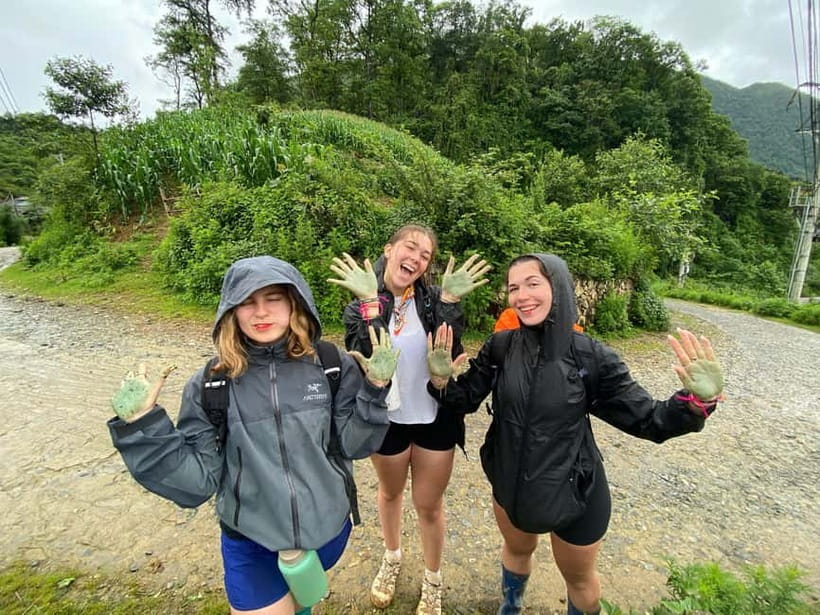
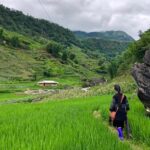
Day 1 covers about 12 km and takes roughly 5–6 hours. It’s not just one long hike; it’s a sequence of village steps that explains Sapa in layers.
Y Linh Ho Village: Black H’mong homes and terrace views
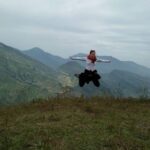
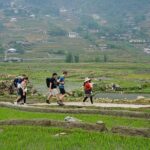
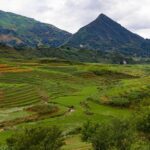
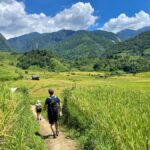
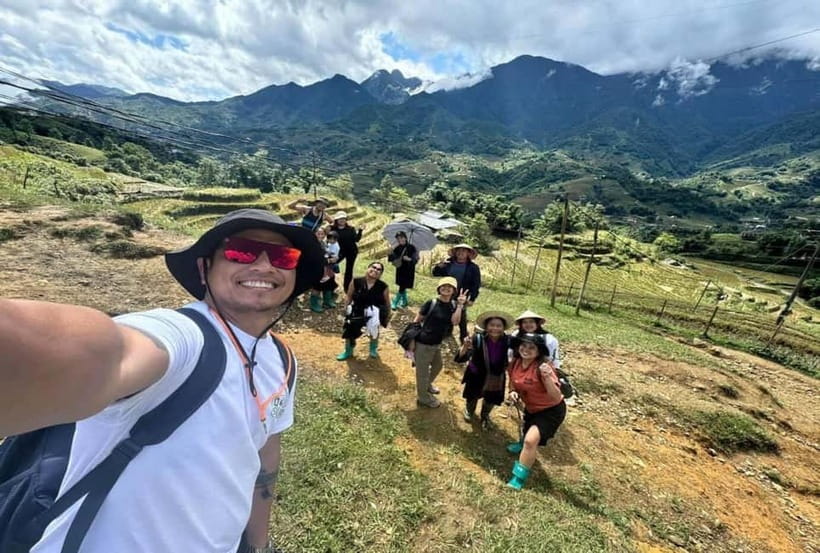
The walk starts trekking southeast along terraced mountains into Muong Hoa Valley. First comes Y Linh Ho Village, known as home of the Black H’mong. You’ll see traditional wooden and bamboo houses sitting beside rice terraces—an arrangement that makes the valley look engineered, but it’s really people adapting to steep terrain.
What I like here for your trip: you get a fast sense of how daily life works in a place where farming is the calendar. This is the point where the trek stops feeling like scenery and starts feeling like a route through real communities.
Lao Chai: big H’mong community and ancient stone carvings
Next is Lao Chai, one of the larger H’mong communities. The highlight is the ancient stone carvings and the way the valley life continues through the walking paths.
Practical note: Lao Chai is visually impressive, but it’s also where you’ll likely notice the trail rhythm—short climbs, valley views, then another set of steps. Good shoes matter, because you’re moving on uneven natural terrain.
Ta Van: Giay and H’mong, plus suspension bridges
Then you reach Ta Van Village, home of the Giay and H’mong. This is a key transition. The itinerary includes suspension bridges, and that usually means a fun “okay, we’re really in the valley now” moment—plus more dramatic angles for photos.
After that, you check into the family homestay.



Evening at the homestay: spring rolls, dinner, and a lively night
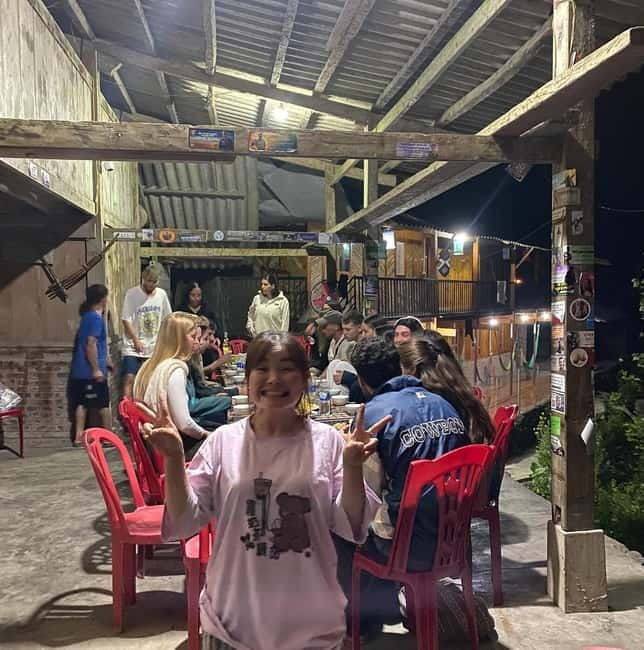
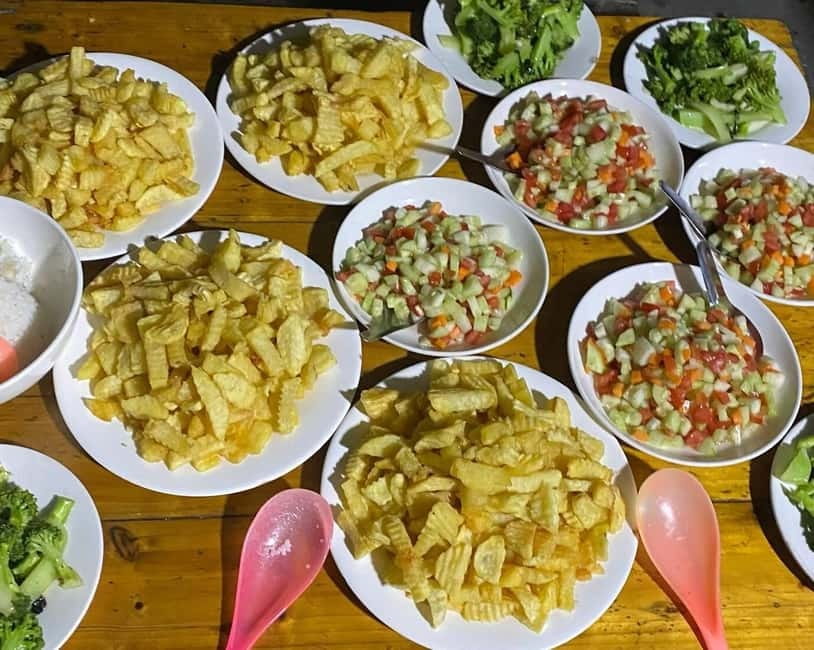
Day 1 ends with a hands-on Vietnamese cooking class—spring rolls—then dinner with the group. A lot of the value of this tour isn’t the food alone; it’s that you’re learning and eating in the same space where the family lives.
From what I’ve picked up from the experience details, the evening can also include social fun like games and karaoke, and some families share a local homegrown drink moment people call happy water. Even if you don’t join in fully, you’ll feel the energy.
Sleeping in a Homestay: Cozy for Real, Not Fancy
You’re paying for access, not luxury. The homestay is described as authentic, simple, and cozy, with basic facilities.
Here’s what to expect in a practical way:
- Meals are included, and they’re an essential part of the deal.
- You’ll likely have access to showers and toilets, but don’t assume they’re the same as what you’re used to at home.
- Rooms can be simple; some people mention cleaner comfort than expected, while others just call it cozy and straightforward.
This matters because Sapa’s best “wow” doesn’t happen in a hotel lobby. It happens when you wake up to village sounds and see daily life without the glass wall.
Also, if you arrive early, there’s an option to do a bag transfer to the homestay: 50,000 VND per motorbike, with each bike carrying up to 2 large backpacks. The tour also says they support backpack storage, which is handy if you’re starting from Sapa town.
Day 2 Route: Red Dao Headdresses, Herbal-Bath Traditions, Waterfalls, Bamboo, and Supan
Day 2 is shorter—about 6 km and around 3–4 hours—but it still has the same “valley walking” feel. You wake up to nature sounds, eat a homemade breakfast, and then head out again.
Giang Ta Chai Village: meet the Red Dao and their herbal bath ways
The first village on Day 2 is Giang Ta Chai, home of the Red Dao. This is where the cultural specifics really land. You’ll learn about their red headdresses and herbal bath traditions.
This stop is valuable because it’s not just a costume display. It’s tied to habits and wellbeing practices, which helps you understand why people dress and live the way they do. You also get more time outdoors around trails near waterfalls and along bridge crossings.
Waterfalls and suspension bridges: the walking gets prettier fast
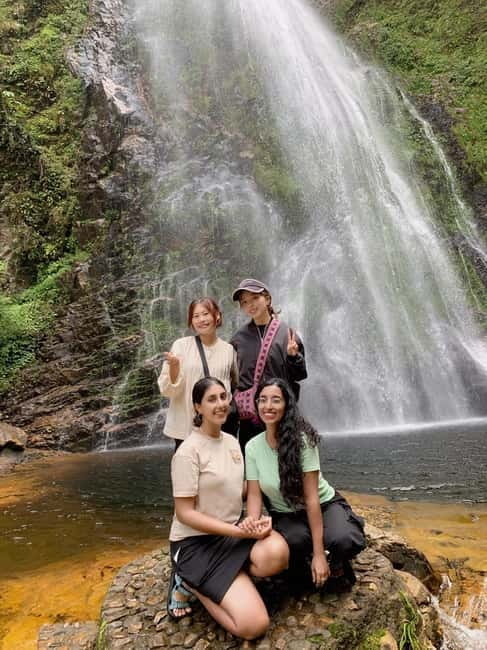
The route includes trekking past waterfalls and crossing more suspension bridges. In Sapa, waterfalls aren’t just a photo spot; they’re proof that the valley has water systems feeding everything down the line.
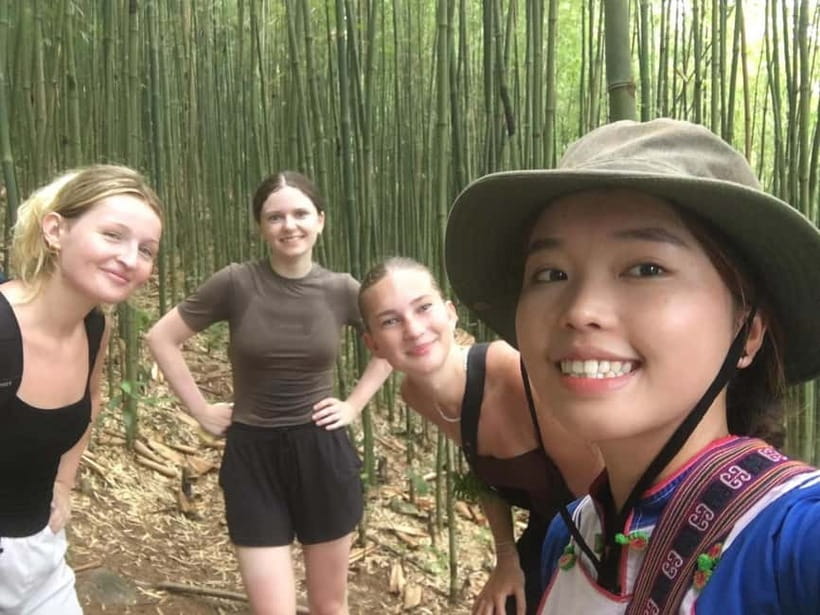
You’ll also spend time walking through bamboo forests. Expect the air to shift under the trees and the trail to feel different—often cooler, sometimes damp, always more “walking into nature” than “walking through villages.”
Supan Village: valley views and a family lunch
Finally, you reach Supan Village, a more peaceful hilltop community with sweeping views. Lunch is at a small family restaurant.
This is the moment where the tour finishes feeling earned. Two days ago you started with terraced views. Now you’ve walked into the valley structure, and you can look down at it with context. The viewpoints make more sense because you’ve actually walked the edges of the world you’re seeing.
Back to town: 14:30 transfer time
You wrap up around 14:30 with a bus back to Sapa Stone Church. It’s enough time to keep the day from feeling rushed, but it also gets you back so you can enjoy the rest of Sapa on your own terms.
What Makes This Tour Good Value (Even If the Price Looks Too Small)
The tour is listed at $6 per person, and the payment structure also mentions a final balance of ₫700,000 per person due after the tour, with a smaller ₫160,000 booking fee if bad weather or unexpected events stop the trip.
Either way, the value is in what you’re getting:
- An English-speaking guide (Linh) who leads the route and village conversations
- 1 night in a family homestay
- All meals (lunch, dinner, breakfast, lunch)
- Entry fees for village/attraction stops
- Transfers between Sapa town and the trail/homestay areas
- A cultural structure, not random walking
At this price level, you’re not paying for comfort extras. You’re paying for local access and time walking in the right places. If you want a western-style hotel base, you’ll probably feel underwhelmed. If you want a real Sapa experience and you’re okay with basic facilities, the trade is fair.
How Hard Is It, Really? 19 km, Uneven Paths, and Weather Checks
The trek is rated moderately challenging. It’s 19 km over two days with steep and uneven natural paths.
For you, the key isn’t speed. It’s footing and energy management:
- Wear proper hiking shoes (not just sneakers).
- Bring water and expect some sections to be warm, especially with clear skies.
- Plan for steep steps and muddy patches if the weather turns.
- Pack a change of clothes for the evening.
Bad weather is also addressed: if conditions are rough, your guide may adjust the route for safety. That’s a good sign. It means you’ll walk when it’s safe, not just when it’s pretty.
One more real-world note: don’t be surprised if locals join in walking moments or if you get approached gently for handmade items like small bracelets or scarves. The prices are often reasonable, but it can feel persistent if you’re not expecting it. A simple yes/no and calm thanks goes a long way.
What to Pack and What to Do Before You Leave
Bring what the tour calls for, then add a few common-sense upgrades so you’re comfortable on trail:
- Hiking shoes, comfy clothes, and a light rain jacket
- Sunscreen, sunglasses, and a hat
- Insect repellent
- Change of clothes
- Water
- If you want to cool off when water stops happen, consider a swimsuit anyway (some people love having one ready when waterfalls are part of the day)
Also: keep your daypack light. You’ll be walking for hours and climbing in and out of village paths.
Should You Book This Sapa Trek with Linh?
Book it if you want:
- A 2-day, 1-night Sapa experience that actually includes village life, not just viewpoints
- A homestay night with included meals and a family-run feel
- A guide-led route covering Black H’mong, Giay/H’mong, and Red Dao communities
- A moderately challenging hike that rewards you with terraces, bamboo, bridges, and waterfall scenery
Skip it (or consider another format) if:
- You need guaranteed hotel-level comfort and nonstop amenities
- Uneven trails and basic facilities would stress you out
- You’re expecting an easy “walk on flat paths” day—this is real trekking
If your goal is to see Sapa from the inside, this tour is hard to beat for the money. You’ll come home tired—in the good way—and with village stories you can actually repeat.
FAQ
Where does the trek start and when should I arrive?
You start at Sapa Stone Church (Nhà Thờ Đá Sapa) in central Sapa. The recommended arrival time is by 9:00 AM for a prompt departure.
How long is the tour and how far do you walk?
It’s 2 days and 1 night, covering about 19 km total. Day 1 is around 12 km (5–6 hours) and Day 2 is about 6 km (3–4 hours).
What villages and communities will we visit?
The trek includes stops at Y Linh Ho, Lao Chai, Ta Van, then Giang Ta Chai and Supan. The communities highlighted are Black H’mong, Giay and H’mong, and Red Dao.
Is the trek easy?
It’s listed as moderately challenging due to uneven paths and natural terrain. You should be ready for steep, bumpy walking.
What’s included in the price?
Included: an English-speaking local guide (Linh), 1-night homestay, meals (lunch and dinner Day 1; breakfast and lunch Day 2), and entry fees to villages/attractions. There are also car transfers to and from Sapa town.
What do I need to bring?
Bring hiking shoes, comfortable clothes, sunscreen, hat, sunglasses, insect repellent, water, and a change of clothes. A light rain jacket or rain gear is also recommended.
Can I store luggage or transfer bags to the homestay?
The tour supports backpack storage. If you already have a hotel in Sapa, you should leave your luggage there. For early arrivals, there’s a bag transfer option to the homestay for 50,000 VND per motorbike (up to 2 large backpacks per bike).
What payment is due during the tour?
A final payment of ₫700,000 per person is due after the tour. If bad weather or unexpected events prevent the trip, you only pay the ₫160,000 booking fee, with no other charges.